Home
Absent father, violent kids!When children are growing up, they undergo a lot of hormonal changes and have varying emotional requirements. If these requirements are not fulfilled by the presence of both parents, they can develop into violent adults. Single parenting for a mother, is extremely difficult; it is simply impossible for her to fill the void left behind by an absent father. When a couple cannot live under the same roof due to major differences, they separate or get divorced. However, the requirements of the children remains the same; they still need the care and love of their mother and the support and guidance of their father, to grow up without any complications or insecurities. Children usually look up to their father as a symbol of strength and security and in his absence, they might not receive the same support and may feel inadequate and insecure. If during their childhood kids do not get the support and security that only a father can provide, they might bottle up the feelings inside; and these feelings usually explode when they grow into violent adults. A Father's Absence is Critical Due to whatever reasons, if the father is not present in the family during the most important growing periods of the kids, they have more chances of turning to crime and drugs, than the children who have a father by their side. According to a research conducted by the Research Institute of the McGill University Health Center located in Quebec, a father's absence, especially during the child's prime growing period, can lead to behavioral problems when they grow into adults. The research was carried out on mice raised only by their mothers and showed that the mice that were brought up in the absence of their fathers, were  abnormal and aggressive in their social interactions. Gabriella Gobbi, who is an author and a senior associate professor at the McGill University - Faculty of Medicine, says that even though the experiment was carried out on mice, the findings are highly relevant to the behavior of humans, under similar circumstances. Role of Fathers and Fatherhood Another research carried out by Dr. David Popenoe, a renowned sociologist, throws light on the role of fatherhood and fathers. According to Popenoe, fathers should not be treated as mere second adults in the family. Fathers, who are more involved in their family, have a certain positive impact on the children, which no other person is capable of. Fatherhood is an important responsibility and the presence of fathers in a family, directly influences the well-being of the growing children. In the absence of fathers, mothers may try their level best to provide their children with the right kind of upbringing and education. However, they might fail to give the kids the support and strength that only a father can provide. Due to this, children fail to face the challenges of life head on and are unable to handle their problems with an open mind. When a lot of emotions get bottled up inside, in most cases, they find their release in the form of violence. Sometimes, children also lack the right kind of guidance in their growing years and mothers fail to handle their changing emotional requirements, due to which these kids become increasingly frustrated and violent as they grow up.  
Caught in the snore snare....A real nightmare!Snoring is caused due to obstructed air movement during breathing while sleeping. It may suggest an underlying medical problem like obstructive sleep apnea. Studies have also revealed a correlation between snoring and risk of heart attack. There are different reasons for snoring and to find out the exact reason and the right solution is important. Snoring affects the quality of sleep can cause irritability and fatigue. Snoring causes poor quality of sleep, irritability, lack of concentration the day after the deed. Snoring is a tad like fingerprints , no two sets are the same and so it is with snoring, There are different rhythms or snoring patterns and even the reasons for snoring vary. Snoring or that irritating sound which people make through their mouths and nose while asleep happens because of narrow airways failure of air to pass through the respiratory system easily. The air vibrates against the obstruction in airway causing the sound of snoring. The air is unable to escape normally through the airways and hence it causes that grating sound with each inhale and exhale. Yes that sound which makes you wish you could smother the fella with a pillow. We say fella because men are more prone to it than women. Snoring can happen due to various reasons: Habits: Those who smoke and drink regularly are likely to have a more relaxed set of jaw muscles causing them to snore readily and loudly. Weight: People with excess weight and poor muscle tone are likely to snore more. Age: The wide open mouthed gape kind of snoring usually happens in old people as the breathing muscles lose their tone somewhat. Posture: General posture and sleep posture in particular can affect snoring patterns. Especially, sleeping with the back flat against the bed constricts free exhalation. How to put a clamp on your snoring? If you have a snoring problem evaluate how serious it is and then take the necessary elimination strategies. Understand that your snoring can cause sleepless nights to your partners, family or whoever is within ear shot so instead of going in for fancy anti-snore devices which don't do a thing to help If this is a recent habit then consult your doctor and have him re-evaluate any medications that might be responsible. Try and establish a regular sleep time and ensure that you follow it to the T. Exercise to lose weight as losing flab around the throat can lead to better sleep. Ask a partner to awaken you if you snore too loudly as regular jabs in the gut can help train the mind to behave. Blow your nose out before bed time as clear air passages is what you need. Any nasal constriction or chest congestion is really what gets you started. Sleeping on your side is a better option than sleeping on your back. Before hitting the sack try and hum a few bars of the blues as singing can help tone the vocal cords and they are less likely to go into vibrate mode. According to help-guide.org there is a rather quaint method to cure snoring and that is to play on a certain musical instrument called the 'Didgeridoo' which is supposed to strengthen the soft palate and throat muscles. If you have no Australian connections then don't despair as rolling your tongue out from all sides before sleep can work just as effectively.
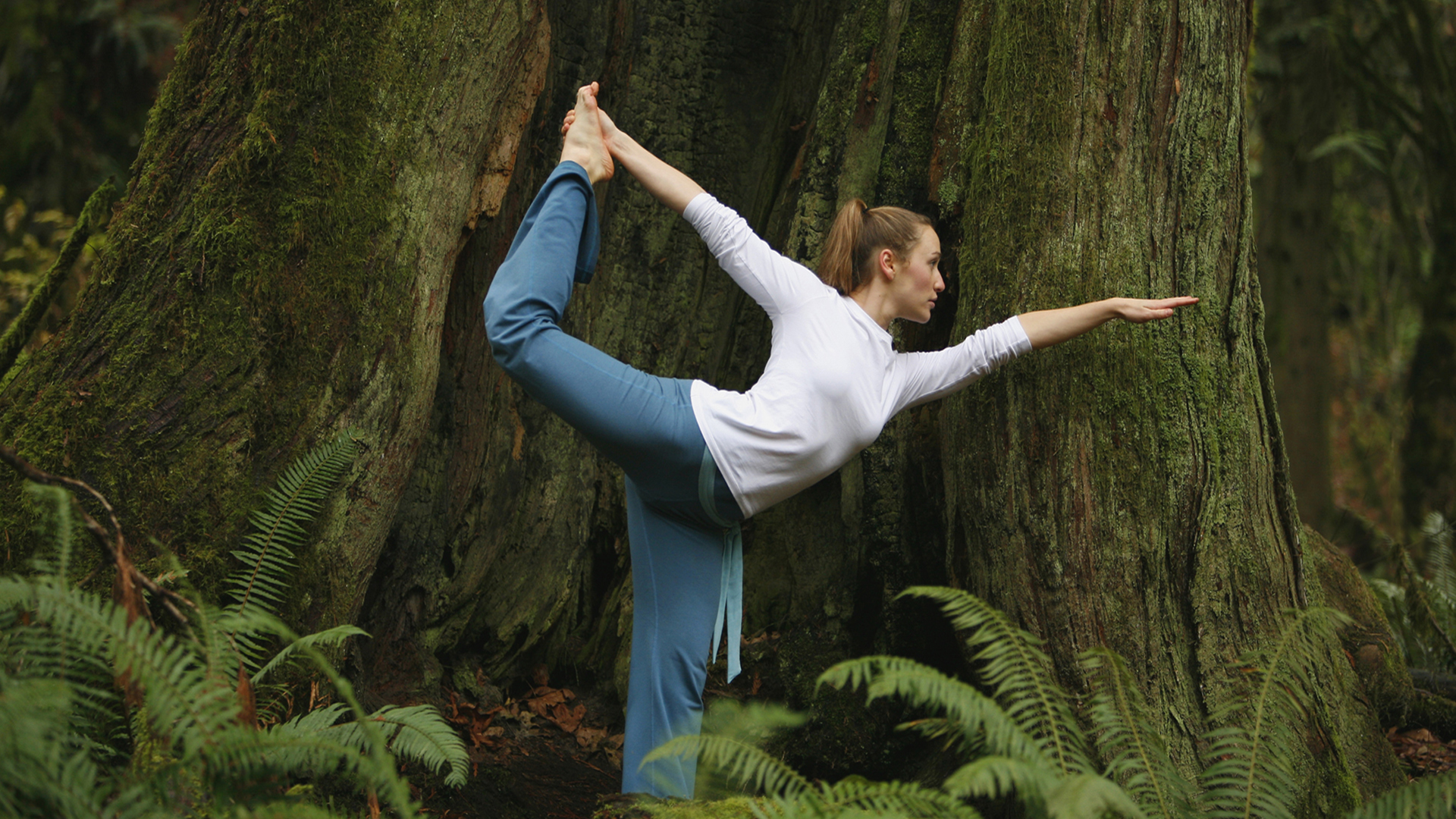
Even women can kick up a storm - Martial arts and the modern womanMartial arts! Yup you have seen enough of Bruce Lee, Jackie Chan and Jet-Li films on the telly to know there is a lot of hard work involved. All that glass breaking, torso-twisting, nun chucks, whirling to kicking ten opponents at once. Is that all for real? Can a dainty woman go about hurling armed robbers off their shoulders? Or does that happen only in Kung Fu films with real weird names like 'Shaolin Temple Monks down ....' or something equally corny. That apart! Won't you need to learn a bit of Chinese or Japanese to even imitate those shrieks that women in those films emit? Worse still! Imagine they will need sub-titles to even know that you mean business! Jokes apart and no offense to the masters of Muay Thai, Akido and Tae Kwon Do! Martial arts is way beyond just fighting and is in fact a great way of disciplining the body, mind and soul. As a woman too martial arts can have a tremendous impact on your self confidence and awareness about dynamics of the mind. True what they show in martial arts film is all about smashing bones and tables but martial arts goes way beyond that. Through different movements, kicks and punches and holds one may learn to overpower an opponent using his own weight, but martial arts is ALL ABOUT CONQUERING THE SELF AND DESTROYING THE ENEMY WITHIN! So if you are intent on learning martial arts be ready for some action-packed exercise routines that Promote flexibility Increase strength, stamina and endurance Help you gain better control over yourself Help you deal with any problem that life may throw your way Help you be competitive and assertive There are different types of martial arts which have evolved over several centuries. The main forms are Kung-Fu, Karate, Akaido, Judo, Tae Kwon Do, Kalayraipatu amongst others. There is also centuries of philosophies behind the exercises recommended by these disciplines. Some martial arts concentrate only on unarmed combat while there are others which blend both armed combat with weapons like swords, sticks and nun chucks. Martial arts can indeed go a long way today in equipping women with the art of warfare so that they can defend themselves against any assailant armed or unarmed. It will go a long way in shaping societies and culture if the womenfolk are empowered both physically and mentally too. These days it is not uncommon to see martial arts blended with aerobics dance steps. It may not exactly be pure martial arts but that too isn't a bad idea at all. It will only go a long way in developing interest in these ancient art forms and help in their promotion. Just as much as any martial arts movie can. Or maybe even more!
Are you there for your teenage children?You must be there for your adolescent children so that they know who to turn to when they are confused. Being there does not necessarily mean your physical presence, but even the rules, boundaries, and standards of behavior you might have set should be able to guide them. When the teenager comes under peer pressure, then these rules may help them make the right choices. Teenagers live in fear They are frightened of their teachers, their friends; they are frightened of being mocked at or not being able to cope. They are dealing with a lot of issues, so when they come home, show them you care. They don't need parents screaming and shouting at them about their conduct or studies. The moment they come in, you should greet them with a smile, no matter what your feelings are otherwise. Don't expect your teenage children to be adults because they are still growing. Family is always important Most people think that teenagers no longer need the love, warmth, and support of the family. Your child might be a teenager,not a child to hold hands and show them the way, but they do need your support. A family works like an anchor that can pull back a teenager from being drifted away. Engage them.Speak to them regarding their likes and dislikes, the pressures they feel at studies, among other things. This could help them from the intense emotional turmoil they may be going through. Equation changes As a child you could cuddle your children, scold them, nurture and guide them, but as teenagers the equation might change. You may not cuddle your teenage child, but a warm hug now and then or a pat on the shoulder is enough to let them know that you love them just the same. Listen to them when they share an opinion. They want to prove themselves so follow their advice if it's reasonable so they feel they are an important part of the family and their opinions do matter. Don't treat your teenage children with suspicion.It will drive them away!! Moody If your teenage child is moody and uncommunicative, it does not mean that they don't need their family. It's just that friends might have taken precedence in their lives. Just the feeling that they have your support may encourage them to take their independent decisions. Information It is important to inform your teenage child regarding alcohol, drugs, and sex. However, you must also know they could experiment. So tell them about the dangers, and if they still make a mistake, then be there and do not abandon them. Help them get through the crisis. Teenage behavior Sometimes teenagers can behave erratically. It could be difficult to know if this is teenage moodiness or something more serious. As a parent you need to watch out for this and find out indirectly about what is troubling them. They might not open up immediately, but if you are around when they feel like chatting, they could let you know what is troubling them.
Dehydration: Prevention and curePlaying outside is great for the child's physical as well mental development. But if your child has spent the entire day outside and comes back with fever, diarrhea, or vomiting, and is sweating a lot, then watch out for the signs of dehydration. What is dehydration? Dehydration means abnormal loss of water from the body, especially from illness or physical exertion. Under normal conditions we all lose some body water through sweat, urine, and tears. Kids lose large amount of water and salt from body during fever, diarrhoea, vomiting, or long hours of physical activity or exercise without any water intake. How do I know it is dehydration? If your child has any of the fever, diarrhoea, vomiting or is sweating a lot on hot days then watch for these signs: Sunken eyes Dry or sticky mouth Dark urine or lack of urine output Tiredness, lethargy, irritability or fatigue How can I prevent dehydration? The best way to prevent dehydration is to ensure the child drinks plenty of fluids when they are sick or physically active. Get your kid in the habit of drinking enough water before he/she even feels thirsty.If it is very hot, explain to the kids the benefits of drinking water frequently. If possible, avoid going out in the sun. Give your kids a well-balanced meal to be sure that they are getting all the adequate nutrients. What if my kid gets dehydrated? If the kid is below 1 year, care should be taken to breast feed the baby often. If the dehydration is due to vomiting, feed small amounts frequently for it to absorb in between the vomiting episodes. Give a spoonful of ORS solution every 10 minutes to replace the lost fluids. For kids above 1 year, start with plain water initially when the kid complains of thirst. Later the kids may need drinks containing sugar and electrolytes. Also, the child should be made to rest at home in a cool environment until the lost fluid has been replaced. Once the child is rehydrated, resume to normal routine and diet.
Lost in wonderland? - Absentmindedness!The Daily Telegraph reports that on an average every adult in UK forgets three things per day. Forgetfulness is a human tendency. If this absentmindedness or forgetfulness is limited to forgetting three to five things per day, then it can be left unattended. However, if you or a near one is facing a lot of trouble in your daily life due to this habit or problem, you should immediately have a consultation with your doctor. Mystery behind Absentmindedness According to Maria Jonsdottir, an investigating neuropsychologist from Iceland, absentmindedness is the mental lapses that usually happen in connection with the actions that are routine or well-rehearsed. You can perform these actions without any need to be careful. This includes regular actions such as squeezing out toothpaste or moisturizer from the tube. These action slips are very common and if you observe carefully, you do forget some such regular things every day unknowingly. Psychologists believe that an individual makes such mental lapses around 30 times in every week. On an average, the nervous system of a human brain runs quite efficiently. However, sometimes temporary fault may develop that may make you use incorrect word or slip to your native tongue while conversing. This does not mean however, that something is wrong with your brain. When the team of Jonsdottir surveyed around 200 people, they found out that on an average the slips are 6.4 per week although the number also greatly depends upon the gender, intelligence level, and age. One startling fact that was discovered is that most of the events of forgetfulness occurred before 8 p.m. that means people tend to forget more during the daytime than in the evening. Apart from a momentary lapse in the functioning of brain efficiency, other reasons that can lead to increase in the incidents of forgetfulness are high stress levels, mobile phones, e-mails, and busy lifestyles. Today, people are pressed for time and they have more work at hand than time and that has increased the occurrence of forgetfulness. Types of Absentmindedness A team of neuropsychologists has divided these mental lapses into five categories. The most common are the storage failures in which people cannot recall what they had planned for a particular occasion or they can recall the action, but cannot remember for whom it was meant. Another category is test failures in which people come back home to check whether they have turned the light off and find out that they have already done so. Discrimination failure is another category of absentmindedness wherein you for a moment fail to identify the difference between your things and others'. During the study, a male participant accepted that he picked up the jacket of his female partner thinking it to be his own. Sometimes you put books in the dustbin and the trash on the shelf and laugh at your behavior a moment later when you find out what you have done. This is discrimination failure. Another mix-up includes program assembly failure wherein you put salt in the tea instead of sugar or you just do not keep the right things at the right place. The fifth one is the sub-routine failure wherein you go to the market to buy tea and instead come back home with coffee. The research proves one thing that if you are absentminded, it does not mean that you have a bad memory or can suffer from dementia as is widely publicized in the media. It is perfectly all right to forget or being an absentminded person. Sometimes the incidences of absentmindedness can increase due to fatigue. A good sleep and rest can fix the problem easily.
Where does your happiness lie? - Importance of emotional well-beingAn emotionally well person is characterized by ability to handle and adapt to changes, to efficiently deal with stress, has a positive self-image and can take decisions independently to cater to his needs. Striving forward with a sense of purpose, an emotionally strong person has the capacity to build and sustain fruitful relationships without over-dependence. Being emotionally well does not imply that you do not experience pain and suffering. Pain and suffering is an essential part of every person's life. The strength of your emotional well-being is determined by how you look at and react to them. Those who are emotionally well can treat their adversities as opportunities to change and move ahead with greater strength. Signs of an emotionally ill person include stress, frustration, discomfort with changes, negativity in thoughts, and unreasonable paranoia about the intention of other's actions, discontent, and depression. There is also the feeling of guilt over inability to hold relationships and of not being able to keep others happy. You may also find yourself unworthy and feel that you do not deserve to be happy. Such sensation of low self-worth fuels the need to look for other ways to feel relaxed - thus, resulting in substance dependence. In cases of severe emotional ill-being, one could experience sleeplessness, hopelessness, suicidal, and uncontrollable negative thoughts. Relation between emotional and physical well-being: Emotional well-being is closely related to your physical body. They share a symbiotic relation with one another.By taking care of your body, you allow balanced production of hormones and smooth functioning of the other body parts - allowing them to respond efficiently during tough situations and also assisting the body to cope with physically challenging conditions. By being emotionally strong, you will also contribute towards faster and effective treatment of your body from illnesses. Your emotional well-being is determined by the following factors: family background, companionships, past history of relationships, sensitivity to nature and genetic dispositions. Those who come from troubled family background find it harder to associate in a healthy way with others during their adulthood. In many cases genetically, a person has greater propensity towards being emotionally weak - though this can be controlled and molded into strength by one's own actions. Depending on the type of educational institutions you attended, your companionships could be those which built your self-image positively or which hindered your capacity to take care of yourself (due to instances of bullying and teasing). Past romantic relationships also determine how you deal with your emotions in the present. Those who are sensitive to nature have been found to have greater consideration for human beings as well as non-human beings around them. Every factor is a condition which can be shaped by the efforts of the individual. Emotional well-being is primarily built on the belief that you can create your own reality by choosing your actions. How to promote your emotional well-being? Be optimistic :  Emotional and mental well-being is majorly decided by how you look at your life. Even though you have many sufferings, are you able to accept them and find ways to get through them, knowing that the good is yet to come? Flip through the inspiring stories of people around you to motivate optimism. Find your beauty : Listen to the needs of your body and do not impose your mental ideas of beauty on it. Beauty of each person is determined by their unique characteristics. Do not let the conventional standards of beauty pull you down. Know that you are unique and beauty is not necessarily an external but an inner state of mind. Stay with those who care for you : You might see the need to sacrifice your happiness for others in some instances. However, if you find yourself doing that 8 out of 10 times in any relationship, it is time to seriously reconsider how you wish to live. Is your happiness being taken for granted? Are you running this relationship because you are afraid of being alone, knowing that it is going nowhere in the future? Those who care for you will show it through their actions. The best way to love yourself is by being able to see yourself through their eyes. Take care of your body :  Get adequate sleep daily and make sure your body gets lots of nutritious food. Don't let the advertisements decide the needs of your body. Try out different cuisines and let your body tell you which one it feels is most suitable. Exercise moderately everyday by taking a walk in a green area with your loved one (Remember that the point of exercising is not only to lose weight, but to sweat away your stress daily in fun ways!) Follow your heart : Do what you love. There is nothing that could harm your emotional well-being more than doing something which you know is not right and which you do not want to do. Confucius has dropped us a fortune cookie of happiness when he said that in choosing a job you love, you will never have to work a single day of your life. Get a pet companion :  Adopt an animal and take care of it. In taking care of the pet, you will realize and gradually get in touch with yourself, becoming aware of who you are as a human being. This could be the starting point of discovering your true potentials. Volunteer at social services : Let your creativity and emotions flow by connecting to those around you. Depending on your interests, choose a type of social service - old age home, orphanage, animal shelter, being with terminally ill people, and so on. Such activities will help to positively channelize your emotions.
Sleep tight at every good night!A good night's sleep! Oh, what would some of us give for that luxury! Sure, you can blame it on the fast paced world and the things you have to do to keep the competition off your turf, and millions of other reasons to be sleep deprived. Yes, sleeping soundly and regularly is well within our control. Maybe it has eluded you so far and you are caught in a vicious circle of staring at the ceiling for hours on end; so read on to see what simple things you can do to gently drift off in to the arms of nature's greatest restorative- beauty sleep. Do's and don'ts for beauty sleep Fix a regular bed time, so that your brain will adjust to this by sending sleep signals to the body. If your bedtime is completely at the mercy of your activities then even as fatigue sets in the body will refuse to obey. So, even as your body is screaming for rest, the mind does otherwise. This is where good old discipline comes in to play. Take in to consideration the activities which are absolutely necessary to do and note the frequency with which they are likely to interfere with your bedtime before setting a realistic bed time. Initially the mind will refuse to obey, and you are most likely to get up, after tossing and turning in bed, to switch on the computer or whatever it is that you do when you cheat your bedtime. Rest assured, in a couple of days the brain will get used to this sleep routine and prepare you for shut down. Sleeping well also largely depends on how stress free you are. If the mind is in a state of constant excitement or anxiety, sleep will elude you. So when you lie down to sleep you need to fade out and blank everything out- joy and sorrow; expectations and ambitions, all of these out for later access! Tell yourself that tomorrow is another day and what you need today, is a state of neutrality! That's what most Indian philosophers would want you to do anyway. A good eight hours of sleep may depend largely on our minds but external factors can matter too. Sleep comes easily when your mattress is comfortable and not too soft or too hard. Use a pillow that won't give you neck pain, as any discomfort in the neck is likely to throw sleep off gear. Wearing clean night clothes can give you better quality of sleep. That goes for the bed spread as well.  Try this for yourself. Tight and uncomfortable night clothing is not recommended as this will only make you wriggle about for comfort. A cozy blanket and some clean nightclothes make great bedtime mates. Some people have a nightcap to help them sleep better while others still, drink themselves to sleep. Alcohol in large doses can only numb but does not help you sleep and you will only find yourself waking up frequently. Sleeping pills can be habit forming and might have serious side effects in the long run. So try simple remedies like a glass of warm milk or hot chocolate before bedtime to help you sleep better. Avoid stimulants like coffee, tea or nicotine before bedtime as that can keep your nerves all hyper thus making sleep quite difficult to come by. Computers and television are also largely responsible for us staying up late and disrupting our sleep patterns. We often find ourselves mechanically flipping channels or browsing without any real need for it. Try and go offline before bedtime, especially if you want to be able to schedule your sleep time. Television or movies can excite the brain and then you will find it difficult to fall asleep. So about an hour before bedtime switch off the telly or computer and just sit quietly and do some deep breathing exercises. Just sit cross legged for about ten minutes and relax your body. You are now ready for a deep slumber.
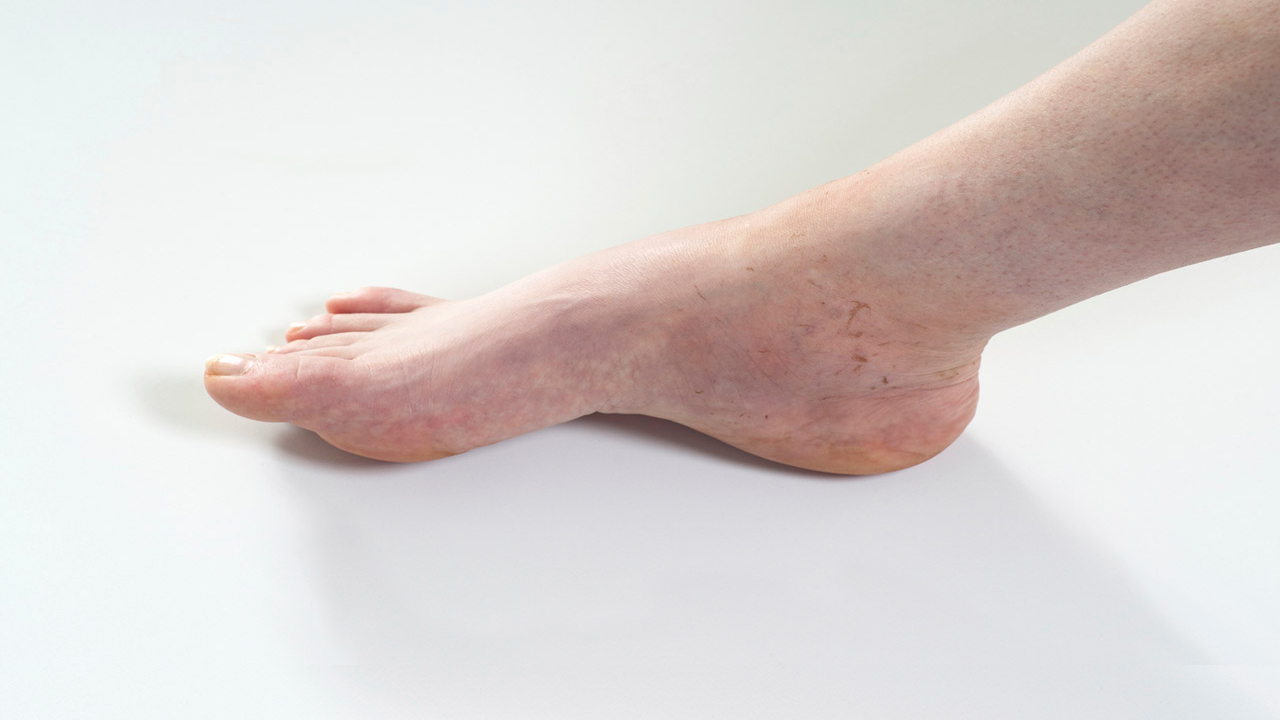
10 bedtime beauty essentials! Here are the beauty essentials you need to take into consideration, before you hit the bed: Baby-soft soles :Before you sleep, apply Vaseline on the sole of your feet. This will adequately moisturize your soles and you can wake up to the great opportunity of wearing those heels you have been dying to try out! Healing the puffy eyes : If you are worried about waking up with puffy and tired eyes (even after 6 to 8 hours of sleep), then put on a little eye cream. You can also keep an extra pillow and make sure you sleep on your back. This will allow the fluids around your eyes to drain easily and reduce the puffiness. Trying out wavy hairstyle : Bedtime is the best time to work on your hairstyle. Before you sleep, shower and fashion your hair into the style you want. Apply a styling cream on your hair gradually, after having air-dried it. Now, decide if you would like to put them up in buns or braids. Stylize them into the pattern and wake up to wavy hair! Let your skin breathe : Those who are suffering from dry skin can apply moisturizer. A humidifier is also a great accessory for help in these cases. You can switch on the humidifier before you go to sleep. This will help your skin to retain its moisture through appropriate hydration. Keep aging at bay :Did you know that sleeping on cotton pillowcases can increase the chances of creases and wrinkles on your skin? Prevent wrinkles by using silk or satin bed clothing. This will also reduce hair breaking. Wake up, miss white smiles: If you want to take off the yellows from your teeth, then brush some baking soda and let them stay for about 8 minutes. Afterwards, thoroughly rinse your mouth. Do not perform this beauty tip more than once a week, it will negatively affect the structure of your enamel. Work on your complexion :During the day, sunlight might disable some face creams from working effectively on your complexion. Make the most use of night and apply a face cream containing retinal and vitamin C. Lengthen your lashes : Eye lashes depth and grace to your eyes. You might feel that working on your lashes will require way too much effort. But, much to your surprise, everything your lashes need is contained in a natural ingredient - castor oil. Consisting of Omega-3 fatty acids, which are highly hydrating, they will avoid your lashes from breaking and also strengthen them. Apply castor oil on your lashes before you sleep and watch them grow thick and healthy within a few weeks! Taking care of your hair : Skim leave-in conditioner through your hair in the evening and let them stay on till the morning. This will let them become soft and shiny. You can also use coconut oil as an alternate conditioner. Readying your nails for polish : Depending on the skin type, the nails of certain people become dry. If you are one of them, it would be best to apply a cuticle cream or oil on them before you sleep to wake up to polish-ready nails.
Hypertension and Vitamin DVitamin D is one of the essential vitamins that are required for strong and healthy bones. The body synthesizes it in the skin from cholesterol when there is adequate exposure to sunlight. Over the past decade, vitamin D has been intriguing medical researchers the world over. Several studies were conducted and interesting results found. One of them being that vitamin D may be implicated in influencing blood pressure levels. As per studies conducted, it was found that low levels of vitamin D lead to high blood pressure levels. People living in high altitudes where sunlight is at a minimum level were found to be hypertensive. Also, the winter season showed an increase in hypertension cases which was again attributed to the low sunlight levels. What exactly does vitamin D do to affect the blood pressure? Renin is an enzyme secreted by the kidneys that constricts the blood vessels and increases the blood pressure. Vitamin D acts by inhibiting this renin. Insulin resistance causes high blood pressure, which is why hypertension often has co-morbidity with diabetes mellitus. Vitamin D helps in improving the body's sensitivity to insulin. Calcium deposits on the arterial walls harden them and make them lose their elasticity leading to an increase in the pressure of blood flowing through them. Vitamin D helps the body to better absorb and metabolize the calcium. The role of vitamin D in strengthening bones is very clear. Though the studies have shown that people having deficiency in vitamin D tend to develop hypertension, the role of vitamin D in this case is still not very clear. Also, whether vitamin D supplements help in lowering blood pressure levels is still to be found out! But all said and done, the research findings cannot be ignored. Moreover, a morning walk is beneficial in many other ways as well! So, get up early, put on your walking shoes and say Hello to the sun! Vitamin D alone will not help you control your BP. You need to keep taking the medications along with the other dietary and life-style changes! An early morning walk is a blessing for the whole day!
7 Pains you should not ignoreWhen the body cries out in pain, most of the times, you know what is bringing that pain, and you do what will help relieve the pain. For example, a serious workout may cause sore aching muscles, for which you will rest a day or two, or take a painkiller. What does one do to know why a body part is paining? One needs to sit up and take notice! The pain could be anything, from a heart attack, to an aneurysm, and could cost you your life! Pain in the head: Headaches are the most frequent pains that we suffer from. Headache could be due to a migraine, due to staying too long in the sun, due to a cold, or simply due to working too long without a break. However, in case you have a headache, and are not able to pinpoint to an obvious cause, rush to the emergency room. Headaches with no apparent cause may be due to a brain hemorrhage, a tumor in the brain, or an aneurysm in the brain arteries! Get yourself checked as soon as possible, if you keep getting headaches for no apparent reason. Pain in the jaw: This could be due to a caries ridden tooth. But most often it is due to an impending heart attack. The classical left sided chest pain radiating to the left little finger is not always seen in all cases of heart attacks. Pains to the jaw and the back are reported very frequently. Often, people tend to take the pain in the jaw lightly, and brush it off to a tooth problem. This may be potentially life threatening, as you never know the severity of the attack! Tingling, numbness and burning of the feet: Diabetes mellitus is a silent killer. Peripheral neuropathy is often the first complication of diabetes. Tingling numbness, and burning in the feet may be attributed to wearing tight shoes and to keeping your feet suffocated in socks all day long. Dipping your feet in a tub of cold water will give you a good night's sleep. But do not let it go at that. Get your blood sugar levels checked before it is too late! Pain in the calves: Do you get nightly pain in your calves that get better with putting your feet up? This is due to long standing hours at workplace, you may say. True, it is due to that. But, it is not something to be left unattended. Calf pains are due to deep vein thrombosis that occurs when the stagnated blood in the veins starts to form clots. The danger here is that the clot could break off and travel to your lungs causing pulmonary thromboembolism that is fatal! Take a break regularly and put up your feet frequently. Let the blood flow and not stagnate! Pain in the back: Most commonly, back pain is caused due to arthritis, and improper sitting postures. But if you suffer from high blood pressure, and are an alcoholic and smoker too, do not take your back pain lightly. It could be due to a heart attack or an aortic dissection! Pain in the abdomen: You may attribute this pain to gases, over eating or indigestion. While these may be occasional causes, persistent pains need to be checked. It could be anything from a gall stone, to gastric ulcers, to a swollen liver, or maybe even pancreatic cancer! Vague, medically inexplicable pains: When you have a recurrent headache or a stomach ache or a backache and you come out with a 'perfectly healthy' report after visiting all the specialists, it is perhaps time to seek the help of a psychiatrist or a counsellor. Your pains could actually be a symptom of depression. Psychosomatic pains are on the rise. The stresses we face in our lives everyday get pushed to our subconscious, and eventually are pushed up bodily in the form of unexplained aches and pains!
Adrenaline rush - Feel it inside!Imagine yourself at a great height, either scaling a dangerous cliff-hanger of a rock face or on a bungee jumping platform. Some of us who have had the pleasure of doing high adventure sports like racing or indulging in perilous activities like giving out an acceptance speech for the first time are well aware of that strange feeling in the solar plexus, the clammy hands and intensely thudding heart, and the rush of blood to the head just as you are about to take the plunge! The heart beats faster than ever, breathing goes rampant, the senses seem to become supercharged, and the fear, the joy, and the excitement meddles with the mind. That’s adrenaline rush! So what do you want to do? Fight? Or flight? Either ways, adrenaline does it for you. Speaking medically, the two small adrenal glands on top of the pair of kidneys release a magic chemical that gives the animals way towards the fight-or-flight response to counter certain high-intensity situations, called adrenaline or epinephrine. The chemical entity is a hormone, a neurotransmitter as well as a medicine and is too complex to explain its behavior. However, when it works the heart pumps out the blood to the excited muscles and all the juices surge up inside the body. There is more to this topic than just the physiological mumbo-jumbo. The hormone acts every day in the normal course of life, but not regularly to the extent when it produces side effects such as shakiness, palpitation, high anxiety, and profuse sweating! Thats kept for special situations like physical threat, excitement, bright lights, noise, and really high temperature – in good or bad ways. Let us surf through some of the rewarding and a few of the nasty situations where the jolting juice takes charge of our body! The Good ones: Countering Stress: In extreme stress conditions like accidents or fracture, the body needs to react fast and is at its highest awareness. Adrenaline keeps the muscles up and kicking to help the victim fight with the stress. High Energy Requirement: In majority of sports, more specifically in contact sports like Rugby, Boxing, Mixed Martial Arts, etc., the player needs to be in his full sense and topmost concentration level. The adrenaline rush runs in the background to keep them at their extreme self. The Push Mode: Often the daily chores aren enough to excite us and we tend to search for some adventure. In such pursuit of excitement, there are times when the road is a dead end or there is only one way forward – the impossible or most difficult one! The hormone pumps the brain both ways with fear and with the push to conquer the fear and proceed. Adventure Sports often sounds fun, but at times when running ahead of a raging bull, or hanging off a cliff, or rafting down the rough waters of a cascade – feels like the heart shall come out and scream!! It is the rush of adrenaline that keeps one ahead of the fear and explore the high-energy fun of winning over it. Life Saving Moments: In cases of life-threatening emergencies such as drug overdose, cardiac arrest, or pulmonary failure, where the heart and lungs suddenly cease to function and the body gets into a shock –– the epinephrine shots are considered as a life-saving medication to bring the patients back to life (only to be used judiciously by a qualified medical practitioner). The important medical use of adrenaline is in treatment of acute anaphylaxis and allergies under medical supervision. The Bad Ones: Disorders of the Adrenal: Tumors and cancers of the adrenal gland can cause hyperactivity of this high-performance hormone affecting the normal functioning of the heart and the blood vessels by increasing heart rate and creating anarchy in the body systems. Over-Stressed Adrenaline Rush: The demand-supply mismatch in the present world scenario requires one to perform at his/her epitome of mental and physical strengths. In that constant urge of performance, the brain and the body is stressed out so intensely that the adrenaline surge symptoms are experienced by the individual even in the absence of threatening situations. Sudden sweating of palms, shortness of breath, pounding heartbeats, or chest pains without a justifiable reason can be a result of constant stress.
Are long hours of work bad for your sex life?As researchers in 'Occupational Health' indicate that working more than 8 hours a day could seriously shorten your life span by inviting all sorts of ailments like heart disease, sleep deprivation, chronic fatigue syndrome among others, it could very well mean sounding the death knell on your love life! So how does work affect play? The stress that goes with long work hours could certainly lower sex drive leading to feelings of frustration and inadequacy amongst partners. 'Erectile dysfunction' and lack of sexual desire are now on the increase amongst men with high pressure jobs and fancy designations. This in turn adds more strain on the relationship as partners naturally feel spurned due to the general lack of intimacy and sex. There is also the added danger of extra marital affairs as hours away from home can increase the chances of one night stands or casual sex thereby increasing the risk of STDs and sexual guilt which can only spell doom on the home front. So if you are a busy person this is what you can do to keep your bed from crumbling: Take a break now and again from work to call your spouse or partner. This can indicate that though you are busy he/she is foremost on your mind. Do not sacrifice your weekly offs as this is the time that your body, mind and spirit need all the healing that they could possibly get at the hands of your mate. Try and involve your mate as much as possible on what is happening at the work place. This way your contribution at your work place can be appreciated and can lessen the grouse, somewhat, like you are never available and similar other complaints. Preferably keep time for making love. These moments of intimacy are really what makes life worth living and should be given as much prominence as your promotions and annual appraisal. Do not miss out on your meals and exercise routine that ensure that despite hectic work pressures, you can still summon up enough energy to make love. Try a relationship counsellor to help you fine tune your work schedule to your home life.  
FAQS
T&C FAQS