Home
Fairness scream: The new male obsession"Mirror, Mirror on the wall, who's the fairest one of all?" The words at once evoke images of the evil queen as she strikes a vain pose at the looking glass. However, these days one needs to be more accommodating and make way for a preening gent to put forth the above query. All these days, fairness would be a quality an Indian male would look for in his wife. Just see the Fair & Lovely ads to know what we mean. But today, this very obsession has turned on itself. More and more men are being just as exacting about their own skin color, complexion and tone as their female counterparts. Just take a look at all those TV commercials where celebrity endorsements dangle the bait of fairness creams, lotions and body wash specially designed for teenagers and young men seeking to take them to the promised land of social and sexual success. But before you rush to buy that cream, here's what that fairness is all about Fairness is skin cell deep Fair, ruddy, dark or wheatish is all determined primarily by the melanin content in our skin cells. Some races like the Africans have a high melanin content thereby giving them a dark colour while Europeans are of a lighter skin colour due to low melanin content. So whether you use an expensive fairness cream or go in for beauty treatments at luxurious beauty spas, genetics will have a final say on the matter. How fairness creams work...or do they? Fairness creams contain chemicals which block the production of melanin in the skin and thus enable a lighter skin tone and a fairer complexion. Mostly melanin production in men is more than females, which is why women's fairness creams don't have so much of an effect on men. The cosmetic industry recognized this factor and thus developed products designed for the male skin. However, some of these "men's only" fairness brands are glorified sunblock creams which block the harmful ultra violet radiation of the sun which blackens the skin. The dark side of fair Some of the beauty treatments and fairness creams contain chemicals like hydroquinone, mercury, and even steroids, which could do more harm than good. If you are obsessed about fairness, the least you could do is use a branded product (though that is no guarantee of its efficacy!). First sample it to check of it suits your skin. If a rash breaks out, consult a skin specialist immediately. Finally, it is the health of the skin which is more important than colour. So exercise regularly or use natural skin treatments like orange peels, cucumber patches to enhance your skin tone. Don't give in to peer pressure. The obsession for fairness can lead to low self-esteem and needless rivalry. Cosmetologists and marketers of fairness products are the only ones who will laugh their way to the bank at your cost. So, if you have a darker skin colour you don't have to go in for expensive remedies just because men in your age group find it cool. Self-acceptance is much better remedy than any beauty treatment in the world.  
Perfect partners in crime - Midlife crisis and dementiaThe responses we have to common stressful events in our daily lives have a lasting impact on our brain structure. The effects of a stressful event last a very long time, though apparently we seem to have recovered from it. Researchers say that the stress hormones keep circulating in our body long after the stress has passed. According to a recent Swedish research study, our response to common life events may trigger long-lasting physiological changes in the brain. These interestingly shocking findings come from the Prospective Population Study of Women in Gothenburg, a long term study on 800 women that lasted for almost forty years. The women who were a part of this study were all born before 1930, and underwent regular neuropsychiatric tests. The study started in 1968 assessed women for any baseline stressors like workplace problems, widowhood, alcoholism and illness in the family. Women who had serious issues at the start of the study had a 21% higher risk of developing Alzheimer's Disease and 15% higher risk of developing dementia later on in life. Interestingly, having to take care of a mentally ill family member like a sibling or mother, was found to be a major cause for development of dementia later on in life. The findings of this study show that accumulated stress from common life events has severe physiological and psychological consequences. These physiological consequences include adverse effects on the central nervous, cardiovascular and endocrine and immune systems. There have been several studies that state that the effects of stressful events like earthquakes, cyclones and floods can have a lasting impact on life and often shape the person's personality. What makes this study interesting is its finding that daily stressors accumulated over a period of time and often left unresolved, have a lasting impact that shows up in later stages of life!
Avoiding nappy rash - A few words of adviceNappy rash is a skin condition that takes its name from the nappy in which a baby is wrapped. It is a reddish rash, or tender skin around the buttocks and inner thighs of babies, which occurs due to prolonged wetness from either urine, or stools, or both. Nappy rash may be in the form of an unusually tender bottom on a child, or an inflammation around the genitals, and inner thighs, or folds of the skin. It generally occurs in really small babies, less than a year old. Most times, nappy rash is not a very serious condition, provided care is taken. No matter what type of nappy you use, whether promising complete dryness, or absorbent nappies, your baby is likely to develop 'nappy rash' at least once. The rash can make the baby feel uncomfortable, and cranky as a result. Steps to avoid nappy rash: Always ensure that your baby's bottom remains dry by changing nappies at regular intervals. Use a mild medicated baby soap which will help in keeping the skin around the inner thighs and buttocks soft. Give your baby some nappy free hours. You will be the best judge to know when she is likely to have comparatively dry spells, which can allow the skin and parts below the waist some breathing space. Regular bathing should take care of most rash related problems. Use an emollient, or medicated soap for bathing. Sometimes, nappy rash is a result of a thrush or yeast infection. The baby's resistance at these times is low so that it allows the yeast to thrive in the form of ugly red patches. Always show a medic to rule out the possibility of bacterial infections. Anti-fungal creams should also take care of normal nappy rashes.    
Pediatric diet formula food vs traditional foodAccording to the World Health Organisation, it is unnecessary to give your baby rice cereals at the age of four months as breast milk can provide all the nourishment a baby needs in the first year. No other solid food is required. Breast milk has all the nutrients like fats, protein, cholesterol, carbohydrates, vitamins and minerals which are required in the first year of life. According to most studies,formula foods are not the healthiest option to begin solid foods on. Doctors prefer that babies be given boiled vegetables and mashed fruits like bananas and not formula cereals that contain simple carbohydrates. It is not a good idea to give babies processed and refined foods that are found in all formula foods. Formula foods do have nutrients, but they are not as easy to absorb as nutrients from foods prepared at home. You can also ensure quality in food that is prepared at home. Formula foods cannot imitate the natural taste of foods. Babies like to choose foods according to taste just like the adults and you can give them a wide variety of choices like offering them different fruits and vegetables rather than the similar tasting formula. You will be surprised to know that mother's milk has the taste of the foods she eats and so babies develop taste for a variety and may like the insipid taste of formula. Another reason why formula foods may not work that well is that they contain cereals. However, the enzymes that are required to digest carbohydrates are not fully developed in babies until they are more almost three years old. Cereals and breads are very difficult for babies to digest. Undigested grains can throw off the balance of bacteria in the gut and this is the reason for a lot of digestive issues once they are grown up. Solids should not be introduced until six months of age, as studies now reveal that if solid foods are given early on then it increases the likelihood of allergies, especially of those foods introduced. Babies produce only few enzymes and digestive juices that are mainly required to digest protein and fats. This is because mother's milk has 50 to 60% healthy fat which is a must for the babies' mental and physical growth. Most baby infant nutritionists feel that formula feed is not a complete food. Babies will get deficiency,such as iron, as it is difficult to absorb them from formula foods. The debate continues as many feel that the marketing gimmicks are what selling these foods and not the nutritional value they provide to babies. A note of caution, excessive amount of juices are harmful for babies as these can lead to obesity.
Causes and treatment of sleep talkingIt is usually believed that sleep talking is associated with dreaming, but there is no scientific evidence available to support this hypothesis. In few cases, it may be associated with sleep disorders or any other diseases. Sleep terrors and REM sleep behavior disorder (RBD) are two sleep disorders associated with sleep talking. Sleep terrors are associated with frightening scream, kicking, and thrashing. It is commonly seen in children. Awakening becomes difficult during sleep terror. Patients with RBD utter a sudden loud cry, grunt, shout, or act out their dreams, usually violently. Other causative factors of sleep walking are emotional stress, mental health illnesses, substance abuse, fever, and certain medications. Treatment: Evaluation of the patient Patients with sleep talking should be evaluated by a specialist doctor especially if it is seen in adults or associated with violent actions, screaming, or intense fear. If children with sleep talking have disturbed sleep pattern, they should be evaluated by the pediatrician. The doctor asks questions to the parents, roommates, and bed partners about the nature and the extent of sleep talking. There is no definitive treatment available for sleep talking, although the doctor may test to record the sleep pattern of the patient to identify any sleep disorder. This test is known as polysomnogram. Management Sleep talking usually does not require treatment. Avoidance of stress and plenty of sleep at night may help to decrease sleep talking. However if any sleep disorder is identified by polysomnogram, it is treated accordingly by the doctor. If underlying causes like mental illnesses, substance abuse, or medications are identified, they are also managed accordingly. Mental illnesses like depression should be treated with proper counseling and medications. The patients should refrain from alcohol, heavy meals, fatty meals, etc. The patients are advised to follow regular sleep schedule, get adequate amount of sleep, and practice proper sleep hygiene so that severity and frequency of sleep talking is decreased.
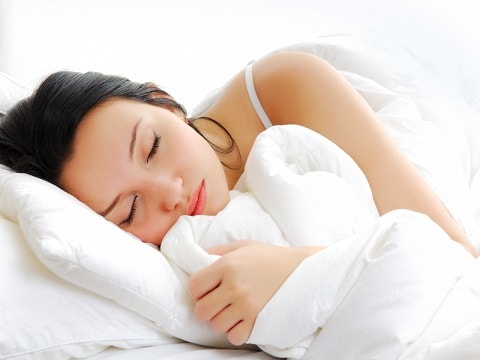
Sleep tight at every good night!A good night's sleep! Oh, what would some of us give for that luxury! Sure, you can blame it on the fast paced world and the things you have to do to keep the competition off your turf, and millions of other reasons to be sleep deprived. Yes, sleeping soundly and regularly is well within our control. Maybe it has eluded you so far and you are caught in a vicious circle of staring at the ceiling for hours on end; so read on to see what simple things you can do to gently drift off in to the arms of nature's greatest restorative- beauty sleep. Do's and don'ts for beauty sleep Fix a regular bed time, so that your brain will adjust to this by sending sleep signals to the body. If your bedtime is completely at the mercy of your activities then even as fatigue sets in the body will refuse to obey. So, even as your body is screaming for rest, the mind does otherwise. This is where good old discipline comes in to play. Take in to consideration the activities which are absolutely necessary to do and note the frequency with which they are likely to interfere with your bedtime before setting a realistic bed time. Initially the mind will refuse to obey, and you are most likely to get up, after tossing and turning in bed, to switch on the computer or whatever it is that you do when you cheat your bedtime. Rest assured, in a couple of days the brain will get used to this sleep routine and prepare you for shut down. Sleeping well also largely depends on how stress free you are. If the mind is in a state of constant excitement or anxiety, sleep will elude you. So when you lie down to sleep you need to fade out and blank everything out- joy and sorrow; expectations and ambitions, all of these out for later access! Tell yourself that tomorrow is another day and what you need today, is a state of neutrality! That's what most Indian philosophers would want you to do anyway. A good eight hours of sleep may depend largely on our minds but external factors can matter too. Sleep comes easily when your mattress is comfortable and not too soft or too hard. Use a pillow that won't give you neck pain, as any discomfort in the neck is likely to throw sleep off gear. Wearing clean night clothes can give you better quality of sleep. That goes for the bed spread as well.  Try this for yourself. Tight and uncomfortable night clothing is not recommended as this will only make you wriggle about for comfort. A cozy blanket and some clean nightclothes make great bedtime mates. Some people have a nightcap to help them sleep better while others still, drink themselves to sleep. Alcohol in large doses can only numb but does not help you sleep and you will only find yourself waking up frequently. Sleeping pills can be habit forming and might have serious side effects in the long run. So try simple remedies like a glass of warm milk or hot chocolate before bedtime to help you sleep better. Avoid stimulants like coffee, tea or nicotine before bedtime as that can keep your nerves all hyper thus making sleep quite difficult to come by. Computers and television are also largely responsible for us staying up late and disrupting our sleep patterns. We often find ourselves mechanically flipping channels or browsing without any real need for it. Try and go offline before bedtime, especially if you want to be able to schedule your sleep time. Television or movies can excite the brain and then you will find it difficult to fall asleep. So about an hour before bedtime switch off the telly or computer and just sit quietly and do some deep breathing exercises. Just sit cross legged for about ten minutes and relax your body. You are now ready for a deep slumber.
High fiber foods and their benefitsFiber has many health benefits and that is why it is important to include fiber in your diet. However, if you are not used to fiber in your diet then introduce it slowly or it could cause indigestion and gas. Fibers are good for overall health and help to boost the immune system and help prevent a number of diseases. The digestive health benefits of fiber : If bowel movements are regular, then fibers will prevent both constipation and diarrhea. Regular movements flush out excessive cholesterol as well as harmful toxins from the intestines which could also be carcinogenic. Fiber helps to reduce inflammation of the intestines, could bring relief from irritable bowel syndrome and prevent piles, ulcers, and acidity. The benefits to the heart Soluble fiber is good for the heart. Fiber reduces the bad cholesterol levels (LDL). It helps to lower blood pressure, improves the levels of good cholesterol (HDL). Fibers reduce the risk of stroke also. These factors are good for heart heath. Weight Loss Fiber can help you to lose weight as it makes you feel fuller for longer which means you will eat less. High-fiber fruits and vegetables have lower calories, so by adding these to your diet cuts calories which could aid in weight loss. Eat 21 to 38 grams of fiber per day depending on your age and gender. Diabetes If you already suffer from type II diabetes then you should have soluble fiber as it slows down the absorption of sugar and can help to maintain blood sugar levels. Regulating blood sugar can also reduce the risk of kidney and gallbladder stones. Cancer prevention Though research is still ongoing, but the general conclusion is that eating fiber foods keeps the colon in a better condition and this could prevent colon cancer. However, it does prevent digestive tract cancer. The more fiber you eat the more fluids you should drink as that helps to absorb fiber better. Good for the skin Eating fiber is good for the skin as they help to flush out toxins from your body which otherwise cause acne. Besides eating a lot of fruits and vegetables produce antioxidants that are good for your skin. Some tips Start your day with fiber as it keeps you full and sugar levels just right to keep you energetic. Try to replace white rice, bread, and pasta with brown rice and whole grain products. Eat seeds, nuts, and flaxseeds either whole or ground and sprinkle some on fruit, yoghurt, or cereal. Add beans and legumes to your diet as often as possible. Eat whole fruits instead of juice. Insoluble fiber can be found in foods like whole grains, wheat, cereals, and vegetables such as carrots, celery, and tomatoes. Whereas soluble fibers are found in barley, oatmeal, beans, nuts, and fruits such as apples, berries, citrus fruits, and pears. Foods like meat, dairy, and sugar have no fiber and some foods like white rice, white bread, and pastries have no fiber either because it has got removed because of refining.
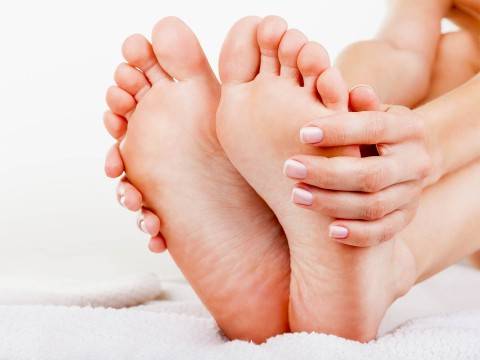
Stinky feet? Learn why!Most of us have experienced a bad smelly foot at least once in our lives. We all have that one friend or relative who has such smelly feet that he can clear off a room as soon as he kicks off his shoes! With more than 250,000 sweat glands in each foot, the feet are the most highly sweating parts of the body. What causes this bad smell? The feet contain thousands of sweat glands. During warm days or when you wear socks and tight shoes, the sweating increases in due proportion. The resulting sweat does not find an outlet and starts accumulating in the spaces available and this warm and moist area breeds bacteria. The bacteria start feasting on your sweat and dead skin. They digest their food and release the waste products. These waste products are toxic organic acids that cause the feet to smell so bad. About 10 to 15% of people suffer from this horribly bad smell. Why? This is because their feet are extra sweaty and become a home ground for certain bacteria called as Micrococcus sedantarius. Along with stinky organic acids, the bacteria produce volatile sulphur compounds. Sulphur compounds are powerful and extremely awful smelling almost like a dirty rotten egg. Teenage years also see extra amounts of sweating on the feet. Medical conditions like Hyperhidrosis can also make your feet sweat more. If you are suffering from a fungal infection of the foot, then rest assured that your feet will smell horrible. Smelly feet can be an embarrassing problem. It puts everyone in a spot. Hence, foot hygiene is important to avoid smelly feet. Always wash and dry your feet well every morning. Dab some antiperspirant powder on your feet and between the toes to soak the perspiration. Never wear the same shoes for more than 2 days in a row. Wear a fresh pair of socks daily. Keep your feet exposed to fresh air. Avoid tight-fitting shoes. Use an antibacterial soap to wash your feet if you have smelly feet. Visit your doctor if simple home measures do not prove very effective. Excessive sweating is often considered the cause for foot odor. This is not true. Sweating in itself is harmless; it is the bacteria that grow there that are responsible for the awful odor.
Flash the pearliesRemember the lines from the song, Words? Smile an everlasting smile, a smile can bring you near to me.  Well, ideally, you wouldn't want your teeth to be yellow when you flash that smile. So for those who have shades of yellow on their teeth, here's how you can go back to white. It's first important to understand what causes yellowing of the teeth. Eating habits: Carbonated drinks dissolve teeth enamel. Tea, coffee and other caffeinated drink stain the teeth yellow.In addition, alcohol and cigarette smoking too can stain teeth. Tobacco chewing especially produces stains that are difficult to remove.Food rich in artificial sweeteners are harmful for teeth. They not only make the teeth yellow but also produce cavities. Chocolates, pastries, ice-creams and all such sugar-rich foods are sticky. They stick to teeth and have corroding effect on tooth enamel and dentin and cause yellow teeth, decay and toothache. Oral hygiene: Poor hygiene of oral cavity leads to stains and caries. Take good care of your teeth. Brush teeth twice. Floss them and use a mouthwash. Ageing: Gradual loss of enamel and wear and tear lead to yellow teeth. Medicines: Medicines like iron tablets, tetracycline too can lead to yellow teeth. Injury: Trauma to teeth can sometimes lead to yellowing. This is common amongst kids. Preventing yellowing of teeth Maintain a good dental hygiene. Brush twice for atleast 3-4 minutes. But be gentle while brushing teeth. Gargle every time after you eat.This removes the leftover food particles and keeps the teeth clean. Avoid use of local powders or corrosive substances. They damage enamel. Fruits like apple, cucumber, and carrot act like cleansing agents and keep teeth clean. Fruits like sweet lime are rich in vitamin C and help to keep gums and teeth healthy.
Busting misconceptions about homosexualityIn the past few years, homosexuality has become a subject of public discourse in India. Thanks to gay pride marches and the Delhi High Court's historic ruling decriminalizing same-sex intercourse in 2009, more people today are willing to accept homosexuality as normal. However, there are still a large number of people who are still confused about whether homosexuality is normal. Homosexuals are people who get attracted to people of the same gender. Gay is a term used for both male and female homosexuals, but some prefer the term 'lesbian' when it comes to women homosexuals. Some misinformed people consider homosexuality as a purely decadent western phenomenon which is far from the truth. Homosexuality finds its place in recorded history throughout the world. So is homosexuality abnormal? A few decades ago a gay person would have ended up on a psychiatrist's couch where attempts would have been made to re-orient him/her towards the heterosexuality. However, as the American Psychology Association notes, "No, lesbian, gay, and bisexual orientations are not disorders. Research has found no inherent association between any of these sexual orientations and psychopathology. Both heterosexual behavior and homosexual behavior are normal aspects of human sexuality." Some scientists are trying to find a genetic link to homosexuality. Results so far have not established a definite link. A whole lot of factors could play a role in deciding sexual orientation - genetic, hormonal, developmental, social, and cultural. One cannot safely conclude that being "gay" is in one's genes and is therefore, hereditary. Legalizing gay marriages Same-sex marriage is legally recognized in several jurisdictions within the United States. As of April 2013, nine states—Connecticut, Iowa, Maine, Maryland, Massachusetts, New Hampshire, New York, Vermont, and Washington—as well as the District of Columbia and three Native American tribes[1]—have legalized same-sex marriage, representing 15.7% of the US population.
Stress-free sex: Know your safe period!Having sex is a pleasurable thing; and the nicest way to enjoy it, is to give in without being bogged down by the fears of getting pregnant. Not every act of sexual intercourse will result in pregnancy. There are days when your chances of conception are very high, just like there are days when the chances of getting pregnant are almost nil. Identifying these days will help you enjoy a better and a more stressfree sex life! A woman's menstrual cycle starts from the first day of  bleeding and ends about 28 days after that, on an average. Ovulation occurs on the 14 day of the menstrual cycle. The 14th day is the ideal day, theoretically. Since every woman's menstrual cycle differs, the day of the ovulation also differs. Hence doctors calculate the fertile period from the 12th to the 18th day of the menstrual cycle. This is the period when the chances of ovulating and hence getting pregnant, are optimal. The 1st to the 7th day and the 19th day to the start of the next cycle, are the days when the ovulation chances are very low. This means if you make love during these days, there are very little chances of you getting pregnant. This is the case with women who have regular period cycles. In case your cycles are not regular, then you would need to do a bit of math to calculate your safe period. For example, if your shortest cycle is of 26 days and the longest cycle has been of 31 days, then: 26-18= 8 and 31-10=21, which means the 8th to the 21st day of your cycle, are the most fertile days. The 1st to the 7th day and then the 21st day to the start of your next cycle, are the days that are safe for you to enjoy sex, without fear of getting pregnant. Opting to have sex during the 'safe period', isn't always fool-proof though. A lot of women have irregular cycles and the cycle length can vary from woman to woman; which is why the so-called 'safe period', is in truth, not 100% safe. It is always better to use condoms or other contraceptive methods like the oral pill to prevent unwanted pregnancies.
FAQS
T&C FAQS