Home
The moody man - Mood swings in menMen, such jokes on a woman's monthly mood swings are passe. Recent research proves that men are equally prone to have mood swings. Have you experienced a myriad of emotions? Angry, irritated, feeling helpless, self-pity, an irrational urge to throw things and cry and be depressed all at the same time? These are signs of mood swings. And the point of interest here is that you don't have to be a woman to experience mood swings. Men face their share of mood swings too! Men undergo hormonal influence too. And like women this causes them too to be irritable and cranky. The difference here is that the hormonal fluctuations are not as severe in men as in women. So the mood change lasts for a lesser time compared to a woman. Men's moods are also affected by psychological and physiological stressors. So a man who has to work against time to meet a deadline will be very irritable. A man who is deprived of sleep will end up snapping at you for no apparent reason. The myth that men don't cry, is something that men take to heart. Men are emotional beings and it is okay to show some of the emotions. The male stereotypical image is such that if a man is expressive of his emotional side, he isn't considered macho enough. Hence men tend to internalize their emotions and feelings. Often this leads to chronic depression. Taming the mood swings. Any form of physical exercise helps keep the mood in balance. This helps in keeping the aggressiveness under check. Sex is also a great way to release the stress and feel better, rather than snapping and using profanities. Another helpful way is to ask yourself 'why'. Whenever you feel that you are doing something irrational or out of character, ask yourself why. The answer you get from yourself will help clear the situation and you will end up handling it in a mature fashion. The irritable male syndrome. This is the male equivalent of the female menopause - The Andropause. It covers the symptoms seen in middle-aged men that occur due to the drop in testosterone levels. Like women, men show mood changes, bouts of irritability, grumpiness, hypersensitivity, anxiety and frustration. The recent research on men having mood swings and the society's acceptance of these findings is very encouraging. It helps stress in the fact that men are emotional too. There is nothing anti-macho about a man crying his heart out at times. It only shows he is human, after all.
Fairness scream: The new male obsession"Mirror, Mirror on the wall, who's the fairest one of all?" The words at once evoke images of the evil queen as she strikes a vain pose at the looking glass. However, these days one needs to be more accommodating and make way for a preening gent to put forth the above query. All these days, fairness would be a quality an Indian male would look for in his wife. Just see the Fair & Lovely ads to know what we mean. But today, this very obsession has turned on itself. More and more men are being just as exacting about their own skin color, complexion and tone as their female counterparts. Just take a look at all those TV commercials where celebrity endorsements dangle the bait of fairness creams, lotions and body wash specially designed for teenagers and young men seeking to take them to the promised land of social and sexual success. But before you rush to buy that cream, here's what that fairness is all about Fairness is skin cell deep Fair, ruddy, dark or wheatish is all determined primarily by the melanin content in our skin cells. Some races like the Africans have a high melanin content thereby giving them a dark colour while Europeans are of a lighter skin colour due to low melanin content. So whether you use an expensive fairness cream or go in for beauty treatments at luxurious beauty spas, genetics will have a final say on the matter. How fairness creams work...or do they? Fairness creams contain chemicals which block the production of melanin in the skin and thus enable a lighter skin tone and a fairer complexion. Mostly melanin production in men is more than females, which is why women's fairness creams don't have so much of an effect on men. The cosmetic industry recognized this factor and thus developed products designed for the male skin. However, some of these "men's only" fairness brands are glorified sunblock creams which block the harmful ultra violet radiation of the sun which blackens the skin. The dark side of fair Some of the beauty treatments and fairness creams contain chemicals like hydroquinone, mercury, and even steroids, which could do more harm than good. If you are obsessed about fairness, the least you could do is use a branded product (though that is no guarantee of its efficacy!). First sample it to check of it suits your skin. If a rash breaks out, consult a skin specialist immediately. Finally, it is the health of the skin which is more important than colour. So exercise regularly or use natural skin treatments like orange peels, cucumber patches to enhance your skin tone. Don't give in to peer pressure. The obsession for fairness can lead to low self-esteem and needless rivalry. Cosmetologists and marketers of fairness products are the only ones who will laugh their way to the bank at your cost. So, if you have a darker skin colour you don't have to go in for expensive remedies just because men in your age group find it cool. Self-acceptance is much better remedy than any beauty treatment in the world.  
Ageing gracefully and happilyEverywhere we look there are constant reminders that we are growing old each passing day. There are creams that tell us that will make our wrinkles vanish and make us look younger. There are hair care products dyes that claim to cover our grey hair so that we can look and feel young. Our doctors tell us about how we have to take care of all our body parts to keep several diseases at bay in the old age! It is a rare and difficult attainment to grow old happily and gracefully. Is there anything good about old age? It doesn't seem so, going by the look of things. Here we give you 5 reasons that will make you look forward to old age! Old age is the happiest time in life: You are constantly living life to the fullest when you are young. Survival is your prime priority. You work hard to keep yourself and your family happy and financially stable. Too many responsibilities bog you down. Old age is the time when there is nothing of this sort. You are retired, free from all responsibilities. You have passed the baton to the younger lot. Now is the time to sit back and enjoy. Now is the time to relax and do the thing you always wanted to do. Imagine living with not a care in the world? That is old age for you. Old age is when the brain functions the best: It is a proven fact now. It was believed that we lose more brain cells as we age. Now it has been proven that our cognitive functions peak between the ages of 48 to 60. Old people make the wisest and toughest decisions quickly. People may call them worldly wise. Have you ever given a thought to how all the judges are old men? And how when someone says the word 'wise' the picture formed is usually of an old man with a beard? No more fashion policing: When you are young, there is a lot of stereotyping involved! Going to a board meeting, wear formals? Going for a lunch meeting, wear something that is suitable keeping in mind the place. Are you at a certain position in life? Dress accordingly! So many restrictions! Old age comes with none of this. You can wear what you please and no one will really mind! Only when you actually get to do it will you realize how much f a relief it is! Relationships improve: According to a 2011 study; married oldies are more satisfied and positive about their marriages than young couples are. Arguments involve less anger, and senior spouses show more positive emotions and affection than middle-aged couples. It's not only marriages, however, that benefit in older age. Seniors also seem to be happier with their other social relationships too. They have a smaller but closer circle of friends and gain more benefits from these close, emotional bonds. Old Age makes you feel better on the whole: You have lived life to its fullest, your kids have now flown the coop and you have seen it all. As you age, you start feeling better about things in general. You look at things more positively and make the fullest of every situation presented to you. You live in the moment and are not worried about future repercussions. Old age is a happy place to be. Look forward to aging positively.
Anger management for your teenaged daughter - Handling difficult teenage times If one fine day you find your daughter suddenly reacting differently to a particular situation, do not be surprised, especially if she is in her teens. The outburst is beyond her control and she herself is confused by her own behavior, at times. It's important rather than scolding her for her misbehavior, one must wait for her to calm down and then speak to her regarding the incident when she is in a jolly mood. It is impossible to forgive such behavior if it repeats regularly, though. Here are some ways to deal with your daughter if she strays the limits of accepted norm for a behavior. You can seek the help of a counselor and understand why this is happening and solve her queries so that she could handle them better in the future. Why do Teenage Girls Lose Temper?By the time, the girls enter their teens they would have become aware about the social etiquettes, importance of looks, acting in an acceptable manner in social scenarios and creating a 'cool' image about themselves when they are outside their homes. So, even if they are hurt, or are angry at something, they do not let it go public, lest their 'cool' image gets shattered. However, the same anger becomes bottled up and vents itself out when they reach home. It's much like the workplace anger showing up at home. This is the place where they can behave wildly and still expect forgiveness. However, that does not mean that you should let your daughter get away with such kind of madness. After she has cooled down, you need to talk to her to find out what is bothering her or making her behave in such a manner. Probably, she may not accept that she has a problem, but you will have to find a way to reach to the root of the issue. More often girls want to be like someone in their college or peer group. They want to fit into a particular group and being unable to do so makes them nervous and distraught. Teach your daughter to believe in herself. Make her understand that she is a unique person on her own and do not need to convert herself into someone else. It may take consistent effort on your part to imbibe all these things into her mind, but you have to work hard to make her understand. Self-Control is the KeyMany young girls do not know how to solve a particular problem when they are faced with it. Apart from taking her to a good counselor, you can discuss problem solving techniques with her. Ask her to understand the situation first, put a foot backwards, relax, and then find a solution to the problem. This habit will make her probe into the problem in a better way and she will be able to handle similar situations when they occur again. You can ask her to write down the problems that are bothering her and ponder over them. You can assist her initially, but as she matures she will find her own solutions depending on her past experiences. Adolescent girls have sometimes trouble keeping their anger, rage, and fear under control and hence their problems should be handled patiently. Brainstorming SolutionsOnce she has ripped apart every aspect of the problem and has come to a brainstorming solution, advise her to write down the plan of action. For example, if she is disturbed due to a particular teacher who does not seem to like her grades, she may do well seeking help through friends who are better in that subject, or for that matter, a bad remark by someone in a group might unsettle her, thereby venting her anger at home. With restraint on your part, make her understand that anger will only block her process to think or find a solution. If you teach her to find answers for the problems in a calm manner, your teenage daughter will surely learn to control her anger and behave normally as she grows into an adult.
Bow legsCauses: Physiological - As mentioned before, bow legs are normal below 18 months of age. Thereafter as the child continues to grow the bowing begins to improve slowly. By the age of 3 to 4 the deformity usually gets corrected. Blount’s disease - This disease results in bowing of legs due to abnormality of the growth plate of the upper part of shinbone known as tibia. Growth plates are the growing end of the bones. It is diagnosed after the child is 3 to 4 years old. Rickets - Rickets is a group of diseases that occurs due to deficiency of vitamin D. Rickets is characterized by bow legs and other bony deformities. Most commonly rickets occurs in children due to deficient intake of vitamin D. Signs and symptoms: The bony deformity becomes visible when the affected child walks or stands. The uncommon walking pattern of the child is the commonest symptom. Bow legs usually do not cause any pain. However, persistent and severe bow legs cause discomfort to other bony structures like spine and hip. Test and diagnosis: The doctor at first asks questions to the parents regarding the development of the child. This is followed by physical examination of the child. Physical examination often suggests bow legs. If the doctor suspects an underlying disease, necessary laboratory tests are done. The doctor always asks for an x-ray of the affected legs to evaluate the severity and extent of bowing. Treatment: If the bow legs persist after 3 to 4 years or an underlying disease is detected, treatment is undertaken. Medical and non-surgical treatment- In cases of physiological bow legs, no treatment is required. The parents are reassured by the doctor and spontaneous resolution takes place by the age of 2 years. Continuous followup is advised for borderline cases. Children with Blount’s disease need treatment with a brace. Children with rickets need medical management by a specialist doctor. Additionally, they need advice and regular followup by an Orthopedic surgeon. Surgical treatment  - If the bony defects persist in children with bow legs even after medical and nonsurgical treatment, surgery is required to correct the bowing. Two types of surgery is advocated to correct bony deformity of the legs. Guided growth:  Growth of the healthy part of the growth plate is stopped and that of the abnormal part is promoted. This allows straightening of the legs. Tibial osteotomy: The shinbone (tibia) is cut and reshaped to correct the deformity. Then bone is fixed with screws and plate. In both surgeries a cast is applied to promote healing of the bone. Crutches may be required for a few weeks to prevent weight bearing on the limb. Later, physical therapies are advised for complete recovery of range of movements and regular activities. Prevention The parents need to be vigilant about appearance of any bony deformity in legs of their child. The child must be given adequate amount of vitamin D in diet or vitamin D supplementation to prevent development of rickets.
Afraid of the dark? understand your fear and cure it!Scotophobia, more commonly known as Nycotophobia, is a psychological illness, where the patient is afraid of the dark. Children are more prone to this fear, though it does affect quite a few adults as well. The dark often represents insecurity and uncertainty to children, and it symbolizes their entrance into an unknown territory. If the children are alone during their first few encounters with darkness, the absence of parents (who exemplify safety), tends to amplify this crippling fear. While most of us do actually possess this fear in relatively small amounts, as we grow up the fear diminishes. However, there are those of us who might carry this fear of the dark into their adulthood and in such cases, the fear is usually accompanied by quite a few intricate issues. People often tend to externalize a set of conflicting feelings about a certain situation, towards something else. For instance, you might be worried about your children; but your mind may externalize this fear, via your inefficiency at work. This process is called externalization. So, when it comes to the root of your fear of darkness, it is possible that at some point in your past, you experienced something untoward, which through externalization, inculcated this fear of darkness, deep into your psyche. Evolutionary Ties to Darkness: Many scientists have pointed out that this phobia might be linked to the process of evolution. Since predators hunt for their prey at night, we might have inherited this fear of darkness from our ancestors, who believed that darkness was a space where they could be attacked by wild animals. However, recent studies have shown that  Scotophobia begins at approximately the age of two in children, and thus, it cannot be said to be innate to us. In a study done by Ryerson University involving over 90 students, it was found that people who are afraid of the dark, are more likely to be poor sleepers, than those who are not afraid of it. More interestingly, it was discovered that any kind of noise made while the people with this phobia were asleep, frightened them the most.. Symptoms of Scotophobia: The first symptoms of this fear are the resistance to visit dark places and the yearning for company when such situations arise. However, many a times adults who are suffering from this fear, do not reveal it due to the added fear of embarrassment and this, sometimes, results in outbursts of rage when they are forced to go out for an event at night, or to confront the dark under any such circumstances. A person battling this fear may experience panic attacks, sweating and trembling prior to, or while staying in the dark. The blood pressure also rises, accompanied by chest pain and lastly, a difficulty in breathing. Diagnosis of Scotophobia: In children, this fear can be easily verified by their behaviour. However, adults might require further assistance, due to their natural resistance to openly admit to such a fear. Scotophobia can be diagnosed through a comprehensive psychiatric evaluation. Following this, your psychologist would be able to give you an idea of the source of your fear as well. Pursue a course of treatment immediately after the discovery of the phobia, which will ensure a faster and more effective recovery. Treatment of Scotophobia: The process of 'desensitization' is most commonly used to help with such a phobia. In this form of treatment, the patient is slowly exposed to the object of fear, in a situation where she/he will not feel vulnerable. This is done by asking the patient to confront the dark along with another individual who symbolizes safety for him/her. This could be a parent or a friend. Night lights can also be installed to gradually reduce the fear. You may try certain breathing exercises, which will reduce the panic attacks that accompany this fear. Hypnosis has also been said to be very effective in dealing with this phobia. If your psychologist sees fit, you might be also prescribed some medicines; antidepressants are given in some cases. Joining a self-help group is also a good option, in addition to your psychological treatment.  
What is megalomania?Bertrand Russell's quote on megalomania perfectly describes the condition:"The megalomaniac differs from the narcissist by the fact that he wishes to be powerful rather than charming, and seeks to be feared rather than loved. To this type belong many lunatics and most of the great men of history." Megalomania is a delusional bipolar disorder. The sufferer believes he is an all-powerful person and that he is superior to all other people. Megalomania comes from the Greek words megalo which means large or great and mania which means madness. It is a psychopathological disorder that has delusional fantasies of power, exaggerated self esteem and a sense of omnipotence. The sufferer may believe he is God or some famous athlete. Although megalomania is a term used for power hungry people, it is clinically described under the mental disorder of narcissism. Narcissism is self-love. Though self-love is a healthy concept, narcissism is a pathological state where one loves oneself to the extent that he starts despising others. Megalomania is caused by certain phobias and mental conditions associated with emotions and personality. In everyday life, megalomania can be a person's mental way of reacting to frustration, abandonment or some serious loss. In the social world, the term megalomaniac is often synonymous with control freaks, power-drunk army generals, executives and politicians. The treatment of megalomania includes medications. The challenge here is that the person may not believe he has anything wrong with him. He, in fact, believes that he is so great that no harm can come to him, so talking him into getting himself treated is very difficult. Adolf Hitler, the German dictator, was a power-hungry control freak. He believed that he was the supreme commander and that his race was the only race suited to inhabit earth. All other races, especially Jews, were inferior and had to be wiped off the face of the earth. Adolf Hitler was megalomaniac.
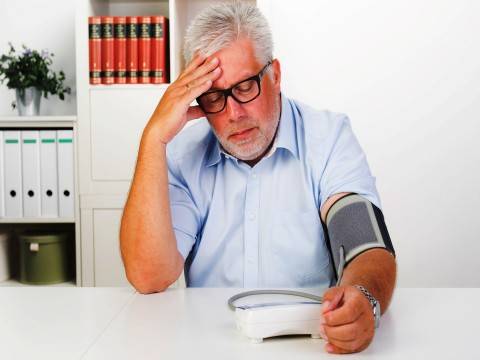
Exercise, a healthy way to deal with hypertensionYou have not exercised for a long time. You took it easy when it came to physical activity. Now that you are diagnosed with high blood pressure, you will do anything to control it. Even exercise! Exercise, weight management, and a healthy diet are important ways to help prevent high blood pressure and lower the blood pressure that is already high. Benefits of exercise for people with hypertension include: Improve blood and oxygen circulation in the body Promotes sound sleep Improves stamina and endurance Keeps heart healthy Reduces stress and promotes mental health Exercise enhances the effectiveness of medication So how much should one exercise? An exercise session of atleast 30 minutes per day is important. Get started Start slowly and increase gradually. Start with 10 to 15 minutes of exercise and increase it, as youget comfortable. Choose exercises you enjoy and will do consistently. Avoid sudden vigorous activities; they can cause injuries and hamper the routine. Warm up Warming up helps the body adjust slowly from rest to exercise. A warm-up will reduce stress on the body muscles, increase heart rate and respiratory rate, and body temperature slowly. It will also decrease soreness of muscles. Best exercises for lowering blood pressure Stretching: It is the best. It relaxes and helps prepare the body and muscles for activity and prevents injury and muscle strain. Stretching regularly will make you flexible and improve motility. Aerobic exercise: This helps to improve circulation to the entire body. It improves heart function. It gives maximum benefits to the heart. They also help to reduce heart rate and blood pressure by improving breathing pattern thus lowering blood pressure. Walking, swimming, jogging, and skipping are all aerobic activities. Do aerobics for at least 30 minutes three times a week. Strengthening exercises: These include exercises that have repeated muscle contractions till the muscles are tired. These include side balance crunch, climbing a rope, and push-ups. Join a gym. Here are some  exercise guidelines for a better exercising routine in the gym:  Schedule a fixed time for exercise. Find a buddy to exercise with you. Select an exercise that you like. Make variations to avoid getting bored. Boredom can make you stop exercising. Start slowly and increase gradually, especially if you do not exercise regularly. You should wait for an hour after eating before you exercise. Ten minutes of warm up and ten minutes of cool down sessions are must Keep a record of daily exercise.
5 cardinal sins for the skinWhile cigarettes may not constitute food in the strictest sense, it does have a profound effect on skin complexion, health, color and tone. We eat that we may live, but sometimes we eat way too much and consume stuff that may be extremely hazardous to our health. Since we are talking about skin, here are 5 most hazardous foods for your skin: Grease adds to the crease Since healthy skin is all about healthy blood circulation, any food which is likely to clog up the blood vessels internally is deemed bad for skin tone. Packaged snacks like potato chips may have edible oil written in bold but this contributes significantly to the slowing down of 'collagen and elastin syntheses' which in turn causes the skin to appear aged and all wrinkly. The french fries that we consume as a TV snack can also cause an acne outbreak on the skin and face. Gluten Glutton Gluten is a substance found in wheat and other food grains. We may not even be aware that some of the food grains have gluten as a main constituent. Gluten intolerance can also cause inflammations on the skin in the form of rashes or acne. Bad news is that the pizzas, pastas, cakes and bread that we get off the rack may be heavy in gluten (Surprised that they don't say that on the pack) and that may be the reason for you to lose precious skin tone. So seek gluten free foods, though that might not be the easiest of tasks, but for your skin, it certainly will be worth it. Caffeine - the skin coffin If you are one of those coffee addicts then you may as well write an obituary column lamenting the loss of your skin tone and complexion. It's not without reason that health freaks love bashing coffee beans and caffeine rich beverages, as they are truly hazardous. How? Studies have proven that just 2-3 cups stimulate pituitary-adrenocortical response. Yes, but what does that have to do with your skin? Well this leads to the hormone cortisol to increase in our bodies. Cortisol is known as the stress hormone! So now here's what it does to your skin -it accelerates the ageing process which means wrinkled skin and causes dehydration causing the skin to show an unusual pallor. So before you turn the coffee faucet on think twice. Fad to Black How fad diets are not skin friendly? Some people go on a high protein, low-carb diet which could sound the death knell as far as complexion goes. Dieting depletes calcium levels, which means your bones are going to suffer and what's the point of having skin on bad bone density? Besides low-carb diets can utterly wreck the complexion as the delicate PH balance in the skin is ruined. Some of the meat, poultry and dairy products too can have artificial chemicals injected in them which cause a hormonal imbalance in our bodies leading to skin disasters. Fruits and vegetables have chemicals injected too sometimes! Beware! Cereal Killers Cereal killers are those people who ignore the need of a proper diet for skin health. So anybody who indulges in too much sugar, caffeine and greasy food stuffs is a 'Cereal Killer' A lack of cereals in the diet can literally kill your skin. Cereal foods have high fiber and antioxidants for moisturizing the skin and protecting it from skin damage. For great skin other than cereals which are simply fabulous for keeping skin hydrated and breathing easily, one can eat fruits, olive oil, healthy fats, almonds, tofu, grains, nuts and the good old vitamin B rich products. Ceramides in raw food diets, organic foods, wheat germ and brown rice protect the epidermis of the skin and make it impervious to external attacks and pollutants while maintaining their tone and beauty.
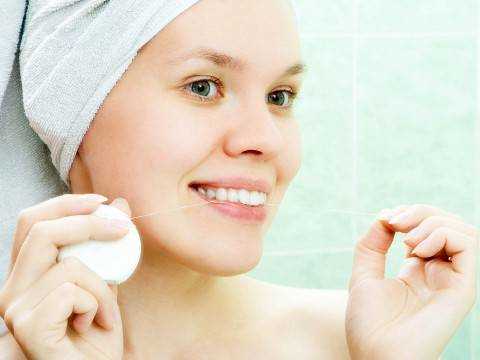
An ounce of prevention is worth a pound of cure!Small mistakes that we keep committing become, over a period of time, serious health problems that are potentially life threatening. Given here is a list of the 10 most common mistakes that we make when it comes to heart health. Ignoring the health check-up: Your last reports said you were fit as a fiddle. So you haven't gone for a check-up since then? Our health becomes the first thing we sideline in today's fast-paced lives. Most of the heart diseases do not show any signs and symptoms in the early stages and when the signs and symptoms come up, too much of damage has already been done. So it becomes very essential to go for regular health check ups. If you are in your twenties it would be advised to get your cholesterol checked every 5 years, blood glucose every 2 years. Beyond 45 years though the frequency of health, check-ups should increase. Body Mass Index is something that you should get checked every time you visit your doctor. Skipping breakfast: Breakfast is the most important part of what you eat the whole day. Most of us tend to skip breakfast due to lack of time, fear of weight gain. But starting your day without breakfast is like driving on reserve fuel. You will start fine, but end up feeling dull and sluggish towards the end of the day. Skipping breakfast has been associated with development of diabetes mellitus and obesity. These two have a strong co-morbidity with cardiovascular diseases. No wonder then it is said, breakfast like a king, lunch like a prince and dinner like a pauper. Too much of sun-blocking: We are people obsessed with fairness and it is understandable that one wouldn't want to get tanned by going out in the sun. Some amount of sunlight exposure is very vital for health. Vitamin D is synthesized by the body from cholesterol with the help of sun rays. Recent studies reveal that people with little or no exposure to sunlight tend to develop arterial plaques that end up in heart attacks, high blood pressure or strokes! Going for the fizz : Aerated drinks are loaded with triglycerides that are a part of the bad cholesterol. They thicken the blood and it becomes difficult for it to flow through the arteries. This leads to several complications. Not watching what you eat: Often we are so caught up in our work that we just grab a quick bite to eat without paying heed to what actually we are eating. Fast foods are extremely unhealthy and wreck havoc onour systems. Missing fruits and fibres: Fibrous food are extremely heart friendly. The fibres help in pushing out the cholesterol out of the body. Beans, oats and barley are all extremely fibre-rich. Fruits are a rich source of vitamins and minerals. They contain potassium that is extremely essential to neutralize the effects of sodium. By doing this they help in regulating the blood pressure. Citrus fruits too have a high amount of potassium in them. Avoiding walking: Walking is the simplest form of exercise the body can get. 10 minutes of brisk walking is extremely helpful for the heart to keep functioning efficiently. Not sleeping well: The body needs 6 to 8 hours of undisturbed sleep for it to reboot and get back its full functioning capacity.  A sound sleep at night reduces the blood pressure and regularizes the heart beats. People compromising on sleep are the ones most prone to suffer from heart attacks and high blood pressure. Not flossing your teeth: Gingivitis is the inflammation of gums. This inflammation hosts large number of germs that leak into the bloodstream and reach the heart causing a number of heart problems. People who floss daily not only have good oral hygiene, they also have a healthy heart. Forgetting the Family: Many heart diseases tend to run in the family. It is very important to know the medical history of your parents and grandparents. The risks of you developing heart diseases are high if someone in your family already has them.
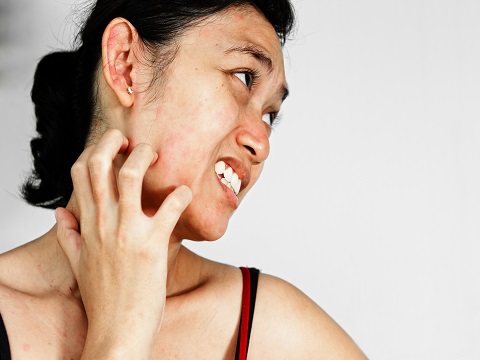
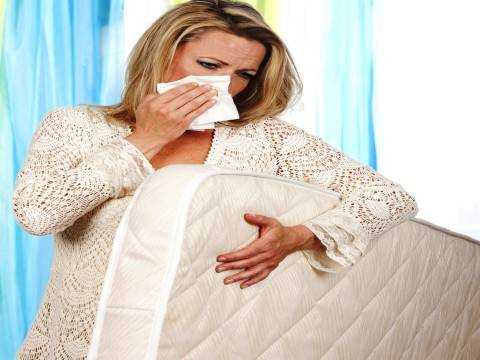
Common causes of allergic reactionsAllergic reactions, most of the times, do not warrant immediate medical attention. But never ignore or take any allergic reaction lightly! Allergic reactions include itching or a puffy face or swollen red blotches all over your body or a fit of sneezing.  If we know what allergies have, we can avoid the triggers. So, here is a list Soaps and detergents: Are your palms are all rough and peeling off in patches and it doesn't seem to go away? Time to do a check on the dish-washing soaps and the detergents you may be using. Most of the brands contain harsh chemicals that burn while you use them. Medically known as Contact Allergic Dermatitis, this is one of the most common allergic reactions. Artificial Jewellery: Even the best looking jewellery can, at times, trigger allergic reactions. Another common type of Contact Allergic Dermatitis, this happens when you wear artificial jewellery. Most of the jewellery of this variety contains Nickel which is the main cause for this type of allergic reaction. Clothes: Clothes can be a cause for allergic reaction. While synthetic fibres like nylon and polyester are common factors, at times, the chemicals used in the dyeing can also be a reason for allergy. Add to it the perspiration and the constant friction between the skin and the clothes, and you have a severe allergic reaction guaranteed! Latex: Latex is also a very common cause for allergy. Commonly found in condoms, gloves and certain medical devices, allergy to latex can range from minor itching and redness, to a serious life-threatening anaphylactic reaction. Milk and milk products: The symptoms for this source of allergy include loose motions and stomach, among other things. Medically called as Lactose intolerance, it occurs in people who do not have the necessary enzymes in their bodies to digest milk and milk products. Food allergies: Peanuts, brinjal, fish etc can also trigger allergic reactions. Food reactions are specific to individuals. One may suffer from an allergic reaction to almost any kind of foodstuff. Beauty products: From shampoos and creams to nail paints and lipsticks, every cosmetic you use is a potential allergic trigger. Molds: These are microscopic fungi found in damp and moist places.. Allergic reactions to molds are pretty common and seasonal. Cockroach: The proteins secreted by the glands and the saliva of the cockroach can be allergic to humans. Sneezing, itchy and watery eyes are common symptoms. Insects: Insect stings can lead to burning and stinging pain with redness and a slight swelling around the bite/sting area. In some people though, insect bite/sting proves to be life threatening. Symptoms as severe as difficult breathing, rapid pulse, severe drop in blood pressure and swelling of face and throat may occur!
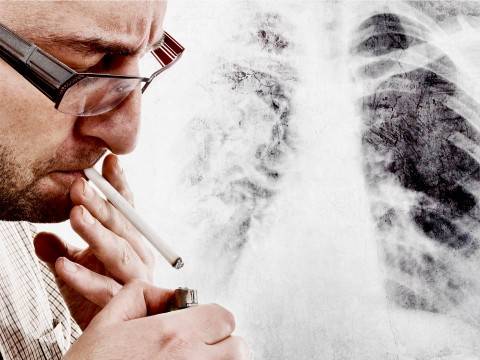
Smoking causes impotence!Men who smoke heavily are twice as likely to suffer from impotence or erectile dysfunction. The link between smoking and ED has been established beyond reasonable doubt. Smoking causes a hardening of the arteries or blood vessels. For a penis to grow erect or tumescent there has to be a healthy blood supply. Now imagine the cross-section of a smoker's penis where there are plenty of blockages and hardening of the blood vessels. Can the penis then grow erect with so many hindrances to the blood? There is also an acute loss of sensitivity to the penis which is a direct contribution of smoking! Previously, alcohol was a hot favorite of the medical lobby when it came to 'impotence.' Wish smokers could say the same thing about moderate smoking! Even moderate smoking can make an existing condition of impotence worse. One could make changes to one's lifestyle and diet and curb stress to treat ED (erectile dysfunction), but all these will come to naught unless one really resolves to give up smoking permanently. Just within a few hours of kicking the butt, the body starts to repair itself. Of course, it may take longer for the blood vessels to actually undo the blockages and have a free run for the penis, but it will certainly happen, slowly and surely. Smokers may have an underlying condition of anxiety, which is made worse by nicotine, which in turn causes performance anxiety, not greatly helped by blocked blood arteries. So smoking not just makes you physically impotent, but also mentally impotent too. It is a powerful narcotic which is hateful to the body and spiteful to its salubrity. Please enroll into a 'stop smoking now' campaign with the help of friends or family. Check for any 'nicotine anonymous' programs in your neighborhood or just do it all by yourself. Otherwise, the only thing hard about your penis will be hardened arteries and lots of hard luck!
How to talk about STDsThese are dangerous times that we live in. Just the sheer number of people affected by sex related problems, diseases and conditions all over the world is simply terrifying. AIDS, venereal infections like syphilis and gonorrhea, herpes, HPV etc. are rampant and it calls for some responsible sexual behavior. However, that's a utopian world where humans will be monogamous and will behave responsibly. Even single people might get exposed to these diseases through indulging in risky sexual contact. Imagine doling out $750,000, as a woman in the US got from her husband because he gave her herpes. Even if you are not held legally accountable, what about moral responsibility to own up and discuss a possible STD infection with your partner! Take the case of Jack a happily married man for ten years who had casual sex when out of town on an official trip. He showed no obvious symptoms of any infection but in a month, his wife showed signs of herpes and his marriage crumbled as his wife struggled to come to terms with her husband's obvious infidelity and his callous manner in exposing her to a serious sexual infection. Call it ignorance but sometimes a person might engage in sexual intercourse and contract a disease which he might even not be aware of until the symptoms start appearing. (Refer article on Syphilis on www.topdoctorsonline.com) By then, he might have, in all probability, passed it on to his regular sexual partner or spouse. Or perhaps, there is another possibility that the person knows that he has contracted a sexual infection but doesn't know how to break the news to his partner.  If a person is aware of his infection, yet exposes another person knowingly, it is akin to premeditated murder. Yes, it is going to be a difficult thing to tell your partner which might even signal the end of the relationship or cause severe strain on it. So, if you are caught in a situation like this, what would you do? The option would be to visit a sex therapist and confide in him and then take an appointment for both and let the professional break it to the partner. That is of course if you are in a stable relationship. For those who both party to casual sex, the infected person generally won't be that open about his infection and may even choose not to care particularly if the other person is a complete stranger. A report in MedlinePlus news reveals some more shocking statistics: Many people said they occasionally, rarely or never got tested before having sex with casual partners (50 percent) or long-term partners (39 percent). Of the people who did discuss STD testing, very few discussed concurrent sexual partners or when partners' testing occurred in relation to their last sex act. Only half explained what types of STDs their partner had been tested for. These issues are important components of assessing STD risk, the researchers said. About one-third of participants reported telling a partner they didn't have an STD even though they hadn't been tested since their last sexual partner. One U.S. woman was awarded $750,000 in court from her ex-husband because he gave her herpes, and the legal trend is to make people accountable. (http://www.dummies.com/how-to/content/how-to-talk-to-a-partner-about-stds.html) Remember even wearing a condom is not a 100% guarantee that the infection won't pass on to the other person but that's the least that you can do if you don't have the courage to spill the beans about your condition. If you feel that your partner may be indulging in sexual activity with multiple partners and if you feel he might be infected, then you are well within your rights to decline to have sex with him until he/she gets tested. If you notice sores around the genitals do not indulge in oral or anal sex or any kind of sex and insist on a condom always; it could save your life.
FAQS
T&C FAQS