Home
Caught in the snore snare....A real nightmare!Snoring is caused due to obstructed air movement during breathing while sleeping. It may suggest an underlying medical problem like obstructive sleep apnea. Studies have also revealed a correlation between snoring and risk of heart attack. There are different reasons for snoring and to find out the exact reason and the right solution is important. Snoring affects the quality of sleep can cause irritability and fatigue. Snoring causes poor quality of sleep, irritability, lack of concentration the day after the deed. Snoring is a tad like fingerprints , no two sets are the same and so it is with snoring, There are different rhythms or snoring patterns and even the reasons for snoring vary. Snoring or that irritating sound which people make through their mouths and nose while asleep happens because of narrow airways failure of air to pass through the respiratory system easily. The air vibrates against the obstruction in airway causing the sound of snoring. The air is unable to escape normally through the airways and hence it causes that grating sound with each inhale and exhale. Yes that sound which makes you wish you could smother the fella with a pillow. We say fella because men are more prone to it than women. Snoring can happen due to various reasons: Habits: Those who smoke and drink regularly are likely to have a more relaxed set of jaw muscles causing them to snore readily and loudly. Weight: People with excess weight and poor muscle tone are likely to snore more. Age: The wide open mouthed gape kind of snoring usually happens in old people as the breathing muscles lose their tone somewhat. Posture: General posture and sleep posture in particular can affect snoring patterns. Especially, sleeping with the back flat against the bed constricts free exhalation. How to put a clamp on your snoring? If you have a snoring problem evaluate how serious it is and then take the necessary elimination strategies. Understand that your snoring can cause sleepless nights to your partners, family or whoever is within ear shot so instead of going in for fancy anti-snore devices which don't do a thing to help If this is a recent habit then consult your doctor and have him re-evaluate any medications that might be responsible. Try and establish a regular sleep time and ensure that you follow it to the T. Exercise to lose weight as losing flab around the throat can lead to better sleep. Ask a partner to awaken you if you snore too loudly as regular jabs in the gut can help train the mind to behave. Blow your nose out before bed time as clear air passages is what you need. Any nasal constriction or chest congestion is really what gets you started. Sleeping on your side is a better option than sleeping on your back. Before hitting the sack try and hum a few bars of the blues as singing can help tone the vocal cords and they are less likely to go into vibrate mode. According to help-guide.org there is a rather quaint method to cure snoring and that is to play on a certain musical instrument called the 'Didgeridoo' which is supposed to strengthen the soft palate and throat muscles. If you have no Australian connections then don't despair as rolling your tongue out from all sides before sleep can work just as effectively.
Are you the proud owner of this beer belly?While you must have earned a lot of 'brownie pints', a beer gut is not quite something one can be awfully proud of, as it is positively dangerous for your health. Well for one this condition seems to be a common affliction amongst men more than women (though it isn't entirely unknown for women to guzzle beer). A beer gut is normally found in middle aged men as a token for services rendered to a sedentary lifestyle and hours spent accumulating empty calories. How is a beer belly formed? A protruding mid-section in men is generally formed when they consume more than they burn off. So given a busy lifestyle with very little exercise and discretion one generally can end up consuming lot many calories than one is willing to toss out. According to Dr Michael Jensen MD, endocrine and obesity expert at the Mayo clinic, the liver burns calories earned from alcohol instead of the existing fat. So say, if an average beer is around 150 calories plus all the tiny appetizers one has along with the beer (Pizzas, cuts, chips etc.) one can easily understand how these go about accumulating around the belly area in to a paunch. And because the liver was all too busy burning the calories guzzled from the beer, the rest finds a cozy place to settle around the tummy. This is exactly what gives majority of men and some women the infamous paunch or beer gut! GIVE YOUR PAUNCH A PUNCH IN THE FACE Well for starters be a giver and not a taker. Which means give more time to exercise like running, cycling, swimming, skipping, dancing or aerobics which should take care of visceral fat (which is easiest to shake off, by the way). As one ages their calorie needs go down, but then so do their physical activity levels and this is where the fat creeps in. Stick to light beer if you must but do not miss your exercise regimen for anything in the world.  
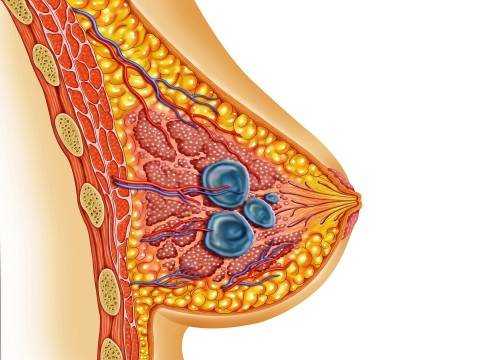
Breast lumps- myths busted!The rise in the occurrence of breast cancer in women, since past decade or so, has made women, especially in the urban areas, very cautious about lumps in their breasts. Whenever there is a small lump in the breast, the first thought that comes to mind, is may be this is cancerous. However, instead of taxing your brain with worries, it is better to take action and consult your caregiver. Here are some of the myths that are regularly associated with breast lumps and the real facts related to the same. Myth: If there is a breast lump, it must be cancerous Statistics reveal that out of 10 cases of breast lumps in women, only 2 are cancerous. More often, these lumps are due to fibroadenoma or cysts. In many women, lumps are formed during the menstrual cycle and they go away after it ends. It is not simply possible to tell exactly what kind of lump it is, just by feeling through hands. However, it is important to detect the composition of the lump and to do so at the initial stages, so that if it is detected cancerous, early diagnosis and treatment can save your life. Myth: If your mammogram is normal, you are safe and the lumps are not cancerous This is not particularly true. To detect the presence of cancerous cells, you need to get more tests done; an ultrasound, an MRI and also a follow up mammogram, to get a second view of the lump. Doctors also suggest a biopsy to be 100 percent sure of the diagnosis. If the lumps persist but there is no detection, your doctor may ask you to keep doing the tests at frequent intervals, to assess the development. Myth: Malignant breast lumps do not cause any pain Although breast cancer patients do not suffer from much pain, this does not mean that if you do not have pain, the lump is non-cancerous. There are different types of breast cancers; and in some types such as the inflammatory breast cancer, the patient can suffer from warmth, tenderness, redness and swelling, followed by pain in the lumps. Myth: If you get a lump while breastfeeding, it is not cancerous It is true that breastfeeding reduces the chances of development of cancerous cells. But there is still a possibility and hence you should not ignore the formation of lumps. It is advisable to immediately get an ultrasound to confirm the condition of the lump. Myth: Lump in young women cannot be cancerous Women can develop breast cancer at any age. Hence, if you have a breast lump at a young age, or even if your teenage daughter has developed a suspicious lump in her breast, you should always get it checked, at the earliest. Most often, cancer develops in the breast when women are past their menopause period. But this, in no way means, that they cannot get it at younger age. Myth: Only a larger lump can be cancerous, not a smaller one Lumps in the breasts can be of all sizes; and the size, does not determine the presence of cancerous cells. According to breast-imaging specialist at New York's Manhattan Diagnostic Radiology, Melissa Scheer MD, you must immediately see a doctor, whenever you feel the presence of even a tiny lump, because, a small lump too may turn out to be aggressively cancerous. Most often, the lump in the breast is non-cancerous; however, it is advisable to consult your caregiver immediately, once you discover the lump for the first time.
10 pregnancy risk factors that every pregnant woman should be aware ofFollowing are the possible risk factors for pregnant women: Hypertension: Blood pressure rises during pregnancy due to changes in osmotic level. Persistent high blood pressure leads to a condition called as pre-eclampsia. It retards the growth of the baby in the womb and can even result into death of foetus. It can lead to convulsions in mother. Exposure to medicines and drugs: Self medication is a strict NO NO during pregnancy. Certain drugs have harmful effect on the growth and development of baby. Take gynaecologist's opinion and ask a doctor before taking any medication.  Smoking: Smoking retards the growth of foetus (baby in womb). Moms who indulge in smoking give birth to babies with a very low birth weight. It also increases chances of miscarriage. Mother's weight: It is important to make sure that there is a steady weight gain during pregnancy. A weight gain of 11 kilograms is expected over a period of 9 months. Watch for a steady weight gain for a healthy pregnancy sake. Anaemia: There is an increase in blood volume during pregnancy. This can cause the iron levels to drop down resulting in anaemia. Haemorrhoids add further to the iron loss. Iron and folic acid are therefore prescribed. Haemorrhoids: Haemorrhoids are common during pregnancy and after pregnancy due to constipation which is because of hormone induced reduced motility of intestine. The pressure of gravid uterus on intestine may also cause it. Increased consumption of green leafy vegetables and laxative would relieve it. Alcohol: Drinking can cause a harmful effect on the growth and nourishment of child. Child may be born with a serious medical problem. Sexual intercourse: It's strictly not advised during last trimester. Radiation exposure: Exposure to radiotherapy or chemicals in the surrounding should be avoided. Bleeding per vagina: Consult your gynaecologist soon, if you have problem of bleeding per vagina. It could be a sign of abortion.  
Tips and tricks to deal with my toddler's tantrumsWhen your child is having a tantrum, it may usually be for something that it wants and cannot have. Throwing a tantrum is a child's way of getting what it wants. Conversely, giving in to the child's demands may be the easy way out for the parents too. But always remember that giving in is not right. The child may get habituated to this and it may prove quite a nuisance to you too. Learn to say no, gently but firmly. Giving an acceptable reason for your 'no' and also an option at the same time works wonders. All said and done, children are not that easy to handle. If your child doesn't fall in line and is adamant, let it pass the phase. Screaming out the rage, throwing away things may help the child. When the anger subsides, looking at the destruction and the obvious uselessness of it may help the child realize his efforts were futile. But be careful that the child doesn't get physically hurt in this process. For some kids, a gentle hug helps soothe the anger pent up. Tantrums in public places can be extremely embarrassing. In such situations, do not argue or scold your child or order him to hush up. It will only end up making the child more adamant. Wait till the storm subsides. Take him out to a quieter place and talk gently but firmly. One thing to remember here is to never let the child know of your embarrassment and concern that you are in a public place. Children are very smart and may end up using this to work things in their favour. It is not easy being a toddler and it is definitely not easy being a toddler's parent either. By the time your toddler is old enough to go school he will have overcome this stage.  
Obesity is not just an adult problemWith fast food chains multiplying in the country faster than you can say Maharaja Mac, there is an urgent need to monitor our diet. While most of the nutritional advice is directed at adults, kids too are exposed to the dangers of empty calories. Childhood obesity is on the rise across the world including India. How does obesity affect children? And what can parents do to ensure this doesn't happen? We will try to answer some of your questions. What are the causes of obesity in children? Lack of physical activity: Nowadays, children spend more time sitting at home - doing their homework, watching TV, and playing games on PC, console tablets or smartphones. Play time on the ground outside has shrunk. As a result, they don't get enough exercise. Unhealthy food choices: Our busy lifestyles leave us with little time to plan for or prepare every meal. The alternative is to go for quick-to-cook food like Maggi. Food ordered from outside too is invariably unhealthy. While having it once in  few days is not a problem, making it a way of life leads to problems. Overweight parents: The eating pattern and lifestyle of parents has a big influence on a child's health and weight. Obesity can be hereditary. Lifestyle and environment: When parents are unable to pay much attention on their children due to their busy schedules. As a result children rely more on ready-to-eat food or junk food. Genetic factors:  For some kids, genetic factors may be the reason behind obesity. A rare genetic disorder called as Prader-Willi syndrome causes severe weight gain in kids. What health problems can obesity cause among children? Type-2 diabetes Eating disorders like bulimia or binge eating (excessive eating or drinking) Problems with foot structure Liver problems Respiratory disorders - breathlessness during exercise Difficulty in breathing while sleeping causing snoring or poor sleep What can parents do to prevent or control obesity in children? Parents must make kids understand the ill-effects of eating junk food. They must limit their snacking on junk foods. Encourage the kids to participate in physical activities and outdoor games. Make exercising a routine for the children. Join them during exercising to make it a fun time for the family. Set an example for your kids by following a healthy diet and eating habits yourself. Limit TV time and playing videogames. Parents must include whole grains, fruits and vegetables in the diet of their children. Limit fats intake to not more than 25%-30% of total calories. Make sure to go through the nutritional label while purchasing any processed food.  
Dealing with obsessive thinking and worriesAn old adage goes - 'Worry is like a rocking chair. It gives you something to do but it doesn't get you anywhere'. This is absolutely true for many of us who have developed the habit of worrying unnecessarily over outcomes and circumstances. Thinking about things and over our course of action is a good thing because you should always think twice before acting. What about obsessive thinking? Is it good for you? Anything in extremity is a bad thing, whether it is your favorite food or your thoughts. Worrying incessantly is a part of obsessive thinking where you cannot let go of negative thoughts and they circulate in your mind continuously. Obsessive thinking is a negative infinite loop, a broken record that is stuck without having anyone to click the stop button. So how should you deal with this obsessive thinking that is sure to spell your doom in the long run? Though psychologists have devised various scientific methods of overcoming obsessive thoughts and worries, here we have listed down some easy to follow rituals that will help you deal with such worries and thoughts. Meditation - Yoga swears by the art of meditation as it is thought to release all negative energy from the mind and soul. Concentrating on your breathing and also absorbing a positive source of energy is the essence of meditation. So whenever you are obsessed about something, sit down, calm your nerves and meditate. Physical activity - Exercising always helps. Engage in physical activity which increases the body's metabolism and requires effort. Indulge in those dance lessons or swimming or maybe cycling and you will divert your mind from those negative thoughts. Indulge in your hobbies - So you thought you don't have time for your hobbies, but your hobbies relax your mind and body. Moreover, a hobby also takes out the creative side in you. So, whether you like to collect coins or stamps, or lean towards arts and crafts, a hobby is sure to occupy your mind and take you away from worries. Socialize - Friends and relatives are your lifeline as they help you in those tough situations. Even if you are mentally not at peace, making social calls on your friends and relatives will take the edge off.  Try to meet people who can empathize with you and help you move out of it. Socializing will give you that much needed break from the vicious cycle of your thoughts. Though a short-term relief, going out for movies or taking a weekend getaway with your near and dear ones or even indulging your wife in shopping, can be helpful. Confide - Talking to someone close who understands you helps you in expressing your troubles. Thinking obsessively, you usually tend to ignore your feelings and emotions. Your mind remains trapped in the net of those obsessive thoughts and your emotional well-being takes a backseat. When you talk to another person, he or she will hear you out and help you relieve the stress that is on your mind. They would understand your state of well-being and support you emotionally. Be mindful - You may find it easy to go back into the same negative thought process. Don't let your mind chatter. Stop your mind by standing up for yourself. Stand in front of the mirror and say, "I am not a victim. I have the power and strength to move ahead" Do this whenever you become aware that you are going back into the same thought process.  This will give you the mental strength needed to come out of it.  Be mindful and aware but don't be too harsh on yourself. Be responsible -Your mind can make you or break you. If you understand this truth you will find it easier to manage your thoughts. Take responsibility of your thoughts good or bad.  The mind can create thoughts to project blame or judgments about others.  When you own your thoughts, you will find it easier to shape them the way you want. Create a higher vision of your life - When you keep a higher vision in your life, you can move ahead easily.  By developing a higher vision, you are asking yourself, who am I?and finally working towards it. You take positive actions and thus there would be more gratitude for what you have and less resentment for things that do not work.   This stops your mind from working unnecessarily. Obsessive worrying is a psychological disorder which in extreme cases has to be dealt with pathologically. Do not let your condition to reach the extreme end of the spectrum. Follow the above mentioned suggestions and try to deal with those thoughts yourself. It may take some time but rest assure, it will be effective in the long run.
Afraid of the dark? understand your fear and cure it!Scotophobia, more commonly known as Nycotophobia, is a psychological illness, where the patient is afraid of the dark. Children are more prone to this fear, though it does affect quite a few adults as well. The dark often represents insecurity and uncertainty to children, and it symbolizes their entrance into an unknown territory. If the children are alone during their first few encounters with darkness, the absence of parents (who exemplify safety), tends to amplify this crippling fear. While most of us do actually possess this fear in relatively small amounts, as we grow up the fear diminishes. However, there are those of us who might carry this fear of the dark into their adulthood and in such cases, the fear is usually accompanied by quite a few intricate issues. People often tend to externalize a set of conflicting feelings about a certain situation, towards something else. For instance, you might be worried about your children; but your mind may externalize this fear, via your inefficiency at work. This process is called externalization. So, when it comes to the root of your fear of darkness, it is possible that at some point in your past, you experienced something untoward, which through externalization, inculcated this fear of darkness, deep into your psyche. Evolutionary Ties to Darkness: Many scientists have pointed out that this phobia might be linked to the process of evolution. Since predators hunt for their prey at night, we might have inherited this fear of darkness from our ancestors, who believed that darkness was a space where they could be attacked by wild animals. However, recent studies have shown that  Scotophobia begins at approximately the age of two in children, and thus, it cannot be said to be innate to us. In a study done by Ryerson University involving over 90 students, it was found that people who are afraid of the dark, are more likely to be poor sleepers, than those who are not afraid of it. More interestingly, it was discovered that any kind of noise made while the people with this phobia were asleep, frightened them the most.. Symptoms of Scotophobia: The first symptoms of this fear are the resistance to visit dark places and the yearning for company when such situations arise. However, many a times adults who are suffering from this fear, do not reveal it due to the added fear of embarrassment and this, sometimes, results in outbursts of rage when they are forced to go out for an event at night, or to confront the dark under any such circumstances. A person battling this fear may experience panic attacks, sweating and trembling prior to, or while staying in the dark. The blood pressure also rises, accompanied by chest pain and lastly, a difficulty in breathing. Diagnosis of Scotophobia: In children, this fear can be easily verified by their behaviour. However, adults might require further assistance, due to their natural resistance to openly admit to such a fear. Scotophobia can be diagnosed through a comprehensive psychiatric evaluation. Following this, your psychologist would be able to give you an idea of the source of your fear as well. Pursue a course of treatment immediately after the discovery of the phobia, which will ensure a faster and more effective recovery. Treatment of Scotophobia: The process of 'desensitization' is most commonly used to help with such a phobia. In this form of treatment, the patient is slowly exposed to the object of fear, in a situation where she/he will not feel vulnerable. This is done by asking the patient to confront the dark along with another individual who symbolizes safety for him/her. This could be a parent or a friend. Night lights can also be installed to gradually reduce the fear. You may try certain breathing exercises, which will reduce the panic attacks that accompany this fear. Hypnosis has also been said to be very effective in dealing with this phobia. If your psychologist sees fit, you might be also prescribed some medicines; antidepressants are given in some cases. Joining a self-help group is also a good option, in addition to your psychological treatment.  
4 super foods to keep you healthy this winterWinter is here. It is time for lazy mornings and blanket hideouts. It is also the time when the markets are lined up with a variety of fresh fruits and vegetables, all juicy, healthy and colorful. Discover four such super foods for the cold winter evenings. Citrus fruits: Oranges, sweet lime, lemons; bring them all and have them all. Bright yellow or orange, they are like the bright sunny mornings which you need after a cold night. Rich in vitamin C, antioxidants, flavonoids and several other nutrients, citrus fruits are the perfect measure for your daily dose. Peel it off and chew it up, or slice it off and lick it on, or squeeze it strong and drink it down - choose the way you like. Citrus fruits help in taking care of your cholesterol, as well. Potatoes: Potatoes are the victims of most diet plans. It is loaded with carbohydrates, we should not eat potato, and so on and so forth. Potato is not that bad actually. In fact, its nutritional value may come as a surprise to many. The content of vitamins B6, C and folate is high in potatoes. Potatoes are rich in essential minerals like potassium, zinc and magnesium. The starch content may be significant, but so is the fiber content. They are known to protect against colon cancer. What are you waiting for? Have some potatoes, will you? Make sure there is no guilt. Kidney Beans: Kidney bean is our favorite Indian 'Rajma'. They are a rich source of carbohydrates and proteins, are known to lower the cholesterol levels and reduce the risk of heart disease. They are particularly known for helping to replenish the iron stores of your body. It can be the food of choice even if you have diabetes, as it is almost fat-free and doesn't send a sudden rush of glucose in the blood. When combined with rice, kidney beans make a very healthy meal. So, is it rajma-chawal (kidney beans with rice) for dinner today? Green leaves: Yes, yes, you are bored of reading and listening to the benefits of green leafy vegetables. But, we have to remind you, for the advantages are too many to be ignored. They are the greenest, freshest and leafiest in the winters. Even if you are not a fan, you will feel like picking up a bunch from the grocery store. Spinach (palak), fenugreek (methi), cabbage (gobhi) are the ones that we can commonly find. Others to look for are lettuce, mustard greens, etc. The green leaves are a rich source of a variety of vitamins, mineral, fiber and water content. They are suitable for all ages and can be easily digested. Entertain that potato lying in your kitchen, cook up a dish with the green leafy ones. Alternatively, you could try it in the form of salads, soups, juices, flour fillings, and any other creative ideas that you chefs have.  
Sleep tight at every good night!A good night's sleep! Oh, what would some of us give for that luxury! Sure, you can blame it on the fast paced world and the things you have to do to keep the competition off your turf, and millions of other reasons to be sleep deprived. Yes, sleeping soundly and regularly is well within our control. Maybe it has eluded you so far and you are caught in a vicious circle of staring at the ceiling for hours on end; so read on to see what simple things you can do to gently drift off in to the arms of nature's greatest restorative- beauty sleep. Do's and don'ts for beauty sleep Fix a regular bed time, so that your brain will adjust to this by sending sleep signals to the body. If your bedtime is completely at the mercy of your activities then even as fatigue sets in the body will refuse to obey. So, even as your body is screaming for rest, the mind does otherwise. This is where good old discipline comes in to play. Take in to consideration the activities which are absolutely necessary to do and note the frequency with which they are likely to interfere with your bedtime before setting a realistic bed time. Initially the mind will refuse to obey, and you are most likely to get up, after tossing and turning in bed, to switch on the computer or whatever it is that you do when you cheat your bedtime. Rest assured, in a couple of days the brain will get used to this sleep routine and prepare you for shut down. Sleeping well also largely depends on how stress free you are. If the mind is in a state of constant excitement or anxiety, sleep will elude you. So when you lie down to sleep you need to fade out and blank everything out- joy and sorrow; expectations and ambitions, all of these out for later access! Tell yourself that tomorrow is another day and what you need today, is a state of neutrality! That's what most Indian philosophers would want you to do anyway. A good eight hours of sleep may depend largely on our minds but external factors can matter too. Sleep comes easily when your mattress is comfortable and not too soft or too hard. Use a pillow that won't give you neck pain, as any discomfort in the neck is likely to throw sleep off gear. Wearing clean night clothes can give you better quality of sleep. That goes for the bed spread as well.  Try this for yourself. Tight and uncomfortable night clothing is not recommended as this will only make you wriggle about for comfort. A cozy blanket and some clean nightclothes make great bedtime mates. Some people have a nightcap to help them sleep better while others still, drink themselves to sleep. Alcohol in large doses can only numb but does not help you sleep and you will only find yourself waking up frequently. Sleeping pills can be habit forming and might have serious side effects in the long run. So try simple remedies like a glass of warm milk or hot chocolate before bedtime to help you sleep better. Avoid stimulants like coffee, tea or nicotine before bedtime as that can keep your nerves all hyper thus making sleep quite difficult to come by. Computers and television are also largely responsible for us staying up late and disrupting our sleep patterns. We often find ourselves mechanically flipping channels or browsing without any real need for it. Try and go offline before bedtime, especially if you want to be able to schedule your sleep time. Television or movies can excite the brain and then you will find it difficult to fall asleep. So about an hour before bedtime switch off the telly or computer and just sit quietly and do some deep breathing exercises. Just sit cross legged for about ten minutes and relax your body. You are now ready for a deep slumber.
Adrenaline rush - Feel it inside!Imagine yourself at a great height, either scaling a dangerous cliff-hanger of a rock face or on a bungee jumping platform. Some of us who have had the pleasure of doing high adventure sports like racing or indulging in perilous activities like giving out an acceptance speech for the first time are well aware of that strange feeling in the solar plexus, the clammy hands and intensely thudding heart, and the rush of blood to the head just as you are about to take the plunge! The heart beats faster than ever, breathing goes rampant, the senses seem to become supercharged, and the fear, the joy, and the excitement meddles with the mind. That’s adrenaline rush! So what do you want to do? Fight? Or flight? Either ways, adrenaline does it for you. Speaking medically, the two small adrenal glands on top of the pair of kidneys release a magic chemical that gives the animals way towards the fight-or-flight response to counter certain high-intensity situations, called adrenaline or epinephrine. The chemical entity is a hormone, a neurotransmitter as well as a medicine and is too complex to explain its behavior. However, when it works the heart pumps out the blood to the excited muscles and all the juices surge up inside the body. There is more to this topic than just the physiological mumbo-jumbo. The hormone acts every day in the normal course of life, but not regularly to the extent when it produces side effects such as shakiness, palpitation, high anxiety, and profuse sweating! Thats kept for special situations like physical threat, excitement, bright lights, noise, and really high temperature – in good or bad ways. Let us surf through some of the rewarding and a few of the nasty situations where the jolting juice takes charge of our body! The Good ones: Countering Stress: In extreme stress conditions like accidents or fracture, the body needs to react fast and is at its highest awareness. Adrenaline keeps the muscles up and kicking to help the victim fight with the stress. High Energy Requirement: In majority of sports, more specifically in contact sports like Rugby, Boxing, Mixed Martial Arts, etc., the player needs to be in his full sense and topmost concentration level. The adrenaline rush runs in the background to keep them at their extreme self. The Push Mode: Often the daily chores aren enough to excite us and we tend to search for some adventure. In such pursuit of excitement, there are times when the road is a dead end or there is only one way forward – the impossible or most difficult one! The hormone pumps the brain both ways with fear and with the push to conquer the fear and proceed. Adventure Sports often sounds fun, but at times when running ahead of a raging bull, or hanging off a cliff, or rafting down the rough waters of a cascade – feels like the heart shall come out and scream!! It is the rush of adrenaline that keeps one ahead of the fear and explore the high-energy fun of winning over it. Life Saving Moments: In cases of life-threatening emergencies such as drug overdose, cardiac arrest, or pulmonary failure, where the heart and lungs suddenly cease to function and the body gets into a shock –– the epinephrine shots are considered as a life-saving medication to bring the patients back to life (only to be used judiciously by a qualified medical practitioner). The important medical use of adrenaline is in treatment of acute anaphylaxis and allergies under medical supervision. The Bad Ones: Disorders of the Adrenal: Tumors and cancers of the adrenal gland can cause hyperactivity of this high-performance hormone affecting the normal functioning of the heart and the blood vessels by increasing heart rate and creating anarchy in the body systems. Over-Stressed Adrenaline Rush: The demand-supply mismatch in the present world scenario requires one to perform at his/her epitome of mental and physical strengths. In that constant urge of performance, the brain and the body is stressed out so intensely that the adrenaline surge symptoms are experienced by the individual even in the absence of threatening situations. Sudden sweating of palms, shortness of breath, pounding heartbeats, or chest pains without a justifiable reason can be a result of constant stress.
Stay healthy, keep flu at bayKeep the influenza virus away from you by following these simple routines : Wash your hands!Hands are a germ factory. Innumerable things are touched by us through the course of a day and that lends the germs a perfect breeding ground. Hence, it becomes imperative that we clean our hands thoroughly, especially before eating. Always keep a sanitizer handy in case you don have access to water and soap. Even while you wash your hands with soap and water, do not rush with the process. Wash thoroughly at least for 20 seconds. Clean the surfaces!Computer keyboards, tables, pens and pencils, shared stationary are all great places to find the flu virus. Regularly clean these surfaces with an alcohol-based disinfectant that will kill these germs. Exercise!Nothing can be as good as regular physical exercise for maintaining good health. Regular exercising boosts the immunity. This makes you fall ill less often. It also gives you greater resistance against viruses so you will not be affected by them no matter how strong the exposure. Top up on vitamin C!Vitamin C is known to boost your immunity levels. It also increases the resistance against viruses. Eat a lot of citrus fruits like oranges and tomatoes. Amla, that is a rich source of vitamin C, can also be consumed in the form of juice or eaten raw! Chicken soup for the ill-soul!Chicken soup is known to be the most effective against the flu virus. So if you feel you are coming down with a flu fever, rush to the kitchen and fix up some nourishing chicken soup for yourself. Nothing works as effectively as this does. Try poking yourself!The ancient Chinese system of medicine, acupuncture, has been known to treat everything from headaches to nausea to arthritis. Acupuncture experts may prick at particular pressure points with hair like needles to keep flu at bay and to reduce the severity if already infected. Though there is no significant scientific evidence against it, there is absolutely no harm in trying it, if you can tolerate the pain from the needles!. OTC drugs!Over-the-counter medications are available in plenty for flu symptoms. The achy feeling all over the body, the sore throat, and the muscle pain are the worst symptoms of flu. Doctors suggest that you do not over-medicate yourself. Instead of going for multi-drug combinations, doctors advise you go for generic medicines like acetaminophen for fever and a cough suppressant. Garlic pods!These smelly things can be of great use when it comes to prevent a lot of diseases, the flu included. Studies show that people who ate two or three pods of garlic daily had better resistance against the flu virus and fell ill less often. Proactive Probiotics!The strength of your immune system lies in your gut, called gut-associated lymphoid tissue or GALT. Almost 80% of the immunity comes from your gut. To keep the gut healthy, eat a lot of probiotic, pro-GALT foods like yoghurt. Sleep well!Sleep is the most essential component of staying healthy. A well-relaxed body is fitter and stronger and will have better immunity against diseases! Prevention is always the better form of cure. Stay protected and stay healthy.
Impact of sexual dissatisfaction on mental healthIn an idyllic world, this may sound all "sugar and spice and everything nice," but in reality the matter of having sex is considered to be a taboo, something that is looked down upon - not just in third world countries, but in some parts of the  developed world as well. Add to that the effects of being sexually dissatisfied, which is also looked down upon and frowned upon. When a couple finally decides to take the plunge, there are the normal worries such as sexual compatibility, satisfaction, frequency, taboos, etc. What if your spouse/partner is dissatisfied? What if he/she doesn't consider it a pleasurable experience? These questions often arise in any relationship and it is only natural, but what happens when these worries often turn into realities? The dissatisfaction takes a toll on your mental health. Yes, your mental health suffers thanks to your sexual dissatisfaction. Every partner has some amount of expectations as far as sex is concerned, and when those expectations are not matched, dissatisfaction begins to set in. Generally speaking, when a person is sexually satisfied, he or she is always in a better frame of mind, but when they are not, their behavior around people goes downhill. Not just that, but their frustration and angst builds up, taking a toll on their mental health and their relationships as well. Many a times when the couple is incompatible, they decide to keep quiet rather than talk about it. This takes a toll on their mental health, which then turns into stress and its build up can lead to depression, or worse. Even the memories of past transgressions and the guilt after can lead to sexual dissatisfaction, which can either make or break any relationship. There are multiple reasons as to why a person is dissatisfied sexually, be it due to sexual dysfunctions, lower stamina, sexual orientation, or so forth! Rather than accepting that there is a problem, people usually turn to drugs, alcohol, or even someone else for dependency, which also causes mental as well as hormonal imbalance. Most people when asked about sexual dissatisfaction shy away than deal with it, as they are ashamed of it and are afraid to talk to about it. However, what they don't realize is that not talking about it will only lead to problems such as depression, anxiety, dependency, and bouts of sudden outburst which can lead to a severed relationship, not just with your spouse or partner, but also with your family and friends. Sexual dissatisfaction is often the primary cause of depression, which, if not treated, can lead to a host of other problems. So if you are suffering from sexual dissatisfaction and are under great amount of mental strain, it is always better to be open about it to your partner or consult a therapist. Prevention is always better than a cure! Talking about it to someone can lead to you releasing your mental strain and the end result will be your personal satisfaction.
How to talk about STDsThese are dangerous times that we live in. Just the sheer number of people affected by sex related problems, diseases and conditions all over the world is simply terrifying. AIDS, venereal infections like syphilis and gonorrhea, herpes, HPV etc. are rampant and it calls for some responsible sexual behavior. However, that's a utopian world where humans will be monogamous and will behave responsibly. Even single people might get exposed to these diseases through indulging in risky sexual contact. Imagine doling out $750,000, as a woman in the US got from her husband because he gave her herpes. Even if you are not held legally accountable, what about moral responsibility to own up and discuss a possible STD infection with your partner! Take the case of Jack a happily married man for ten years who had casual sex when out of town on an official trip. He showed no obvious symptoms of any infection but in a month, his wife showed signs of herpes and his marriage crumbled as his wife struggled to come to terms with her husband's obvious infidelity and his callous manner in exposing her to a serious sexual infection. Call it ignorance but sometimes a person might engage in sexual intercourse and contract a disease which he might even not be aware of until the symptoms start appearing. (Refer article on Syphilis on www.topdoctorsonline.com) By then, he might have, in all probability, passed it on to his regular sexual partner or spouse. Or perhaps, there is another possibility that the person knows that he has contracted a sexual infection but doesn't know how to break the news to his partner.  If a person is aware of his infection, yet exposes another person knowingly, it is akin to premeditated murder. Yes, it is going to be a difficult thing to tell your partner which might even signal the end of the relationship or cause severe strain on it. So, if you are caught in a situation like this, what would you do? The option would be to visit a sex therapist and confide in him and then take an appointment for both and let the professional break it to the partner. That is of course if you are in a stable relationship. For those who both party to casual sex, the infected person generally won't be that open about his infection and may even choose not to care particularly if the other person is a complete stranger. A report in MedlinePlus news reveals some more shocking statistics: Many people said they occasionally, rarely or never got tested before having sex with casual partners (50 percent) or long-term partners (39 percent). Of the people who did discuss STD testing, very few discussed concurrent sexual partners or when partners' testing occurred in relation to their last sex act. Only half explained what types of STDs their partner had been tested for. These issues are important components of assessing STD risk, the researchers said. About one-third of participants reported telling a partner they didn't have an STD even though they hadn't been tested since their last sexual partner. One U.S. woman was awarded $750,000 in court from her ex-husband because he gave her herpes, and the legal trend is to make people accountable. (http://www.dummies.com/how-to/content/how-to-talk-to-a-partner-about-stds.html) Remember even wearing a condom is not a 100% guarantee that the infection won't pass on to the other person but that's the least that you can do if you don't have the courage to spill the beans about your condition. If you feel that your partner may be indulging in sexual activity with multiple partners and if you feel he might be infected, then you are well within your rights to decline to have sex with him until he/she gets tested. If you notice sores around the genitals do not indulge in oral or anal sex or any kind of sex and insist on a condom always; it could save your life.
FAQS
T&C FAQS