Home
Aging milestonesChanges in old age depends on attitude as much as person to person. In young old age some changes begin to take place in a person’s appearance. Wrinkles, warts, age spots begin to form on the body. Hair begins to thin or becomes grey and even height lessens because the bone density decreases. While in ‘old‘ old age these changes are already permanent. Men might look distinguished if in good health, but women all look grandmotherly. In ‘young’ old age, cells begin to decay and muscle mass declines and immunity is no longer as strong as it used to be. People lose energy as the age progresses.  ‘Old’ old age brings in a lot of physical decline, profound changes in appearance and motor abilities, as also in sensation. Skin gets less elastic and becomes thin and blood vessels can break under the skin. The senses also begin to become dull. Eye lenses get affected and color perception and reading ability becomes very low. Hearing loss may lead to paranoia and ‘old’ old age people begin to think everyone is plotting against them because they can’t hear properly about what others are saying. Sense of smell also declines, but the taste remains almost intact. In ‘young’ old age, reflexes also slow down and so do the motor abilities. By the time they reach ‘old‘ old age most adults find that their response time has become quite reduced. This can be seen most in driving situations where it is difficult for ‘old‘ old aged adults to operate their vehicles as they have poor spontaneous responses. The ‘young’ old adults do not lose as much of their motor abilities as the ‘old‘ old adults, especially when holding small things like needles and pins. Of course, there are changes in sexuality and there may be a decline in the ability to have sex as men may not have an erection and women become dry due to lack of female hormones. Cognitive decline in 40% to 60% of older adults can be arrested with remedial training. Despite all the changes, most people even in their 70s remain comparatively active if they do not suffer any illness. Mental, physical, and social activity is necessary to maintain the quality of life. Old people begin to withdraw from work and other important roles and allow the younger people to take over. They are a lot happier as is also advised in Vedic literature as vridhashram. While activities are important, disengagement is equally important. Memory loss becomes aggravated and other cognitive abilities begin to decline and there are many ‘old‘ old adults who get Alzheimer’s and lose the ability to look after themselves. Old people also dwell on questions of death and sometimes go through a phase of denial and then anger that they have so little time left. Acceptance of death comes, but after a struggle and the idea of losing the family saddens them. Old people require support in their declining years as they begin to lose their faculties.
Is male menopause a reality?As opposed to the sudden drop in ovulation and hormonal levels in women, menopause in men is a gradual process. The consequences in men aren't that clear. The health risks, though, are significant and it is important to recognize the symptoms of male menopause early on. Read along to know more. A testosterone level of 300-1200 ng/dL is considered normal in a healthy male. As one ages, the testosterone levels too drop gradually. After 30 years of age, the levels drop by 1% per year. By the time a man crosses 50 years of age, he is in menopause. Look out for the following signs to know if your testosterone levels are dropping : Low Libido : A low sex drive or decrease in inclination to have sex is the first sign of decreasing testosterone levels. Erectile Dysfunction : Testosterone is responsible for releasing nitric oxide that leads to erection. As the levels of testosterone decrease with age, getting an erection and maintaining it for longer periods of time may become difficult. Low Semen Level : The normal amount of semen ejaculated each time varies between 0.1 and 10 mL. This normal level is due to the efficient functioning of the testes, seminal vesicles, and prostate, all of which work under the influence of testosterone. As you age, the testosterone levels drop and the amount of semen ejaculated also drops. Orgasm Troubles : As you age, having an orgasm every time may be a bit difficult due to the dropping testosterone levels. Mood Swings : This happens in men as much as in women! The interesting thing here is that the man who suffers from it is the last one to note it and acknowledge. So, if you find yourself snapping and getting irritated at the smallest of things, get your testosterone levels checked. Depression : When you feel dull and demotivated at all times, and even doing the slightest of activity seems like a chore, it means that your testosterone levels have dropped to a significantly low level. Abdominal Fat : This is again an early sign of decreasing testosterone level. Belly fat is a sign of advancing age. Low testosterone levels are a sign of advancing age. Not all men who have low testosterone levels may show symptoms. In such cases, there is no need for any kind of treatment. Low testosterone may also be due to some other conditions like thyroid disease, excessive alcohol use, sleep apnea, etc. After 30 years of age, the levels of testosterone drop by 1% per year. By the time a man crosses 50 years of age he is in menopause. Identifying and eliminating these causes will restore the testosterone levels to normal. However, if no cause can be attributed to the low testosterone levels, it is a clear indication of normal aging and 'menopause.' As with women, men too have the option of hormone replacement therapy. However, this treatment is controversial. In some men, the testosterone replacement may relive several symptoms, but the risks far outweigh the benefits. An increased chance of heart attack, prostate cancer, and other health problems are associated with testosterone replacement therapy. Herbal supplements for problems associated with decreasing testosterone levels are generally considered safe, but they too have no proven health benefits and are known to increase the risks for prostate cancer. Male menopause isn't as dramatic and abrupt as the menopause in women, but it is a reality. It happens gradually over a period of several years.
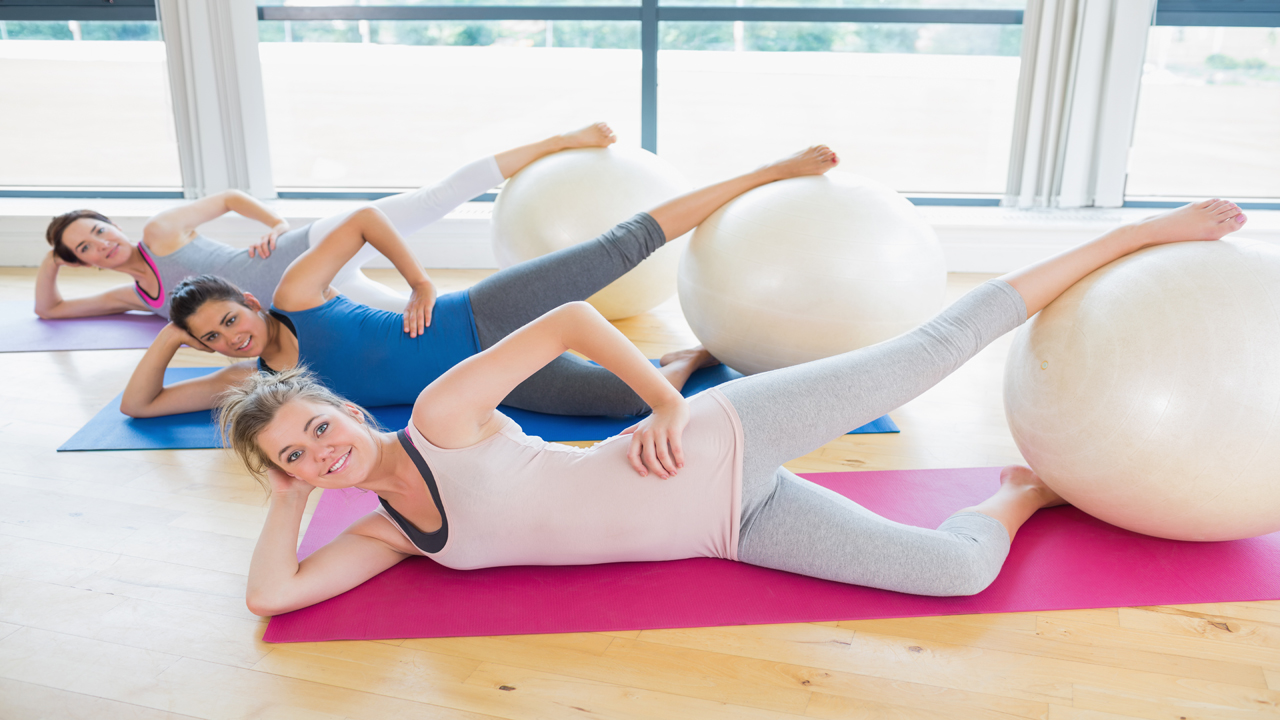
Fitness mantras during pregnancyYou must be wondering how Shilpa Shetty maintained her fitness even after bearing a child. The simple answer is that she never gave up exercising. Exercising during and after pregnancy is the best way to stay in shape and ensure your mental and physical healthiness. It also helps you in preparing for labour pain and delivery, and quick recovery postpartum. However, there are some things you need to keep in mind while exercising during pregnancy: Measure your fitness You need to determine how fit you are. This will help in determining the type and duration of exercising during pregnancy and post pregnancy. Also, before you continue your old exercise routine or begin a new one, you should talk to your doctor about exercising while you're pregnant. Pregnancy is a balancing act After the fourth month of pregnancy, it's likely you will lose balance while you exercise. Though your baby is well protected with amniotic sac, it is better to be safe than sorry. Safe exercises Activities such as swimming, walking, yoga, pilates, and low-impact aerobics are good choices. Pregnancy is not the right time to start any new intensive exercise, but it is safe to continue with most types of exercise if you're used to them. The things you should avoid Avoid exercises where you are likely to lose your balance or could make you fall or slip. Vigorous or extreme activities such as horse riding, skiing, mountain climbing are out of the question. They carry too high a risk of injury to your tummy. Avoid exercises such as: Sit-ups Standing on one leg Separating your legs widely You should also avoid most contact sports, such as football, basketball and so on. Finally, give racket sports a miss if you're not a regular player as they can be tough on your knees and ankles. Check with your doctor Consult the doctor before starting with any new or unusual exercise. Check for any complications or unusual conditions. Also, discuss for any concern such as: Pregnancy-induced high blood pressure Early contractions Vaginal bleeding Premature rupture of your membranes, also known as waters (the fluid in the amniotic sac around the fetus) breaking early The best outfit for exercise Clothes should be comfortable and loose fitting while exercising. Wear a supportive bra which protects the breasts and is also relaxing. If your shoe size has changed because of mild swelling, you may want to buy a new one. Duration of the exercise Exercising three to four times a week is necessary. This reduces stress, fights fatigue, and stabilizes emotions in early pregnancy. Start gradually, may be with only five minutes a day, if you were totally inactive before. Add five minutes each day till you reach 30 minutes. Also keep in mind to avoid exercise on an empty stomach. Eat a snack 30 minutes before exercise. Never over do Listen to your body when it says 'stop'. Over exercising causes overheating. Raising your core temperature too much can affect the baby adversely. Always sip water before, during and after exercising. Listening to your body when something hurts or doesn't feel right - that means stop. Drink a lot of water Try to drink about two glasses of water two hours before you begin exercising. Take a sports bottle of water with you when you exercise and take frequent sips from it. It's important you don't get dehydrated. This may raise your body temperature, which may not be good for you or your baby.  Keeping these points in mind, exercise to stay healthy and fit. We hope you soon give birth to a healthy kid.  
Importance of breastfeedingBreastfeeding is a natural act and that is why it is also one of the most beneficial acts for a baby. Breastfeeding provides essential nourishment and is the best food for the baby's stomach to digest. No matter how many infant formulas enriched with vitamins and minerals you provide to your baby, it can never replicate mother's milk. As for the mother, there is nothing more joyous than providing your baby with the best start that it can get in the long journey of life. The bond that the mother and the baby share through breastfeeding is one of the most special bonds. For the first six months, breastfeeding your baby is recommended for all mothers whether they are working or at home. Most working mothers are given leave, whether paid or unpaid, so they must ensure they provide their babies with regular breast milk. Breast milk protects the child against diarrhea, respiratory infections, pneumonia, ear infections, and helps to reduce chronic constipation and colic that the babies are prone to. Research also points to the fact that breastfed babies are immunized and protected against allergies, asthma, sudden death, diabetes, and obesity. They remain much healthier than those babies who are formula fed. In India, only 41% mothers begin early breastfeeding even though it has so many benefits. Mothers who exclusively breastfeed their babies help them to survive better. They also gift them with better brain development and these babies are likely to perform well intellectually. No matter which economic section of society the mother comes from, she can provide her baby with the best start in life by breastfeeding it and make sure that the child develops to its full potential. Breastfeeding is natural, simple, and cost-effective way to ensure your baby is healthy and continues to develop healthily. Since the breastfeeding campaign began on a large scale, child mortality has decreased. Immediate breastfeeding within one hour of birth has helped to significantly reduce sudden baby deaths. The colostrum, the first thick yellow breast milk is what protects babies from many diseases as it is filled with goodness. Lack of nutrition or malnutrition is another aspect that leads to infant deaths. Breastfeeding can significantly lower infant deaths from malnutrition as the mother's milk is one of the most nutritious foods provided by nature for the baby's healthy growth. A mother has the full ability to provide adequate nutrition for the baby, therefore breastfeeding needs to be encouraged fully. Employers need to create an appropriate space within their premises and should encourage new mothers to breastfeed their child. Breastfeeding also has a number of benefits for the mother. It helps to burn calories and the mother can return to her former pre-pregnancy state. Breastfeeding helps mothers to reduce their risk of breast, uterine, and ovarian cancer;high blood pressure;diabetes; and heart diseases. So for the first six months, mothers must make sure to breastfeed their baby and do not substitute it with baby food products.
Are you there for your teenage children?You must be there for your adolescent children so that they know who to turn to when they are confused. Being there does not necessarily mean your physical presence, but even the rules, boundaries, and standards of behavior you might have set should be able to guide them. When the teenager comes under peer pressure, then these rules may help them make the right choices. Teenagers live in fear They are frightened of their teachers, their friends; they are frightened of being mocked at or not being able to cope. They are dealing with a lot of issues, so when they come home, show them you care. They don't need parents screaming and shouting at them about their conduct or studies. The moment they come in, you should greet them with a smile, no matter what your feelings are otherwise. Don't expect your teenage children to be adults because they are still growing. Family is always important Most people think that teenagers no longer need the love, warmth, and support of the family. Your child might be a teenager,not a child to hold hands and show them the way, but they do need your support. A family works like an anchor that can pull back a teenager from being drifted away. Engage them.Speak to them regarding their likes and dislikes, the pressures they feel at studies, among other things. This could help them from the intense emotional turmoil they may be going through. Equation changes As a child you could cuddle your children, scold them, nurture and guide them, but as teenagers the equation might change. You may not cuddle your teenage child, but a warm hug now and then or a pat on the shoulder is enough to let them know that you love them just the same. Listen to them when they share an opinion. They want to prove themselves so follow their advice if it's reasonable so they feel they are an important part of the family and their opinions do matter. Don't treat your teenage children with suspicion.It will drive them away!! Moody If your teenage child is moody and uncommunicative, it does not mean that they don't need their family. It's just that friends might have taken precedence in their lives. Just the feeling that they have your support may encourage them to take their independent decisions. Information It is important to inform your teenage child regarding alcohol, drugs, and sex. However, you must also know they could experiment. So tell them about the dangers, and if they still make a mistake, then be there and do not abandon them. Help them get through the crisis. Teenage behavior Sometimes teenagers can behave erratically. It could be difficult to know if this is teenage moodiness or something more serious. As a parent you need to watch out for this and find out indirectly about what is troubling them. They might not open up immediately, but if you are around when they feel like chatting, they could let you know what is troubling them.
Cranky kids in a diner? dealing with them made a bit easy!This has happened to many a parent. They make a reservation at a fine dining restaurant, perhaps with friends and relatives. But their kid screams, and cries,disturbing the entire restaurant, and spoiling the general mood. For this reason, many parents avoid going out altogether, especially to fancy places. But there are ways in which you can handle the toddler when you are at a restaurant. We will show you how. Carry toys Restaurant may be boring at times for toddlers. That's why they turn peevish and may start playing with forks, spoons or knife. So carry some toys, crayons, notebooks, or even a story book, which will keep them busy and you can have a good time. Order something yummy and healthy for the kid A hungry kid is an angry kid. So, order something which is your kid's favorite and also healthy at the same time. Or you can carry something along with you like fruits breads, cherries or other nutritious treats. Keep responding to what kid says The best way to keep childrenwell behavedis to talk to them and respond whenever the child speaks. Don't avoid them or get too engrossed with other people. They get cranky when they don't get a response from you. Take a round with your kid When the kid becomes difficult to handle, just pick him in your arms and take a mini tour of the restaurant or walk outside. This will distract him and relieve his boredom. Don't tolerate any bad behavior If the bad behavior of the kids is intolerable, then firmly tell them that they need to adopt good manners if they want to visit restaurants again. Disturbing other diners is not acceptable. But it doesn't mean that you punish them.You just have to remove them to a place where they don't bother anyone. Make your outing relaxed and enjoyable Above all, don't forget to have fun and make it an enjoyable evening. Don't get too carried away disciplining the kid. You can afford to be a bit silly and enjoy the time with your child.
Boost your mood after a long day at workUp before the sun rise, rush to get ready, say hurried goodbyes to the family and crawl like a tortoise through traffic to get to work. Go through a long day of meetings, calls, deadlines, reviews, and then crawl back again through traffic at a snail's pace. Does this sound like a day out of your life? Then surely, weekends go by faster for you than you can say lickety-split, leaving with no time for yourself, your family or your hobbies. Social life is definitely a far cry from possible. This rigorous schedule eventually catches up with the mind and body and lethargy sets in, discouraging any sort of activity that breaks the monotony of day-to-day life. Is there no escape from this? Yes, there is. At the end of the day, when your mind is tired, you do not feel like taking anything more than you already have on your plate. Only the warmth of your bed allures you. However, if you were feeling fresh and enthusiastic, surely, you'd be ready to do a lot more - move mountains or at least drive to meet friends, anyway. An energetic life full of happy times with families without the constant desire of solitude after a long day's work is what you seek, then try these mood boosters to uplift your mood and get your feet tapping right away! The Aroma of Good Mood:Scents play a great role in the way we feel. They have the power to turn the mood around completely. Light a few scented candles or set up an oil diffuse of your favorite oil and you will feel lighter and De-stressed soon enough. You can also mix a few drops of rosemary and bergamot to create an energizing and refreshing infusion. Walk it Off:Most of us work in functional buildings in temperature-controlled environments. The lack of windows makes natural light and ventilation scarce and aids the buildup of gloom and tiredness. A good way to turn the mood around is to walk it off. A short walk around the block or in the building compound can bring you back in touch with nature. If you are lucky to be living in a green community, you have the added benefit of watching the trees and bird life in them. The exercise also helps release hormones in the body that uplift your mood immediately. A Good Deed Begets Good Mood:Giving is the greatest joy! So perform a good deed - if you see someone who needs help on the way back from work, stop for a few moments and help them. Or simply help your spouse, children, parents or neighbor out. And voila! You will find yourself feeling a lot better than how you did when you entered the house. Clear the Clutter:Organizing things and creating neat, clean spaces is a great mood booster. As you clean the clutter, you will find the clutter of thoughts in your head also clearing. Neat, well-kept spaces invite good vibes and energies, which again makes you feel better in turn. Petting a Furry Friend:Petting a dog for even 15 minutes releases the feel good, happy hormones. It does wonders for the stress level too. So the next time your furry friend comes rushing to the door, to welcome you back home, take time to give it some love. The Human Touch:We spend 10-12 hours a day away from our family and familiar touch. The human touch releases uplifting hormones such as serotonin and reduces heart rate and blood pressure making you relaxed. So when you get home, remember; a nice warm hug to your spouse or children will make you both feel better.Remember you work to live and not the other way. So when you get home from a long, tiring day, just boost your mood so you can thoroughly enjoy life with your family!
Where does your happiness lie? - Importance of emotional well-beingAn emotionally well person is characterized by ability to handle and adapt to changes, to efficiently deal with stress, has a positive self-image and can take decisions independently to cater to his needs. Striving forward with a sense of purpose, an emotionally strong person has the capacity to build and sustain fruitful relationships without over-dependence. Being emotionally well does not imply that you do not experience pain and suffering. Pain and suffering is an essential part of every person's life. The strength of your emotional well-being is determined by how you look at and react to them. Those who are emotionally well can treat their adversities as opportunities to change and move ahead with greater strength. Signs of an emotionally ill person include stress, frustration, discomfort with changes, negativity in thoughts, and unreasonable paranoia about the intention of other's actions, discontent, and depression. There is also the feeling of guilt over inability to hold relationships and of not being able to keep others happy. You may also find yourself unworthy and feel that you do not deserve to be happy. Such sensation of low self-worth fuels the need to look for other ways to feel relaxed - thus, resulting in substance dependence. In cases of severe emotional ill-being, one could experience sleeplessness, hopelessness, suicidal, and uncontrollable negative thoughts. Relation between emotional and physical well-being: Emotional well-being is closely related to your physical body. They share a symbiotic relation with one another.By taking care of your body, you allow balanced production of hormones and smooth functioning of the other body parts - allowing them to respond efficiently during tough situations and also assisting the body to cope with physically challenging conditions. By being emotionally strong, you will also contribute towards faster and effective treatment of your body from illnesses. Your emotional well-being is determined by the following factors: family background, companionships, past history of relationships, sensitivity to nature and genetic dispositions. Those who come from troubled family background find it harder to associate in a healthy way with others during their adulthood. In many cases genetically, a person has greater propensity towards being emotionally weak - though this can be controlled and molded into strength by one's own actions. Depending on the type of educational institutions you attended, your companionships could be those which built your self-image positively or which hindered your capacity to take care of yourself (due to instances of bullying and teasing). Past romantic relationships also determine how you deal with your emotions in the present. Those who are sensitive to nature have been found to have greater consideration for human beings as well as non-human beings around them. Every factor is a condition which can be shaped by the efforts of the individual. Emotional well-being is primarily built on the belief that you can create your own reality by choosing your actions. How to promote your emotional well-being? Be optimistic :  Emotional and mental well-being is majorly decided by how you look at your life. Even though you have many sufferings, are you able to accept them and find ways to get through them, knowing that the good is yet to come? Flip through the inspiring stories of people around you to motivate optimism. Find your beauty : Listen to the needs of your body and do not impose your mental ideas of beauty on it. Beauty of each person is determined by their unique characteristics. Do not let the conventional standards of beauty pull you down. Know that you are unique and beauty is not necessarily an external but an inner state of mind. Stay with those who care for you : You might see the need to sacrifice your happiness for others in some instances. However, if you find yourself doing that 8 out of 10 times in any relationship, it is time to seriously reconsider how you wish to live. Is your happiness being taken for granted? Are you running this relationship because you are afraid of being alone, knowing that it is going nowhere in the future? Those who care for you will show it through their actions. The best way to love yourself is by being able to see yourself through their eyes. Take care of your body :  Get adequate sleep daily and make sure your body gets lots of nutritious food. Don't let the advertisements decide the needs of your body. Try out different cuisines and let your body tell you which one it feels is most suitable. Exercise moderately everyday by taking a walk in a green area with your loved one (Remember that the point of exercising is not only to lose weight, but to sweat away your stress daily in fun ways!) Follow your heart : Do what you love. There is nothing that could harm your emotional well-being more than doing something which you know is not right and which you do not want to do. Confucius has dropped us a fortune cookie of happiness when he said that in choosing a job you love, you will never have to work a single day of your life. Get a pet companion :  Adopt an animal and take care of it. In taking care of the pet, you will realize and gradually get in touch with yourself, becoming aware of who you are as a human being. This could be the starting point of discovering your true potentials. Volunteer at social services : Let your creativity and emotions flow by connecting to those around you. Depending on your interests, choose a type of social service - old age home, orphanage, animal shelter, being with terminally ill people, and so on. Such activities will help to positively channelize your emotions.
Good and bad calories-How do they affect weight loss?Not all calories are bad calories. Surprisingly very few people are aware that good calories are quintessential for burning fat and can rather help you in losing weight. So, it's very important to know how to differentiate between good calories and the bad ones. What is a Calorie? In scientific terms, one calorie equals to one unit of energy. When the term calorie is being used in relation to nutrition, it means consumption of energy through what you drink and eat and use of energy for carrying physical activity. Many people think that in nutritional terminology, calories are only associated with drink and food; but the truth of the matter is that everything has energy is calories. For example, since coal provides you energy it contains calories. 7,004,684,512 calories are equal to energy produced by 1-ton of coal. Coming back to weight loss, 100 calories of fiber and protein is not similar to 100 calories of a cake. This is because there are good and bad calories and much like us humans all calories are not equal. Calories are the measuring units of energy that are produced by the food once it reaches your body. This energy works on the law of physics and hence less energy intake leads to weight loss and vice versa. Varying types of Calories Different types of food provide varying calories or energy amount to the body. The analysis of a tightly scrutinized weight loss experiment has revealed that when people of two different groups were fed the same measure of calories albeit from varying food sources, the weight loss was almost similar. However, the effects of weight loss were variable; like uncontrolled emotions, cravings, hunger and more. This happened for the same reason that some calories are good and some calories are bad. Good and bad calories Sugar is a powerhouse of energy. But if you keep on eating only sugar all day long it will be suicidal. This is because; the calories present in the sugar are devoid of any nutrients and your body cannot function without the right balance of different minerals, nutrients and vitamins. Most food not only carry calories but they also constitute a complex mixture of additives, fiber and nutrients. These mixtures of varying components directly affect the leptin hormone that controls the hunger trigger in your body. These hormones tell the body to either burn the fat or store it. The process of weight loss is made complicated by the fact that biologically our body is programmed to protect the fat stores so that they can be utilized during starvation. So, the question remain, which calories should you eat to lose weight but still keep on getting the required amount of energy? Eating lean protein, healthy fats and unrefined and unprocessed carbohydrates such as fruits, beans and vegetables are the best for losing weight. Calories with more nutrients are the best The foods that do not store fat and make us eat again and again, are the ones you should eat as good calorie food. Choosing them is simple. These are the same food that humans used to eat before processed food was invented. For example; avoid using the processed whole grains and switch over to brown rice instead of the polished white rice. Also, stone-ground whole wheat, oats or quinoa bread is much better than the white bread. Replace the processed carbohydrates from your platter with whole grains and vegetables to lose weight, control hypertension and blood sugar. Use fats derived from plant sources such as olive oil or nut oil. Eat lean protein more such as chicken and fish.
Arthritis friendly workoutsRheumatoid arthritis is more common in women over 60, and is the inflammatory type of arthritis where the synovial fluid functioning is disrupted. The synovial fluid maintains the health of joints, bones, and cartilages. Osteoarthritis is the most commonly occurring type in both men and women, and in this type there is gradual wearing away of the bone cartilages, which, in turn, causes stiffness, and pain in the muscles, joints and tendons. There is a classic catch 22 situation in arthritic patients and that is they avoid exercise or are advised extreme caution while exercising. The pain and soreness which comes from exercising can be extremely discouraging, so some shun exercise altogether. Now, the lack of exercise is going to precipitate the condition further, and could even increase the soreness, and lead to deformity. This is what challenges most arthritic patients. Should someone with arthritis be allowed to exercise? And if yes, then what type of exercise will prove to be most beneficial? Main question is: Are there any arthritis friendly workouts? Doctors now recommend that exercising could actually work wonders for arthritis patients. The right method and type of exercise can help ease the inflammation and soreness of the joints, and build overall health, strength and flexibility of the bones, and joints as well. What would be a good exercise routine? The arthritis foundation recommends routines which exercise the flexibility of the joints, and build muscle mass, for better shock absorption, coupled with physical endurance should be specially designed for arthritics. Regular walking: Walking is a great exercise for arthritics. Walking at a steady pace for about 30 minutes, thrice a week, can help keep the limbs active, and could reduce the swelling at the knees, and hip joints. Warm up is absolutely essential in any work out, and here it is of paramount importance that you go through a warm up routine before you begin your walk. Simple leg raises, hand to toe stretches, and light back bends can be done to warm up the muscles and joints for your walking activity. That will also reduce the possibilities of strain or sprains of the ankles along the way. Choose your exercise route to ensure that you don't walk up a gradient, and put unnecessary pressure on your knees and ligaments. Aquatic Exercises: Exercising in water is perhaps the best possible alternative, as water is absolutely low impact. This is great for arthritic patients to reap the benefits of a swimming pool workout. The easiest for chronic arthritis patients would be to simply walk, or wade in water for about 20-30 minutes. This can help greatly with building strength, and endurance in the extremities. For enhancing co-ordination you can even try walking backwards in water, or simply float and relax the body. Avoid water which is too cold, as that might adversely affect your condition. Stretching and Yoga: All easy stretches for the limbs and joints will be helpful to facilitate ease in movements, and dealing with joint pain. Standing leg raises, shoulder raises, wrist rolls are exercises which can be done quite easily, and can help keep the body supple. Though yoga also enhances flexibility, it goes way beyond just that, and actually aims at harmonizing the life force in the internal and external organs as well. No matter what type of exercise suits you, always remember: Proper warm up exercises are a must for the arthritic patient, as that can help reduce, and eliminate the possibility of injuries while working out. Do not force your body into an exercise regimen, if you are experiencing pain. It is quite ok to take a day off if the joints are sore. Get into an exercise routine slowly as your body might take a little longer to recover from it. Always seek the advice of an expert or a doctor before making any alterations to your regimen.
Bile block - Understanding gallbladder problemsRavi was a young intern working the night shifts in a government hospital when he was asked to examine a patient who had just been brought in. The patient was a 45-year-old, a fat man, who was complaining of pain in the right side of the abdomen along with nausea and vomiting. On inquiry it was revealed that he had eaten a very heavy fat-laden dinner. Remembering what his surgery professor had taught him about cholelithiaisis, Ravi immediately guessed what the diagnosis could be. He, however, sent the patient for a blood test and an abdominal scan. The reports confirmed Ravi’s suspicions- cholelithiasis, gallstones. The gallbladder is a tiny pear shaped organ that lies just below the liver. It is responsible for storing the bile that is produced by the liver for digesting food. It ensures the smooth outflow of the bile from the bile ducts. When the bile components aggregate in the gallbladder, they build up to form gallstones, similar to kidney stones. The gallstones are usually small enough to pass on to the intestines and be eliminated without causing too much trouble. At times, these stones may be big enough to block the outflow of the bile and give rise to a variety of symptoms depending on the size of the stone and severity of the block. The symptoms include -  Intermittent colic. A bloated sensation with constant nausea. Inability to tolerate fats. Vomiting.  Fever with chills if the stone becomes infected. Gall stones though found in both sexes, is more common in females. The risk factors for developing gallstones include - Diabetes. Organ transplant. Diseases like hemolytic anemia, sickle cell anemia. Liver cirrhosis. Failure of the gallbladder to empty properly, e.g., during pregnancy. Rapid weight and nutrition loss due to any reason. Gallstones are confirmed by a blood test to check the liver function and by an abdominal scan. Medications to dissolve the stones, and surgery in case of large stones that do not dissolve with medications, are the treatment options.
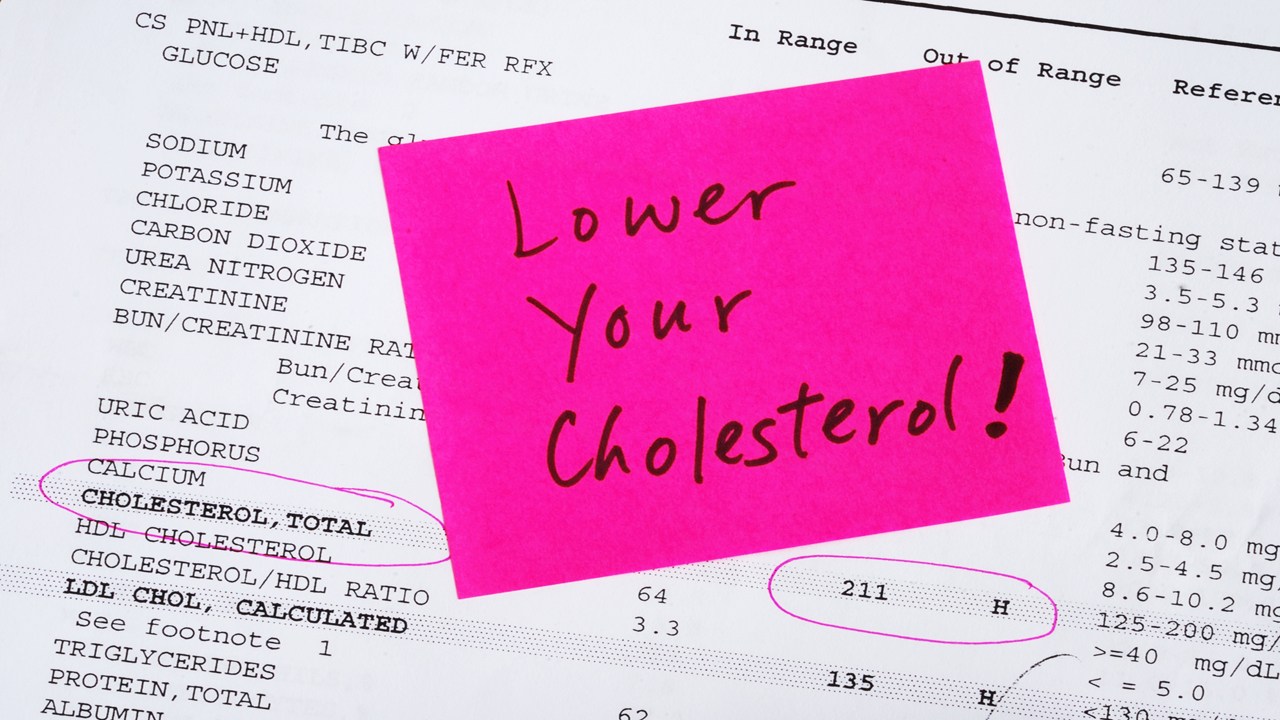
A primer on heart attacksIndians around the world have one of the highest rates of heart diseases. Heart attack, also called as myocardial infarction, is mainly caused by a blockage that prevents oxygen-rich blood supply to your heart muscle. In other words, it is the death of the heart muscle. What causes a heart attack? When cholesterol deposition, plaques of calcium and proteins on the walls of your coronary artery cause blockage of the artery, your heart fails to receive sufficient nutrient-rich blood. This leads to the permanent death of heart muscle, and it is unable to pump the blood to your vital organs. Symptoms that signal a heart attack   Chest pain is a symptom of a heart attack.  This pain can feel like tight ache, pressure on the heart as if an elephant is sitting across the chest. However, you may get confused with the symptom chest pain - whether it is a heart attack or an angina pain. Chest pain lasts for a longer time in heart attack whereas the chest pain in angina lasts for few seconds and goes away after rest. The pain experienced during a heart attack sometimes feels like indigestion or heart burn. Other warning signs of heart attack are: Shortness of breath. Lightheadedness or fainting. Upper body discomfort in arm, the back, neck, and jaw. Nausea, vomiting, dizziness. Sleep problems or fatigue. Not every person will have the same symptoms of the heart attack. But if you have any of these warning signs, you have to act fast and get the right treatment.
Are long hours of work bad for your sex life?As researchers in 'Occupational Health' indicate that working more than 8 hours a day could seriously shorten your life span by inviting all sorts of ailments like heart disease, sleep deprivation, chronic fatigue syndrome among others, it could very well mean sounding the death knell on your love life! So how does work affect play? The stress that goes with long work hours could certainly lower sex drive leading to feelings of frustration and inadequacy amongst partners. 'Erectile dysfunction' and lack of sexual desire are now on the increase amongst men with high pressure jobs and fancy designations. This in turn adds more strain on the relationship as partners naturally feel spurned due to the general lack of intimacy and sex. There is also the added danger of extra marital affairs as hours away from home can increase the chances of one night stands or casual sex thereby increasing the risk of STDs and sexual guilt which can only spell doom on the home front. So if you are a busy person this is what you can do to keep your bed from crumbling: Take a break now and again from work to call your spouse or partner. This can indicate that though you are busy he/she is foremost on your mind. Do not sacrifice your weekly offs as this is the time that your body, mind and spirit need all the healing that they could possibly get at the hands of your mate. Try and involve your mate as much as possible on what is happening at the work place. This way your contribution at your work place can be appreciated and can lessen the grouse, somewhat, like you are never available and similar other complaints. Preferably keep time for making love. These moments of intimacy are really what makes life worth living and should be given as much prominence as your promotions and annual appraisal. Do not miss out on your meals and exercise routine that ensure that despite hectic work pressures, you can still summon up enough energy to make love. Try a relationship counsellor to help you fine tune your work schedule to your home life.  
Sex during pregnancy? It's possible!One of the questions that arise when a woman gets pregnant is whether it is safe for the couple to have sex. We'll try to answer the most common questions couples tend to ask. Is sex safe during pregnancy? Sex is considered safe if the pregnancy is normal in all stages. However, even if it is safe, it doesn't mean the woman would want to have it. Desire for sex fluctuates during the various stages of pregnancy and sex becomes plain uncomfortable as the body gets larger. What is not safe? Two types of sexual behaviors are not safe during pregnancy. While having oral sex, the man should not blow air into his partners' vagina. It can lead to air blockage of blood vessels by an air bubble, which is called air embolism, and can be lethal for both mother and baby. The pregnant woman should strictly avoid sex with a partner with unknown sexual history or who may have a Sexually Transmitted Diseases (STD). What are the common risk factors? In case of significant complications with pregnancy, abstinence from sexual intercourse is advised. Common risk factors can be: Threat of miscarriage. One can have pre-term labor or signs indicating the risk of pre-term labor (such as premature contractions). Unexplained vaginal bleeding, discharge, or cramping. Leakage of fluid surrounding the baby, called as amniotic fluid. Placenta previa, a condition in which the placenta (the cord connecting mother to the baby and nourishes the baby) is located low down and covers the opening of the uterus. Cervix incompetency, a condition where cervix is weak and dilates before full term, increasing the risk of miscarriage or premature labor and delivery. Can sex during pregnancy harm the baby? The baby is always protected by the amniotic sac (a bag-like structure that holds the fetus and surrounding fluid) and uterine muscles. A thick mucus plug seals the cervix and protects the baby from infection. The penis does not come into contact with the fetus during sex. So, sex can't harm the baby directly. Can orgasm lead to miscarriage or contractions? The contractions felt by pregnant women during and just after orgasm are totally different from the contractions of labor. Therefore, in cases of normal and low-risk pregnancies, orgasm can't cause contractions and miscarriage, but always check with the doctor and make sure that your pregnancy is in the low-risk category. What are the safe positions for sex during pregnancy? The old standby missionary position for intercourse may not work for you now. Instead, try these options: Spooning: Lie side by side with him behind you. This will not put pressure on your belly, and makes for more shallow penetration. Female on top: There's no pressure on the belly, and the female can control the speed and depth of penetration. Side of the bed: The female lies on the back on the edge of the bed with knees bent and feet on the edge. The male stands facing her. It's like classic missionary, but the male won't be resting his body weight on the pregnant female. However, remember 'normal' is a relative term when it comes to sex during pregnancy. You and your partner need to discuss what feels right for both of you and take advice from the doctor.
FAQS
T&C FAQS