Home
Mammary duct ectasiaSigns and Symptoms In most of the cases, female patients do not have any symptom. In few cases, women may present with nipple discharge, tenderness or inflammation of the surrounding region. In some cases, there may be a lump over the breast or the nipple may get inverted. Causes Exact cause of mammary duct ectasia is unknown. But few possible cause or risk factors have been proposed by the doctors : Increasing age - Probability of developing mammary duct ectasia increases with age. With ageing, the breast changes its nature. Glandular tissue is replaced by fatty tissue. This change may lead to duct ectasia. Smoking- Milk ducts are widened due to smoking. This increases risk of inflammation which may lead to duct Ectasia. Inverted nipple - Inverted nipple obstructs the milk duct. It may lead to inflammation followed by duct ectasia. Complications Complications of duct ectasia may be may be of varying severity. They are usually minor, but sometimes become serious. Localized discomfort- Discomfort occurs due to pain and swelling around the nipple. Nipple discharge - Ectasia is frequently associated with discharge of thick and sticky fluid from nipple. Infection- Bacterial infection may develop due to stagnation of fluid in the milk duct. If it is neglected, it may lead to localized collection of pus known as abscess. Abscess requires surgical treatment. Abscess is drained surgically. Diagnosis The doctor usually diagnoses duct ectasia by clinical examination. However, few investigations may be required. Mammography- X-ray of the breast tissue is known as mammography. It helps the doctor to evaluate the breast tissue. Ultrasound- Ultrasound enables the doctor to evaluate milk ducts beneath the nipple. Treatment Duct ectasia is usually relieved by treatment. Following are the treatment options : Medications: The doctor prescribes antibiotic therapy for 10 to 14 days. It may be accompanied by mild painkillers like ibuprofen, etc. for initial few days till the remission of the disease sets in. Most of the cases are usually relieved by medications. Surgery: If duct ectasia is not controlled with medications then the doctor chooses to remove the duct ectasia surgically. Surgery is required very rarely.  Self care measures Following self-care measures often provides relief to the patients. These remedies can be adopted at home. The patient may wear a breast pad or support bra. The patient may apply warm compression to the affected region. The patient must stop smoking. The patient may be advised to sleep on the opposite side of the affected breast. Female patients should be educated regarding mammary duct ectasia so that they can detect possible symptoms of duct ectasia themselves. This will help to prevent possible complications of mammary duct ectasia and early diagnosis will provide early cure.
Fitness mantras during pregnancyYou must be wondering how Shilpa Shetty maintained her fitness even after bearing a child. The simple answer is that she never gave up exercising. Exercising during and after pregnancy is the best way to stay in shape and ensure your mental and physical healthiness. It also helps you in preparing for labour pain and delivery, and quick recovery postpartum. However, there are some things you need to keep in mind while exercising during pregnancy: Measure your fitness You need to determine how fit you are. This will help in determining the type and duration of exercising during pregnancy and post pregnancy. Also, before you continue your old exercise routine or begin a new one, you should talk to your doctor about exercising while you're pregnant. Pregnancy is a balancing act After the fourth month of pregnancy, it's likely you will lose balance while you exercise. Though your baby is well protected with amniotic sac, it is better to be safe than sorry. Safe exercises Activities such as swimming, walking, yoga, pilates, and low-impact aerobics are good choices. Pregnancy is not the right time to start any new intensive exercise, but it is safe to continue with most types of exercise if you're used to them. The things you should avoid Avoid exercises where you are likely to lose your balance or could make you fall or slip. Vigorous or extreme activities such as horse riding, skiing, mountain climbing are out of the question. They carry too high a risk of injury to your tummy. Avoid exercises such as: Sit-ups Standing on one leg Separating your legs widely You should also avoid most contact sports, such as football, basketball and so on. Finally, give racket sports a miss if you're not a regular player as they can be tough on your knees and ankles. Check with your doctor Consult the doctor before starting with any new or unusual exercise. Check for any complications or unusual conditions. Also, discuss for any concern such as: Pregnancy-induced high blood pressure Early contractions Vaginal bleeding Premature rupture of your membranes, also known as waters (the fluid in the amniotic sac around the fetus) breaking early The best outfit for exercise Clothes should be comfortable and loose fitting while exercising. Wear a supportive bra which protects the breasts and is also relaxing. If your shoe size has changed because of mild swelling, you may want to buy a new one. Duration of the exercise Exercising three to four times a week is necessary. This reduces stress, fights fatigue, and stabilizes emotions in early pregnancy. Start gradually, may be with only five minutes a day, if you were totally inactive before. Add five minutes each day till you reach 30 minutes. Also keep in mind to avoid exercise on an empty stomach. Eat a snack 30 minutes before exercise. Never over do Listen to your body when it says 'stop'. Over exercising causes overheating. Raising your core temperature too much can affect the baby adversely. Always sip water before, during and after exercising. Listening to your body when something hurts or doesn't feel right - that means stop. Drink a lot of water Try to drink about two glasses of water two hours before you begin exercising. Take a sports bottle of water with you when you exercise and take frequent sips from it. It's important you don't get dehydrated. This may raise your body temperature, which may not be good for you or your baby.  Keeping these points in mind, exercise to stay healthy and fit. We hope you soon give birth to a healthy kid.  
Pediatric diet formula food vs traditional foodAccording to the World Health Organisation, it is unnecessary to give your baby rice cereals at the age of four months as breast milk can provide all the nourishment a baby needs in the first year. No other solid food is required. Breast milk has all the nutrients like fats, protein, cholesterol, carbohydrates, vitamins and minerals which are required in the first year of life. According to most studies,formula foods are not the healthiest option to begin solid foods on. Doctors prefer that babies be given boiled vegetables and mashed fruits like bananas and not formula cereals that contain simple carbohydrates. It is not a good idea to give babies processed and refined foods that are found in all formula foods. Formula foods do have nutrients, but they are not as easy to absorb as nutrients from foods prepared at home. You can also ensure quality in food that is prepared at home. Formula foods cannot imitate the natural taste of foods. Babies like to choose foods according to taste just like the adults and you can give them a wide variety of choices like offering them different fruits and vegetables rather than the similar tasting formula. You will be surprised to know that mother's milk has the taste of the foods she eats and so babies develop taste for a variety and may like the insipid taste of formula. Another reason why formula foods may not work that well is that they contain cereals. However, the enzymes that are required to digest carbohydrates are not fully developed in babies until they are more almost three years old. Cereals and breads are very difficult for babies to digest. Undigested grains can throw off the balance of bacteria in the gut and this is the reason for a lot of digestive issues once they are grown up. Solids should not be introduced until six months of age, as studies now reveal that if solid foods are given early on then it increases the likelihood of allergies, especially of those foods introduced. Babies produce only few enzymes and digestive juices that are mainly required to digest protein and fats. This is because mother's milk has 50 to 60% healthy fat which is a must for the babies' mental and physical growth. Most baby infant nutritionists feel that formula feed is not a complete food. Babies will get deficiency,such as iron, as it is difficult to absorb them from formula foods. The debate continues as many feel that the marketing gimmicks are what selling these foods and not the nutritional value they provide to babies. A note of caution, excessive amount of juices are harmful for babies as these can lead to obesity.
Sweetie, I am addicted to you!Research shows sugar can be more addictive than heroin. What was the last thing you ate or drank before reading this? Bread? Banana? Chocolate? Cake? Fries? Wafers? Doughnut? Biscuits? Soda? Juice? Wine? Vodka? Coffee? Tea? They are all sugars ultimately. Some taste sweet, some don't. The first thing we taste as babies is milk. It is naturally sweet. From that young age, we learn that sugar is what we like and what we want. You may be a sugar addict, if: You need 'something sweet' after every meal. You cannot have tea or coffee without that second pinch of sugar. Dessert is a must every time you eat out. You go hunting to the refrigerator looking for cake leftovers. A little bite of that chocolate bar is all you need to be happy. You are the one who finishes off the last piece of laddu in the house. You want ketchup with everything - fries, noodles, pizza, burger, samosa, kachori. You want all the above listed items because you just read their names. When out in the hot sun, water is not sufficient for you, you want flavored sweetened chilled drinks. A mocktail or a soda drink makes your dinner complete. And many more such things. So, you see, almost all of us are sugar addicts. Studies show every person in countries like, USA, UK and Australia, may be a sugar addict. The reasons behind the sugar addiction are manifold. First, beyond doubt sugar tastes awesome. Taste factor cannot be debated with. But do you know, the taste is conditioned? Cravings are not always and entirely natural. They are a result of what you give the body and teach your taste buds. Second, businesses heavily exploit this weakness for sugar. Wherever you go there is unimaginable variety of sugar products. A café, a restaurant, a general store, a superstore, a street cart - they all have several options for you to indulge in. How much can one resist and how much can on filter the menu! Third, sugar creates instant gratification. That does work for it and that does add to our trouble. A sad day at work and some chocolate perks you up. Feeling dull and bored, let's go out for an ice cream. This happens too often. Why sugar isn't that sweet? We feel what harm can little sweet do, being happy is more important. However, sugar is worse than many other food vices. As an experiment, check the contents of everything in your kitchen and count how many of them have sugar, in any amounts. Try skipping everything that has sugar in it for the next three days. You will be shocked. The options to eat cut down to several degrees if you skip sugar. The problem with sugar is it makes you want more. A bit does not satisfy you. Sugar increases the desire for sugar - immediate and long term, likewise. The moment you have a bite of something sweet, you cannot stop there, you need to eat another bite, and another, and another. In the long run, your taste buds are getting deeply conditioned for sugar cravings. Your body learns that every time the mind is feeling low, it should ask for sugar. That is how it has been taught to feel better. You are entering a vicious cycle when you entertain these cravings. Sugar is often defamed as a white poison. It is not an exaggeration. Sugar has no nutritive value, apart from generating energy in the body. It simply increases the risk of numerous health complications. Sugar is a known culprit for diabetes mellitus, obesity, heart disease, hormonal imbalance, sexual dysfunctions, and others. Sugar addiction is the most common addiction of all. It is difficult to leave sugar completely out, but one can always cut the portions. How to beat that addiction? Time for some action? All this information must be making you want to cut down on your sugar intake. Hold on. Alcohol, smoking, drugs - they are understood and accepted as addictions. So, there are support groups, people around us will motivate and help us to de-addict. Getting rid of our sugar addiction is even tougher. It will require tremendous amount of will power and determination. Are you ready for the challenge? Let us see some simple ways to de-addict from sugars: Drink less Cut down on all the artificially sweetened drinks - colas, orange, iced teas, flavored canned drinks, sodas. They have zero health benefit. The only reason why you have them is because of the taste factor. Remember the taste is momentary. Once inside the body, these drinks are creating havoc for your system. One spoon less - Tea or coffee? What do you need to start your day? Whatever it is, try reducing the sugar portions. If you take two spoons, try one. If you take one spoon, try half. It will be difficult in the beginning but eventually you will get used to it and you will even like it. Have whole fruits instead of juices. Anything drinkable in the cans contains sugar. Say no to cans. Eat less Give the ketchup bottles some rest. Decide your weekly chocolate quota. Don't let the moods overpower your decision. Bakery items are loaded with sugar, forget they exist. Turn a blind eye to that shelf when you go grocery shopping. A fan of breakfast cereal? Check the packets for sugar content. The ones that are flavoured have more sugar. Pick the plain ones. You can add your own choice of fruit and dry fruits for nutrition. Desserts should be a onetime thing, only when the occasion calls for it. You don't need them daily. Let the sweetness be in your words, not on your plate.
Dealing with obsessive thinking and worriesAn old adage goes - 'Worry is like a rocking chair. It gives you something to do but it doesn't get you anywhere'. This is absolutely true for many of us who have developed the habit of worrying unnecessarily over outcomes and circumstances. Thinking about things and over our course of action is a good thing because you should always think twice before acting. What about obsessive thinking? Is it good for you? Anything in extremity is a bad thing, whether it is your favorite food or your thoughts. Worrying incessantly is a part of obsessive thinking where you cannot let go of negative thoughts and they circulate in your mind continuously. Obsessive thinking is a negative infinite loop, a broken record that is stuck without having anyone to click the stop button. So how should you deal with this obsessive thinking that is sure to spell your doom in the long run? Though psychologists have devised various scientific methods of overcoming obsessive thoughts and worries, here we have listed down some easy to follow rituals that will help you deal with such worries and thoughts. Meditation - Yoga swears by the art of meditation as it is thought to release all negative energy from the mind and soul. Concentrating on your breathing and also absorbing a positive source of energy is the essence of meditation. So whenever you are obsessed about something, sit down, calm your nerves and meditate. Physical activity - Exercising always helps. Engage in physical activity which increases the body's metabolism and requires effort. Indulge in those dance lessons or swimming or maybe cycling and you will divert your mind from those negative thoughts. Indulge in your hobbies - So you thought you don't have time for your hobbies, but your hobbies relax your mind and body. Moreover, a hobby also takes out the creative side in you. So, whether you like to collect coins or stamps, or lean towards arts and crafts, a hobby is sure to occupy your mind and take you away from worries. Socialize - Friends and relatives are your lifeline as they help you in those tough situations. Even if you are mentally not at peace, making social calls on your friends and relatives will take the edge off.  Try to meet people who can empathize with you and help you move out of it. Socializing will give you that much needed break from the vicious cycle of your thoughts. Though a short-term relief, going out for movies or taking a weekend getaway with your near and dear ones or even indulging your wife in shopping, can be helpful. Confide - Talking to someone close who understands you helps you in expressing your troubles. Thinking obsessively, you usually tend to ignore your feelings and emotions. Your mind remains trapped in the net of those obsessive thoughts and your emotional well-being takes a backseat. When you talk to another person, he or she will hear you out and help you relieve the stress that is on your mind. They would understand your state of well-being and support you emotionally. Be mindful - You may find it easy to go back into the same negative thought process. Don't let your mind chatter. Stop your mind by standing up for yourself. Stand in front of the mirror and say, "I am not a victim. I have the power and strength to move ahead" Do this whenever you become aware that you are going back into the same thought process.  This will give you the mental strength needed to come out of it.  Be mindful and aware but don't be too harsh on yourself. Be responsible -Your mind can make you or break you. If you understand this truth you will find it easier to manage your thoughts. Take responsibility of your thoughts good or bad.  The mind can create thoughts to project blame or judgments about others.  When you own your thoughts, you will find it easier to shape them the way you want. Create a higher vision of your life - When you keep a higher vision in your life, you can move ahead easily.  By developing a higher vision, you are asking yourself, who am I?and finally working towards it. You take positive actions and thus there would be more gratitude for what you have and less resentment for things that do not work.   This stops your mind from working unnecessarily. Obsessive worrying is a psychological disorder which in extreme cases has to be dealt with pathologically. Do not let your condition to reach the extreme end of the spectrum. Follow the above mentioned suggestions and try to deal with those thoughts yourself. It may take some time but rest assure, it will be effective in the long run.
Aerobics: dancing your way to healthAerobic exercise is any comprehensive activity that makes you breathe hard while exercising your large muscle groups at a standard, even pace. The body uses stored carbohydrates and fats for energy. What is aerobics? Aerobic literally means having or providing oxygen or an activity that takes place only in the presence of oxygen. What is aerobic exercise? Aerobic exercise is any comprehensive activity that makes you breathe hard while exercising your large muscle groups at a standard, even pace. The body burns stored carbohydrates and fats for energy. Thus aerobic exercises help the body to utilize oxygen efficiently with increase in respiration and heart rate. What are the best ways to do aerobic exercises? There are number of ways by which you can exercise aerobically. Some easy and best ways are: walking, running, biking, using stationary bike, using stair stepper, elliptical machines or rowing machines, or joining an aerobic exercise class Benefits of aerobic exercises Fat reduction: Aerobics burns calories and body fats directly while using oxygen to produce energy. So this is the healthiest way to get rid of extra fat.  Strong heart: Aerobic exercises not only use your larger muscle groups like hamstrings, but also strengthen the heart muscles. This improves heart function resulting in improvement of blood and oxygen supply to all body parts, which provides healthy nourishment to body cell and removes toxins. Improves breathing: Exercises improve your lung capacity and function,which improves oxygenation, or competence of respiratory system to deliver oxygen to all body parts. It also improves overall health of the respiratory system. Cholesterol control: LDL cholesterol is bad cholesterol mostly responsible for clogging of arteries and HDL is good cholesterol. Aerobic exercises invariable increase the amount of HDL and lower LDL cholesterol thus preventing fat deposition and plaque formation and maintaining optimal blood supply to heart. Other benefits: Aerobics is the best exercise when it comes to prevention of various diseases like hypertension, diabetes, stroke and arthritis and osteoporosis. It helps to keep mood elevated and cures depression and boosts immunity. Make sure to incorporate some form of aerobic exercise in your daily routine.  
5 tips to reduce your salt intakeSalt is an inevitable part of our food, but added salt has harmful effects on the body. The list of benefits in reducing sodium/salt intake in our diet runs long, ranging from lower blood pressure, in turn leading to reduced risks of heart disease, obesity, and diseases of the kidney. The daily sodium intake of an individual should not exceed 1500-2300 mg per day (a table spoon of salt approximately), and this needs to be maintained in the salt added to our food, including the processed food and drinks we buy. Sodium, an indispensable component of our diet, is consumed in excess by most of us. Follow the tips, as mentioned below, to curb your daily salt intake. Avoid added salt. Do not add salt to already cooked food while eating. Keep a diary and make a list of foods with salt in them that you eat daily. Do not forget to add pickles, spices, papads, salted biscuits, and salted nuts. All of these are highly loaded with salt. Next time you go shopping read the labels. Choose low-salt options-sauces, crackers, khakhra, instead of papad. Make an attempt to eat less canned and processed foods. Choose fresh fruits and vegetables over processed food. Eat less bread. Each bread slice has about 250 mg of sodium. Do not mistake bread to be healthy. Next time, keep this in mind when you go out to eat pizza. Pizza base is like bread. While cooking food, make it a point to add salt only towards the end in the recipe. This way you will need to add lesser salt. Sodium content of some foods Bread (one slice) - 250mg Cheese pizza: 450 - 1200mg Tomato soup: 350 - 1000mg Potato chips: 100 - 150mg
An ounce of prevention is worth a pound of cure!Small mistakes that we keep committing become, over a period of time, serious health problems that are potentially life threatening. Given here is a list of the 10 most common mistakes that we make when it comes to heart health. Ignoring the health check-up: Your last reports said you were fit as a fiddle. So you haven't gone for a check-up since then? Our health becomes the first thing we sideline in today's fast-paced lives. Most of the heart diseases do not show any signs and symptoms in the early stages and when the signs and symptoms come up, too much of damage has already been done. So it becomes very essential to go for regular health check ups. If you are in your twenties it would be advised to get your cholesterol checked every 5 years, blood glucose every 2 years. Beyond 45 years though the frequency of health, check-ups should increase. Body Mass Index is something that you should get checked every time you visit your doctor. Skipping breakfast: Breakfast is the most important part of what you eat the whole day. Most of us tend to skip breakfast due to lack of time, fear of weight gain. But starting your day without breakfast is like driving on reserve fuel. You will start fine, but end up feeling dull and sluggish towards the end of the day. Skipping breakfast has been associated with development of diabetes mellitus and obesity. These two have a strong co-morbidity with cardiovascular diseases. No wonder then it is said, breakfast like a king, lunch like a prince and dinner like a pauper. Too much of sun-blocking: We are people obsessed with fairness and it is understandable that one wouldn't want to get tanned by going out in the sun. Some amount of sunlight exposure is very vital for health. Vitamin D is synthesized by the body from cholesterol with the help of sun rays. Recent studies reveal that people with little or no exposure to sunlight tend to develop arterial plaques that end up in heart attacks, high blood pressure or strokes! Going for the fizz : Aerated drinks are loaded with triglycerides that are a part of the bad cholesterol. They thicken the blood and it becomes difficult for it to flow through the arteries. This leads to several complications. Not watching what you eat: Often we are so caught up in our work that we just grab a quick bite to eat without paying heed to what actually we are eating. Fast foods are extremely unhealthy and wreck havoc onour systems. Missing fruits and fibres: Fibrous food are extremely heart friendly. The fibres help in pushing out the cholesterol out of the body. Beans, oats and barley are all extremely fibre-rich. Fruits are a rich source of vitamins and minerals. They contain potassium that is extremely essential to neutralize the effects of sodium. By doing this they help in regulating the blood pressure. Citrus fruits too have a high amount of potassium in them. Avoiding walking: Walking is the simplest form of exercise the body can get. 10 minutes of brisk walking is extremely helpful for the heart to keep functioning efficiently. Not sleeping well: The body needs 6 to 8 hours of undisturbed sleep for it to reboot and get back its full functioning capacity.  A sound sleep at night reduces the blood pressure and regularizes the heart beats. People compromising on sleep are the ones most prone to suffer from heart attacks and high blood pressure. Not flossing your teeth: Gingivitis is the inflammation of gums. This inflammation hosts large number of germs that leak into the bloodstream and reach the heart causing a number of heart problems. People who floss daily not only have good oral hygiene, they also have a healthy heart. Forgetting the Family: Many heart diseases tend to run in the family. It is very important to know the medical history of your parents and grandparents. The risks of you developing heart diseases are high if someone in your family already has them.
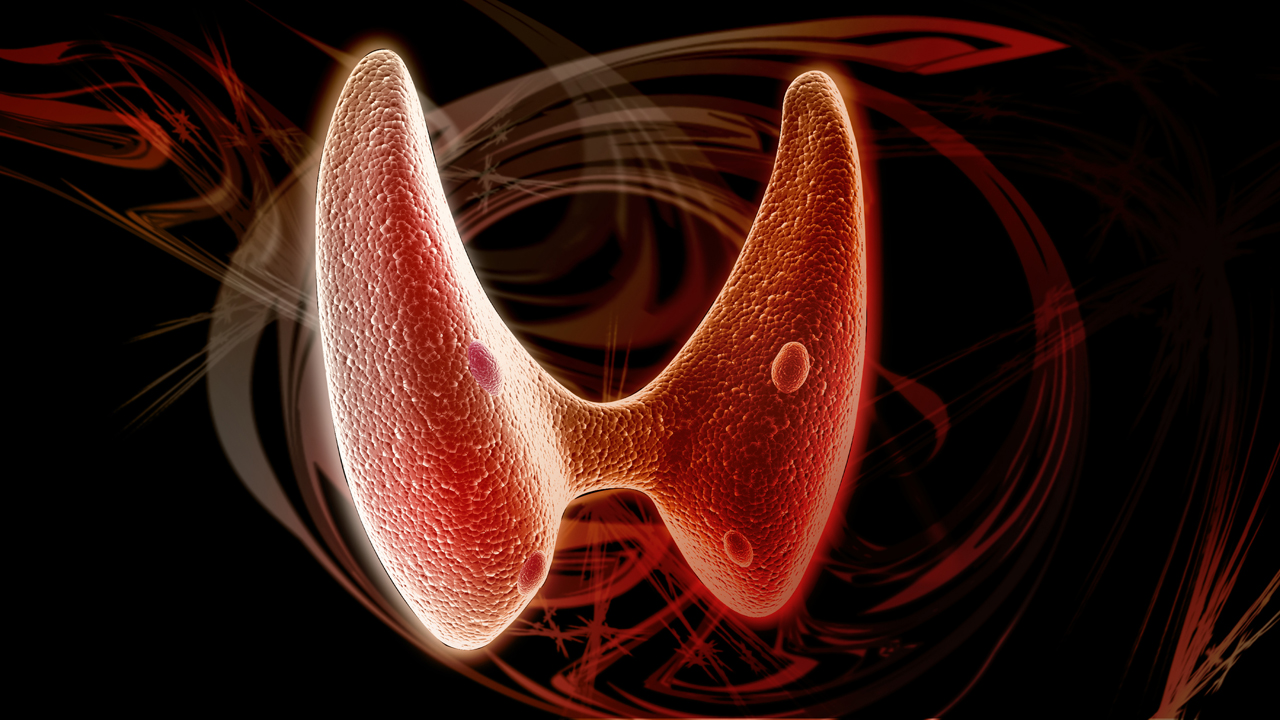
Thyroid may make your heart flutter!Thyroid is a small gland situated in the area of neck. In Greek, thyroid means the shape of a shield. Yes, thyroid gland is vital to a variety of important body functions and does act as a shield. But what happens when the shield is disturbed and goes weak? Thyroid dysfunction is recorded in approximately one to four people out of hundred Thyroid link to heart A research study was conducted in 2009 by Weill Cornell Medical College researchers. It was done to investigate and analyze the genetic link behind rhythm control of heartbeat. They found that the genes that are responsible for synchrony and rhythm in the functioning of heart are also closely connected to the thyroid hormone synthesis and could cause dysfunction of the thyroid. Thyroid activity directly influences the metabolism, blood flow and electrical activity of the heart. When there isn't enough thyroid hormone (low levels), the patients complain of low energy levels, fatigue and reduced heart rate. On the other hand, with increased thyroid hormone levels in the blood, patients report symptoms of hyperactivity of systems. There is diarrhea, palpitations, increased heartbeats and advanced cases show arrhythmias of heart, where normal beating rhythm of heart is disturbed and becomes irregular. Thyroid hyperactivity can be appropriately controlled with regular medication. Understanding arrhythmias When the rhythm of the heart is disturbed, it becomes irregular - this is called cardiac arrhythmia. There are various types of loss of rhythm - heartbeat is too slow (that is, the cycles are taking too long to complete), too fast (the cycles are repeating too quickly), too early (that is, before a cycle is even completed, another starts), too irregular (this is called fibrillation, where no specific pattern may emerge). The patients who have arrhythmia will often come with complaints of dizziness, shortness of breath, suddenly feeling weak or lightheaded, fainting and feeling of a flutter in chest (flutter can be understood as light but quick flapping of wings by a bird). Arrhythmias are usually harmless and most people would continue to live a healthy life for years with arrhythmias. But that does not mean it can be ignored. There is a battery of tests available to diagnose and indicate the seriousness of arrhythmias and let your doctor take a call on the line of treatment. If you have a thyroid dysfunction, get your heart checked immediately. And if you have faced arrhythmias, get your thyroid checked immediately. Both the conditions are controllable and treatable; there is no cause to worry over what could go wrong. Just be vigilant and informed.
Stress-free sex: Know your safe period!Having sex is a pleasurable thing; and the nicest way to enjoy it, is to give in without being bogged down by the fears of getting pregnant. Not every act of sexual intercourse will result in pregnancy. There are days when your chances of conception are very high, just like there are days when the chances of getting pregnant are almost nil. Identifying these days will help you enjoy a better and a more stressfree sex life! A woman's menstrual cycle starts from the first day of  bleeding and ends about 28 days after that, on an average. Ovulation occurs on the 14 day of the menstrual cycle. The 14th day is the ideal day, theoretically. Since every woman's menstrual cycle differs, the day of the ovulation also differs. Hence doctors calculate the fertile period from the 12th to the 18th day of the menstrual cycle. This is the period when the chances of ovulating and hence getting pregnant, are optimal. The 1st to the 7th day and the 19th day to the start of the next cycle, are the days when the ovulation chances are very low. This means if you make love during these days, there are very little chances of you getting pregnant. This is the case with women who have regular period cycles. In case your cycles are not regular, then you would need to do a bit of math to calculate your safe period. For example, if your shortest cycle is of 26 days and the longest cycle has been of 31 days, then: 26-18= 8 and 31-10=21, which means the 8th to the 21st day of your cycle, are the most fertile days. The 1st to the 7th day and then the 21st day to the start of your next cycle, are the days that are safe for you to enjoy sex, without fear of getting pregnant. Opting to have sex during the 'safe period', isn't always fool-proof though. A lot of women have irregular cycles and the cycle length can vary from woman to woman; which is why the so-called 'safe period', is in truth, not 100% safe. It is always better to use condoms or other contraceptive methods like the oral pill to prevent unwanted pregnancies.
Painful intercourseSome of the causes affecting women can be: Going too fast, penetrating from an awkward position. Do not hesitate to tell your partner that it hurts and he needs to slow down or change position in order to make you comfortable and prevent pain. Dry vagina or lack of natural lubrication in the vagina. This dry vagina is caused due to some medications, changes at the menopause. Sometimes just increasing the time of foreplay can help vaginal lubrication. Use water-based lubricant to reduce pain. Failure to fire off. Sometimes failure of the vagina and uterus to respond to sexual arousal can lead to irritation and tenderness. The vagina may be too tight for the intercourse sometimes or the uterus may not be raised so that the penis comes in contact with the cervix during penetration. Using other penetration methods can be helpful to explore the level of arousal before engaging in intercourse. Vaginismus can be the cause of discomfort. Muscles surrounding vagina are sometimes very tight and lead to pain and intercourse to be painful. Woman can examine herself with her fingers to see if vaginal walls are tighter than normal. It can be vaginismus. Normal cause is nervousness or anxiety. It is reversible. Good foreplay before intercourse will help to relax the muscles and help lubricate. Just relaxing before the act can be helpful. Vaginal infection and inflammation due to yeast, herpes, etc. can make intercourse uncomfortable. Fabrics, creams, perfumes may cause irritation in area in some women. Avoid these. First-time sex can be a little painful. Rupture of the hymen can cause discomfort during penetration. Start slowly or begin with forms of penetration other than intercourse. Psychological pain. Sexually traumatic experiences or feelings of guilt associated with sex can make the act painful. Consult a sex therapist or psychiatrist. Discomfort during intercourse is experienced by men too, various causes affecting this outcome for men are: Tight foreskin. During first attempt at intercourse, tight foreskin will make retraction painful. After sometime, the foreskin will become loose and make intercourse comfortable. Any lesion on the penis skin can make intercourse painful. These may result from non-lubricated masturbation or rapid intercourse or STDs. The blisters due to herpes infection can make intercourse extremely painful.
FAQS
T&C FAQS