Home
Aging milestonesChanges in old age depends on attitude as much as person to person. In young old age some changes begin to take place in a person’s appearance. Wrinkles, warts, age spots begin to form on the body. Hair begins to thin or becomes grey and even height lessens because the bone density decreases. While in ‘old‘ old age these changes are already permanent. Men might look distinguished if in good health, but women all look grandmotherly. In ‘young’ old age, cells begin to decay and muscle mass declines and immunity is no longer as strong as it used to be. People lose energy as the age progresses.  ‘Old’ old age brings in a lot of physical decline, profound changes in appearance and motor abilities, as also in sensation. Skin gets less elastic and becomes thin and blood vessels can break under the skin. The senses also begin to become dull. Eye lenses get affected and color perception and reading ability becomes very low. Hearing loss may lead to paranoia and ‘old’ old age people begin to think everyone is plotting against them because they can’t hear properly about what others are saying. Sense of smell also declines, but the taste remains almost intact. In ‘young’ old age, reflexes also slow down and so do the motor abilities. By the time they reach ‘old‘ old age most adults find that their response time has become quite reduced. This can be seen most in driving situations where it is difficult for ‘old‘ old aged adults to operate their vehicles as they have poor spontaneous responses. The ‘young’ old adults do not lose as much of their motor abilities as the ‘old‘ old adults, especially when holding small things like needles and pins. Of course, there are changes in sexuality and there may be a decline in the ability to have sex as men may not have an erection and women become dry due to lack of female hormones. Cognitive decline in 40% to 60% of older adults can be arrested with remedial training. Despite all the changes, most people even in their 70s remain comparatively active if they do not suffer any illness. Mental, physical, and social activity is necessary to maintain the quality of life. Old people begin to withdraw from work and other important roles and allow the younger people to take over. They are a lot happier as is also advised in Vedic literature as vridhashram. While activities are important, disengagement is equally important. Memory loss becomes aggravated and other cognitive abilities begin to decline and there are many ‘old‘ old adults who get Alzheimer’s and lose the ability to look after themselves. Old people also dwell on questions of death and sometimes go through a phase of denial and then anger that they have so little time left. Acceptance of death comes, but after a struggle and the idea of losing the family saddens them. Old people require support in their declining years as they begin to lose their faculties.
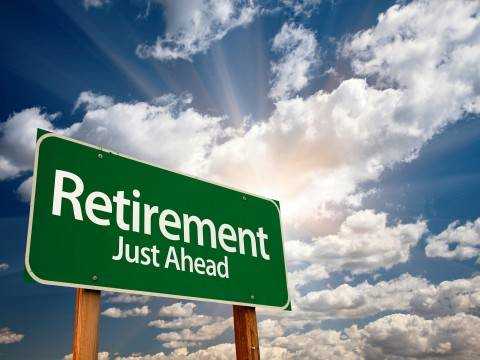
Handling post retirement bluesYou have given the best years of your life to your career, and now it's time to say goodbye and get ready for the retired life. It is a phase laden with expectations of all things you were too busy to do while working - spending more time with family, going on that fishing expedition, or going on leisure trips around the world. However, despite the wonderful things to come, retirement can get unusually trying and mentally taxing. After all, how many of us really have the flexibility of mind to take this period as a challenge and be the master of our destinies? Just because you are retired doesn't mean you have to wither away and wait for death to claim you. So, here's what you can do to beat the retirement blues Catching up: This is really a bewildering time, as you have a lot of catching up to do, with a lot of things. Prioritize the things you want to do and proceed confidently. You may want to spend time with children, spouse, friends, etc. Go easy on yourself, as you may not be able to fit in as many things in your schedule all at the same time. Boost your self-esteem: Retirement is particularly trying for those who have occupied important positions in office. Such people are known to throw tantrums, as they feel less wanted than before. So don't ever make the mistake of treating your family like you treated subordinates at work. That was a role that you played then, and without reducing your importance or self-esteem you can now play a different role with your family as a friend, philosopher and guide. In fact, you can use your contacts and keep the old network alive by involving youth in your field of expertise and help them benefit from you. Catch up on exercise: The more physically fit you are the less likely that retirement will be a painful process. Perfect time for you to catch up on the fun times with your spouse to remind you of all the great times you have had all these years. If your spouse is not in the best of health then just being together is such a wonderful experience in the golden years. Financial health: Your peace of mind and self-esteem largely depend on how independent you are financially. You can take up a part time job or think of innovative ways to let your hobbies and interests generate money for you. This should be an enjoyable process by which your self-esteem can really benefit. Support groups: There are informal or formal associations of retired people that do various activities like travelling. Make yourself available to them. Sometimes retired people withdraw into a shell and that only makes things worse. These support groups give a fresh perspective on all things in life.
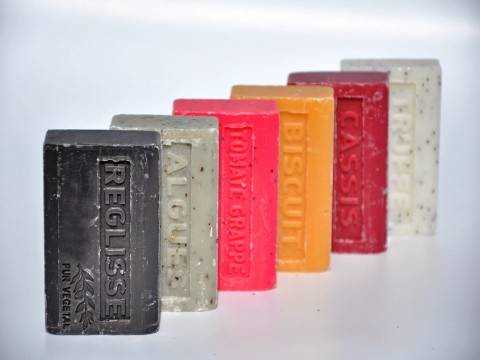
Smell like roses, without the thornsYou bathe regularly and use the best possible deodorants, underarm anti-perspirants, panty perfume but the bad odour just doesn't go away. Pat yourself dry Very often you have a leisurely bath with scented bubbles and what not but when it comes to drying your body thoroughly, well you just pat yourself quickly, for you are in a hurry. The moisture on your body then attracts bacteria with fungi and they cause that embarrassing mouldy kind of stench on your body. So make sure you dab yourself thoroughly dry all over your body. Especially in places like the lower back where it is difficult to reach without some really flexible shoulder joints. Use the archer's swipe (The towel extended between the right hand over the head with  the left hand extended back to form the bottom grip, which looks like an archer reaching for a bow from the quiver). In case you are endowed with love handles and folds of fat then be generous with the patting, as those are the parts most susceptible to host bacteria. Change clothes often If you wear the same set of clothes and lingerie then you are surely going to have an odour which is lingering. So for those ladies who occasionly wear the same set of clothes without washing, the sweat is going to accumulate in there and raise a stink. Remember the Celine Dion song? It's a new day, a new start! Menstruation + Stress = Bad smell There is nothing that you can really do about your periods. Instead, try and be a little more extra careful during those 4 days. You can have an extra jab at the deo bottle or perfume lotion. However stress, nervousness and fear also leave chemical traces which come out along with the sweat. This adds to the bad odour. Humble pie for dessert? What you eat also affects the way you smell. Go easy on the garlic, onion rings and fish for they can make you smell slightly worse than an open sewer. Always rinse your mouth after eating and use a good minty mouthwash if at all you choose to pepper your meal with onion and garlic to ward offthe evil eye. You can add conditions like diabetes to cause a fruity kind of odour. Well in that case make sure you exercise regularly so that the skin sweats out the toxins. In case you are the extra-sweaty types then use medicated soaps or ensure you use steam baths regularly to keep your skin pores open.
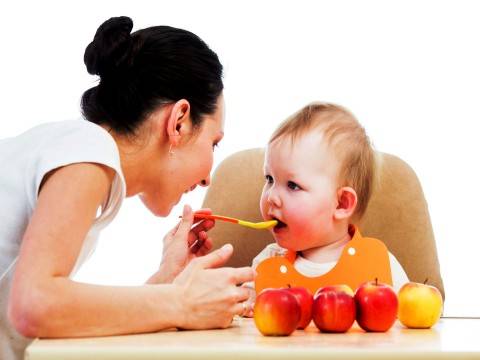
Importance of breastfeedingBreastfeeding is a natural act and that is why it is also one of the most beneficial acts for a baby. Breastfeeding provides essential nourishment and is the best food for the baby's stomach to digest. No matter how many infant formulas enriched with vitamins and minerals you provide to your baby, it can never replicate mother's milk. As for the mother, there is nothing more joyous than providing your baby with the best start that it can get in the long journey of life. The bond that the mother and the baby share through breastfeeding is one of the most special bonds. For the first six months, breastfeeding your baby is recommended for all mothers whether they are working or at home. Most working mothers are given leave, whether paid or unpaid, so they must ensure they provide their babies with regular breast milk. Breast milk protects the child against diarrhea, respiratory infections, pneumonia, ear infections, and helps to reduce chronic constipation and colic that the babies are prone to. Research also points to the fact that breastfed babies are immunized and protected against allergies, asthma, sudden death, diabetes, and obesity. They remain much healthier than those babies who are formula fed. In India, only 41% mothers begin early breastfeeding even though it has so many benefits. Mothers who exclusively breastfeed their babies help them to survive better. They also gift them with better brain development and these babies are likely to perform well intellectually. No matter which economic section of society the mother comes from, she can provide her baby with the best start in life by breastfeeding it and make sure that the child develops to its full potential. Breastfeeding is natural, simple, and cost-effective way to ensure your baby is healthy and continues to develop healthily. Since the breastfeeding campaign began on a large scale, child mortality has decreased. Immediate breastfeeding within one hour of birth has helped to significantly reduce sudden baby deaths. The colostrum, the first thick yellow breast milk is what protects babies from many diseases as it is filled with goodness. Lack of nutrition or malnutrition is another aspect that leads to infant deaths. Breastfeeding can significantly lower infant deaths from malnutrition as the mother's milk is one of the most nutritious foods provided by nature for the baby's healthy growth. A mother has the full ability to provide adequate nutrition for the baby, therefore breastfeeding needs to be encouraged fully. Employers need to create an appropriate space within their premises and should encourage new mothers to breastfeed their child. Breastfeeding also has a number of benefits for the mother. It helps to burn calories and the mother can return to her former pre-pregnancy state. Breastfeeding helps mothers to reduce their risk of breast, uterine, and ovarian cancer;high blood pressure;diabetes; and heart diseases. So for the first six months, mothers must make sure to breastfeed their baby and do not substitute it with baby food products.
Stress - Even kids cannot escape!Often when we feel overwhelmed with stress, we go back in the past and reflect. We miss our golden days of childhood.We think of those days with fondness, miss the free and carefree times. We feel like becoming kids again. But the truth is that at no age are we free of stress and worries. It is just that with time, we move on to newer situations and every new stressor seems worse than the previous one. Children stress out too, some more than the others. Stressors Simple things like a test in school, a Physical Training class or poem recital could mean a lot of stress for the little ones. The desire to meet the expectations of parents or teachers also creates tremendous pressure on the children. They are eager to do well at all the times and the smallest failures can upset these kids immensely. Peer groups are difficult to manage. In childhood, the social maturity is not sufficiently developed to handle day-to-day conflicts. Trivial fights or comments from classmates and friends can lead to a long-lasting impact on the vulnerable minds. They get easily influenced by their friends. Elder siblings also play a major role. Some act as mentors, some as bullies. Some cause damage unknowingly, some are plain indifferent. Life is full of new things and childhood is a fast-track learning lesson. Every other day, there is something new a child has to do. Meet a new kid, learn a new subject, try to dodge a ball differently or ride a bicycle without side wheels; there is too much to learn. These cause anxiety and may make the child nervous. Performance pressures, technology, precocity, media influences, etc. are some of the other factors that add to the stress in childhood. Signs Watch out for subtle changes in moods and behaviour. With adults, it is easier to identify the stress and hence rectify it. But with children, it is quite a challenge. Most of the children are themselves unaware of the stress they are facing, they don't understand why they are feeling sad or angry or fearful. They are just not at ease. Inordinate crying or screaming is a common sign. Being withdrawn, aloof and quiet is another way by which kids express their tensions. Physical signs can be seen in basic physiological changes - in sleep patterns (oversleeping or inability to sleep), eating habits (not eating or eating too much), frequent aches and pains, especially digestion disturbances and headaches, etc. Managing childhood stress Pay attention to your child. Listen to what he/she is saying, but also try to listen to what he/she is not saying in words, although only in action. Help the kids open up to you, spend quality time with them and talk to them about everything under the sun. Be well connected with their school teachers and parents of their closest friends. If the need be, please don't hesitate to reach out and seek professional help from psychologists and child counsellors. "One of the luckiest things that can happen to you in life is, I think, to have a happy childhood." - Agatha Christie  
Sweetie, I am addicted to you!Research shows sugar can be more addictive than heroin. What was the last thing you ate or drank before reading this? Bread? Banana? Chocolate? Cake? Fries? Wafers? Doughnut? Biscuits? Soda? Juice? Wine? Vodka? Coffee? Tea? They are all sugars ultimately. Some taste sweet, some don't. The first thing we taste as babies is milk. It is naturally sweet. From that young age, we learn that sugar is what we like and what we want. You may be a sugar addict, if: You need 'something sweet' after every meal. You cannot have tea or coffee without that second pinch of sugar. Dessert is a must every time you eat out. You go hunting to the refrigerator looking for cake leftovers. A little bite of that chocolate bar is all you need to be happy. You are the one who finishes off the last piece of laddu in the house. You want ketchup with everything - fries, noodles, pizza, burger, samosa, kachori. You want all the above listed items because you just read their names. When out in the hot sun, water is not sufficient for you, you want flavored sweetened chilled drinks. A mocktail or a soda drink makes your dinner complete. And many more such things. So, you see, almost all of us are sugar addicts. Studies show every person in countries like, USA, UK and Australia, may be a sugar addict. The reasons behind the sugar addiction are manifold. First, beyond doubt sugar tastes awesome. Taste factor cannot be debated with. But do you know, the taste is conditioned? Cravings are not always and entirely natural. They are a result of what you give the body and teach your taste buds. Second, businesses heavily exploit this weakness for sugar. Wherever you go there is unimaginable variety of sugar products. A café, a restaurant, a general store, a superstore, a street cart - they all have several options for you to indulge in. How much can one resist and how much can on filter the menu! Third, sugar creates instant gratification. That does work for it and that does add to our trouble. A sad day at work and some chocolate perks you up. Feeling dull and bored, let's go out for an ice cream. This happens too often. Why sugar isn't that sweet? We feel what harm can little sweet do, being happy is more important. However, sugar is worse than many other food vices. As an experiment, check the contents of everything in your kitchen and count how many of them have sugar, in any amounts. Try skipping everything that has sugar in it for the next three days. You will be shocked. The options to eat cut down to several degrees if you skip sugar. The problem with sugar is it makes you want more. A bit does not satisfy you. Sugar increases the desire for sugar - immediate and long term, likewise. The moment you have a bite of something sweet, you cannot stop there, you need to eat another bite, and another, and another. In the long run, your taste buds are getting deeply conditioned for sugar cravings. Your body learns that every time the mind is feeling low, it should ask for sugar. That is how it has been taught to feel better. You are entering a vicious cycle when you entertain these cravings. Sugar is often defamed as a white poison. It is not an exaggeration. Sugar has no nutritive value, apart from generating energy in the body. It simply increases the risk of numerous health complications. Sugar is a known culprit for diabetes mellitus, obesity, heart disease, hormonal imbalance, sexual dysfunctions, and others. Sugar addiction is the most common addiction of all. It is difficult to leave sugar completely out, but one can always cut the portions. How to beat that addiction? Time for some action? All this information must be making you want to cut down on your sugar intake. Hold on. Alcohol, smoking, drugs - they are understood and accepted as addictions. So, there are support groups, people around us will motivate and help us to de-addict. Getting rid of our sugar addiction is even tougher. It will require tremendous amount of will power and determination. Are you ready for the challenge? Let us see some simple ways to de-addict from sugars: Drink less Cut down on all the artificially sweetened drinks - colas, orange, iced teas, flavored canned drinks, sodas. They have zero health benefit. The only reason why you have them is because of the taste factor. Remember the taste is momentary. Once inside the body, these drinks are creating havoc for your system. One spoon less - Tea or coffee? What do you need to start your day? Whatever it is, try reducing the sugar portions. If you take two spoons, try one. If you take one spoon, try half. It will be difficult in the beginning but eventually you will get used to it and you will even like it. Have whole fruits instead of juices. Anything drinkable in the cans contains sugar. Say no to cans. Eat less Give the ketchup bottles some rest. Decide your weekly chocolate quota. Don't let the moods overpower your decision. Bakery items are loaded with sugar, forget they exist. Turn a blind eye to that shelf when you go grocery shopping. A fan of breakfast cereal? Check the packets for sugar content. The ones that are flavoured have more sugar. Pick the plain ones. You can add your own choice of fruit and dry fruits for nutrition. Desserts should be a onetime thing, only when the occasion calls for it. You don't need them daily. Let the sweetness be in your words, not on your plate.

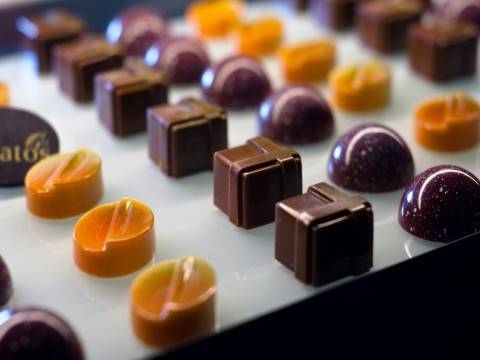
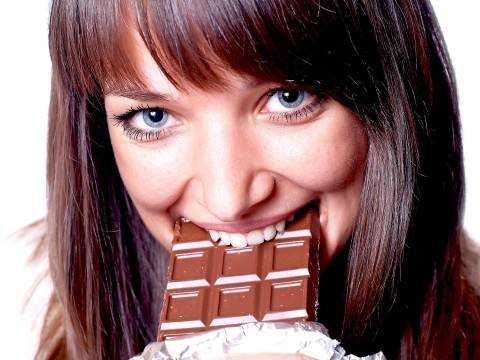
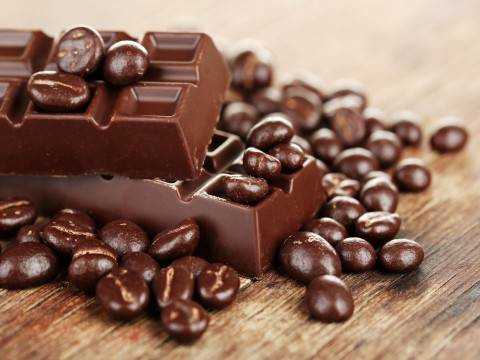
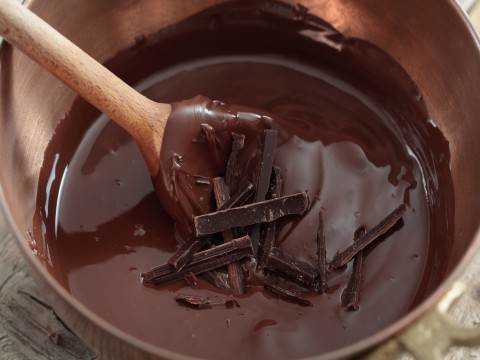
Are you a chocoholic? : Dealing with chocolate addictionSerotonin is a hormone that produces relaxed and happy mental state. This hormone is activated when you consume sweet and high-fat foods. Apart from serotonin, chocolate also contains phenylethylamine which produces feelings of enthusiasm and attraction. The obsession with chocolate is marked by intense craving for it, loss of control over its consumption, and continual consumption despite negative repercussions. Is chocoholism a true addiction? Chocolate is a manifestation of desires and there is also a resistance to it. This cultural phenomenon of mysterious romance and excitement increases the attractiveness of chocolate. Apart from these, advertising and grocery shop displays also connect chocolate with an object of desire, thus triggering its need in times of emotional stress. Though the symptoms shown by those who are addicted to chocolate is much like those who are misusing substance, it is generally not considered an addiction in a true sense, as this is an acquired obsession (through culture and media) than due to bodily changes. Foods like broccoli also contain the mood-altering ingredients, even in higher concentrations. The compulsion with chocolate is considered to be owing to its texture, sweetness, and aroma. Here are a few steps to overcome your chocolate addiction: Step 1- Symptom AcknowledgmentWhile it is not considered a true addiction by many psychologists, most agree that the experience of compulsion towards chocolate is much like the ones towards drugs. It is important to diagnose and check your condition. You need to have a chocolate bite everyday. Generally, a particular time is chosen, like after lunch when your mind is a little discharged and you need that small bit of kick to arouse yourself back to normalcy. If you do not have access to chocolate, you feel anxious and find ways to get hold of a chocolate bar. Step 2- Know The ConsequencesIf you recognize that you are suffering from chocolate addiction, then be aware of the problems which it causes. It will lead to a series of bites where there would be no nutritional value and only fat and sugar induced by the chocolate. You would be needy for the chocolate, and thus, your emotions will be ruled by a bar of sweet. You might get headaches after eating chocolate, but you would still eat it anyway. You might hide and consume chocolate, owing to the disapproval of your companions. Your health will gradually deteriorate with constant burden on your pocket to keep a stash of chocolate around. Step 3- Identify The CauseChocolate is a response to a root problem. For this purpose, you have to carefully observe the nature of your chocolate consumption. Note the triggers to your choco-pangs. Do you eat chocolate to lift your mood when you are sad or upset? Have you been on diet for too long, and because of suppressing the cravings, you see the chocolate bar as 'just one time' deal which is indefinitely extended? Maybe you feel excited and urge to eat chocolate just by thinking about chocolate. Lastly, you might be bored and want to while away your time. In the act of busying yourself, you find yourself munching on multiple bars of chocolate. Did you know that the impact of chocolate on the human psyche is greatly shaped by the idea of chocolate being a representative of romance and desire? Majority of young adults believe that chocolate is a symbol of love and the tendency to get addicted to it is strengthened with the hormones it produces. To avoid chocolate addiction, make sure you work on your eating pattern carefully. Step 4- Empathetic Path to RecoveryOnce you have found the root cause of your addiction, work on your problems gradually and with empathy. Don't push yourself to completely give it up unless you have been medically advised to go off it completely. Step 5- The Emotional EaterIf you consume chocolate when sad, find alternatives to feel better. For instance, some people listen to music or love to play with dogs to feel relaxed. Find your non-chocolaty solution to emotional problems. The best way would be to explore the cause of sadness and communicate with your friend or companion about it. This will nullify the possibility to there being any other dependency shift from chocolate. Step 6- The Boredom EaterIf you find yourself nibbling on chocolate when you are bored, then first become conscious of the act. After having eaten chocolate for boredom for months or years, one has to remind oneself about the act. So, look for other ways to spend your time. Pick up a hobby you like and pursue it. If you are really craving chocolate, then talk to someone who knows about your addiction and can divert your attention. Step 7- Dietary ChangesMake sure you shift to a balanced diet full of whole grain, fresh fruits and vegetables as well as water. You may also include nuts and dry fruits in your diet as well. Step 8- Scheduled Chocolate ConsumptionMake a resolution that you would only have chocolate once in three days (initially) and then slowly taper it off to only special occasions. Step 9- Withdrawal SymptomsWhen you are reducing the amount of chocolate you eat daily, you will undergo withdrawal signs. This will include headache, mood swings, depression, and in severe cases, flu. Be strong and do not give in to the symptoms. Busy yourself with other activities and do not concentrate on chocolate. Step 10- Sleeping, Eating and ExercisingThere are three prime components of healthy living: eating a balanced diet, drinking at least 8 to 10 glasses of water daily, getting adequate sleep (7 to 8 hours), and performing moderate exercise daily for 30 to 45 minutes. Focus on healthy living and build a harmonious relationship with any food item that you consume. Chocolate is a manifestation of desires and there is also a resistance to it. This cultural phenomenon of mysterious romance and excitement increases the attractiveness of chocolate. Apart from these, advertising and grocery displays also connect comfort in modern living with chocolate, thus triggering its need in times of emotional stress.
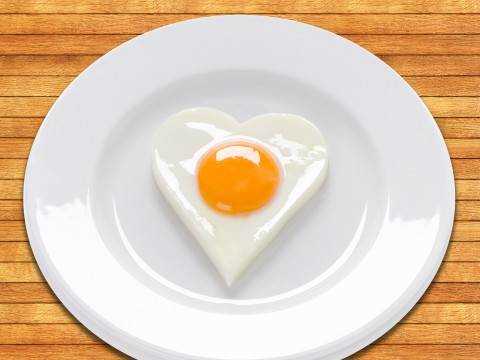
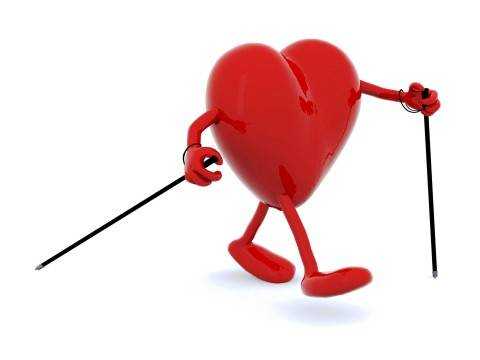
21 foods for a healthy heartFollowing is a list of heart-healthy food substances: Garlic: Did you ever think that the commonly available garlic in your kitchen can be heart healthy? It may be smelly for some, but for the heart it is a soothing substance. Garlic is known to control blood pressure, serum triglyceride level & cholesterol level. Carrot: Carrots, though taste sweet, have the ability to control blood sugar levels because of high level of antioxidants in them. So include carrots in your diet, especially in salads. Orange: This juicy fruit has cholesterol-lowering ability because of fibre pectin in it and also helps control blood pressure. Almonds: Though all nuts are believed to be nutritious, almonds are considered to be heart healthy. Almonds are rich in vitamin E, calcium, plant sterols, fibre and antioxidants. Almonds help in lowering LDL cholesterol and reducing risk of diabetes. Walnuts: Walnuts are rich in omega 3 fatty acids, monounsaturated fats which help in lowering cholesterol levels.  Oatmeal: Oats are very healthy & help in lowering the bad LDL cholesterol. You can have one bowl of oatmeal mixed in milk along with nuts as breakfast. Flaxseed: This honey coloured shiny seeds contain substances which are heart healthy, such as lignans, ALA and omega 3 fatty acids. It helps in lowering cholesterol level and controlling diabetes. Tofu: It is a type of soybean protein which can be replaced with paneer. Tofu is rich in fibre and polyunsaturated fats which prevent clogging of arteries.  Barley: The fibre in barley is believed to lower cholesterol and blood glucose levels.  Tuna fish: Tuna fish is rich in omega 3 fatty acids which helps in lowering cholesterol levels.  Salmon: It is very good for heart as it is rich in omega 3, EPA and DHA. It lowers and reduces the risk of inflammation in arteries. It is also believed to maintain the ratio of good cholesterol to bad cholesterol. Red wine: Red wine contains catechins and resveratrol, good for heart health.  Black beans: They are a rich source of magnesium which helps in lowering blood pressure. It also contains folate, antioxidants and fibre which is helpful in controlling blood sugar and cholesterol levels. Fresh herbs: If you are hypertensive and want to control your salt intake then try using fresh herbs as a substitute for salt. It also contains antioxidants which are good for heart. Herbs include rosemary, sage, oregano and thyme. Extra virgin olive oil: This is rich in heart-healthy polyphenols & monounsaturated fats. As it's very costly you can use it as a topping for bread or salad. Sweet potatoes: White potatoes are believed to increase glycemic index so you can replace them with sweet potatoes. It is heart healthy as it has low glycemic index and also contains fibre, vitamin A and lycopene. Low fat yoghurt: You can include this in your breakfast safely as it contains calcium & potassium which helps in lowering blood pressure. Dried cherries: They are rich in anthocyanins and antioxidants which help in neutralizing the action of enzymes which cause plaque formation. In winter you should opt for strawberries, blueberries for a healthy heart. Cayenne chili pepper: Your blood sugar normally increases post a meal. By sprinkling cayenne chili pepper over your food can help preventing insulin level spike post meals. Hot cocoa: Coffee helps in patients with type 2 diabetes. Hot cocoa contains antioxidants helpful for heart. Kosher salt:  This is very beneficial for heart patients as it contains half the amount of sodium as compared to table salt and thus helps in controlling high blood pressure.
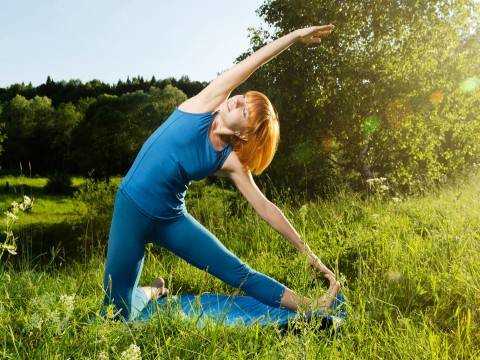
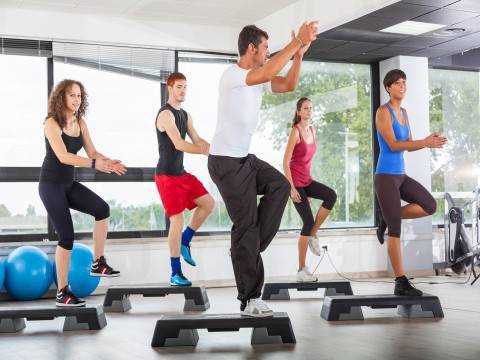
Aerobics: dancing your way to healthAerobic exercise is any comprehensive activity that makes you breathe hard while exercising your large muscle groups at a standard, even pace. The body uses stored carbohydrates and fats for energy. What is aerobics? Aerobic literally means having or providing oxygen or an activity that takes place only in the presence of oxygen. What is aerobic exercise? Aerobic exercise is any comprehensive activity that makes you breathe hard while exercising your large muscle groups at a standard, even pace. The body burns stored carbohydrates and fats for energy. Thus aerobic exercises help the body to utilize oxygen efficiently with increase in respiration and heart rate. What are the best ways to do aerobic exercises? There are number of ways by which you can exercise aerobically. Some easy and best ways are: walking, running, biking, using stationary bike, using stair stepper, elliptical machines or rowing machines, or joining an aerobic exercise class Benefits of aerobic exercises Fat reduction: Aerobics burns calories and body fats directly while using oxygen to produce energy. So this is the healthiest way to get rid of extra fat.  Strong heart: Aerobic exercises not only use your larger muscle groups like hamstrings, but also strengthen the heart muscles. This improves heart function resulting in improvement of blood and oxygen supply to all body parts, which provides healthy nourishment to body cell and removes toxins. Improves breathing: Exercises improve your lung capacity and function,which improves oxygenation, or competence of respiratory system to deliver oxygen to all body parts. It also improves overall health of the respiratory system. Cholesterol control: LDL cholesterol is bad cholesterol mostly responsible for clogging of arteries and HDL is good cholesterol. Aerobic exercises invariable increase the amount of HDL and lower LDL cholesterol thus preventing fat deposition and plaque formation and maintaining optimal blood supply to heart. Other benefits: Aerobics is the best exercise when it comes to prevention of various diseases like hypertension, diabetes, stroke and arthritis and osteoporosis. It helps to keep mood elevated and cures depression and boosts immunity. Make sure to incorporate some form of aerobic exercise in your daily routine.  
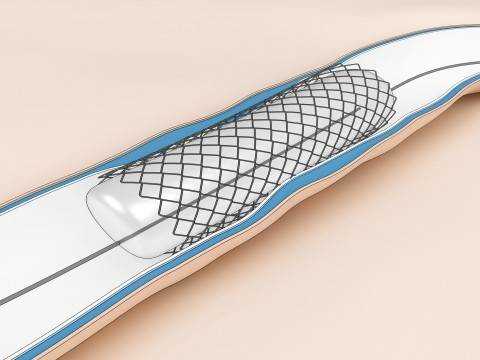
All you need to know about angioplasty!Why would you need coronary angioplasty? The walls of the arteries are being constantly lined with a fatty material called plaque. This plaque increases in certain conditions like atherosclerosis. When the build-up is too high, the artery gets blocked and the subsequent tissue receives very less or no blood, causing it to die. The plaque at times may be dissolved by medicines but if it is too big, medicines prove ineffective. This is manifested outwardly as a heart attack. This is the time when the doctor would recommend the coronary angioplasty as a treatment for you. How is it done? A thin catheter with a deflated tiny balloon at one end is inserted into the affected artery. Once the exact location of plaque build-up is reached, the balloon is inflated causing the plaque to get pushed against the artery wall and creating free space for the blood to flow. A small mesh called a stent may be placed to hold the artery in place. Some stents are coated with medicines that prevent the scar tissue formation following the angioplasty procedure. The procedure may be done as an emergency or it may be planned. If it is a planned procedure: You will have to get hospitalized and stop eating or drinking 6 to 8 hrs before the procedure. Once the procedure is done, the doctor would prefer you staying in the hospital overnight to watch for any adverse events that may happen. What happens after the surgery? The surgery lasts for 1 to 2 hours and you would be allowed to go home the next day. You will be advised not to undergo vigorous and strenuous exercises and to rest adequately. Most people are fit to return to work a week after the surgery.
An ounce of prevention is worth a pound of cure!Small mistakes that we keep committing become, over a period of time, serious health problems that are potentially life threatening. Given here is a list of the 10 most common mistakes that we make when it comes to heart health. Ignoring the health check-up: Your last reports said you were fit as a fiddle. So you haven't gone for a check-up since then? Our health becomes the first thing we sideline in today's fast-paced lives. Most of the heart diseases do not show any signs and symptoms in the early stages and when the signs and symptoms come up, too much of damage has already been done. So it becomes very essential to go for regular health check ups. If you are in your twenties it would be advised to get your cholesterol checked every 5 years, blood glucose every 2 years. Beyond 45 years though the frequency of health, check-ups should increase. Body Mass Index is something that you should get checked every time you visit your doctor. Skipping breakfast: Breakfast is the most important part of what you eat the whole day. Most of us tend to skip breakfast due to lack of time, fear of weight gain. But starting your day without breakfast is like driving on reserve fuel. You will start fine, but end up feeling dull and sluggish towards the end of the day. Skipping breakfast has been associated with development of diabetes mellitus and obesity. These two have a strong co-morbidity with cardiovascular diseases. No wonder then it is said, breakfast like a king, lunch like a prince and dinner like a pauper. Too much of sun-blocking: We are people obsessed with fairness and it is understandable that one wouldn't want to get tanned by going out in the sun. Some amount of sunlight exposure is very vital for health. Vitamin D is synthesized by the body from cholesterol with the help of sun rays. Recent studies reveal that people with little or no exposure to sunlight tend to develop arterial plaques that end up in heart attacks, high blood pressure or strokes! Going for the fizz : Aerated drinks are loaded with triglycerides that are a part of the bad cholesterol. They thicken the blood and it becomes difficult for it to flow through the arteries. This leads to several complications. Not watching what you eat: Often we are so caught up in our work that we just grab a quick bite to eat without paying heed to what actually we are eating. Fast foods are extremely unhealthy and wreck havoc onour systems. Missing fruits and fibres: Fibrous food are extremely heart friendly. The fibres help in pushing out the cholesterol out of the body. Beans, oats and barley are all extremely fibre-rich. Fruits are a rich source of vitamins and minerals. They contain potassium that is extremely essential to neutralize the effects of sodium. By doing this they help in regulating the blood pressure. Citrus fruits too have a high amount of potassium in them. Avoiding walking: Walking is the simplest form of exercise the body can get. 10 minutes of brisk walking is extremely helpful for the heart to keep functioning efficiently. Not sleeping well: The body needs 6 to 8 hours of undisturbed sleep for it to reboot and get back its full functioning capacity.  A sound sleep at night reduces the blood pressure and regularizes the heart beats. People compromising on sleep are the ones most prone to suffer from heart attacks and high blood pressure. Not flossing your teeth: Gingivitis is the inflammation of gums. This inflammation hosts large number of germs that leak into the bloodstream and reach the heart causing a number of heart problems. People who floss daily not only have good oral hygiene, they also have a healthy heart. Forgetting the Family: Many heart diseases tend to run in the family. It is very important to know the medical history of your parents and grandparents. The risks of you developing heart diseases are high if someone in your family already has them.
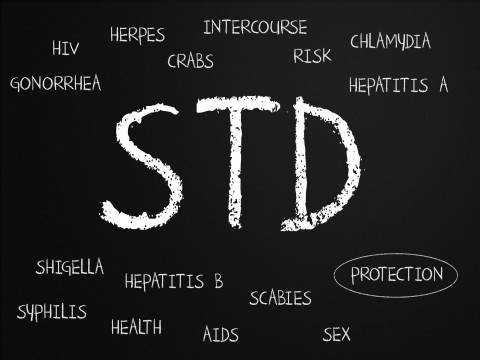
How to talk about STDsThese are dangerous times that we live in. Just the sheer number of people affected by sex related problems, diseases and conditions all over the world is simply terrifying. AIDS, venereal infections like syphilis and gonorrhea, herpes, HPV etc. are rampant and it calls for some responsible sexual behavior. However, that's a utopian world where humans will be monogamous and will behave responsibly. Even single people might get exposed to these diseases through indulging in risky sexual contact. Imagine doling out $750,000, as a woman in the US got from her husband because he gave her herpes. Even if you are not held legally accountable, what about moral responsibility to own up and discuss a possible STD infection with your partner! Take the case of Jack a happily married man for ten years who had casual sex when out of town on an official trip. He showed no obvious symptoms of any infection but in a month, his wife showed signs of herpes and his marriage crumbled as his wife struggled to come to terms with her husband's obvious infidelity and his callous manner in exposing her to a serious sexual infection. Call it ignorance but sometimes a person might engage in sexual intercourse and contract a disease which he might even not be aware of until the symptoms start appearing. (Refer article on Syphilis on www.topdoctorsonline.com) By then, he might have, in all probability, passed it on to his regular sexual partner or spouse. Or perhaps, there is another possibility that the person knows that he has contracted a sexual infection but doesn't know how to break the news to his partner.  If a person is aware of his infection, yet exposes another person knowingly, it is akin to premeditated murder. Yes, it is going to be a difficult thing to tell your partner which might even signal the end of the relationship or cause severe strain on it. So, if you are caught in a situation like this, what would you do? The option would be to visit a sex therapist and confide in him and then take an appointment for both and let the professional break it to the partner. That is of course if you are in a stable relationship. For those who both party to casual sex, the infected person generally won't be that open about his infection and may even choose not to care particularly if the other person is a complete stranger. A report in MedlinePlus news reveals some more shocking statistics: Many people said they occasionally, rarely or never got tested before having sex with casual partners (50 percent) or long-term partners (39 percent). Of the people who did discuss STD testing, very few discussed concurrent sexual partners or when partners' testing occurred in relation to their last sex act. Only half explained what types of STDs their partner had been tested for. These issues are important components of assessing STD risk, the researchers said. About one-third of participants reported telling a partner they didn't have an STD even though they hadn't been tested since their last sexual partner. One U.S. woman was awarded $750,000 in court from her ex-husband because he gave her herpes, and the legal trend is to make people accountable. (http://www.dummies.com/how-to/content/how-to-talk-to-a-partner-about-stds.html) Remember even wearing a condom is not a 100% guarantee that the infection won't pass on to the other person but that's the least that you can do if you don't have the courage to spill the beans about your condition. If you feel that your partner may be indulging in sexual activity with multiple partners and if you feel he might be infected, then you are well within your rights to decline to have sex with him until he/she gets tested. If you notice sores around the genitals do not indulge in oral or anal sex or any kind of sex and insist on a condom always; it could save your life.
Pulling out - Is it an effective option for contraception?What is the 'Pulling out' method? 'Pulling out', 'Withdrawal' and 'Coitus Interruptus' are all the different names for probably one of the safest methods of contraception. It involves the male partner withdrawing or pulling out his penis just before ejaculation. This ensures that no semen has been ejaculated into the vagina or vulva of the female partner. Since there are no sperms travelling inside, the result is - No Pregnancy! Is this method really effective? Like all methods of contraception, the effectiveness of the pulling out method also depends on how correctly it is done. This method requires a lot of mutual understanding between the partners. The male partner must also exercise great self-control and accuracy in knowing when he will reach the highest point of sexual excitement so he can pull out at the right moment. Statistics have the following things to say Of women whose partners use withdrawal, 4% become pregnant each year if they always do it correctly, and 27% become pregnant each year if they don't always do it correctly. Ejaculating close to the vagina or vulva would mean that the sperms still have a way to travel inside the vagina. At times the pre-ejaculate fluid may also contain a few sperms from the previous ejaculation that may end up causing pregnancy. As a precaution against this, experts suggest the male partner pass urine before the sexual act. Withdrawal method of contraception is the best option for members of religious groups in which using contraceptive devices like pills, condoms or IUDs are a form of sin. Withdrawal method does not protect you from HIV/AIDS and other STDs. What are the advantages and disadvantages of this method? Advantages It is simple, safe and convenient. It is the best method when no other contraceptive method is available. It has no side-effects It does not require a medical prescription. It does not alter the menstrual cycle. It does not affect future fertility. Disadvantages Requires great self-control, experience and trust. Not suitable for men who suffer from premature ejaculation Not suitable for teenagers and sexually inexperienced people. Does not ensure protection from sexually transmitted diseases and HIV/AIDS. Less effective than other methods of birth control. May interfere with sexual pleasure due to nervousness and anticipation of pulling out at the right time. The pull out method is thus one of the safest methods of contraception, provided one has a thorough understanding of one's body, trust in the partner and a huge amount of self-control.
FAQS
T&C FAQS