Home
What causes male balding?They say there are 3 types of men: the ones that go bald at the top are thinkers, the ones who go bald at the back are lovers, and the ones who grow bald at both places... only think they are lovers. If pregnancy and menstruation are a female's burden, then baldness is a great inconvenience to men. Some men lose their hair in their youth and thus lose their confidence along with their hair. So what is with baldness and men? Men start having a receding hairline by the time they hit 30, though it could begin in their 20s as well. The most common type of baldness is the mid-frontal type resembling a horseshoe. Earlier it was thought that baldness is caused only by genetic factors, but apparently emotions, lifestyle and diseases also contribute largely to hair loss and baldness. This hair loss can be temporary or permanent. Some medications like anticoagulants, antidepressants, antifungal medicines, chemotherapy etc can cause baldness. Certain diseases like thyroid disease, Crohn's disease, lupus can cause hair loss and baldness. Poor nutrition is an important factor in hair loss. Vitamin and mineral deficiencies along with poor nutrition can pave the path sooner than most other things. Then there are some conditions like Alopecia Areata which cause baldness in patches -- on the head or beard. It is temporary and the hair grow back in about 6 months to 1 year. Corticosteroid injections are used to treat the condition. Air and water pollutants, environmental toxins, conventional styling products have the potential to build up on the scalp. These affect hair cuticle, cause dryness, and weaken the hair causing them to easily break off before their natural lifecycle has ended. If you notice your hairline receding more than usual, then check if you are getting enough nutrition. Exercises like the headstand and handstand send the blood rushing to the scalp and can help with hair growth. Massaging the head with warm oil helps to increase blood circulation as well. Use a shampoo that suits your hair along with a conditioner. Oil your hair overnight at least thrice a week. Keep yourself well hydrated and try vitamin C which can help arrest hair fall. Use a clean comb and ensure that you sun your scalp, as vitamin D is an essential tonic for skin, bones, teeth and even hair.    
Are you the proud owner of this beer belly?While you must have earned a lot of 'brownie pints', a beer gut is not quite something one can be awfully proud of, as it is positively dangerous for your health. Well for one this condition seems to be a common affliction amongst men more than women (though it isn't entirely unknown for women to guzzle beer). A beer gut is normally found in middle aged men as a token for services rendered to a sedentary lifestyle and hours spent accumulating empty calories. How is a beer belly formed? A protruding mid-section in men is generally formed when they consume more than they burn off. So given a busy lifestyle with very little exercise and discretion one generally can end up consuming lot many calories than one is willing to toss out. According to Dr Michael Jensen MD, endocrine and obesity expert at the Mayo clinic, the liver burns calories earned from alcohol instead of the existing fat. So say, if an average beer is around 150 calories plus all the tiny appetizers one has along with the beer (Pizzas, cuts, chips etc.) one can easily understand how these go about accumulating around the belly area in to a paunch. And because the liver was all too busy burning the calories guzzled from the beer, the rest finds a cozy place to settle around the tummy. This is exactly what gives majority of men and some women the infamous paunch or beer gut! GIVE YOUR PAUNCH A PUNCH IN THE FACE Well for starters be a giver and not a taker. Which means give more time to exercise like running, cycling, swimming, skipping, dancing or aerobics which should take care of visceral fat (which is easiest to shake off, by the way). As one ages their calorie needs go down, but then so do their physical activity levels and this is where the fat creeps in. Stick to light beer if you must but do not miss your exercise regimen for anything in the world.  
Dilemma of a working woman - How to stay healthy!Women want to be healthy and beautiful. But most of us are not able to find the time to exercise or plan our meals. We pay more attention and money on therapies to look good externally. But good looks come from good health, and good health is an outcome of a healthy lifestyle. Healthy lifestyle helps in preventing illnesses and makes us more efficient. Improper and irregular diet, lack of physical activity, and stress are the chief causes of poor physical and mental health. Most working women today are occupied with their desk jobs, and as a result have a sedentary lifestyle. Eating junk food most of the times makes the matter worse. So if you want to stay healthy, here are some changes you can make. Add movement to life. Activities like walking, gardening, swimming or aerobics help build endurance and relieve stress. Choose something which you think you can consistently - Yoga, aerobics, cycling or even dancing. Balanced diet plays a pivotal role in fitness. Fruits, vegetables, and whole grains are a must in your diet. Antioxidants in fruits have an anti-ageing effect. Choose to eat in order to satisfy hunger and build healthy body, and not to feed your emotions. Avoid junk and processed food. They are empty calories. Drink water. Dehydration affects metabolism. Drink 8-10 glasses a day to flush out the toxins. Add liquids like milk, fruit juices to your diet. Positive thoughts help build a healthy mind and a healthy mind ensures healthy body. Do not smoke cigarettes or drink alcohol to deal with stress. Try yoga, meditation, listen to music, or take a nice shower to relax. Rest and relaxation helps to cope with daily stress. Making these lifestyle changes as a regimen will surely help working women to live a life of health, wellness and fitness.  
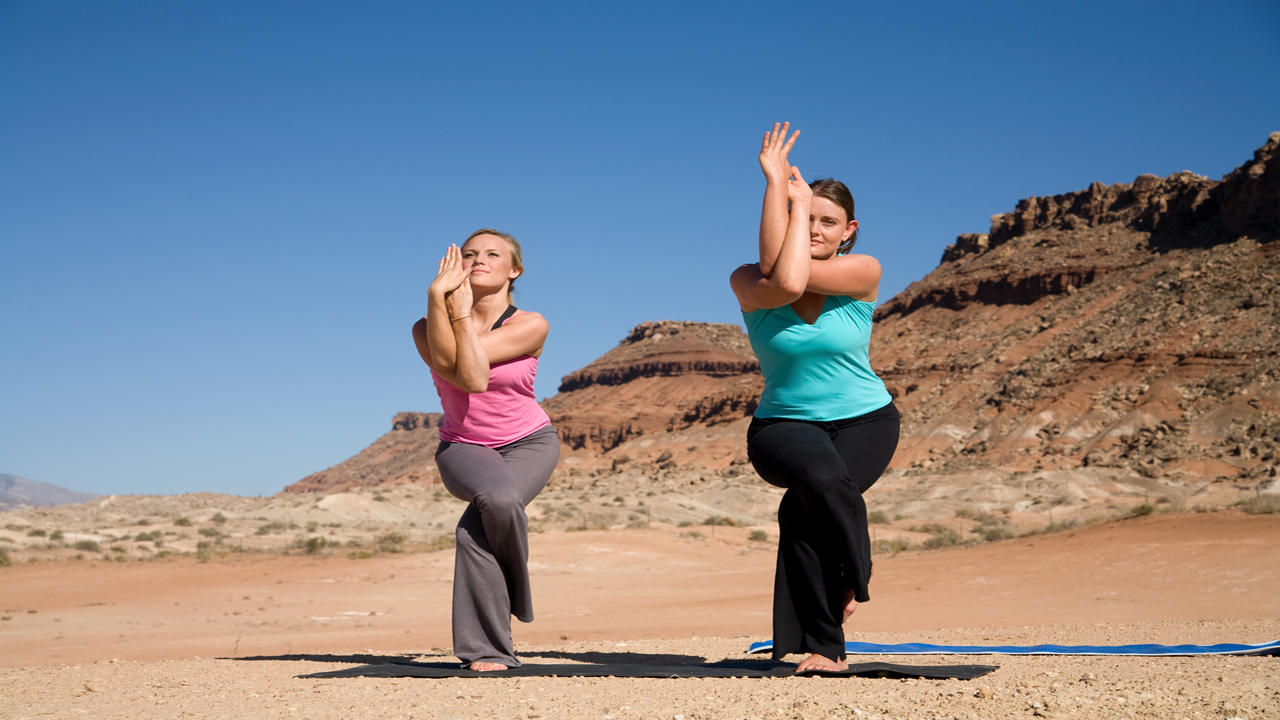
Yoga to strengthen women's lifeEveryone expects from a women for all their necessities. The husband needs to go to office and she has to prepare for this, the son or daughter needs to go to school, tiffin needs to be packed, and the in-laws need her attention for the morning tea and breakfast. Along with this she has to rush to office on time. Then while returning, she has buy vegetables and other things for household, then go home and cook, and sleep late after all the chores are done. For such a multi-tasking working-women, the time available is very less to replenish the energy she uses to do such work. Multitasking leads to stress and tension and causes headaches, stiff neck, tight shoulders, poor posture, shortness of breath, clenched teeth and fatigue. What is the solution for this? The only solution is YOGA.  We all know that yoga has many positive effects on ones well-being; it brings about both physiological and psychological benefits. It is beneficial for body, mind, and spirit. It needs only 10 minutes. Yoga helps to relieve your stress and tension. Yoga in Sanskrit means 'YOG' that is to join or unite. It is the union of mind, body, spirit, and breath with our surroundings and our universe. One should start yoga gradually with a comfortable speed and limits. Breathing exercises are excellent way to reduce stress and tension. It can be done along with asanas. For this you have to sit comfortably with relaxed shoulders and with your chin level at the floor. Inhale through the nose expanding your abdomen, rib cage, then expand your chest, then begin to exhale by contracting your abdomen, ribs and then lastly relax your chest. Now continue to breath in this fashion, this improves the quality and quantity of oxygen that enters our body and helps to relieve the shortness of breath and relieves the tension. The yoga mudra is helpful to relieve the stress, for this sit down crossed legged on the mat and keep the back straight, then take the arms behind your back and hold the left wrist with the right hand. Then by exhaling, bend forward to touch your left knee, while doing this focus on the feeling of surrendering to God, which protects you all the time, then while inhaling come back to the normal position and repeat this on the right side. Then finally, complete this pose by touching the forehead to the ground in front in the centre, while doing this exhale, then when you feel like inhaling come back to the normal position. This posture increases the energy and stimulates your respiration, improves your digestion calms your nerves. But this should be avoided by pregnant women, hernia patients, and patients with retinal disorder. The shavasana also helps you to relax your body before you get to work. In this you have to lie down on your back on the mat. Keep your arms a foot away from your body and your feet separated two feet apart.  Then close your eyes and focus on your breathing and feel free of thoughts and tension. Breathe normally and focus on your body parts, toes, legs, abdomen, head and finally the scalp and try to relax each muscle group. It improves your breathing, concentration, gives inner peace. You should avoid this if you are suffering from low blood pressure.  
Tips and tricks to deal with my toddler's tantrumsWhen your child is having a tantrum, it may usually be for something that it wants and cannot have. Throwing a tantrum is a child's way of getting what it wants. Conversely, giving in to the child's demands may be the easy way out for the parents too. But always remember that giving in is not right. The child may get habituated to this and it may prove quite a nuisance to you too. Learn to say no, gently but firmly. Giving an acceptable reason for your 'no' and also an option at the same time works wonders. All said and done, children are not that easy to handle. If your child doesn't fall in line and is adamant, let it pass the phase. Screaming out the rage, throwing away things may help the child. When the anger subsides, looking at the destruction and the obvious uselessness of it may help the child realize his efforts were futile. But be careful that the child doesn't get physically hurt in this process. For some kids, a gentle hug helps soothe the anger pent up. Tantrums in public places can be extremely embarrassing. In such situations, do not argue or scold your child or order him to hush up. It will only end up making the child more adamant. Wait till the storm subsides. Take him out to a quieter place and talk gently but firmly. One thing to remember here is to never let the child know of your embarrassment and concern that you are in a public place. Children are very smart and may end up using this to work things in their favour. It is not easy being a toddler and it is definitely not easy being a toddler's parent either. By the time your toddler is old enough to go school he will have overcome this stage.  
Afraid of the dark? understand your fear and cure it!Scotophobia, more commonly known as Nycotophobia, is a psychological illness, where the patient is afraid of the dark. Children are more prone to this fear, though it does affect quite a few adults as well. The dark often represents insecurity and uncertainty to children, and it symbolizes their entrance into an unknown territory. If the children are alone during their first few encounters with darkness, the absence of parents (who exemplify safety), tends to amplify this crippling fear. While most of us do actually possess this fear in relatively small amounts, as we grow up the fear diminishes. However, there are those of us who might carry this fear of the dark into their adulthood and in such cases, the fear is usually accompanied by quite a few intricate issues. People often tend to externalize a set of conflicting feelings about a certain situation, towards something else. For instance, you might be worried about your children; but your mind may externalize this fear, via your inefficiency at work. This process is called externalization. So, when it comes to the root of your fear of darkness, it is possible that at some point in your past, you experienced something untoward, which through externalization, inculcated this fear of darkness, deep into your psyche. Evolutionary Ties to Darkness: Many scientists have pointed out that this phobia might be linked to the process of evolution. Since predators hunt for their prey at night, we might have inherited this fear of darkness from our ancestors, who believed that darkness was a space where they could be attacked by wild animals. However, recent studies have shown that  Scotophobia begins at approximately the age of two in children, and thus, it cannot be said to be innate to us. In a study done by Ryerson University involving over 90 students, it was found that people who are afraid of the dark, are more likely to be poor sleepers, than those who are not afraid of it. More interestingly, it was discovered that any kind of noise made while the people with this phobia were asleep, frightened them the most.. Symptoms of Scotophobia: The first symptoms of this fear are the resistance to visit dark places and the yearning for company when such situations arise. However, many a times adults who are suffering from this fear, do not reveal it due to the added fear of embarrassment and this, sometimes, results in outbursts of rage when they are forced to go out for an event at night, or to confront the dark under any such circumstances. A person battling this fear may experience panic attacks, sweating and trembling prior to, or while staying in the dark. The blood pressure also rises, accompanied by chest pain and lastly, a difficulty in breathing. Diagnosis of Scotophobia: In children, this fear can be easily verified by their behaviour. However, adults might require further assistance, due to their natural resistance to openly admit to such a fear. Scotophobia can be diagnosed through a comprehensive psychiatric evaluation. Following this, your psychologist would be able to give you an idea of the source of your fear as well. Pursue a course of treatment immediately after the discovery of the phobia, which will ensure a faster and more effective recovery. Treatment of Scotophobia: The process of 'desensitization' is most commonly used to help with such a phobia. In this form of treatment, the patient is slowly exposed to the object of fear, in a situation where she/he will not feel vulnerable. This is done by asking the patient to confront the dark along with another individual who symbolizes safety for him/her. This could be a parent or a friend. Night lights can also be installed to gradually reduce the fear. You may try certain breathing exercises, which will reduce the panic attacks that accompany this fear. Hypnosis has also been said to be very effective in dealing with this phobia. If your psychologist sees fit, you might be also prescribed some medicines; antidepressants are given in some cases. Joining a self-help group is also a good option, in addition to your psychological treatment.  

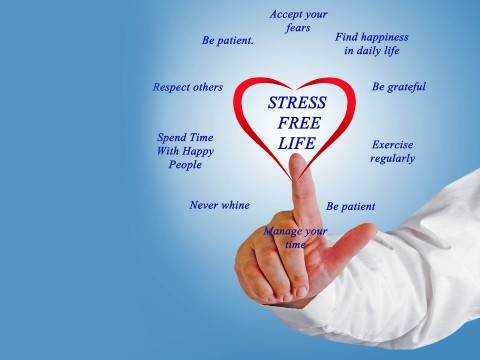
Dealing with obsessive thinking and worriesAn old adage goes - 'Worry is like a rocking chair. It gives you something to do but it doesn't get you anywhere'. This is absolutely true for many of us who have developed the habit of worrying unnecessarily over outcomes and circumstances. Thinking about things and over our course of action is a good thing because you should always think twice before acting. What about obsessive thinking? Is it good for you? Anything in extremity is a bad thing, whether it is your favorite food or your thoughts. Worrying incessantly is a part of obsessive thinking where you cannot let go of negative thoughts and they circulate in your mind continuously. Obsessive thinking is a negative infinite loop, a broken record that is stuck without having anyone to click the stop button. So how should you deal with this obsessive thinking that is sure to spell your doom in the long run? Though psychologists have devised various scientific methods of overcoming obsessive thoughts and worries, here we have listed down some easy to follow rituals that will help you deal with such worries and thoughts. Meditation - Yoga swears by the art of meditation as it is thought to release all negative energy from the mind and soul. Concentrating on your breathing and also absorbing a positive source of energy is the essence of meditation. So whenever you are obsessed about something, sit down, calm your nerves and meditate. Physical activity - Exercising always helps. Engage in physical activity which increases the body's metabolism and requires effort. Indulge in those dance lessons or swimming or maybe cycling and you will divert your mind from those negative thoughts. Indulge in your hobbies - So you thought you don't have time for your hobbies, but your hobbies relax your mind and body. Moreover, a hobby also takes out the creative side in you. So, whether you like to collect coins or stamps, or lean towards arts and crafts, a hobby is sure to occupy your mind and take you away from worries. Socialize - Friends and relatives are your lifeline as they help you in those tough situations. Even if you are mentally not at peace, making social calls on your friends and relatives will take the edge off.  Try to meet people who can empathize with you and help you move out of it. Socializing will give you that much needed break from the vicious cycle of your thoughts. Though a short-term relief, going out for movies or taking a weekend getaway with your near and dear ones or even indulging your wife in shopping, can be helpful. Confide - Talking to someone close who understands you helps you in expressing your troubles. Thinking obsessively, you usually tend to ignore your feelings and emotions. Your mind remains trapped in the net of those obsessive thoughts and your emotional well-being takes a backseat. When you talk to another person, he or she will hear you out and help you relieve the stress that is on your mind. They would understand your state of well-being and support you emotionally. Be mindful - You may find it easy to go back into the same negative thought process. Don't let your mind chatter. Stop your mind by standing up for yourself. Stand in front of the mirror and say, "I am not a victim. I have the power and strength to move ahead" Do this whenever you become aware that you are going back into the same thought process.  This will give you the mental strength needed to come out of it.  Be mindful and aware but don't be too harsh on yourself. Be responsible -Your mind can make you or break you. If you understand this truth you will find it easier to manage your thoughts. Take responsibility of your thoughts good or bad.  The mind can create thoughts to project blame or judgments about others.  When you own your thoughts, you will find it easier to shape them the way you want. Create a higher vision of your life - When you keep a higher vision in your life, you can move ahead easily.  By developing a higher vision, you are asking yourself, who am I?and finally working towards it. You take positive actions and thus there would be more gratitude for what you have and less resentment for things that do not work.   This stops your mind from working unnecessarily. Obsessive worrying is a psychological disorder which in extreme cases has to be dealt with pathologically. Do not let your condition to reach the extreme end of the spectrum. Follow the above mentioned suggestions and try to deal with those thoughts yourself. It may take some time but rest assure, it will be effective in the long run.
Sleep tight at every good night!A good night's sleep! Oh, what would some of us give for that luxury! Sure, you can blame it on the fast paced world and the things you have to do to keep the competition off your turf, and millions of other reasons to be sleep deprived. Yes, sleeping soundly and regularly is well within our control. Maybe it has eluded you so far and you are caught in a vicious circle of staring at the ceiling for hours on end; so read on to see what simple things you can do to gently drift off in to the arms of nature's greatest restorative- beauty sleep. Do's and don'ts for beauty sleep Fix a regular bed time, so that your brain will adjust to this by sending sleep signals to the body. If your bedtime is completely at the mercy of your activities then even as fatigue sets in the body will refuse to obey. So, even as your body is screaming for rest, the mind does otherwise. This is where good old discipline comes in to play. Take in to consideration the activities which are absolutely necessary to do and note the frequency with which they are likely to interfere with your bedtime before setting a realistic bed time. Initially the mind will refuse to obey, and you are most likely to get up, after tossing and turning in bed, to switch on the computer or whatever it is that you do when you cheat your bedtime. Rest assured, in a couple of days the brain will get used to this sleep routine and prepare you for shut down. Sleeping well also largely depends on how stress free you are. If the mind is in a state of constant excitement or anxiety, sleep will elude you. So when you lie down to sleep you need to fade out and blank everything out- joy and sorrow; expectations and ambitions, all of these out for later access! Tell yourself that tomorrow is another day and what you need today, is a state of neutrality! That's what most Indian philosophers would want you to do anyway. A good eight hours of sleep may depend largely on our minds but external factors can matter too. Sleep comes easily when your mattress is comfortable and not too soft or too hard. Use a pillow that won't give you neck pain, as any discomfort in the neck is likely to throw sleep off gear. Wearing clean night clothes can give you better quality of sleep. That goes for the bed spread as well.  Try this for yourself. Tight and uncomfortable night clothing is not recommended as this will only make you wriggle about for comfort. A cozy blanket and some clean nightclothes make great bedtime mates. Some people have a nightcap to help them sleep better while others still, drink themselves to sleep. Alcohol in large doses can only numb but does not help you sleep and you will only find yourself waking up frequently. Sleeping pills can be habit forming and might have serious side effects in the long run. So try simple remedies like a glass of warm milk or hot chocolate before bedtime to help you sleep better. Avoid stimulants like coffee, tea or nicotine before bedtime as that can keep your nerves all hyper thus making sleep quite difficult to come by. Computers and television are also largely responsible for us staying up late and disrupting our sleep patterns. We often find ourselves mechanically flipping channels or browsing without any real need for it. Try and go offline before bedtime, especially if you want to be able to schedule your sleep time. Television or movies can excite the brain and then you will find it difficult to fall asleep. So about an hour before bedtime switch off the telly or computer and just sit quietly and do some deep breathing exercises. Just sit cross legged for about ten minutes and relax your body. You are now ready for a deep slumber.
10 bedtime beauty essentials! Here are the beauty essentials you need to take into consideration, before you hit the bed: Baby-soft soles :Before you sleep, apply Vaseline on the sole of your feet. This will adequately moisturize your soles and you can wake up to the great opportunity of wearing those heels you have been dying to try out! Healing the puffy eyes : If you are worried about waking up with puffy and tired eyes (even after 6 to 8 hours of sleep), then put on a little eye cream. You can also keep an extra pillow and make sure you sleep on your back. This will allow the fluids around your eyes to drain easily and reduce the puffiness. Trying out wavy hairstyle : Bedtime is the best time to work on your hairstyle. Before you sleep, shower and fashion your hair into the style you want. Apply a styling cream on your hair gradually, after having air-dried it. Now, decide if you would like to put them up in buns or braids. Stylize them into the pattern and wake up to wavy hair! Let your skin breathe : Those who are suffering from dry skin can apply moisturizer. A humidifier is also a great accessory for help in these cases. You can switch on the humidifier before you go to sleep. This will help your skin to retain its moisture through appropriate hydration. Keep aging at bay :Did you know that sleeping on cotton pillowcases can increase the chances of creases and wrinkles on your skin? Prevent wrinkles by using silk or satin bed clothing. This will also reduce hair breaking. Wake up, miss white smiles: If you want to take off the yellows from your teeth, then brush some baking soda and let them stay for about 8 minutes. Afterwards, thoroughly rinse your mouth. Do not perform this beauty tip more than once a week, it will negatively affect the structure of your enamel. Work on your complexion :During the day, sunlight might disable some face creams from working effectively on your complexion. Make the most use of night and apply a face cream containing retinal and vitamin C. Lengthen your lashes : Eye lashes depth and grace to your eyes. You might feel that working on your lashes will require way too much effort. But, much to your surprise, everything your lashes need is contained in a natural ingredient - castor oil. Consisting of Omega-3 fatty acids, which are highly hydrating, they will avoid your lashes from breaking and also strengthen them. Apply castor oil on your lashes before you sleep and watch them grow thick and healthy within a few weeks! Taking care of your hair : Skim leave-in conditioner through your hair in the evening and let them stay on till the morning. This will let them become soft and shiny. You can also use coconut oil as an alternate conditioner. Readying your nails for polish : Depending on the skin type, the nails of certain people become dry. If you are one of them, it would be best to apply a cuticle cream or oil on them before you sleep to wake up to polish-ready nails.
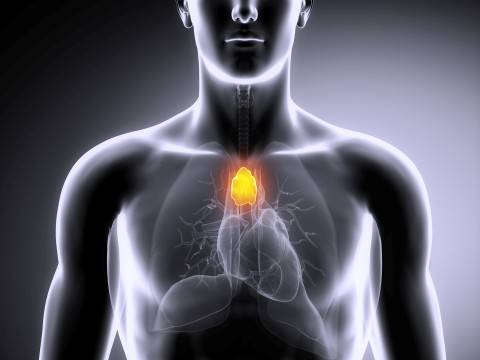
Thyroid may make your heart flutter!Thyroid is a small gland situated in the area of neck. In Greek, thyroid means the shape of a shield. Yes, thyroid gland is vital to a variety of important body functions and does act as a shield. But what happens when the shield is disturbed and goes weak? Thyroid dysfunction is recorded in approximately one to four people out of hundred Thyroid link to heart A research study was conducted in 2009 by Weill Cornell Medical College researchers. It was done to investigate and analyze the genetic link behind rhythm control of heartbeat. They found that the genes that are responsible for synchrony and rhythm in the functioning of heart are also closely connected to the thyroid hormone synthesis and could cause dysfunction of the thyroid. Thyroid activity directly influences the metabolism, blood flow and electrical activity of the heart. When there isn't enough thyroid hormone (low levels), the patients complain of low energy levels, fatigue and reduced heart rate. On the other hand, with increased thyroid hormone levels in the blood, patients report symptoms of hyperactivity of systems. There is diarrhea, palpitations, increased heartbeats and advanced cases show arrhythmias of heart, where normal beating rhythm of heart is disturbed and becomes irregular. Thyroid hyperactivity can be appropriately controlled with regular medication. Understanding arrhythmias When the rhythm of the heart is disturbed, it becomes irregular - this is called cardiac arrhythmia. There are various types of loss of rhythm - heartbeat is too slow (that is, the cycles are taking too long to complete), too fast (the cycles are repeating too quickly), too early (that is, before a cycle is even completed, another starts), too irregular (this is called fibrillation, where no specific pattern may emerge). The patients who have arrhythmia will often come with complaints of dizziness, shortness of breath, suddenly feeling weak or lightheaded, fainting and feeling of a flutter in chest (flutter can be understood as light but quick flapping of wings by a bird). Arrhythmias are usually harmless and most people would continue to live a healthy life for years with arrhythmias. But that does not mean it can be ignored. There is a battery of tests available to diagnose and indicate the seriousness of arrhythmias and let your doctor take a call on the line of treatment. If you have a thyroid dysfunction, get your heart checked immediately. And if you have faced arrhythmias, get your thyroid checked immediately. Both the conditions are controllable and treatable; there is no cause to worry over what could go wrong. Just be vigilant and informed.
Treating sore throatTest and diagnosisPatients with sore throat are examined by ENT specialists. At first, the doctor performs a local examination of throat. Clinical examination usually guides the doctor towards diagnosis. Although in order to confirm the diagnosis, the doctor may ask for culture and sensitivity test of the throat swab. Treatment Home remedies: Mild cases of sore throat are usually cured by home remedies. Following remedial measures can be adopted at home: Warm saline gargle – Gargle with warm saline water helps to relieve the discomfort and irritation of the throat. Half to one teaspoonful of salt is added to one full glass of warm water and the patient is advised to gargle. This process may be repeated 3 to 4 times a day to have a soothing effect on throat. Additionally, smoking and use of other tobacco products must be avoided. The patient must drink adequate amount of fluids. Warm liquid and semi-solid food must be consumed to provide a soothing effect on the throat. Cough lozenges to help relieve irritation and pain in the throat. Seeking advice of the doctor: If the signs and symptoms persist and are not adequately controlled by home remedies, the patient must seek advice of a specialist doctor. Viral infections usually do not require treatment. They are usually cured in 5 to 7 days. Bacterial infections require treatment as per the advice of a specialist doctor. Bacterial infections may require treatment by antibiotics. The treating doctor selects an antibiotic which is suitable for the patient depending on factors such as the age of the patient, report of the culture and sensitivity of throat swab, previous drug history of the patient, etc. Antibiotics usually effective in bacterial infection with sore throat are from the group of penicillins, cephalosporins, and macrolides. PreventionViral and bacterial infections are contagious. Good hygienic lifestyle and habits help prevent infections. Following things to be noted are: Frequent and thorough hand washes before consumption of food, after using toilet, and after sneezing and coughing. Use of a hand sanitizer during consumption of food outside home. Avoid sharing food and drinks from same glasses and utensils. Use a tissue paper or handkerchief while sneezing and coughing. Avoid close contact with patients with sore throat. If sore throat develops, few home remedies may prove to be curative. If sore throat persists, advice of a specialist doctor must be sought.
Internet and sex : Decoding virtual pornographyPornography is broadly categorized as softcore or hardcore. While hardcore contains intensive and highly graphic forms of sexual content, softcore constitutes less intensive form of sexual content. Genres of pornography are determined on the basis of the type of content and the status of the participants. The common sub-genres are ethnic, fetish, reality, group, and amateur. There are also sexual content specially created for different sexual orientations: heterosexual, homosexual, and bisexual. While sexual needs are natural and part of our biological set-up, the use of pornography is widely criticized for putting forward a partial portrayal of who a human being is. Majority of the pornographic material express a human only in sexual terms- as being someone looking for sexual endeavors- without paying attention to and inclusion of the person's emotional and mental state. The explication of human beings as purely sexual beings closes the eyes of the viewers many a times to the emotional and mental aspect of sexual intercourse, thus perverting the way they look at sexual intercourse in their relationships. Since sex is not holistically discussed on public platform as part of a healthy relationship and one only has access to understanding sexual practice through pornography which portrays a certain mechanistic and physically-induced aspect of sexual acts, viewing of pornography comes with the risk of sex addiction. Moreover, since pornography generally engages participants whose possess bodies which are conventionally considered sexually appealing, the viewers could implicitly get dissatisfied with their sex lives due to non-duplication of the same form of bodies in real life. Medical researches have also found that apart from having unreal expectations from one's partners, the viewer might find themselves lowly in sexual matters due to the sexual practices performed on the pornographic content that can be difficult to duplicate or are disliked. The portrayal of women in pornography is generally of persons who have no issues with being dominated over and who find such domination also sexually arousing. However, such a view is overwhelmingly false and a viewer on a regular fodder of such pornography could end up with deeply flawed perspective on women. Lastly, pornography also expresses various types of perverse forms of sex which are harmful to society, especially vulnerable groups. These include child sex, office-related sexual content, rough and rape sex, and public sexual acts. While pornography is a sure avenue to possibility of sexual perversion, healthy ways of satisfying one's sexual needs must be acknowledged and taken up. Moreover, it is integral that socially, sexual intercourse is recognized as a healthy part of emotional relationship. It needs not only absorbed as a purely physical act which is morally judged and shunned- the latter approach only increases the probability of pornography being seen as a last resort to learn about sex. In talking about sex as a natural process between mutually approving adults and as part of emotional relationship, we reduce the chances of sex being seen as a non-emotional activity and allow for there to be holistic understanding of sexual intercourse. For adolescents who are entering the age of sexual maturation, it is integral to introduce the physical relation between persons as being a result of emotional relationships, with understanding of the body holistically - as a harmony between physical and mental states. In the case of non-presence of holistic guidance, the chances of teenagers falling prey to pornography to understand sexual intercourse is high and as has been earlier explored, such an understanding of sex as activity between solely sexually-charged beings could result in perverted view of emotional relationships as well.
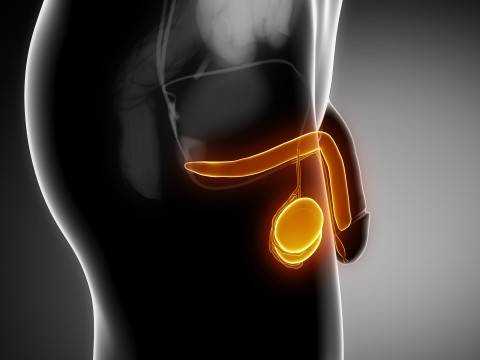
What, how, and why of the sex muscle answeredWhat the Penis is made up of? The penis is made up of several parts. The head: This is also called as the 'glans'. The glans is coated with soft pinkish tissue called the mucosa. The protective covering of the glans is called the foreskin. The foreskin is retractable. In circumcised men, it is the foreskin that is removed. The shaft: The shaft or the body of the penis has two surfaces. The dorsal part i.e. the upper part of an erect penis and the ventral part i.e. the lower part that faces backwards in a flaccid penis. The root: This is the attached part of the penis. Corpus cavernosum: This is the tissue that lines the shaft on two sides on the dorsal side. During sexual excitement, this corpus cavernosum fills with blood that results in the stiff erect penis. Corpus spongiosum: This is the tissue layer running in between the two layers of corpus cavernosum on the ventral side of the shaft. The urethra: This is a narrow tube that runs through the corpus spongiosum. The urethra's main function is to excrete the urine out of the body. How the Penis does what it is supposed to do? Urination: The process of expelling urine is a coordinated act involving the bladder muscles, the central and the somatic nervous systems. The urethra present in the penis serves as a tube for the urine to pass out. Erection: A erect penis is required for the successful insertion into the vagina. During the height of sexual excitement, there occurs dilatation or enlargement of the blood vessels in the corpus cavernosum causing a rush of blood into it. This elongates the penis and makes it hard and stiff. Erection angles: The way a normal penis points when erect is called the erection angle. The penis is either pointing straight to the front or it may be facing up or down to the feet. An upward angle is most common. A study published in 'Journal of Sex and Marital Therapy', shows the erectile angles in standing males from 20 to 69 age groups in the following table In the table, zero degrees is pointing straight up against the abdomen, 90 degrees is horizontal and pointing straight forward, while 180 degrees would be pointing straight down to the feet. Angles from vertically upwards: 0-3 - 5% of male 30-60 - 30% of males 60-85 - 31% of males 85-95 - 10% of males 95-125 - 20% of males 120-180 - 5% of males Ejaculation: Ejaculation is when the semen is pushed out of the penis. During the sexual act, the process of ejaculation forms the culmination with the male achieving an orgasm immediately after. At times, there is ejaculation of semen spontaneously during sleep, called Wet Dreams. Normal Variations- When you have what others don't (and it is completely normal to have them)! Curvatures: While most penises are straight, it is not abnormal to have a curved penis. Curvatures up to 30 degrees are considered normal and no medical attention is advised. Over 45 degrees may need you to get yourself checked for certain diseases, though. Phimosis: This is the inability to retract the fore-skin fully. It is harmless and occurs in about 8% of boys. The British Medical Association suggests that no medical treatment may be required till 19years of age. Pearly Penile Papules: These are small pale bumps that are found around the tip of the penis. They are very common in men aged 20 to 40 years and may be mistaken for warts. Unlike warts though, they are completely harmless and require no treatment. The human penis has one of the most advanced designs through eons of natural selection for high sperm competition. Disorders of the Penis: When you have what others don't (and it is not normal to have them)! Paraphimosis: This is the inability to retract the foreskin. It may be extremely painful when retracted. This condition occurs when there is leftover fluid accumulated n the foreskin due to some previous surgery. Peyronie's Disease: This is a condition where the penis is extremely curved. It is caused due to a scar tissue running through the shaft of the penis. There is an option of surgical correction. Herpetic Eruptions: This can happen when there is unprotected intercourse with an infected partner. It shows as painful ulcers and eruptions on the head and shaft of the penis. Absence of sensations and erection: This is a condition where one is not able to feel any kind of sensation in the penis and a total lack of erection. This occurs secondary to diabetes mellitus and also as an after-effect of past falls on the back or injuries to the groin area. Erectile Dysfunction: This is a condition that happens due to psychological stress, performance anxiety, natural ageing and diabetes mellitus. It is expressed as an inability to get aroused or inability to maintain the erection for a time enough for proper sexual activity. Priapism: This is a serious condition requiring immediate medical attention. Here the erect penis fails to return to its flaccid state and as a result may lead to potentially serious conditions like a thrombosis or gangrenous state. Severe cases may require amputation too. The causative mechanisms are not well-known but involve complex neurological and vascular factors. The condition is associated with drugs like sildenafil, commonly known as Viagra. Pudendal Nerve Entrapment: Too tight pants and underwear, arrow hard bicycle seats, accidents can lead to this condition. The symptoms include loss of sensation and ability to achieve orgasm along with pain in the penis during sitting. Infections: Common infections of the penis include balanitis, urethritis, syphilis and gonorrhea. Theya re characterized by burning, itching and foul discharge. Lasting longer in bed is every man's desire. How do you go about it is very important. Follow the right diet and exercises along with lifestyle changes to achieve the desired effect in bed. Stay away from medications that claim to make you last long. Ref: Sparling J (1997). "Penile erections: shape, angle, and length". Journal of Sex & Marital Therapy 23 (3): 195-207
FAQS
T&C FAQS