Home
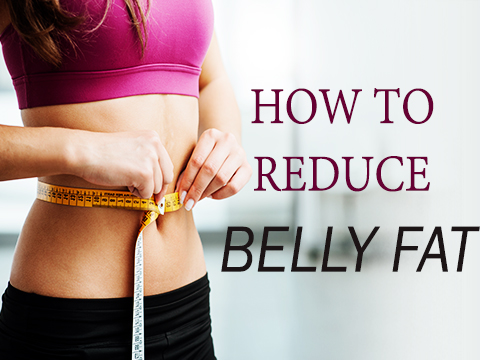
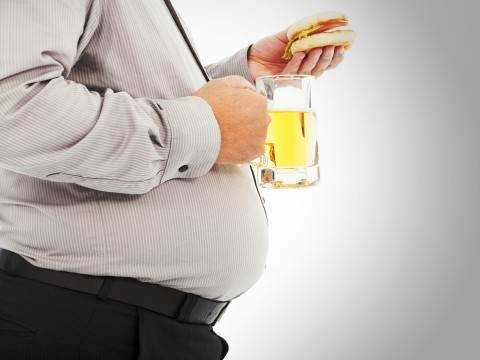
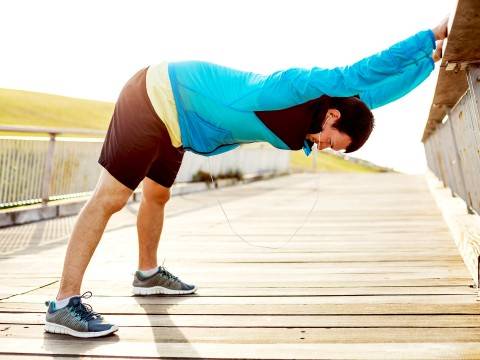
Are you the proud owner of this beer belly?While you must have earned a lot of 'brownie pints', a beer gut is not quite something one can be awfully proud of, as it is positively dangerous for your health. Well for one this condition seems to be a common affliction amongst men more than women (though it isn't entirely unknown for women to guzzle beer). A beer gut is normally found in middle aged men as a token for services rendered to a sedentary lifestyle and hours spent accumulating empty calories. How is a beer belly formed? A protruding mid-section in men is generally formed when they consume more than they burn off. So given a busy lifestyle with very little exercise and discretion one generally can end up consuming lot many calories than one is willing to toss out. According to Dr Michael Jensen MD, endocrine and obesity expert at the Mayo clinic, the liver burns calories earned from alcohol instead of the existing fat. So say, if an average beer is around 150 calories plus all the tiny appetizers one has along with the beer (Pizzas, cuts, chips etc.) one can easily understand how these go about accumulating around the belly area in to a paunch. And because the liver was all too busy burning the calories guzzled from the beer, the rest finds a cozy place to settle around the tummy. This is exactly what gives majority of men and some women the infamous paunch or beer gut! GIVE YOUR PAUNCH A PUNCH IN THE FACE Well for starters be a giver and not a taker. Which means give more time to exercise like running, cycling, swimming, skipping, dancing or aerobics which should take care of visceral fat (which is easiest to shake off, by the way). As one ages their calorie needs go down, but then so do their physical activity levels and this is where the fat creeps in. Stick to light beer if you must but do not miss your exercise regimen for anything in the world.  
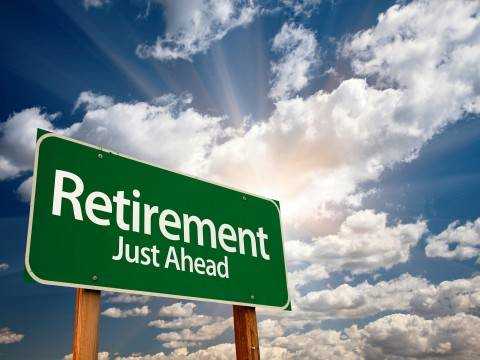
Handling post retirement bluesYou have given the best years of your life to your career, and now it's time to say goodbye and get ready for the retired life. It is a phase laden with expectations of all things you were too busy to do while working - spending more time with family, going on that fishing expedition, or going on leisure trips around the world. However, despite the wonderful things to come, retirement can get unusually trying and mentally taxing. After all, how many of us really have the flexibility of mind to take this period as a challenge and be the master of our destinies? Just because you are retired doesn't mean you have to wither away and wait for death to claim you. So, here's what you can do to beat the retirement blues Catching up: This is really a bewildering time, as you have a lot of catching up to do, with a lot of things. Prioritize the things you want to do and proceed confidently. You may want to spend time with children, spouse, friends, etc. Go easy on yourself, as you may not be able to fit in as many things in your schedule all at the same time. Boost your self-esteem: Retirement is particularly trying for those who have occupied important positions in office. Such people are known to throw tantrums, as they feel less wanted than before. So don't ever make the mistake of treating your family like you treated subordinates at work. That was a role that you played then, and without reducing your importance or self-esteem you can now play a different role with your family as a friend, philosopher and guide. In fact, you can use your contacts and keep the old network alive by involving youth in your field of expertise and help them benefit from you. Catch up on exercise: The more physically fit you are the less likely that retirement will be a painful process. Perfect time for you to catch up on the fun times with your spouse to remind you of all the great times you have had all these years. If your spouse is not in the best of health then just being together is such a wonderful experience in the golden years. Financial health: Your peace of mind and self-esteem largely depend on how independent you are financially. You can take up a part time job or think of innovative ways to let your hobbies and interests generate money for you. This should be an enjoyable process by which your self-esteem can really benefit. Support groups: There are informal or formal associations of retired people that do various activities like travelling. Make yourself available to them. Sometimes retired people withdraw into a shell and that only makes things worse. These support groups give a fresh perspective on all things in life.
Perfect partners in crime - Midlife crisis and dementiaThe responses we have to common stressful events in our daily lives have a lasting impact on our brain structure. The effects of a stressful event last a very long time, though apparently we seem to have recovered from it. Researchers say that the stress hormones keep circulating in our body long after the stress has passed. According to a recent Swedish research study, our response to common life events may trigger long-lasting physiological changes in the brain. These interestingly shocking findings come from the Prospective Population Study of Women in Gothenburg, a long term study on 800 women that lasted for almost forty years. The women who were a part of this study were all born before 1930, and underwent regular neuropsychiatric tests. The study started in 1968 assessed women for any baseline stressors like workplace problems, widowhood, alcoholism and illness in the family. Women who had serious issues at the start of the study had a 21% higher risk of developing Alzheimer's Disease and 15% higher risk of developing dementia later on in life. Interestingly, having to take care of a mentally ill family member like a sibling or mother, was found to be a major cause for development of dementia later on in life. The findings of this study show that accumulated stress from common life events has severe physiological and psychological consequences. These physiological consequences include adverse effects on the central nervous, cardiovascular and endocrine and immune systems. There have been several studies that state that the effects of stressful events like earthquakes, cyclones and floods can have a lasting impact on life and often shape the person's personality. What makes this study interesting is its finding that daily stressors accumulated over a period of time and often left unresolved, have a lasting impact that shows up in later stages of life!
10 pregnancy risk factors that every pregnant woman should be aware ofFollowing are the possible risk factors for pregnant women: Hypertension: Blood pressure rises during pregnancy due to changes in osmotic level. Persistent high blood pressure leads to a condition called as pre-eclampsia. It retards the growth of the baby in the womb and can even result into death of foetus. It can lead to convulsions in mother. Exposure to medicines and drugs: Self medication is a strict NO NO during pregnancy. Certain drugs have harmful effect on the growth and development of baby. Take gynaecologist's opinion and ask a doctor before taking any medication.  Smoking: Smoking retards the growth of foetus (baby in womb). Moms who indulge in smoking give birth to babies with a very low birth weight. It also increases chances of miscarriage. Mother's weight: It is important to make sure that there is a steady weight gain during pregnancy. A weight gain of 11 kilograms is expected over a period of 9 months. Watch for a steady weight gain for a healthy pregnancy sake. Anaemia: There is an increase in blood volume during pregnancy. This can cause the iron levels to drop down resulting in anaemia. Haemorrhoids add further to the iron loss. Iron and folic acid are therefore prescribed. Haemorrhoids: Haemorrhoids are common during pregnancy and after pregnancy due to constipation which is because of hormone induced reduced motility of intestine. The pressure of gravid uterus on intestine may also cause it. Increased consumption of green leafy vegetables and laxative would relieve it. Alcohol: Drinking can cause a harmful effect on the growth and nourishment of child. Child may be born with a serious medical problem. Sexual intercourse: It's strictly not advised during last trimester. Radiation exposure: Exposure to radiotherapy or chemicals in the surrounding should be avoided. Bleeding per vagina: Consult your gynaecologist soon, if you have problem of bleeding per vagina. It could be a sign of abortion.  
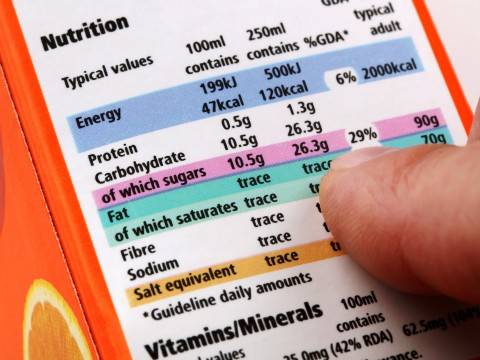
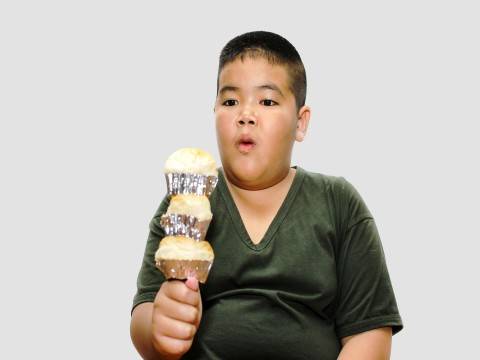
Obesity is not just an adult problemWith fast food chains multiplying in the country faster than you can say Maharaja Mac, there is an urgent need to monitor our diet. While most of the nutritional advice is directed at adults, kids too are exposed to the dangers of empty calories. Childhood obesity is on the rise across the world including India. How does obesity affect children? And what can parents do to ensure this doesn't happen? We will try to answer some of your questions. What are the causes of obesity in children? Lack of physical activity: Nowadays, children spend more time sitting at home - doing their homework, watching TV, and playing games on PC, console tablets or smartphones. Play time on the ground outside has shrunk. As a result, they don't get enough exercise. Unhealthy food choices: Our busy lifestyles leave us with little time to plan for or prepare every meal. The alternative is to go for quick-to-cook food like Maggi. Food ordered from outside too is invariably unhealthy. While having it once in  few days is not a problem, making it a way of life leads to problems. Overweight parents: The eating pattern and lifestyle of parents has a big influence on a child's health and weight. Obesity can be hereditary. Lifestyle and environment: When parents are unable to pay much attention on their children due to their busy schedules. As a result children rely more on ready-to-eat food or junk food. Genetic factors:  For some kids, genetic factors may be the reason behind obesity. A rare genetic disorder called as Prader-Willi syndrome causes severe weight gain in kids. What health problems can obesity cause among children? Type-2 diabetes Eating disorders like bulimia or binge eating (excessive eating or drinking) Problems with foot structure Liver problems Respiratory disorders - breathlessness during exercise Difficulty in breathing while sleeping causing snoring or poor sleep What can parents do to prevent or control obesity in children? Parents must make kids understand the ill-effects of eating junk food. They must limit their snacking on junk foods. Encourage the kids to participate in physical activities and outdoor games. Make exercising a routine for the children. Join them during exercising to make it a fun time for the family. Set an example for your kids by following a healthy diet and eating habits yourself. Limit TV time and playing videogames. Parents must include whole grains, fruits and vegetables in the diet of their children. Limit fats intake to not more than 25%-30% of total calories. Make sure to go through the nutritional label while purchasing any processed food.  
Get the couch potato out to playKids in the modern day are increasingly getting lazier and unfit. Watching TV, playing games on consoles and smartphones, and spending time on social networks is eating into time which would otherwise be spent playing outdoors.The lack of exercise comes with a host of problems, which can affect kids in childhood or later on in life. Therefore, parents must encourage kids to exercise by being an example. However, do keep in mind that there is nothing that will bore a kid than treadmills or lifting weights. Playing sports is often the better way to go. Give aerobics a try Aerobic exercises can help kids to stay fit and also can be fun at the same time. The common perception is that aerobics involve dancing a set pattern. However, aerobics is any exercise that increases your oxygen intake. Outdoor activities can include basketball, cycling, soccer, swimming, tennis, walking or running Along with aerobics, children should also do stretching exercises, which help in improving flexibility, allowing muscles and joints to bend and move easily through their full range of motion. Getting your kids excited It is important, however, to communicate with your child the need to exercise. You could encourage them to take part in outdoor games at school as well as in the locality where you stay. You should regulate the number of hours your kid can spend in front of the TV or PC. This way she will look for means to play outside the house. You can also play with them yourself. It will be fun for the both of you, as well as helps you bond with your child. Exercising for at least an hour a day is ideal, and it broken down into chunks of 15 minutes at a time.  
Are you a chocoholic? : Dealing with chocolate addictionSerotonin is a hormone that produces relaxed and happy mental state. This hormone is activated when you consume sweet and high-fat foods. Apart from serotonin, chocolate also contains phenylethylamine which produces feelings of enthusiasm and attraction. The obsession with chocolate is marked by intense craving for it, loss of control over its consumption, and continual consumption despite negative repercussions. Is chocoholism a true addiction? Chocolate is a manifestation of desires and there is also a resistance to it. This cultural phenomenon of mysterious romance and excitement increases the attractiveness of chocolate. Apart from these, advertising and grocery shop displays also connect chocolate with an object of desire, thus triggering its need in times of emotional stress. Though the symptoms shown by those who are addicted to chocolate is much like those who are misusing substance, it is generally not considered an addiction in a true sense, as this is an acquired obsession (through culture and media) than due to bodily changes. Foods like broccoli also contain the mood-altering ingredients, even in higher concentrations. The compulsion with chocolate is considered to be owing to its texture, sweetness, and aroma. Here are a few steps to overcome your chocolate addiction: Step 1- Symptom AcknowledgmentWhile it is not considered a true addiction by many psychologists, most agree that the experience of compulsion towards chocolate is much like the ones towards drugs. It is important to diagnose and check your condition. You need to have a chocolate bite everyday. Generally, a particular time is chosen, like after lunch when your mind is a little discharged and you need that small bit of kick to arouse yourself back to normalcy. If you do not have access to chocolate, you feel anxious and find ways to get hold of a chocolate bar. Step 2- Know The ConsequencesIf you recognize that you are suffering from chocolate addiction, then be aware of the problems which it causes. It will lead to a series of bites where there would be no nutritional value and only fat and sugar induced by the chocolate. You would be needy for the chocolate, and thus, your emotions will be ruled by a bar of sweet. You might get headaches after eating chocolate, but you would still eat it anyway. You might hide and consume chocolate, owing to the disapproval of your companions. Your health will gradually deteriorate with constant burden on your pocket to keep a stash of chocolate around. Step 3- Identify The CauseChocolate is a response to a root problem. For this purpose, you have to carefully observe the nature of your chocolate consumption. Note the triggers to your choco-pangs. Do you eat chocolate to lift your mood when you are sad or upset? Have you been on diet for too long, and because of suppressing the cravings, you see the chocolate bar as 'just one time' deal which is indefinitely extended? Maybe you feel excited and urge to eat chocolate just by thinking about chocolate. Lastly, you might be bored and want to while away your time. In the act of busying yourself, you find yourself munching on multiple bars of chocolate. Did you know that the impact of chocolate on the human psyche is greatly shaped by the idea of chocolate being a representative of romance and desire? Majority of young adults believe that chocolate is a symbol of love and the tendency to get addicted to it is strengthened with the hormones it produces. To avoid chocolate addiction, make sure you work on your eating pattern carefully. Step 4- Empathetic Path to RecoveryOnce you have found the root cause of your addiction, work on your problems gradually and with empathy. Don't push yourself to completely give it up unless you have been medically advised to go off it completely. Step 5- The Emotional EaterIf you consume chocolate when sad, find alternatives to feel better. For instance, some people listen to music or love to play with dogs to feel relaxed. Find your non-chocolaty solution to emotional problems. The best way would be to explore the cause of sadness and communicate with your friend or companion about it. This will nullify the possibility to there being any other dependency shift from chocolate. Step 6- The Boredom EaterIf you find yourself nibbling on chocolate when you are bored, then first become conscious of the act. After having eaten chocolate for boredom for months or years, one has to remind oneself about the act. So, look for other ways to spend your time. Pick up a hobby you like and pursue it. If you are really craving chocolate, then talk to someone who knows about your addiction and can divert your attention. Step 7- Dietary ChangesMake sure you shift to a balanced diet full of whole grain, fresh fruits and vegetables as well as water. You may also include nuts and dry fruits in your diet as well. Step 8- Scheduled Chocolate ConsumptionMake a resolution that you would only have chocolate once in three days (initially) and then slowly taper it off to only special occasions. Step 9- Withdrawal SymptomsWhen you are reducing the amount of chocolate you eat daily, you will undergo withdrawal signs. This will include headache, mood swings, depression, and in severe cases, flu. Be strong and do not give in to the symptoms. Busy yourself with other activities and do not concentrate on chocolate. Step 10- Sleeping, Eating and ExercisingThere are three prime components of healthy living: eating a balanced diet, drinking at least 8 to 10 glasses of water daily, getting adequate sleep (7 to 8 hours), and performing moderate exercise daily for 30 to 45 minutes. Focus on healthy living and build a harmonious relationship with any food item that you consume. Chocolate is a manifestation of desires and there is also a resistance to it. This cultural phenomenon of mysterious romance and excitement increases the attractiveness of chocolate. Apart from these, advertising and grocery displays also connect comfort in modern living with chocolate, thus triggering its need in times of emotional stress.
Afraid of the dark? understand your fear and cure it!Scotophobia, more commonly known as Nycotophobia, is a psychological illness, where the patient is afraid of the dark. Children are more prone to this fear, though it does affect quite a few adults as well. The dark often represents insecurity and uncertainty to children, and it symbolizes their entrance into an unknown territory. If the children are alone during their first few encounters with darkness, the absence of parents (who exemplify safety), tends to amplify this crippling fear. While most of us do actually possess this fear in relatively small amounts, as we grow up the fear diminishes. However, there are those of us who might carry this fear of the dark into their adulthood and in such cases, the fear is usually accompanied by quite a few intricate issues. People often tend to externalize a set of conflicting feelings about a certain situation, towards something else. For instance, you might be worried about your children; but your mind may externalize this fear, via your inefficiency at work. This process is called externalization. So, when it comes to the root of your fear of darkness, it is possible that at some point in your past, you experienced something untoward, which through externalization, inculcated this fear of darkness, deep into your psyche. Evolutionary Ties to Darkness: Many scientists have pointed out that this phobia might be linked to the process of evolution. Since predators hunt for their prey at night, we might have inherited this fear of darkness from our ancestors, who believed that darkness was a space where they could be attacked by wild animals. However, recent studies have shown that  Scotophobia begins at approximately the age of two in children, and thus, it cannot be said to be innate to us. In a study done by Ryerson University involving over 90 students, it was found that people who are afraid of the dark, are more likely to be poor sleepers, than those who are not afraid of it. More interestingly, it was discovered that any kind of noise made while the people with this phobia were asleep, frightened them the most.. Symptoms of Scotophobia: The first symptoms of this fear are the resistance to visit dark places and the yearning for company when such situations arise. However, many a times adults who are suffering from this fear, do not reveal it due to the added fear of embarrassment and this, sometimes, results in outbursts of rage when they are forced to go out for an event at night, or to confront the dark under any such circumstances. A person battling this fear may experience panic attacks, sweating and trembling prior to, or while staying in the dark. The blood pressure also rises, accompanied by chest pain and lastly, a difficulty in breathing. Diagnosis of Scotophobia: In children, this fear can be easily verified by their behaviour. However, adults might require further assistance, due to their natural resistance to openly admit to such a fear. Scotophobia can be diagnosed through a comprehensive psychiatric evaluation. Following this, your psychologist would be able to give you an idea of the source of your fear as well. Pursue a course of treatment immediately after the discovery of the phobia, which will ensure a faster and more effective recovery. Treatment of Scotophobia: The process of 'desensitization' is most commonly used to help with such a phobia. In this form of treatment, the patient is slowly exposed to the object of fear, in a situation where she/he will not feel vulnerable. This is done by asking the patient to confront the dark along with another individual who symbolizes safety for him/her. This could be a parent or a friend. Night lights can also be installed to gradually reduce the fear. You may try certain breathing exercises, which will reduce the panic attacks that accompany this fear. Hypnosis has also been said to be very effective in dealing with this phobia. If your psychologist sees fit, you might be also prescribed some medicines; antidepressants are given in some cases. Joining a self-help group is also a good option, in addition to your psychological treatment.  
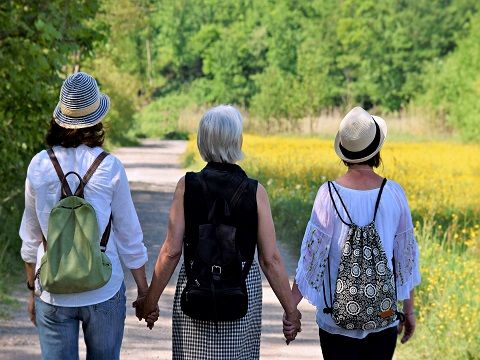
The age of nutritionAdvantages of Healthy Eating: Increased mental acuteness Resistance to illness and disease Higher energy levels More strong immune system Faster recuperation times Better management of chronic health problems Eating Obstacles for Seniors:  Lifestyle changes: Lifestyle changes can be an eating obstacle. For example single seniors may not know how to cook or may not like eating alone. Activity level: Seniors often cut back on activity for physical and medical reasons. Weight gain can result from the decrease in calories burned. Metabolism: Every year over the age of forty, our metabolism slows down. This means that even if you continue to eat the same amount and kinds of food as when you were younger, you're likely to gain weight because you're burning fewer calories. In addition, you may be less physically active now. Taste and appetite: The senses of taste and smell diminish, so one may be inclined to season one's food more heavily than before even though seniors need less salt than younger people. One may struggle with loss of appetite due to lifestyle, loneliness or a medical condition. Health Issues: Physical ailments and prescription medications, become a daily exercise, and ends up often negatively influencing appetite. Digestion:Due to changes in your digestive system, you generate less saliva and stomach acid as you get older, making it more difficult for your body to process certain vitamins and minerals, such as B12, B6 and folic acid, which are necessary to maintain mental alertness, a keen memory and good circulation. Emotional Factors: Emotional factors such as loneliness and depression can affect your diet. For some, feeling down leads to not eating and in others it may trigger overeating. Specific Nutritional Recommendations for Seniors: Some important guidelines for seniors include Reduce sodium (salt) to prevent high blood pressure, Monitor fat intake in order to maintain healthy cholesterol levels Consume more calcium and vitamin D for bone health Eat more fibre-rich foods to prevent constipation Cut back on sugar and on dry foods Ensure getting recommended amount of important vitamins and minerals Increase water intake, and Perform regular physical activity Eating well as you age is easier than you think: Focus on good carbohydrates. Opt for whole grain nutrition (brown rice, whole wheat bread, rolled oats, barley, and millet), not refined "white" products, such as white bread, white rice, or products made with white flour. To manage weight and maintain optimum health, focus on eating efficiently. This means choosing foods that maximize nutritional value, not calories. Whole, natural, fresh foods such as fruits and vegetables, whole grains, nuts, legumes, healthy sources of protein (poultry, fish, eggs, and tofu) and dairy products that contain calcium constitute efficient eating. Highly processed and refined foods usually contain more calories and fewer nutrients. Raw equals roughage! Aim to eat at least one daily serving of your fruits and vegetables raw. This not only preserves their nutritional value, it's an easy way to eliminate constipation. Steaming is the best way to cook vegetables; it preserves nutrients. Light sauting is next. Bone up on calcium. All dairy products are not created equal. Milk, cheese and yogurt retain their calcium content; cream cheese, cream and butter do not. As part of a healthy senior diet, choose fat-free or low fat dairy products. Choose first-rate fats. Get your "good" fats from oils such as olive oil and sunflower oil, avocados and avocado oil, nuts and seeds. Keep it moist. In addition to drinking enough water each day, aim to consume foods with high water content. Staying properly hydrated flushes toxins from your body, relieves constipation, helps keep your joints flexible and your mind clear. High water content foods include melons, grapes, cucumbers, onions, apples, cabbage, and, of course, soup.
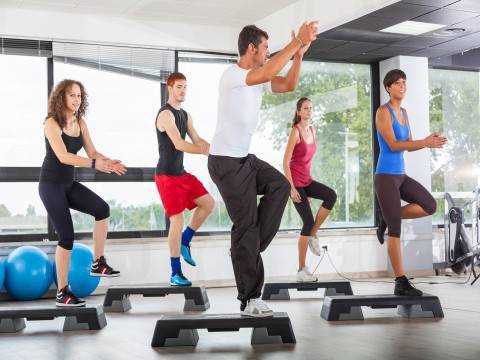
Aerobics: dancing your way to healthAerobic exercise is any comprehensive activity that makes you breathe hard while exercising your large muscle groups at a standard, even pace. The body uses stored carbohydrates and fats for energy. What is aerobics? Aerobic literally means having or providing oxygen or an activity that takes place only in the presence of oxygen. What is aerobic exercise? Aerobic exercise is any comprehensive activity that makes you breathe hard while exercising your large muscle groups at a standard, even pace. The body burns stored carbohydrates and fats for energy. Thus aerobic exercises help the body to utilize oxygen efficiently with increase in respiration and heart rate. What are the best ways to do aerobic exercises? There are number of ways by which you can exercise aerobically. Some easy and best ways are: walking, running, biking, using stationary bike, using stair stepper, elliptical machines or rowing machines, or joining an aerobic exercise class Benefits of aerobic exercises Fat reduction: Aerobics burns calories and body fats directly while using oxygen to produce energy. So this is the healthiest way to get rid of extra fat.  Strong heart: Aerobic exercises not only use your larger muscle groups like hamstrings, but also strengthen the heart muscles. This improves heart function resulting in improvement of blood and oxygen supply to all body parts, which provides healthy nourishment to body cell and removes toxins. Improves breathing: Exercises improve your lung capacity and function,which improves oxygenation, or competence of respiratory system to deliver oxygen to all body parts. It also improves overall health of the respiratory system. Cholesterol control: LDL cholesterol is bad cholesterol mostly responsible for clogging of arteries and HDL is good cholesterol. Aerobic exercises invariable increase the amount of HDL and lower LDL cholesterol thus preventing fat deposition and plaque formation and maintaining optimal blood supply to heart. Other benefits: Aerobics is the best exercise when it comes to prevention of various diseases like hypertension, diabetes, stroke and arthritis and osteoporosis. It helps to keep mood elevated and cures depression and boosts immunity. Make sure to incorporate some form of aerobic exercise in your daily routine.  
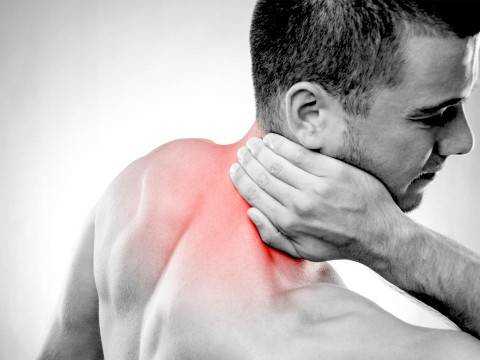
12 Surprising pain triggersPain, one word that can send shivers down one's spine and can make one go weak in the knees. Such is the effect of pain, you utter the 1st alphabet of this word everyone dreads and you see how the room full of people will stare at you in horror. Now, pain can be of different types, good pains (No! I am not crazy, there is such a thing as good pain, don't get the gist of it, well the good pain is none other than labor pain) and then there is bad pain. Now, bad pain can be caused by a number of things, say you dropping a paper weight on your foot or eating something super cold (that hurts the teeth so much, you can barely talk) worse, pain from an accidental fall. Now, pains are common with both men as well as women, they both have abdominal pains, headaches, muscle pains, and back pains, but there are some forms of pains which are pretty common with the men folks rather than the women. Let's have a look at what those surprising pain triggers are: Wallet: Yes! You heard that right, according to Dr. Mehmet Oz, wallet is known to be one of the major surprising pain triggers. Having your wallet in your back pocket while driving, can cause chronic back pains, pain in the hips as well as shoulders. Since the wallet is in your back pocket, you sit unevenly, with one butt cheek being lower and one higher due to the wallet. So the solution to this problem is to keep your wallet in the glove box of your car or your bag. Phone: Phone, or any kind of technology gadget, is known to be the other surprising pain trigger. Want to know the pain these little gadgets can inflict? Well, it starts from the neck down. Since you are constantly bending down and hovering over your gadget, it can cause back pain, muscle pain, and headaches. Solution: Use a stand to hold these gadgets, so you wouldn't have to bend down or hover over your gadgets. Another cost effective solution happens to be taking frequent breaks and relieving yourself of the pain. Extra weight: Yes, the other evil, this is the one thing that can cause physical as well as mental anguish. Gaining a few extra kilos or pounds especially in the abdominal section, can cause massive stress to your spine and also cause realignment of your body structure. The only solution to get rid of this pain is to lead an active lifestyle, eat healthy food, and exercise to shed those extra kilos or pounds. Work schedule: If you have a hectic work schedule, chances are you aren't getting any rest, due to which the stress increases. The only way to get rid of this problem is to find a way out of your crazy schedule and have some time to relax and do activities that you like and enjoy, so that the stress that is mounting up on you can be relieved. Perfume: Shocked, aren't you? Well, this is another one of the pain triggers that can wreak havoc on you. Perfumes are known to contain certain fragrances and chemicals that can cause headaches. The only solution is to stop using perfumes that have those chemicals and use a fan at work, so that lingering smell of perfume won't give you a headache. Bad weather: This is another one that causes more pain or mental anguish. Bad weather can cause mood swings and terrible headache. The solution to this problem is taking a painkiller on the day of the bad weather to save you further from the throbbing headache. Bright lights: These can often cause a bad eye soar, not only that, they are also responsible for migraines. The solution is use sunglasses whenever out on the sun. Exercise: This might make you men folks go crazy, but the truth is too much of an exercise can also cause pain. Where, you might ask? Well, how about the muscles or headaches or even back pains for that reason. The solution to this problem is to stop exercising, well not totally, but, you should only exercise for the amount of time prescribed by your trainer or doctor. You don't need to go overboard. Cuts of meats: Yeah, these cuts or cold cuts as they are known, are one of the major reasons of causing headaches and stomach aches. The solution to this problem is to avoid eating raw or frozen foods as much as possible. Skipping Meals: You don't need to be an "Einstein" to figure this one out. Skipping meals, whatsoever the reason maybe, causes the blood sugar levels to drop down to a considerably low level which can cause migraines or severe headaches. The solution to this problem is to eat at regular intervals; this way you won't have headaches and your calories will also remain in check. Smoking: Don't be surprised, smoking has a slew of risks attached to it. Well, to begin with it causes asthma, it causes cancer (ranging from the esophagus to the lung), but it also causes frequent headaches. The only solution to help you get rid of these ailments and pains is to stop smoking. Caffeine: The pain related to caffeine is more mental or psychological than anything else. If you are a person who is addicted to caffeine, chances are you can't live without it. The solution to this problem is slowly and steadily cutting down the amount of caffeine you have. Shocked are you at the kind of things that can cause pain? Well, no need to be! Our body can shock us in ways we can't imagine. So don't be surprised the next time you have any sudden outbursts of pains.

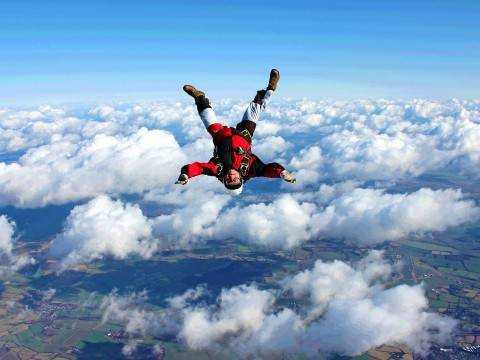
Adrenaline rush - Feel it inside!Imagine yourself at a great height, either scaling a dangerous cliff-hanger of a rock face or on a bungee jumping platform. Some of us who have had the pleasure of doing high adventure sports like racing or indulging in perilous activities like giving out an acceptance speech for the first time are well aware of that strange feeling in the solar plexus, the clammy hands and intensely thudding heart, and the rush of blood to the head just as you are about to take the plunge! The heart beats faster than ever, breathing goes rampant, the senses seem to become supercharged, and the fear, the joy, and the excitement meddles with the mind. That’s adrenaline rush! So what do you want to do? Fight? Or flight? Either ways, adrenaline does it for you. Speaking medically, the two small adrenal glands on top of the pair of kidneys release a magic chemical that gives the animals way towards the fight-or-flight response to counter certain high-intensity situations, called adrenaline or epinephrine. The chemical entity is a hormone, a neurotransmitter as well as a medicine and is too complex to explain its behavior. However, when it works the heart pumps out the blood to the excited muscles and all the juices surge up inside the body. There is more to this topic than just the physiological mumbo-jumbo. The hormone acts every day in the normal course of life, but not regularly to the extent when it produces side effects such as shakiness, palpitation, high anxiety, and profuse sweating! Thats kept for special situations like physical threat, excitement, bright lights, noise, and really high temperature – in good or bad ways. Let us surf through some of the rewarding and a few of the nasty situations where the jolting juice takes charge of our body! The Good ones: Countering Stress: In extreme stress conditions like accidents or fracture, the body needs to react fast and is at its highest awareness. Adrenaline keeps the muscles up and kicking to help the victim fight with the stress. High Energy Requirement: In majority of sports, more specifically in contact sports like Rugby, Boxing, Mixed Martial Arts, etc., the player needs to be in his full sense and topmost concentration level. The adrenaline rush runs in the background to keep them at their extreme self. The Push Mode: Often the daily chores aren enough to excite us and we tend to search for some adventure. In such pursuit of excitement, there are times when the road is a dead end or there is only one way forward – the impossible or most difficult one! The hormone pumps the brain both ways with fear and with the push to conquer the fear and proceed. Adventure Sports often sounds fun, but at times when running ahead of a raging bull, or hanging off a cliff, or rafting down the rough waters of a cascade – feels like the heart shall come out and scream!! It is the rush of adrenaline that keeps one ahead of the fear and explore the high-energy fun of winning over it. Life Saving Moments: In cases of life-threatening emergencies such as drug overdose, cardiac arrest, or pulmonary failure, where the heart and lungs suddenly cease to function and the body gets into a shock –– the epinephrine shots are considered as a life-saving medication to bring the patients back to life (only to be used judiciously by a qualified medical practitioner). The important medical use of adrenaline is in treatment of acute anaphylaxis and allergies under medical supervision. The Bad Ones: Disorders of the Adrenal: Tumors and cancers of the adrenal gland can cause hyperactivity of this high-performance hormone affecting the normal functioning of the heart and the blood vessels by increasing heart rate and creating anarchy in the body systems. Over-Stressed Adrenaline Rush: The demand-supply mismatch in the present world scenario requires one to perform at his/her epitome of mental and physical strengths. In that constant urge of performance, the brain and the body is stressed out so intensely that the adrenaline surge symptoms are experienced by the individual even in the absence of threatening situations. Sudden sweating of palms, shortness of breath, pounding heartbeats, or chest pains without a justifiable reason can be a result of constant stress.
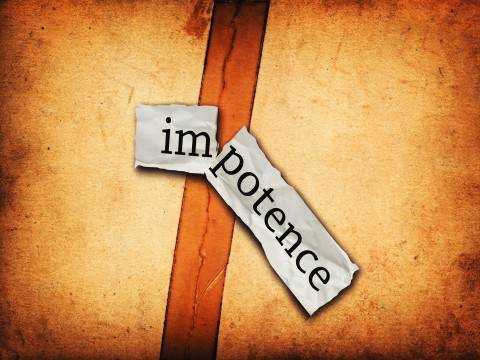
Psychological impotenceSex is not just physical but just as equally mentally involved. Mental stimulation and response are responsible for arousal and overall enjoyment; and therefore any sort of psychological disturbance or mental issues like stress, tension, or anxiety can lead to psychological impotence. Stress or exhaustion are most possible explanations for psychological impotence. Depression and post-traumatic stress disorder also may result in impotence. A mental trauma of sexual or physical abuse, guilt due to sexual relationship, problems amongst partners contribute too. Confusion over one's sexual identity is also a major cause for impotence. Impotence results from underlying physical disorders, especially if the people choose to stay unaware of it. Absence of knowledge of this disorder leads to anxiety and stress building up over a period of time.  So when determining factors rule out physical causes first and then go for identifying mental causes. Psychological impotence can be sometimes situational or only with a particular partner and the treatment approach differs with the cause. Counseling works wonders in the case of psychological impotence. For example, depression or anxiety may require treatment to improve condition. Post-traumatic stress disorder or abuse needs therapy on coping skills. Sometimes simply explaining underlying cause of physical condition resulting in impotence and comfort and reassurance are sufficient. So don't hold back, share to get your mojo back!!
FAQS
T&C FAQS