Home
Sunshine for busy executivesMost people working in corporate offices, spend long hours within the confines of concrete buildings. Some business sectors like IT and manufacturing even have their employees working in night shifts. What we don't realize is that, in such a setup, our bodies do not get adequate dosage of sunlight. Lack of exposure to sunlight is responsible for a range of diseases and health conditions. The body requires sunlight just as much it requires food for its nourishment. Long hours of work in glazed business buildings under artificial lighting, deprive the body of this most basic need, thereby creating a deficiency of the vitamin D group. This deficiency then goes on to create several imbalances in the body, and contributes to diseases. Besides these, Vitamin D deficiency can also cause general muscle weakness, muscle and bone aches and pains and osteoporosis, due to the inability to utilize calcium. The best source of Vitamin D is natural sunshine, and that's why it is called the sunshine vitamin. Vitamin D can be had in the supplement form too, but it is still no match for natural sunlight. In a paper titled 'Vitamin D Deficiency' published in The New England Journal, M F Holick writes that, arms and legs should get exposure to sun for 10-15 minutes every day. "The amount of vitamin D produced depends on the intensity of the UVB in the sun and many other factors. Darker-skinned individuals may need 5-10 times more exposure than a fair-skinned person, in order to make the same amount of vitamin D." Tap that sunlight Early morning is the best time to get out in the sun. There's no better time to get that walk, than in the morning. Park your car a little away from the office building if possible, and walk to your office in the sun. When you take a tea break in the evening, head outside, instead of going to the in-house cafeteria.
Is male menopause a reality?As opposed to the sudden drop in ovulation and hormonal levels in women, menopause in men is a gradual process. The consequences in men aren't that clear. The health risks, though, are significant and it is important to recognize the symptoms of male menopause early on. Read along to know more. A testosterone level of 300-1200 ng/dL is considered normal in a healthy male. As one ages, the testosterone levels too drop gradually. After 30 years of age, the levels drop by 1% per year. By the time a man crosses 50 years of age, he is in menopause. Look out for the following signs to know if your testosterone levels are dropping : Low Libido : A low sex drive or decrease in inclination to have sex is the first sign of decreasing testosterone levels. Erectile Dysfunction : Testosterone is responsible for releasing nitric oxide that leads to erection. As the levels of testosterone decrease with age, getting an erection and maintaining it for longer periods of time may become difficult. Low Semen Level : The normal amount of semen ejaculated each time varies between 0.1 and 10 mL. This normal level is due to the efficient functioning of the testes, seminal vesicles, and prostate, all of which work under the influence of testosterone. As you age, the testosterone levels drop and the amount of semen ejaculated also drops. Orgasm Troubles : As you age, having an orgasm every time may be a bit difficult due to the dropping testosterone levels. Mood Swings : This happens in men as much as in women! The interesting thing here is that the man who suffers from it is the last one to note it and acknowledge. So, if you find yourself snapping and getting irritated at the smallest of things, get your testosterone levels checked. Depression : When you feel dull and demotivated at all times, and even doing the slightest of activity seems like a chore, it means that your testosterone levels have dropped to a significantly low level. Abdominal Fat : This is again an early sign of decreasing testosterone level. Belly fat is a sign of advancing age. Low testosterone levels are a sign of advancing age. Not all men who have low testosterone levels may show symptoms. In such cases, there is no need for any kind of treatment. Low testosterone may also be due to some other conditions like thyroid disease, excessive alcohol use, sleep apnea, etc. After 30 years of age, the levels of testosterone drop by 1% per year. By the time a man crosses 50 years of age he is in menopause. Identifying and eliminating these causes will restore the testosterone levels to normal. However, if no cause can be attributed to the low testosterone levels, it is a clear indication of normal aging and 'menopause.' As with women, men too have the option of hormone replacement therapy. However, this treatment is controversial. In some men, the testosterone replacement may relive several symptoms, but the risks far outweigh the benefits. An increased chance of heart attack, prostate cancer, and other health problems are associated with testosterone replacement therapy. Herbal supplements for problems associated with decreasing testosterone levels are generally considered safe, but they too have no proven health benefits and are known to increase the risks for prostate cancer. Male menopause isn't as dramatic and abrupt as the menopause in women, but it is a reality. It happens gradually over a period of several years.
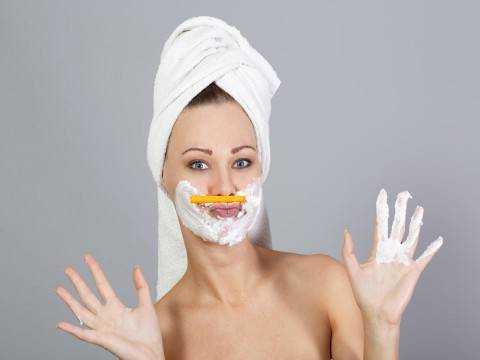
Hairy tale: Hirsutism in womenThe condition is called Hirsutism where women grow coarse hair just like males on the face, chest or elsewhere. The primary cause for Hirsutism is hormonal imbalances by the over stimulation or excess production of male hormones (present in minute quantities in females too). The thickness of hair that grows largely depends on our genes and at times Hirsutism in women may be just a hereditary trait rather than an imbalance. Self care and medication can take of it in such a case. Idiopathic Hirsutism is a type of this condition where there is no possible cause for the male type hair growth. These women have regular menstrual cycles and no Androgen excesses, yet they have Hisrutism. Hirsutism with excessive bodily and facial hair, usually in a male pattern, in women may be present in normal adults as an expression of an ethnic characteristic or may develop in children or adults as the result of androgen excess due to tumors, or of non-androgenetic or other drugs. Hirsutism can make its appearance at menopause or soon after as there are a lot of hormonal changes that occur in the female body, and in certain cases women grow hair even on the lip, nipples, abdomen and upper shoulders. And just as men go bald there can also be a receding hairline and baldness in women accompanied by a deepening of the voice and enlargement of the clitoris. If the hair growth occurs at puberty then a doctor's evaluation is most essential as it could be more than just Hirsutism.
Hair straightening do's and don'tsWhat's in a hair? Well when someone thought of this quote, he or she certainly did not foresee the future because in today's world hair is everything. For a woman and a caterpillar at least! Let's just talk about women! Hair not only covers your scalp, but also protects it.  Hair is known to be something that enhances the beauty of a woman, as there is nothing like the feel of smooth and silky hair caressing the shoulders. Women all over the world dream to have beautiful, strong, silky, and preferably, long straight hair. Why straight hair? Let's find out, women are born with all kinds of hair, curly, wavy, long, and short but according to some women there is nothing that beats having a straight hair and there are women in this world who could go to any length achieving that straight hair they always desired. One of those ways is straightening, a styling technique used since the 1980's, which involves the flattening as well as straightening of hair, to give it a smooth, streamlined, and a sleek look. Straightening can be of two types, temporary or permanent. Temporary straightening can be achieved by a straightening iron or relaxers and generally lasts up to the first wash. Permanent hair straightening generally requires the use of Lye and other chemicals (more commonly known as creamy crack) with the help of a hot comb, hot iron, and relaxers. Permanent straightening, with proper care, can easily last up to a year. According to documentary "Good Hair" by actor Chris Brown, African American women are known for their profound use of "creamy crack" to get that perfect straight hair they long for. They are also the women who make the cosmetic companies rich, thanks to their profound use of hair straightening and hair care related products. African American women also account for the highest amount of money spent on hair care and hair care related products. Coming in a close second are the women from Central and South East Asia. These women are also known to go to extremes to get that perfect straight hair look, which is generally shown in TV Commercials endorsed by celebrities. Now that we are aware of the statistics, it is time that we look into the do's and don'ts of hair straightening. Straightening your hair once in a while may sound like a good idea, but it is extremely essential that we understand that extreme care is required here. Hence it is always better to know the do's and don'ts before we decide to break the bank (straightening ain't cheap) for straightening treatments. Do's : Make sure your diets consist of plenty of healthy foods, water. Also doing regular exercise is advised. Always use a shampoo and conditioner that best suits you. Remember to ask your stylist about the kind of products that suit you. Always go for hair spa treatment once a month since your hair needs that extra nourishing. Don'ts : Do not wet your hair at least for three days after the treatment. Do not tuck your hair behind your ear. Avoid twisting your wet hair with a towel. Avoid extreme scrubbing of your hair while shampooing. Straightening even once can cause excessive damage, hence do not do it repeatedly. Straightening your hair once in a while is okay, but doing it continually is ill advised as it can have a lot of negative consequences. Straightening also comes with certain side effects such as heavy chemical reaction, dizziness, permanent hair damage, dryness, skin irritation, itchiness, and severe chemical burns. Hence, it's always better to have a professional do it at a salon rather than doing it yourself. Hair straightening, though done by the same method all around the world, requires different types of hair care products as the hair type is mostly related to your race and ethnicity and your geographical location.

Teach your kid to stand up to bulliesAlmost everyone has heard of the beach bully who goes around kicking sand in the face of the skinny lad. That's the quintessential imagery associated with bullies and it has stayed with us for over 3 decades since the first ads came out. The ads generally endorsed body building products using the classic 'Before' and 'After' construct, i.e. before you got your face sandblasted by the beach bully and after you took that protein shake or muscle builder to get even. Bullying is a phenomenon where a person or group wilfully targets someone with the intention of troubling them over a specific thing. (Bullies generally pick on someone they perceive as physically, mentally, financially, socially or racially inferior.) There is no age-limit for bullies as the bully could be a school going kid with an attitude problem or a fully grown adult, who could indulge in it from sheer force of habit or due to a mental problem. Again there is no age limit for the victim as well. Anybody could really be a target for the bully menace, right from school children, teenagers, disabled or even old people. Well bullying has changed considerably in these times and you also have the e-bully version where insecure bullies go about harassing people, especially teenagers over the internet. Bullies resort to tactics like causing public humiliation or embarrassment to hapless victims or resort to threats or other control-based abusive behaviour. Ok so everyone has undergone bullying from time to time but the question is should you allow it to happen to your teenaged son or daughter? Mind you, here it isn't simply a question of some leg pulling by friends or teachers but some serious malice that could well destroy your teenager's confidence and cause permanent scars on his self-esteem. Yes, if your teenager is being subjected to bullying then teach him how to kick the sand right back in the bully's face. Before we learn how to do that let's see the types of bullying that your kid could be subjected to: Verbal bullying This includes teasing or making caustic remarks directed at someone on a regular basis. The school bully does that, doesn't he? As you would probably remember from your own school days that fat lout who made you quiver with fright as he snatched your lunch box away to feed the dogs. Yes, the very same guy who pulled your sister's pig-tails and called you names which made you go red in the face. You could do nothing but pray he wouldn't notice you somehow. Well so something similar could be happening with your teenager. Verbal bullying need not be done by a school friend. Even a responsible teacher could target someone for deprecatory remarks causing much embarrassment, ridicule andfeelings of inadequacy to a teenager. Sometimes kids look up to their teachers for encouragement and support and those very people could actually damage a child's self-esteem by unjustified criticism and bullying behaviour.Teenage girls could suffer taunts and remarks about certain physical traits and since they are at a delicate age where their bodies are undergoing changes, such verbal abuse can indeed cause long-term depression or personality issues. Physical bullying Physical bullying is where your teenager could be subjected to physical harassment at the hands of the bully. Whether it is a simple case of holding your teenager's hand or unprovoked physical assault, the end result is the same-injuries to the body and mind. The bully may not go as far as inflict any visible scars on the teenager's body but the episodes could certainly cause great fear and trauma to him. Even teenage girls are not spared physical abuse at the hands of bullies. In certain cases, teens suffering from long-term bullying actually took some extreme measures by committing suicide or breaking down completely. Internet bullying Internet bullying is where your teenager is probably most vulnerable. At least school bullying is restricted to school, but here your teenager is at the mercy of just about everyone - from the school bully to the earnest paedophile! Causing embarrassment on public forums, threats of physical or sexual harm is the most common and as a parent you have to take every step possible to not just protect your child but also help him take care of himself or herself. The bully menace The school bully is comparatively easier to deal with than the internet lout! Well, one can't be too sure of that statement either since these days,school kids are known to blow up their own classmates or participate in a heist with adult precision. Always watch out for the classic signs of bullying. If your child appears withdrawn or disturbed after school hours then gently probe and encourage your child to tell it all. If you feel there is enough reason to think your child is being subject to bullying then bring it to the notice of the school immediately as others could have similar complaints. Do not admonish your child or scold him as it could cause him to withdraw in to the shell that the bully provided him in the first place. Parents and elder siblings can be bullies too so remember that. Teach your child to stand up to bullies. The bully is generally an insecure person who uses brute force to feel good about himself, at the cost of others. The school bully generally has his way and is not used to being challenged. Teach your child to look the bully in the eye and register protest. This will go a long way in teaching your child how to fight back and not take any nonsense from others.If the situation worsens, then always keep a track of your teenager's whereabouts especially if it is a girl. Once the bully realizes that he is being tracked he generally lies low or picks on someone else. Internet bullying requires different measures. You can monitor your child's online activities and teach them to never ever share any personal information or photographs online or on forums which are off-limits for children and adolescents. You can complain to the authorities if things get out of hand. If someone repeatedly issues threats to your teenager, either online or in real life, is a cause for real concern and one must take them seriously. If your child does not learn to cope with bullies it could affect him well in to adulthood, where he will feel helpless and easily scared by imposing people or even develop a hatred for authority figures. Bullying can fuel an already weak personality in to gaining an inferiority complex; the flip side is that kids who have been subjected to bullying can repeat the same patterns on their younger siblings or at school. So a bully creates another bully if continued unchecked. Mental problems in children are on the rise, so bullying is also no longer an innocent joke but could be a serious crime. Bullies whether children or grown-ups, suffer from some personality disorder or a serious inferiority complex which makes them compulsive trouble makers and their victims are generally people who cannot hit back or are vulnerable. Take Hitler for instance. Wasn't he just a bully who was unhappy in his own life? Look what he did to millions of innocent people. Wasn't that a bully gone berserk?  
Exercise to fight off depression in school kidsBefore concluding on the effects of different forms of exercise on children, it is important to note the distinction between fitness and exercise. Fitness encompasses most importantly a healthy lifestyle of which exercise forms a part. For this reason, when researchers examined the impact of fitness on emotional being of a child, most of them covered three main determining factors, namely the body mass index, the child's feeling about fitness, and a shuttle-run test. Depression is characterized by recurrent feelings of despair and hopelessness. The main symptoms of depression include sensations of unworthiness, dysfunctional thinking, lack of concentration, low level of sleep, anger, social isolation, crying, physical grievances like headaches which do not react to treatments, reduced interest in social activities, and thoughts on suicide. It is not necessary that every child will undergo all the symptoms. If most of the symptoms recur continuously, then it is a warning sign. The propensity towards chronic depression is higher in those who suffer from depression during childhood. A healthy lifestyle is accompanied by a range of psychological benefits. When you exercise, your body produces endorphins which stimulate positive sensations about the self. Produced by the brain, they also reduce the sensation of pain. A healthy lifestyle boosts the sleep cycle and helps in coping better with tough situations. A medical study conducted by University of Texas revealed the positive effects of physical activity on middle-school graders. It was found that there is a robust link between depression and fitness in girls. Even though boys show association, it is not explicit.  Conclusively, it was pronounced that exercise helps in reducing the chances of depression in school-going children. The best way to help your child is by introducing activities that she or he finds interesting. Initially, you might face resistance. The most important task is to communicate with your child. In the face of such resistance, you can attempt to find a hybrid therapy to reach out to your child. Apart from scheduling appointment with a child psychologist, you can also meet up with a physical health advisor. Emphasize on activities which will also help your child to meet new people. According to the Center for Disease Control and Prevention, one of the main benefits of physical activity is betterment of academic achievement and conduct in children.
Boost your mood after a long day at workUp before the sun rise, rush to get ready, say hurried goodbyes to the family and crawl like a tortoise through traffic to get to work. Go through a long day of meetings, calls, deadlines, reviews, and then crawl back again through traffic at a snail's pace. Does this sound like a day out of your life? Then surely, weekends go by faster for you than you can say lickety-split, leaving with no time for yourself, your family or your hobbies. Social life is definitely a far cry from possible. This rigorous schedule eventually catches up with the mind and body and lethargy sets in, discouraging any sort of activity that breaks the monotony of day-to-day life. Is there no escape from this? Yes, there is. At the end of the day, when your mind is tired, you do not feel like taking anything more than you already have on your plate. Only the warmth of your bed allures you. However, if you were feeling fresh and enthusiastic, surely, you'd be ready to do a lot more - move mountains or at least drive to meet friends, anyway. An energetic life full of happy times with families without the constant desire of solitude after a long day's work is what you seek, then try these mood boosters to uplift your mood and get your feet tapping right away! The Aroma of Good Mood:Scents play a great role in the way we feel. They have the power to turn the mood around completely. Light a few scented candles or set up an oil diffuse of your favorite oil and you will feel lighter and De-stressed soon enough. You can also mix a few drops of rosemary and bergamot to create an energizing and refreshing infusion. Walk it Off:Most of us work in functional buildings in temperature-controlled environments. The lack of windows makes natural light and ventilation scarce and aids the buildup of gloom and tiredness. A good way to turn the mood around is to walk it off. A short walk around the block or in the building compound can bring you back in touch with nature. If you are lucky to be living in a green community, you have the added benefit of watching the trees and bird life in them. The exercise also helps release hormones in the body that uplift your mood immediately. A Good Deed Begets Good Mood:Giving is the greatest joy! So perform a good deed - if you see someone who needs help on the way back from work, stop for a few moments and help them. Or simply help your spouse, children, parents or neighbor out. And voila! You will find yourself feeling a lot better than how you did when you entered the house. Clear the Clutter:Organizing things and creating neat, clean spaces is a great mood booster. As you clean the clutter, you will find the clutter of thoughts in your head also clearing. Neat, well-kept spaces invite good vibes and energies, which again makes you feel better in turn. Petting a Furry Friend:Petting a dog for even 15 minutes releases the feel good, happy hormones. It does wonders for the stress level too. So the next time your furry friend comes rushing to the door, to welcome you back home, take time to give it some love. The Human Touch:We spend 10-12 hours a day away from our family and familiar touch. The human touch releases uplifting hormones such as serotonin and reduces heart rate and blood pressure making you relaxed. So when you get home, remember; a nice warm hug to your spouse or children will make you both feel better.Remember you work to live and not the other way. So when you get home from a long, tiring day, just boost your mood so you can thoroughly enjoy life with your family!
Causes and treatment of sleep talkingIt is usually believed that sleep talking is associated with dreaming, but there is no scientific evidence available to support this hypothesis. In few cases, it may be associated with sleep disorders or any other diseases. Sleep terrors and REM sleep behavior disorder (RBD) are two sleep disorders associated with sleep talking. Sleep terrors are associated with frightening scream, kicking, and thrashing. It is commonly seen in children. Awakening becomes difficult during sleep terror. Patients with RBD utter a sudden loud cry, grunt, shout, or act out their dreams, usually violently. Other causative factors of sleep walking are emotional stress, mental health illnesses, substance abuse, fever, and certain medications. Treatment: Evaluation of the patient Patients with sleep talking should be evaluated by a specialist doctor especially if it is seen in adults or associated with violent actions, screaming, or intense fear. If children with sleep talking have disturbed sleep pattern, they should be evaluated by the pediatrician. The doctor asks questions to the parents, roommates, and bed partners about the nature and the extent of sleep talking. There is no definitive treatment available for sleep talking, although the doctor may test to record the sleep pattern of the patient to identify any sleep disorder. This test is known as polysomnogram. Management Sleep talking usually does not require treatment. Avoidance of stress and plenty of sleep at night may help to decrease sleep talking. However if any sleep disorder is identified by polysomnogram, it is treated accordingly by the doctor. If underlying causes like mental illnesses, substance abuse, or medications are identified, they are also managed accordingly. Mental illnesses like depression should be treated with proper counseling and medications. The patients should refrain from alcohol, heavy meals, fatty meals, etc. The patients are advised to follow regular sleep schedule, get adequate amount of sleep, and practice proper sleep hygiene so that severity and frequency of sleep talking is decreased.
Diet to help manage stressYou cannot avoid stress, as it has now become an integral part of modern lifestyle. Children are worried about their exams and performances in the cultural events, teenagers are stressed out about their looks and body shape, adults take stress owing to competition at work, and so on. One thing is sure that you cannot stay away from stress. So, how can you avoid the side effects caused due to stress? You can include certain foods in your diet that help manage your level of stress. Researchers are already on to it, studying the effects of various foods on the stress levels. It is always better to choose from the organically harvested nuts, veggies, fruits, and fish for better health benefits. Nori Sushi nori is a type of seaweed that is rich in magnesium that contains anxiety-fighting properties. Magnesium is also known for stress reducing abilities. Apart from this, it also carries other essential health nutrients that are necessary for the overall development of health. Vitamin C Foods Cantaloupe is composed of vitamin C that is a renowned stress buster. Another great stress busting food is orange. When you are under stress, adrenal glands in your body start producing cortisol that lowers your immune system's capacity. This leads to breaking down of muscle tissue. Vitamin C in oranges have the ability to return the high blood pressure to normal level. Moreover, when you are stressed there are chances of this vitamin getting used up and hence the need to increase your intake of vitamin C rich foods. Another popular vitamin C enriched food is blueberries that are also packed with lots of antioxidants which relieve stress. Almonds Almond is a treasure trove of essential nutrients such as vitamin E, B2, zinc, and magnesium. Although they are high in fat, they provide your body with all these essential nutrients. You can easily have a handful of almonds every day and still feel less guilty about.  Apart from the fat, energy, and the essential nutrients, almonds give the brain and its memory a shot in the arm. Broccoli Broccoli is rich in vitamin B and folic acid, both proven stress busters that helps in giving you relief from panic, anxiety, stress, and depression. Bananas Bananas contain one of the most important amino acids - tryptophan that gets transformed into serotonin which is a stress-busting hormone that is known to induce a feeling of well being. This makes you happier and gives you relief from stress. Banana is also rich in potassium. Potassium regulates the heart due to which the blood pressure can be kept under control. That is why many health experts recommend inclusion of a potassium-rich diet, as it normalizes your heart rate and help you calm down in stressful situations. This makes banana an essential food addition to your diet. Chocolate The dark chocolates are bitter and give you a feeling of satiation despite the little amount you devour. Due to this feeling, you eat less, but you still enjoy the flavor of the chocolate, much more than the milk chocolate varieties. When you are under stress, most of your body organs are vulnerable to damage. The antioxidants polyphenols that are present in the dark chocolate slow down the damage and also contribute in its repair. Studies have also revealed that 40 grams of dark chocolate per day helps reduce stress-causing hormones such as catecholamine and cortisol. Increasing the intake of stress busting foods in your daily diet can help control diabetes and hypertension.
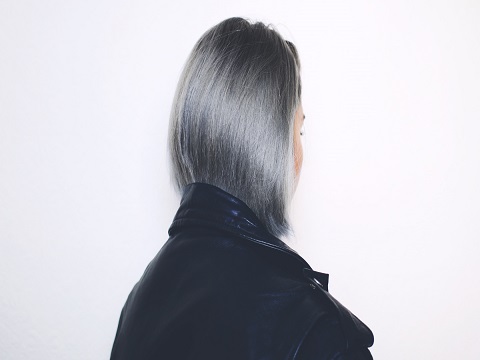
When the grey matters!Greying of hair happens to all of us at some point in life. Some may get it early and other fortunate ones may get it when they are 50. Premature greying and hair fall is a common problem faced by 70% of females in India these days. What are the causes of greying of hair and what can be done if your hair starts to go grey early? What are the probable causes of grey hair and hair fall? Deficiency of nutrients in diet. Excessive stress. Dandruff. Diseases like thyroid disorders, anemia, and vitiligo. Side effects of certain medication. Hair problems are seen more in women who smoke or drink. Childbirth and menopause are the periods of life when most of the women invariably have hair loss. Hereditary pattern of premature greying. Today's beauty procedures like coloring, bleaching, dyeing, perming, and straightening cause hair problems at a young age. Environmental pollution. Treatment and prevention Have a balanced diet. Ensure proper nutrients reach your body in every meal. If you are anemic, treat it with proper medication. This can be an underlying cause. Have a good sleep. Avoid tension and stress. Apply oil regularly and massage. Drink lots of water. Avoid exposure to chemicals. What can be done to hide the grey hair? Apply amla oil to your hair to make it healthy. Apply henna, lemon juice, fenugreek seeds paste, made in an iron container, on your hair to give them a color and reduce greying. Boil gooseberry pieces in coconut oil. When they turn black apply it on the hair. If you have 45-50% grey hair then you can use a permanent hair color.
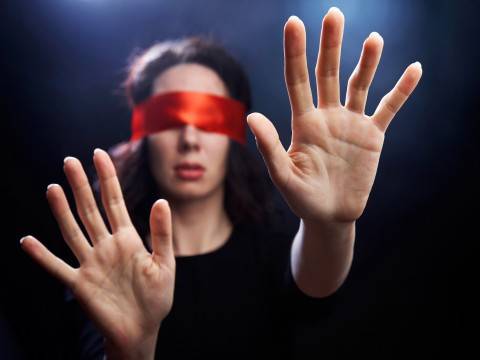
Some tips to prevent night blindnessHere are some foods and eating tips, which will help improve vision and prevent night blindness: Eat dark green leafy vegetables like spinach and collards. These contain high amount of lutein and zeaxanthin, the nutrients for healthy eyes. Do not smoke. A glass of red wine daily is fine but drinking is not. Stay away from hydrogenated oils, refined carbohydrates and sugars in excess. Always wear sunglasses while going out in bright light to avoid potential sun damage to eyes.  Amber and grey-coloured lenses are effective against ultraviolet rays. See an eye specialist and get prescription glasses for driving at night, if required. Do not ride in dim light at night and see if you can postpone the work until next day. Even good lighting conditions at night even in a big city, can be troublesome to someone with night blindness. Vitamin A rich foods like spinach, carrot, papaya, broccoli, and mangoes should be added to your daily diet. Fish oil is a great source of vitamin A. Cod-liver oil is used as medicine too. Some wild plants are said to be rich in vitamin Abut they are seasonal, available in small quantities and there isn't much known about them. Beans are another fairly common source of vitamin A. These are consumed especially during autumn. Eggs are a good source of vitamin A. Eat eggs daily. People with high cholesterol should, however, limit their egg intake. Hot pepper is contains vitamin A too, but the preservation method, sun-drying, decreases the vitamin A content. Carrots are another good source. They are high in vitamin A and arenot expensive as well.
Internet and sex : Decoding virtual pornographyPornography is broadly categorized as softcore or hardcore. While hardcore contains intensive and highly graphic forms of sexual content, softcore constitutes less intensive form of sexual content. Genres of pornography are determined on the basis of the type of content and the status of the participants. The common sub-genres are ethnic, fetish, reality, group, and amateur. There are also sexual content specially created for different sexual orientations: heterosexual, homosexual, and bisexual. While sexual needs are natural and part of our biological set-up, the use of pornography is widely criticized for putting forward a partial portrayal of who a human being is. Majority of the pornographic material express a human only in sexual terms- as being someone looking for sexual endeavors- without paying attention to and inclusion of the person's emotional and mental state. The explication of human beings as purely sexual beings closes the eyes of the viewers many a times to the emotional and mental aspect of sexual intercourse, thus perverting the way they look at sexual intercourse in their relationships. Since sex is not holistically discussed on public platform as part of a healthy relationship and one only has access to understanding sexual practice through pornography which portrays a certain mechanistic and physically-induced aspect of sexual acts, viewing of pornography comes with the risk of sex addiction. Moreover, since pornography generally engages participants whose possess bodies which are conventionally considered sexually appealing, the viewers could implicitly get dissatisfied with their sex lives due to non-duplication of the same form of bodies in real life. Medical researches have also found that apart from having unreal expectations from one's partners, the viewer might find themselves lowly in sexual matters due to the sexual practices performed on the pornographic content that can be difficult to duplicate or are disliked. The portrayal of women in pornography is generally of persons who have no issues with being dominated over and who find such domination also sexually arousing. However, such a view is overwhelmingly false and a viewer on a regular fodder of such pornography could end up with deeply flawed perspective on women. Lastly, pornography also expresses various types of perverse forms of sex which are harmful to society, especially vulnerable groups. These include child sex, office-related sexual content, rough and rape sex, and public sexual acts. While pornography is a sure avenue to possibility of sexual perversion, healthy ways of satisfying one's sexual needs must be acknowledged and taken up. Moreover, it is integral that socially, sexual intercourse is recognized as a healthy part of emotional relationship. It needs not only absorbed as a purely physical act which is morally judged and shunned- the latter approach only increases the probability of pornography being seen as a last resort to learn about sex. In talking about sex as a natural process between mutually approving adults and as part of emotional relationship, we reduce the chances of sex being seen as a non-emotional activity and allow for there to be holistic understanding of sexual intercourse. For adolescents who are entering the age of sexual maturation, it is integral to introduce the physical relation between persons as being a result of emotional relationships, with understanding of the body holistically - as a harmony between physical and mental states. In the case of non-presence of holistic guidance, the chances of teenagers falling prey to pornography to understand sexual intercourse is high and as has been earlier explored, such an understanding of sex as activity between solely sexually-charged beings could result in perverted view of emotional relationships as well.
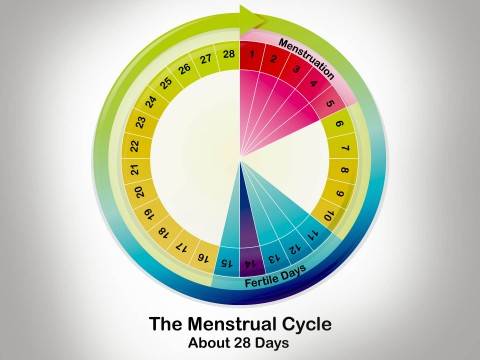
Know your safe period for low-risk sexNot every act of sexual intercourse will result in pregnancy. There are days when your chances of conception are very high and days when the chances are almost nil. Know these days to help you enjoy a rocking sex life! The menstrual cycle starts from the day the bleeding starts and ends about 28 days after that, on an average ovulation occurs around 14th day of the menstrual cycle. The 14th day is the ideal day theoretically. Since every woman's menstrual cycle differs, the day of the ovulation also differs. Hence doctors calculate the fertile period as the 12th day to the 18th day of the menstrual cycle. This is the period when the chances of ovulating and hence getting pregnant are very high. The 1st to the 7th day and the 19th day to the start of the next cycle are the days when the ovulation chances are very less. This means if you make love during these days, there are very less chances of getting pregnant. This is the case with women who have regular period cycles. In case the cycles are irregular, then you would need to do a bit of math for calculating the safe period. For example, if your shortest cycle is of 26 days and the longest cycle has been of 31 days, then- 26-18= 8 and 31-10=21 The 8th day to the 21st day are the fertile days; 1st day to the 7th day and then the 21st day until the day the next cycle starts are the days that are safe to enjoy sex without fear of getting pregnant. Opting to have sex during the 'safe period' isn't fool-proof though. A lot of women have irregular cycles and the cycle length can vary from women to women. That's why the so-called 'safe period' is, in truth, not that safe! And it's better to use condoms or other contraceptive methods like the oral pill to prevent unwanted pregnancies.
FAQS
T&C FAQS