Home
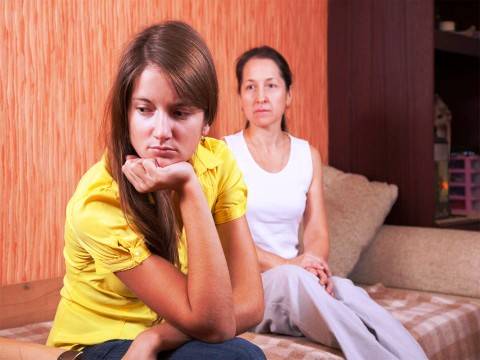
Absent father, violent kids!When children are growing up, they undergo a lot of hormonal changes and have varying emotional requirements. If these requirements are not fulfilled by the presence of both parents, they can develop into violent adults. Single parenting for a mother, is extremely difficult; it is simply impossible for her to fill the void left behind by an absent father. When a couple cannot live under the same roof due to major differences, they separate or get divorced. However, the requirements of the children remains the same; they still need the care and love of their mother and the support and guidance of their father, to grow up without any complications or insecurities. Children usually look up to their father as a symbol of strength and security and in his absence, they might not receive the same support and may feel inadequate and insecure. If during their childhood kids do not get the support and security that only a father can provide, they might bottle up the feelings inside; and these feelings usually explode when they grow into violent adults. A Father's Absence is Critical Due to whatever reasons, if the father is not present in the family during the most important growing periods of the kids, they have more chances of turning to crime and drugs, than the children who have a father by their side. According to a research conducted by the Research Institute of the McGill University Health Center located in Quebec, a father's absence, especially during the child's prime growing period, can lead to behavioral problems when they grow into adults. The research was carried out on mice raised only by their mothers and showed that the mice that were brought up in the absence of their fathers, were  abnormal and aggressive in their social interactions. Gabriella Gobbi, who is an author and a senior associate professor at the McGill University - Faculty of Medicine, says that even though the experiment was carried out on mice, the findings are highly relevant to the behavior of humans, under similar circumstances. Role of Fathers and Fatherhood Another research carried out by Dr. David Popenoe, a renowned sociologist, throws light on the role of fatherhood and fathers. According to Popenoe, fathers should not be treated as mere second adults in the family. Fathers, who are more involved in their family, have a certain positive impact on the children, which no other person is capable of. Fatherhood is an important responsibility and the presence of fathers in a family, directly influences the well-being of the growing children. In the absence of fathers, mothers may try their level best to provide their children with the right kind of upbringing and education. However, they might fail to give the kids the support and strength that only a father can provide. Due to this, children fail to face the challenges of life head on and are unable to handle their problems with an open mind. When a lot of emotions get bottled up inside, in most cases, they find their release in the form of violence. Sometimes, children also lack the right kind of guidance in their growing years and mothers fail to handle their changing emotional requirements, due to which these kids become increasingly frustrated and violent as they grow up.  
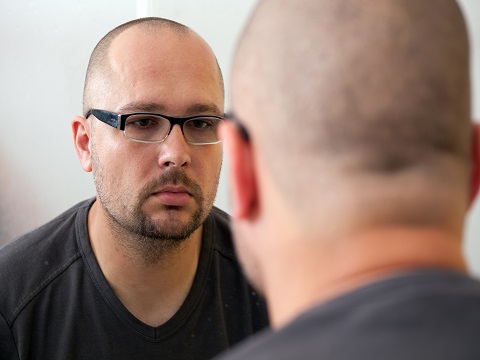
What causes male balding?They say there are 3 types of men: the ones that go bald at the top are thinkers, the ones who go bald at the back are lovers, and the ones who grow bald at both places... only think they are lovers. If pregnancy and menstruation are a female's burden, then baldness is a great inconvenience to men. Some men lose their hair in their youth and thus lose their confidence along with their hair. So what is with baldness and men? Men start having a receding hairline by the time they hit 30, though it could begin in their 20s as well. The most common type of baldness is the mid-frontal type resembling a horseshoe. Earlier it was thought that baldness is caused only by genetic factors, but apparently emotions, lifestyle and diseases also contribute largely to hair loss and baldness. This hair loss can be temporary or permanent. Some medications like anticoagulants, antidepressants, antifungal medicines, chemotherapy etc can cause baldness. Certain diseases like thyroid disease, Crohn's disease, lupus can cause hair loss and baldness. Poor nutrition is an important factor in hair loss. Vitamin and mineral deficiencies along with poor nutrition can pave the path sooner than most other things. Then there are some conditions like Alopecia Areata which cause baldness in patches -- on the head or beard. It is temporary and the hair grow back in about 6 months to 1 year. Corticosteroid injections are used to treat the condition. Air and water pollutants, environmental toxins, conventional styling products have the potential to build up on the scalp. These affect hair cuticle, cause dryness, and weaken the hair causing them to easily break off before their natural lifecycle has ended. If you notice your hairline receding more than usual, then check if you are getting enough nutrition. Exercises like the headstand and handstand send the blood rushing to the scalp and can help with hair growth. Massaging the head with warm oil helps to increase blood circulation as well. Use a shampoo that suits your hair along with a conditioner. Oil your hair overnight at least thrice a week. Keep yourself well hydrated and try vitamin C which can help arrest hair fall. Use a clean comb and ensure that you sun your scalp, as vitamin D is an essential tonic for skin, bones, teeth and even hair.    
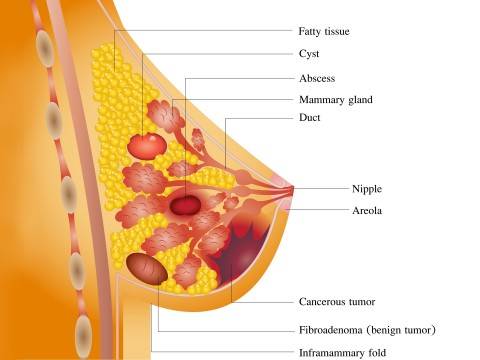
Mammary duct ectasiaSigns and Symptoms In most of the cases, female patients do not have any symptom. In few cases, women may present with nipple discharge, tenderness or inflammation of the surrounding region. In some cases, there may be a lump over the breast or the nipple may get inverted. Causes Exact cause of mammary duct ectasia is unknown. But few possible cause or risk factors have been proposed by the doctors : Increasing age - Probability of developing mammary duct ectasia increases with age. With ageing, the breast changes its nature. Glandular tissue is replaced by fatty tissue. This change may lead to duct ectasia. Smoking- Milk ducts are widened due to smoking. This increases risk of inflammation which may lead to duct Ectasia. Inverted nipple - Inverted nipple obstructs the milk duct. It may lead to inflammation followed by duct ectasia. Complications Complications of duct ectasia may be may be of varying severity. They are usually minor, but sometimes become serious. Localized discomfort- Discomfort occurs due to pain and swelling around the nipple. Nipple discharge - Ectasia is frequently associated with discharge of thick and sticky fluid from nipple. Infection- Bacterial infection may develop due to stagnation of fluid in the milk duct. If it is neglected, it may lead to localized collection of pus known as abscess. Abscess requires surgical treatment. Abscess is drained surgically. Diagnosis The doctor usually diagnoses duct ectasia by clinical examination. However, few investigations may be required. Mammography- X-ray of the breast tissue is known as mammography. It helps the doctor to evaluate the breast tissue. Ultrasound- Ultrasound enables the doctor to evaluate milk ducts beneath the nipple. Treatment Duct ectasia is usually relieved by treatment. Following are the treatment options : Medications: The doctor prescribes antibiotic therapy for 10 to 14 days. It may be accompanied by mild painkillers like ibuprofen, etc. for initial few days till the remission of the disease sets in. Most of the cases are usually relieved by medications. Surgery: If duct ectasia is not controlled with medications then the doctor chooses to remove the duct ectasia surgically. Surgery is required very rarely.  Self care measures Following self-care measures often provides relief to the patients. These remedies can be adopted at home. The patient may wear a breast pad or support bra. The patient may apply warm compression to the affected region. The patient must stop smoking. The patient may be advised to sleep on the opposite side of the affected breast. Female patients should be educated regarding mammary duct ectasia so that they can detect possible symptoms of duct ectasia themselves. This will help to prevent possible complications of mammary duct ectasia and early diagnosis will provide early cure.
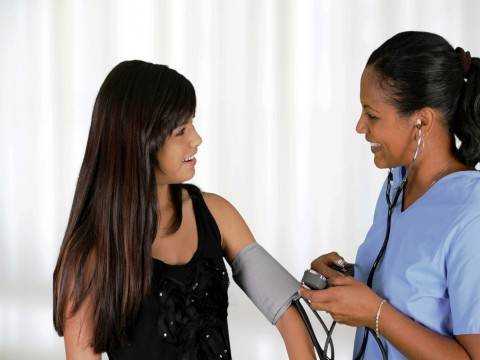
High blood pressure in the little onesIf you are asked to paint a picture of a patient of hypertension, how would it look? Leave the details aside, would you paint an old person, a young person or a child? Most likely, you will paint an old person or may be a middle-aged person. But a child, who would think of a child to have high blood pressure! It may be difficult to believe for most but not only is it possible, its incidence is also increasing gradually. In fact, hypertension in kids is becoming quite common. Studies in USA show that up to 5% children and adolescents have hypertension. What is it? High blood pressure in children and adolescents is also called as pediatric hypertension. Pediatric hypertension is defined by the blood pressure recorded on the mercury, in comparison to the given standard range. As a child grows, there is rapid development in all the milestones. For children, there are percentiles defined for all parameters for various age groups. In children, when the blood pressure is above the 90th percentile but below the 95th, it is called prehypertension. When it is above 95th percentile, it is diagnosed as hypertension. There are no distinguishing symptoms of pediatric hypertension, so it may easily be missed. Please make it a practice to get your child's blood pressure checked on routine visits for medical examination. Why does it happen? High blood pressure in children under ten years of age is usually secondary to some other health condition. It could be due to an underlying heart disease, kidney disease, hormonal disorders or genetic abnormalities. This demands treatment of the main problem. Primary hypertension is noted in older children, over 6-10 years of age and adolescents. There is no specific cause identified for this, other than lifestyle, obesity, rich foods and family history. How bad could it get? Children may show a disordered sleep pattern when they have hypertension. They may suffer from sleep apnea, reflected by snoring or abnormal breathing. Besides sleep, the other effects of hypertension are the known ones. In the long run, it could lead to heart disease, stroke or kidney disease. What to do? It is very important to control the blood pressure from a young age. Regular check-ups and monitoring of the BP is needed. Thorough examination is a must to identify whether the hypertension is primary or secondary. Treatment by medicines is recommended in secondary hypertension, where the underlying condition is to be tackled along with the management of blood pressure. In cases of primary hypertension, medication is suggested only in extreme cases. Otherwise, lifestyle management is the key. It is not a healthy option to start anti-hypertensives this early in life. Give your child healthy food, help him/her maintain the ideal body weight and make sure he/she gets enough exercise physically. The sooner we identify the problem, the better are the results with a disciplined lifestyle. The unhealthy lifestyle is creating chaos in all our lives. How long the kids would have escaped? Our lifestyle reflects on our kids. Follow a healthy routine and keep the family healthy!
Accepting your flawsThere are basically two kinds of 'flaws,' one that is physical and the other that is in your personality. A physical 'flaw' like being too short, fat, or darkis never a person's fault. Thus accepting what you are can only boost your self-esteem and confidence. Despite these 'shortcomings,' it is your character and your achievements that stand out in the long run and not the way you look. The first step in creating a better life is accepting if you are wrong! Personality traits and habits are mostly visible to others but not to you. These are those faults that can cause bitterness in relationships or cause problems at work or in our social interactions. Some people lose their temper easily, some are lazy, and some are rude, while some are either introverts or extroverts. If you have flaws that can cause problems for others then the best thing you can do is to change those negative traits in yourself. Character flaws might be natural, but they can affect others negatively. The first thing in making improvements is to analyze yourself. What are you so angry about ? Is it really some other person's fault or that you have had a bad day at the office? Give it a thought and once you find the answers, you will feel relieved. Accept your physical flaws and love yourself for what you are, as this is the key to lasting happiness. Major flaws like alcoholism, splurging money, borrowing money, or addictions are what one should be willing to overcome. If you accept you have any of these major flaws and need help to overcome them, then you need to seek help. There are professionals who can help out, provided you are a willing party to the process. Improvement will come only if you are willing to change. Remember that flaws are easy to acknowledge and to change;the only thing required is the desire within you to do so.
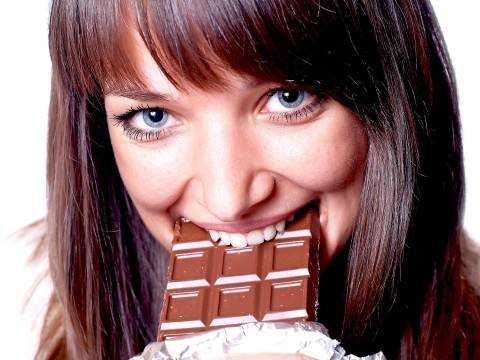
Are you a chocoholic? : Dealing with chocolate addictionSerotonin is a hormone that produces relaxed and happy mental state. This hormone is activated when you consume sweet and high-fat foods. Apart from serotonin, chocolate also contains phenylethylamine which produces feelings of enthusiasm and attraction. The obsession with chocolate is marked by intense craving for it, loss of control over its consumption, and continual consumption despite negative repercussions. Is chocoholism a true addiction? Chocolate is a manifestation of desires and there is also a resistance to it. This cultural phenomenon of mysterious romance and excitement increases the attractiveness of chocolate. Apart from these, advertising and grocery shop displays also connect chocolate with an object of desire, thus triggering its need in times of emotional stress. Though the symptoms shown by those who are addicted to chocolate is much like those who are misusing substance, it is generally not considered an addiction in a true sense, as this is an acquired obsession (through culture and media) than due to bodily changes. Foods like broccoli also contain the mood-altering ingredients, even in higher concentrations. The compulsion with chocolate is considered to be owing to its texture, sweetness, and aroma. Here are a few steps to overcome your chocolate addiction: Step 1- Symptom AcknowledgmentWhile it is not considered a true addiction by many psychologists, most agree that the experience of compulsion towards chocolate is much like the ones towards drugs. It is important to diagnose and check your condition. You need to have a chocolate bite everyday. Generally, a particular time is chosen, like after lunch when your mind is a little discharged and you need that small bit of kick to arouse yourself back to normalcy. If you do not have access to chocolate, you feel anxious and find ways to get hold of a chocolate bar. Step 2- Know The ConsequencesIf you recognize that you are suffering from chocolate addiction, then be aware of the problems which it causes. It will lead to a series of bites where there would be no nutritional value and only fat and sugar induced by the chocolate. You would be needy for the chocolate, and thus, your emotions will be ruled by a bar of sweet. You might get headaches after eating chocolate, but you would still eat it anyway. You might hide and consume chocolate, owing to the disapproval of your companions. Your health will gradually deteriorate with constant burden on your pocket to keep a stash of chocolate around. Step 3- Identify The CauseChocolate is a response to a root problem. For this purpose, you have to carefully observe the nature of your chocolate consumption. Note the triggers to your choco-pangs. Do you eat chocolate to lift your mood when you are sad or upset? Have you been on diet for too long, and because of suppressing the cravings, you see the chocolate bar as 'just one time' deal which is indefinitely extended? Maybe you feel excited and urge to eat chocolate just by thinking about chocolate. Lastly, you might be bored and want to while away your time. In the act of busying yourself, you find yourself munching on multiple bars of chocolate. Did you know that the impact of chocolate on the human psyche is greatly shaped by the idea of chocolate being a representative of romance and desire? Majority of young adults believe that chocolate is a symbol of love and the tendency to get addicted to it is strengthened with the hormones it produces. To avoid chocolate addiction, make sure you work on your eating pattern carefully. Step 4- Empathetic Path to RecoveryOnce you have found the root cause of your addiction, work on your problems gradually and with empathy. Don't push yourself to completely give it up unless you have been medically advised to go off it completely. Step 5- The Emotional EaterIf you consume chocolate when sad, find alternatives to feel better. For instance, some people listen to music or love to play with dogs to feel relaxed. Find your non-chocolaty solution to emotional problems. The best way would be to explore the cause of sadness and communicate with your friend or companion about it. This will nullify the possibility to there being any other dependency shift from chocolate. Step 6- The Boredom EaterIf you find yourself nibbling on chocolate when you are bored, then first become conscious of the act. After having eaten chocolate for boredom for months or years, one has to remind oneself about the act. So, look for other ways to spend your time. Pick up a hobby you like and pursue it. If you are really craving chocolate, then talk to someone who knows about your addiction and can divert your attention. Step 7- Dietary ChangesMake sure you shift to a balanced diet full of whole grain, fresh fruits and vegetables as well as water. You may also include nuts and dry fruits in your diet as well. Step 8- Scheduled Chocolate ConsumptionMake a resolution that you would only have chocolate once in three days (initially) and then slowly taper it off to only special occasions. Step 9- Withdrawal SymptomsWhen you are reducing the amount of chocolate you eat daily, you will undergo withdrawal signs. This will include headache, mood swings, depression, and in severe cases, flu. Be strong and do not give in to the symptoms. Busy yourself with other activities and do not concentrate on chocolate. Step 10- Sleeping, Eating and ExercisingThere are three prime components of healthy living: eating a balanced diet, drinking at least 8 to 10 glasses of water daily, getting adequate sleep (7 to 8 hours), and performing moderate exercise daily for 30 to 45 minutes. Focus on healthy living and build a harmonious relationship with any food item that you consume. Chocolate is a manifestation of desires and there is also a resistance to it. This cultural phenomenon of mysterious romance and excitement increases the attractiveness of chocolate. Apart from these, advertising and grocery displays also connect comfort in modern living with chocolate, thus triggering its need in times of emotional stress.
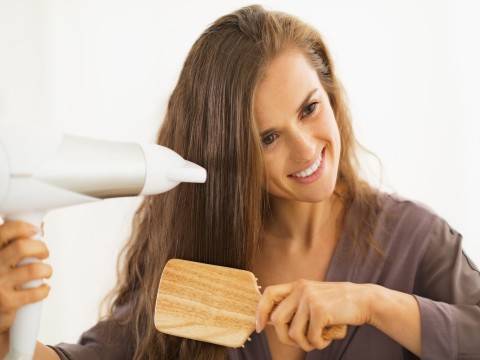
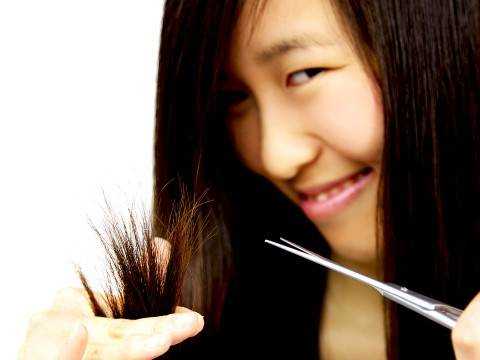
How to say 'Bye' to split ends? Check out these 10 tips!One of the main reasons for split ends is the use of curling irons and other heat-induced styling treatments. When you go for hair products like hair colors or perms, the shield over your hair's shaft that protects it can get stripped off, thus making your hair liable to split ends. You could also be mechanically stressing your hair by pulling them too much while combing or combing repeatedly. Remember that rubbing your hair up towards the direction of the scalp does not lead to split ends. While there is no remedy to treat split ends, there are ways in which you can keep them away. Did you know that a medical research showed that the only way to keep split ends away is to put a stop on the excessive use of chemical on it? Hairdresser, Holly Kensen, says that split ends are the results of pushing out the natural process and pulling in too many chemicals. It is best to stay away from the styling products and embrace your natural hair! TIP 1 : Get hold of a piece of rosemary (fresh ones are the best!) and immerse them in a cup of hot water for 30 minutes. Once the temperature of the water is back to normal, whisk an egg into it. Mix this blend onto your hair. Rinse after 15 minutes using a light shampoo. TIP 2 : Bring home a ripe papaya and cut it into halves. Choose the part which you believe will be sufficient for your hair. Take off the skin and seeds. Mash it until it becomes a paste. Then, drop a cup of yogurt and stir them into a smooth paste. Apply it on your hair and let it hold for about 30 minutes. Use cold water to rinse it off. TIP 3 : Condition your hair with castor oil. Mix equal amounts of castor, almond, and olive oil and apply it on your hair generously. Wrap your hair in a towel and let it stay for 30 minutes. Then, shampoo your hair. TIP 4 : After you have shampooed your hair, apply a mix of cream and milk on them for about 20 minutes. Focus especially on the ends. Rinse your hair with cold water. TIP 5 :If you decide to trim your hair on your own, then don't use the paper scissors! They are called 'paper' scissors for a reason. Get hold of hair shears which will not leave your ends damaged. TIP 6 : Trim your hair every six to eight weeks at least up to ¼ to 1 inch. Due to our environment, it is natural for the hair to get damaged in a few weeks. It is important to remove the split ends and let them grow healthy. TIP 7 : Do not trust products which say that they can 'cure' your split ends. Split ends are not curable. They are preventable. The only thing that these products do is to seal up the splits which only makes your hair unhealthy. TIP 8 : Try to stay away from chemicals as much as you can. Chemicals only tamper with your natural hair and ruin their texture. If you really have to use it then make sure you condition them regularly. TIP 9 : Use coconut oil to fix your split ends. Buy an extra-virgin and organic coconut oil. Before washing your hair, apply about 2 spoons of the oil on your dry hair. Emphasize on the hair ends. If you want, you can steam your hair for some time (about 20 minutes). Then, wash your hair with a light shampoo and condition them. TIP 10 :This is one of the best ways to help your split ends stay away: Get hold of chamomile tea and brew it on a pot. Then pre-rinse your hair with it. After you have rinsed them, wash and condition your hair normally.
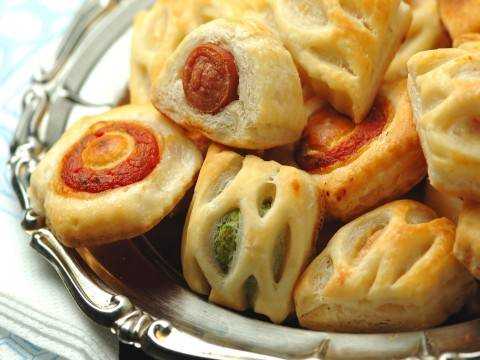
10 best and worst appetizersWhen you are munching on appetizers before your meal, the idea is to eat something that can trigger off the production of your digestive juices in the intestine, so that what you eat next, the food is easily digested. However sometimes, the appetizers are much more complex and heavier on your tummy and can actually reduce the metabolic activity and imbalance the digestion process. Here are some of the best and worst appetizers that are commonly served: Best Appetizers Vegetable Kababs: These highly nutritious and low calorie appetizers are a good alternative to fried items. Grilled vegetables or kababs are prepared by skewering red and green bell peppers, onions, tomatoes, mushrooms and zucchinis. To add to the taste, you may brush over some low-fat herbs and even garlic marinade. Two delicious vegetable kababs, will get you only 75 calories. Crab Cakes: Seafood offers you high nutrition and the best way to include the properties of seafood in your diet, is by choosing crab cakes as appetizers since these offer only 20gms of fat and 300 calories, while providing you with a high level of sodium (960mg). Spinach Salad: The best thing about good appetizers is that they are low calorie foods and provide great flavor and satisfaction while eating. One such fulfilling appetizer, is spinach salad. You can also use other green leafy vegetables to add more nutrition to the recipe. If you eat this appetizer before your meal, chances are, you will eat 10 to 15 percent less of the main course, which is certainly a great way to cut down on the calories. A cupful of fresh salad gives you only 80 calories. Beef Skewers: If you are in the mood to pamper your taste buds, but still want to stick to eating healthy, then beef skewers is the right option for you, in the appetizers section. These are usually served with peanut sauce in restaurants. You can opt for lean beef along with soy, garlic, hoisin, onions and barbeque sauce to make this dish yourself. Quarter to the pound is the recommended serving, which consists of 5 gms of fat, 130 calories and a high sodium content of 803 mg. Stuffed Mushrooms: Potato skins are a common appetizer people go in for, but these add more calories. Instead, you should opt for stuffed mushrooms that are way more delicious. The caps of mushrooms are stuffed with breadcrumbs and the cheese of your choice; and they provide only 50 calories per cup. This means that even if you eat six stuffed mushrooms, you are still within the limit of 300 calories. The worst appetizers are deceptive yet tempting in their looks and taste. But you should always keep a check on the ingredients before gorging on them, for your own benefit. Worst Appetizers Onion Blossom: Fried onions are certainly bad for your waistline. It is always better to eat a starter stuffed with more vegetables, instead of fried things. A restaurant preparation of onion blossom consists of 161 gms of fat, 1,049 calories and around 4100 mg sodium, which is more than double the limit required by an adult, making this appetizer a completely unhealthy choice. Cheese Fries: Cheese fries are one of the worst appetizers; these can be even more overwhelming than your meal itself, which is why health experts advise not to include this appetizer in any type of menu. Sometimes cheese fries actually come with more melted cheese on top, which is obviously worse. Spinach Artichoke Dip: Although this starter starts with the word 'Spinach', it is in no way a healthy appetizer. One dip of spinach contains loads of calories-1600, fat-100 g and 2500 mg sodium. It is certainly not the spinach but the cream base that is rich in saturated fat. Potato Skins: Potato skins have all the high calorie foods such as meats, sour cream and cheese. When you take one pop of these, you will be adding 150 calories, which is quite a big number. Moreover, these appetizers are not filling. A plateful of potato skins adds 1,340 calories, 1,850 mg sodium and 94 gm fat and yet leaves you hungy. Cheeseburger Skins: Although these appetizers look small, there are loads of calories packed in them. One order of Cheeseburger skins can total up to 1270 calories, with an added 2310 mg sodium and 82 gm of fat.

10 simple ways to get rid of hiccupsHiccups are simply a sudden involuntary contraction of the diaphragm. Diaphragm is the muscle on which the lungs rest and it is above the stomach. The contractions happen several times within a minute and goes on for several minutes. Every contraction is followed by the sound 'hic'. And hence the name - hiccups. Sometimes hiccups can occur in the most awkward situations - just before an important interview, just as you lie down on the bed to sleep, or even during a meeting. Hiccups in difficult situation can be a big problem. Some simple tricks could help you get rid of them. It helps to know different techniques you can use to stop hiccups, for only one may not always work. Hold your breath: Inhale deep and long, and then hold on to the breath. This may help the diaphragm to relax and hiccups will stop. Drink warm water: Take about ten or more big gulps of water, with quick swallowing. This will help the irritation of diaphragm to go away. Close your ears: Use a thick small roll of cotton or use your fingers to plug your ears and close it. Do this for about 30 seconds. Alternatively, you can also firmly press upon the soft tissue of the ears from behind, next to the ear lobes. This helps to relax a nerve which then relaxes the diaphragm. Take your tongue out: Pull out your tongue, as out as you can and keep it that way for a few seconds. This helps in better breathing, relaxing any spasms that may be causing the hiccups. Breathe with mouth covered: Press both your palms over your mouth to close it and continue breathing only through the nose. This intends to create a discomfort that will cause some distraction for the nerves and the hiccups will stop. Breathe in a paper bag: Breathe deeply into a paper bag. Do not cover your whole face with the paper bag, just the nose and mouth. Hug yourself: Pull your knees up, close to the chest and wrap your arms around. Hug yourself tight for a couple of minutes. The pressure also helps to relax the diaphragm. Have some sugar: Have a spoonful of plain grainy sugar and keep it in the mouth. Swallow slowly. Lemon at your service: Pick a piece of lemon, put it in your mouth, and let it be there. Do not chew; just suck it slowly for a few minutes. This will also help the hiccups go away. Just wait:  Nine out of ten times, the hiccups will go away on their own, after giving you a little trouble, of course. If you are not too uncomfortable with hiccups, be patient and give them a few minutes. Most likely, they will pass off as spontaneously as they had come. "I think hiccup cures were really invented for the amusement of the patient's friends." - Bill Watterson
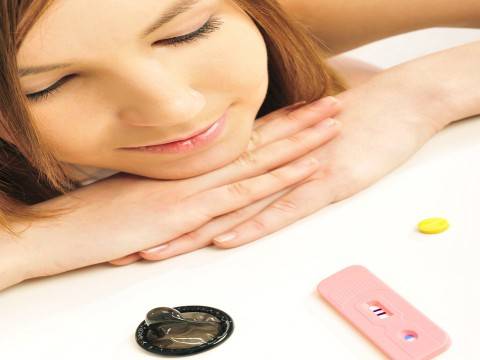
Your questions about contraception, answeredFew couples want to have babies as soon as they are married. Most want to enjoy their sex life without having to worry about conceiving a child in the process. If you are in this group, then here are answers to the most commonly asked questions about contraception. What is contraception? Contraceptionis use of various methods to control and prevent the pregnancy. It allows you to choose when you want to have a baby. What are the various methods of contraception? There are two main methods. Temporary contraception: Caps, combined pills, male condoms, female condoms, contraceptive implant, contraceptive injection, contraceptive patch, diaphragms, intrauterine device (IUD), intrauterine system (IUS), natural family planning, progesteron-only pill, vaginal ring. Permanent contraception: Female sterilisation(tubectomy), Male sterilisation (vasectomy). No contraceptive is 100% reliable and some can have side effects. Find out about all the methods listed here, so you can decide which method is right for you. How soon can I conceiveafter stopping the birth control pills? It is difficult to predict exactly how long it will take for a woman to start ovulating again. Some women are fertile as soon as the pills are stopped and others might take couple of months. Once the periods return and are normalised with normal ovulation, you can conceive a child. What if my period doesn't resume after I stop taking oral contraception pills? If you don't get your periods for several months, you may have what's known as post pill amenorrhea. The pill prevents your body from making hormones involved in ovulation and menstruation. When you stop taking the pill, it can take some time for your body to return to normal production of these hormones. Normally, periods should start again within three months of stopping the pill. But some women, especially those who took the pill to regulate their menstrual cycles, may not have periods for many months. If you don't have a period within three months, take a pregnancy test to make sure you're not pregnant, and then see your doctor.
What Is slowing down your sex driveBeing sleep deprived can lower the levels of sex hormones in your body. Are you feeling dull lately and wondering what happened to your sex drive? May be, the stressors in your life are also creeping on to your bed. Find out some of causes that could be the reason behind this. Lack of sleep: Hectic work and busy life takes a toll on everybody. The first hit is your sleep - the hours go down, the quality reduces and the effects are insufficient. Sleeping six hours or less can push down the levels of testosterone in the body. Testosterone is the hormone that influences sex drive for both men and women. Though it is primarily a male hormone, it is also present in small quantities in all women and drives their sexual desires. Emotional problems: Stress, tensions, depressions, irritability, anger are negative emotions that lower the sex drive. Try not to bring the work pressures home. Marital problems or relationship issues may be hampering your bond with the spouse. Weight gain: Being overweight makes you lazy, tires you easy and decreases your self-confidence, especially in bed. When someone is not comfortable with his/her body image, it affects their sex drive. The pill: If the wife is on the contraceptive pills. The period of ovulation is the time in a menstrual cycle when there is a surge of testosterone in a woman's body. During this period, she experiences a strong sexual desire. The pills regulate the hormonal activity and reduce the sex drive to some extent. Alcohol: If you are feeling a little tipsy, be prepared to pass out and fall in deep sleep as you hit the bed. No scope for sex drive here. In the long run, increased consumption of alcohol can affect erections and make you generally dull. Diabetes Mellitus: Uncontrolled high blood sugar levels lead to impotence in men and dryness of the vagina in women. It also increases the risk for urinary infections. This results in lowered sex drive. Medicines: Some medicines like the anti-allergic ones and the antidepressants reduce the sex drive. Don't let complications of life affect the intimacy in your relationship.
FAQS
T&C FAQS