Home
Making the 30 the new 20 - Some healthy tips for men over 3030s for most men is the age of making money, a firm career and preparing a good and luxurious retirement plan. But in this race of minting money, getting a house, buying a new car, don't you feel you lose the verve to be young in body, health and spirit? Result, you are in the lap of one or the other lifestyle diseases. Well guys slow down and ponder a bit.Your age can be on your side when you try to maintain it not when you extract all energy and fill it with monotony and laziness. 30s can turn into new 20s for each one of you but that can't happen by sitting in front of the TV set watching your favourite game and gulping down a beer. So you need to put your mind and heart together and try to work out options to keep your mental and physical health optimized. Let's discuss few such ways which can be the key to your health post your 30s. Be a part of the maddening crowd Post 30s men have a habit of engaging themselves totally into their work, that very little time remains to socialize and meet people. Studies prove that people who are part of a big social group have fewer chances of heart diseases as they are supposed to be happier and stress-free compared to their counterparts who spend their time in their office files and TV. Be healthy, wealthy and always wise with exercise Hitting the gym would be a trend amongst teens and those in twenties, but you need it the most at 30 as this is the age staying fit is essential to keep all diseases away. If you are not a gym fan then you can try any of the other methods of exercise: Morning walks Joggings Yoga Aerobics Options can be innumerable but you need to choose what suits you and your lifestyle best. Avoid the idiot box Do you spend your evenings in front of the television set? Well that is definitely one of the unhealthy habits you are nurturing then. Television sets make you dependent, which mean very few body movements. The only exercise you get is when you reach for the popcorn or when you fiddle with the remote for the mute button in-between commercial breaks. Also it takes up your time which is meant to be spent with family and friends. So next time you get home from office, try and grab a game with your kid or a nice chat with your wife or walk down the road to your friend's house and go out for some fresh air instead. Say NO to the puff A very common habit which catches hold among men especially since their teenage is smoking. Men who have been smoking since their teens don't feel a need to change their ways and it just seems to get worse. Now in your middle-age you don't smoke for effect but rather as a refuge from all tensions and tribulations or sheer force of habit. You are aware that smoking and nicotine dependence whether through smoking to chewing tobacco can put you at risk of lung cancer, hypertension, heart valve blockages and much worse? Being a bit more sober than you were in your 20s is essential here. Stop the smoke and try to look into the clear air around you. Less alcohol, more life Alcohol not only hits your liver and takes you away from the real pleasures of your life but also makes you prone to all the diseases which starts showing its symptoms in the middle-age only. Increase in anxiety, blood pressure, high cholesterol or other cardiovascular diseases come into forefront more with age. Does that mean you should stop this within a day or two? No, you need to limit the number to one or two pegs maximum a day and you will be fit for a healthy life. Go fishing Now this does not mean you need to hunt for your own food or dangle the bait or go hungry. Just make fish a part of your daily diet. Fish or sea food after stepping in your 30s makes you able-bodied and increases immunity to fight diseases. The necessary proteins, vitamins, essential oils, zinc, selenium etc. can be had through just one source-fish! Bone mania Calcium deficiency a common disease in women in their 30s causes joints pain primarily, now this should never be neglected by men as well because with changing lifestyle, men also are falling prey to it. Declining calcium concentration in your bones post 30s makes them prone to more fractures and bone damages. The right balance between physiotherapy and food habits makes you more agile and keeps the joints squeaky clean! More sunshine Research prove that spending 15-20 min in the sun everyday helps one to keep away from diseases like osteoporosis, back pains, arthritis etc. Requirement for Vitamin D is fulfilled and all readily bodily deficiencies get mitigated. Thus step out in the sun for some time and experience the results yourself. Avoid the junk Pot bellies are a common sight among men as they hit their 30s. You don't have to live with it! Obesity is the starting point of most diseases. Thus what you require is just focus on a healthy diet plan. The burgers and pizzas which might be irresistible to you in your teens should be only looked at dispassionately without bringing your mouth a mile near them. Extra cheese and butter are now not to be served on your platter. A bit hard-hitting but to stay healthy needs to be done without any second thought. Thus the above mentioned pointers can be followed by guys at any age but should be followed rigorously when you hit 30! So, live your life healthiest and to the fullest!  
Honeymoon cystitisHoneymoon cystitis is a term for urinary tract infections that occur commonly during early marriage. Sexual intercourse is the primary reason for developing this infection. The infection occurs when the E. coli bacteria that are normally present in the bowel are introduced into the urethra. This may happen through sexual intercourse, inserting unclean fingers or objects into the vagina. Women who wash their private parts from the back to front also have an increased chance of developing infection. Symptoms of honeymoon cystitis may include a burning or painful sensation during urination, the urge to urinate frequently, cloudy urine, blood-tinged urine, and/or pain above the pubic bone. Any of these is enough o play a spoilsport and dampen your honeymoon mood! Symptoms of honeymoon cystitis generally emerge within a day or two after bacteria are introduced into the urethra. A physician can confirm the diagnosis of infection through a simple urine test. The treatment usually involves antibiotics and pain-killers. What care should you take to avoid honeymoon cystitis from recurring? Use water based lubricant during sexual intercourse Urinate before and immediately after intercourse to flush out the bacteria from the urethra. Drink plenty of water to keep the urine normal Avoid coffee, tea and aerated drinks See a gynaecologist or a urologist if the problem recurs.  Urinary tract infections are extremely common in women and are the leading cause for visits to the doctor.
16 myths about baby careA new mother experiences a range of emotions. Chief among these is fear, which is a result of the love and attachment that she feels for the baby. In such situations, mothers often tend to believe myths that make no logical or medical sense. Myth 1: If I don't breastfeed my baby immediately after the birth, I won't be able to bond with him adequately. Fact: Although the first few hours of a baby's life are important for both mother and child, sometimes due to unavoidable circumstances, the baby is kept away from the mother. For instance, in cases of cesarean delivery, the new born babies need immediate medical attention, and hence are kept away from the mothers.  However, the love and care you show the child over the years will more than make up for the loss of attachment with the baby during its first few hours. Myth 2: Pinching the baby's nose will make it pointed. Fact: Pinching the nose will only hurt the baby. It will not make the nose pointed. It is possible for a baby to be born with a flat or tilted nose if it gets pressed during delivery. But this is temporary and the nose becomes normal as the nasal bridge develops completely. Myth 3: Mothers should not use yellow clothes and yellow food while breastfeeding as it causes jaundice in the newborn.  Fact: The color of the mother's clothes can't affect the baby's health. There isn't any evidence to show the relationship between yellow food, clothes and jaundice. Myth 4: Umbilical cord stump should be cleaned with alcohol swab every time after changing diaper.  Fact: Alcohol may delay the healing. It is recommended to keep stump clean and dry till it falls off. Myth 5: Some babies can be allergic to mother's milk.  Fact: No. A baby is never allergic to mother's milk. Myth 6: Baby should be wrapped up tightly. This helps to straighten the hands and feet.  Fact: A child's limbs develop faster when they are free to move and not wrapped. Myth 7: Holding the baby all the time will spoil him. Fact: Babies cry to express pain, anger, irritability, hunger, sleep everything. Holding or picking him up to comfort won't make him a spoiled child. Myth 8: Do not take your newborn baby outside. Always keep him in the house.  Fact: Fresh air is good for the baby too. Just avoid heat, crowds and unhygienic places. Myth 9: Vaccines cause autism. Do not vaccinate the baby.  Fact: It is a rumor. Immunization is very important to protect the baby against a number of diseases. Myth 10: Babies do not spit up if they are breastfed.  Fact: It is normal for the babies to burp, spit up, and drool. Do not worry about it if the baby is gaining weight normally. Myth 11: Sleeping on the head causes flat head.  Fact: It is advised medically that all babies should sleep on the back to prevent sudden infant death syndrome. Alternate the head position daily as flat head can be caused only if baby sleeps in same position daily for long time. It is an occasional occurrence.  Myth 12: Putting few drops of oil in baby's ears will keep it clean.  Fact: Do not put oil in the baby's ears. It can hurt the tiny eardrums leading to pain, soreness, and even hearing loss. Oil can cause ear infection too. Myth 13: Use crib bumpers to protect head of your baby. Fact: They are not advisable. The baby's head can get wedged against a bumper causing strangulation or suffocation. Bumpers are dangerous. Myth 14: Stop mother's milk if baby fed only on breast milk has loose motions.  Fact: Passing 5-6 loose motions is normal in a baby. Continue to breastfeed. Do not stop it. Myth 15: Attention span is very short in babies.  Fact: Babies, in fact, have excellent attention spans and have interest in the all things around them. This is why babies learn things so quickly.  Myth 16: Wrap up the baby in blanket if he has fever. Sweating will bring the fever down.  Fact: The fever will rise if you wrap the baby in a blanket. Try to keep the child cool and sponge him with cold/warm water to bring down the fever with the doctor's advice.    
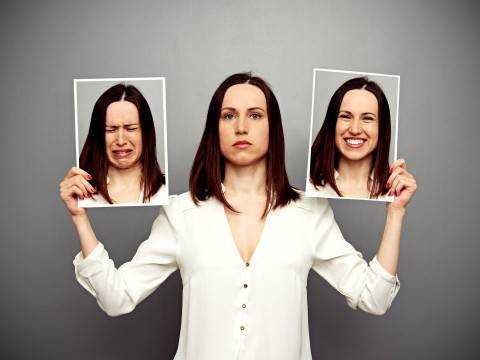
Expression forbidden! - Human emotionsSome people have a perpetual 'bee in their bonnets'! They maintain a demeanor and a mask which is virtually impenetrable. They are generally highly competent and efficient and occupy high positions of authority. They believe in living life set to a routine, and the worst part is that they expect others to adhere to it as well! God help those who have a boss like that, as their immediate liberty is at stake, and unless they are honing to be perfectionists, life is going to be a series of disasters with Captain Ice around! Nothing wrong with perfectionism per se, but when someone is a hard task master then he could well earn himself the epithet of being "a crashing bore," especially if he doesn't allow others to express themselves properly. Take a more intimate scenario - Mr. Bright Harry meets tepid Sally. The sparks fly only on Harry's side with Sally stonewalling his every effort to get to know her mind, body, and soul. A tough ask for poor Harry, as he is yet to touch first base with Sally. Know what? They have been married 5 years and she seems to be fond of him, yet has never as much admitted it to him. Quite frankly, the two could pass off for siblings rather than 'man and wife.' Why are some people such rotten spoilsports, especially where emotions are concerned?  It may well be a natural mindset for some to have an emotional guard up and emote, or have an emotional connect only with certain types of people. Fair enough and good show, we say! After all one can't be wearing one's emotions on a sleeve or you end up been taken advantage of. That's a mask that most 'tough guys with soft centre' wear anyway. Nowadays with the rules being somewhat relaxed with men been given liberty and allowances to display their gentler feminine emotional side, we find men going over the top with the sheer display of emotional expression. One is at sea wondering which one was worse off-the tough, cynical cop look or the "let me weep my heart out for you" kind of contrived emotion. That apart, it is bad enough for us having to contend with a person who has difficulty with expressing himself properly. We don't mean articulation or even well-developed linguistic ability - we mean being able to be spontaneous and congenial and a little forthcoming and nice to be with sort of an emotional person. So, unless someone has a romantic angle towards this guy (there are weirdoes all over the world, who go asking for it!) or girl, he is going to be feared, hated, despised, unloved, and uninvited by everybody. So why do people behave like they are going to be flogged for even attempting a ghost of a smile or a cheerful greeting to a fellow co-worker? Why do some people find it difficult even to open up on a psychiatrist's couch? The Mask The most common reason for Mr. or Ms. Grumpy is that they have probably been emotionally brutalized in their formative years by an authoritative parent and this has caused them to lock themselves up double quick in a shell and throw away the key. Now, that can be tough and extremely painful. It is a prison of their own making through which nobody can see that once bright-n-chirpy personality frozen, much like the curse of the wicked witch in those fairy tales we read. The person is dying to let his emotions out and let people see who he is, but since very little light escapes out due to the tough mask and veneer, that it is an uphill task. Then the sheer anger at not being understood, subconsciously plays havoc and then he gets to be the more demanding boss at work or that sullen wife or lone stranger staring in to nothingness on the park bench. These are the people that have a series of relationship disasters as their defence mechanisms are too solid to be penetrated. Some people may be naturally distant, and for them the finer and higher emotions probably don't register as much as they do in the average person. These guys are cut out for careers ranging from lighthouse keepers to morgue attendants to hangmen, where being emotional has no place. There are still others who swing the other extreme by showing so much of emotion that it is scary for others to take them on. Their emotional side is so overwhelming and demanding that it is actually a clever subterfuge on their part to drive people away as they subconsciously do not want people to get to know their real side. They generally don a mask of humor and good cheer and are great fun to be with. In reality, they are alone and scared and perhaps hurt emotionally. So, they feel safe to display emotions to masses rather than individuals. These people make good evangelists and rock stars as they can safely display and get an emotional discharge without running the risk of a one-on-one emotional exchange where they are afraid they would be hurt. If you encounter such a person who looks askance at you displaying your emotions, then it is better for you to talk things out and maybe put things in perspective. Of course, this all depends on whether you are emotional enough to maybe give someone a chance by understanding what drives them to do the things they do. Let me assure you the ice will thaw if the intention is genuine and well meant.
The age of nutritionAdvantages of Healthy Eating: Increased mental acuteness Resistance to illness and disease Higher energy levels More strong immune system Faster recuperation times Better management of chronic health problems Eating Obstacles for Seniors:  Lifestyle changes: Lifestyle changes can be an eating obstacle. For example single seniors may not know how to cook or may not like eating alone. Activity level: Seniors often cut back on activity for physical and medical reasons. Weight gain can result from the decrease in calories burned. Metabolism: Every year over the age of forty, our metabolism slows down. This means that even if you continue to eat the same amount and kinds of food as when you were younger, you're likely to gain weight because you're burning fewer calories. In addition, you may be less physically active now. Taste and appetite: The senses of taste and smell diminish, so one may be inclined to season one's food more heavily than before even though seniors need less salt than younger people. One may struggle with loss of appetite due to lifestyle, loneliness or a medical condition. Health Issues: Physical ailments and prescription medications, become a daily exercise, and ends up often negatively influencing appetite. Digestion:Due to changes in your digestive system, you generate less saliva and stomach acid as you get older, making it more difficult for your body to process certain vitamins and minerals, such as B12, B6 and folic acid, which are necessary to maintain mental alertness, a keen memory and good circulation. Emotional Factors: Emotional factors such as loneliness and depression can affect your diet. For some, feeling down leads to not eating and in others it may trigger overeating. Specific Nutritional Recommendations for Seniors: Some important guidelines for seniors include Reduce sodium (salt) to prevent high blood pressure, Monitor fat intake in order to maintain healthy cholesterol levels Consume more calcium and vitamin D for bone health Eat more fibre-rich foods to prevent constipation Cut back on sugar and on dry foods Ensure getting recommended amount of important vitamins and minerals Increase water intake, and Perform regular physical activity Eating well as you age is easier than you think: Focus on good carbohydrates. Opt for whole grain nutrition (brown rice, whole wheat bread, rolled oats, barley, and millet), not refined "white" products, such as white bread, white rice, or products made with white flour. To manage weight and maintain optimum health, focus on eating efficiently. This means choosing foods that maximize nutritional value, not calories. Whole, natural, fresh foods such as fruits and vegetables, whole grains, nuts, legumes, healthy sources of protein (poultry, fish, eggs, and tofu) and dairy products that contain calcium constitute efficient eating. Highly processed and refined foods usually contain more calories and fewer nutrients. Raw equals roughage! Aim to eat at least one daily serving of your fruits and vegetables raw. This not only preserves their nutritional value, it's an easy way to eliminate constipation. Steaming is the best way to cook vegetables; it preserves nutrients. Light sauting is next. Bone up on calcium. All dairy products are not created equal. Milk, cheese and yogurt retain their calcium content; cream cheese, cream and butter do not. As part of a healthy senior diet, choose fat-free or low fat dairy products. Choose first-rate fats. Get your "good" fats from oils such as olive oil and sunflower oil, avocados and avocado oil, nuts and seeds. Keep it moist. In addition to drinking enough water each day, aim to consume foods with high water content. Staying properly hydrated flushes toxins from your body, relieves constipation, helps keep your joints flexible and your mind clear. High water content foods include melons, grapes, cucumbers, onions, apples, cabbage, and, of course, soup.

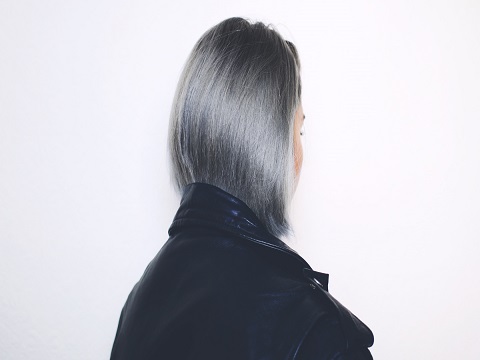
When the grey matters!Greying of hair happens to all of us at some point in life. Some may get it early and other fortunate ones may get it when they are 50. Premature greying and hair fall is a common problem faced by 70% of females in India these days. What are the causes of greying of hair and what can be done if your hair starts to go grey early? What are the probable causes of grey hair and hair fall? Deficiency of nutrients in diet. Excessive stress. Dandruff. Diseases like thyroid disorders, anemia, and vitiligo. Side effects of certain medication. Hair problems are seen more in women who smoke or drink. Childbirth and menopause are the periods of life when most of the women invariably have hair loss. Hereditary pattern of premature greying. Today's beauty procedures like coloring, bleaching, dyeing, perming, and straightening cause hair problems at a young age. Environmental pollution. Treatment and prevention Have a balanced diet. Ensure proper nutrients reach your body in every meal. If you are anemic, treat it with proper medication. This can be an underlying cause. Have a good sleep. Avoid tension and stress. Apply oil regularly and massage. Drink lots of water. Avoid exposure to chemicals. What can be done to hide the grey hair? Apply amla oil to your hair to make it healthy. Apply henna, lemon juice, fenugreek seeds paste, made in an iron container, on your hair to give them a color and reduce greying. Boil gooseberry pieces in coconut oil. When they turn black apply it on the hair. If you have 45-50% grey hair then you can use a permanent hair color.
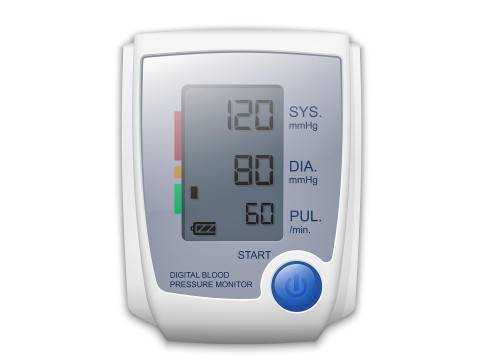
Advantage of the average - Automated continuous blood pressure monitoring technologyAlthough mercury sphygmomanometers (though a deadline is set for them to be phased out due to environmental concerns) are still considered the gold standards, the Aneroid and Digital counterparts represent the future of blood pressure monitoring. The need of long-term blood pressure monitoring arises with disorders and health conditions that demand more attention from the medical teams. Experts say that the fluctuations in BP in conditions like cardiovascular diseases, pregnancy, etc., if tracked at regular intervals, can reduce 22% of risks due to delay and no treatment. This necessity pushed the invention of invasive arterial blood pressure to be used during surgical procedures and further a continuous noninvasive arterial pressure measurement (CNAP) system. There have been multiple researches to overcome some of the roadblocks in measuring the arterial blood pressure in the noninvasive and external approach. Among these developments, the need for measurement of mean blood pressure was felt and the 24-hour BP variation in the patient was taken into account. The 24-hour model eliminates the errors in readings taken during clinic visits due to factors such as fluctuations as a result of white coat fear or after-effects of some stress or exertion. Trendsetting New-age Technology : In 2004, the medical world received the BpTRU non-invasive automatic blood pressure monitoring device. BpTRU devices proved to be a superior and more precise alternative when compared to other manual BP assessment techniques and even other 24-hour ABPM alternatives. The automated oscillometric devices precision and accuracy of assessed BP and heart rate is earmarked with a unique automatic technique - the device records 6 consecutive BP readings of the patient, discards the earliest, and the rest of the five values are put to average function and instantly the resultant mean BP reading flashes on the screen. Compatible with guidelines of American National Standard/Association for the Advancement of Medical Instrumentation (ANSI/AAMI EC13:2002) this is a time-saving, portable, and user-friendly device. A compact and automatic wrist cuff BP monitor, the smart blood pressure monitor that can be synchronized with with Apple’s iOS devices and a Bluetooth connectable and Android compatible blood pressure monitor marks the revolution of CNAP in modern times.
Winter - When your heart feels the cold too!As per a study in America, 193.6 people of every 10000 people die of a heart disease every year. 53% of the heart attacks occur in the winter months. Heart diseases have a seasonal trend as found by medical research recently. A team of medical researchers recently conducted a survey which saw 10,000 participants between the ages 35 to 80 from around seven European countries. The study was conducted to see if there is any seasonal variation in the presentation of heart diseases. The participants were measured on the parameters of blood pressure, waist circumference, body mass index, blood glucose levels and blood lipid levels. The parameters were later adjusted for sex, age and smoking. The results revealed that the incidence of heart disease shows an upward trend in the winter month [Jan to Feb] as compared to the summer months [June-Aug]. The researchers accept that there is no logical explanation to these findings. A plausible cause being the fact that the eating habits change in winter. One tends to eat more which in turn increases the cholesterol levels leading to heart diseases. Several other theories are being put forth. According to one, during the winter months the body undergoes hormonal imbalance. The day and night variation in the hormone levels, especially that of cortisol varies. This results in a lower threshold for heart attacks. Yet another theory says that the cold temperature tends to constrict the arteries narrowing the blood flow to the heart tissue and this result in a heart attack. On the basis of this study, scientists advise that more attention is to be paid to heart health during the winters.
Sex at 50 for womenAs you age, your reflexes slow down. The passion to love and to be loved is never dying and just because you have grown in age, you should not stop enjoying sex. The body, especially in case of women also undergoes many changes after the menopausal period. Although it may take you more time to become aroused but the desire to have sex is always there. Moreover, with no children and no worry of getting pregnant you can enjoy sex uninterrupted without any tension. Women who continue to remain sexually active after their menopause retain their ability for enjoying normal orgasms. But this does not mean that there is no difference in the enjoyment factor. Several factors can be detrimental in continuing sex activity. However, there are solutions that can help the couple in their fifties still enjoy sex. Better sex can be possible even during the fifties but for this, you should be ready to take some extra efforts and make your body more comfortable for sex. Using lubrication After the menopause, the body of a woman starts producing less female hormone-estrogen. Lower estrogen level leads to physical changes such as less elasticity of vagina, dryness in vagina and so on. Your vagina may also take more time to swell and lubricate; in turn making intercourse painful or uncomfortable. Instead of getting discouraged by such occurrence, you should try to find out a remedy for it. For overcoming the dryness of vagina, you can use different sexual lubricants that are specifically prepared for the older women. You get them in suppositories or gel forms, which you apply liberally to the vaginal area before having sex. There are certain vaginal moisturizers also available in the market that makes vaginal penetration easier by maintaining elasticity and lubrication. Increase the frequency The more often you have sex, the easier it is for you to maintain elasticity and lubrication. So, go for it more often to enjoy it more now. Hormonal therapy treatment If you are suffering from distressing menopausal symptoms like hot flushes, you can opt for hormonal therapy treatment. This will help to relieve the vaginal dryness. Some doctors also suggest local intra-vaginal therapy to avoid discomfort and dryness during penetration. Application of local estrogen into the vagina enhances the blood flow to this area and ensures more sensation and lubrication. Intra-vaginal estrogen treatment This treatment is carried out in three different ways: A small ring of silastic is inserted high inside the vagina and is kept there for three months. This ring release estrogen in right amount to promote optimum vaginal health. A small tablet of estrogen is inserted inside the vagina twice in a week. Conjugated estrogen cream is applied with small applicator twice in a week. So, there are different methods for increasing responsiveness, vaginal lubrication and elasticity that help you enjoy sex better even in your fifties. Overcome awareness about your body The body of women in fifties is saggy and wrinkled. However, if you have a young heart and passion for sex, you should not let the body image spoil your enjoyment. It is your response towards your partner that matters the most as both of you are going to age slowly and get more wrinkles as the age progresses. Like someone said, it's the imperfections and not the perfections that we fall in love with.
Sex after 40Sexual changes in normal aging after 40: Erection takes longer time Require manual stimulation, particularly by partner Erection may subside during foreplay or coitus Decreased frequency of nocturnal erection Pre-ejaculatory fluid decrease or absent Ejaculation less forceful Seminal fluid volume decreases or absent Frequency of desire for sexual release decreases with age. Aged couples learn to cope with their own sexuality. Some are happy with foreplay and self masturbation, others insist on more usually it is the male. Frequency of sexual intercourse between 20-95 years : Sexual intercourse decreases with age as the study shows. Decreased during 5year interval after 34 years Weekly frequency: 30 - 34 years 2.2%; 60 - 64 years 0.7%; 65  - 74 years 0.4%; 75 - 79 years 0.3% Do we need to change this pattern with Viagra? I would say yes - sex can be  joyful till the last days. Nobody needs to be impotent now. Home devices like rubber bands, ribbons are also used to hold the blood back in the penis when the erection is not adequate. Vacuum pump to draw blood into penis with an application of a ring after erection is also found suitable by some. Active intervention by drugs (both allopathy, ayurvedic and unani) have been successfully developed. They may be applied topically (minidoxil), inhaled (amyl nitrate) inserted into the urethral passage, injected into the corpus cavernosa or taken orally (Sildenafil, Tadalafil, etc.). Finally if all fails silastic rods can be implanted in the penis to give permanent erection. The joy of living lasts a life time.
FAQS
T&C FAQS