Home
Career advice for menGetting a job these days is extremely difficult. What is even more difficult is sticking around long enough at the job. No one is indispensable, and if you don't perform well, there are hundreds more waiting to get the job! Being the bread winner, men have to face this pressure more. Here are some tips that would do you good, if followed: Cracking The Interview: The golden rule here is to be honest. The interviewers do not want to hear what will please them; So, do not try to butter them up. They are also put off by boasting . Therefore, be honest about your views and opinions. Age:wise Attitude- When you are young, and have just entered the company, it is highly advisable to observe and learn as much as you can. Find yourself a professional mentor who can guide you. Try and build on your professional presence. Be active, spend more time with your boss, be helpful to your juniors. The golden advice for all, irrespective of seniority, is to stay clear of office gossip and politics. Keep a check on the attitude: There is no need to be arrogant, and a know-it-all. Be friendly, confident, and genuine. Learn to say no: You need to have a pleasing personality. But, avoid trying to please all. Try and learn the art of saying no firmly. Too much of 'yes' will make people take you for granted, and you will find yourself overloaded with a lot of work. Do not under price yourself: If you feel that you deserve a raise, go ahead and ask for it. Do not be afraid to ask for your worth. Often at interviews, employers cancel out candidates who under price themselves, as it shows that they will probably not perform to the expected levels. Blow your trumpet: With all humility make sure you take what is rightfully yours. If you don't take credit for the work, no one will give it to you. Worse, someone else may take it! Create boundaries: Keep your work at office. Do not bring work home. Often at the outset, to please bosses, one ends up working overtime or worse, working at home. It is important to keep both the parts of your lives separate. Keep fit too: Don't let your job take a toll on your health. Working late, sitting at the same place for hours, can be harmful for the heart. Learn to unwind periodically. Setting goals is easy. What is needed is the determination to follow the rules you have set for yourself. The way to success at work is taking the ladder, one step at a time. There is no elevator here.
Caught in the snore snare....A real nightmare!Snoring is caused due to obstructed air movement during breathing while sleeping. It may suggest an underlying medical problem like obstructive sleep apnea. Studies have also revealed a correlation between snoring and risk of heart attack. There are different reasons for snoring and to find out the exact reason and the right solution is important. Snoring affects the quality of sleep can cause irritability and fatigue. Snoring causes poor quality of sleep, irritability, lack of concentration the day after the deed. Snoring is a tad like fingerprints , no two sets are the same and so it is with snoring, There are different rhythms or snoring patterns and even the reasons for snoring vary. Snoring or that irritating sound which people make through their mouths and nose while asleep happens because of narrow airways failure of air to pass through the respiratory system easily. The air vibrates against the obstruction in airway causing the sound of snoring. The air is unable to escape normally through the airways and hence it causes that grating sound with each inhale and exhale. Yes that sound which makes you wish you could smother the fella with a pillow. We say fella because men are more prone to it than women. Snoring can happen due to various reasons: Habits: Those who smoke and drink regularly are likely to have a more relaxed set of jaw muscles causing them to snore readily and loudly. Weight: People with excess weight and poor muscle tone are likely to snore more. Age: The wide open mouthed gape kind of snoring usually happens in old people as the breathing muscles lose their tone somewhat. Posture: General posture and sleep posture in particular can affect snoring patterns. Especially, sleeping with the back flat against the bed constricts free exhalation. How to put a clamp on your snoring? If you have a snoring problem evaluate how serious it is and then take the necessary elimination strategies. Understand that your snoring can cause sleepless nights to your partners, family or whoever is within ear shot so instead of going in for fancy anti-snore devices which don't do a thing to help If this is a recent habit then consult your doctor and have him re-evaluate any medications that might be responsible. Try and establish a regular sleep time and ensure that you follow it to the T. Exercise to lose weight as losing flab around the throat can lead to better sleep. Ask a partner to awaken you if you snore too loudly as regular jabs in the gut can help train the mind to behave. Blow your nose out before bed time as clear air passages is what you need. Any nasal constriction or chest congestion is really what gets you started. Sleeping on your side is a better option than sleeping on your back. Before hitting the sack try and hum a few bars of the blues as singing can help tone the vocal cords and they are less likely to go into vibrate mode. According to help-guide.org there is a rather quaint method to cure snoring and that is to play on a certain musical instrument called the 'Didgeridoo' which is supposed to strengthen the soft palate and throat muscles. If you have no Australian connections then don't despair as rolling your tongue out from all sides before sleep can work just as effectively.
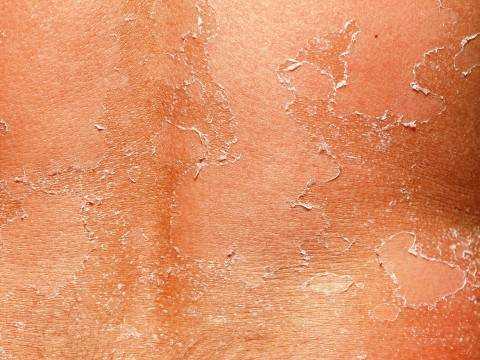
Woman, look below your face too!Skin problems are not restricted to the face alone. There are several places where there could be problems. You don't have to grimace and bear it always! Moles: A mole is formed when the skin grows out in a crop or cluster. Moles can be quite harmless. At times, moles are also precursors to serious melanomas. If your mole suddenly grows big or changes colour or starts to bleed, see your dermatologist right away. He will advice a biopsy to rule out anything serious. It is always safe to be in the clear! Rosacea: This is an irritating skin condition that is brought on by specific triggers. It is usually manifested as red spots on the face, flushing or small red eruptions on the face. This condition has multiple triggers, the most common one being the sun. With no cure being available for rosacea, avoiding the triggers like sun, alcohol and extreme temperatures is the only solution. For moderate to severe cases, topical or oral antibiotics are prescribed. Depending on the severity, laser treatments that zap the blood vessels that cause the flushing can also be opted for. Ingrown hair: Too much of waxing and shaving results in the hair growing haphazardly. It results in hair curling up and growing up backwards. It can be a painful condition, especially if it gets infected. Wipe the skin with a cloth dipped in warm water to soften the skin so that it can grow freely. If the pus has already found its place, dab a bit of benzyl peroxide on it. Stretch marks: When your skin stretches with rapid weight gain, as in pregnancy, the result is unsightly stretch marks. Stretch marks, though a proud and happy achievement, can be an embarrassingly reality too! Treatment for them is possible when they are still fresh and pink. Applying a vitamin A or retinoid based cream regularly helps reduce the visibility of the stretch marks by making the skin more pliable. White spots: White spots can be anything from PMLE to Vitiligo. Polymorphous Light Eruptions are the typical whitish spots that come up on the exposed parts when you are out in the sun too much. It occurs due to the damage to the melanocytes by the harsh rays of the sun. In some cases, there are antibodies that the body produces against the melanocytes that go around killing the melanocytes in random places. This causes large white spots at random locations on the body which typically spread. So use a sunblock every time you step out into the sun. If you find the spot growing in size, consult your dermatologist. He may determine whether it is vitiligo. Vitiligo has no cure, there are oral medications available, which along with the sunrays help restoring some color to the skin. Birthmarks: These are pigment cells that are overgrown. Most birthmarks fade over time. However, if yours starts growing and changes to a dark brown color, get yourself checked by a skin specialist. Chances are that it could be a melanoma. Birthmarks are usually harmless and do not require removal except for cosmetic reasons. However certain medical conditions like melanoma also warrant their removal. Varicose veins: When blood in the legs isn't unable to pump up against gravity or if the valves of the leg veins are faulty, the blood starts stagnating in the leg. This causes the legs to swell and the veins to look prominent. This painful condition occurs in obese people, at times in pregnancy and in people with jobs that requires them to stand all day. Resting with the feet above chest level is a solution for mild to moderate cases. In severe cases, the solution is laser treatment. Scars: As a child, you burnt your leg by accidentally placing it on the hot silencer of daddy's bike? You may still have a scar to remind you of that incident! Scars happen after an injury to the skin's collagen and elastin. If scarred, you may have to live with it. However, there is no reason why the new injuries have to have reminders for life. Skin discolorations, keloids or pockmarks from acne attacks, whatever the scar, there are multiple creams and laser options available to treat them. Age spots: Also called Liver spots, they have nothing to with either your age or liver. They are caused when your skin produces extra melanin to cope with your sun exposure. Alternate application of a bleaching cream like hydroquinone and an exfoliating cream like a retinoid based cream can help lighten the spots. Do this under your dermatologist's guidance only. Other options include chemical peels and microdermablasion. Lasers are last option treatments for stubborn old spots. Eczema: This is a long-term skin disease, also known as atopic dermatitis. Most common symptoms include dry and itchy skin, rashes on the face, inside the elbows, behind the knees, and on the hands and feet. Currently, there is no single test to diagnose eczema, so doctors rely on information about you and your family. Treatment options do not include cure, only immediate relief from the inflammation and itching can be obtained. Hives: Hives are the red and sometimes itchy bumps on your skin. They usually appear as an allergic reaction to certain foods or drugs. People who have some form of other allergy are more likely to get hives than people who don't have any allergy at all. Other causes include infections and stress. Hives usually go away on their own, but if you have a serious case, you might need medical help. Skin is the largest organ of our body. It is the protective barrier between our body and the outer harmful world full of bacteria, viruses and other dangerous microbes. Hence, it becomes extremely essential that caring for our skin should find top spot on our health care list.

Pregnancy and HIVMothers with higher level of viral load have been found to deliver infected babies. However, no amount of viral load can be safe as infections can occur any time during pregnancy. A high level of precaution is necessary during this phase. Mostly infection occurs during delivery but that's not the only way through which it can spread. HIV-infected mothers should not breast-feed, as virus can transmit through breast milk too. Antiretroviral medications are used to reduce chances of transmission of HIV. Keeping delivery time shorter can reduce the risk of transmission. Most of the times babies born to positive mothers are positive for HIV. Babies infected with HIV will have antibodies made in their system and will continue to test positive. But if babies aren't infected, the mother's antibodies in baby's blood will eventually disappear and babies will test negative after about one to one and half year. HIV positive women should consider possible problems with antiretroviral medications for HIV before getting pregnant. Talk to the doctor about choice, indications, and contraindications of these drugs. There's a risk of missing doses due to nausea and vomiting during early pregnancy, hence giving HIV a chance to develop resistance. Some doctors prefer the practice of stopping or modifying medications during pregnancy to lower the risk of birth defects. Short course of treatments can help eliminate or reduce risk of transmitting HIV to a newborn; but, short treatments increase the risk of resistance to the drugs used too. There is a risk of birth defects due to antiretroviral drugs during the first 3 months of pregnancy. Pregnancy does not worsen mother's HIV disease, but any HIV positive woman planning to get pregnant should discuss treatment options thoroughly and all the pros and cons with her doctor.   
Anger management for your teenaged daughter - Handling difficult teenage times If one fine day you find your daughter suddenly reacting differently to a particular situation, do not be surprised, especially if she is in her teens. The outburst is beyond her control and she herself is confused by her own behavior, at times. It's important rather than scolding her for her misbehavior, one must wait for her to calm down and then speak to her regarding the incident when she is in a jolly mood. It is impossible to forgive such behavior if it repeats regularly, though. Here are some ways to deal with your daughter if she strays the limits of accepted norm for a behavior. You can seek the help of a counselor and understand why this is happening and solve her queries so that she could handle them better in the future. Why do Teenage Girls Lose Temper?By the time, the girls enter their teens they would have become aware about the social etiquettes, importance of looks, acting in an acceptable manner in social scenarios and creating a 'cool' image about themselves when they are outside their homes. So, even if they are hurt, or are angry at something, they do not let it go public, lest their 'cool' image gets shattered. However, the same anger becomes bottled up and vents itself out when they reach home. It's much like the workplace anger showing up at home. This is the place where they can behave wildly and still expect forgiveness. However, that does not mean that you should let your daughter get away with such kind of madness. After she has cooled down, you need to talk to her to find out what is bothering her or making her behave in such a manner. Probably, she may not accept that she has a problem, but you will have to find a way to reach to the root of the issue. More often girls want to be like someone in their college or peer group. They want to fit into a particular group and being unable to do so makes them nervous and distraught. Teach your daughter to believe in herself. Make her understand that she is a unique person on her own and do not need to convert herself into someone else. It may take consistent effort on your part to imbibe all these things into her mind, but you have to work hard to make her understand. Self-Control is the KeyMany young girls do not know how to solve a particular problem when they are faced with it. Apart from taking her to a good counselor, you can discuss problem solving techniques with her. Ask her to understand the situation first, put a foot backwards, relax, and then find a solution to the problem. This habit will make her probe into the problem in a better way and she will be able to handle similar situations when they occur again. You can ask her to write down the problems that are bothering her and ponder over them. You can assist her initially, but as she matures she will find her own solutions depending on her past experiences. Adolescent girls have sometimes trouble keeping their anger, rage, and fear under control and hence their problems should be handled patiently. Brainstorming SolutionsOnce she has ripped apart every aspect of the problem and has come to a brainstorming solution, advise her to write down the plan of action. For example, if she is disturbed due to a particular teacher who does not seem to like her grades, she may do well seeking help through friends who are better in that subject, or for that matter, a bad remark by someone in a group might unsettle her, thereby venting her anger at home. With restraint on your part, make her understand that anger will only block her process to think or find a solution. If you teach her to find answers for the problems in a calm manner, your teenage daughter will surely learn to control her anger and behave normally as she grows into an adult.
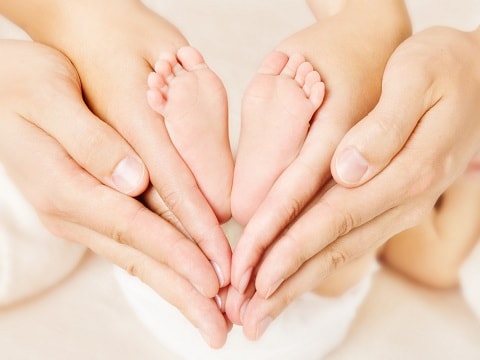
A baby - proofed guide to childcareCaring for kids is an important task. Everyone wishes to nourish kids in a loving and caring yet protective atmosphere. Initial stages of development call for more care and attention. Health, hygiene and safety at home and outside are important when it comes to kids. Here are a few helpful tips to all the parents: Nurture your infants with massage. Learn a right way or get it done from a professional. It is a great therapy to make muscles strong and bond with the baby. Prolonged crying bothers parents a lot. Usually continuous crying for long hours is suggestive of colic or stomach ache. It is the most common problem in kids, the reason being immature gastric system. Do not panic. Keep medicines at hand and give them as per instructions by your kid's doctor. Toddlers often insist on being carried even when they know how to walk well. Make sure to hold them comfortably. Diapering a baby is a skill that must be mastered especially when the baby is fidgety. Holding baby in right position flat on the back simplifies the task. Parents adapt to doing the job effortlessly with practice. Transition period of swapping from breastfeed to bottle known as weaning is a tough task for most of the babies. Consider gentle weaning strategies advised by the doctors. Do not be abrupt. Go slow! Some Safety Tips: Cap and lock the medicines, detergents, chemicals etc. in containers keeping them far away from the children. Bathingwater should be always checked before bathing the baby. Do not leave kids alone near water tub or any water source alone. Avoid leaving baby in a highchair to prevent injuries such asbaby climbing out, falling, or sliding. Lock up all the knives, matches, and plastic bags away from children to prevent poisonings, bleeding injuries, burns and suffocation.
Accepting your flawsThere are basically two kinds of 'flaws,' one that is physical and the other that is in your personality. A physical 'flaw' like being too short, fat, or darkis never a person's fault. Thus accepting what you are can only boost your self-esteem and confidence. Despite these 'shortcomings,' it is your character and your achievements that stand out in the long run and not the way you look. The first step in creating a better life is accepting if you are wrong! Personality traits and habits are mostly visible to others but not to you. These are those faults that can cause bitterness in relationships or cause problems at work or in our social interactions. Some people lose their temper easily, some are lazy, and some are rude, while some are either introverts or extroverts. If you have flaws that can cause problems for others then the best thing you can do is to change those negative traits in yourself. Character flaws might be natural, but they can affect others negatively. The first thing in making improvements is to analyze yourself. What are you so angry about ? Is it really some other person's fault or that you have had a bad day at the office? Give it a thought and once you find the answers, you will feel relieved. Accept your physical flaws and love yourself for what you are, as this is the key to lasting happiness. Major flaws like alcoholism, splurging money, borrowing money, or addictions are what one should be willing to overcome. If you accept you have any of these major flaws and need help to overcome them, then you need to seek help. There are professionals who can help out, provided you are a willing party to the process. Improvement will come only if you are willing to change. Remember that flaws are easy to acknowledge and to change;the only thing required is the desire within you to do so.
Boost your self-esteemSimply believe in yourself. Life need to be made lighter. Pulling yourself down over trivial mistakes and not reaching certain standard definitely does not help.  Your self-esteem affects the way you interpret messages from others. It affects relationships, academic achievement, and living life to the fullest. Thus, recognize your true potential in life and work towards it. Those who have a high self-esteem always have an “I think I can” or “I will” attitude! This makes life much happier for them. Ups and downs in life are inevitable, but this should not bring down your self-esteem. One should work towards maintaining a high self-esteem at all times.  You need to have the power to control your self-esteem. It should not suffer from negative messages from others; in fact, negative messages should be viewed as constructive criticism. There are many ways in which self-esteem can be given a boost. Accept yourself and increase your inner stability so that you will not need validation or attention from other people. Meet new people. Follow examples of successful people. Don’t worry about how others might judge you. Don’t be afraid to try something new. Failures may come your way, but they are the best teachers in life. Make a list of your strengths and weaknesses. Make the most with what you are best at, and strengthen your weaknesses. Focus on the positives and practice positive self-talk for encouragement. Avoid doing things just to “go along with the crowd.” Gather courage to express yourselves and ‘stand out’ from the crowd, as every new encounter is a learning experience. Develop a support system of friends. They will give due emotional back-up. Put into place good healthy habits; ensure the right kind of diet. Controlling the mind is essential for a healthy body. A stress-free mind is healthy and calm, which will incorporate positive thoughts. Give credit where the credit is due. Praise others and accept compliments in good spirit. This builds confidence. Keep criticism to a minimum, as it brings about negativity. Appreciate life. Look your best to feel your best. It is important to be well groomed. Improve your personal living space. Perfect your skills and practice your talents. Reward yourself often. It’s nice to pamper yourself once in a while. Stop comparing yourself to others; this will increase your stress levels unnecessarily. Your self-worth should not be based upon what others think of you, but how you feel about yourself. Communicate with others, colleagues, neighbors, family, and friends. Be social. Do something for someone else – a random act of kindness! They fill up the void and bring about a different level of happiness. It is beneficial to spend some time alone by yourself. Review your mistakes and analyze the experiences in your life. This should be carried out as a self-therapy, and not as a habit. Do not become a loner. Everyone is a unique. No one else is like you in the whole wide world. This makes you special already! Everything starts with you and ends with you. Remember, nobody can insult you without your permission!! A low self-esteem gives rise to health problems like depression, loss of interest in life, and stress. It is not difficult to correct this stage which comes in everyone’s life. Learn to rise above these shortcomings and improve your outlook about yourself. Confidence comes from not always being right, but learning to be wrong. - Peter T. McIntyre.
Beating the weight loss plateauThere comes a stage when you stop losing any weight in spite of strict exercise and diet regimen. This is called as weight loss plateau. When calorie intake is reduced along with exercise, the energy required is obtained from stored fat which eventually leads to weight loss. This rate of weight loss slows down and eventually stops once body reaches its set point of metabolism. This set point varies from person to person. So what can you do next? Here are some easy ways to get the weighing scale budging: Modify diet pattern: Metabolism slows down with lowering calorie intake. To reset metabolism, you need to have an adequate amount of calories. This can be done by including fruits and vegetables, whole grains, and proteins in diet. More energy is needed to burn proteins than carbohydrates or fats. Eat within half an hour or hour after exercising. Add proteins and carbohydrates to diet. Sip water: Increase total water intake in a day. Drink water before, during and after exercise and throughout the day. Change the workout: Change the exercises you do daily. Muscles get accustomed to a routine workout. Switching exercises and continually challenging helps burn more fat and build lean tissue. Change the type and time or duration of exercise. Try cycling instead of running if you have been doing it for long. Running, swimming, dancing, and Pilates too are good options. Skipping and brisk walking help in burning calories too and break the plateau. In the gym, change the exercise or number of repetitions. If you have been working on machines for long, try weight training or floor exercises. Take rest: Adequate rest is essential for the body to rejuvenate. Muscles, tendons, and ligaments get slight internal and external injuries which can be healed by rest. Proper rest helps repair and regenerate the tissue and makes them strong. Make these changes and get the needle on that weighing scale to budge.
Fair skin - A modern obsession!History of Complexion - Complexion generally refers to the natural color, appearance, and texture of the skin, particularly on the face. Originated from the late Latin term 'complexio', complexion is traditionally referred to the temperament which was determined on the basis of the proportion of qualities of hot, wet, dry, and cold in the human body. It was believed that the body carried these qualities depending on the climate in which the individual lived. Thus, a person living in a cold climate was seen to have 'colder and moister' complexion and so on. The biological facet of complexion mentioned below tells us how the skin adapts its color according to the climate it finds itself in. Moreover, it was also seen to represent the character of the person into different categories like melancholic, choleric, sanguine, and phlegmatic. Complexion was the center which reflected the qualities which make a balanced person. Skin color is determined by the presence of pigment melanin. Located in the outer skin layer called epidermis, it is produced by cells called melanocytes. These cells contain receptors which are photosensitive and which detect the ultraviolet (UV) radiation from sun and other factors. In response to this detection, they give out melanin after exposure. The Biology of Complexion - The complexion of the body ranges from very dark brown of Africa and Aboriginal Australia to pink with yellowish hue of the Northern Europeans. In actuality, there is no skin which is black, yellow, red or white in absolute - it is generally a hue of many colors with one dominating over the other. Our biological actuality is not reflected by the words we use for our complexion these days. Skin color is determined by the presence of pigment melanin. This pigment is under the control of 6 genes. Both complexions of dark and light have melanin. Spatially located in the outer skin layer (called epidermis), it is produced by cells called melanocytes. These cells contain receptors which are photosensitive and which detect the ultraviolet (UV) radiation from sun and other factors. In response to this detection, they give out melanin after exposure. Those in tropical latitudes, where there is highest exposure to sun, have darker skin which contains melanin acting as a protective biological envelope against UV radiation. This protective layer prevents sunburns and other damages including those that could increase the risk of melanoma. The UV radiation reaching the earth increases during summers and reduces in winters. The skin adapts to this change by tanning - tanning indicates that your skin is increasing the size and amount of melanin grains to protect against the UV. Thus, your skin color is essentially determined by genetics and the geography of the place you live in. Biological Fact to Social Conclusion - We generally mold the biological fact of adaptability of our skin into a social meter of beauty. The complexion is a biological wonder of the nature which allows the skin to absorb enough vitamin D, prevent many illnesses like anemia, osteoporosis, and rickets determined by its environment. Thus, to claim that a certain skin color is superior to others is to only deny the reality of biology related to our skin and body, thus falling into the fallacy of unjustifiably jumping from a biological fact to a social conclusion. The health of your skin must be the starting point to declaring its beauty, not a presupposed social standard unrepresentative of the reality of the body. Taking Care of Your Skin - Every skin color is determined by its biological framework placed within the environmental setup. It is essential to take care of your skin to ensure that it is healthy and well taken care of : Make sure you eat a well-balanced and nutritious diet. Stay away from junk and heavily processed food items. Sleep for at least 7-8 hours daily to ensure that your skin gets enough time to recharge its mechanism. Drink loads of water to keep your skin hydrated. Go through the daily care routine: cleanse, tone, moisturize, and exfoliate. Use rose water to remove your make-up and ensure that you do not go to bed with make-up on. Keep dirt and germs away from your skin. The best way is to avoid touching your face with hands when you are out. A clean environment is the fertile ground for a healthy skin. Make sure you wash your pillows, their covers and clean the house regularly to keep away pollutants. Stress is one of the main causes of your skin's health withering. Your skin is the outer reflection of your inner mental state. Work towards mental detoxification to cheer up your skin and body.
MigraineA Severely painful persistent headache can put anyone in distress. Migraine symptoms vary from person to person. Some people get intimation before the pain begins. It can be sparkling flashes of light, blind spots, or distortions. Some others experience tingling or "pins-and-needles" sensation in hands or face. This is called an aura. The headache begins within 30 minutes of seeing an aura and may last for 4 to 72 hours. Extreme sensitivity to light, noise, smells, nausea and vomiting, loss of appetite and fatigue, numbness, tingling, or weakness are all-common in migraine. There is no permanent solution to migraines. People suffer for years together and keep on taking painkillers for a long time. Pain killer helps only if taken right at the beginning of the headache. Keep a watch on things that trigger the migraine and try to avoid them. Make some lifestyle changes that can help prevent migraines to some extent. Taking good sleep. Lack of sleep can cause migraine. Appropriate hours of sleep as a routine will help to prevent the attacks. Regular meals at fixed time help to prevent migraines in people who get headaches due to hunger or not eating on time. Regular exercises help to rejuvenate the body and prevent migraines along with many other diseases. Stress is another important cause for migraines. Avoid stress. Learning to manage it will keep migraine at bay. Caffeine triggers migraine in many. Avoid caffeine. Reduce it if quitting is not possible. Limiting alcohol will again be very beneficial as alcohol and hangovers can be the cause. Meditation and relaxation therapies may also help prevent migraine headaches.  
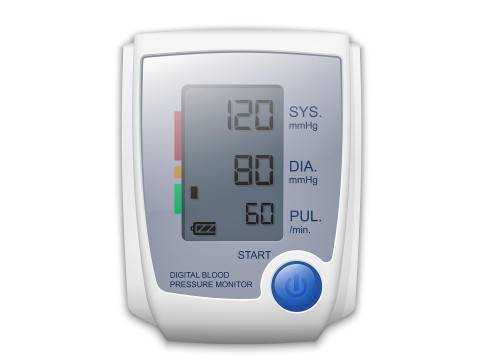
Advantage of the average - Automated continuous blood pressure monitoring technologyAlthough mercury sphygmomanometers (though a deadline is set for them to be phased out due to environmental concerns) are still considered the gold standards, the Aneroid and Digital counterparts represent the future of blood pressure monitoring. The need of long-term blood pressure monitoring arises with disorders and health conditions that demand more attention from the medical teams. Experts say that the fluctuations in BP in conditions like cardiovascular diseases, pregnancy, etc., if tracked at regular intervals, can reduce 22% of risks due to delay and no treatment. This necessity pushed the invention of invasive arterial blood pressure to be used during surgical procedures and further a continuous noninvasive arterial pressure measurement (CNAP) system. There have been multiple researches to overcome some of the roadblocks in measuring the arterial blood pressure in the noninvasive and external approach. Among these developments, the need for measurement of mean blood pressure was felt and the 24-hour BP variation in the patient was taken into account. The 24-hour model eliminates the errors in readings taken during clinic visits due to factors such as fluctuations as a result of white coat fear or after-effects of some stress or exertion. Trendsetting New-age Technology : In 2004, the medical world received the BpTRU non-invasive automatic blood pressure monitoring device. BpTRU devices proved to be a superior and more precise alternative when compared to other manual BP assessment techniques and even other 24-hour ABPM alternatives. The automated oscillometric devices precision and accuracy of assessed BP and heart rate is earmarked with a unique automatic technique - the device records 6 consecutive BP readings of the patient, discards the earliest, and the rest of the five values are put to average function and instantly the resultant mean BP reading flashes on the screen. Compatible with guidelines of American National Standard/Association for the Advancement of Medical Instrumentation (ANSI/AAMI EC13:2002) this is a time-saving, portable, and user-friendly device. A compact and automatic wrist cuff BP monitor, the smart blood pressure monitor that can be synchronized with with Apple’s iOS devices and a Bluetooth connectable and Android compatible blood pressure monitor marks the revolution of CNAP in modern times.
Adrenaline rush - Feel it inside!Imagine yourself at a great height, either scaling a dangerous cliff-hanger of a rock face or on a bungee jumping platform. Some of us who have had the pleasure of doing high adventure sports like racing or indulging in perilous activities like giving out an acceptance speech for the first time are well aware of that strange feeling in the solar plexus, the clammy hands and intensely thudding heart, and the rush of blood to the head just as you are about to take the plunge! The heart beats faster than ever, breathing goes rampant, the senses seem to become supercharged, and the fear, the joy, and the excitement meddles with the mind. That’s adrenaline rush! So what do you want to do? Fight? Or flight? Either ways, adrenaline does it for you. Speaking medically, the two small adrenal glands on top of the pair of kidneys release a magic chemical that gives the animals way towards the fight-or-flight response to counter certain high-intensity situations, called adrenaline or epinephrine. The chemical entity is a hormone, a neurotransmitter as well as a medicine and is too complex to explain its behavior. However, when it works the heart pumps out the blood to the excited muscles and all the juices surge up inside the body. There is more to this topic than just the physiological mumbo-jumbo. The hormone acts every day in the normal course of life, but not regularly to the extent when it produces side effects such as shakiness, palpitation, high anxiety, and profuse sweating! Thats kept for special situations like physical threat, excitement, bright lights, noise, and really high temperature – in good or bad ways. Let us surf through some of the rewarding and a few of the nasty situations where the jolting juice takes charge of our body! The Good ones: Countering Stress: In extreme stress conditions like accidents or fracture, the body needs to react fast and is at its highest awareness. Adrenaline keeps the muscles up and kicking to help the victim fight with the stress. High Energy Requirement: In majority of sports, more specifically in contact sports like Rugby, Boxing, Mixed Martial Arts, etc., the player needs to be in his full sense and topmost concentration level. The adrenaline rush runs in the background to keep them at their extreme self. The Push Mode: Often the daily chores aren enough to excite us and we tend to search for some adventure. In such pursuit of excitement, there are times when the road is a dead end or there is only one way forward – the impossible or most difficult one! The hormone pumps the brain both ways with fear and with the push to conquer the fear and proceed. Adventure Sports often sounds fun, but at times when running ahead of a raging bull, or hanging off a cliff, or rafting down the rough waters of a cascade – feels like the heart shall come out and scream!! It is the rush of adrenaline that keeps one ahead of the fear and explore the high-energy fun of winning over it. Life Saving Moments: In cases of life-threatening emergencies such as drug overdose, cardiac arrest, or pulmonary failure, where the heart and lungs suddenly cease to function and the body gets into a shock –– the epinephrine shots are considered as a life-saving medication to bring the patients back to life (only to be used judiciously by a qualified medical practitioner). The important medical use of adrenaline is in treatment of acute anaphylaxis and allergies under medical supervision. The Bad Ones: Disorders of the Adrenal: Tumors and cancers of the adrenal gland can cause hyperactivity of this high-performance hormone affecting the normal functioning of the heart and the blood vessels by increasing heart rate and creating anarchy in the body systems. Over-Stressed Adrenaline Rush: The demand-supply mismatch in the present world scenario requires one to perform at his/her epitome of mental and physical strengths. In that constant urge of performance, the brain and the body is stressed out so intensely that the adrenaline surge symptoms are experienced by the individual even in the absence of threatening situations. Sudden sweating of palms, shortness of breath, pounding heartbeats, or chest pains without a justifiable reason can be a result of constant stress.
Reasons for skipping sexThe most important satisfaction brick in a marriage's foundation, sex is where we show the greatest trust, most openly express intimacy and make ourselves most vulnerable. It is the most personal and private area of our relationship. It is the one area that separates this relationship from all others. Yet, there are times for both husbands and wives when sex becomes a burden and not a blessing, an inconvenience instead of intimacy, and a job instead of jubilee. Curious as to why people might be skipping sex? This is only a partial list and far from exhaustive. Reasons related to your body: I have a migraine. I have a stomachache. My body is too tired. My breasts are too sore. I am too sleepy. I can't keep my eyes open. I just need to take a little nap first. Okay, but I have a rash. Okay, but I have several weird looking cold sores. Reasons related to your emotions: I am depressed. I am worried. I am sad. Cry Reasons related to your kids: The kids are still up. We might wake up the kids. I just had a baby. This baby is wearing me out. Reasons related to your experts: My therapist said I need to give myself some time. My counselor said I should create some boundaries. I have to see my Gynecologist tomorrow. The Doctor gave me these sleeping pills for stress and I just took one. Reasons related to your spouse: Who was that girl / guy you were talking to on the phone? Sex, Sex, Sex All you ever want is sex! Why can't you just hold me? You should have asked in a more romantic way! Why do you have to use such crude language? Reasons related to your weather: It's just too hot. It's just too cold. It's too humid. Reasons related to your economy: When the economy improves. When the interest rates go down. When inflation goes down Reasons related to your special circumstances: We just got back from vacation! When I lose 20 kgs. Reasons related to your friends: I need to make a call first. My friend said they only do it once a month. Reasons related to your pets: The dog can see us. The cat is on the bed. Reasons related to your finances: Okay, but first we need to talk about the bills. Why did you charge this hotel room on our credit card? Reasons related to your job or boss: I have to get up early tomorrow. I was up all night last night. I had a long day at work today. The boss just gave me a new project and I have a lot of work to do Reasons related to your religion: Doesn't the Bible warn against having too much sex. I am sorry, but I just took a vow. I am giving up sex for Lent. Reasons related to your in-laws: We are in your parent's house. I have not been able to concentrate since your mother Your parents will hear us. Offer an alternative: Can I just take care of you in the shower? Okay, but you have to drive the kids to school in the morning. Use evasive tactics: Sneak in and go to sleep early. Okay, but let's watch this movie first. It's just too late. I'll be there in a minute. (Take an hour) Can we just cuddle? I just need you to hold me. Ask a sensitive question: Did you go to the bank and make our deposit today? Have you seen the kid's report cards? Wait for your spouse to tease you and then say coldly, well, you just lost whatever you were going to get tonight.
FAQS
T&C FAQS