Home
Make no bones about this - Men have osteoporosis tooOsteoporosis is a condition in which the bones of the body lose their strength gradually and become thin and brittle. This is most commonly seen in women who have attained menopause. The reason being the decrease in the hormonal levels, particularly estrogen. Studies reveal that 20% of sufferers are men. Falling levels of testosterone are one of the causes for men developing brittle bones. Men's bodies convert some amount of testosterone into estrogen, which is very essential in maintaining the bone mass. Genetic deficiency of the enzyme that helps the conversion of testosterone to estrogen also is a major factor for men developing osteoporosis. Calcium and vitamin D play an important role in developing the bone mass and in helping the bone grow. Exercising helps too. When you exercise, the muscle gets pulled and the bone responds by growing. Too much of indoors and sedentary work may make men get the less of all three and it eventually leads to weak bones and osteoporosis. Studies reveal that 20% of sufferers of osteoporosis are men. Certain medications like anti-seizure drugs, drugs for prostate cancer and steroids have side-effects that make it impossible for the body to use vitamin D. Using them for a long time reduces the bone mass density and leaves the bones brittle making them easily prone to fractures. Smoking is a vice that has to be quit for more reasons than one. An analysis of several major studies on the effects of smoking shows that smokers have a 55% higher risk of hip fractures and low bone mineral density than non-smokers. Nicotine has also shown to have a direct effect on bone cells. A long list of medical conditions like diabetes, rheumatoid arthritis, and digestive and blood disorders can take a toll on your bones. Long term medications for the same also have side-effects on the bones. How to prevent osteoporosis? Exercise- As young boys, men have usually been exposed to a lot of bone building exercises through sports. This helps in building up on the bone strength and comes in handy in the later years. A brisk walk for 30 minutes 5 times a week and moderate impact exercises help in maintain the bone mass and reduce the thinning of bones. Calcium intake- The daily calcium needs for men is the same as women. Hence, the dietary recommendations remain the same too. 1,000 mg of calcium a day from ages 19 to 50 and 1200 mg of calcium a day if you're over 50.Along with this, make sure you get the required dose of vitamin D too, so that the calcium you eat is absorbed properly. The standard recommended dietary allowance is 400 IU. Some doctors advise to increase the intake to 800 IU. Regular medical checkups will help you to know beforehand about the risk factors and the necessary precautions you will need to take.Osteoporosis in men is as much a reality as in women. However, there are ways to avoid it too. Awareness about the condition and about the ways to prevent it can help keep osteoporosis at bay. Bone mass matters. It could mean the difference between a hip fracture later in life - or keeping an active, high-energy lifestyle.
Caught in the snore snare....A real nightmare!Snoring is caused due to obstructed air movement during breathing while sleeping. It may suggest an underlying medical problem like obstructive sleep apnea. Studies have also revealed a correlation between snoring and risk of heart attack. There are different reasons for snoring and to find out the exact reason and the right solution is important. Snoring affects the quality of sleep can cause irritability and fatigue. Snoring causes poor quality of sleep, irritability, lack of concentration the day after the deed. Snoring is a tad like fingerprints , no two sets are the same and so it is with snoring, There are different rhythms or snoring patterns and even the reasons for snoring vary. Snoring or that irritating sound which people make through their mouths and nose while asleep happens because of narrow airways failure of air to pass through the respiratory system easily. The air vibrates against the obstruction in airway causing the sound of snoring. The air is unable to escape normally through the airways and hence it causes that grating sound with each inhale and exhale. Yes that sound which makes you wish you could smother the fella with a pillow. We say fella because men are more prone to it than women. Snoring can happen due to various reasons: Habits: Those who smoke and drink regularly are likely to have a more relaxed set of jaw muscles causing them to snore readily and loudly. Weight: People with excess weight and poor muscle tone are likely to snore more. Age: The wide open mouthed gape kind of snoring usually happens in old people as the breathing muscles lose their tone somewhat. Posture: General posture and sleep posture in particular can affect snoring patterns. Especially, sleeping with the back flat against the bed constricts free exhalation. How to put a clamp on your snoring? If you have a snoring problem evaluate how serious it is and then take the necessary elimination strategies. Understand that your snoring can cause sleepless nights to your partners, family or whoever is within ear shot so instead of going in for fancy anti-snore devices which don't do a thing to help If this is a recent habit then consult your doctor and have him re-evaluate any medications that might be responsible. Try and establish a regular sleep time and ensure that you follow it to the T. Exercise to lose weight as losing flab around the throat can lead to better sleep. Ask a partner to awaken you if you snore too loudly as regular jabs in the gut can help train the mind to behave. Blow your nose out before bed time as clear air passages is what you need. Any nasal constriction or chest congestion is really what gets you started. Sleeping on your side is a better option than sleeping on your back. Before hitting the sack try and hum a few bars of the blues as singing can help tone the vocal cords and they are less likely to go into vibrate mode. According to help-guide.org there is a rather quaint method to cure snoring and that is to play on a certain musical instrument called the 'Didgeridoo' which is supposed to strengthen the soft palate and throat muscles. If you have no Australian connections then don't despair as rolling your tongue out from all sides before sleep can work just as effectively.
Mother can pass stress patterns to childThe stress patterns in the mother have shown to affect the mental development of children and have been found to play a role in autism and even schizophrenia. "Pressure and stress is the common cold of the psyche." - Andrew Denton There are several studies conducted in this area of research. The results are varied and present a set of multiple issues that children can face if their mothers have been under stress when they were in the womb. In later years, these babies grow into children who have a weak mental state. They cry easily, pick the escape route in conflicts and difficult situations, are anxiety prone and may get easily bullied in social environments. Their social adjustment gets hampered due to emotional weakness. These children are not good at handling weak moments and end up being rubbed off the wrong way, time and again. It pushes them into a vicious cycle. The incapability to tackle socially stressful situations further scares them. They get bullied and become even more vulnerable. What to do? The approach is twofold. Curb the problem in the beginning. Yes, it is natural to be stressed. Pregnancy can be tough, physically as well as mentally. With the modern life, the stressors have increased and there is always so much to do in such little time. Relationships, work, food, health, hormones - there is ample to trouble you. Find a release for the tensions. The one growing inside you needs you to be happy and healthy. Do things that make you happy, keep your happiness at the top priority. Everyone around you needs to understand that. Reader, if you are the husband, parent, sibling or friend of a pregnant lady - support her, understand her and do all you can to make her smile. Do not be the one who reprimands if she is worried, be the one who takes away her worries. Pave way for a baby who is happy and ready to start a new life. Second, do what you can at the given time. The child is already here and is facing emotional adjustment issues - extend your support to him/her. Give the kid the ground to grow strong roots and stand tall, without being disturbed easily by gushes of the wind. While it is difficult to avoid stress, you can always try to handle it better, for the sake of your child.Soon-to-be mothers who go through stressful situations may be passing on the stress patterns to their babies.
LBW - Babies that don't throw too much weight around!You'll hear this term if your baby weighs less than 2.5 kg (5.5 lb) when born. About six in 100 babies who are born in the UK have a low birth weight. There are a number of reasons for LBW in babies, with premature birth topping the list as far as reasons go. Babies born prematurely could have extremely low birth weight as compared to babies that are born between the natural term of pregnancy, i.e., between 36-40 weeks. So what are the other reasons behind LBW babies? Descent is an important factor that could also determine birth weight. A survey conducted in the UK showed that children born to people from the Indian sub-continent (Indian, Pakistani, or Bangladeshi) or African parents are more likely to be born with LBW as compared to babies born of white Caucasians. In case of twins or triplets, there are chances that one or all offspring might have LBW due to lack of space in the womb. The mother's health would largely determine the healthy weight of the child as well. Emotional problems faced by the mother during pregnancy could have a link with LBW. Same goes for addictions like smoking, alcohol abuse, designer drugs, and at times, health conditions like high blood pressure which cuts off healthy blood supply to the fetus. Even damage to the placenta can cause LBW, as the fetus does not receive vital nutrients, blood, and oxygen which can cause stunted growth or low weight at birth. Any congenital or hereditary conditions can also affect the baby's weight. There is much uncertainty with regard to the future of a baby with low birth weight. There have been instances where LBW babies have developed conditions like obesity, diabetes, or heart disease in later years. It is a common fear that LBW babies develop behavioral or emotional problems in schooling years and they are likely to have low intelligence. Of course, there isn't any concrete evidence. The pivotal factors here would be to find the cause for LBW and what trimester of pregnancy was it detected. Providing a stable family environment and taking special care of a LBW baby can also go a long way in keeping it healthy in subsequent years. Not to forget that the parents' size and genetic predisposition would have a lot to do with the baby's health and even weight. If the parents are small in size or underweight, then the chances are that the baby will be born small or with LBW. Breastfeeding the baby is the best strategy that a mother can adopt to ensure that the baby grows up well. While growing up, the parents will have to ensure that the baby receives a balanced nutritious diet to ensure healthy weight.
What is megalomania?Bertrand Russell's quote on megalomania perfectly describes the condition:"The megalomaniac differs from the narcissist by the fact that he wishes to be powerful rather than charming, and seeks to be feared rather than loved. To this type belong many lunatics and most of the great men of history." Megalomania is a delusional bipolar disorder. The sufferer believes he is an all-powerful person and that he is superior to all other people. Megalomania comes from the Greek words megalo which means large or great and mania which means madness. It is a psychopathological disorder that has delusional fantasies of power, exaggerated self esteem and a sense of omnipotence. The sufferer may believe he is God or some famous athlete. Although megalomania is a term used for power hungry people, it is clinically described under the mental disorder of narcissism. Narcissism is self-love. Though self-love is a healthy concept, narcissism is a pathological state where one loves oneself to the extent that he starts despising others. Megalomania is caused by certain phobias and mental conditions associated with emotions and personality. In everyday life, megalomania can be a person's mental way of reacting to frustration, abandonment or some serious loss. In the social world, the term megalomaniac is often synonymous with control freaks, power-drunk army generals, executives and politicians. The treatment of megalomania includes medications. The challenge here is that the person may not believe he has anything wrong with him. He, in fact, believes that he is so great that no harm can come to him, so talking him into getting himself treated is very difficult. Adolf Hitler, the German dictator, was a power-hungry control freak. He believed that he was the supreme commander and that his race was the only race suited to inhabit earth. All other races, especially Jews, were inferior and had to be wiped off the face of the earth. Adolf Hitler was megalomaniac.
Algophobia: The fear of painAlgophobia is the fear of pain:  an abnormal and consistent feeling that is far beyond what would be considered normal. The term is derived from the Greek words, Algos meaning pain and Phobos meaning fear. Our bodies are designed in a way that when there is a painful stimulus it reacts. How the body reacts to the pain is an individualistic phenomenon. Some people have a very low threshold for pain, and even the slightest pain evokes a huge response in them. Where as others can withstand a good amount of physical pain before their bodies give in. Some people dread even the tiniest amount of pain. They foresee situations that will cause pain in them. The way they react to even the smallest amount of pain is far more than the normal level of acceptance. Such people are said to be suffering from Algophobia. Algophobia is a learned behaviour, say behavioral psychologists. For example you may have heard from several people how hitting your shin on the furniture in the dark is the worst possible pain ever. So you tend to keep a watch and if it is dark, you move around extra-carefully to avoid bumping into the furniture and getting hurt. This would be considered normal, cautious behaviour. But if the same thought keeps buzzing in your head continuously and you go to extreme lengths to avoid that pain, you could be algophobic. Old people are the ones who have excessive fear. The age factor along with fear of death plays a vital role in old people developing this fear. For example an old lady may hear about all the ailments and pains that afflict old age people and may become apprehensive about it. She may develop irrational fears that more often than not, are also imaginary. She may start experiencing the pains even before anything actually happens to her. It may seem unrealistic to a normal person, but for algophobics pain can be a severely dreaded thing. Therefore they will go to great lengths to avoid pain at all levels, including day-to-day activities. They will not go into the dark, handle tools, avoid lifting heavy objects or even avoid playing any type of contact sports. If a task has a scope for injury and pain, they will avoid it! Frequently a pathological complaint of Hyperalgesia occurs along with algophobia. Hyperalgesia is a condition of increased sensitivity to pain due to damage to the peripheral nerves and pain receptors. Pain in such cases may be directly in the damaged tissues or in the surrounding areas. An interesting fact is that hyperalgesia can occur due to long term use of painkillers especially strong ones like opium and its derivatives. Algophobia is treated with behavioural therapy, psychotherapy and anti-anxiety medications. Hypnotherapy also has shown beneficial effects.  
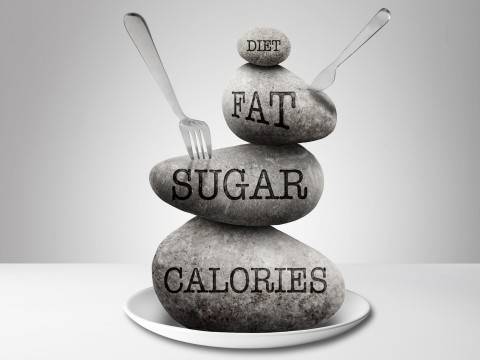
Good and bad calories-How do they affect weight loss?Not all calories are bad calories. Surprisingly very few people are aware that good calories are quintessential for burning fat and can rather help you in losing weight. So, it's very important to know how to differentiate between good calories and the bad ones. What is a Calorie? In scientific terms, one calorie equals to one unit of energy. When the term calorie is being used in relation to nutrition, it means consumption of energy through what you drink and eat and use of energy for carrying physical activity. Many people think that in nutritional terminology, calories are only associated with drink and food; but the truth of the matter is that everything has energy is calories. For example, since coal provides you energy it contains calories. 7,004,684,512 calories are equal to energy produced by 1-ton of coal. Coming back to weight loss, 100 calories of fiber and protein is not similar to 100 calories of a cake. This is because there are good and bad calories and much like us humans all calories are not equal. Calories are the measuring units of energy that are produced by the food once it reaches your body. This energy works on the law of physics and hence less energy intake leads to weight loss and vice versa. Varying types of Calories Different types of food provide varying calories or energy amount to the body. The analysis of a tightly scrutinized weight loss experiment has revealed that when people of two different groups were fed the same measure of calories albeit from varying food sources, the weight loss was almost similar. However, the effects of weight loss were variable; like uncontrolled emotions, cravings, hunger and more. This happened for the same reason that some calories are good and some calories are bad. Good and bad calories Sugar is a powerhouse of energy. But if you keep on eating only sugar all day long it will be suicidal. This is because; the calories present in the sugar are devoid of any nutrients and your body cannot function without the right balance of different minerals, nutrients and vitamins. Most food not only carry calories but they also constitute a complex mixture of additives, fiber and nutrients. These mixtures of varying components directly affect the leptin hormone that controls the hunger trigger in your body. These hormones tell the body to either burn the fat or store it. The process of weight loss is made complicated by the fact that biologically our body is programmed to protect the fat stores so that they can be utilized during starvation. So, the question remain, which calories should you eat to lose weight but still keep on getting the required amount of energy? Eating lean protein, healthy fats and unrefined and unprocessed carbohydrates such as fruits, beans and vegetables are the best for losing weight. Calories with more nutrients are the best The foods that do not store fat and make us eat again and again, are the ones you should eat as good calorie food. Choosing them is simple. These are the same food that humans used to eat before processed food was invented. For example; avoid using the processed whole grains and switch over to brown rice instead of the polished white rice. Also, stone-ground whole wheat, oats or quinoa bread is much better than the white bread. Replace the processed carbohydrates from your platter with whole grains and vegetables to lose weight, control hypertension and blood sugar. Use fats derived from plant sources such as olive oil or nut oil. Eat lean protein more such as chicken and fish.
10 Makeup myths bustedMyth 1: You do not need Primers if you have evenly applied foundation and moisturized your skin well. Fact: Primers are basically used to fill your fine lines, reduce the visibility of your pores and keep your foundation looking fresh and radiant, for longer. With age, your skin develops its natural flaws and the use of primers becomes mandatory. For best results, use your primer after moisturizing your facial skin and before applying your foundation. Myth 2: Red Lipstick does not look good on everyone. Fact: Generally, red can look good on everyone. The trick is to find the right shade of red that suits  your particular skin tone. However, to play it safe you may start using red lip colors with blue undertones, as they look good almost on everyone. But remember, learning to apply lipstick the right way, is just as important for the right effect. With just a little patience and practice, you can surely achieve those red hot lips, you've always dreamt of. Myth 3: Foundation should match your cheek, hand, neck or forehead. Fact: Getting the perfect shade of foundation is one of the toughest tasks, while choosing your makeup products. Your facial skin is much lighter than your hands; yet at the same time, it's a tad bit darker on the sides and forehead. Hence, the best way to select a foundation is to check the stripes on your jawline. But, always remember to step out into the natural light while making this crucial decision. Myth 4: You can change the lip-size using lip plumper. Fact: Ok Ladies, a lip plumper will definitely not change the size of your lips. The way they work is that they give your lips a swollen appearance, by stimulating the blood flow and irritating the lips. The main ingredients in a lip plumper are hot pepper, menthol, caffeine and cinnamon which results in the temporary pronounced pout, which soon wears off. Myth 5: Pumping the Mascara eliminates Clumps. Fact: If you pump your mascara tube, you're actually pumping in more air, due to which the mascara solution dries out quickly and allows germs to breed in your mascara. The best way to eliminate clumps is to rotate the brush inside the mascara tube and then wipe it down with a tissue, before application. Myth 6: Never wear an eye shadow matching the color of your eyes. Fact: It is true that if you use contrasting colors, your eyes will pop and look bolder. However, this does not mean that if you have brown eyes, you avoid your favorite brown eye shadow. Myth 7: Choose a concealer that is lighter than the foundation. Fact: Every woman has a different skin tone and depending upon your skin tone, you might need more or less, foundation coverage. So, it is always better to choose a concealer that comes closest to the shade of your foundation. Myth 8: Always choose a foundation that is lighter in color compared to your skin tone. Fact: If you choose a shade of foundation lighter than your skin tone, after a while your face will start showing two different skin shades. Always, test the foundation on your jaw line and if it blends in seamlessly with your skin tone, that's definitely the right shade for you. Myth 9:  Makeup leads to acne. Fact: No research, until date, has conclusively proved that makeup causes acne. Poor hygiene, sleeping with your makeup on, not cleaning your makeup brushes regularly, and using the products beyond their date of expiry is what leads to breakouts on the skin. New products may also cause skin irritation; which is why, it is better to test them on your elbow, before using them directly on your facial skin. Myth 10: Tingling makeup products are perfectly fine. Fact: Makeup products that make your skin tingle are sure to damage your skin and cause injury. It may also lead to bacterial infections and pimples, so you should certainly avoid such products. You should never compromise on the quality of makeup products, or else your skin may have to suffer the side effects.

Easy tips for fresh breathBrushing your teeth twice daily is not enough for fresh breath. How well you brush, and how long you brush are equally important, as are flossing regularly and eating right. 19 year-old Rita suffers from bad breath. It is a huge drawback for her. No one at college wants to be her friend. Her doctor suggested that she brushes twice daily, and also prescribed a good mouth wash for her. Following this advice has not helped her much. There must be millions of us who identify with Rita's problem. Halitosis, or bad breath, is a huge embarrassment not only for the person who has it, but also for the person who has to bear it. It can be a cause of social isolation, as seen in Rita's case. A fresh smelling breath is a sign of good hygiene. A fresh breath makes you more confident of yourself, and you feel ready to face any challenge that life throws your way. So, what do you do to keep your breath minty fresh all day? Brush twice a day, and use a good mouthwash regularly, would be your reply. But is this enough? Let us start by busting a few myths here! Mouthwash will give you fresh breath all day long. It won't. It will only make your breath fresh temporarily. As long as you brush your teeth regularly, you need not worry about bad breath! Brushing your teeth is necessary. The key here is how long and how well you brush. Most of us brush for 35 to 40 seconds, which is just not enough. One needs to brush properly over all the surfaces of the teeth to clean them well. This should take you not less than two minutes! And you thought brushing twice daily was enough! Here are a few tips to keep your breath fresh: Bad breath is the result of bacterial activity in your mouth. One of the reasons for bacteria to grow is due to dryness. So, never let your mouth go dry. Keep your mouth well hydrated. Drink loads of water. One of the other reasons for bacterial activity in the mouth is the food particles that get accumulated in the cracks between your teeth. Be sure to rinse your mouth well every time you finish eating something. Flossing is an activity you should never ignore. Flossing does what regular brushing cannot do; It removes the food stuck between your teeth. Avoid foods that cause bad breath-like coffee, tea, sugary drinks, garlic, onions, or broccoli. Sugarfree gums are a good way to keep your mouth hydrated, as they increase the flow of saliva. Gel based toothpastes may give you a fresh breath, but the effects are temporary. Go for fluoride toothpaste that is good in the long run. Yoga poses like the Kapal Bhati Pranayam, Sheetali Pranayam, Sheetkari Pranayam, Yoga Mudra, Simha Asana are effective in combating bad breath. Visit your dentist regularly, and get your teeth cleaned professionally. Avoid junk food, and foods that are rich in sugar and fats. Instead, go for fresh fruits and vegetables. Quit smoking and alcohol consumption. Simple things like brushing daily, flossing daily, rinsing your mouth after every meal, and eating right can help you keep your breath smelling fresh all day long.
Reasons for skipping sexThe most important satisfaction brick in a marriage's foundation, sex is where we show the greatest trust, most openly express intimacy and make ourselves most vulnerable. It is the most personal and private area of our relationship. It is the one area that separates this relationship from all others. Yet, there are times for both husbands and wives when sex becomes a burden and not a blessing, an inconvenience instead of intimacy, and a job instead of jubilee. Curious as to why people might be skipping sex? This is only a partial list and far from exhaustive. Reasons related to your body: I have a migraine. I have a stomachache. My body is too tired. My breasts are too sore. I am too sleepy. I can't keep my eyes open. I just need to take a little nap first. Okay, but I have a rash. Okay, but I have several weird looking cold sores. Reasons related to your emotions: I am depressed. I am worried. I am sad. Cry Reasons related to your kids: The kids are still up. We might wake up the kids. I just had a baby. This baby is wearing me out. Reasons related to your experts: My therapist said I need to give myself some time. My counselor said I should create some boundaries. I have to see my Gynecologist tomorrow. The Doctor gave me these sleeping pills for stress and I just took one. Reasons related to your spouse: Who was that girl / guy you were talking to on the phone? Sex, Sex, Sex All you ever want is sex! Why can't you just hold me? You should have asked in a more romantic way! Why do you have to use such crude language? Reasons related to your weather: It's just too hot. It's just too cold. It's too humid. Reasons related to your economy: When the economy improves. When the interest rates go down. When inflation goes down Reasons related to your special circumstances: We just got back from vacation! When I lose 20 kgs. Reasons related to your friends: I need to make a call first. My friend said they only do it once a month. Reasons related to your pets: The dog can see us. The cat is on the bed. Reasons related to your finances: Okay, but first we need to talk about the bills. Why did you charge this hotel room on our credit card? Reasons related to your job or boss: I have to get up early tomorrow. I was up all night last night. I had a long day at work today. The boss just gave me a new project and I have a lot of work to do Reasons related to your religion: Doesn't the Bible warn against having too much sex. I am sorry, but I just took a vow. I am giving up sex for Lent. Reasons related to your in-laws: We are in your parent's house. I have not been able to concentrate since your mother Your parents will hear us. Offer an alternative: Can I just take care of you in the shower? Okay, but you have to drive the kids to school in the morning. Use evasive tactics: Sneak in and go to sleep early. Okay, but let's watch this movie first. It's just too late. I'll be there in a minute. (Take an hour) Can we just cuddle? I just need you to hold me. Ask a sensitive question: Did you go to the bank and make our deposit today? Have you seen the kid's report cards? Wait for your spouse to tease you and then say coldly, well, you just lost whatever you were going to get tonight.
Psychological impotenceSex is not just physical but just as equally mentally involved. Mental stimulation and response are responsible for arousal and overall enjoyment; and therefore any sort of psychological disturbance or mental issues like stress, tension, or anxiety can lead to psychological impotence. Stress or exhaustion are most possible explanations for psychological impotence. Depression and post-traumatic stress disorder also may result in impotence. A mental trauma of sexual or physical abuse, guilt due to sexual relationship, problems amongst partners contribute too. Confusion over one's sexual identity is also a major cause for impotence. Impotence results from underlying physical disorders, especially if the people choose to stay unaware of it. Absence of knowledge of this disorder leads to anxiety and stress building up over a period of time.  So when determining factors rule out physical causes first and then go for identifying mental causes. Psychological impotence can be sometimes situational or only with a particular partner and the treatment approach differs with the cause. Counseling works wonders in the case of psychological impotence. For example, depression or anxiety may require treatment to improve condition. Post-traumatic stress disorder or abuse needs therapy on coping skills. Sometimes simply explaining underlying cause of physical condition resulting in impotence and comfort and reassurance are sufficient. So don't hold back, share to get your mojo back!!
FAQS
T&C FAQS