Home
Strict parenting: When enough is enoughThe strict or authoritative style of parenting is where the parents hold their children's lives over a tight leash. Strict parents are high in control and low in nurturing qualities. They set high standards for all activities and expect strict obedience to the rules set by them. However, these parents display little or no warmth and affection. They love and affection they offer is also conditional love based on obedience and performance. Children of authoritarian parents turn out to be obedient, but this obedience is based on fear. Such parents very often use shame and guilt to make their children change their behaviour. They don't encourage verbal give-and-take and expect their orders to be obeyed without question. The children brought up in such a way are initially very obedient and polite but later all the suppressed emotions find an outlet. More often than not, such children end up being aggressive and tend to be bullies at school. Research shows that fathers who are extremely strict with their sons end up making their sons violent and aggressive, or indulge in non-physical aggressiveness like name calling. Strictly raised children have difficulty relating to their peer group. They either end up being aggressive or completely timid and submissive. At school teachers rate them as less socially competent, average or poor at studies and extra-curricular activities. They are also less accepted by their friends. The school dropout rates in such children are very high. Studies conducted on such dropouts revealed that they suffered from a huge inferiority complex and low self-esteem. Strict parenting can cause several problems in adolescence too. Children who are dominated by their parents are often found breaking the law. Alcohol and drug abuse rates are high in such children. Psychologically, these children are usually poor decision makers. Having had their parents make decisions for them all their lives, they find it very difficult to take a stand. They end up being indecisive. At the workplace too, they lack the competency to take up initiatives or show the lead. They make better team members than team leaders. Even if presented with an opportunity, they are likely to shy away from responsibility as they feel inferior and lack the requisite courage. Strict parenting can have a negative impact on the child's weight too. Studies show that an overly strict upbringing has a negative impact on weight because the children often fail to learn to eat on the basis of hunger and satiety. In such families parents use food as a reward, insist that children clean their plates, or restrict the kind or amount of food a child can eat. The studies showed that the children of authoritarian mothers were nearly five times as likely to be overweight compared to their counterparts!
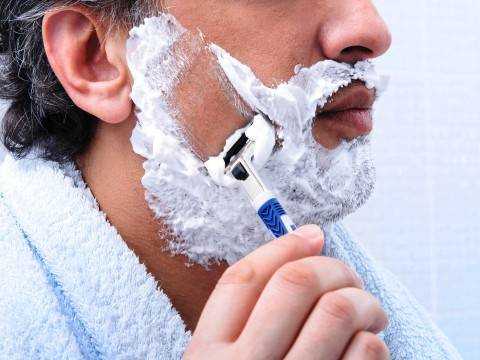
Ways to look handsome!One disclaimer before reading "Looking good is not age/weight/family specific." Now we can start off with understanding what does handsome means. Does it mean wearing good clothes? Or having a good face? Or having a good body? What is it actually? Well, a simple definition could be "being handsome means being confident and having loads of style and poise." It's not dependent on somebody's face or body specifically. So what makes a person handsome? Will his attitude count? Do we need a lot of money to get that look? Let's answer all such questions in the article. Personal care: The first and the foremost cornerstone for getting a perfect look is to look after yourself well. This includes- Hygiene - Personal hygiene is most important. Dental hygiene, managing body odor, cutting your nails on time, removing hair in the underarms, nose, and taking care of overall body hygiene is of utmost importance.Skin care - Taking care of one's skin is no more a girly thing now; men need to do the same as well. Applying moisturizers, lotions that are readily available, tailor-made for men.Hair care - Men do not need to spend a lot of time managing their hair as women do, but that doesn't mean they can get all complacent about them. Try and wash and shampoo your hair at least twice in a week. You could use natural or artificial conditioners in the hair to make it soft. Get a trim every month or else they can become too long to manage. The suave and debonair look, along with the above indicated personal care methods; one important pointer is to take care of one's facial hair. Agreed that the rough and rugged look is good with some clothes and skin colors, but try and avoid it as 'a regular' and get a good shave. You can either keep a clean shaven look or keep a beard which is well trimmed. This will give you an urbane and classy look. Clothes cabana - An important factor for your looks is your clothes as well. One needs to understand that there are particular kinds of clothes which shall look good on them and there is a section which they should never try. Once you understand this thin line, you can do wonders with your clothes. Try to understand which shades look good on you. The bright colors or pastel shades. After this, you need to choose your formal and casual wears as well. Try and understand what kind of clothes make you look good and what are the options you can always try. The must have checklist is given below - A pair of good dark blue jeans. A white shirt. A colored T-shirt. Jacket and waist coat. Dinner jacket or tuxedo (whichever suits you). Pair of black trousers. Sweatshirts. A full pastel shade sweater. Accessorize your look - Along with good clothes you need a few more embellishments:Shoes - Get two different pairs - one leather and the other sports for formal and informal occasions. The shoes should be buffed with shoe wax regularly and you can wash off the dirt on your sports shoes once every couple of weeks.Belts and Tie - A good and well-fitting tie and a sober choice in belts always adds to the look of the "complete man."Watches - A good analog watch is a "must have" on every guy's wrist for that added attraction. Work out regimens - Now workout does not only mean joining a gym or keeping a personal trainer. You need to just keep your body fit, which can be done by jogging, yoga, or even a morning and evening walk. Try to be active, which in turn will help you stay in shape. You can even pick up a sport for that matter. When your body is fit, you will have a relaxed mind and soul too. Eat healthy - Having a hamburger everyday will make you only lethargic and fat and certainly far from handsome. Try to follow a diet regimen which nowhere means you need to have nightmarish boiled vegetables only. You just need to avoid eating outside which means no junk or oily food. This shall not only help you look good, but will let you be young and fit. Try to have more leafy vegetables and fish in your daily diet rather than red meat and spices. Once in a week you can dig into your favorite foods and pig out. Say no to cigarettes and alcohol - Working out or eating healthy and getting the best clothes and accessories will never help you get in good shape until you say no to all the habits which shall prove deadly for you in the future. Try and quit smoking and drinking as they affect your health and stamina in the most adverse ways possible. Along with that they also have a very bad effect on your mental health as they become an addiction and hamper your concentration and thinking abilities as well. Million dollar smile - Wearing good clothes do not have a prerequisite of behaving like a supermodel anywhere. Try to wear a good and sweet smile which shall give you a nice and attractive look at the same time. A straight face might end up making you look unapproachable and arrogant, so remember smiling always to complete your attire and style. Good stance - Wearing all the best outfits and looking a million bucks might go all in vain if you have a bad body posture. Try and walk and sit straight. Having an erect stance always makes you look more confident, attractive, and masculine, so always have that poise in your posture which shall make you look awesome. Wear your confidence and attitude - Last but not the least is this most important pointer and that is - be comfortable and confident with whatever you wear and however you look. Being confident makes you win half your battle, always. So, have that debonair attitude and head to the floor, you will always be the head turner of the show. So what are you waiting for? Start your preparations, as being handsome does not require any occasion!        
Marrying late in lifeConventionally, the marriage age is determined according to the linear formula of happiness that we have constructed and believe to be true. The formula being: getting married by 24 --> having children by 27 --> working (optional) --> becoming a grandparent (that too, real soon!). However, time and again, men and women wandering in their 40s-50s have woken up from the deep disturbed slumber to realize that maybe- just maybe, they had walked into things too fast. They had been unable to know who they are and to become a self-conscious human being before being ready to fuse their lives with another. The prime point of being single and marrying later in life is not to go on some form of egoistic joy-trip but to be able to know oneself and become ready to be the right person for the other. By marrying late, you give yourself time to experience freely what you like and dislike. You get to explore the world at your own terms- travel whenever you want and involve yourself in festivals and activities that manifest who you are. Marrying early doesn't allow for time to explore one's being, as marriage generally immediately follows the time you finish your studies or begin working. One of the most important aspects of adulthood today is travelling. However, every individual has unique wants of travelling and being a single adult will allow you to experience the world fully. You will also get in touch with yourself, exploring how you would like to live. The decision will arise from a ground of experiences which would clearly tell you what repels and what appeals to you. Such experiences are rarely findable once you begin living with another, as you would have to schedule your days and basically, your routine around the other's life as well. Financially, you have reached a point where you know how to take care and manage finances, allowing you to plan your wedding pragmatically. Marrying at a later point in your life allows you to be clear about when you would like to be a parent. Your experiences also ready you to be a considerate and understanding parent who can guide a child. As you grow older, you tend to become more tolerant and the propensity towards differences turning into unnecessary fights is lowered. As our ways of looking at the world change, every person as an individual has the need to learn to see the world as a home. This feeling of being at home is created only through series of experiences one has to go through as a responsible adult. In the face of inexperience, two individuals coming together often find themselves incapable of being happy with one another. Marrying later allows you to have grown into a wiser person yourself before sharing your life with another.
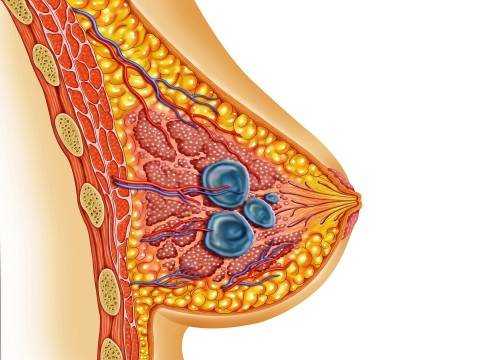
Breast lumps- myths busted!The rise in the occurrence of breast cancer in women, since past decade or so, has made women, especially in the urban areas, very cautious about lumps in their breasts. Whenever there is a small lump in the breast, the first thought that comes to mind, is may be this is cancerous. However, instead of taxing your brain with worries, it is better to take action and consult your caregiver. Here are some of the myths that are regularly associated with breast lumps and the real facts related to the same. Myth: If there is a breast lump, it must be cancerous Statistics reveal that out of 10 cases of breast lumps in women, only 2 are cancerous. More often, these lumps are due to fibroadenoma or cysts. In many women, lumps are formed during the menstrual cycle and they go away after it ends. It is not simply possible to tell exactly what kind of lump it is, just by feeling through hands. However, it is important to detect the composition of the lump and to do so at the initial stages, so that if it is detected cancerous, early diagnosis and treatment can save your life. Myth: If your mammogram is normal, you are safe and the lumps are not cancerous This is not particularly true. To detect the presence of cancerous cells, you need to get more tests done; an ultrasound, an MRI and also a follow up mammogram, to get a second view of the lump. Doctors also suggest a biopsy to be 100 percent sure of the diagnosis. If the lumps persist but there is no detection, your doctor may ask you to keep doing the tests at frequent intervals, to assess the development. Myth: Malignant breast lumps do not cause any pain Although breast cancer patients do not suffer from much pain, this does not mean that if you do not have pain, the lump is non-cancerous. There are different types of breast cancers; and in some types such as the inflammatory breast cancer, the patient can suffer from warmth, tenderness, redness and swelling, followed by pain in the lumps. Myth: If you get a lump while breastfeeding, it is not cancerous It is true that breastfeeding reduces the chances of development of cancerous cells. But there is still a possibility and hence you should not ignore the formation of lumps. It is advisable to immediately get an ultrasound to confirm the condition of the lump. Myth: Lump in young women cannot be cancerous Women can develop breast cancer at any age. Hence, if you have a breast lump at a young age, or even if your teenage daughter has developed a suspicious lump in her breast, you should always get it checked, at the earliest. Most often, cancer develops in the breast when women are past their menopause period. But this, in no way means, that they cannot get it at younger age. Myth: Only a larger lump can be cancerous, not a smaller one Lumps in the breasts can be of all sizes; and the size, does not determine the presence of cancerous cells. According to breast-imaging specialist at New York's Manhattan Diagnostic Radiology, Melissa Scheer MD, you must immediately see a doctor, whenever you feel the presence of even a tiny lump, because, a small lump too may turn out to be aggressively cancerous. Most often, the lump in the breast is non-cancerous; however, it is advisable to consult your caregiver immediately, once you discover the lump for the first time.
A baby - proofed guide to childcareCaring for kids is an important task. Everyone wishes to nourish kids in a loving and caring yet protective atmosphere. Initial stages of development call for more care and attention. Health, hygiene and safety at home and outside are important when it comes to kids. Here are a few helpful tips to all the parents: Nurture your infants with massage. Learn a right way or get it done from a professional. It is a great therapy to make muscles strong and bond with the baby. Prolonged crying bothers parents a lot. Usually continuous crying for long hours is suggestive of colic or stomach ache. It is the most common problem in kids, the reason being immature gastric system. Do not panic. Keep medicines at hand and give them as per instructions by your kid's doctor. Toddlers often insist on being carried even when they know how to walk well. Make sure to hold them comfortably. Diapering a baby is a skill that must be mastered especially when the baby is fidgety. Holding baby in right position flat on the back simplifies the task. Parents adapt to doing the job effortlessly with practice. Transition period of swapping from breastfeed to bottle known as weaning is a tough task for most of the babies. Consider gentle weaning strategies advised by the doctors. Do not be abrupt. Go slow! Some Safety Tips: Cap and lock the medicines, detergents, chemicals etc. in containers keeping them far away from the children. Bathingwater should be always checked before bathing the baby. Do not leave kids alone near water tub or any water source alone. Avoid leaving baby in a highchair to prevent injuries such asbaby climbing out, falling, or sliding. Lock up all the knives, matches, and plastic bags away from children to prevent poisonings, bleeding injuries, burns and suffocation.
Exercise to fight off depression in school kidsBefore concluding on the effects of different forms of exercise on children, it is important to note the distinction between fitness and exercise. Fitness encompasses most importantly a healthy lifestyle of which exercise forms a part. For this reason, when researchers examined the impact of fitness on emotional being of a child, most of them covered three main determining factors, namely the body mass index, the child's feeling about fitness, and a shuttle-run test. Depression is characterized by recurrent feelings of despair and hopelessness. The main symptoms of depression include sensations of unworthiness, dysfunctional thinking, lack of concentration, low level of sleep, anger, social isolation, crying, physical grievances like headaches which do not react to treatments, reduced interest in social activities, and thoughts on suicide. It is not necessary that every child will undergo all the symptoms. If most of the symptoms recur continuously, then it is a warning sign. The propensity towards chronic depression is higher in those who suffer from depression during childhood. A healthy lifestyle is accompanied by a range of psychological benefits. When you exercise, your body produces endorphins which stimulate positive sensations about the self. Produced by the brain, they also reduce the sensation of pain. A healthy lifestyle boosts the sleep cycle and helps in coping better with tough situations. A medical study conducted by University of Texas revealed the positive effects of physical activity on middle-school graders. It was found that there is a robust link between depression and fitness in girls. Even though boys show association, it is not explicit.  Conclusively, it was pronounced that exercise helps in reducing the chances of depression in school-going children. The best way to help your child is by introducing activities that she or he finds interesting. Initially, you might face resistance. The most important task is to communicate with your child. In the face of such resistance, you can attempt to find a hybrid therapy to reach out to your child. Apart from scheduling appointment with a child psychologist, you can also meet up with a physical health advisor. Emphasize on activities which will also help your child to meet new people. According to the Center for Disease Control and Prevention, one of the main benefits of physical activity is betterment of academic achievement and conduct in children.
Afraid of the dark? understand your fear and cure it!Scotophobia, more commonly known as Nycotophobia, is a psychological illness, where the patient is afraid of the dark. Children are more prone to this fear, though it does affect quite a few adults as well. The dark often represents insecurity and uncertainty to children, and it symbolizes their entrance into an unknown territory. If the children are alone during their first few encounters with darkness, the absence of parents (who exemplify safety), tends to amplify this crippling fear. While most of us do actually possess this fear in relatively small amounts, as we grow up the fear diminishes. However, there are those of us who might carry this fear of the dark into their adulthood and in such cases, the fear is usually accompanied by quite a few intricate issues. People often tend to externalize a set of conflicting feelings about a certain situation, towards something else. For instance, you might be worried about your children; but your mind may externalize this fear, via your inefficiency at work. This process is called externalization. So, when it comes to the root of your fear of darkness, it is possible that at some point in your past, you experienced something untoward, which through externalization, inculcated this fear of darkness, deep into your psyche. Evolutionary Ties to Darkness: Many scientists have pointed out that this phobia might be linked to the process of evolution. Since predators hunt for their prey at night, we might have inherited this fear of darkness from our ancestors, who believed that darkness was a space where they could be attacked by wild animals. However, recent studies have shown that  Scotophobia begins at approximately the age of two in children, and thus, it cannot be said to be innate to us. In a study done by Ryerson University involving over 90 students, it was found that people who are afraid of the dark, are more likely to be poor sleepers, than those who are not afraid of it. More interestingly, it was discovered that any kind of noise made while the people with this phobia were asleep, frightened them the most.. Symptoms of Scotophobia: The first symptoms of this fear are the resistance to visit dark places and the yearning for company when such situations arise. However, many a times adults who are suffering from this fear, do not reveal it due to the added fear of embarrassment and this, sometimes, results in outbursts of rage when they are forced to go out for an event at night, or to confront the dark under any such circumstances. A person battling this fear may experience panic attacks, sweating and trembling prior to, or while staying in the dark. The blood pressure also rises, accompanied by chest pain and lastly, a difficulty in breathing. Diagnosis of Scotophobia: In children, this fear can be easily verified by their behaviour. However, adults might require further assistance, due to their natural resistance to openly admit to such a fear. Scotophobia can be diagnosed through a comprehensive psychiatric evaluation. Following this, your psychologist would be able to give you an idea of the source of your fear as well. Pursue a course of treatment immediately after the discovery of the phobia, which will ensure a faster and more effective recovery. Treatment of Scotophobia: The process of 'desensitization' is most commonly used to help with such a phobia. In this form of treatment, the patient is slowly exposed to the object of fear, in a situation where she/he will not feel vulnerable. This is done by asking the patient to confront the dark along with another individual who symbolizes safety for him/her. This could be a parent or a friend. Night lights can also be installed to gradually reduce the fear. You may try certain breathing exercises, which will reduce the panic attacks that accompany this fear. Hypnosis has also been said to be very effective in dealing with this phobia. If your psychologist sees fit, you might be also prescribed some medicines; antidepressants are given in some cases. Joining a self-help group is also a good option, in addition to your psychological treatment.  

Algophobia: The fear of painAlgophobia is the fear of pain:  an abnormal and consistent feeling that is far beyond what would be considered normal. The term is derived from the Greek words, Algos meaning pain and Phobos meaning fear. Our bodies are designed in a way that when there is a painful stimulus it reacts. How the body reacts to the pain is an individualistic phenomenon. Some people have a very low threshold for pain, and even the slightest pain evokes a huge response in them. Where as others can withstand a good amount of physical pain before their bodies give in. Some people dread even the tiniest amount of pain. They foresee situations that will cause pain in them. The way they react to even the smallest amount of pain is far more than the normal level of acceptance. Such people are said to be suffering from Algophobia. Algophobia is a learned behaviour, say behavioral psychologists. For example you may have heard from several people how hitting your shin on the furniture in the dark is the worst possible pain ever. So you tend to keep a watch and if it is dark, you move around extra-carefully to avoid bumping into the furniture and getting hurt. This would be considered normal, cautious behaviour. But if the same thought keeps buzzing in your head continuously and you go to extreme lengths to avoid that pain, you could be algophobic. Old people are the ones who have excessive fear. The age factor along with fear of death plays a vital role in old people developing this fear. For example an old lady may hear about all the ailments and pains that afflict old age people and may become apprehensive about it. She may develop irrational fears that more often than not, are also imaginary. She may start experiencing the pains even before anything actually happens to her. It may seem unrealistic to a normal person, but for algophobics pain can be a severely dreaded thing. Therefore they will go to great lengths to avoid pain at all levels, including day-to-day activities. They will not go into the dark, handle tools, avoid lifting heavy objects or even avoid playing any type of contact sports. If a task has a scope for injury and pain, they will avoid it! Frequently a pathological complaint of Hyperalgesia occurs along with algophobia. Hyperalgesia is a condition of increased sensitivity to pain due to damage to the peripheral nerves and pain receptors. Pain in such cases may be directly in the damaged tissues or in the surrounding areas. An interesting fact is that hyperalgesia can occur due to long term use of painkillers especially strong ones like opium and its derivatives. Algophobia is treated with behavioural therapy, psychotherapy and anti-anxiety medications. Hypnotherapy also has shown beneficial effects.  
4 super foods to keep you healthy this winterWinter is here. It is time for lazy mornings and blanket hideouts. It is also the time when the markets are lined up with a variety of fresh fruits and vegetables, all juicy, healthy and colorful. Discover four such super foods for the cold winter evenings. Citrus fruits: Oranges, sweet lime, lemons; bring them all and have them all. Bright yellow or orange, they are like the bright sunny mornings which you need after a cold night. Rich in vitamin C, antioxidants, flavonoids and several other nutrients, citrus fruits are the perfect measure for your daily dose. Peel it off and chew it up, or slice it off and lick it on, or squeeze it strong and drink it down - choose the way you like. Citrus fruits help in taking care of your cholesterol, as well. Potatoes: Potatoes are the victims of most diet plans. It is loaded with carbohydrates, we should not eat potato, and so on and so forth. Potato is not that bad actually. In fact, its nutritional value may come as a surprise to many. The content of vitamins B6, C and folate is high in potatoes. Potatoes are rich in essential minerals like potassium, zinc and magnesium. The starch content may be significant, but so is the fiber content. They are known to protect against colon cancer. What are you waiting for? Have some potatoes, will you? Make sure there is no guilt. Kidney Beans: Kidney bean is our favorite Indian 'Rajma'. They are a rich source of carbohydrates and proteins, are known to lower the cholesterol levels and reduce the risk of heart disease. They are particularly known for helping to replenish the iron stores of your body. It can be the food of choice even if you have diabetes, as it is almost fat-free and doesn't send a sudden rush of glucose in the blood. When combined with rice, kidney beans make a very healthy meal. So, is it rajma-chawal (kidney beans with rice) for dinner today? Green leaves: Yes, yes, you are bored of reading and listening to the benefits of green leafy vegetables. But, we have to remind you, for the advantages are too many to be ignored. They are the greenest, freshest and leafiest in the winters. Even if you are not a fan, you will feel like picking up a bunch from the grocery store. Spinach (palak), fenugreek (methi), cabbage (gobhi) are the ones that we can commonly find. Others to look for are lettuce, mustard greens, etc. The green leaves are a rich source of a variety of vitamins, mineral, fiber and water content. They are suitable for all ages and can be easily digested. Entertain that potato lying in your kitchen, cook up a dish with the green leafy ones. Alternatively, you could try it in the form of salads, soups, juices, flour fillings, and any other creative ideas that you chefs have.  
High fiber foods and their benefitsFiber has many health benefits and that is why it is important to include fiber in your diet. However, if you are not used to fiber in your diet then introduce it slowly or it could cause indigestion and gas. Fibers are good for overall health and help to boost the immune system and help prevent a number of diseases. The digestive health benefits of fiber : If bowel movements are regular, then fibers will prevent both constipation and diarrhea. Regular movements flush out excessive cholesterol as well as harmful toxins from the intestines which could also be carcinogenic. Fiber helps to reduce inflammation of the intestines, could bring relief from irritable bowel syndrome and prevent piles, ulcers, and acidity. The benefits to the heart Soluble fiber is good for the heart. Fiber reduces the bad cholesterol levels (LDL). It helps to lower blood pressure, improves the levels of good cholesterol (HDL). Fibers reduce the risk of stroke also. These factors are good for heart heath. Weight Loss Fiber can help you to lose weight as it makes you feel fuller for longer which means you will eat less. High-fiber fruits and vegetables have lower calories, so by adding these to your diet cuts calories which could aid in weight loss. Eat 21 to 38 grams of fiber per day depending on your age and gender. Diabetes If you already suffer from type II diabetes then you should have soluble fiber as it slows down the absorption of sugar and can help to maintain blood sugar levels. Regulating blood sugar can also reduce the risk of kidney and gallbladder stones. Cancer prevention Though research is still ongoing, but the general conclusion is that eating fiber foods keeps the colon in a better condition and this could prevent colon cancer. However, it does prevent digestive tract cancer. The more fiber you eat the more fluids you should drink as that helps to absorb fiber better. Good for the skin Eating fiber is good for the skin as they help to flush out toxins from your body which otherwise cause acne. Besides eating a lot of fruits and vegetables produce antioxidants that are good for your skin. Some tips Start your day with fiber as it keeps you full and sugar levels just right to keep you energetic. Try to replace white rice, bread, and pasta with brown rice and whole grain products. Eat seeds, nuts, and flaxseeds either whole or ground and sprinkle some on fruit, yoghurt, or cereal. Add beans and legumes to your diet as often as possible. Eat whole fruits instead of juice. Insoluble fiber can be found in foods like whole grains, wheat, cereals, and vegetables such as carrots, celery, and tomatoes. Whereas soluble fibers are found in barley, oatmeal, beans, nuts, and fruits such as apples, berries, citrus fruits, and pears. Foods like meat, dairy, and sugar have no fiber and some foods like white rice, white bread, and pastries have no fiber either because it has got removed because of refining.
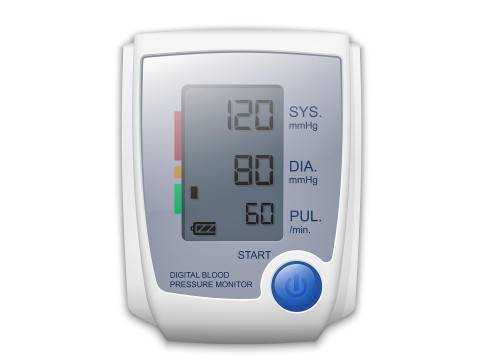
Advantage of the average - Automated continuous blood pressure monitoring technologyAlthough mercury sphygmomanometers (though a deadline is set for them to be phased out due to environmental concerns) are still considered the gold standards, the Aneroid and Digital counterparts represent the future of blood pressure monitoring. The need of long-term blood pressure monitoring arises with disorders and health conditions that demand more attention from the medical teams. Experts say that the fluctuations in BP in conditions like cardiovascular diseases, pregnancy, etc., if tracked at regular intervals, can reduce 22% of risks due to delay and no treatment. This necessity pushed the invention of invasive arterial blood pressure to be used during surgical procedures and further a continuous noninvasive arterial pressure measurement (CNAP) system. There have been multiple researches to overcome some of the roadblocks in measuring the arterial blood pressure in the noninvasive and external approach. Among these developments, the need for measurement of mean blood pressure was felt and the 24-hour BP variation in the patient was taken into account. The 24-hour model eliminates the errors in readings taken during clinic visits due to factors such as fluctuations as a result of white coat fear or after-effects of some stress or exertion. Trendsetting New-age Technology : In 2004, the medical world received the BpTRU non-invasive automatic blood pressure monitoring device. BpTRU devices proved to be a superior and more precise alternative when compared to other manual BP assessment techniques and even other 24-hour ABPM alternatives. The automated oscillometric devices precision and accuracy of assessed BP and heart rate is earmarked with a unique automatic technique - the device records 6 consecutive BP readings of the patient, discards the earliest, and the rest of the five values are put to average function and instantly the resultant mean BP reading flashes on the screen. Compatible with guidelines of American National Standard/Association for the Advancement of Medical Instrumentation (ANSI/AAMI EC13:2002) this is a time-saving, portable, and user-friendly device. A compact and automatic wrist cuff BP monitor, the smart blood pressure monitor that can be synchronized with with Apple’s iOS devices and a Bluetooth connectable and Android compatible blood pressure monitor marks the revolution of CNAP in modern times.
Hypertension and Vitamin DVitamin D is one of the essential vitamins that are required for strong and healthy bones. The body synthesizes it in the skin from cholesterol when there is adequate exposure to sunlight. Over the past decade, vitamin D has been intriguing medical researchers the world over. Several studies were conducted and interesting results found. One of them being that vitamin D may be implicated in influencing blood pressure levels. As per studies conducted, it was found that low levels of vitamin D lead to high blood pressure levels. People living in high altitudes where sunlight is at a minimum level were found to be hypertensive. Also, the winter season showed an increase in hypertension cases which was again attributed to the low sunlight levels. What exactly does vitamin D do to affect the blood pressure? Renin is an enzyme secreted by the kidneys that constricts the blood vessels and increases the blood pressure. Vitamin D acts by inhibiting this renin. Insulin resistance causes high blood pressure, which is why hypertension often has co-morbidity with diabetes mellitus. Vitamin D helps in improving the body's sensitivity to insulin. Calcium deposits on the arterial walls harden them and make them lose their elasticity leading to an increase in the pressure of blood flowing through them. Vitamin D helps the body to better absorb and metabolize the calcium. The role of vitamin D in strengthening bones is very clear. Though the studies have shown that people having deficiency in vitamin D tend to develop hypertension, the role of vitamin D in this case is still not very clear. Also, whether vitamin D supplements help in lowering blood pressure levels is still to be found out! But all said and done, the research findings cannot be ignored. Moreover, a morning walk is beneficial in many other ways as well! So, get up early, put on your walking shoes and say Hello to the sun! Vitamin D alone will not help you control your BP. You need to keep taking the medications along with the other dietary and life-style changes! An early morning walk is a blessing for the whole day!
Are long hours of work bad for your sex life?As researchers in 'Occupational Health' indicate that working more than 8 hours a day could seriously shorten your life span by inviting all sorts of ailments like heart disease, sleep deprivation, chronic fatigue syndrome among others, it could very well mean sounding the death knell on your love life! So how does work affect play? The stress that goes with long work hours could certainly lower sex drive leading to feelings of frustration and inadequacy amongst partners. 'Erectile dysfunction' and lack of sexual desire are now on the increase amongst men with high pressure jobs and fancy designations. This in turn adds more strain on the relationship as partners naturally feel spurned due to the general lack of intimacy and sex. There is also the added danger of extra marital affairs as hours away from home can increase the chances of one night stands or casual sex thereby increasing the risk of STDs and sexual guilt which can only spell doom on the home front. So if you are a busy person this is what you can do to keep your bed from crumbling: Take a break now and again from work to call your spouse or partner. This can indicate that though you are busy he/she is foremost on your mind. Do not sacrifice your weekly offs as this is the time that your body, mind and spirit need all the healing that they could possibly get at the hands of your mate. Try and involve your mate as much as possible on what is happening at the work place. This way your contribution at your work place can be appreciated and can lessen the grouse, somewhat, like you are never available and similar other complaints. Preferably keep time for making love. These moments of intimacy are really what makes life worth living and should be given as much prominence as your promotions and annual appraisal. Do not miss out on your meals and exercise routine that ensure that despite hectic work pressures, you can still summon up enough energy to make love. Try a relationship counsellor to help you fine tune your work schedule to your home life.  
How to talk about STDsThese are dangerous times that we live in. Just the sheer number of people affected by sex related problems, diseases and conditions all over the world is simply terrifying. AIDS, venereal infections like syphilis and gonorrhea, herpes, HPV etc. are rampant and it calls for some responsible sexual behavior. However, that's a utopian world where humans will be monogamous and will behave responsibly. Even single people might get exposed to these diseases through indulging in risky sexual contact. Imagine doling out $750,000, as a woman in the US got from her husband because he gave her herpes. Even if you are not held legally accountable, what about moral responsibility to own up and discuss a possible STD infection with your partner! Take the case of Jack a happily married man for ten years who had casual sex when out of town on an official trip. He showed no obvious symptoms of any infection but in a month, his wife showed signs of herpes and his marriage crumbled as his wife struggled to come to terms with her husband's obvious infidelity and his callous manner in exposing her to a serious sexual infection. Call it ignorance but sometimes a person might engage in sexual intercourse and contract a disease which he might even not be aware of until the symptoms start appearing. (Refer article on Syphilis on www.topdoctorsonline.com) By then, he might have, in all probability, passed it on to his regular sexual partner or spouse. Or perhaps, there is another possibility that the person knows that he has contracted a sexual infection but doesn't know how to break the news to his partner.  If a person is aware of his infection, yet exposes another person knowingly, it is akin to premeditated murder. Yes, it is going to be a difficult thing to tell your partner which might even signal the end of the relationship or cause severe strain on it. So, if you are caught in a situation like this, what would you do? The option would be to visit a sex therapist and confide in him and then take an appointment for both and let the professional break it to the partner. That is of course if you are in a stable relationship. For those who both party to casual sex, the infected person generally won't be that open about his infection and may even choose not to care particularly if the other person is a complete stranger. A report in MedlinePlus news reveals some more shocking statistics: Many people said they occasionally, rarely or never got tested before having sex with casual partners (50 percent) or long-term partners (39 percent). Of the people who did discuss STD testing, very few discussed concurrent sexual partners or when partners' testing occurred in relation to their last sex act. Only half explained what types of STDs their partner had been tested for. These issues are important components of assessing STD risk, the researchers said. About one-third of participants reported telling a partner they didn't have an STD even though they hadn't been tested since their last sexual partner. One U.S. woman was awarded $750,000 in court from her ex-husband because he gave her herpes, and the legal trend is to make people accountable. (http://www.dummies.com/how-to/content/how-to-talk-to-a-partner-about-stds.html) Remember even wearing a condom is not a 100% guarantee that the infection won't pass on to the other person but that's the least that you can do if you don't have the courage to spill the beans about your condition. If you feel that your partner may be indulging in sexual activity with multiple partners and if you feel he might be infected, then you are well within your rights to decline to have sex with him until he/she gets tested. If you notice sores around the genitals do not indulge in oral or anal sex or any kind of sex and insist on a condom always; it could save your life.
FAQS
T&C FAQS