Home
Is male menopause a reality?As opposed to the sudden drop in ovulation and hormonal levels in women, menopause in men is a gradual process. The consequences in men aren't that clear. The health risks, though, are significant and it is important to recognize the symptoms of male menopause early on. Read along to know more. A testosterone level of 300-1200 ng/dL is considered normal in a healthy male. As one ages, the testosterone levels too drop gradually. After 30 years of age, the levels drop by 1% per year. By the time a man crosses 50 years of age, he is in menopause. Look out for the following signs to know if your testosterone levels are dropping : Low Libido : A low sex drive or decrease in inclination to have sex is the first sign of decreasing testosterone levels. Erectile Dysfunction : Testosterone is responsible for releasing nitric oxide that leads to erection. As the levels of testosterone decrease with age, getting an erection and maintaining it for longer periods of time may become difficult. Low Semen Level : The normal amount of semen ejaculated each time varies between 0.1 and 10 mL. This normal level is due to the efficient functioning of the testes, seminal vesicles, and prostate, all of which work under the influence of testosterone. As you age, the testosterone levels drop and the amount of semen ejaculated also drops. Orgasm Troubles : As you age, having an orgasm every time may be a bit difficult due to the dropping testosterone levels. Mood Swings : This happens in men as much as in women! The interesting thing here is that the man who suffers from it is the last one to note it and acknowledge. So, if you find yourself snapping and getting irritated at the smallest of things, get your testosterone levels checked. Depression : When you feel dull and demotivated at all times, and even doing the slightest of activity seems like a chore, it means that your testosterone levels have dropped to a significantly low level. Abdominal Fat : This is again an early sign of decreasing testosterone level. Belly fat is a sign of advancing age. Low testosterone levels are a sign of advancing age. Not all men who have low testosterone levels may show symptoms. In such cases, there is no need for any kind of treatment. Low testosterone may also be due to some other conditions like thyroid disease, excessive alcohol use, sleep apnea, etc. After 30 years of age, the levels of testosterone drop by 1% per year. By the time a man crosses 50 years of age he is in menopause. Identifying and eliminating these causes will restore the testosterone levels to normal. However, if no cause can be attributed to the low testosterone levels, it is a clear indication of normal aging and 'menopause.' As with women, men too have the option of hormone replacement therapy. However, this treatment is controversial. In some men, the testosterone replacement may relive several symptoms, but the risks far outweigh the benefits. An increased chance of heart attack, prostate cancer, and other health problems are associated with testosterone replacement therapy. Herbal supplements for problems associated with decreasing testosterone levels are generally considered safe, but they too have no proven health benefits and are known to increase the risks for prostate cancer. Male menopause isn't as dramatic and abrupt as the menopause in women, but it is a reality. It happens gradually over a period of several years.
Male infertility : An overview of the causesWhy men shy away from infertility tests? However, it is ideal for both the man and woman of a relationship to get infertility tests done. This would not only avoid unnecessary tests and expenditure later and could also result in prompt medical treatment of the problem. Following an appointment with a urologist/andrologist, the patient is instructed to provide a semen sample for analysis of the quantity and quality of the sperms in the semen. An additional semen test might be recommended for confirmation of the initial results. The semen analysis is an effective method of knowing what is going wrong in the reproductive system : No-sperm count (azoospermia) - Absence of production of sperms or the non-appearance of sperms in the semen. Sperm Morphology Issues - Issues related to the structure and form of the sperm. Low-Semen Production (oligospermia) - Production of low amount of sperms. Sperm Motility Problems - Abnormal movement of sperms resulting in incapacity to fertilize egg. Did you know that use of laptops placed on your thighs can result in increase of scrotal temperature? This could lead to abnormality with sperm production. Thus, using laptops is best when they are located on table or desks, away from constant contact with your genital region. There could also be a primary medical condition, the symptom of which could be manifested reproductively. The physician will suggest blood and urine tests, among others, for the same. There can be 10 major causes of male infertility : Semen : Semen refers to the ejaculated fluid containing sperms during sexual intercourse. There could be low or no count of sperm. It is also possible that the mobility of sperm is restricted. Sterilization : The cutting and sealing off the vas deferens (the tubes which carry the sperms from testicles to the semen) ensuring that your semen does not contain sperms is known as vasectomy. Though this process can be reversed, they are mostly not fruitful. Lack of sperms : Even though the testicles are producing quality sperms, it is possible that they do not reach the semen. The lack of sperms in the semen is medically known as obstructive azoospermia. Such a condition could be caused due to the blocking in one of the constitutive tubes of the reproductive system. This could be further resulting from an infection or a previous surgery. Ejaculation issues : Some men might find it challenging to ejaculate normally due to retrograde (ejaculation of semen into bladder) or premature (ejaculation in very short period of sexual activity) ejaculation. Medicine and drugs : Certain medications have been found to catalyze the onset of infertility. These include sulfasalazine, chemotherapy, anabolic steroids, and herbal remedies (for instance, the consumption of root derivates of Tripterygium wilfordii). The quality of semen can also be negatively affected by illegal drugs like cocaine and marijuana. Testicles : The function of production and storage of the semen lies with the testicles. In case of injury to them, the quality of the semen could be negatively affected. Causes of injury to testicles include a congenital defect, testicular infection, physical trauma, testicular surgery or cancer and undescended testicles (case where one or both of the testicles do not descend into the scrotum). Hypogonadism : This refers to the presence of a very low level of testosterone (male sexual hormone) which plays a major role in production of sperms. This could be due to tumors, Klinefelter's syndrome, or consumption of illegal drugs. Sexually transmitted diseases (STDs) : A series of sexually transmitted illnesses can result in male infertility, for example, chlamydia. Alcohol and weight : Consumption of over 3 to 4 units of alcohol per day can result in infertility in men. Both men and women are affected adversely due to obesity. Occupational factors and stress : Contact with certain types of pesticides, solvents, and metals can result in deterioration of sperm quality. Stress has also been associated with the loss of sexual drive resulting in lesser instances of sexual intercourse. Moreover, in case of severe stress, sperm production can be unfavorably affected.
Yoga to strengthen women's lifeEveryone expects from a women for all their necessities. The husband needs to go to office and she has to prepare for this, the son or daughter needs to go to school, tiffin needs to be packed, and the in-laws need her attention for the morning tea and breakfast. Along with this she has to rush to office on time. Then while returning, she has buy vegetables and other things for household, then go home and cook, and sleep late after all the chores are done. For such a multi-tasking working-women, the time available is very less to replenish the energy she uses to do such work. Multitasking leads to stress and tension and causes headaches, stiff neck, tight shoulders, poor posture, shortness of breath, clenched teeth and fatigue. What is the solution for this? The only solution is YOGA.  We all know that yoga has many positive effects on ones well-being; it brings about both physiological and psychological benefits. It is beneficial for body, mind, and spirit. It needs only 10 minutes. Yoga helps to relieve your stress and tension. Yoga in Sanskrit means 'YOG' that is to join or unite. It is the union of mind, body, spirit, and breath with our surroundings and our universe. One should start yoga gradually with a comfortable speed and limits. Breathing exercises are excellent way to reduce stress and tension. It can be done along with asanas. For this you have to sit comfortably with relaxed shoulders and with your chin level at the floor. Inhale through the nose expanding your abdomen, rib cage, then expand your chest, then begin to exhale by contracting your abdomen, ribs and then lastly relax your chest. Now continue to breath in this fashion, this improves the quality and quantity of oxygen that enters our body and helps to relieve the shortness of breath and relieves the tension. The yoga mudra is helpful to relieve the stress, for this sit down crossed legged on the mat and keep the back straight, then take the arms behind your back and hold the left wrist with the right hand. Then by exhaling, bend forward to touch your left knee, while doing this focus on the feeling of surrendering to God, which protects you all the time, then while inhaling come back to the normal position and repeat this on the right side. Then finally, complete this pose by touching the forehead to the ground in front in the centre, while doing this exhale, then when you feel like inhaling come back to the normal position. This posture increases the energy and stimulates your respiration, improves your digestion calms your nerves. But this should be avoided by pregnant women, hernia patients, and patients with retinal disorder. The shavasana also helps you to relax your body before you get to work. In this you have to lie down on your back on the mat. Keep your arms a foot away from your body and your feet separated two feet apart.  Then close your eyes and focus on your breathing and feel free of thoughts and tension. Breathe normally and focus on your body parts, toes, legs, abdomen, head and finally the scalp and try to relax each muscle group. It improves your breathing, concentration, gives inner peace. You should avoid this if you are suffering from low blood pressure.  
The post-delivery bluesA baby being born is cause for celebration. Especially in a country like India, where the family ties tend to be close, there is a festive atmosphere at home. However, sometimes the mothers may not share the same enthusiasm. This wave of negative emotions in the middle of what is clearly a happy occasion can be confusing for the new mother. Interestingly these feelings are not abnormal, as many new moms face postpartum depression, which is also called baby blues. It is an emotional reaction that begins a few days after delivery and lasts not more than 2 weeks. What are the symptoms of postpartum depression? Feelings of anger or irritability. Lack of interest in the baby. Lack of appetite and sleep disturbance. Crying and sadness. Irritability or hypersensitivity. Feelings of guilt, shame or hopelessness. Loss of interest, joy or pleasure in the things you used to enjoy. Possible thoughts of harming the baby or yourself. What are the causes of postpartum depression? Postpartum depression can occur due to a combination of factors. Hormonal changes: Changes in the level of hormones can leave you feeling tired, sluggish and depressed. Changes in your blood volume, blood pressure, immune system and metabolism can contribute to fatigue and mood swings. Emotional factors: Feeling overwhelmed with the new arrival in the family, and taking care of the baby day and night, may leave you sleep deprived, overexerted, and anxious. New mothers also feel that they look less attractive after pregnancy. You may feel that people around you are concerned with the baby more than you, and that you are being neglected. All these emotional factors may lead to postpartum depression. Other factors: Issues like breast feeding, financial strain, and relationship troubles can also contribute to postpartum depression. How does one deal with postpartum depression? Take complete rest and sleep for sufficient hours Spend quality time with your husband Go for healthy diet Take morning or evening walk for fresh air Try to follow yoga or other exercises Share your feelings with your husband or friends Do not overexert Join some groups for new moms Go for individual therapy or counsellors Remember, postpartum depression is not an incurable problem. It is just a temporary state of mind, which can be overcome if you are sufficiently aware of the problem.                
LBW - Babies that don't throw too much weight around!You'll hear this term if your baby weighs less than 2.5 kg (5.5 lb) when born. About six in 100 babies who are born in the UK have a low birth weight. There are a number of reasons for LBW in babies, with premature birth topping the list as far as reasons go. Babies born prematurely could have extremely low birth weight as compared to babies that are born between the natural term of pregnancy, i.e., between 36-40 weeks. So what are the other reasons behind LBW babies? Descent is an important factor that could also determine birth weight. A survey conducted in the UK showed that children born to people from the Indian sub-continent (Indian, Pakistani, or Bangladeshi) or African parents are more likely to be born with LBW as compared to babies born of white Caucasians. In case of twins or triplets, there are chances that one or all offspring might have LBW due to lack of space in the womb. The mother's health would largely determine the healthy weight of the child as well. Emotional problems faced by the mother during pregnancy could have a link with LBW. Same goes for addictions like smoking, alcohol abuse, designer drugs, and at times, health conditions like high blood pressure which cuts off healthy blood supply to the fetus. Even damage to the placenta can cause LBW, as the fetus does not receive vital nutrients, blood, and oxygen which can cause stunted growth or low weight at birth. Any congenital or hereditary conditions can also affect the baby's weight. There is much uncertainty with regard to the future of a baby with low birth weight. There have been instances where LBW babies have developed conditions like obesity, diabetes, or heart disease in later years. It is a common fear that LBW babies develop behavioral or emotional problems in schooling years and they are likely to have low intelligence. Of course, there isn't any concrete evidence. The pivotal factors here would be to find the cause for LBW and what trimester of pregnancy was it detected. Providing a stable family environment and taking special care of a LBW baby can also go a long way in keeping it healthy in subsequent years. Not to forget that the parents' size and genetic predisposition would have a lot to do with the baby's health and even weight. If the parents are small in size or underweight, then the chances are that the baby will be born small or with LBW. Breastfeeding the baby is the best strategy that a mother can adopt to ensure that the baby grows up well. While growing up, the parents will have to ensure that the baby receives a balanced nutritious diet to ensure healthy weight.
Pediatric diet formula food vs traditional foodAccording to the World Health Organisation, it is unnecessary to give your baby rice cereals at the age of four months as breast milk can provide all the nourishment a baby needs in the first year. No other solid food is required. Breast milk has all the nutrients like fats, protein, cholesterol, carbohydrates, vitamins and minerals which are required in the first year of life. According to most studies,formula foods are not the healthiest option to begin solid foods on. Doctors prefer that babies be given boiled vegetables and mashed fruits like bananas and not formula cereals that contain simple carbohydrates. It is not a good idea to give babies processed and refined foods that are found in all formula foods. Formula foods do have nutrients, but they are not as easy to absorb as nutrients from foods prepared at home. You can also ensure quality in food that is prepared at home. Formula foods cannot imitate the natural taste of foods. Babies like to choose foods according to taste just like the adults and you can give them a wide variety of choices like offering them different fruits and vegetables rather than the similar tasting formula. You will be surprised to know that mother's milk has the taste of the foods she eats and so babies develop taste for a variety and may like the insipid taste of formula. Another reason why formula foods may not work that well is that they contain cereals. However, the enzymes that are required to digest carbohydrates are not fully developed in babies until they are more almost three years old. Cereals and breads are very difficult for babies to digest. Undigested grains can throw off the balance of bacteria in the gut and this is the reason for a lot of digestive issues once they are grown up. Solids should not be introduced until six months of age, as studies now reveal that if solid foods are given early on then it increases the likelihood of allergies, especially of those foods introduced. Babies produce only few enzymes and digestive juices that are mainly required to digest protein and fats. This is because mother's milk has 50 to 60% healthy fat which is a must for the babies' mental and physical growth. Most baby infant nutritionists feel that formula feed is not a complete food. Babies will get deficiency,such as iron, as it is difficult to absorb them from formula foods. The debate continues as many feel that the marketing gimmicks are what selling these foods and not the nutritional value they provide to babies. A note of caution, excessive amount of juices are harmful for babies as these can lead to obesity.
Dealing with obsessive thinking and worriesAn old adage goes - 'Worry is like a rocking chair. It gives you something to do but it doesn't get you anywhere'. This is absolutely true for many of us who have developed the habit of worrying unnecessarily over outcomes and circumstances. Thinking about things and over our course of action is a good thing because you should always think twice before acting. What about obsessive thinking? Is it good for you? Anything in extremity is a bad thing, whether it is your favorite food or your thoughts. Worrying incessantly is a part of obsessive thinking where you cannot let go of negative thoughts and they circulate in your mind continuously. Obsessive thinking is a negative infinite loop, a broken record that is stuck without having anyone to click the stop button. So how should you deal with this obsessive thinking that is sure to spell your doom in the long run? Though psychologists have devised various scientific methods of overcoming obsessive thoughts and worries, here we have listed down some easy to follow rituals that will help you deal with such worries and thoughts. Meditation - Yoga swears by the art of meditation as it is thought to release all negative energy from the mind and soul. Concentrating on your breathing and also absorbing a positive source of energy is the essence of meditation. So whenever you are obsessed about something, sit down, calm your nerves and meditate. Physical activity - Exercising always helps. Engage in physical activity which increases the body's metabolism and requires effort. Indulge in those dance lessons or swimming or maybe cycling and you will divert your mind from those negative thoughts. Indulge in your hobbies - So you thought you don't have time for your hobbies, but your hobbies relax your mind and body. Moreover, a hobby also takes out the creative side in you. So, whether you like to collect coins or stamps, or lean towards arts and crafts, a hobby is sure to occupy your mind and take you away from worries. Socialize - Friends and relatives are your lifeline as they help you in those tough situations. Even if you are mentally not at peace, making social calls on your friends and relatives will take the edge off.  Try to meet people who can empathize with you and help you move out of it. Socializing will give you that much needed break from the vicious cycle of your thoughts. Though a short-term relief, going out for movies or taking a weekend getaway with your near and dear ones or even indulging your wife in shopping, can be helpful. Confide - Talking to someone close who understands you helps you in expressing your troubles. Thinking obsessively, you usually tend to ignore your feelings and emotions. Your mind remains trapped in the net of those obsessive thoughts and your emotional well-being takes a backseat. When you talk to another person, he or she will hear you out and help you relieve the stress that is on your mind. They would understand your state of well-being and support you emotionally. Be mindful - You may find it easy to go back into the same negative thought process. Don't let your mind chatter. Stop your mind by standing up for yourself. Stand in front of the mirror and say, "I am not a victim. I have the power and strength to move ahead" Do this whenever you become aware that you are going back into the same thought process.  This will give you the mental strength needed to come out of it.  Be mindful and aware but don't be too harsh on yourself. Be responsible -Your mind can make you or break you. If you understand this truth you will find it easier to manage your thoughts. Take responsibility of your thoughts good or bad.  The mind can create thoughts to project blame or judgments about others.  When you own your thoughts, you will find it easier to shape them the way you want. Create a higher vision of your life - When you keep a higher vision in your life, you can move ahead easily.  By developing a higher vision, you are asking yourself, who am I?and finally working towards it. You take positive actions and thus there would be more gratitude for what you have and less resentment for things that do not work.   This stops your mind from working unnecessarily. Obsessive worrying is a psychological disorder which in extreme cases has to be dealt with pathologically. Do not let your condition to reach the extreme end of the spectrum. Follow the above mentioned suggestions and try to deal with those thoughts yourself. It may take some time but rest assure, it will be effective in the long run.
Are you a chocoholic? : Dealing with chocolate addictionSerotonin is a hormone that produces relaxed and happy mental state. This hormone is activated when you consume sweet and high-fat foods. Apart from serotonin, chocolate also contains phenylethylamine which produces feelings of enthusiasm and attraction. The obsession with chocolate is marked by intense craving for it, loss of control over its consumption, and continual consumption despite negative repercussions. Is chocoholism a true addiction? Chocolate is a manifestation of desires and there is also a resistance to it. This cultural phenomenon of mysterious romance and excitement increases the attractiveness of chocolate. Apart from these, advertising and grocery shop displays also connect chocolate with an object of desire, thus triggering its need in times of emotional stress. Though the symptoms shown by those who are addicted to chocolate is much like those who are misusing substance, it is generally not considered an addiction in a true sense, as this is an acquired obsession (through culture and media) than due to bodily changes. Foods like broccoli also contain the mood-altering ingredients, even in higher concentrations. The compulsion with chocolate is considered to be owing to its texture, sweetness, and aroma. Here are a few steps to overcome your chocolate addiction: Step 1- Symptom AcknowledgmentWhile it is not considered a true addiction by many psychologists, most agree that the experience of compulsion towards chocolate is much like the ones towards drugs. It is important to diagnose and check your condition. You need to have a chocolate bite everyday. Generally, a particular time is chosen, like after lunch when your mind is a little discharged and you need that small bit of kick to arouse yourself back to normalcy. If you do not have access to chocolate, you feel anxious and find ways to get hold of a chocolate bar. Step 2- Know The ConsequencesIf you recognize that you are suffering from chocolate addiction, then be aware of the problems which it causes. It will lead to a series of bites where there would be no nutritional value and only fat and sugar induced by the chocolate. You would be needy for the chocolate, and thus, your emotions will be ruled by a bar of sweet. You might get headaches after eating chocolate, but you would still eat it anyway. You might hide and consume chocolate, owing to the disapproval of your companions. Your health will gradually deteriorate with constant burden on your pocket to keep a stash of chocolate around. Step 3- Identify The CauseChocolate is a response to a root problem. For this purpose, you have to carefully observe the nature of your chocolate consumption. Note the triggers to your choco-pangs. Do you eat chocolate to lift your mood when you are sad or upset? Have you been on diet for too long, and because of suppressing the cravings, you see the chocolate bar as 'just one time' deal which is indefinitely extended? Maybe you feel excited and urge to eat chocolate just by thinking about chocolate. Lastly, you might be bored and want to while away your time. In the act of busying yourself, you find yourself munching on multiple bars of chocolate. Did you know that the impact of chocolate on the human psyche is greatly shaped by the idea of chocolate being a representative of romance and desire? Majority of young adults believe that chocolate is a symbol of love and the tendency to get addicted to it is strengthened with the hormones it produces. To avoid chocolate addiction, make sure you work on your eating pattern carefully. Step 4- Empathetic Path to RecoveryOnce you have found the root cause of your addiction, work on your problems gradually and with empathy. Don't push yourself to completely give it up unless you have been medically advised to go off it completely. Step 5- The Emotional EaterIf you consume chocolate when sad, find alternatives to feel better. For instance, some people listen to music or love to play with dogs to feel relaxed. Find your non-chocolaty solution to emotional problems. The best way would be to explore the cause of sadness and communicate with your friend or companion about it. This will nullify the possibility to there being any other dependency shift from chocolate. Step 6- The Boredom EaterIf you find yourself nibbling on chocolate when you are bored, then first become conscious of the act. After having eaten chocolate for boredom for months or years, one has to remind oneself about the act. So, look for other ways to spend your time. Pick up a hobby you like and pursue it. If you are really craving chocolate, then talk to someone who knows about your addiction and can divert your attention. Step 7- Dietary ChangesMake sure you shift to a balanced diet full of whole grain, fresh fruits and vegetables as well as water. You may also include nuts and dry fruits in your diet as well. Step 8- Scheduled Chocolate ConsumptionMake a resolution that you would only have chocolate once in three days (initially) and then slowly taper it off to only special occasions. Step 9- Withdrawal SymptomsWhen you are reducing the amount of chocolate you eat daily, you will undergo withdrawal signs. This will include headache, mood swings, depression, and in severe cases, flu. Be strong and do not give in to the symptoms. Busy yourself with other activities and do not concentrate on chocolate. Step 10- Sleeping, Eating and ExercisingThere are three prime components of healthy living: eating a balanced diet, drinking at least 8 to 10 glasses of water daily, getting adequate sleep (7 to 8 hours), and performing moderate exercise daily for 30 to 45 minutes. Focus on healthy living and build a harmonious relationship with any food item that you consume. Chocolate is a manifestation of desires and there is also a resistance to it. This cultural phenomenon of mysterious romance and excitement increases the attractiveness of chocolate. Apart from these, advertising and grocery displays also connect comfort in modern living with chocolate, thus triggering its need in times of emotional stress.

5 Muscle building smoothiesProtein is highly important for muscle building as it repairs the muscles and help in their rapid recovery after a workout. That is why most of the trainers recommend taking protein smoothies after workouts. Generally, banana and peanut butter alternatively, are used to add the protein content to the smoothies. Apart from these, Chocolate is a hot favourite as well. But if these do get boring, here are some smoothie ideas, only for you. Hot Cocoa (bed-time and post workout) Ingredients: 1-cup milk (fat-free), 1 scoop whey protein chocolate, 1 packet Swiss Miss Diet hot Cocoa and ½-cup cottage cheese (low fat). Recipe Heat the milk and just when it gets to the boiling point, blend it in the blender with the protein, cottage cheese and cocoa until smooth. Ensure that the mixture has mixed well. This protein smoothie can be taken just before bedtime as well, because the cottage cheese contains slow digesting proteins that are great for overnight muscle repairing. Each glass of the Hot Cocoa smoothie contains: Calories-275 Protein-44 gms Carbs-20 gms Fat-1 gm Fiber-0gm Root Beer Float (post-workout) Ingredients: 1 scoop vanilla flavored whey protein, ½ cup vanilla yoghurt (fat free(, 1 scoop vanilla casein protein and 1 ½ cup root beer Recipe In a bowl mix all the protein powders into the yogurt slowly and stir well to avoid clumps. Now, pour the root beer in a large beer glass and add this mixture of yoghurt carefully, without stirring. Since the root beer starts carbonation process, the shake becomes quite frothy without having to use a blender for mixing. Each large glass of the Root Beer Float smoothie contains: Calories-443 Protein-48gms Carbs-61 gms Fat-1 gm Fiber-1 gm Post workout or pre-workout smoothies provide the necessary protein to the body that contributes in rapid muscle recovery and growth. Peach Cobbler (pre-workout) Ingredients: 1-cup water, ½ can of sliced peaches with juice, 1 scoop vanilla whey and 1 packet Quakers Instant Oatmeal (lower sugar maple and brown sugar) Recipe Mix all the ingredients in a blender and serve. Use an immersion blender for this one, to get a finely mixed smoothie. Each glass of the Peach Cobbler smoothie contains: Calories-305 Protein-24 gms Carbs-49 gms Fat- 2 gms Fiber-3 gms Orange Creamsicle (pre-workout) Ingredients: 1-cup orange juice, ½ cup fat-free yoghurt (vanilla flavor) and 1 scoop vanilla whey protein Recipe Mix all the ingredients in the blender and enjoy your smoothie. Ensure that you use real orange juice and not the flavored orange drinks for this one to get the desired result. One glass of the Orange Creamsicle smoothie contains: Calories-280 Protein-27gms Carbs-43 gms Fat-1 gm Fiber-2 gms Chocolate Almond Brownie (pre workout or early morning) Ingredients: 1 cup milk (fat-free), ¼ cup almonds (chopped), ½ Clif brownie bar (chocolate flavor-chopped finely) and 1 scoop of chocolate flavored whey protein Recipe Mix the milk and the flavored protein in the blender and serve with almonds and Clif bar topping. Use a spoon as you will be eating as well as drinking the shake, because the almonds and the bar chips can settle to the bottom. One glass of this Chocolate Almond Brownie smoothie contains: Calories -457 Protein-39 gms Carbs-41 gms Fat-17 gms Fiber-8 gms
Have that chocolate without any guiltYou may find this hard to believe, but chocolate is actually good for your health. Hold on, before you faint. Let's first get to the crux of the matter. Chocolate can actually be good for you if you eat it in moderate quantities. So what about all the bad effects of chocolate that people always talk about? Let's fume them all one by one:  Chocolate causes dental caries: Dear mummy, dental caries (cavities) are caused due to poor oral hygiene and consumption of foods rich in fermentable carbohydrates. When these carbohydrates are left in the tooth for a long time, they release an acid. This may damage the tooth enamel and cause tooth decay. In fact, chocolate contains tannin which actually prevents cavities from forming. So next time, dear mommies, let your child enjoy a small piece of chocolate. You can also join them in the treat.  Chocolate is loaded with fats and sugar:Yes, chocolate comprises of both saturated and unsaturated fats, but a majority of themare in the form of oleic acid and stearic acid. Now, oleic acid (present in olives) and stearic acid are good to lower the blood cholesterol levels. Also, the fat that is found in chocolate is added later, after the chocolate has been processed. So the higher content of cocoa in any bar ensures that there is less fat in the chocolate. So, what about the sugar?Sugar is bad, but the darker variety of chocolate has less sugar compared to the regular sweet chocolate. Dark means higher cocoa content and hence no room for other fillers likes cocoa butter, sugar, nuts, etc.  Chocolate contains no nutrients: On the contrary, it is rich in antioxidants.What is the work of an antioxidant? They scavenge the body of free radicals, which roam in body and cause ageing and diseases. Antioxidant flushes these free radicals out of your body. So, if you want to stay young, bite on a piece of chocolate once a week. Secondly, diets rich in antioxidants have been proven to lower the incidences of heart attacks, strokes, cardiovascular diseases, hyperlipidemia, and arthritis. Hence, I stand by the bar full of antioxidants;it's actually good for you.  Chocolate contains caffeine: Caffeine content in chocolatesis low as compared to your tea, coffee, or cola drinks. Now, having counted the amazing health benefits of chocolate, it is important to tell you which chocolate is healthy for you. The one which is in its purest form - thebittersweet one, which is high in cocoa content, is the clue to your healthy bar. So next time you crave a dessert, indulge in a small piece of chocolate to satisfy your sweet tooth and forget that guilt.  
A quick guide to high blood pressureWhat is blood pressure? Blood pressure is the force or pressure exerted by blood on the walls of arteries while flowing through it. What is normal? A blood pressure value of 120/80 mm Hg is ideally said to be the normal. The upper value (systolic) reads the pressure when the heart beats (squeezes to pump the blood). The lower value (diastolic) computes pressure at rest in between the heartbeats when the heart refills with blood. What is hypertension or high blood pressure? The condition in which the pressure of blood in the arteries is persistently high.More the pressure, harder the heart has to work to pump the blood. The prolonged and too high blood pressure (BP) raises the heart's work persistently and can lead to grave damage to the arteries. This eventually leads to uncontrolled high blood pressure raising the risk of heart disease, stroke, and kidney disease in the long run.A blood pressure above 130/90 mm Hg is said to be high. What are the symptoms of hypertension? Hypertension can go unnoticed without any symptoms and thus remain untreated for years altogether. Thus, it is also called as silent killer sometimes. What causes hypertension? The cause of hypertension is unknown in most of the cases. Sometimes, hypertension occurs secondary to kidney disease or adrenal gland disease. Who are at risk of getting high BP? The risk of developing high blood pressure is more in people above the age of 45, those who have close relatives already suffering from hypertension, and who have history of diabetes, Many people consistently have blood pressure above normal, yet not so high to be called as hypertension (130-140 /80-90). These people are at more risk of developing hypertension. Is salt and blood pressure are related? Sodium content of salt causes water retention thus putting more burden on heart and raising blood pressure. So watch the foods you eat for sodium content and stick to a low-sodium diet. Stress and high blood pressure Stress can increase the blood pressure, but no scientific facts to suggest that it causes hypertension. Stress can lead to addictions, poor diet, lack of sleep which can indirectly contribute to high blood pressure and heart disease. Obesity and hypertension Obesity strains heart and raises the risk. Losing every kilo makes a huge difference. Alcohol  Alcohol can surely raise blood pressure and limiting it mandatory. Pregnancy and hypertension High blood pressure during pregnancy is called as gestational hypertension. It can cause serious complications like preeclampsia. It can harm both the mother and baby. It can compromise oxygen flow to the baby. The blood pressure normalizes after child's birth. Medicines and hypertension Some medicines, like pain killers, birth control pills, steroids, flu medicines etc. can cause the blood pressure to rise. Be careful with the medications. Avoid over-the-counter medications and take doctor's advice before consuming any medicine. "White coat" phenomenon Some people show high blood pressure in doctor's clinic due to nervousness. This is called as white coat phenomenon. These people are at risk of developing high blood pressure. Kids and hypertension Kids who are obese and have a family history are more at risk. How to control high blood pressure? Eat healthy: Eat more fresh fruits, vegetables, whole-grain foods, low-fat dairy products, and nuts. Say no to sweets, saturated fats, and excess salt. Exercise: Regular physical activity lowers blood pressure. Atleast 150 minutes of exercise per week is essential. Activities like brisk walking, swimming, cycling or gardening, all count. Reduce stress: Add yoga, meditation, deep breathing. All have proven to lower the blood pressure and keep it normal. Hypertension is usually a chronic life-long condition. It's very essential to take medications, make lifestyle changes and regularly monitor blood pressure. Keeping it under checkwillreducethe potential riskof heart disease, kidney diseases, and stroke.
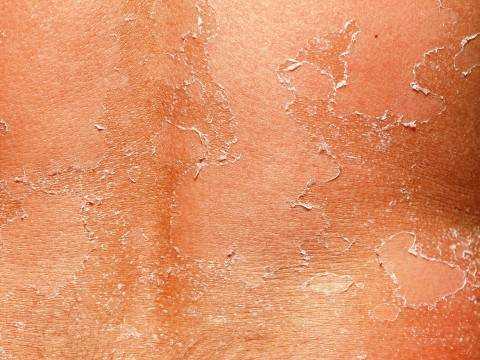
Common causes of allergic reactionsAllergic reactions, most of the times, do not warrant immediate medical attention. But never ignore or take any allergic reaction lightly! Allergic reactions include itching or a puffy face or swollen red blotches all over your body or a fit of sneezing.  If we know what allergies have, we can avoid the triggers. So, here is a list Soaps and detergents: Are your palms are all rough and peeling off in patches and it doesn't seem to go away? Time to do a check on the dish-washing soaps and the detergents you may be using. Most of the brands contain harsh chemicals that burn while you use them. Medically known as Contact Allergic Dermatitis, this is one of the most common allergic reactions. Artificial Jewellery: Even the best looking jewellery can, at times, trigger allergic reactions. Another common type of Contact Allergic Dermatitis, this happens when you wear artificial jewellery. Most of the jewellery of this variety contains Nickel which is the main cause for this type of allergic reaction. Clothes: Clothes can be a cause for allergic reaction. While synthetic fibres like nylon and polyester are common factors, at times, the chemicals used in the dyeing can also be a reason for allergy. Add to it the perspiration and the constant friction between the skin and the clothes, and you have a severe allergic reaction guaranteed! Latex: Latex is also a very common cause for allergy. Commonly found in condoms, gloves and certain medical devices, allergy to latex can range from minor itching and redness, to a serious life-threatening anaphylactic reaction. Milk and milk products: The symptoms for this source of allergy include loose motions and stomach, among other things. Medically called as Lactose intolerance, it occurs in people who do not have the necessary enzymes in their bodies to digest milk and milk products. Food allergies: Peanuts, brinjal, fish etc can also trigger allergic reactions. Food reactions are specific to individuals. One may suffer from an allergic reaction to almost any kind of foodstuff. Beauty products: From shampoos and creams to nail paints and lipsticks, every cosmetic you use is a potential allergic trigger. Molds: These are microscopic fungi found in damp and moist places.. Allergic reactions to molds are pretty common and seasonal. Cockroach: The proteins secreted by the glands and the saliva of the cockroach can be allergic to humans. Sneezing, itchy and watery eyes are common symptoms. Insects: Insect stings can lead to burning and stinging pain with redness and a slight swelling around the bite/sting area. In some people though, insect bite/sting proves to be life threatening. Symptoms as severe as difficult breathing, rapid pulse, severe drop in blood pressure and swelling of face and throat may occur!
Pulling out - Is it an effective option for contraception?What is the 'Pulling out' method? 'Pulling out', 'Withdrawal' and 'Coitus Interruptus' are all the different names for probably one of the safest methods of contraception. It involves the male partner withdrawing or pulling out his penis just before ejaculation. This ensures that no semen has been ejaculated into the vagina or vulva of the female partner. Since there are no sperms travelling inside, the result is - No Pregnancy! Is this method really effective? Like all methods of contraception, the effectiveness of the pulling out method also depends on how correctly it is done. This method requires a lot of mutual understanding between the partners. The male partner must also exercise great self-control and accuracy in knowing when he will reach the highest point of sexual excitement so he can pull out at the right moment. Statistics have the following things to say Of women whose partners use withdrawal, 4% become pregnant each year if they always do it correctly, and 27% become pregnant each year if they don't always do it correctly. Ejaculating close to the vagina or vulva would mean that the sperms still have a way to travel inside the vagina. At times the pre-ejaculate fluid may also contain a few sperms from the previous ejaculation that may end up causing pregnancy. As a precaution against this, experts suggest the male partner pass urine before the sexual act. Withdrawal method of contraception is the best option for members of religious groups in which using contraceptive devices like pills, condoms or IUDs are a form of sin. Withdrawal method does not protect you from HIV/AIDS and other STDs. What are the advantages and disadvantages of this method? Advantages It is simple, safe and convenient. It is the best method when no other contraceptive method is available. It has no side-effects It does not require a medical prescription. It does not alter the menstrual cycle. It does not affect future fertility. Disadvantages Requires great self-control, experience and trust. Not suitable for men who suffer from premature ejaculation Not suitable for teenagers and sexually inexperienced people. Does not ensure protection from sexually transmitted diseases and HIV/AIDS. Less effective than other methods of birth control. May interfere with sexual pleasure due to nervousness and anticipation of pulling out at the right time. The pull out method is thus one of the safest methods of contraception, provided one has a thorough understanding of one's body, trust in the partner and a huge amount of self-control.
Penis healthHere's a quick one on how to go about doing the good work The function of penis is primarily passing urine and intercourse. So from the hygiene point of view it becomes imperative that the penis, testicles and scrotum should be washed regularly with mild soap and toweled dry to keep out any odor causing bacteria. The foreskin should pull back to expose the glans or it can cause bleeding while having sexual intercourse. The foreskin is that protective sheath around the glans. It appears a simple task to pull the foreskin back about a quarter of an inch. But it is difficult. So for those men whose foreskin isn't exactly the 'spirit of co-operation'. Soap and lubrication can ease the way down. Try it slowly and gently over a few days and then ease down with practice. It is important to slide the foreskin back while bathing to wash off the 'smegma', sticky substance that tends to accumulate there. Don't wear underwear which is too tight or it may restrict the blood flow to the penis. Besides that is not very good from the point of view of the quality of sperm generated by the testicles. 'It's really surprising how many men don't clean underneath their foreskin', says Patrick French, sexual health expert. A penis, for once, isn't a muscle and you could do some serious damage in trying to bend it. Secondly, it is meant to have erections so there is nothing abnormal about that. The penis has no bones in them but don't ever try to apply strength and/or fold your penis away. It is like a tube with blood vessels which fill up and give an erection. If you were to rough handle the penis by twisting it violently it can actually cause the vessels to rupture and cause a swelling which can be painful. Do not ignore any swellings, lacerations or spots on the penis as they could be symptoms of sexual disease or infection. Even circumcised men should wash under the glans regularly.
FAQS
T&C FAQS