Home
Making the 30 the new 20 - Some healthy tips for men over 3030s for most men is the age of making money, a firm career and preparing a good and luxurious retirement plan. But in this race of minting money, getting a house, buying a new car, don't you feel you lose the verve to be young in body, health and spirit? Result, you are in the lap of one or the other lifestyle diseases. Well guys slow down and ponder a bit.Your age can be on your side when you try to maintain it not when you extract all energy and fill it with monotony and laziness. 30s can turn into new 20s for each one of you but that can't happen by sitting in front of the TV set watching your favourite game and gulping down a beer. So you need to put your mind and heart together and try to work out options to keep your mental and physical health optimized. Let's discuss few such ways which can be the key to your health post your 30s. Be a part of the maddening crowd Post 30s men have a habit of engaging themselves totally into their work, that very little time remains to socialize and meet people. Studies prove that people who are part of a big social group have fewer chances of heart diseases as they are supposed to be happier and stress-free compared to their counterparts who spend their time in their office files and TV. Be healthy, wealthy and always wise with exercise Hitting the gym would be a trend amongst teens and those in twenties, but you need it the most at 30 as this is the age staying fit is essential to keep all diseases away. If you are not a gym fan then you can try any of the other methods of exercise: Morning walks Joggings Yoga Aerobics Options can be innumerable but you need to choose what suits you and your lifestyle best. Avoid the idiot box Do you spend your evenings in front of the television set? Well that is definitely one of the unhealthy habits you are nurturing then. Television sets make you dependent, which mean very few body movements. The only exercise you get is when you reach for the popcorn or when you fiddle with the remote for the mute button in-between commercial breaks. Also it takes up your time which is meant to be spent with family and friends. So next time you get home from office, try and grab a game with your kid or a nice chat with your wife or walk down the road to your friend's house and go out for some fresh air instead. Say NO to the puff A very common habit which catches hold among men especially since their teenage is smoking. Men who have been smoking since their teens don't feel a need to change their ways and it just seems to get worse. Now in your middle-age you don't smoke for effect but rather as a refuge from all tensions and tribulations or sheer force of habit. You are aware that smoking and nicotine dependence whether through smoking to chewing tobacco can put you at risk of lung cancer, hypertension, heart valve blockages and much worse? Being a bit more sober than you were in your 20s is essential here. Stop the smoke and try to look into the clear air around you. Less alcohol, more life Alcohol not only hits your liver and takes you away from the real pleasures of your life but also makes you prone to all the diseases which starts showing its symptoms in the middle-age only. Increase in anxiety, blood pressure, high cholesterol or other cardiovascular diseases come into forefront more with age. Does that mean you should stop this within a day or two? No, you need to limit the number to one or two pegs maximum a day and you will be fit for a healthy life. Go fishing Now this does not mean you need to hunt for your own food or dangle the bait or go hungry. Just make fish a part of your daily diet. Fish or sea food after stepping in your 30s makes you able-bodied and increases immunity to fight diseases. The necessary proteins, vitamins, essential oils, zinc, selenium etc. can be had through just one source-fish! Bone mania Calcium deficiency a common disease in women in their 30s causes joints pain primarily, now this should never be neglected by men as well because with changing lifestyle, men also are falling prey to it. Declining calcium concentration in your bones post 30s makes them prone to more fractures and bone damages. The right balance between physiotherapy and food habits makes you more agile and keeps the joints squeaky clean! More sunshine Research prove that spending 15-20 min in the sun everyday helps one to keep away from diseases like osteoporosis, back pains, arthritis etc. Requirement for Vitamin D is fulfilled and all readily bodily deficiencies get mitigated. Thus step out in the sun for some time and experience the results yourself. Avoid the junk Pot bellies are a common sight among men as they hit their 30s. You don't have to live with it! Obesity is the starting point of most diseases. Thus what you require is just focus on a healthy diet plan. The burgers and pizzas which might be irresistible to you in your teens should be only looked at dispassionately without bringing your mouth a mile near them. Extra cheese and butter are now not to be served on your platter. A bit hard-hitting but to stay healthy needs to be done without any second thought. Thus the above mentioned pointers can be followed by guys at any age but should be followed rigorously when you hit 30! So, live your life healthiest and to the fullest!  
Pregnancy and HIVMothers with higher level of viral load have been found to deliver infected babies. However, no amount of viral load can be safe as infections can occur any time during pregnancy. A high level of precaution is necessary during this phase. Mostly infection occurs during delivery but that's not the only way through which it can spread. HIV-infected mothers should not breast-feed, as virus can transmit through breast milk too. Antiretroviral medications are used to reduce chances of transmission of HIV. Keeping delivery time shorter can reduce the risk of transmission. Most of the times babies born to positive mothers are positive for HIV. Babies infected with HIV will have antibodies made in their system and will continue to test positive. But if babies aren't infected, the mother's antibodies in baby's blood will eventually disappear and babies will test negative after about one to one and half year. HIV positive women should consider possible problems with antiretroviral medications for HIV before getting pregnant. Talk to the doctor about choice, indications, and contraindications of these drugs. There's a risk of missing doses due to nausea and vomiting during early pregnancy, hence giving HIV a chance to develop resistance. Some doctors prefer the practice of stopping or modifying medications during pregnancy to lower the risk of birth defects. Short course of treatments can help eliminate or reduce risk of transmitting HIV to a newborn; but, short treatments increase the risk of resistance to the drugs used too. There is a risk of birth defects due to antiretroviral drugs during the first 3 months of pregnancy. Pregnancy does not worsen mother's HIV disease, but any HIV positive woman planning to get pregnant should discuss treatment options thoroughly and all the pros and cons with her doctor.   
LBW - Babies that don't throw too much weight around!You'll hear this term if your baby weighs less than 2.5 kg (5.5 lb) when born. About six in 100 babies who are born in the UK have a low birth weight. There are a number of reasons for LBW in babies, with premature birth topping the list as far as reasons go. Babies born prematurely could have extremely low birth weight as compared to babies that are born between the natural term of pregnancy, i.e., between 36-40 weeks. So what are the other reasons behind LBW babies? Descent is an important factor that could also determine birth weight. A survey conducted in the UK showed that children born to people from the Indian sub-continent (Indian, Pakistani, or Bangladeshi) or African parents are more likely to be born with LBW as compared to babies born of white Caucasians. In case of twins or triplets, there are chances that one or all offspring might have LBW due to lack of space in the womb. The mother's health would largely determine the healthy weight of the child as well. Emotional problems faced by the mother during pregnancy could have a link with LBW. Same goes for addictions like smoking, alcohol abuse, designer drugs, and at times, health conditions like high blood pressure which cuts off healthy blood supply to the fetus. Even damage to the placenta can cause LBW, as the fetus does not receive vital nutrients, blood, and oxygen which can cause stunted growth or low weight at birth. Any congenital or hereditary conditions can also affect the baby's weight. There is much uncertainty with regard to the future of a baby with low birth weight. There have been instances where LBW babies have developed conditions like obesity, diabetes, or heart disease in later years. It is a common fear that LBW babies develop behavioral or emotional problems in schooling years and they are likely to have low intelligence. Of course, there isn't any concrete evidence. The pivotal factors here would be to find the cause for LBW and what trimester of pregnancy was it detected. Providing a stable family environment and taking special care of a LBW baby can also go a long way in keeping it healthy in subsequent years. Not to forget that the parents' size and genetic predisposition would have a lot to do with the baby's health and even weight. If the parents are small in size or underweight, then the chances are that the baby will be born small or with LBW. Breastfeeding the baby is the best strategy that a mother can adopt to ensure that the baby grows up well. While growing up, the parents will have to ensure that the baby receives a balanced nutritious diet to ensure healthy weight.
Faking illnesses - An illness in itself?In 2008, a 28 years old woman in the US shared some shocking news with her friends. She had been detected with cancer. She posted updates on social networking sites and wrote blogs on her illness. Sympathy poured in from all corners. Some even sent in monetary help to cover her expenses. The saddest part of the incident though was not her cancer; it was the fact that she had faked it! Police investigations revealed her little trick when no evidences or records were found at the hospitals! Apparently, this isn't a unique case;  faking illnesses or malingering is a very common occurrence. All of us have done it at some point in our lives. While we may have done it to escape a school punishment or to take undue advantage of the office 'sick leaves' for personal purposes, it is usually done on a harmless level. But faking illness can be a chronic disorder too and  medical professionals even have a name for it-; Munchausen's Syndrome. People suffering from this syndrome fake illnesses that they don't actually have, to gain sympathy or simply to be the center of attention. Usually gaining sympathy is the main reason why people fake illnesses. It gives them a chance to be in the spotlight. Everyone calls and visits, expresses concern and fusses over them. Lots of love is showered upon them. Another common reason for faking illnesses, is money and at times, the monetary benefits are higher than the emotional ones. No one hesitates to fulfill the last wish of a dying person, however expensive it may be. Often there are mixed motivations and the person faking an illness has many reasons to keep up the pretense of being sick, for as long as possible. Some people really do have a disease — a mental illness known as a factitious disorder. People with this disorder pretend to have an illness, which is usually a terminal one and often go to great lengths to maintain their hoax. Munchausen syndrome by proxy, is another form of faking illness. People with this disorder, fake illnesses of people under their care; and they usually do this, for monetary benefits. Children are the most common victims in this disease. When you tell someone that your child has cancer, you will receive a great amount of sympathy and all the money you want, no questions asked! People with these disorders are extremely cunning. They go to great extents to maintain their lies. They will build grand stories, complain of fake pains and aches, get admitted to hospitals and undergo a battery of tests, numerous times. Interestingly, they never allow and frequently discourage medical professionals, from talking to any of their family members. Since they know they are faking the illness, they will refuse to undergo treatment, for obvious reasons. . If you think a loved one may be exaggerating or faking their health issues, attempt a gentle conversation, voicing your concerns. Avoid anger, judgment or confrontation, while offering support and care and if possible, help them in finding a treatment. Treatment includes empathy, helping in identifying feelings and issues that led to the development of the disorder and finding  alternative healthy ways to deal with those feelings and issues.
A guide to resolving commitment phobiaCommitment phobia could impact both men and women. The age-old idea of only men being commitment phobic has fallen to ground and such a fear is shared by both the genders today. The main issue of this psychological condition is that the partner involved is also traumatically affected. The initial stages of the relationship involve making the partner feel secure about the relationship by assurances and verbal confessions about future needs of a long-term companionship. This makes the person involved with the commitment phobic trusting the latter, only to be taken aback and hurt when she/he walks out at the time, to seriously and sincerely declare their relationship. One who is afraid of commitment would often have many failed emotional relationships in the past with the justification of never having found the right person. Even though you might just be the perfect match, it is possible that they would find something wrong with your lifestyle in order to justify his/her fear. There would be consistent contradiction in their declaring of love for you and the actions which might hurt or injure the trust built on basis of the verbal assurances. Cause of Commitment Phobia: The root of the fear is the need to feel in control. A commitment phobic will feel that after a point of time there is a need to withdraw from their lover in order to have an 'upper hand' in the relationship and feel in control. Such a feeling might not be conscious. While the commitment phobic is pursuing their partner, they are also keeping in mind the way to get out of the relationship. Thus, any compliment given is empty flattery, for it presupposes their exit when the time comes. They are also afraid of facing the truth of their emotions. Coming from unstable backgrounds, commitment phobic people are very lonely and afraid of pain. The parents might have had a loveless and emotionally numb relationship. There could also be instances of physical and sexual abuse apart from the mental trauma the patient goes through as a child. Bailing out is their defence against being hurt any time in the future. Thus, the only thing they are doing in the relationship is to make sure they have the power in their hands (via complimenting and making you believe in them) and to make you depend on them. Once you are dependent and look for a solid assurance of their existence in your life, they will walk out.  Due to the fear of getting hurt, no amount of emotional intimacy and efforts seem to be sufficient for them to believe in you. However, remember that it is possible to cure the condition with proper psychological and emotional support. Contrary to popular belief, both men and women suffer from commitment phobia. The root of this fear is sown during the early years of the patient's childhood and a vicious cycle arises in which the patient withholds from forming a full-fledged relationship with anyone, blaming the failures on incapacities of the partner involved. This cycle can end only with the individual effort and support of companions and lover. Treatment of Commitment Phobia: The main aim in treatment of commitment phobia is to change the way the patient thinks about relationships. If you know someone who is a commitment phobic or if you are afraid of commitment, then here are five ways to deal with it: Way 1- Accept YourselfYou are looking for a perfect partner in an ideal context. You want a long-term loving relationship, but you have experienced throughyour life that such relationships are filled with pain and assume that eventually all relationships are only bundles of pain. This is manifested by your tendency to obsessively find something wrong with your partner. You know that your partner is loving and doing everything they can to make the relationship work, even then you find something wrong with them. When you think about commitment, you feel suffocated, bored, or at danger because it would require you to let your guards down to a person, thus becoming open to being in pain again. Accept yourself. Don't distort who you are. Write down all you feel about relationships and accept it. Think about the past relationships you have had and admit that your fear has led to breaking up of many emotional relationships in the past. Way 2- Understanding Your ConditionBecome aware of what is mentally happening when you are running away from commitment. By knowing what is exactly happening when you are walking out of a relationship, you will be able to handle and help yourself well. Way 3- Find The Root of Your FearsExplore the sources for what you feel about relationships and commitment. Discover incidents in childhood which slowly disillusioned the image of loving relationships. Consider your ex-partners and admit their merits as well. By finding the root of your fears, you will be able to become aware of it when you are in the act of bailing out on a great relationship. Way 4- HypnotherapyThrough hypnotherapy, you will get to know the root of your fear. The process also involves creation of an unconscious transformation in the patient in the form of thoughts, feelings, and attitude. Eye Movement Desensitization and Reprocessing (EMDR) and Lifespan Integration are also helpful ways to treat commitment phobia. Way 5- Consciously Think About The Pros As WellThink about the loving relationships you have wanted and understand that relationships are filled with ups and downs. Every person is guarded naturally against pain and you do not have to excessively fortify your emotions. Write down all the good things about your lover. Also note down the things you find faulty about them. Then, ask yourself if your act of complaining is much like the desires your parents or closed ones might have imposed on you. Know that every person has a set of incapacities, and as long as it does not affect their love towards you, you should not be worried by it. Way 6- Imagine The UltimateIf you are not going to work on the commitment phobia, realize that you will never be able to establish the loving relationship you have always wanted. To make sure that you do not end up missing out on the wonderful experience, you have to weigh the relationship wholly. As mentioned earlier, write down both the pros and cons. Weigh your fears and decide what you feel. Way 7- Control Your Urges to Walk OutYou might be urged to leave the moment you find an imperfection in the other. Assure yourself to understand your partner. Take your time, but do not walk out. Learn to stay and work on the issues that the other might have. Way 8- CommunicateOne of the main problems that commitment phobic people have is that they do not talk about their problems, as they believe to open up about their emotions would mean to be vulnerable and to lose their power in the relationship. If your partner loves and cares about you, then open up to him/her. Let him/her know how you feel. This would prepare the other for any tough situations in the future, and you would also learn to judge and trust the other. Way 9- The Time Is NowYou might think about all the bad things in your current relationship and talk it out. However, remember that you might just be missing out on a beautiful experience because of your fear. If you want to work on your commitment issues, the time is now. Learn about your partner more and judge your relationship objectively. Be aware of any fears that arise and their source. Answer the fears rationally and do not suppress them. Slowly, talk to your partner and deal with the phobia. Way 10- Love Yourself And Build Strong RelationshipsThe first step to treating any phobia is to accept oneself and begin the process of being compassionate to oneself. Love yourself. Often, there is a fertile ground of low self-esteem boiling under the over-confidence about demerits of the other. Accept your incapacities as well as merits. Build your relationship with honesty and gradually let open the doors of your love. You do not have to suppress any of your fears. You have to confront and answer them. By communicating with your partner and remembering to receive their love without complaint, you will be able to overcome your fears completely.
Fruit diet can be dangerousFruits are healthy and provide lots of nutrition, vitamins, antioxidants, carbohydrates, fibre and bioflavanoids to the body.These things together protect your body from different health conditions and heart disease. However if you only eat fruit, you miss many other essential nutrients such as fats and protein. This can upset your stomach and lead to indigestion. Hence it is very important to take a well-balanced diet to remain healthy. Check out why you should not rely solely on fruits for living. Fruits do not provide protein Protein is highly important for your growth and development. By eating only fruits, you are restricting your intake of proteins that can stop your overall development process. Your body requires calories and energy on a regular basis. Each cell of your body contains protein. To keep your body cells in top working condition it is important that you include protein-rich foods such as lentils, soy products,  nuts and beans in your regular diet. You can also consume low-fat dairy, lean meat, fish and skinless poultry to provide required amount of protein to your body. Fruits do not provide fat Although excess of fat is not good for health, it is essential that your body requires on daily basis to ensure smooth functioning of your immune system and also to help your body absorb various minerals and vitamins provided by other foods like fruit. If you continue being a fruitarian for long duration, the chances of stroke due to brain haemorrhage increases. According to health experts, you should get around 20 to 35 percent of your daily calories from fat. To provide your body with good fats you should include soybean, sunflower, olive or canola oil in your diet. Fish and poultry also provide good amount of healthy fats to the body. Too much of fruits can lead to digestive problems Fruits provide fibres to the body in large amounts. Although your body needs fibre as it is one of the essential nutrients, getting too much of fibre can lead to side effects. Fibre works as broom to clear of your abdomen and aid in the digestion process. However, too much of fibre leads to stomach problems and cause symptoms such as gas, cramps and bloating. Sometimes it may also lead to chronic diarrhoea, dehydration and loose stools. On a regular basis, a woman requires only 22 to 28 gm of fiber per day and a man needs 34 to 38 gm. Apart from fruits, seeds, vegetables and whole grains also provide fibre to the body. Other considerations If you limit your intake to fruits, you may not get enough calories required for producing the required amount of energy. Consuming calories less than 1100 per day can lead to lot of side-effects such as intolerance to cold, gallstones, hair loss and fatigue. So although fruits taste wonderful and are very tempting, being a fruitarian is not the best thing for your health. Your body needs all the nutrients for carrying out its different activities and hence you should include variety of foods in your diet.  
10 Makeup myths bustedMyth 1: You do not need Primers if you have evenly applied foundation and moisturized your skin well. Fact: Primers are basically used to fill your fine lines, reduce the visibility of your pores and keep your foundation looking fresh and radiant, for longer. With age, your skin develops its natural flaws and the use of primers becomes mandatory. For best results, use your primer after moisturizing your facial skin and before applying your foundation. Myth 2: Red Lipstick does not look good on everyone. Fact: Generally, red can look good on everyone. The trick is to find the right shade of red that suits  your particular skin tone. However, to play it safe you may start using red lip colors with blue undertones, as they look good almost on everyone. But remember, learning to apply lipstick the right way, is just as important for the right effect. With just a little patience and practice, you can surely achieve those red hot lips, you've always dreamt of. Myth 3: Foundation should match your cheek, hand, neck or forehead. Fact: Getting the perfect shade of foundation is one of the toughest tasks, while choosing your makeup products. Your facial skin is much lighter than your hands; yet at the same time, it's a tad bit darker on the sides and forehead. Hence, the best way to select a foundation is to check the stripes on your jawline. But, always remember to step out into the natural light while making this crucial decision. Myth 4: You can change the lip-size using lip plumper. Fact: Ok Ladies, a lip plumper will definitely not change the size of your lips. The way they work is that they give your lips a swollen appearance, by stimulating the blood flow and irritating the lips. The main ingredients in a lip plumper are hot pepper, menthol, caffeine and cinnamon which results in the temporary pronounced pout, which soon wears off. Myth 5: Pumping the Mascara eliminates Clumps. Fact: If you pump your mascara tube, you're actually pumping in more air, due to which the mascara solution dries out quickly and allows germs to breed in your mascara. The best way to eliminate clumps is to rotate the brush inside the mascara tube and then wipe it down with a tissue, before application. Myth 6: Never wear an eye shadow matching the color of your eyes. Fact: It is true that if you use contrasting colors, your eyes will pop and look bolder. However, this does not mean that if you have brown eyes, you avoid your favorite brown eye shadow. Myth 7: Choose a concealer that is lighter than the foundation. Fact: Every woman has a different skin tone and depending upon your skin tone, you might need more or less, foundation coverage. So, it is always better to choose a concealer that comes closest to the shade of your foundation. Myth 8: Always choose a foundation that is lighter in color compared to your skin tone. Fact: If you choose a shade of foundation lighter than your skin tone, after a while your face will start showing two different skin shades. Always, test the foundation on your jaw line and if it blends in seamlessly with your skin tone, that's definitely the right shade for you. Myth 9:  Makeup leads to acne. Fact: No research, until date, has conclusively proved that makeup causes acne. Poor hygiene, sleeping with your makeup on, not cleaning your makeup brushes regularly, and using the products beyond their date of expiry is what leads to breakouts on the skin. New products may also cause skin irritation; which is why, it is better to test them on your elbow, before using them directly on your facial skin. Myth 10: Tingling makeup products are perfectly fine. Fact: Makeup products that make your skin tingle are sure to damage your skin and cause injury. It may also lead to bacterial infections and pimples, so you should certainly avoid such products. You should never compromise on the quality of makeup products, or else your skin may have to suffer the side effects.
How to communicate with a patient who has a strokeThe first and the most important thing to communicate with the patient, is to give undivided attention. Give attention to his activities, gestures, his facial expressions through which he may try to communicate so his feelings could be understood. Eye contact is also important but the patient having stroke may look at you square in the eyes but he may not respond to your conversation. While communicating with the patient you should always stand in front and tune out all the other sights and sounds in the room. Maintain full silence around the patient in the room, turn down the volume of the television, radio and ask other people in the room to be silent. You may communicate with the patient by making contact by touching the hand, chin, cheek or areas which are not affected by stroke. As the side which is affected by stroke, does not have any sensations. You may communicate with the patient through his family member by telling the family member to communicate with patient by saying, "Look at my face"; through this we can gain the patient's concentration. You should always speak clearly with the patient in a normal soft volume. Express your ideas in simple terms, form simple sentences, do not use complex words. You may repeat the sentences or an important term again. For example to ask if the patient wants tea, repeat the word 'tea'. More complex thoughts can also be similarly conveyed and repeated. You may also use hand gestures with clarification like doing Hello by waving your hand or through your hand action, you may ask questions like, How are you? Are you ok? What do you want? Through this both caregiver and stroke patient can benefit. You may ask your patient to point out whatever he wants or if he needs anything. And gradually he will develop the habit of pointing the daily items like television, newspaper, remote, eyeglasses radio, drapes an uncomfortable foot, the patient can indicate any pain or headache. Through this communication we can make the patient learn, use mechanical lifts to get in and out of the bed, and with the help of the attendant by demonstrating the patient how to use it. Sometimes when the communication does not work, take a break, give it time and try again, do not get frustrated and reassure the patient that yes, he or she can do it. Good communication with the patient is very important as they cannot speak their basic wants and needs clearly. The patients suffered a stroke also have slurred speech. There is a deviation of the angle of mouth. They are mostly bed ridden and could not carry out the routine activities.
An ounce of prevention is worth a pound of cure!Small mistakes that we keep committing become, over a period of time, serious health problems that are potentially life threatening. Given here is a list of the 10 most common mistakes that we make when it comes to heart health. Ignoring the health check-up: Your last reports said you were fit as a fiddle. So you haven't gone for a check-up since then? Our health becomes the first thing we sideline in today's fast-paced lives. Most of the heart diseases do not show any signs and symptoms in the early stages and when the signs and symptoms come up, too much of damage has already been done. So it becomes very essential to go for regular health check ups. If you are in your twenties it would be advised to get your cholesterol checked every 5 years, blood glucose every 2 years. Beyond 45 years though the frequency of health, check-ups should increase. Body Mass Index is something that you should get checked every time you visit your doctor. Skipping breakfast: Breakfast is the most important part of what you eat the whole day. Most of us tend to skip breakfast due to lack of time, fear of weight gain. But starting your day without breakfast is like driving on reserve fuel. You will start fine, but end up feeling dull and sluggish towards the end of the day. Skipping breakfast has been associated with development of diabetes mellitus and obesity. These two have a strong co-morbidity with cardiovascular diseases. No wonder then it is said, breakfast like a king, lunch like a prince and dinner like a pauper. Too much of sun-blocking: We are people obsessed with fairness and it is understandable that one wouldn't want to get tanned by going out in the sun. Some amount of sunlight exposure is very vital for health. Vitamin D is synthesized by the body from cholesterol with the help of sun rays. Recent studies reveal that people with little or no exposure to sunlight tend to develop arterial plaques that end up in heart attacks, high blood pressure or strokes! Going for the fizz : Aerated drinks are loaded with triglycerides that are a part of the bad cholesterol. They thicken the blood and it becomes difficult for it to flow through the arteries. This leads to several complications. Not watching what you eat: Often we are so caught up in our work that we just grab a quick bite to eat without paying heed to what actually we are eating. Fast foods are extremely unhealthy and wreck havoc onour systems. Missing fruits and fibres: Fibrous food are extremely heart friendly. The fibres help in pushing out the cholesterol out of the body. Beans, oats and barley are all extremely fibre-rich. Fruits are a rich source of vitamins and minerals. They contain potassium that is extremely essential to neutralize the effects of sodium. By doing this they help in regulating the blood pressure. Citrus fruits too have a high amount of potassium in them. Avoiding walking: Walking is the simplest form of exercise the body can get. 10 minutes of brisk walking is extremely helpful for the heart to keep functioning efficiently. Not sleeping well: The body needs 6 to 8 hours of undisturbed sleep for it to reboot and get back its full functioning capacity.  A sound sleep at night reduces the blood pressure and regularizes the heart beats. People compromising on sleep are the ones most prone to suffer from heart attacks and high blood pressure. Not flossing your teeth: Gingivitis is the inflammation of gums. This inflammation hosts large number of germs that leak into the bloodstream and reach the heart causing a number of heart problems. People who floss daily not only have good oral hygiene, they also have a healthy heart. Forgetting the Family: Many heart diseases tend to run in the family. It is very important to know the medical history of your parents and grandparents. The risks of you developing heart diseases are high if someone in your family already has them.
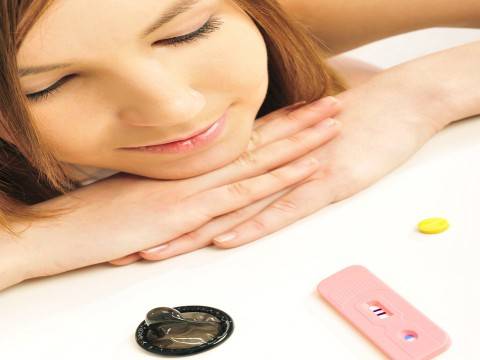
Your questions about contraception, answeredFew couples want to have babies as soon as they are married. Most want to enjoy their sex life without having to worry about conceiving a child in the process. If you are in this group, then here are answers to the most commonly asked questions about contraception. What is contraception? Contraceptionis use of various methods to control and prevent the pregnancy. It allows you to choose when you want to have a baby. What are the various methods of contraception? There are two main methods. Temporary contraception: Caps, combined pills, male condoms, female condoms, contraceptive implant, contraceptive injection, contraceptive patch, diaphragms, intrauterine device (IUD), intrauterine system (IUS), natural family planning, progesteron-only pill, vaginal ring. Permanent contraception: Female sterilisation(tubectomy), Male sterilisation (vasectomy). No contraceptive is 100% reliable and some can have side effects. Find out about all the methods listed here, so you can decide which method is right for you. How soon can I conceiveafter stopping the birth control pills? It is difficult to predict exactly how long it will take for a woman to start ovulating again. Some women are fertile as soon as the pills are stopped and others might take couple of months. Once the periods return and are normalised with normal ovulation, you can conceive a child. What if my period doesn't resume after I stop taking oral contraception pills? If you don't get your periods for several months, you may have what's known as post pill amenorrhea. The pill prevents your body from making hormones involved in ovulation and menstruation. When you stop taking the pill, it can take some time for your body to return to normal production of these hormones. Normally, periods should start again within three months of stopping the pill. But some women, especially those who took the pill to regulate their menstrual cycles, may not have periods for many months. If you don't have a period within three months, take a pregnancy test to make sure you're not pregnant, and then see your doctor.
Work woes - The sexual problems of busy peopleThat one day Mr. X took half a day off and sneaked into his house to surprise his wife, he found her not tending to the garden, but attending to Mr.XXX, the neighbor! Long after the echoes of the shotgun had died down and way after Mr. XXX hopped off, holding on to dear life with trousers around his ankles, Mr. X was found asking himself loudly - why me? Though this story does bring about some amusement, it really isn't amusing to know a whole lot of relationships just going bust all because of the sex word and deed. Couples today are busier than ever, and after the initial euphoria of the relationship wears off; work, career advancements, salary packages get more precedence. Relationships start going off into the realm of a comfort zone where physical touch, intimacy, and sex take a back seat as most people think - "there will be a lot of time for that later." However, time and tide wait for no one- not even bright career enthusiasts, who put their careers over their relationships, only to wake up one day to see their love gone wrong! This is not to say that careers and hefty pay packages and promotions are not important. After all, we can rightly hear one say, "One cannot survive by love and fresh air alone." However, just as it is compulsory to swipe your card at the office door, couples have to ensure that they save some swiping for the bedroom as well. Easier said than done? Perhaps! Here are some of the typical problems that plague the love life of busy people : We have a relationship, why do we need sex? That may be just one partner's opinion! A man who thinks for two and loves for two is going to be in for a nasty surprise at some point. Sure, work pressure will always be there and so will conference calls and decision making. So, if you think your partner is going to live by the memories of your last intimate encounter, you need to get a reality check. Sure, your partner will probably understand that you are busy and maybe the fault is not entirely yours- maybe she is busy too! Sooner or later, you will have to figure out whether you are just flat mates or a real couple. And a real couple does things together- laughs, meets, makes love, fights, makes up, and all that! A good sex life only reinforces the emotional bond between couples and takes the relationship to another level. Going purely by sexual intercourse, then yes, sexual intercourse is, of course, healthy and has a lot of physiological benefits to offer like reduction of pain and feel-good endorphins. Some of us might just take only that bit and have sex with the first available person in sight! The point is sex within the framework of a relationship, can give better results and can foster strong ties, but the guilt from cheating on your partner can also add another reason for stress, which considering your already busy life, could well be the final straw that broke the camel's back. We do have an annual vacation, don't we? Sure! Timeshare holidays and stock options can make the best of vacation places easily accessible. So, the deal is - take your annual vacation abroad and stop groaning! What if you were paid just once a year or were allowed to eat just once a week? Would make you feel really great, right? Relationships need more than your annual vacation. Even a regular walk in the morning together is a better idea than a vacation on a cruise liner. In our material aspirations, we forget that good things in life are completely free. If only you weren't so brand conscious, you would've seen them right away. So, don't save all that sex up for the annual vacation; a weekend getaway will, in fact, add more spunk to your life. Thinking of you! Even the thought that one is in someone's thoughts can be so warm and bring out the best in a person. People who have a partner waving them off when they set off to work are generally happy and more productive at the workplace and have fewer disagreements or upsets. So, imagine the good luck charm being quadrupled by lovemaking! Call it stolen moments of passion. Take a chance... you might just be a little late for work, but then this is important business too! Be spontaneous and watch your partner respond to your sense of urgency. If that's not possible, then at least send a "thinking of you" message, or if you are more creative, you can personalize it with your brand of naughtiness and raunchiness. Rest assured, this will help you actually find the time to make love on a regular basis and your girl might even find a new you and actually miss you when you are gone. Shift workers: Don't shift the blame...shift the time to make love. The tragedy of these times is when both people are out working and both are extremely ambitious and both work different shifts. He is dead tired when she is all up and chirpy. It is night for one, daytime for the other! Wow, what a predicament to be in! One weary soul bone tired and hardly in the mood for love making! Who says you have to go all the way every day. Even touch therapy can be extremely enchanting, healing, invigorating, and can eventually lead to sex. Imagine a hand that caresses your brow as you crib about your boss's bitchiness or the conference that you have been given single handedly to handle? A kiss exchanged at the right time can sometimes do way with the sex part if you are too tired for it. Important thing is to wake up in your lover's arms rather than wake up too late to the fact that you have no love life. This can be a beautiful experience and you can exchange places, giving your partner a sensual body massage when she comes back from her shift. Making love, for sure, is important, but what is more important is keeping the love alive for the making of it!

FAQS
T&C FAQS