Home
Broad chest, weak lungs - Are men more prone to respiratory diseases?The long-standing, chronic afflictionof the respiratory disease is called as COPD, i.e., Chronic Obstructive Pulmonary Disease. COPD is the obstruction within the lung tissue, causing improper circulation and entrapment of air. This limits the space for air to move in and out, directly affecting the quality of inhalation. A small reminder here may be necessary - breathing is synonymous with life, why? Because that's how we get oxygen, which is vital for the functioning of each and every cell within the body. With COPD, the ability to take in oxygen gets compromised increasingly. Continued cough, sputum, and shortness of breath are the main symptoms. COPD is more common in men. Does it have to do anything with being a male? Not necessarily. No specific link has been established to say that COPD risk is higher for you solely because you are a man. Then, what could it be? A study conducted in 2011 in USA showed that the number of men who smoke is 5% more than the women who do. To understand the reason behind this, let us see the primary causes of this disease. Air pollution, some genetic predispositions, frequent acute infections, exposure to harmful chemicals for a long time (usually occupational) - are some of the main causes, and the number one cause is smoking, owing to almost 80-90% of the cases. Park this thought. Next piece of information is simply revisiting some facts you may already know: #The gender classification ofsmokers - Men are known to smoke more than women all over the world, not only in numbers, but also in quantity. Whether it is a developing country or a developed one, 2011 studies say there are more male smokers everywhere than female smokers. Not only there are more men who smoke, they smoke for longer periods and more number of cigarettes than female smokers. This may vary from country to country, like India has much less women smokers than USA does, but the difference between the two genders holds true everywhere, only the ratios differ. #Occupational exposure to harmful chemicals and gases - These are industries of mining, textile, chemical engineering, welding, etc. The number of men working in such industries is way higher than women. #Air pollution - Men are more exposed to air pollution since they are outdoors more than women. This may not apply to all countries and societies, but is generally true. Now, we can put the pieces together and understand why COPD is more common in men? Yes, they are at a higher risk because of higher exposure to smoking, pollutants and irritants. Cigarette smoking is the leading cause of lung diseases and male smokers outnumber women across the world. You can figure out the math here!
Fashion tips for tall menRead on for the few tips which shall help you strike that perfect look always! No more tears for the "trousers" Trousers for tall men that you get in the market are too ill-fitting. They end up making you look "Too big for your pants", or "Too thin for your pants". The easy solution would be to choose a brand for your trousers, after proper research, and stick to it. Your quick checkpoints in this case can be: Your large thigh areas always make you look humongous. Hence, try to get a good and appropriate fit for your thighs. A small amount of flare in your lower legs can give you a good look, but that should go well with the texture and look of the trouser. Last but not the least, avoid loose fitting, or baggy pants. They will just make you look too thin, and tall always. Scare away the " shirt" hassles Have you picked up a T-shirt which lets your waistline be visible, the moment you move your hand a bit? That's a usual problem every tall guy faces. Try a few of these solutions, and see the results: If you are a tall and bulky person, then pick up a long double XL T-shirt, fitting you well. If you are a thin and tall person, then pick up a T-shirt which is long enough for your height, and then get it tailored for the perfect fit. Polo neck T-shirts can make you look too skinny. Try to get a formal shirt which fits you well, and is long enough to be worn tucked in. For tall people, tucking in the shirt helps them flaunt their height pretty well. You can also try and get the formal shirt fitted by a tailor, if you find it too big for your size. Forget the "Jacket" jeopardy Jackets and waist coats are the biggest gifts for all the tall guys out there. But how, and what to wear is the major turning point here as well. Complete your formal look with a waist coat. This shall make you look well built, and compliment your height as well. Blazers can be an option, for both the formal and informal look. Pick up a blazer which fits your broad shoulders well. A jeans, a t-shirt, and a jacket can be a killer combination. Go for earthy colors, as they give you a more masculine look compared to other colors. Tipping the "Tie"& Bolting the "Belts" Try to match the right clothes with the right accessories. Let's start off with the tie. Now, for tall men, getting a tie will be a pain. Always try the tie you are buying, and see if it comes till your waistline. You should also try to pick up a bit broader ties, as they make your chest look broader. When it comes to belts, try to pick up the big, horizontal buckles. Choose simple, horizontal buckles for the formal wear. For the informal look, however, you can experiment with other big buckles available. Watches Tall men with long hands and fingers should try to wear a big dial watch. This gives your fingers and arms a bulky look. Choose colors like gray, and black most of the time, as it makes you look more masculine. So, a few simple steps can make you flaunt your height. As the saying goes: "Wear your style; do not search for it in the stores. Your attitude is what matters the most to complete your look."
Woman, look below your face too!Skin problems are not restricted to the face alone. There are several places where there could be problems. You don't have to grimace and bear it always! Moles: A mole is formed when the skin grows out in a crop or cluster. Moles can be quite harmless. At times, moles are also precursors to serious melanomas. If your mole suddenly grows big or changes colour or starts to bleed, see your dermatologist right away. He will advice a biopsy to rule out anything serious. It is always safe to be in the clear! Rosacea: This is an irritating skin condition that is brought on by specific triggers. It is usually manifested as red spots on the face, flushing or small red eruptions on the face. This condition has multiple triggers, the most common one being the sun. With no cure being available for rosacea, avoiding the triggers like sun, alcohol and extreme temperatures is the only solution. For moderate to severe cases, topical or oral antibiotics are prescribed. Depending on the severity, laser treatments that zap the blood vessels that cause the flushing can also be opted for. Ingrown hair: Too much of waxing and shaving results in the hair growing haphazardly. It results in hair curling up and growing up backwards. It can be a painful condition, especially if it gets infected. Wipe the skin with a cloth dipped in warm water to soften the skin so that it can grow freely. If the pus has already found its place, dab a bit of benzyl peroxide on it. Stretch marks: When your skin stretches with rapid weight gain, as in pregnancy, the result is unsightly stretch marks. Stretch marks, though a proud and happy achievement, can be an embarrassingly reality too! Treatment for them is possible when they are still fresh and pink. Applying a vitamin A or retinoid based cream regularly helps reduce the visibility of the stretch marks by making the skin more pliable. White spots: White spots can be anything from PMLE to Vitiligo. Polymorphous Light Eruptions are the typical whitish spots that come up on the exposed parts when you are out in the sun too much. It occurs due to the damage to the melanocytes by the harsh rays of the sun. In some cases, there are antibodies that the body produces against the melanocytes that go around killing the melanocytes in random places. This causes large white spots at random locations on the body which typically spread. So use a sunblock every time you step out into the sun. If you find the spot growing in size, consult your dermatologist. He may determine whether it is vitiligo. Vitiligo has no cure, there are oral medications available, which along with the sunrays help restoring some color to the skin. Birthmarks: These are pigment cells that are overgrown. Most birthmarks fade over time. However, if yours starts growing and changes to a dark brown color, get yourself checked by a skin specialist. Chances are that it could be a melanoma. Birthmarks are usually harmless and do not require removal except for cosmetic reasons. However certain medical conditions like melanoma also warrant their removal. Varicose veins: When blood in the legs isn't unable to pump up against gravity or if the valves of the leg veins are faulty, the blood starts stagnating in the leg. This causes the legs to swell and the veins to look prominent. This painful condition occurs in obese people, at times in pregnancy and in people with jobs that requires them to stand all day. Resting with the feet above chest level is a solution for mild to moderate cases. In severe cases, the solution is laser treatment. Scars: As a child, you burnt your leg by accidentally placing it on the hot silencer of daddy's bike? You may still have a scar to remind you of that incident! Scars happen after an injury to the skin's collagen and elastin. If scarred, you may have to live with it. However, there is no reason why the new injuries have to have reminders for life. Skin discolorations, keloids or pockmarks from acne attacks, whatever the scar, there are multiple creams and laser options available to treat them. Age spots: Also called Liver spots, they have nothing to with either your age or liver. They are caused when your skin produces extra melanin to cope with your sun exposure. Alternate application of a bleaching cream like hydroquinone and an exfoliating cream like a retinoid based cream can help lighten the spots. Do this under your dermatologist's guidance only. Other options include chemical peels and microdermablasion. Lasers are last option treatments for stubborn old spots. Eczema: This is a long-term skin disease, also known as atopic dermatitis. Most common symptoms include dry and itchy skin, rashes on the face, inside the elbows, behind the knees, and on the hands and feet. Currently, there is no single test to diagnose eczema, so doctors rely on information about you and your family. Treatment options do not include cure, only immediate relief from the inflammation and itching can be obtained. Hives: Hives are the red and sometimes itchy bumps on your skin. They usually appear as an allergic reaction to certain foods or drugs. People who have some form of other allergy are more likely to get hives than people who don't have any allergy at all. Other causes include infections and stress. Hives usually go away on their own, but if you have a serious case, you might need medical help. Skin is the largest organ of our body. It is the protective barrier between our body and the outer harmful world full of bacteria, viruses and other dangerous microbes. Hence, it becomes extremely essential that caring for our skin should find top spot on our health care list.
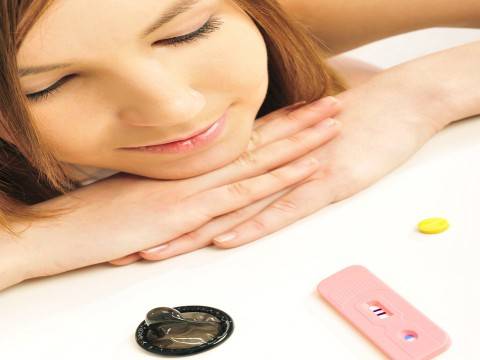
Infertility at workplaceSince infertility among the younger age is increasing, it is important that a couple decides an early suitable date to attempt conception. Time and again it has been found that infrequency of intercourse is the cause of delayed pregnancy. It is advisable that the woman has a thorough examination by the gynecologists to identify the ovulation dates and for the man to have a thorough spermatic fluid check.  If both are normal then they could wait for a suitable date later. Should there be a problem the quicker it is attended to better. Also, early in the marriage they should start a fund which could be utilized for matters related to conception. For the male, the main treatment covers his personal sex life and a detailed examination of his spermatic fluid. It is the female who has to undergo many detailed tests and possibly surgeries which are expensive. It is often seen that not only the procedures for both take a toll on their personal and intimate relationship but also severely affect their finances which may come to a point that it does not allow them to complete the treatment as for e.g. the woman undergoing IVF may costs several lakhs of rupees. The treatment of infertility has improved greatly, but interferes severely with the work schedule. Working couples particularly women may have a hard time keeping to their schedules. Depending on their infertility diagnosis, many workplace challenges exist including the need to take time off to undergo tests and other appointments. It is difficult to balance the medical and surgical procedures with daily life and work. This is a difficult issue for many people as they fear their employer may discriminate against them for taking time off from work. Sadly in India there are very few employers who include medical benefits and cost of treatment for infertility. Suggestions have been given on stress dealing with infertility treatment and work. Here are few pitfalls to avoid: Do Your Homework: Review your organization's HR policies so you understand the amount of leave you have and other policies that pertain to your situation. You may be able to arrange for flex time or work from home on the days of your appointments, so that you do not actually miss any work. Be Honest:  Go to supervisor and let her or him know that you will be using your leave time and will give as much notice as possible. Honesty is the best policy. Remember people are inherently curious about the disease of infertility. If you feel the questions are invasive and make you feel uncomfortable, remember you do not have to answer the questions. You can respond nicely and let them know that you appreciate their concern but you are not ready to answer any questions. Your co-workers are asking question because it is human nature to be curious. In conclusion, not everyone needs to know what is happening with your reproductive health. At work place should medical help be available do take advantage of it.  This treatment has nothing to do with your performance at work. Go to work feeling confident that you will be able to perform your job and handle your workload during this time.
Your bundle of joy comes with bundles of fascinating facts Blue-eyed wonder: Most babies are born blue-eyed. The melanin pigment that decides the color of the eyes is not developed at the time of birth. So the babies are born with blue/light eyes irrespective of the genetic makeup. By the time the baby is 6-7 months old, the pigments start developing and the baby's eye colour changes as per the genetic makeup of the parents. Marked for life: One in every three infant is born with a birthmark! No tears: That is true! New born babies do not shed any tears. The lacrimal duct and the tear glands are well developed but they produce just enough tears for lubrication. Actual tears start appearing after one month of age. Crawling wonders: New research has found that babies can crawl almost as soon as they are born. When left to themselves, they are quite capable of using their limbs and find their way to food i.e. the mother's breast.And we thought that they are tiny helpless creatures! Temperature sensitivity: Babies are much more sensitive to temperature changes and body heat.Though the baby can't throw off the clothes to cool down, it is smart enough to do other things. When the baby is cold, it will move around more and if it is too hot it may just lie still as if sunbathing. Touch therapy: Touch is the most highly developed sensation in babies, even in premature ones. The touch sensation develops from head to toe with the mouth being the most sensitive. No wonder they tend to put everything in their mouths. Short-sighted: Babies are short sighted at birth. Their vision is set to a limit of 8-to-12 inches. They can see people and objects clearly only if they are within this range. Brain size: The brain grows at such a rate in newborns that by the end of the first year,the brain is double the birth size and half its final size! Palmar Grasp: New born babies have a strong grip, as strong as a monkey's. The grip is so strong that if you dangle them on one hand, they can support their own weight. This probably originated from the primitive survival instinct. This strong grasp reduces after a couple of months. Taste buds: Babies have more than 10,000 taste buds situated all over the tongue and even at the roof and sides. As they grow, these extra taste buds disappear.
Activities to help your toddler talkWe understand how eager parents are to talk to their kid. They want to hear their soft voice and babble talks. So start teaching them as soon as possible to help them to speak fast and clear. Here are some activities which will help you to teach your kid to talk. The playful ways: The best way of teaching your kid to speak is to, well,play. Most of the learning is done through playing. Be a child with your child. Act playfully foolish --kids enjoy that a lot. And when the kid is happy and in playful mood, they try to talk. Building vocabulary: Use a word in more than one sentence to make them understand the meaning of the word. For example, 'The color of leaves is green' and 'Your father is wearing a green colored shirt.' If the kids hear a word used often in different sentences, it becomes a permanent part of their vocabulary. Give them practical examples: Teach them the names of the things they see around. Or get actual objects and be descriptive to teach them the name of the object and talk about the object's features. Use a toy phone: You must have seen kids trying to talk over phone to their dads or friends. They try to copy you the way you talk over phone. It can be a great way to teach them to speak. Pretend that you are talking to the kid's dad or grandparents, and pass over the phone to the kid and encourage them to chitchat over the phone. Story telling: Kids listen to the stories very carefully. Show them the pictures in the storybook and describe them with the story. Then repeat the same story the next day. Ask your child if she/he remembers what was there in the story by showing them the picture. Help them if they get stuck. Sing together with the child: Music is another amusing way to teach the child to speak. Listen to a song, sing and dance along. Encourage the child to dance and sing with you. Children are great at learning lyrics of a song. Reward the child on completing a task: When you reward the child with his/her favourite toy or snack, they understand the benefit of performing the task. And they take effort to get the reward. Ask your child to recite a poem for you, or speak a certain word or sentence and entice the child by showing him the reward he will get on completing the task.  
What is megalomania?Bertrand Russell's quote on megalomania perfectly describes the condition:"The megalomaniac differs from the narcissist by the fact that he wishes to be powerful rather than charming, and seeks to be feared rather than loved. To this type belong many lunatics and most of the great men of history." Megalomania is a delusional bipolar disorder. The sufferer believes he is an all-powerful person and that he is superior to all other people. Megalomania comes from the Greek words megalo which means large or great and mania which means madness. It is a psychopathological disorder that has delusional fantasies of power, exaggerated self esteem and a sense of omnipotence. The sufferer may believe he is God or some famous athlete. Although megalomania is a term used for power hungry people, it is clinically described under the mental disorder of narcissism. Narcissism is self-love. Though self-love is a healthy concept, narcissism is a pathological state where one loves oneself to the extent that he starts despising others. Megalomania is caused by certain phobias and mental conditions associated with emotions and personality. In everyday life, megalomania can be a person's mental way of reacting to frustration, abandonment or some serious loss. In the social world, the term megalomaniac is often synonymous with control freaks, power-drunk army generals, executives and politicians. The treatment of megalomania includes medications. The challenge here is that the person may not believe he has anything wrong with him. He, in fact, believes that he is so great that no harm can come to him, so talking him into getting himself treated is very difficult. Adolf Hitler, the German dictator, was a power-hungry control freak. He believed that he was the supreme commander and that his race was the only race suited to inhabit earth. All other races, especially Jews, were inferior and had to be wiped off the face of the earth. Adolf Hitler was megalomaniac.
When the grey matters!Greying of hair happens to all of us at some point in life. Some may get it early and other fortunate ones may get it when they are 50. Premature greying and hair fall is a common problem faced by 70% of females in India these days. What are the causes of greying of hair and what can be done if your hair starts to go grey early? What are the probable causes of grey hair and hair fall? Deficiency of nutrients in diet. Excessive stress. Dandruff. Diseases like thyroid disorders, anemia, and vitiligo. Side effects of certain medication. Hair problems are seen more in women who smoke or drink. Childbirth and menopause are the periods of life when most of the women invariably have hair loss. Hereditary pattern of premature greying. Today's beauty procedures like coloring, bleaching, dyeing, perming, and straightening cause hair problems at a young age. Environmental pollution. Treatment and prevention Have a balanced diet. Ensure proper nutrients reach your body in every meal. If you are anemic, treat it with proper medication. This can be an underlying cause. Have a good sleep. Avoid tension and stress. Apply oil regularly and massage. Drink lots of water. Avoid exposure to chemicals. What can be done to hide the grey hair? Apply amla oil to your hair to make it healthy. Apply henna, lemon juice, fenugreek seeds paste, made in an iron container, on your hair to give them a color and reduce greying. Boil gooseberry pieces in coconut oil. When they turn black apply it on the hair. If you have 45-50% grey hair then you can use a permanent hair color.
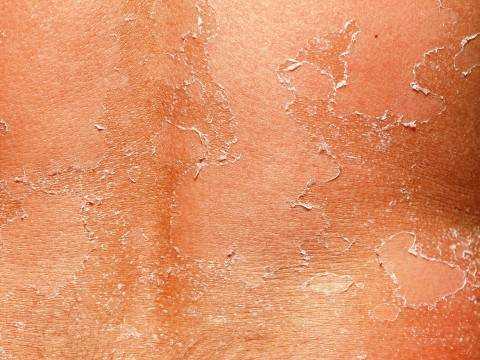
Sunburn: Overview and treatmentSunburns could also be accompanied by allergic responses to medicines, exposure to sun and sunscreen products, sight-related issues like reduced or complete loss of vision, as well as heatstroke. Over a long period of time, frequent cases of sunburn can result in cold sores, cataracts, skin cancer, and lupus.  The factors which will decide the vulnerability to sunburns are: Type of skin - The type of skin determines the vulnerability and intensity of the sunburn. The most vulnerable groups are those with freckled and fair skin as well with blonde or red hair. Regardless of the color of the skin, all skin types are vulnerable to skin cancer and proper sun protection must be used during times of sun exposure. Season - Summer days carry with them a higher probability of burning the skin. UV Index - This refers to the forecast of the strength of UV light on a particular day. This will let you know the cautionary measures you need to take in order to avoid skin damage. This is put forward on a scale of 0 to 11+ with 0 being the lowest exposure. Latitude - As you move to locations closer to the equator, the sunlight directly passes through the atmosphere to a greater extent. Age - Those who are younger than 6 years of age and those over 60 years are at a greater risk of getting sunburns. Altitude - As you climb higher and higher, the chances of sunburn are also greater since the amount of Earth's atmosphere to keep away the sunlight reduces. Every elevation of approximately 1000 feet, the UV exposure is amplified by about 4%. Location - If you are close to reflective surfaces like snow, water, ice, concrete and white sand, rays of the sun which get reflected off these might harm you. Time of the day - The rays of the sun are strongest between 10 in the morning and 4 in the evening. Though, the probability of getting sunburn are lower on cloudy days, it is possible for the UV rays of the sun to pass through the clouds and negatively affect your skin health. Here are the precautionary steps you can take to avoid getting sunburn: Avoid staying in the sun for a long period of time. Make use of sunscreen and choose clothing which cover your skin. In case you are suffering from sunburn, here are ways to treat it: An over-the-counter pain reliever: In order to lower the inflammation and relieve pain, use ibuprofen or aspirin. Anti-inflammatory condiment: Cortisone cream and aloe vera are two primary ways of reducing the inflammation. Cool bath: Take bath for about 10-20 minutes in water of cool temperature (make sure the water is not too cold). This will cut back the pain and irritation in affected area.  Do not use any bath oil, soap or detergent as this might increase the chances of allergic reactions and irritation to the injury. When drying yourself after the bath, do not rub with towel. Cold compressions: Try application of cold and wet compressions on the concerned region for about 20-30 minutes. Adequate hydration: Make sure you drink at least 8-12 glasses of water to help your skin to recover from the sun damage. Moisturizer: Once your skin begins to heal, use a gentle moisturizer without any scent. Blister treatment: In case you have blisters, do not try to pop them. This will lead to infection and marks.However, if you have large blisters which require to be drained, then pop them using a sterilized needle. Follow this by cleaning the area dry with gauze. After applying ointment to the area (Aloe vera or antibiotic ones like bacitracin and polymyxin B), wrap the area loosely using a gauze bandage. Make sure you do not tie it tightly and change the gauze daily to avoid infection. Medical attention: In case you feel nauseous along with fever, rashes and chills, then make a visit to the doctor. The following symptoms also require you to seek medical attention immediately: Pain in eyes with sensitivity to light, dizziness, high thirst without proper urination, painful blisters, and pale/cool skin.
A quick guide to high blood pressureWhat is blood pressure? Blood pressure is the force or pressure exerted by blood on the walls of arteries while flowing through it. What is normal? A blood pressure value of 120/80 mm Hg is ideally said to be the normal. The upper value (systolic) reads the pressure when the heart beats (squeezes to pump the blood). The lower value (diastolic) computes pressure at rest in between the heartbeats when the heart refills with blood. What is hypertension or high blood pressure? The condition in which the pressure of blood in the arteries is persistently high.More the pressure, harder the heart has to work to pump the blood. The prolonged and too high blood pressure (BP) raises the heart's work persistently and can lead to grave damage to the arteries. This eventually leads to uncontrolled high blood pressure raising the risk of heart disease, stroke, and kidney disease in the long run.A blood pressure above 130/90 mm Hg is said to be high. What are the symptoms of hypertension? Hypertension can go unnoticed without any symptoms and thus remain untreated for years altogether. Thus, it is also called as silent killer sometimes. What causes hypertension? The cause of hypertension is unknown in most of the cases. Sometimes, hypertension occurs secondary to kidney disease or adrenal gland disease. Who are at risk of getting high BP? The risk of developing high blood pressure is more in people above the age of 45, those who have close relatives already suffering from hypertension, and who have history of diabetes, Many people consistently have blood pressure above normal, yet not so high to be called as hypertension (130-140 /80-90). These people are at more risk of developing hypertension. Is salt and blood pressure are related? Sodium content of salt causes water retention thus putting more burden on heart and raising blood pressure. So watch the foods you eat for sodium content and stick to a low-sodium diet. Stress and high blood pressure Stress can increase the blood pressure, but no scientific facts to suggest that it causes hypertension. Stress can lead to addictions, poor diet, lack of sleep which can indirectly contribute to high blood pressure and heart disease. Obesity and hypertension Obesity strains heart and raises the risk. Losing every kilo makes a huge difference. Alcohol  Alcohol can surely raise blood pressure and limiting it mandatory. Pregnancy and hypertension High blood pressure during pregnancy is called as gestational hypertension. It can cause serious complications like preeclampsia. It can harm both the mother and baby. It can compromise oxygen flow to the baby. The blood pressure normalizes after child's birth. Medicines and hypertension Some medicines, like pain killers, birth control pills, steroids, flu medicines etc. can cause the blood pressure to rise. Be careful with the medications. Avoid over-the-counter medications and take doctor's advice before consuming any medicine. "White coat" phenomenon Some people show high blood pressure in doctor's clinic due to nervousness. This is called as white coat phenomenon. These people are at risk of developing high blood pressure. Kids and hypertension Kids who are obese and have a family history are more at risk. How to control high blood pressure? Eat healthy: Eat more fresh fruits, vegetables, whole-grain foods, low-fat dairy products, and nuts. Say no to sweets, saturated fats, and excess salt. Exercise: Regular physical activity lowers blood pressure. Atleast 150 minutes of exercise per week is essential. Activities like brisk walking, swimming, cycling or gardening, all count. Reduce stress: Add yoga, meditation, deep breathing. All have proven to lower the blood pressure and keep it normal. Hypertension is usually a chronic life-long condition. It's very essential to take medications, make lifestyle changes and regularly monitor blood pressure. Keeping it under checkwillreducethe potential riskof heart disease, kidney diseases, and stroke.
Aids defining cancersIn fact the presence of such aids defining cancers is an indication of advanced AIDS having developed in these patients. However, the reasons for these cancers are unclear. It is possible that since people with AIDS have low immunity, they become more susceptible to these cancers. The double attack of these already complex diseases complicates treatment plans too. Thus, it needs care under experienced doctors who specialize in these diseases. The cancers that define AIDS are: Kaposi's Sarcoma:This is a type of skin cancer. It was usually found usually in people who have received organ transplants. Nowadays it is also most prevalent in homosexual men with HIV/AIDS and is also called epidemic Kaposi's Sarcoma.  It causes lesions to show up in multiple points in the body such as skin, lymph nodes, liver, lungs, spleen and digestive tract. Non-Hodgkin Lymphoma:This is the second most commonly associated cancer with HIV/AIDS. The various sub types of NHL are primary central nervous system lymphoma and primary effusion lymphoma. Approximately 4-10% people with HIV/AIDS develop NHL. Other kinds of cancers are anal cancer, liver cancer, mouth cancer, Hodgkin's lymphoma, testicular cancer, melanoma, throat cancer, colorectal cancer and multiple skin cancers.  Treating Cancer in HIV people: Till anti-HIV medication were not discovered the future for infected people was bleak. They were already sick and their bodies weak even before their cancer treatment were started. Presently the cancer treatment is mixed with anti-HIV drugs. However, depending upon the extent of cancer and the need of AIDS care, variations are made between chemotherapy and other HIV related drugs needed. Treating Kaposi's Sarcoma: Often anti-HIV drugs are enough to treat this cancer. The lesions, which are viral, shrink, as the immune system gets better. Sometimes chemotherapy and radiation may also be needed if the lesions are internal. Treating Non-Hodgkin Lymphoma: AIDS related NHL is fast growing and needs intense chemotherapy treatment. Introduction of highly active anti-retroviral therapy and use of drugs that help the infected body make new blood cells has relieved a major concern for HIV patients where previously due to their low blood cell count, chemotherapy could not be administered to them. But with these advances, acutely monitored chemotherapy treatments can be administered now. Treating Cervical Cancer: In case of women who have a good immune system and invasive cervical cancer can still be treated similarly as non-HIV women. They can even do well in surgeries and other conventional treatments. Discovering Cancer Early: Screening helps discover presence of cancer when no symptoms are evident. However AIDS defining cancers cannot be detected through screening. Thus, close monitoring, regular checkups and a keen lookout for symptoms of these cancers can help discover the ailment if present. Pap tests help discover cervical cancer in women. However, in case of HIV women, these should be undertaken more often. Even as often as 2 tests a year, 6 months apart in the first year of HIV detection. If the tests are clear, they should get Pap tests done regularly once a year henceforth. For other AIDS related cancers, the screening tests are still being devised. Lowering Cancer Risk: HIV ruins the body's immune system making it susceptible to a variety of diseases. Good health practices are a must for those detected with HIV in order to ward off cancer. They should surely not smoke or consume alcohol. Injection drugs and unsafe sexual practices also pose increased threat of cancer. Maintaining balanced diets, physical activity and proper body weight are extremely important and helpful too.
Challenges faced by homosexual parentsThe major challenge in front of gay parents is to face society and protect their children from social prejudice and discrimination. Gay people can never have their own children, and hence, often opt for adoption. But, how can a couple, who is discriminated against by society, provide a healthy upbringing to a child? However, in some cases, gay parents are known to have capably given their child, all the love and care and the basic amenities that they need, for a wholesome and proper development. Sexual Orientation and Parenting In the American society, same sex parenting is more common than in other parts of the world. Even then, children of gay parents have to face many more challenges than the children with heterosexual parents. The U.S. Census report of 2000 has reported that around 22 percent gay couples and 33 percent lesbian couples have around 18 children living with them. The trend of adoption amongst gay people has been increasing over the years, despite the overwhelming challenges. According to a report published in June 2012 by the American Psychological Association, no scientific evidence has proven that sexual orientation can affect parenting effectiveness. This means that both lesbian as well as gay parents can indeed provide a healthy and supportive environment for raising their children. Major Challenges The major difference lies in the treatment that the children of gay parents get in society. They have to face discrimination and prejudice from schools, their peers and even within their own families. Gay or lesbian parents on the other hand, face the dilemma of how to explain to their children why they have two mothers, or two fathers. Many people in society, even those with strong educational backgrounds, are of the opinion that being gay or lesbian, is an illness due to which, they are incapable of being adequate parents. There is also a misconception that lesbian women tend to be less motherly than heterosexual women. But no scientific basis has been found to support these beliefs. Although the medical community does not consider homosexuality as a psychological disorder, society continues to have a biased outlook towards gay parents. Are Gay Parents Better than Heterosexual Parents? As of today, nothing can prove that gay partners are not as good parents as their heterosexual counterparts. Moreover, it has been found that people of the same sex divide their workload of raising the child, and hence, the childcare process is more smooth and satisfying. Some studies have even noted that lesbian or gay parents have superior parenting skills. But, again no scientific evidence has proven these observations, yet.
Importance of sex educationOur society is beset with a lot of myths about Human Sexuality and hence the family relationships are affected adversely. A man is considered (mistakenly) as a man only when he performs effectively in bed. In other words a man hangs his self-esteem on his male organ. Hence whenever there is a problem in performing sex, he becomes frustrated and depressed. In order to cover up his inadequacy he may blame his wife for his problems. This attitude will adversely affect the martial relationship, leading to unhappiness in nonsexual aspects of marriage. He may become violent when the wife retaliates. Marital break down, even if not ending in legal separation will be a very messy affair. Sexual behavior is determined by information or knowledge one has on hand and the parameters of comfort zone. Unfortunately we are dealing with a behavior that is besmirched with myths and misconceptions, and a breeding ground for stigmas and taboos, which leads to unhealthy sex life. These barriers have to be broken; otherwise healthy sexual and family life cannot be achieved. It is guesstimated that one in every three couples have some sexual problem or other and they do not know how and where to seek help. The media gives them anonymity and guides them in proper direction. The three main enemies of sexual satisfaction are guilt, anxiety and fear. All these stem from ignorance. Due to the stigmatization sex education is not available. Hence the streets have become not only the libraries for knowledge on sex but also the laboratories. When one of the dimensions (recreation) becomes problematic it impacts the health of the other two dimensions (procreation and relation). Magazine columns endeavor to dispel sexual ignorance and empower people with scientific knowledge. The aim is twofold: First, to inform in simple language, the scientific aspects of sexual problems and clarify myths surrounding sexuality; Second, to help people become comfortable with their own sexual life and elaborate on various treatment options available. People will thus be empowered to take responsibility for their own health and happiness. Have an open mind. All dimensions of human life are important. To consider one as unimportant and attach a stigma will hamper the development of the full potential of an individual. Understanding sexuality will enrich our lives and relationships.
FAQS
T&C FAQS