Home
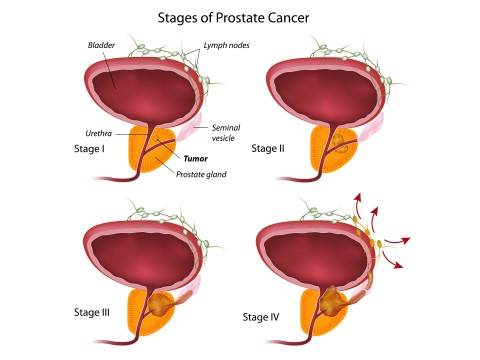
Health check up checklist for men Prostate Cancer - Prostate cancer is the lesser known killer in men. It is a slow growing cancer, but at times, its symptoms can be aggressive as well. Detecting prostate cancer at its onset can help in treating it effectively. Tests include a digital rectal exam and a blood test for Prostate Specific Antigens (PSA). Testicular Cancer - This uncommon cancer can affect any male between the ages 21 to 55. A physical exam during yearly medical checkups is recommended for all men. Men having a higher risk, with family history, should speak to their doctors regarding additional tests for screening. Self-examination through regular gentle palpation of the testicles to notice any change in shape or size, presence of lumps is also suggested by doctors. Colorectal Cancer - This is the second most common cancer in men. Men over 50 and younger, if they have a familial risk, are suggested to get a screening colonoscopy done to detect this cancer. It usually starts as a polyp that grows and invades the nearby areas to develop into a full-blown cancer. The polyps, if detected early, can be removed and cancer prevented. A CT scan or a double barium enema can also help in detecting polyps. High Blood Pressure - With the kind of lifestyle men lead today, almost every other man is bound to have BP issues. Regularly checking the BP is essential as it helps detect high BP which may lead to a variety of other problems including stroke and heart attacks. The sooner the detection, the sooner the measures for control. Cholesterol Levels - Bad eating habits, sedentary lifestyle, and mental stress can all lead to lots of cholesterol roaming around in your arteries. This will eventually clog the arteries and cause diseases like high blood pressure and atherosclerosis which can be life-threatening. Get your total cholesterol, LDL, VLDL, HDL, and triglyceride levels checked regularly and initiate timely interventions to bring them under control. HIV - This is the most commonly spreading STD among men. Due to its chronic nature, HIV is often detected accidentally when it may be too late. Regular tests for HIV detection are essential if one is physically active with multiple partners. Be safe though and use a condom. Glaucoma - It is extremely common and is one of the leading causes of blindness. Glaucoma has no cure, but it can be controlled well with timely detection. Screening tests should be undertaken by men under 40 years at an interval of 2 to 3 years after 35. A yearly test is recommended for older men.
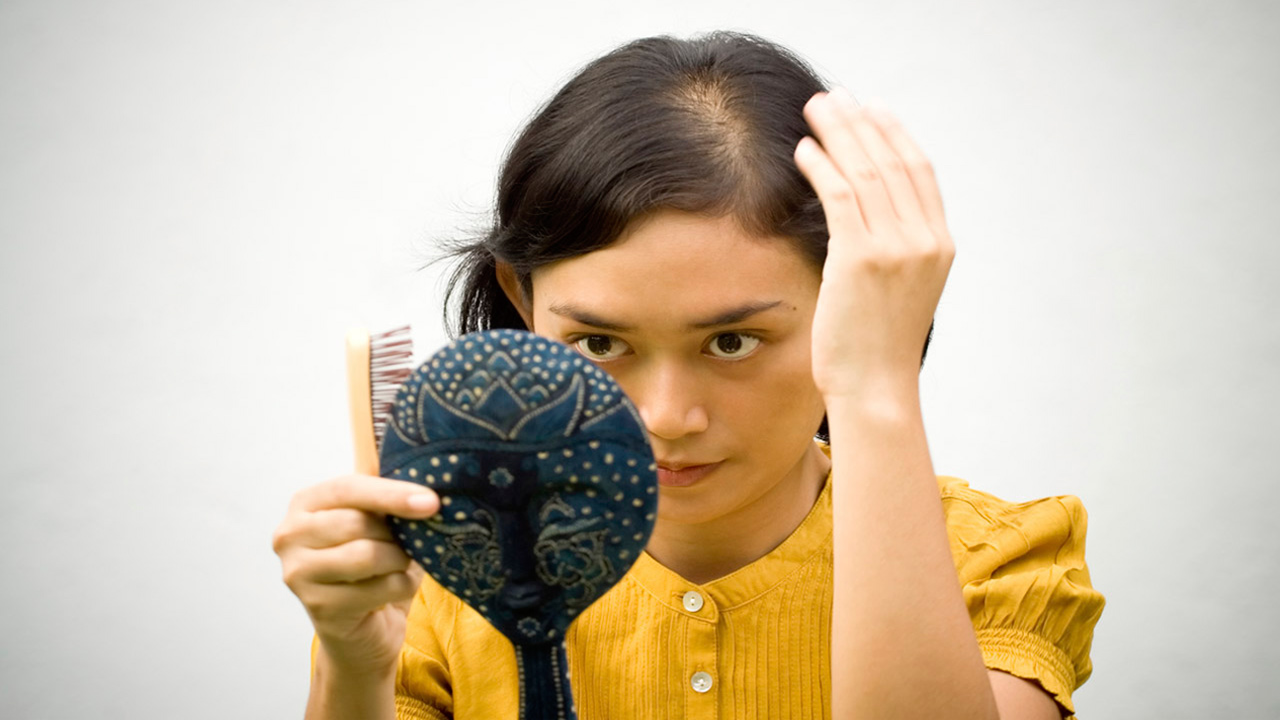
What causes male balding?They say there are 3 types of men: the ones that go bald at the top are thinkers, the ones who go bald at the back are lovers, and the ones who grow bald at both places... only think they are lovers. If pregnancy and menstruation are a female's burden, then baldness is a great inconvenience to men. Some men lose their hair in their youth and thus lose their confidence along with their hair. So what is with baldness and men? Men start having a receding hairline by the time they hit 30, though it could begin in their 20s as well. The most common type of baldness is the mid-frontal type resembling a horseshoe. Earlier it was thought that baldness is caused only by genetic factors, but apparently emotions, lifestyle and diseases also contribute largely to hair loss and baldness. This hair loss can be temporary or permanent. Some medications like anticoagulants, antidepressants, antifungal medicines, chemotherapy etc can cause baldness. Certain diseases like thyroid disease, Crohn's disease, lupus can cause hair loss and baldness. Poor nutrition is an important factor in hair loss. Vitamin and mineral deficiencies along with poor nutrition can pave the path sooner than most other things. Then there are some conditions like Alopecia Areata which cause baldness in patches -- on the head or beard. It is temporary and the hair grow back in about 6 months to 1 year. Corticosteroid injections are used to treat the condition. Air and water pollutants, environmental toxins, conventional styling products have the potential to build up on the scalp. These affect hair cuticle, cause dryness, and weaken the hair causing them to easily break off before their natural lifecycle has ended. If you notice your hairline receding more than usual, then check if you are getting enough nutrition. Exercises like the headstand and handstand send the blood rushing to the scalp and can help with hair growth. Massaging the head with warm oil helps to increase blood circulation as well. Use a shampoo that suits your hair along with a conditioner. Oil your hair overnight at least thrice a week. Keep yourself well hydrated and try vitamin C which can help arrest hair fall. Use a clean comb and ensure that you sun your scalp, as vitamin D is an essential tonic for skin, bones, teeth and even hair.    
Ageing gracefully and happilyEverywhere we look there are constant reminders that we are growing old each passing day. There are creams that tell us that will make our wrinkles vanish and make us look younger. There are hair care products dyes that claim to cover our grey hair so that we can look and feel young. Our doctors tell us about how we have to take care of all our body parts to keep several diseases at bay in the old age! It is a rare and difficult attainment to grow old happily and gracefully. Is there anything good about old age? It doesn't seem so, going by the look of things. Here we give you 5 reasons that will make you look forward to old age! Old age is the happiest time in life: You are constantly living life to the fullest when you are young. Survival is your prime priority. You work hard to keep yourself and your family happy and financially stable. Too many responsibilities bog you down. Old age is the time when there is nothing of this sort. You are retired, free from all responsibilities. You have passed the baton to the younger lot. Now is the time to sit back and enjoy. Now is the time to relax and do the thing you always wanted to do. Imagine living with not a care in the world? That is old age for you. Old age is when the brain functions the best: It is a proven fact now. It was believed that we lose more brain cells as we age. Now it has been proven that our cognitive functions peak between the ages of 48 to 60. Old people make the wisest and toughest decisions quickly. People may call them worldly wise. Have you ever given a thought to how all the judges are old men? And how when someone says the word 'wise' the picture formed is usually of an old man with a beard? No more fashion policing: When you are young, there is a lot of stereotyping involved! Going to a board meeting, wear formals? Going for a lunch meeting, wear something that is suitable keeping in mind the place. Are you at a certain position in life? Dress accordingly! So many restrictions! Old age comes with none of this. You can wear what you please and no one will really mind! Only when you actually get to do it will you realize how much f a relief it is! Relationships improve: According to a 2011 study; married oldies are more satisfied and positive about their marriages than young couples are. Arguments involve less anger, and senior spouses show more positive emotions and affection than middle-aged couples. It's not only marriages, however, that benefit in older age. Seniors also seem to be happier with their other social relationships too. They have a smaller but closer circle of friends and gain more benefits from these close, emotional bonds. Old Age makes you feel better on the whole: You have lived life to its fullest, your kids have now flown the coop and you have seen it all. As you age, you start feeling better about things in general. You look at things more positively and make the fullest of every situation presented to you. You live in the moment and are not worried about future repercussions. Old age is a happy place to be. Look forward to aging positively.
Pregnancy myths bustedChances of getting pregnant each month gets increased by 50% in the women of the age of early 20's: This not right, for a women to get pregnant is not easy. When a woman is below 25 the chances of hitting baby bingo are only 20 to 25 %, while the women above 35 years of age the chances are 15%.   The baby's gender could be understood by the shape and size of the belly. It is believed that woman carrying a girl has high belly: False again. The shape of belly depends on original shape of the abdomen, amount and the distribution of the fat, strength of the abdominal muscles, the number of babies conceived and the position of the baby... but in no way possible can the shape or size of a belly give away the sex of the baby inside.   The best fertility lubricant to be used for conceiving is saliva: This is totally wrong, actually saliva is the sperm killer, most of the lubricants and massage oil are also not good for fertility, so it is better to go without using any lubricant.   Sperm production is impaired by laptops: This is true. Heat is not good for male fertility when laptops are used on laps they may generate heat and affect the fertility. So it is good to use the laptops as desktops.   The conceiving period of most of the couples is 3 months: This is not right, most of the couples take about 6 - 12 months of active efforts to conceive if they are not having any fertility problems.   There are more chances of conceiving, if you do more sex on the fertile days: This is true, the man having normal sperm count to have sex during her partners fertile days is good for conception. Having everyday sex was suggested in earlier days but anything which is done in excess is always more.   The egg can be fertilized within two days after it is released: This not true, an egg has the shelf life of only 12 to 24 hour, and the sperm have to meet with egg within that time, though it has the shelf life of 3 days or more.   Position during conception matters: This is not true, the sperms which are healthy are good swimmers, they can make you pregnant in any condition.   Eating oysters is good for getting pregnant: This is true, oysters are the good source of zinc, which is the most fertile mineral, it is also a good booster for libido, it can be used by both sexes.   Having cough medicine is good for getting pregnant: This is true, cough expectorants loosens up the cervical mucus as it does with the mucus in the chest, and the looser cervical mucus gives the sperm an easier and faster way to get pregnant. But some cough medicines contains an antihistamine that dries up all the mucus, which makes for a difficult swim for the sperms.   The sex of the baby is known by the glow on the face of the mother: This is not true, as the morning sickness of the mother is stopped, she starts eating well, the blood circulation also improves and in general the mother feels good, which gives the glow on the face. There is no relation between the glow on face and delivery of a baby.   The baby having lots of hair causes heartburn to their mother: Completely false, heartburn is the common complaint of the mother during pregnancy, this is due to reflux in oesophagus, in this the food particles come up through the food pipe and due to its acidic nature it causes heart burn. There is no relation between baby having lots of hair and heartburn.   The food intake of the pregnant woman should be doubled, for baby and the mother: This is not true, the pregnant woman, should take a balanced nutritious diets containing ample of proteins, vitamins, and minerals, small meals should eaten for every two hours rather than eating only 3 times the bulky meals.   Labor can be induced having sex during pregnancy: Not true, if the woman is physically fit during pregnancy can have sex as advised by the doctor only the position during sex should be taken care of, it should not cause discomfort to the woman.   Regular breastfeeding is a barrier for getting pregnant: Again a myth, the women can get pregnant even in the lactational ammenorrhea before the first menstrual cycle. You should always use contraception to avoid pregnancy.   Using computer during pregnancy can harm baby: This is not true, there may be backache if you continuously work for a long time on computer, but there is no direct effect of computer on the baby.   Source: What to Expect Before You're Expecting
A baby - proofed guide to childcareCaring for kids is an important task. Everyone wishes to nourish kids in a loving and caring yet protective atmosphere. Initial stages of development call for more care and attention. Health, hygiene and safety at home and outside are important when it comes to kids. Here are a few helpful tips to all the parents: Nurture your infants with massage. Learn a right way or get it done from a professional. It is a great therapy to make muscles strong and bond with the baby. Prolonged crying bothers parents a lot. Usually continuous crying for long hours is suggestive of colic or stomach ache. It is the most common problem in kids, the reason being immature gastric system. Do not panic. Keep medicines at hand and give them as per instructions by your kid's doctor. Toddlers often insist on being carried even when they know how to walk well. Make sure to hold them comfortably. Diapering a baby is a skill that must be mastered especially when the baby is fidgety. Holding baby in right position flat on the back simplifies the task. Parents adapt to doing the job effortlessly with practice. Transition period of swapping from breastfeed to bottle known as weaning is a tough task for most of the babies. Consider gentle weaning strategies advised by the doctors. Do not be abrupt. Go slow! Some Safety Tips: Cap and lock the medicines, detergents, chemicals etc. in containers keeping them far away from the children. Bathingwater should be always checked before bathing the baby. Do not leave kids alone near water tub or any water source alone. Avoid leaving baby in a highchair to prevent injuries such asbaby climbing out, falling, or sliding. Lock up all the knives, matches, and plastic bags away from children to prevent poisonings, bleeding injuries, burns and suffocation.
Avoiding nappy rash - A few words of adviceNappy rash is a skin condition that takes its name from the nappy in which a baby is wrapped. It is a reddish rash, or tender skin around the buttocks and inner thighs of babies, which occurs due to prolonged wetness from either urine, or stools, or both. Nappy rash may be in the form of an unusually tender bottom on a child, or an inflammation around the genitals, and inner thighs, or folds of the skin. It generally occurs in really small babies, less than a year old. Most times, nappy rash is not a very serious condition, provided care is taken. No matter what type of nappy you use, whether promising complete dryness, or absorbent nappies, your baby is likely to develop 'nappy rash' at least once. The rash can make the baby feel uncomfortable, and cranky as a result. Steps to avoid nappy rash: Always ensure that your baby's bottom remains dry by changing nappies at regular intervals. Use a mild medicated baby soap which will help in keeping the skin around the inner thighs and buttocks soft. Give your baby some nappy free hours. You will be the best judge to know when she is likely to have comparatively dry spells, which can allow the skin and parts below the waist some breathing space. Regular bathing should take care of most rash related problems. Use an emollient, or medicated soap for bathing. Sometimes, nappy rash is a result of a thrush or yeast infection. The baby's resistance at these times is low so that it allows the yeast to thrive in the form of ugly red patches. Always show a medic to rule out the possibility of bacterial infections. Anti-fungal creams should also take care of normal nappy rashes.    
Not very chummy! Menophobia - The fear of periodsMenstruation or periods begin as female reaches puberty. This is the time when there are hormonal changes which occur in the body as nature takes the girl and makes her ready for womanhood. The onset of periods can be distressful with lots of mood swings accompanied by abdominal cramps, bloated feet as the menstrual blood flows. This is also a time when the girl needs to be comforted and educated the most, as it can be truly a terrifying experience. Normally mothers or elder women in the family ensure that they take complete care of the girl in this transition phase. For some women, their initial experience with periods may not have been particularly pleasant, causing them to actually dread those 4 days and this fear can then take the shape of a full blown phobia -Menophobia! The reason could vary. For some the pain factor could be the reason for menophobia, while for others, it could be the memory of embarrassing red stains on the clothes which could set it off. In menophobia, just before the onset of the periods, the person starts getting anticipatory anxiety and the pain which could be normal period pain, is then imagined to be ten times worse. This brings on panic attacks and feeling of utter dread which while is entirely psychological can be utterly distressful and downright crippling. Counseling can help greatly along with pain medication to manage the pain and the fear of this natural phenomenon called periods. In therapy, this is what is iterated. That menstruation is a completely natural process and if there is a fear of menstrual blood then gradually, the woman is encouraged to accept it as a natural body function which plays a major part of her being a woman.
Communicate to strengthen the family tiesA family that talks to each other stays together. Sounds easy? But how often does your family sit down together in the week to spend time with each other? How about breakfasts and dinners? Are you all able to match your meal times or are you catching each other by the end of the coats in the fast paced world that has us spinning us on our heels constantly? As the family members run in and out of the house, like in a hotel, engulfed in their daily routines they slowly start drifting away from each other. Somewhere pushed to the depths of the heart are old connections and affections with the family. Ideal conversations during childhood, encouragements received during tough times, sibling squabbles in adolescence and many a wonderful memories tug at the heart keeping the family from disintegrating altogether. On the contrary, improper communication and bottled feelings singe the heart in such circumstances and lead to the tumbling of the family ecosystem. Understanding how to build effective communication within the family is important as it helps build a stronger, inseparable family. Here are some effective practices: Communicate Frequently:With the limited time that you have with your family, make communication a common and frequent activity.  While traveling in the car, during meal times, replace TV time with talking, talk to your young ones at bedtime. Keep designated time for informal family meetings and encourage conversations among the family members. Keep the cell phones and laptops in the other room when the whole family is sitting together. Communicate Clearly and Directly:Develop an environment where the family members feel okay to communicate clearly and directly. Allow them to express their thoughts and feelings without having to mask and filter them. This is important in a parent-child relationship and sibling-sibling relationship. It also helps build confidence, family intimacy and bonding among the family members. On the other hand, veiled, indirect or vague communication is ineffective and harmful as it increases confusion and communication gaps. Active Listening:Open and free communication flows only when it is received well and the other person's perspective is acknowledged and respected. Active listening is the cornerstone of effective communication. Whether listening to your partner or child, it is necessary to pay attention to not just the words but tell-tale signs in the tone of communication and non-verbal messages too. Nodding of the head, or words of acknowledgment like, "I understand" make the other person feel that what they are saying is valued and received. Asking questions and requesting clarifications for the parts of the message you do not understand is a very important part of active listening. Trust and Honesty:Only when the family members feel that they can trust each other, can they communicate honestly. Trust is the key for strong familial relationships. Trust is propagated through openness and honesty. Understanding the Individual:The way each individual of the family feels and communicates is different. The way you communicate with the different family members should vary accordingly. Especially in case of young children, as their maturity levels are different than the young adults and adults in the family. The unspoken messages:Not everything might be said in words. Learning to read non-verbal communication such as expressions and body language are very important in understanding the entire message being conveyed to you or the parts being held back. Stay Positive:Many complications and problems between family members can be avoided or solved by effective communication. When dealing with undesired or negative situations, it is important that the words and tonality of the communication is positive. Avoid engaging in negative communication like criticism, defensiveness or contempt. Such negative communication patterns discourage communication.Communication is essential to successful family functioning. Taking inventory of how well the family is doing and readjusting course and practices will help improve the family environment and build a happy family that shares openly and honestly with each other.
10 bedtime beauty essentials! Here are the beauty essentials you need to take into consideration, before you hit the bed: Baby-soft soles :Before you sleep, apply Vaseline on the sole of your feet. This will adequately moisturize your soles and you can wake up to the great opportunity of wearing those heels you have been dying to try out! Healing the puffy eyes : If you are worried about waking up with puffy and tired eyes (even after 6 to 8 hours of sleep), then put on a little eye cream. You can also keep an extra pillow and make sure you sleep on your back. This will allow the fluids around your eyes to drain easily and reduce the puffiness. Trying out wavy hairstyle : Bedtime is the best time to work on your hairstyle. Before you sleep, shower and fashion your hair into the style you want. Apply a styling cream on your hair gradually, after having air-dried it. Now, decide if you would like to put them up in buns or braids. Stylize them into the pattern and wake up to wavy hair! Let your skin breathe : Those who are suffering from dry skin can apply moisturizer. A humidifier is also a great accessory for help in these cases. You can switch on the humidifier before you go to sleep. This will help your skin to retain its moisture through appropriate hydration. Keep aging at bay :Did you know that sleeping on cotton pillowcases can increase the chances of creases and wrinkles on your skin? Prevent wrinkles by using silk or satin bed clothing. This will also reduce hair breaking. Wake up, miss white smiles: If you want to take off the yellows from your teeth, then brush some baking soda and let them stay for about 8 minutes. Afterwards, thoroughly rinse your mouth. Do not perform this beauty tip more than once a week, it will negatively affect the structure of your enamel. Work on your complexion :During the day, sunlight might disable some face creams from working effectively on your complexion. Make the most use of night and apply a face cream containing retinal and vitamin C. Lengthen your lashes : Eye lashes depth and grace to your eyes. You might feel that working on your lashes will require way too much effort. But, much to your surprise, everything your lashes need is contained in a natural ingredient - castor oil. Consisting of Omega-3 fatty acids, which are highly hydrating, they will avoid your lashes from breaking and also strengthen them. Apply castor oil on your lashes before you sleep and watch them grow thick and healthy within a few weeks! Taking care of your hair : Skim leave-in conditioner through your hair in the evening and let them stay on till the morning. This will let them become soft and shiny. You can also use coconut oil as an alternate conditioner. Readying your nails for polish : Depending on the skin type, the nails of certain people become dry. If you are one of them, it would be best to apply a cuticle cream or oil on them before you sleep to wake up to polish-ready nails.
Treating sore throatTest and diagnosisPatients with sore throat are examined by ENT specialists. At first, the doctor performs a local examination of throat. Clinical examination usually guides the doctor towards diagnosis. Although in order to confirm the diagnosis, the doctor may ask for culture and sensitivity test of the throat swab. Treatment Home remedies: Mild cases of sore throat are usually cured by home remedies. Following remedial measures can be adopted at home: Warm saline gargle – Gargle with warm saline water helps to relieve the discomfort and irritation of the throat. Half to one teaspoonful of salt is added to one full glass of warm water and the patient is advised to gargle. This process may be repeated 3 to 4 times a day to have a soothing effect on throat. Additionally, smoking and use of other tobacco products must be avoided. The patient must drink adequate amount of fluids. Warm liquid and semi-solid food must be consumed to provide a soothing effect on the throat. Cough lozenges to help relieve irritation and pain in the throat. Seeking advice of the doctor: If the signs and symptoms persist and are not adequately controlled by home remedies, the patient must seek advice of a specialist doctor. Viral infections usually do not require treatment. They are usually cured in 5 to 7 days. Bacterial infections require treatment as per the advice of a specialist doctor. Bacterial infections may require treatment by antibiotics. The treating doctor selects an antibiotic which is suitable for the patient depending on factors such as the age of the patient, report of the culture and sensitivity of throat swab, previous drug history of the patient, etc. Antibiotics usually effective in bacterial infection with sore throat are from the group of penicillins, cephalosporins, and macrolides. PreventionViral and bacterial infections are contagious. Good hygienic lifestyle and habits help prevent infections. Following things to be noted are: Frequent and thorough hand washes before consumption of food, after using toilet, and after sneezing and coughing. Use of a hand sanitizer during consumption of food outside home. Avoid sharing food and drinks from same glasses and utensils. Use a tissue paper or handkerchief while sneezing and coughing. Avoid close contact with patients with sore throat. If sore throat develops, few home remedies may prove to be curative. If sore throat persists, advice of a specialist doctor must be sought.
Thyroid may make your heart flutter!Thyroid is a small gland situated in the area of neck. In Greek, thyroid means the shape of a shield. Yes, thyroid gland is vital to a variety of important body functions and does act as a shield. But what happens when the shield is disturbed and goes weak? Thyroid dysfunction is recorded in approximately one to four people out of hundred Thyroid link to heart A research study was conducted in 2009 by Weill Cornell Medical College researchers. It was done to investigate and analyze the genetic link behind rhythm control of heartbeat. They found that the genes that are responsible for synchrony and rhythm in the functioning of heart are also closely connected to the thyroid hormone synthesis and could cause dysfunction of the thyroid. Thyroid activity directly influences the metabolism, blood flow and electrical activity of the heart. When there isn't enough thyroid hormone (low levels), the patients complain of low energy levels, fatigue and reduced heart rate. On the other hand, with increased thyroid hormone levels in the blood, patients report symptoms of hyperactivity of systems. There is diarrhea, palpitations, increased heartbeats and advanced cases show arrhythmias of heart, where normal beating rhythm of heart is disturbed and becomes irregular. Thyroid hyperactivity can be appropriately controlled with regular medication. Understanding arrhythmias When the rhythm of the heart is disturbed, it becomes irregular - this is called cardiac arrhythmia. There are various types of loss of rhythm - heartbeat is too slow (that is, the cycles are taking too long to complete), too fast (the cycles are repeating too quickly), too early (that is, before a cycle is even completed, another starts), too irregular (this is called fibrillation, where no specific pattern may emerge). The patients who have arrhythmia will often come with complaints of dizziness, shortness of breath, suddenly feeling weak or lightheaded, fainting and feeling of a flutter in chest (flutter can be understood as light but quick flapping of wings by a bird). Arrhythmias are usually harmless and most people would continue to live a healthy life for years with arrhythmias. But that does not mean it can be ignored. There is a battery of tests available to diagnose and indicate the seriousness of arrhythmias and let your doctor take a call on the line of treatment. If you have a thyroid dysfunction, get your heart checked immediately. And if you have faced arrhythmias, get your thyroid checked immediately. Both the conditions are controllable and treatable; there is no cause to worry over what could go wrong. Just be vigilant and informed.
Importance of sex educationOur society is beset with a lot of myths about Human Sexuality and hence the family relationships are affected adversely. A man is considered (mistakenly) as a man only when he performs effectively in bed. In other words a man hangs his self-esteem on his male organ. Hence whenever there is a problem in performing sex, he becomes frustrated and depressed. In order to cover up his inadequacy he may blame his wife for his problems. This attitude will adversely affect the martial relationship, leading to unhappiness in nonsexual aspects of marriage. He may become violent when the wife retaliates. Marital break down, even if not ending in legal separation will be a very messy affair. Sexual behavior is determined by information or knowledge one has on hand and the parameters of comfort zone. Unfortunately we are dealing with a behavior that is besmirched with myths and misconceptions, and a breeding ground for stigmas and taboos, which leads to unhealthy sex life. These barriers have to be broken; otherwise healthy sexual and family life cannot be achieved. It is guesstimated that one in every three couples have some sexual problem or other and they do not know how and where to seek help. The media gives them anonymity and guides them in proper direction. The three main enemies of sexual satisfaction are guilt, anxiety and fear. All these stem from ignorance. Due to the stigmatization sex education is not available. Hence the streets have become not only the libraries for knowledge on sex but also the laboratories. When one of the dimensions (recreation) becomes problematic it impacts the health of the other two dimensions (procreation and relation). Magazine columns endeavor to dispel sexual ignorance and empower people with scientific knowledge. The aim is twofold: First, to inform in simple language, the scientific aspects of sexual problems and clarify myths surrounding sexuality; Second, to help people become comfortable with their own sexual life and elaborate on various treatment options available. People will thus be empowered to take responsibility for their own health and happiness. Have an open mind. All dimensions of human life are important. To consider one as unimportant and attach a stigma will hamper the development of the full potential of an individual. Understanding sexuality will enrich our lives and relationships.
Women and impotence- The facts on sexual dysfunction in womenTraditionally when one hears the word 'impotence', one tends to associate it with the male partner. Female impotence is also a reality. Sexual dysfunction in women might infact be more common in women than in men. Read on to know more The sexual response cycle has four stages- excitement, plateau, orgasm and resolution. A problem arising in any of these phases is called Sexual Dysfunction. It hampers with the pleasures of sexual activity. All in all, a healthy lifestyle is the key to getting rid of several of the causes that may cause sexual dysfunction. Be frank and express your fears to your partner. Talking and establishing a mutual respect and comfort zone helps like nothing else can! Sexual dysfunction affects females as much as it affects men. The causes can be classified as below: Physical causes: Several diseases like diabetes, heart diseases, kidney disorders, liver disorders, neurological disorders, hormonal imbalance, menopause, excessive alcoholism or drug abuse can cause sexual dysfunction. In addition to it, inability to perform or initiate or enjoy sexual activity may happen due to side-effects of certain medications. Past pelvic surgeries are also a cause for sexual dysfunction in women. Psychological causes: The mind has got a definitive effect on the body. Sexual dysfunction is the apt example to explain this. Too much of stress, work pressure, depression are factors that do not allow an individual to perform well in bed. Past sexually traumatic events may also be a cause for sexual dysfunction. Sexual causes: This is the most frequently encountered cause for sexual dysfunction in women. Vaginusmus is the leading cause here. Vaginusmus is a pain that the woman experiences due to the fear of penetration. This causes involuntary contraction of the muscles making it impossible for her to relax. The origins of this fear are due to past painful and traumatic experiences. Dyspareunia is another cause for sexual dysfunction. It is a burning pain that lasts long after the act is over. The severity of the pain is of such a nature that the woman prefers not giving in to the pleasures of sex rather than experiencing pain. Sexual dysfunction is not something to be embarrassed of and certainly not something to be looked upon derogatorily. Sexual dysfunction often leads to frustration and can affect your relations. Speak out and seek help before it is too late. And for the men reading this, be supportive of your partner. She is going through a difficult phase and she needs your love and support along with the right treatment, not your scorn and displeasure. Treatment Options: Sexual dysfunction in women is treatable once the exact cause for the condition is known. Various natural remedies, holistic approaches and psychotherapy have been used with a good measure of success. Additionally, oral medication, hormonal therapy and surgical procedures are also used to treat impotency.
FAQS
T&C FAQS