Home
Make no bones about this - Men have osteoporosis tooOsteoporosis is a condition in which the bones of the body lose their strength gradually and become thin and brittle. This is most commonly seen in women who have attained menopause. The reason being the decrease in the hormonal levels, particularly estrogen. Studies reveal that 20% of sufferers are men. Falling levels of testosterone are one of the causes for men developing brittle bones. Men's bodies convert some amount of testosterone into estrogen, which is very essential in maintaining the bone mass. Genetic deficiency of the enzyme that helps the conversion of testosterone to estrogen also is a major factor for men developing osteoporosis. Calcium and vitamin D play an important role in developing the bone mass and in helping the bone grow. Exercising helps too. When you exercise, the muscle gets pulled and the bone responds by growing. Too much of indoors and sedentary work may make men get the less of all three and it eventually leads to weak bones and osteoporosis. Studies reveal that 20% of sufferers of osteoporosis are men. Certain medications like anti-seizure drugs, drugs for prostate cancer and steroids have side-effects that make it impossible for the body to use vitamin D. Using them for a long time reduces the bone mass density and leaves the bones brittle making them easily prone to fractures. Smoking is a vice that has to be quit for more reasons than one. An analysis of several major studies on the effects of smoking shows that smokers have a 55% higher risk of hip fractures and low bone mineral density than non-smokers. Nicotine has also shown to have a direct effect on bone cells. A long list of medical conditions like diabetes, rheumatoid arthritis, and digestive and blood disorders can take a toll on your bones. Long term medications for the same also have side-effects on the bones. How to prevent osteoporosis? Exercise- As young boys, men have usually been exposed to a lot of bone building exercises through sports. This helps in building up on the bone strength and comes in handy in the later years. A brisk walk for 30 minutes 5 times a week and moderate impact exercises help in maintain the bone mass and reduce the thinning of bones. Calcium intake- The daily calcium needs for men is the same as women. Hence, the dietary recommendations remain the same too. 1,000 mg of calcium a day from ages 19 to 50 and 1200 mg of calcium a day if you're over 50.Along with this, make sure you get the required dose of vitamin D too, so that the calcium you eat is absorbed properly. The standard recommended dietary allowance is 400 IU. Some doctors advise to increase the intake to 800 IU. Regular medical checkups will help you to know beforehand about the risk factors and the necessary precautions you will need to take.Osteoporosis in men is as much a reality as in women. However, there are ways to avoid it too. Awareness about the condition and about the ways to prevent it can help keep osteoporosis at bay. Bone mass matters. It could mean the difference between a hip fracture later in life - or keeping an active, high-energy lifestyle.
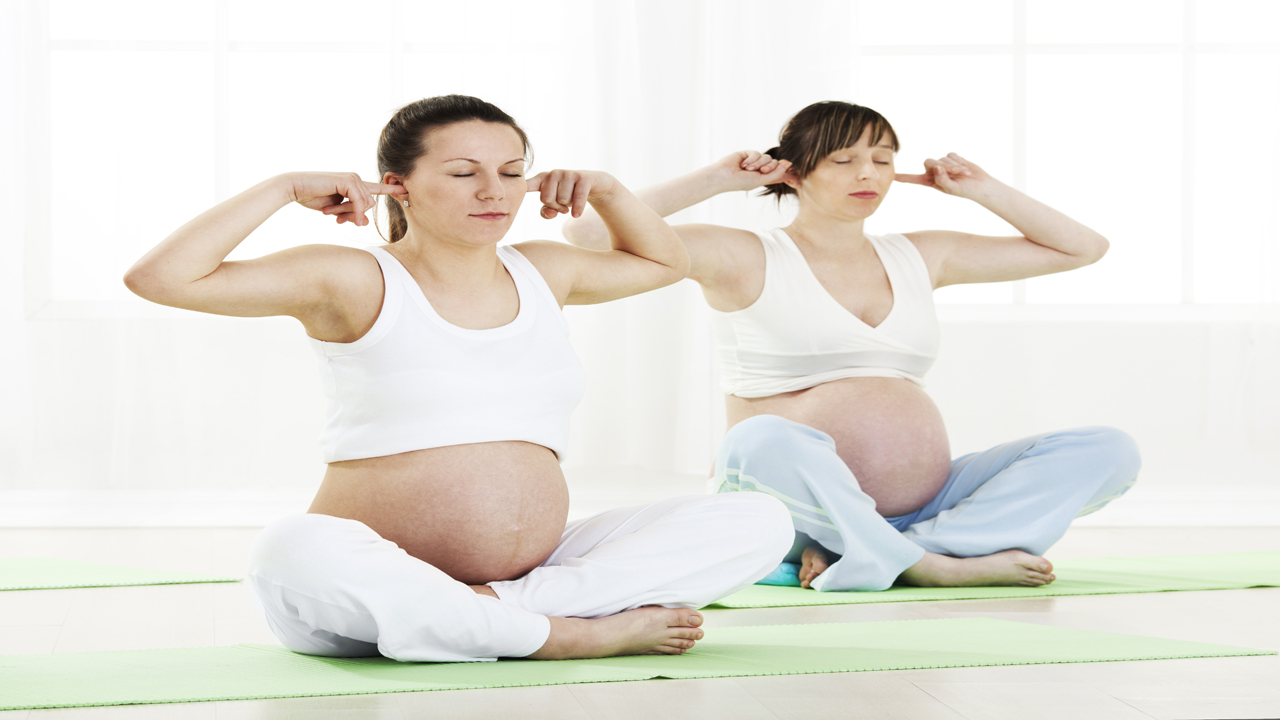
Fitness mantras during pregnancyYou must be wondering how Shilpa Shetty maintained her fitness even after bearing a child. The simple answer is that she never gave up exercising. Exercising during and after pregnancy is the best way to stay in shape and ensure your mental and physical healthiness. It also helps you in preparing for labour pain and delivery, and quick recovery postpartum. However, there are some things you need to keep in mind while exercising during pregnancy: Measure your fitness You need to determine how fit you are. This will help in determining the type and duration of exercising during pregnancy and post pregnancy. Also, before you continue your old exercise routine or begin a new one, you should talk to your doctor about exercising while you're pregnant. Pregnancy is a balancing act After the fourth month of pregnancy, it's likely you will lose balance while you exercise. Though your baby is well protected with amniotic sac, it is better to be safe than sorry. Safe exercises Activities such as swimming, walking, yoga, pilates, and low-impact aerobics are good choices. Pregnancy is not the right time to start any new intensive exercise, but it is safe to continue with most types of exercise if you're used to them. The things you should avoid Avoid exercises where you are likely to lose your balance or could make you fall or slip. Vigorous or extreme activities such as horse riding, skiing, mountain climbing are out of the question. They carry too high a risk of injury to your tummy. Avoid exercises such as: Sit-ups Standing on one leg Separating your legs widely You should also avoid most contact sports, such as football, basketball and so on. Finally, give racket sports a miss if you're not a regular player as they can be tough on your knees and ankles. Check with your doctor Consult the doctor before starting with any new or unusual exercise. Check for any complications or unusual conditions. Also, discuss for any concern such as: Pregnancy-induced high blood pressure Early contractions Vaginal bleeding Premature rupture of your membranes, also known as waters (the fluid in the amniotic sac around the fetus) breaking early The best outfit for exercise Clothes should be comfortable and loose fitting while exercising. Wear a supportive bra which protects the breasts and is also relaxing. If your shoe size has changed because of mild swelling, you may want to buy a new one. Duration of the exercise Exercising three to four times a week is necessary. This reduces stress, fights fatigue, and stabilizes emotions in early pregnancy. Start gradually, may be with only five minutes a day, if you were totally inactive before. Add five minutes each day till you reach 30 minutes. Also keep in mind to avoid exercise on an empty stomach. Eat a snack 30 minutes before exercise. Never over do Listen to your body when it says 'stop'. Over exercising causes overheating. Raising your core temperature too much can affect the baby adversely. Always sip water before, during and after exercising. Listening to your body when something hurts or doesn't feel right - that means stop. Drink a lot of water Try to drink about two glasses of water two hours before you begin exercising. Take a sports bottle of water with you when you exercise and take frequent sips from it. It's important you don't get dehydrated. This may raise your body temperature, which may not be good for you or your baby.  Keeping these points in mind, exercise to stay healthy and fit. We hope you soon give birth to a healthy kid.  
The post-delivery bluesA baby being born is cause for celebration. Especially in a country like India, where the family ties tend to be close, there is a festive atmosphere at home. However, sometimes the mothers may not share the same enthusiasm. This wave of negative emotions in the middle of what is clearly a happy occasion can be confusing for the new mother. Interestingly these feelings are not abnormal, as many new moms face postpartum depression, which is also called baby blues. It is an emotional reaction that begins a few days after delivery and lasts not more than 2 weeks. What are the symptoms of postpartum depression? Feelings of anger or irritability. Lack of interest in the baby. Lack of appetite and sleep disturbance. Crying and sadness. Irritability or hypersensitivity. Feelings of guilt, shame or hopelessness. Loss of interest, joy or pleasure in the things you used to enjoy. Possible thoughts of harming the baby or yourself. What are the causes of postpartum depression? Postpartum depression can occur due to a combination of factors. Hormonal changes: Changes in the level of hormones can leave you feeling tired, sluggish and depressed. Changes in your blood volume, blood pressure, immune system and metabolism can contribute to fatigue and mood swings. Emotional factors: Feeling overwhelmed with the new arrival in the family, and taking care of the baby day and night, may leave you sleep deprived, overexerted, and anxious. New mothers also feel that they look less attractive after pregnancy. You may feel that people around you are concerned with the baby more than you, and that you are being neglected. All these emotional factors may lead to postpartum depression. Other factors: Issues like breast feeding, financial strain, and relationship troubles can also contribute to postpartum depression. How does one deal with postpartum depression? Take complete rest and sleep for sufficient hours Spend quality time with your husband Go for healthy diet Take morning or evening walk for fresh air Try to follow yoga or other exercises Share your feelings with your husband or friends Do not overexert Join some groups for new moms Go for individual therapy or counsellors Remember, postpartum depression is not an incurable problem. It is just a temporary state of mind, which can be overcome if you are sufficiently aware of the problem.                
Is circumcision a healthy ritual?Religious rituals and practices have been carried out since ancient times. Circumcision is a religious ritual that involves surgical removal of the prepuce of the human penis. Prepuce is the foreskin of the penis and during the procedure; the person performing the ritual opens, inspects and separates it from the glans. The process is painful and hence local or topical anesthesia is used to reduce physiological stress and pain. Circumcision is performed for religious as well as personal reasons and many times recommended medically for prophylactic or therapeutic reasons as well. Today's medical science makes use of this treatment for treating chronic urinary tract infections, refractory balanoposthitis and pathological phimosis. Circumcision is performed as ritual in many parts of the world. However, it is also recommended medically as protection against HIV infection. Circumcision-Is it Legal and Ethical? In the world over, the ritual or practice of circumcision is carried out on all types of people from neonatal stage to adulthood. While no significant risks have been noticed due to the practice of this ritual, rather some modest health benefits have come to the fore. The World Health Organization has recommended circumcision for male infants in parts of Africa where the children are more vulnerable to urinary tract infections. However, no other medical organization in the world has supported or banned the procedure. Over past few years, legal and ethical questions have been making rounds and many believe that consent should be taken before carrying out neonatal circumcision. HIV and Circumcision Benefits A Cochrane meta-analysis conducted in 2009 on sexually active African men have revealed that the ritual of circumcision reduces the risk rate of HIV infection by 38 to 66 percent among heterosexual men in a period of 24 months. That is why WHO has recommended circumcision in sub-Saharan African areas having high rates of HIV infection as a part of the comprehensive HIV program. Moreover, this process is more cost-effective as compared to other treatments and preventive measures recommended for HIV. Circumcision reduces the risk rate of HSV-2 infections and oncogenic HPV prevalence along with the risk of penile cancer and UTIs. Until now, there have been no concluding reports on the protective effects circumcision offers against other types of sexually transmitted infections. Circumcision is also recommended medically to children suffering from pathological phimosis and refractory balanoposthitis. Contraindications The literature worldwide review conducted in 2010 reveals that around 1.5 percent of the newborns face median complication when the process of circumcision is performed by trained medical providers. Only 6 percent children face severe complications with the common complications being infection, bleeding or removal of too little or too much of foreskin. However, the process does not cause any negative impact on the sexual functioning of an individual. Contraindications due to circumcision are also cited in infants having genital structure abnormalities right from the birth such as misplaced urethral opening, ambiguous genitalia or chordae. In such cases, the foreskin may require reconstruction through surgery.  It is contraindicated in premature babies and clinically unstable infants and it should also be avoided in children with family history of hemophilia (bleeding disorders). In such patients, it is important that the blood should be checked for its coagulation properties before attempting the procedure.
Academic pressure in children and young peopleUnderstandably, parents, educators and politicians consider this topic a high priority. Exam preparatory businesses are found in every street and parents are willing to invest huge amounts of money to further their child's education. Another result, though, is childhood and teenage stress and anxiety. Signs of anxiety from too much pressure to succeed at school may show itself in sleep disturbances, erratic/poor eating, low mood, excessive worrying, low confidence levels and fear of failure - all eventually heading towards premature burnout. Younger children may experience nightmares, show bad behaviors or refuse to go to school. Teens may engage in destructive behaviors like drinking or drugs. They may struggle to concentrate or lose interest in their day-to-day activities and hobbies. They may gradually withdraw and isolate themselves. Anxiety and stress maybe linked to queasy tummies, headaches, and flaring up of skin conditions like rashes and eczema. The school and college admissions process has become more difficult than ever before. Competition is fierce. Many apply to a handful of good institutions hoping to get a much-wanted place. The stress does not stop after the exams - the wait for a decision is excruciating. Only a small proportion of eligible candidates succeed. Rejection can feel devastating. Highly capable and hardworking young people who spend many hours studying and preparing for assignments and exams, find the whole experience undermining and frustrating. Increasing external pressure from competitive peers, higher thresholds of parental expectations in a fast-paced world and the increasingly selective, goal-based focus of educational institutions will not feel supportive to a fragile child. Education should lead us from darkness to light. However, high and unrealistic expectations from parents and schools can affect a child's overall development. Whilst there is evidence that the parent's role supports or facilitates the child's achievements, there have also been concerns that a parent with unrealistic expectations can create unnecessary pressure - this worsens stress and fosters performance anxiety in children. Schools may put pressure on parents and the child to ensure that the child is meeting school targets and is not deficient in any area, rather than understanding that every child has a different potential and ability to manage stress. Children may perform better at school and feel more confident about themselves if they are told that failure is a normal part of learning, rather than being pressured to succeed at all costs, according to new research published by the American Psychological Association (2012). Recognizing this key concept and intervening early is vital. Parents and teachers need to communicate better with each other and the child. Understanding the child's strengths and interests but accepting the child's limitations at the same time is important. Supporting the child's efforts and self-esteem is the surest way to motivate them in a healthy manner. A simple conversation at the end of the day about how things are going on and giving positive feedback on the child's efforts go a long way. Where degrees and educational attainments are seen as the passport to financial success, are we losing sight of educating minds and supporting children's emotional, psychological, social and spiritual growth potential?
Crave for non-food substances to put in your mouth? Go ahead take your pica!We all have strong cravings in some form or the other, especially for food. Just thinking of a chocolate cake or ice cream can set the mouth watering and the hand creeping to open the refrigerator. However, some people have an unusual craving and it is to consume non-food items. Everyone knows that children are known to eat chalk, dirt or lick walls but at times, even adults have this unusual craving for non-food items. This condition is termed as 'Pica'. One can understand a child popping something into its mouth as it's discriminatory skills are not developed, but what about fully grown adults who have this habit? Is it a mental ailment? One can't really call it a full blown mental condition as it occurs commonly in pregnant women. The cravings are as strong as any other food craving and sometimes these people go out of the way to satiate their cravings. So, right from paint thinner, to chalk to ink, ice, plaster, paint, linoleum to plastic bits can form the obsession or craving. Pica is a combination of psychological and biochemical processes and is generally a deficiency which sets about these intense cravings.  When pica strikes pregnant women, then it could be a cause for much concern and the doctor should be kept informed. While it is easier to indulge a pregnant woman's ice cream cravings if she also develops a thing for iron fillings on top of her ice cream, then obviously it can be a rather dangerous thing to do. Ice and chalk are comparatively harmless and other than affecting the teeth and the taste, do nothing much else, but what about turpentine and toxic materials? They can definitely interfere with the body's digestive processes and can even spread harmful toxins in the body to cause blood poisoning, intestinal infections, bowel blockages and lead poisoning or arsenic poisoning.  If you have such strong non-food cravings then before you give in to them talk about it to a medical practitioner. It could well be an iron deficiency or perhaps even anemia which is attracting you to chew pencils up or making you pop dirt in your mouth. If you are pregnant then certainly the doctor will need to address the underlying issue and ensure that the pica goes away before you deliver. Wouldn't want you chewing up the baby's soother now would we?
Lost in wonderland? - Absentmindedness!The Daily Telegraph reports that on an average every adult in UK forgets three things per day. Forgetfulness is a human tendency. If this absentmindedness or forgetfulness is limited to forgetting three to five things per day, then it can be left unattended. However, if you or a near one is facing a lot of trouble in your daily life due to this habit or problem, you should immediately have a consultation with your doctor. Mystery behind Absentmindedness According to Maria Jonsdottir, an investigating neuropsychologist from Iceland, absentmindedness is the mental lapses that usually happen in connection with the actions that are routine or well-rehearsed. You can perform these actions without any need to be careful. This includes regular actions such as squeezing out toothpaste or moisturizer from the tube. These action slips are very common and if you observe carefully, you do forget some such regular things every day unknowingly. Psychologists believe that an individual makes such mental lapses around 30 times in every week. On an average, the nervous system of a human brain runs quite efficiently. However, sometimes temporary fault may develop that may make you use incorrect word or slip to your native tongue while conversing. This does not mean however, that something is wrong with your brain. When the team of Jonsdottir surveyed around 200 people, they found out that on an average the slips are 6.4 per week although the number also greatly depends upon the gender, intelligence level, and age. One startling fact that was discovered is that most of the events of forgetfulness occurred before 8 p.m. that means people tend to forget more during the daytime than in the evening. Apart from a momentary lapse in the functioning of brain efficiency, other reasons that can lead to increase in the incidents of forgetfulness are high stress levels, mobile phones, e-mails, and busy lifestyles. Today, people are pressed for time and they have more work at hand than time and that has increased the occurrence of forgetfulness. Types of Absentmindedness A team of neuropsychologists has divided these mental lapses into five categories. The most common are the storage failures in which people cannot recall what they had planned for a particular occasion or they can recall the action, but cannot remember for whom it was meant. Another category is test failures in which people come back home to check whether they have turned the light off and find out that they have already done so. Discrimination failure is another category of absentmindedness wherein you for a moment fail to identify the difference between your things and others'. During the study, a male participant accepted that he picked up the jacket of his female partner thinking it to be his own. Sometimes you put books in the dustbin and the trash on the shelf and laugh at your behavior a moment later when you find out what you have done. This is discrimination failure. Another mix-up includes program assembly failure wherein you put salt in the tea instead of sugar or you just do not keep the right things at the right place. The fifth one is the sub-routine failure wherein you go to the market to buy tea and instead come back home with coffee. The research proves one thing that if you are absentminded, it does not mean that you have a bad memory or can suffer from dementia as is widely publicized in the media. It is perfectly all right to forget or being an absentminded person. Sometimes the incidences of absentmindedness can increase due to fatigue. A good sleep and rest can fix the problem easily.
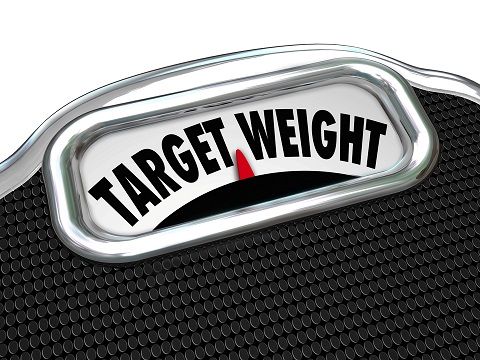
Beating the weight loss plateauThere comes a stage when you stop losing any weight in spite of strict exercise and diet regimen. This is called as weight loss plateau. When calorie intake is reduced along with exercise, the energy required is obtained from stored fat which eventually leads to weight loss. This rate of weight loss slows down and eventually stops once body reaches its set point of metabolism. This set point varies from person to person. So what can you do next? Here are some easy ways to get the weighing scale budging: Modify diet pattern: Metabolism slows down with lowering calorie intake. To reset metabolism, you need to have an adequate amount of calories. This can be done by including fruits and vegetables, whole grains, and proteins in diet. More energy is needed to burn proteins than carbohydrates or fats. Eat within half an hour or hour after exercising. Add proteins and carbohydrates to diet. Sip water: Increase total water intake in a day. Drink water before, during and after exercise and throughout the day. Change the workout: Change the exercises you do daily. Muscles get accustomed to a routine workout. Switching exercises and continually challenging helps burn more fat and build lean tissue. Change the type and time or duration of exercise. Try cycling instead of running if you have been doing it for long. Running, swimming, dancing, and Pilates too are good options. Skipping and brisk walking help in burning calories too and break the plateau. In the gym, change the exercise or number of repetitions. If you have been working on machines for long, try weight training or floor exercises. Take rest: Adequate rest is essential for the body to rejuvenate. Muscles, tendons, and ligaments get slight internal and external injuries which can be healed by rest. Proper rest helps repair and regenerate the tissue and makes them strong. Make these changes and get the needle on that weighing scale to budge.
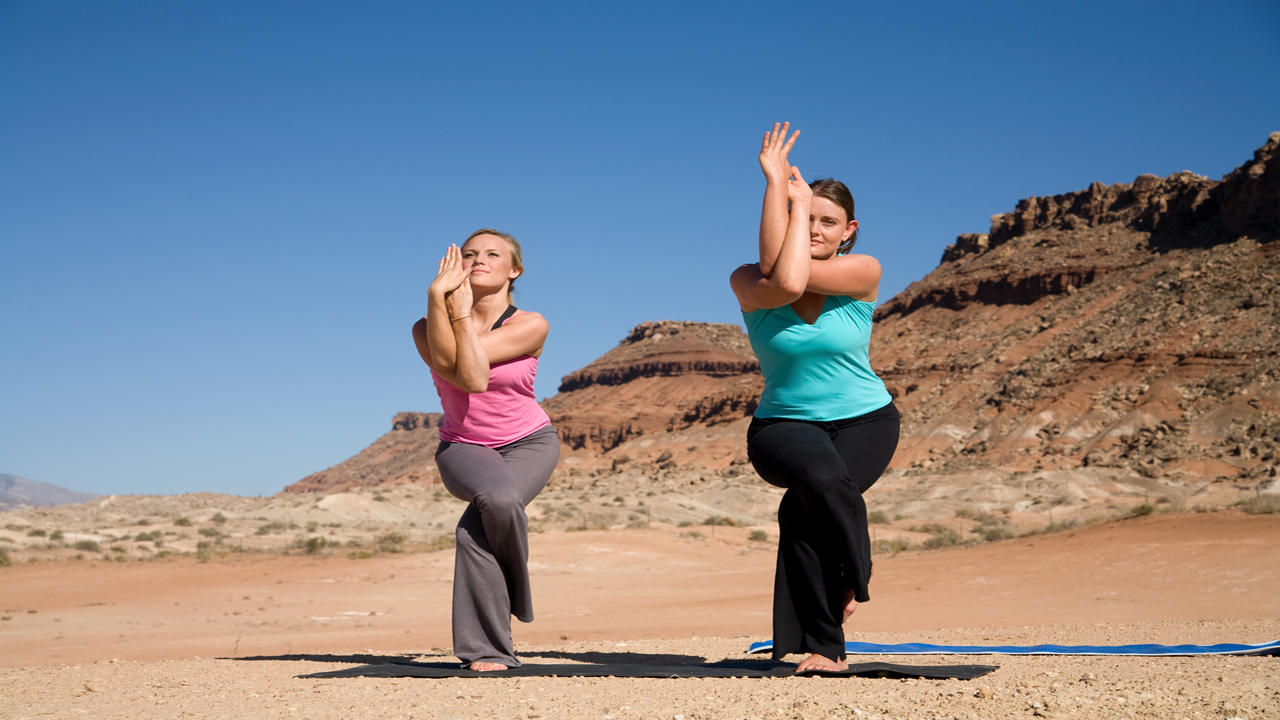
Exercise, a healthy way to deal with hypertensionYou have not exercised for a long time. You took it easy when it came to physical activity. Now that you are diagnosed with high blood pressure, you will do anything to control it. Even exercise! Exercise, weight management, and a healthy diet are important ways to help prevent high blood pressure and lower the blood pressure that is already high. Benefits of exercise for people with hypertension include: Improve blood and oxygen circulation in the body Promotes sound sleep Improves stamina and endurance Keeps heart healthy Reduces stress and promotes mental health Exercise enhances the effectiveness of medication So how much should one exercise? An exercise session of atleast 30 minutes per day is important. Get started Start slowly and increase gradually. Start with 10 to 15 minutes of exercise and increase it, as youget comfortable. Choose exercises you enjoy and will do consistently. Avoid sudden vigorous activities; they can cause injuries and hamper the routine. Warm up Warming up helps the body adjust slowly from rest to exercise. A warm-up will reduce stress on the body muscles, increase heart rate and respiratory rate, and body temperature slowly. It will also decrease soreness of muscles. Best exercises for lowering blood pressure Stretching: It is the best. It relaxes and helps prepare the body and muscles for activity and prevents injury and muscle strain. Stretching regularly will make you flexible and improve motility. Aerobic exercise: This helps to improve circulation to the entire body. It improves heart function. It gives maximum benefits to the heart. They also help to reduce heart rate and blood pressure by improving breathing pattern thus lowering blood pressure. Walking, swimming, jogging, and skipping are all aerobic activities. Do aerobics for at least 30 minutes three times a week. Strengthening exercises: These include exercises that have repeated muscle contractions till the muscles are tired. These include side balance crunch, climbing a rope, and push-ups. Join a gym. Here are some  exercise guidelines for a better exercising routine in the gym:  Schedule a fixed time for exercise. Find a buddy to exercise with you. Select an exercise that you like. Make variations to avoid getting bored. Boredom can make you stop exercising. Start slowly and increase gradually, especially if you do not exercise regularly. You should wait for an hour after eating before you exercise. Ten minutes of warm up and ten minutes of cool down sessions are must Keep a record of daily exercise.
7 Pains you should not ignoreWhen the body cries out in pain, most of the times, you know what is bringing that pain, and you do what will help relieve the pain. For example, a serious workout may cause sore aching muscles, for which you will rest a day or two, or take a painkiller. What does one do to know why a body part is paining? One needs to sit up and take notice! The pain could be anything, from a heart attack, to an aneurysm, and could cost you your life! Pain in the head: Headaches are the most frequent pains that we suffer from. Headache could be due to a migraine, due to staying too long in the sun, due to a cold, or simply due to working too long without a break. However, in case you have a headache, and are not able to pinpoint to an obvious cause, rush to the emergency room. Headaches with no apparent cause may be due to a brain hemorrhage, a tumor in the brain, or an aneurysm in the brain arteries! Get yourself checked as soon as possible, if you keep getting headaches for no apparent reason. Pain in the jaw: This could be due to a caries ridden tooth. But most often it is due to an impending heart attack. The classical left sided chest pain radiating to the left little finger is not always seen in all cases of heart attacks. Pains to the jaw and the back are reported very frequently. Often, people tend to take the pain in the jaw lightly, and brush it off to a tooth problem. This may be potentially life threatening, as you never know the severity of the attack! Tingling, numbness and burning of the feet: Diabetes mellitus is a silent killer. Peripheral neuropathy is often the first complication of diabetes. Tingling numbness, and burning in the feet may be attributed to wearing tight shoes and to keeping your feet suffocated in socks all day long. Dipping your feet in a tub of cold water will give you a good night's sleep. But do not let it go at that. Get your blood sugar levels checked before it is too late! Pain in the calves: Do you get nightly pain in your calves that get better with putting your feet up? This is due to long standing hours at workplace, you may say. True, it is due to that. But, it is not something to be left unattended. Calf pains are due to deep vein thrombosis that occurs when the stagnated blood in the veins starts to form clots. The danger here is that the clot could break off and travel to your lungs causing pulmonary thromboembolism that is fatal! Take a break regularly and put up your feet frequently. Let the blood flow and not stagnate! Pain in the back: Most commonly, back pain is caused due to arthritis, and improper sitting postures. But if you suffer from high blood pressure, and are an alcoholic and smoker too, do not take your back pain lightly. It could be due to a heart attack or an aortic dissection! Pain in the abdomen: You may attribute this pain to gases, over eating or indigestion. While these may be occasional causes, persistent pains need to be checked. It could be anything from a gall stone, to gastric ulcers, to a swollen liver, or maybe even pancreatic cancer! Vague, medically inexplicable pains: When you have a recurrent headache or a stomach ache or a backache and you come out with a 'perfectly healthy' report after visiting all the specialists, it is perhaps time to seek the help of a psychiatrist or a counsellor. Your pains could actually be a symptom of depression. Psychosomatic pains are on the rise. The stresses we face in our lives everyday get pushed to our subconscious, and eventually are pushed up bodily in the form of unexplained aches and pains!
Easy tips for fresh breathBrushing your teeth twice daily is not enough for fresh breath. How well you brush, and how long you brush are equally important, as are flossing regularly and eating right. 19 year-old Rita suffers from bad breath. It is a huge drawback for her. No one at college wants to be her friend. Her doctor suggested that she brushes twice daily, and also prescribed a good mouth wash for her. Following this advice has not helped her much. There must be millions of us who identify with Rita's problem. Halitosis, or bad breath, is a huge embarrassment not only for the person who has it, but also for the person who has to bear it. It can be a cause of social isolation, as seen in Rita's case. A fresh smelling breath is a sign of good hygiene. A fresh breath makes you more confident of yourself, and you feel ready to face any challenge that life throws your way. So, what do you do to keep your breath minty fresh all day? Brush twice a day, and use a good mouthwash regularly, would be your reply. But is this enough? Let us start by busting a few myths here! Mouthwash will give you fresh breath all day long. It won't. It will only make your breath fresh temporarily. As long as you brush your teeth regularly, you need not worry about bad breath! Brushing your teeth is necessary. The key here is how long and how well you brush. Most of us brush for 35 to 40 seconds, which is just not enough. One needs to brush properly over all the surfaces of the teeth to clean them well. This should take you not less than two minutes! And you thought brushing twice daily was enough! Here are a few tips to keep your breath fresh: Bad breath is the result of bacterial activity in your mouth. One of the reasons for bacteria to grow is due to dryness. So, never let your mouth go dry. Keep your mouth well hydrated. Drink loads of water. One of the other reasons for bacterial activity in the mouth is the food particles that get accumulated in the cracks between your teeth. Be sure to rinse your mouth well every time you finish eating something. Flossing is an activity you should never ignore. Flossing does what regular brushing cannot do; It removes the food stuck between your teeth. Avoid foods that cause bad breath-like coffee, tea, sugary drinks, garlic, onions, or broccoli. Sugarfree gums are a good way to keep your mouth hydrated, as they increase the flow of saliva. Gel based toothpastes may give you a fresh breath, but the effects are temporary. Go for fluoride toothpaste that is good in the long run. Yoga poses like the Kapal Bhati Pranayam, Sheetali Pranayam, Sheetkari Pranayam, Yoga Mudra, Simha Asana are effective in combating bad breath. Visit your dentist regularly, and get your teeth cleaned professionally. Avoid junk food, and foods that are rich in sugar and fats. Instead, go for fresh fruits and vegetables. Quit smoking and alcohol consumption. Simple things like brushing daily, flossing daily, rinsing your mouth after every meal, and eating right can help you keep your breath smelling fresh all day long.
Know your safe period for low-risk sexNot every act of sexual intercourse will result in pregnancy. There are days when your chances of conception are very high and days when the chances are almost nil. Know these days to help you enjoy a rocking sex life! The menstrual cycle starts from the day the bleeding starts and ends about 28 days after that, on an average ovulation occurs around 14th day of the menstrual cycle. The 14th day is the ideal day theoretically. Since every woman's menstrual cycle differs, the day of the ovulation also differs. Hence doctors calculate the fertile period as the 12th day to the 18th day of the menstrual cycle. This is the period when the chances of ovulating and hence getting pregnant are very high. The 1st to the 7th day and the 19th day to the start of the next cycle are the days when the ovulation chances are very less. This means if you make love during these days, there are very less chances of getting pregnant. This is the case with women who have regular period cycles. In case the cycles are irregular, then you would need to do a bit of math for calculating the safe period. For example, if your shortest cycle is of 26 days and the longest cycle has been of 31 days, then- 26-18= 8 and 31-10=21 The 8th day to the 21st day are the fertile days; 1st day to the 7th day and then the 21st day until the day the next cycle starts are the days that are safe to enjoy sex without fear of getting pregnant. Opting to have sex during the 'safe period' isn't fool-proof though. A lot of women have irregular cycles and the cycle length can vary from women to women. That's why the so-called 'safe period' is, in truth, not that safe! And it's better to use condoms or other contraceptive methods like the oral pill to prevent unwanted pregnancies.
Busting misconceptions about homosexualityIn the past few years, homosexuality has become a subject of public discourse in India. Thanks to gay pride marches and the Delhi High Court's historic ruling decriminalizing same-sex intercourse in 2009, more people today are willing to accept homosexuality as normal. However, there are still a large number of people who are still confused about whether homosexuality is normal. Homosexuals are people who get attracted to people of the same gender. Gay is a term used for both male and female homosexuals, but some prefer the term 'lesbian' when it comes to women homosexuals. Some misinformed people consider homosexuality as a purely decadent western phenomenon which is far from the truth. Homosexuality finds its place in recorded history throughout the world. So is homosexuality abnormal? A few decades ago a gay person would have ended up on a psychiatrist's couch where attempts would have been made to re-orient him/her towards the heterosexuality. However, as the American Psychology Association notes, "No, lesbian, gay, and bisexual orientations are not disorders. Research has found no inherent association between any of these sexual orientations and psychopathology. Both heterosexual behavior and homosexual behavior are normal aspects of human sexuality." Some scientists are trying to find a genetic link to homosexuality. Results so far have not established a definite link. A whole lot of factors could play a role in deciding sexual orientation - genetic, hormonal, developmental, social, and cultural. One cannot safely conclude that being "gay" is in one's genes and is therefore, hereditary. Legalizing gay marriages Same-sex marriage is legally recognized in several jurisdictions within the United States. As of April 2013, nine states—Connecticut, Iowa, Maine, Maryland, Massachusetts, New Hampshire, New York, Vermont, and Washington—as well as the District of Columbia and three Native American tribes[1]—have legalized same-sex marriage, representing 15.7% of the US population.
FAQS
T&C FAQS