Home
Caught in the snore snare....A real nightmare!Snoring is caused due to obstructed air movement during breathing while sleeping. It may suggest an underlying medical problem like obstructive sleep apnea. Studies have also revealed a correlation between snoring and risk of heart attack. There are different reasons for snoring and to find out the exact reason and the right solution is important. Snoring affects the quality of sleep can cause irritability and fatigue. Snoring causes poor quality of sleep, irritability, lack of concentration the day after the deed. Snoring is a tad like fingerprints , no two sets are the same and so it is with snoring, There are different rhythms or snoring patterns and even the reasons for snoring vary. Snoring or that irritating sound which people make through their mouths and nose while asleep happens because of narrow airways failure of air to pass through the respiratory system easily. The air vibrates against the obstruction in airway causing the sound of snoring. The air is unable to escape normally through the airways and hence it causes that grating sound with each inhale and exhale. Yes that sound which makes you wish you could smother the fella with a pillow. We say fella because men are more prone to it than women. Snoring can happen due to various reasons: Habits: Those who smoke and drink regularly are likely to have a more relaxed set of jaw muscles causing them to snore readily and loudly. Weight: People with excess weight and poor muscle tone are likely to snore more. Age: The wide open mouthed gape kind of snoring usually happens in old people as the breathing muscles lose their tone somewhat. Posture: General posture and sleep posture in particular can affect snoring patterns. Especially, sleeping with the back flat against the bed constricts free exhalation. How to put a clamp on your snoring? If you have a snoring problem evaluate how serious it is and then take the necessary elimination strategies. Understand that your snoring can cause sleepless nights to your partners, family or whoever is within ear shot so instead of going in for fancy anti-snore devices which don't do a thing to help If this is a recent habit then consult your doctor and have him re-evaluate any medications that might be responsible. Try and establish a regular sleep time and ensure that you follow it to the T. Exercise to lose weight as losing flab around the throat can lead to better sleep. Ask a partner to awaken you if you snore too loudly as regular jabs in the gut can help train the mind to behave. Blow your nose out before bed time as clear air passages is what you need. Any nasal constriction or chest congestion is really what gets you started. Sleeping on your side is a better option than sleeping on your back. Before hitting the sack try and hum a few bars of the blues as singing can help tone the vocal cords and they are less likely to go into vibrate mode. According to help-guide.org there is a rather quaint method to cure snoring and that is to play on a certain musical instrument called the 'Didgeridoo' which is supposed to strengthen the soft palate and throat muscles. If you have no Australian connections then don't despair as rolling your tongue out from all sides before sleep can work just as effectively.
Preparing for fatherhoodFrom the time you decide to go for a baby, all the attention is concentrated on the mother-to-be. And this is not without reason, since she is the one that's going to bear the child for the next nine months. But that doesn't mean that the man's role is any less important. It is important for the father-to-be to ready himself for the next phase of his life. Following a healthy lifestyle Fertility is a growing problem. As per statistics more than 45% of infertility issues are related to men. Therefore, eating healthy food, exercising and living the healthy way will boost your chances of getting over these problems. Nutrition has an impact on the sperm production. So scrap the junk food for a while and get on to a healthy lifestyle. Men need to get at least 12 to 15 mg of zinc each day. Even short-term zinc deficiencies can reduce semen volume and testosterone levels, much needed for healthy sperms. Good sources of zinc include baked beans (a one-cup serving has 3.55 mg), nuts, cereals, seafood, and chicken meat (2.38 mg per three ounces). Regular intake of vitamins and calcium is a must to improve male fertility and prevent sperm defects. Natural sources of calcium such as fat-free milk and curd can be consumed. Get atleast 90mg of vitamin C daily. This boosts immunity. More will be needed if you smoke. Folic acid is a fuel for healthy sperms. Dads need 400 micrograms of it and green leafy vegetables are good sources of this nutrient. Dads-to-be can take the liberty to grab the extra cup of mocha. Caffeine may help men by stimulating sperm motility. Quit smoking and drinking The party's over for your partner once you start trying for a baby, but what about you? Same goes for men. Now is the time to stop smoking, and to stop any excessive consumption of alcohol. A man who smokes has a lower sperm count and a misshapen sperm, incapable of creating a child. Heavy or binge drinking can seriously affect ability to produce quality sperm. Exercise Add exercise session to your daily routine if you aren't doing them already. Exercise improves general health, stamina, and sperm quality. Start with walking for 15 minutes and increase it gradually if you have never exercised before. If you are trying for a baby, avoid exercising in tight-fitting briefs. It causes damage to sperms. Frequent sessions in a sauna or hot tub, long bicycle rides, or any such activity that could cause the testicles to become overheated can compromise the health of sperm and should be avoided. Medical examinations It is a good idea for the father-to-be to have a complete check-up to assess if there are any issues that need to be addressed before trying for a baby. Some conditions to watch out for include: Varicocele, a condition of varicose veins on the scrotum, the sac of skin that contains the testicles. It can lead to infertility. The condition is entirely treatable, so talk to your doctor about the options. Conditions like erectile dysfunction, diabetes, and prostatitis can cause infertility. Sexually transmitted infections, which may cause male infertility. Your doctor can help you get tested and treated. Your doctor can refer you to urologist or a male fertility specialist if you need additional testing or treatments. Remember to discuss possible hereditary birth defects with your doctor. Share with her the medical history of yours and your wife's family. Get finances organized Plan a baby budget. You surely want to give the best to your child. Start planning now. Consider expenses like baby food, diapers, toys, doctor visits, clothes, and day care. This will help you in the future. And this is the perfect time as you are just in the planning phase of baby making. Take advantage of this time before the baby arrives to get things in order concerning your job, insurance and budget plan. If you and your spouse discuss and agree on expectations, goals and strategies now, you can avoid arguments on money later. After all, you don't want baby to pick up on any tension. Dump your stress Chilling out can increase your potency. So the 'go for a holiday' advice actually works. Practise regular meditation or any exercise that will help bring down your stress levels. Try reading books on fatherhood or parenting and learn tips and advices well in advance. So gear up and start preparing for the change from being the coolest dude to the coolest dad.It is your responsibility to help your partner in all possible ways and make her feel that you are equally excited and keen for having a baby.
Honeymoon cystitisHoneymoon cystitis is a term for urinary tract infections that occur commonly during early marriage. Sexual intercourse is the primary reason for developing this infection. The infection occurs when the E. coli bacteria that are normally present in the bowel are introduced into the urethra. This may happen through sexual intercourse, inserting unclean fingers or objects into the vagina. Women who wash their private parts from the back to front also have an increased chance of developing infection. Symptoms of honeymoon cystitis may include a burning or painful sensation during urination, the urge to urinate frequently, cloudy urine, blood-tinged urine, and/or pain above the pubic bone. Any of these is enough o play a spoilsport and dampen your honeymoon mood! Symptoms of honeymoon cystitis generally emerge within a day or two after bacteria are introduced into the urethra. A physician can confirm the diagnosis of infection through a simple urine test. The treatment usually involves antibiotics and pain-killers. What care should you take to avoid honeymoon cystitis from recurring? Use water based lubricant during sexual intercourse Urinate before and immediately after intercourse to flush out the bacteria from the urethra. Drink plenty of water to keep the urine normal Avoid coffee, tea and aerated drinks See a gynaecologist or a urologist if the problem recurs.  Urinary tract infections are extremely common in women and are the leading cause for visits to the doctor.
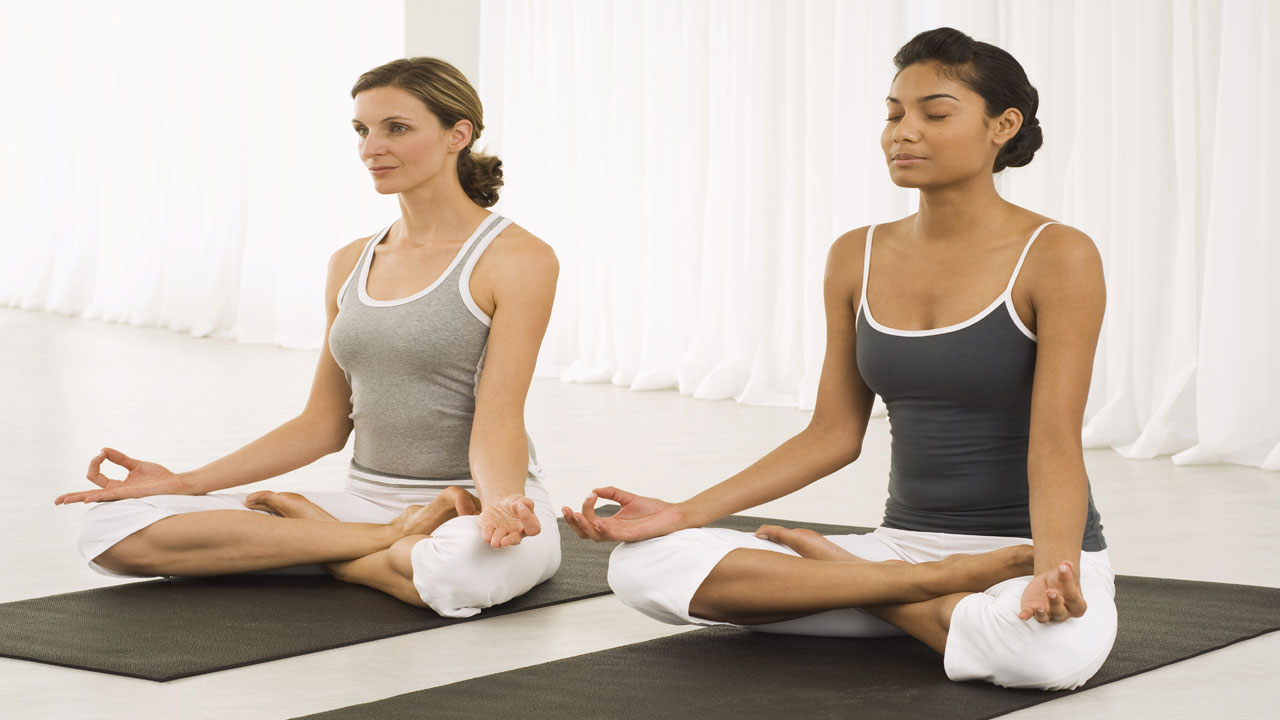
Yoga to strengthen women's lifeEveryone expects from a women for all their necessities. The husband needs to go to office and she has to prepare for this, the son or daughter needs to go to school, tiffin needs to be packed, and the in-laws need her attention for the morning tea and breakfast. Along with this she has to rush to office on time. Then while returning, she has buy vegetables and other things for household, then go home and cook, and sleep late after all the chores are done. For such a multi-tasking working-women, the time available is very less to replenish the energy she uses to do such work. Multitasking leads to stress and tension and causes headaches, stiff neck, tight shoulders, poor posture, shortness of breath, clenched teeth and fatigue. What is the solution for this? The only solution is YOGA.  We all know that yoga has many positive effects on ones well-being; it brings about both physiological and psychological benefits. It is beneficial for body, mind, and spirit. It needs only 10 minutes. Yoga helps to relieve your stress and tension. Yoga in Sanskrit means 'YOG' that is to join or unite. It is the union of mind, body, spirit, and breath with our surroundings and our universe. One should start yoga gradually with a comfortable speed and limits. Breathing exercises are excellent way to reduce stress and tension. It can be done along with asanas. For this you have to sit comfortably with relaxed shoulders and with your chin level at the floor. Inhale through the nose expanding your abdomen, rib cage, then expand your chest, then begin to exhale by contracting your abdomen, ribs and then lastly relax your chest. Now continue to breath in this fashion, this improves the quality and quantity of oxygen that enters our body and helps to relieve the shortness of breath and relieves the tension. The yoga mudra is helpful to relieve the stress, for this sit down crossed legged on the mat and keep the back straight, then take the arms behind your back and hold the left wrist with the right hand. Then by exhaling, bend forward to touch your left knee, while doing this focus on the feeling of surrendering to God, which protects you all the time, then while inhaling come back to the normal position and repeat this on the right side. Then finally, complete this pose by touching the forehead to the ground in front in the centre, while doing this exhale, then when you feel like inhaling come back to the normal position. This posture increases the energy and stimulates your respiration, improves your digestion calms your nerves. But this should be avoided by pregnant women, hernia patients, and patients with retinal disorder. The shavasana also helps you to relax your body before you get to work. In this you have to lie down on your back on the mat. Keep your arms a foot away from your body and your feet separated two feet apart.  Then close your eyes and focus on your breathing and feel free of thoughts and tension. Breathe normally and focus on your body parts, toes, legs, abdomen, head and finally the scalp and try to relax each muscle group. It improves your breathing, concentration, gives inner peace. You should avoid this if you are suffering from low blood pressure.  
A correctable disfigurement of face: Cleft lip and palateThe Times of India reports that "With an incidence of 7 per 1000 children, cleft lip and palate deformity is one of the most common deformities among Indian children." The number of infants born every year with cleft lip and cleft palate in India is 28,600. This means 78 affected infants are born every day or 3 infants with clefts are born every hour. Cleft lip and palate develop early in pregnancy where lack of adequate amounts of tissues lead to two parts of the face failing to join adequately at the middle. A cleft lip or hare lip (as it is commonly called) refers to separation of the two sides of the upper lip. There appears a narrow opening or gap over the skin of the upper lip. This separation may sometimes extend beyond the base of the nose and may involve the upper gum and/or the bones of the upper jaw. A cleft palate refers to the gap between the two edges of the roof of the mouth, causing it to remain open at birth. The bony front portion of the roof of the mouth or the hard palate may be involved alone, or along with the soft palate or the soft back portion of the roof of the mouth. Since lip and the palate develop separately, it is possible to have a cleft lip without a cleft palate or vice versa. Causes of developing cleft lip and cleft palate: The exact cause of cleft lip and palate is unknown. Some research, however, suggests that these clefts are caused by a combination of genetic and environmental factors. The risk of such clefts thus can be reduced by adopting a healthy lifestyle during pregnancy. This includes avoidance of smoking, alcohol and having a healthy diet to avoid excessive weight gain during pregnancy. Cleft lip and palate can occur alone with no other problems or defects. This is called non-syndromic clefts. They may also occur as part of other birth defects and then may be called part of a syndrome. Cleft lip and palate may occur on one side (unilateral) or may occur on both sides (bilateral). Unilateral cleft lip and palate is more common than bilateral cleft lip and palate. Left-sided cleft lip and palate is twice as common as right-sided cleft lip and palate. The reason for this is unclear. A cleft lip or combined cleft lip and palate are seen more commonly in male babies. Cleft palate alone is more common in female babies. The face of the baby usually develops around 5th and 9th weeks of pregnancy thus this defect may arise early in pregnancy. Treatment of cleft lip and palate: Cleft lip and palate is usually corrected using cosmetic or plastic surgery. Results are usually very good. After treatment, most children have a normal appearance. To prevent and correct associated speech problems and dental problems, treatment is also sought from speech and language therapists, as well as dental surgeons (orthodontic specialists). Excellent results may be seen if the specialists work in tandem.
Teenage troubles for autistic kidsTeenage brings along with it a lot of physical and psychological problems. Your body undergoes a lot of changes, the way the world looks at you is changing and you are not in the position to accept all this. Teenage is one of the most painful periods in one's life.  For an autistic child teenage can be compared to living a nightmare day in and day out. Here is a look at the problems of teenage from an autistic kid's point of view: Social Interaction The ability to interact socially is absent in autistic kids. They are loners who prefer to be left alone and undisturbed in their own worlds. Such a child is a natural target for bullying and ragging by other kids of his age group. At times even if the autistic child wants to come out and make friends, he is not able to do so due to lack of the required skills. Teenage is a period where you need at least one friend to confide in. It can be an extremely difficult phase when you are all alone. Puberty This is the dramatic time in life dilled with hormones and emotions. Your body undergoes lots of changes and you are confused about so many things. You don't know whom to ask or whom to turn to for guidance. Autistic children do not have the maturity to understand this phase. Special issues for autistic teens and sexuality include: Knowledge of physical changes in body. Knowledge of 'good' and 'bad' touch. Ability to communicate about a 'bad' touch or action. Keeping 'safe' distance from others. Handling menstrual cycles. Avoiding 'self-touch' in public. It can be a phase of emotional turmoil for the parents. They need to work closely with their child's special teachers to chalk out a plan that will be best suited to the child in handling puberty successfully. Self-help skills Simple self-help skills like hygiene can be a challenge for teenagers with autism. Improper motor skills, compliance, and sensory problems may interfere with a teen's progress. The proper training of hygiene and grooming can help to add these elements into the daily routine. The right approach is to simplify each task into simple small steps. The positive reward system is a great source of encouragement, as positive motivation always help the teenagers. Higher Functions Autistic teenagers are socially awkward. They lack the power to comprehend and process complex social cues which includes sarcasm, body language, humor, emotional responses and facial expressions. What complicates the problem is that the autistic child lacks empathy and hence may appear rude. Such kids are likely to be teased a lot in school settings.
Be positive. Here's howAs someone so very rightly said, "We are the sum total of our thoughts". So the more positive thoughts you have, or are capable of thinking, the more positive will be the outcome of your life journey. Here are a few tips to think more positively and empower yourself: Have a daily positive thinking routine. Generally the time when you are just waking up, i.e., the half awake state, is best for you to start feeding positive thoughts about yourself. The mind is more accepting of suggestion at that time. You can just feed your brain with happy and positive thoughts about your situation and what you hope to achieve for yourself and your family. Creative positive visualization is another great method of positive thinking. At a set time, just picture your life in the way you want it to go. This is different from daydreaming. Creative visualization gears you up for action while daydreaming remains just wishful thinking. If you have difficulty in certain areas of your life, say at work or with your relationship, visualize a positive outcome. This will engage your mind in thinking of various action plans to get about that positive result. Positive affirmations are a great way of reminding yourself that all is well. Have patience with yourself as your mind will probably not even believe half the things that you are affirming. That's what affirmations are all about.They are statements that you feed your mind about what you are and what you can achieve. Positive affirmations can help you reprogram your mind to what your heart really desires. Let go. Feel that delicious sense of surrender as you just indulge in mentally letting go of things. As a busy person you probably end up trying to control the outcomes of every situation and feel bad when things don't go the way you expect them to. Remember things can go wrong from time to time. Like you, life is also not perfect, so why expect perfection from others? Learn to let go of that emotional baggage that you are carrying. The weight of the world needn't rest on your shoulders. Collective consciousness is where you should try to tap into. Think of situations where things can go horribly wrong for someone else. Send out a silent prayer for those unfortunate people in this world. Chances are that your prayers just might help some stranger badly in need of a prayer or two. This can only come back to you manifold. Help someone else become a positive person. This can only reaffirm your faith in positive thinking. Positive energy is what everyone naturally seeks and we can for sometime blame our friends or family for being a negative influence on our lives. This line of thinking will get you nowhere. Instead think what's the next best option? Think of how you can convert negative energy or experiences into positive ones. Initially you might meet with resistance, but remember if you are positive then positivity is yours for keeps.
Accepting your flawsThere are basically two kinds of 'flaws,' one that is physical and the other that is in your personality. A physical 'flaw' like being too short, fat, or darkis never a person's fault. Thus accepting what you are can only boost your self-esteem and confidence. Despite these 'shortcomings,' it is your character and your achievements that stand out in the long run and not the way you look. The first step in creating a better life is accepting if you are wrong! Personality traits and habits are mostly visible to others but not to you. These are those faults that can cause bitterness in relationships or cause problems at work or in our social interactions. Some people lose their temper easily, some are lazy, and some are rude, while some are either introverts or extroverts. If you have flaws that can cause problems for others then the best thing you can do is to change those negative traits in yourself. Character flaws might be natural, but they can affect others negatively. The first thing in making improvements is to analyze yourself. What are you so angry about ? Is it really some other person's fault or that you have had a bad day at the office? Give it a thought and once you find the answers, you will feel relieved. Accept your physical flaws and love yourself for what you are, as this is the key to lasting happiness. Major flaws like alcoholism, splurging money, borrowing money, or addictions are what one should be willing to overcome. If you accept you have any of these major flaws and need help to overcome them, then you need to seek help. There are professionals who can help out, provided you are a willing party to the process. Improvement will come only if you are willing to change. Remember that flaws are easy to acknowledge and to change;the only thing required is the desire within you to do so.
How to say 'Bye' to split ends? Check out these 10 tips!One of the main reasons for split ends is the use of curling irons and other heat-induced styling treatments. When you go for hair products like hair colors or perms, the shield over your hair's shaft that protects it can get stripped off, thus making your hair liable to split ends. You could also be mechanically stressing your hair by pulling them too much while combing or combing repeatedly. Remember that rubbing your hair up towards the direction of the scalp does not lead to split ends. While there is no remedy to treat split ends, there are ways in which you can keep them away. Did you know that a medical research showed that the only way to keep split ends away is to put a stop on the excessive use of chemical on it? Hairdresser, Holly Kensen, says that split ends are the results of pushing out the natural process and pulling in too many chemicals. It is best to stay away from the styling products and embrace your natural hair! TIP 1 : Get hold of a piece of rosemary (fresh ones are the best!) and immerse them in a cup of hot water for 30 minutes. Once the temperature of the water is back to normal, whisk an egg into it. Mix this blend onto your hair. Rinse after 15 minutes using a light shampoo. TIP 2 : Bring home a ripe papaya and cut it into halves. Choose the part which you believe will be sufficient for your hair. Take off the skin and seeds. Mash it until it becomes a paste. Then, drop a cup of yogurt and stir them into a smooth paste. Apply it on your hair and let it hold for about 30 minutes. Use cold water to rinse it off. TIP 3 : Condition your hair with castor oil. Mix equal amounts of castor, almond, and olive oil and apply it on your hair generously. Wrap your hair in a towel and let it stay for 30 minutes. Then, shampoo your hair. TIP 4 : After you have shampooed your hair, apply a mix of cream and milk on them for about 20 minutes. Focus especially on the ends. Rinse your hair with cold water. TIP 5 :If you decide to trim your hair on your own, then don't use the paper scissors! They are called 'paper' scissors for a reason. Get hold of hair shears which will not leave your ends damaged. TIP 6 : Trim your hair every six to eight weeks at least up to ¼ to 1 inch. Due to our environment, it is natural for the hair to get damaged in a few weeks. It is important to remove the split ends and let them grow healthy. TIP 7 : Do not trust products which say that they can 'cure' your split ends. Split ends are not curable. They are preventable. The only thing that these products do is to seal up the splits which only makes your hair unhealthy. TIP 8 : Try to stay away from chemicals as much as you can. Chemicals only tamper with your natural hair and ruin their texture. If you really have to use it then make sure you condition them regularly. TIP 9 : Use coconut oil to fix your split ends. Buy an extra-virgin and organic coconut oil. Before washing your hair, apply about 2 spoons of the oil on your dry hair. Emphasize on the hair ends. If you want, you can steam your hair for some time (about 20 minutes). Then, wash your hair with a light shampoo and condition them. TIP 10 :This is one of the best ways to help your split ends stay away: Get hold of chamomile tea and brew it on a pot. Then pre-rinse your hair with it. After you have rinsed them, wash and condition your hair normally.
Arthritis friendly workoutsRheumatoid arthritis is more common in women over 60, and is the inflammatory type of arthritis where the synovial fluid functioning is disrupted. The synovial fluid maintains the health of joints, bones, and cartilages. Osteoarthritis is the most commonly occurring type in both men and women, and in this type there is gradual wearing away of the bone cartilages, which, in turn, causes stiffness, and pain in the muscles, joints and tendons. There is a classic catch 22 situation in arthritic patients and that is they avoid exercise or are advised extreme caution while exercising. The pain and soreness which comes from exercising can be extremely discouraging, so some shun exercise altogether. Now, the lack of exercise is going to precipitate the condition further, and could even increase the soreness, and lead to deformity. This is what challenges most arthritic patients. Should someone with arthritis be allowed to exercise? And if yes, then what type of exercise will prove to be most beneficial? Main question is: Are there any arthritis friendly workouts? Doctors now recommend that exercising could actually work wonders for arthritis patients. The right method and type of exercise can help ease the inflammation and soreness of the joints, and build overall health, strength and flexibility of the bones, and joints as well. What would be a good exercise routine? The arthritis foundation recommends routines which exercise the flexibility of the joints, and build muscle mass, for better shock absorption, coupled with physical endurance should be specially designed for arthritics. Regular walking: Walking is a great exercise for arthritics. Walking at a steady pace for about 30 minutes, thrice a week, can help keep the limbs active, and could reduce the swelling at the knees, and hip joints. Warm up is absolutely essential in any work out, and here it is of paramount importance that you go through a warm up routine before you begin your walk. Simple leg raises, hand to toe stretches, and light back bends can be done to warm up the muscles and joints for your walking activity. That will also reduce the possibilities of strain or sprains of the ankles along the way. Choose your exercise route to ensure that you don't walk up a gradient, and put unnecessary pressure on your knees and ligaments. Aquatic Exercises: Exercising in water is perhaps the best possible alternative, as water is absolutely low impact. This is great for arthritic patients to reap the benefits of a swimming pool workout. The easiest for chronic arthritis patients would be to simply walk, or wade in water for about 20-30 minutes. This can help greatly with building strength, and endurance in the extremities. For enhancing co-ordination you can even try walking backwards in water, or simply float and relax the body. Avoid water which is too cold, as that might adversely affect your condition. Stretching and Yoga: All easy stretches for the limbs and joints will be helpful to facilitate ease in movements, and dealing with joint pain. Standing leg raises, shoulder raises, wrist rolls are exercises which can be done quite easily, and can help keep the body supple. Though yoga also enhances flexibility, it goes way beyond just that, and actually aims at harmonizing the life force in the internal and external organs as well. No matter what type of exercise suits you, always remember: Proper warm up exercises are a must for the arthritic patient, as that can help reduce, and eliminate the possibility of injuries while working out. Do not force your body into an exercise regimen, if you are experiencing pain. It is quite ok to take a day off if the joints are sore. Get into an exercise routine slowly as your body might take a little longer to recover from it. Always seek the advice of an expert or a doctor before making any alterations to your regimen.
How to communicate with a patient who has a strokeThe first and the most important thing to communicate with the patient, is to give undivided attention. Give attention to his activities, gestures, his facial expressions through which he may try to communicate so his feelings could be understood. Eye contact is also important but the patient having stroke may look at you square in the eyes but he may not respond to your conversation. While communicating with the patient you should always stand in front and tune out all the other sights and sounds in the room. Maintain full silence around the patient in the room, turn down the volume of the television, radio and ask other people in the room to be silent. You may communicate with the patient by making contact by touching the hand, chin, cheek or areas which are not affected by stroke. As the side which is affected by stroke, does not have any sensations. You may communicate with the patient through his family member by telling the family member to communicate with patient by saying, "Look at my face"; through this we can gain the patient's concentration. You should always speak clearly with the patient in a normal soft volume. Express your ideas in simple terms, form simple sentences, do not use complex words. You may repeat the sentences or an important term again. For example to ask if the patient wants tea, repeat the word 'tea'. More complex thoughts can also be similarly conveyed and repeated. You may also use hand gestures with clarification like doing Hello by waving your hand or through your hand action, you may ask questions like, How are you? Are you ok? What do you want? Through this both caregiver and stroke patient can benefit. You may ask your patient to point out whatever he wants or if he needs anything. And gradually he will develop the habit of pointing the daily items like television, newspaper, remote, eyeglasses radio, drapes an uncomfortable foot, the patient can indicate any pain or headache. Through this communication we can make the patient learn, use mechanical lifts to get in and out of the bed, and with the help of the attendant by demonstrating the patient how to use it. Sometimes when the communication does not work, take a break, give it time and try again, do not get frustrated and reassure the patient that yes, he or she can do it. Good communication with the patient is very important as they cannot speak their basic wants and needs clearly. The patients suffered a stroke also have slurred speech. There is a deviation of the angle of mouth. They are mostly bed ridden and could not carry out the routine activities.
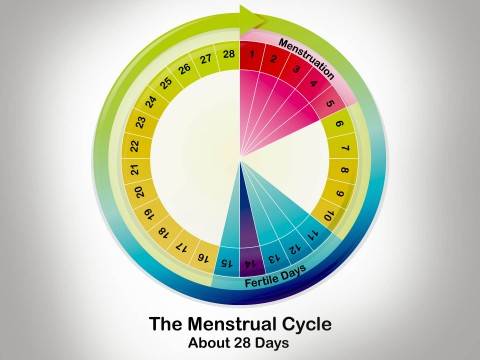
Stress-free sex: Know your safe period!Having sex is a pleasurable thing; and the nicest way to enjoy it, is to give in without being bogged down by the fears of getting pregnant. Not every act of sexual intercourse will result in pregnancy. There are days when your chances of conception are very high, just like there are days when the chances of getting pregnant are almost nil. Identifying these days will help you enjoy a better and a more stressfree sex life! A woman's menstrual cycle starts from the first day of  bleeding and ends about 28 days after that, on an average. Ovulation occurs on the 14 day of the menstrual cycle. The 14th day is the ideal day, theoretically. Since every woman's menstrual cycle differs, the day of the ovulation also differs. Hence doctors calculate the fertile period from the 12th to the 18th day of the menstrual cycle. This is the period when the chances of ovulating and hence getting pregnant, are optimal. The 1st to the 7th day and the 19th day to the start of the next cycle, are the days when the ovulation chances are very low. This means if you make love during these days, there are very little chances of you getting pregnant. This is the case with women who have regular period cycles. In case your cycles are not regular, then you would need to do a bit of math to calculate your safe period. For example, if your shortest cycle is of 26 days and the longest cycle has been of 31 days, then: 26-18= 8 and 31-10=21, which means the 8th to the 21st day of your cycle, are the most fertile days. The 1st to the 7th day and then the 21st day to the start of your next cycle, are the days that are safe for you to enjoy sex, without fear of getting pregnant. Opting to have sex during the 'safe period', isn't always fool-proof though. A lot of women have irregular cycles and the cycle length can vary from woman to woman; which is why the so-called 'safe period', is in truth, not 100% safe. It is always better to use condoms or other contraceptive methods like the oral pill to prevent unwanted pregnancies.
Your questions about contraception, answeredFew couples want to have babies as soon as they are married. Most want to enjoy their sex life without having to worry about conceiving a child in the process. If you are in this group, then here are answers to the most commonly asked questions about contraception. What is contraception? Contraceptionis use of various methods to control and prevent the pregnancy. It allows you to choose when you want to have a baby. What are the various methods of contraception? There are two main methods. Temporary contraception: Caps, combined pills, male condoms, female condoms, contraceptive implant, contraceptive injection, contraceptive patch, diaphragms, intrauterine device (IUD), intrauterine system (IUS), natural family planning, progesteron-only pill, vaginal ring. Permanent contraception: Female sterilisation(tubectomy), Male sterilisation (vasectomy). No contraceptive is 100% reliable and some can have side effects. Find out about all the methods listed here, so you can decide which method is right for you. How soon can I conceiveafter stopping the birth control pills? It is difficult to predict exactly how long it will take for a woman to start ovulating again. Some women are fertile as soon as the pills are stopped and others might take couple of months. Once the periods return and are normalised with normal ovulation, you can conceive a child. What if my period doesn't resume after I stop taking oral contraception pills? If you don't get your periods for several months, you may have what's known as post pill amenorrhea. The pill prevents your body from making hormones involved in ovulation and menstruation. When you stop taking the pill, it can take some time for your body to return to normal production of these hormones. Normally, periods should start again within three months of stopping the pill. But some women, especially those who took the pill to regulate their menstrual cycles, may not have periods for many months. If you don't have a period within three months, take a pregnancy test to make sure you're not pregnant, and then see your doctor.
FAQS
T&C FAQS