Home
Fairness scream: The new male obsession"Mirror, Mirror on the wall, who's the fairest one of all?" The words at once evoke images of the evil queen as she strikes a vain pose at the looking glass. However, these days one needs to be more accommodating and make way for a preening gent to put forth the above query. All these days, fairness would be a quality an Indian male would look for in his wife. Just see the Fair & Lovely ads to know what we mean. But today, this very obsession has turned on itself. More and more men are being just as exacting about their own skin color, complexion and tone as their female counterparts. Just take a look at all those TV commercials where celebrity endorsements dangle the bait of fairness creams, lotions and body wash specially designed for teenagers and young men seeking to take them to the promised land of social and sexual success. But before you rush to buy that cream, here's what that fairness is all about Fairness is skin cell deep Fair, ruddy, dark or wheatish is all determined primarily by the melanin content in our skin cells. Some races like the Africans have a high melanin content thereby giving them a dark colour while Europeans are of a lighter skin colour due to low melanin content. So whether you use an expensive fairness cream or go in for beauty treatments at luxurious beauty spas, genetics will have a final say on the matter. How fairness creams work...or do they? Fairness creams contain chemicals which block the production of melanin in the skin and thus enable a lighter skin tone and a fairer complexion. Mostly melanin production in men is more than females, which is why women's fairness creams don't have so much of an effect on men. The cosmetic industry recognized this factor and thus developed products designed for the male skin. However, some of these "men's only" fairness brands are glorified sunblock creams which block the harmful ultra violet radiation of the sun which blackens the skin. The dark side of fair Some of the beauty treatments and fairness creams contain chemicals like hydroquinone, mercury, and even steroids, which could do more harm than good. If you are obsessed about fairness, the least you could do is use a branded product (though that is no guarantee of its efficacy!). First sample it to check of it suits your skin. If a rash breaks out, consult a skin specialist immediately. Finally, it is the health of the skin which is more important than colour. So exercise regularly or use natural skin treatments like orange peels, cucumber patches to enhance your skin tone. Don't give in to peer pressure. The obsession for fairness can lead to low self-esteem and needless rivalry. Cosmetologists and marketers of fairness products are the only ones who will laugh their way to the bank at your cost. So, if you have a darker skin colour you don't have to go in for expensive remedies just because men in your age group find it cool. Self-acceptance is much better remedy than any beauty treatment in the world.  
Marrying late in lifeConventionally, the marriage age is determined according to the linear formula of happiness that we have constructed and believe to be true. The formula being: getting married by 24 --> having children by 27 --> working (optional) --> becoming a grandparent (that too, real soon!). However, time and again, men and women wandering in their 40s-50s have woken up from the deep disturbed slumber to realize that maybe- just maybe, they had walked into things too fast. They had been unable to know who they are and to become a self-conscious human being before being ready to fuse their lives with another. The prime point of being single and marrying later in life is not to go on some form of egoistic joy-trip but to be able to know oneself and become ready to be the right person for the other. By marrying late, you give yourself time to experience freely what you like and dislike. You get to explore the world at your own terms- travel whenever you want and involve yourself in festivals and activities that manifest who you are. Marrying early doesn't allow for time to explore one's being, as marriage generally immediately follows the time you finish your studies or begin working. One of the most important aspects of adulthood today is travelling. However, every individual has unique wants of travelling and being a single adult will allow you to experience the world fully. You will also get in touch with yourself, exploring how you would like to live. The decision will arise from a ground of experiences which would clearly tell you what repels and what appeals to you. Such experiences are rarely findable once you begin living with another, as you would have to schedule your days and basically, your routine around the other's life as well. Financially, you have reached a point where you know how to take care and manage finances, allowing you to plan your wedding pragmatically. Marrying at a later point in your life allows you to be clear about when you would like to be a parent. Your experiences also ready you to be a considerate and understanding parent who can guide a child. As you grow older, you tend to become more tolerant and the propensity towards differences turning into unnecessary fights is lowered. As our ways of looking at the world change, every person as an individual has the need to learn to see the world as a home. This feeling of being at home is created only through series of experiences one has to go through as a responsible adult. In the face of inexperience, two individuals coming together often find themselves incapable of being happy with one another. Marrying later allows you to have grown into a wiser person yourself before sharing your life with another.
Ageing gracefully and happilyEverywhere we look there are constant reminders that we are growing old each passing day. There are creams that tell us that will make our wrinkles vanish and make us look younger. There are hair care products dyes that claim to cover our grey hair so that we can look and feel young. Our doctors tell us about how we have to take care of all our body parts to keep several diseases at bay in the old age! It is a rare and difficult attainment to grow old happily and gracefully. Is there anything good about old age? It doesn't seem so, going by the look of things. Here we give you 5 reasons that will make you look forward to old age! Old age is the happiest time in life: You are constantly living life to the fullest when you are young. Survival is your prime priority. You work hard to keep yourself and your family happy and financially stable. Too many responsibilities bog you down. Old age is the time when there is nothing of this sort. You are retired, free from all responsibilities. You have passed the baton to the younger lot. Now is the time to sit back and enjoy. Now is the time to relax and do the thing you always wanted to do. Imagine living with not a care in the world? That is old age for you. Old age is when the brain functions the best: It is a proven fact now. It was believed that we lose more brain cells as we age. Now it has been proven that our cognitive functions peak between the ages of 48 to 60. Old people make the wisest and toughest decisions quickly. People may call them worldly wise. Have you ever given a thought to how all the judges are old men? And how when someone says the word 'wise' the picture formed is usually of an old man with a beard? No more fashion policing: When you are young, there is a lot of stereotyping involved! Going to a board meeting, wear formals? Going for a lunch meeting, wear something that is suitable keeping in mind the place. Are you at a certain position in life? Dress accordingly! So many restrictions! Old age comes with none of this. You can wear what you please and no one will really mind! Only when you actually get to do it will you realize how much f a relief it is! Relationships improve: According to a 2011 study; married oldies are more satisfied and positive about their marriages than young couples are. Arguments involve less anger, and senior spouses show more positive emotions and affection than middle-aged couples. It's not only marriages, however, that benefit in older age. Seniors also seem to be happier with their other social relationships too. They have a smaller but closer circle of friends and gain more benefits from these close, emotional bonds. Old Age makes you feel better on the whole: You have lived life to its fullest, your kids have now flown the coop and you have seen it all. As you age, you start feeling better about things in general. You look at things more positively and make the fullest of every situation presented to you. You live in the moment and are not worried about future repercussions. Old age is a happy place to be. Look forward to aging positively.
Teach your kid to stand up to bulliesAlmost everyone has heard of the beach bully who goes around kicking sand in the face of the skinny lad. That's the quintessential imagery associated with bullies and it has stayed with us for over 3 decades since the first ads came out. The ads generally endorsed body building products using the classic 'Before' and 'After' construct, i.e. before you got your face sandblasted by the beach bully and after you took that protein shake or muscle builder to get even. Bullying is a phenomenon where a person or group wilfully targets someone with the intention of troubling them over a specific thing. (Bullies generally pick on someone they perceive as physically, mentally, financially, socially or racially inferior.) There is no age-limit for bullies as the bully could be a school going kid with an attitude problem or a fully grown adult, who could indulge in it from sheer force of habit or due to a mental problem. Again there is no age limit for the victim as well. Anybody could really be a target for the bully menace, right from school children, teenagers, disabled or even old people. Well bullying has changed considerably in these times and you also have the e-bully version where insecure bullies go about harassing people, especially teenagers over the internet. Bullies resort to tactics like causing public humiliation or embarrassment to hapless victims or resort to threats or other control-based abusive behaviour. Ok so everyone has undergone bullying from time to time but the question is should you allow it to happen to your teenaged son or daughter? Mind you, here it isn't simply a question of some leg pulling by friends or teachers but some serious malice that could well destroy your teenager's confidence and cause permanent scars on his self-esteem. Yes, if your teenager is being subjected to bullying then teach him how to kick the sand right back in the bully's face. Before we learn how to do that let's see the types of bullying that your kid could be subjected to: Verbal bullying This includes teasing or making caustic remarks directed at someone on a regular basis. The school bully does that, doesn't he? As you would probably remember from your own school days that fat lout who made you quiver with fright as he snatched your lunch box away to feed the dogs. Yes, the very same guy who pulled your sister's pig-tails and called you names which made you go red in the face. You could do nothing but pray he wouldn't notice you somehow. Well so something similar could be happening with your teenager. Verbal bullying need not be done by a school friend. Even a responsible teacher could target someone for deprecatory remarks causing much embarrassment, ridicule andfeelings of inadequacy to a teenager. Sometimes kids look up to their teachers for encouragement and support and those very people could actually damage a child's self-esteem by unjustified criticism and bullying behaviour.Teenage girls could suffer taunts and remarks about certain physical traits and since they are at a delicate age where their bodies are undergoing changes, such verbal abuse can indeed cause long-term depression or personality issues. Physical bullying Physical bullying is where your teenager could be subjected to physical harassment at the hands of the bully. Whether it is a simple case of holding your teenager's hand or unprovoked physical assault, the end result is the same-injuries to the body and mind. The bully may not go as far as inflict any visible scars on the teenager's body but the episodes could certainly cause great fear and trauma to him. Even teenage girls are not spared physical abuse at the hands of bullies. In certain cases, teens suffering from long-term bullying actually took some extreme measures by committing suicide or breaking down completely. Internet bullying Internet bullying is where your teenager is probably most vulnerable. At least school bullying is restricted to school, but here your teenager is at the mercy of just about everyone - from the school bully to the earnest paedophile! Causing embarrassment on public forums, threats of physical or sexual harm is the most common and as a parent you have to take every step possible to not just protect your child but also help him take care of himself or herself. The bully menace The school bully is comparatively easier to deal with than the internet lout! Well, one can't be too sure of that statement either since these days,school kids are known to blow up their own classmates or participate in a heist with adult precision. Always watch out for the classic signs of bullying. If your child appears withdrawn or disturbed after school hours then gently probe and encourage your child to tell it all. If you feel there is enough reason to think your child is being subject to bullying then bring it to the notice of the school immediately as others could have similar complaints. Do not admonish your child or scold him as it could cause him to withdraw in to the shell that the bully provided him in the first place. Parents and elder siblings can be bullies too so remember that. Teach your child to stand up to bullies. The bully is generally an insecure person who uses brute force to feel good about himself, at the cost of others. The school bully generally has his way and is not used to being challenged. Teach your child to look the bully in the eye and register protest. This will go a long way in teaching your child how to fight back and not take any nonsense from others.If the situation worsens, then always keep a track of your teenager's whereabouts especially if it is a girl. Once the bully realizes that he is being tracked he generally lies low or picks on someone else. Internet bullying requires different measures. You can monitor your child's online activities and teach them to never ever share any personal information or photographs online or on forums which are off-limits for children and adolescents. You can complain to the authorities if things get out of hand. If someone repeatedly issues threats to your teenager, either online or in real life, is a cause for real concern and one must take them seriously. If your child does not learn to cope with bullies it could affect him well in to adulthood, where he will feel helpless and easily scared by imposing people or even develop a hatred for authority figures. Bullying can fuel an already weak personality in to gaining an inferiority complex; the flip side is that kids who have been subjected to bullying can repeat the same patterns on their younger siblings or at school. So a bully creates another bully if continued unchecked. Mental problems in children are on the rise, so bullying is also no longer an innocent joke but could be a serious crime. Bullies whether children or grown-ups, suffer from some personality disorder or a serious inferiority complex which makes them compulsive trouble makers and their victims are generally people who cannot hit back or are vulnerable. Take Hitler for instance. Wasn't he just a bully who was unhappy in his own life? Look what he did to millions of innocent people. Wasn't that a bully gone berserk?  
Academic pressure in children and young peopleUnderstandably, parents, educators and politicians consider this topic a high priority. Exam preparatory businesses are found in every street and parents are willing to invest huge amounts of money to further their child's education. Another result, though, is childhood and teenage stress and anxiety. Signs of anxiety from too much pressure to succeed at school may show itself in sleep disturbances, erratic/poor eating, low mood, excessive worrying, low confidence levels and fear of failure - all eventually heading towards premature burnout. Younger children may experience nightmares, show bad behaviors or refuse to go to school. Teens may engage in destructive behaviors like drinking or drugs. They may struggle to concentrate or lose interest in their day-to-day activities and hobbies. They may gradually withdraw and isolate themselves. Anxiety and stress maybe linked to queasy tummies, headaches, and flaring up of skin conditions like rashes and eczema. The school and college admissions process has become more difficult than ever before. Competition is fierce. Many apply to a handful of good institutions hoping to get a much-wanted place. The stress does not stop after the exams - the wait for a decision is excruciating. Only a small proportion of eligible candidates succeed. Rejection can feel devastating. Highly capable and hardworking young people who spend many hours studying and preparing for assignments and exams, find the whole experience undermining and frustrating. Increasing external pressure from competitive peers, higher thresholds of parental expectations in a fast-paced world and the increasingly selective, goal-based focus of educational institutions will not feel supportive to a fragile child. Education should lead us from darkness to light. However, high and unrealistic expectations from parents and schools can affect a child's overall development. Whilst there is evidence that the parent's role supports or facilitates the child's achievements, there have also been concerns that a parent with unrealistic expectations can create unnecessary pressure - this worsens stress and fosters performance anxiety in children. Schools may put pressure on parents and the child to ensure that the child is meeting school targets and is not deficient in any area, rather than understanding that every child has a different potential and ability to manage stress. Children may perform better at school and feel more confident about themselves if they are told that failure is a normal part of learning, rather than being pressured to succeed at all costs, according to new research published by the American Psychological Association (2012). Recognizing this key concept and intervening early is vital. Parents and teachers need to communicate better with each other and the child. Understanding the child's strengths and interests but accepting the child's limitations at the same time is important. Supporting the child's efforts and self-esteem is the surest way to motivate them in a healthy manner. A simple conversation at the end of the day about how things are going on and giving positive feedback on the child's efforts go a long way. Where degrees and educational attainments are seen as the passport to financial success, are we losing sight of educating minds and supporting children's emotional, psychological, social and spiritual growth potential?
How to remember everyone you meet?Now that would be quite a feat, would it not? To be able to recall the name and occupation of every person we ever encountered right down to the minutiae of how, where, and why we were introduced to them to begin with! Sometimes we raise the bar of forgetfulness to the extent of forgetting just who it was who introduced us to "Mr. what's-his-face!" If only there were ways to remember the modest and average people who leave virtually no impression on us, wouldn't that save us great embarrassment? Plus it will help us do away with those sheepish looks when it dawns upon the other person that you haven't the foggiest of notions as to who he is. Stranger: Hi! You remember me? How are you doing, Frankie? Frank: Umm! I am well (this guy's face looks mighty familiar, but for the life of me, I cannot recall ever having cast my eyes on him). Stranger: So, how was your annual bridge completion? Manage to beat the Swiss pairs this time? Frank: Atta boy! Got it! This guy happened to be kibitzing at the weekend bridge club at Aldermere. Whew! Stranger: You gave me quite a start there. You looked right through me and I was quite not pleased at the fact that just last week I happened to congratulate you. Frank: Well Martin, be tough to not remember you, of course I do! Just didn't think of bumping into you here. Martin: Well, I am Walther and I can now see that you don't remember me at all! How many times has the above scenario happened to us? While it is well-nigh impossible to remember every name or face that we come across, it would be  a good habit to at least attempt our 'mental name book' to avoid an occasion for future embarrassment! Now, how in the world does one do that? Simplest way would be to carry a small notebook with a pen to make note of someone that you have just been introduced to, at a meeting or a social do. Our friends often introduce us to people and chances are that if there is no occasion to remember that person, then the brain fades it out of its memory list, as it will only use up space on the brain's 'hard disk.' Human memory might be jogged to remember trivia from 25 years ago in great detail, but ask a simple question - remember what you had for lunch last Tuesday?  - and that would be very difficult to answer, especially if last Tuesday was just an ordinary day with no special reference points around lunchtime to help you remember. Maybe if something momentous had occurred on Tuesday last, like pretty Meg from next door, sharing lunch with you rather unexpectedly, then you can bet your bottom dollar you will remember what you had on the day in question. So create reference points! When you are introduced to someone, first and foremost, reference it with who introduced you and then try and make a reference of at least one unique distinguishing feature in that person. Now you don't really require the eye of a physiognomist, and it would be mighty impolite to stare hard for the "distinguishing feature" coin to drop. So a quick look and you got 'long nose Mary Gomez' all referenced and ready for recall at the next chance meeting. Make the reference phrases funny so that you won't have any problem whatsoever in recalling the name behind the funny phrase when you most require it. Alternatively, try associating a picture with the name if you aren't very good with phrase reminders. These techniques are called mnemonics, which is pronounced ni-mon-nics, and funnily enough the very curious spelling - Mnemonics makes you want to have a picture card memory association for the right pronunciation. A mnemonic for this could be 'knee-moan- knicks". Easy enough, i.e., if you remember the sequence right. You could also try memory exercises with names picked off from the telephone directory at random. Pick an A-lister say - 'Anderson' and then flick through to D and pick 'Dougherty' and so on until you have picked at least 10 names of a different alphabet. Now, try and write down the numbers that you must have undoubtedly memorized until now. You can consider yourself blessed even if you are able to memorize the number of the third person by the time you reach person number 10. This will give you a memory for names and numbers at least. Or, go through any university web sites and look at the photo galleries of past alumni. Give yourself 1 minute to quickly glance at all the names on the page. Then try and recall the name by applying the memory picture association or develop your own technique. With regular practice, you could well be in the employ of the local police to help identify criminals off a line up. If that's too dangerous for you, then at least that will  keep your brain alert and active with this brain gym and help avoid any boo-boos in the future.
Afraid of the dark? understand your fear and cure it!Scotophobia, more commonly known as Nycotophobia, is a psychological illness, where the patient is afraid of the dark. Children are more prone to this fear, though it does affect quite a few adults as well. The dark often represents insecurity and uncertainty to children, and it symbolizes their entrance into an unknown territory. If the children are alone during their first few encounters with darkness, the absence of parents (who exemplify safety), tends to amplify this crippling fear. While most of us do actually possess this fear in relatively small amounts, as we grow up the fear diminishes. However, there are those of us who might carry this fear of the dark into their adulthood and in such cases, the fear is usually accompanied by quite a few intricate issues. People often tend to externalize a set of conflicting feelings about a certain situation, towards something else. For instance, you might be worried about your children; but your mind may externalize this fear, via your inefficiency at work. This process is called externalization. So, when it comes to the root of your fear of darkness, it is possible that at some point in your past, you experienced something untoward, which through externalization, inculcated this fear of darkness, deep into your psyche. Evolutionary Ties to Darkness: Many scientists have pointed out that this phobia might be linked to the process of evolution. Since predators hunt for their prey at night, we might have inherited this fear of darkness from our ancestors, who believed that darkness was a space where they could be attacked by wild animals. However, recent studies have shown that  Scotophobia begins at approximately the age of two in children, and thus, it cannot be said to be innate to us. In a study done by Ryerson University involving over 90 students, it was found that people who are afraid of the dark, are more likely to be poor sleepers, than those who are not afraid of it. More interestingly, it was discovered that any kind of noise made while the people with this phobia were asleep, frightened them the most.. Symptoms of Scotophobia: The first symptoms of this fear are the resistance to visit dark places and the yearning for company when such situations arise. However, many a times adults who are suffering from this fear, do not reveal it due to the added fear of embarrassment and this, sometimes, results in outbursts of rage when they are forced to go out for an event at night, or to confront the dark under any such circumstances. A person battling this fear may experience panic attacks, sweating and trembling prior to, or while staying in the dark. The blood pressure also rises, accompanied by chest pain and lastly, a difficulty in breathing. Diagnosis of Scotophobia: In children, this fear can be easily verified by their behaviour. However, adults might require further assistance, due to their natural resistance to openly admit to such a fear. Scotophobia can be diagnosed through a comprehensive psychiatric evaluation. Following this, your psychologist would be able to give you an idea of the source of your fear as well. Pursue a course of treatment immediately after the discovery of the phobia, which will ensure a faster and more effective recovery. Treatment of Scotophobia: The process of 'desensitization' is most commonly used to help with such a phobia. In this form of treatment, the patient is slowly exposed to the object of fear, in a situation where she/he will not feel vulnerable. This is done by asking the patient to confront the dark along with another individual who symbolizes safety for him/her. This could be a parent or a friend. Night lights can also be installed to gradually reduce the fear. You may try certain breathing exercises, which will reduce the panic attacks that accompany this fear. Hypnosis has also been said to be very effective in dealing with this phobia. If your psychologist sees fit, you might be also prescribed some medicines; antidepressants are given in some cases. Joining a self-help group is also a good option, in addition to your psychological treatment.  
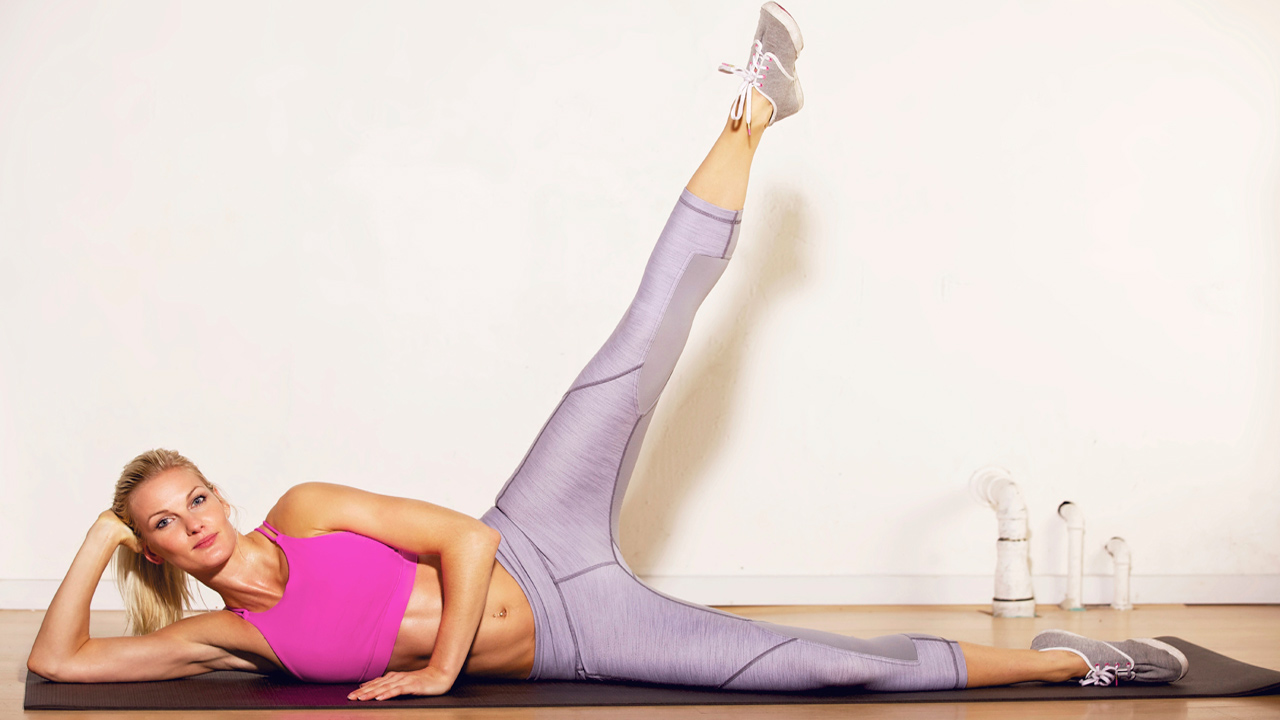
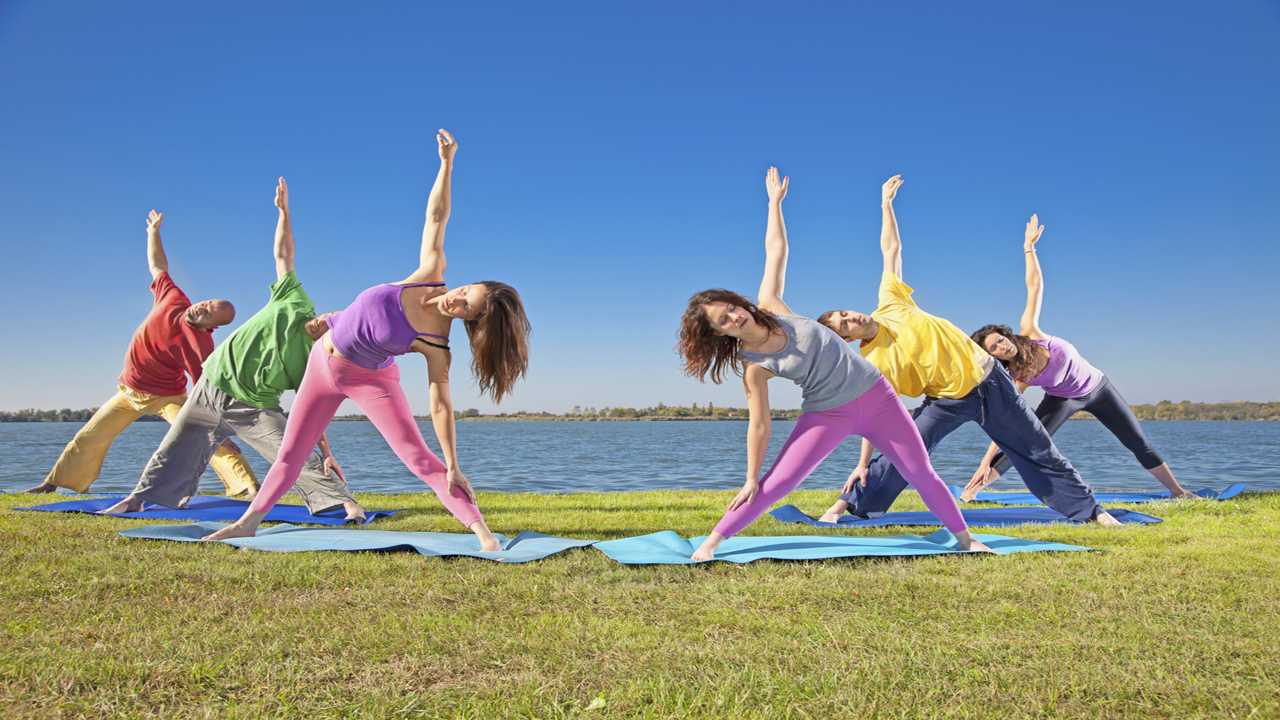
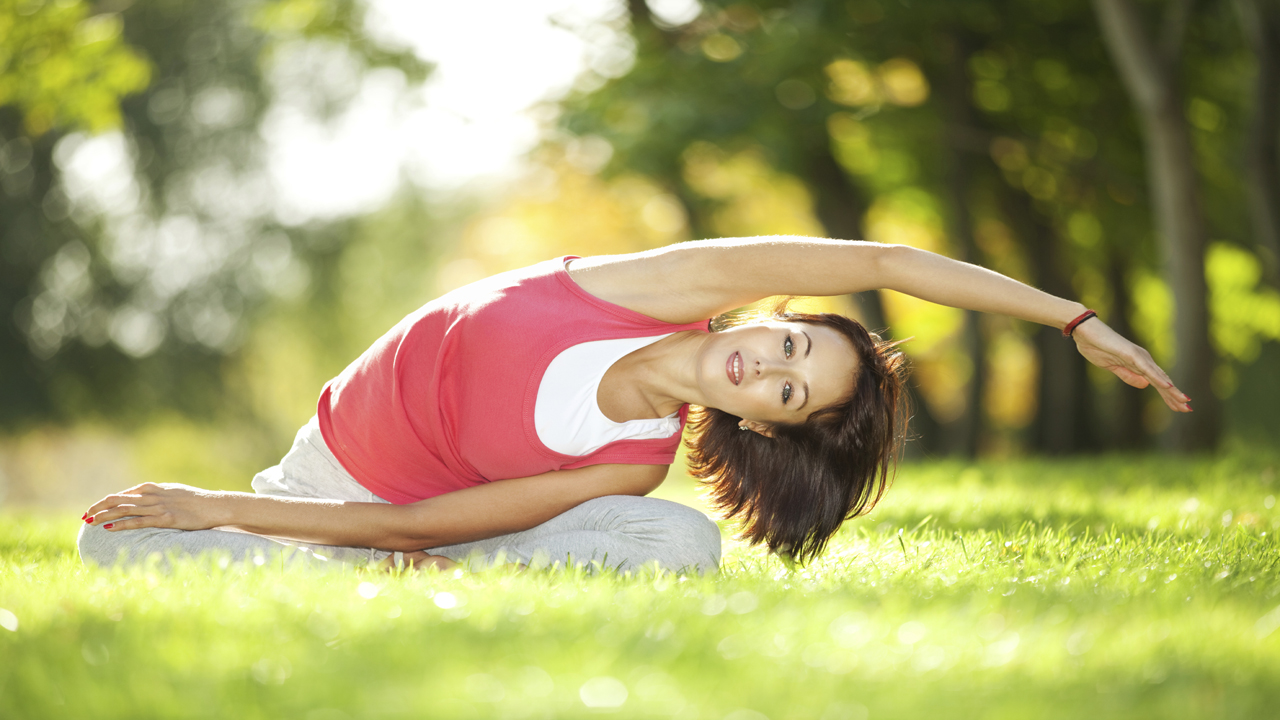
Exercise, a healthy way to deal with hypertensionYou have not exercised for a long time. You took it easy when it came to physical activity. Now that you are diagnosed with high blood pressure, you will do anything to control it. Even exercise! Exercise, weight management, and a healthy diet are important ways to help prevent high blood pressure and lower the blood pressure that is already high. Benefits of exercise for people with hypertension include: Improve blood and oxygen circulation in the body Promotes sound sleep Improves stamina and endurance Keeps heart healthy Reduces stress and promotes mental health Exercise enhances the effectiveness of medication So how much should one exercise? An exercise session of atleast 30 minutes per day is important. Get started Start slowly and increase gradually. Start with 10 to 15 minutes of exercise and increase it, as youget comfortable. Choose exercises you enjoy and will do consistently. Avoid sudden vigorous activities; they can cause injuries and hamper the routine. Warm up Warming up helps the body adjust slowly from rest to exercise. A warm-up will reduce stress on the body muscles, increase heart rate and respiratory rate, and body temperature slowly. It will also decrease soreness of muscles. Best exercises for lowering blood pressure Stretching: It is the best. It relaxes and helps prepare the body and muscles for activity and prevents injury and muscle strain. Stretching regularly will make you flexible and improve motility. Aerobic exercise: This helps to improve circulation to the entire body. It improves heart function. It gives maximum benefits to the heart. They also help to reduce heart rate and blood pressure by improving breathing pattern thus lowering blood pressure. Walking, swimming, jogging, and skipping are all aerobic activities. Do aerobics for at least 30 minutes three times a week. Strengthening exercises: These include exercises that have repeated muscle contractions till the muscles are tired. These include side balance crunch, climbing a rope, and push-ups. Join a gym. Here are some  exercise guidelines for a better exercising routine in the gym:  Schedule a fixed time for exercise. Find a buddy to exercise with you. Select an exercise that you like. Make variations to avoid getting bored. Boredom can make you stop exercising. Start slowly and increase gradually, especially if you do not exercise regularly. You should wait for an hour after eating before you exercise. Ten minutes of warm up and ten minutes of cool down sessions are must Keep a record of daily exercise.
Aerobics: dancing your way to healthAerobic exercise is any comprehensive activity that makes you breathe hard while exercising your large muscle groups at a standard, even pace. The body uses stored carbohydrates and fats for energy. What is aerobics? Aerobic literally means having or providing oxygen or an activity that takes place only in the presence of oxygen. What is aerobic exercise? Aerobic exercise is any comprehensive activity that makes you breathe hard while exercising your large muscle groups at a standard, even pace. The body burns stored carbohydrates and fats for energy. Thus aerobic exercises help the body to utilize oxygen efficiently with increase in respiration and heart rate. What are the best ways to do aerobic exercises? There are number of ways by which you can exercise aerobically. Some easy and best ways are: walking, running, biking, using stationary bike, using stair stepper, elliptical machines or rowing machines, or joining an aerobic exercise class Benefits of aerobic exercises Fat reduction: Aerobics burns calories and body fats directly while using oxygen to produce energy. So this is the healthiest way to get rid of extra fat.  Strong heart: Aerobic exercises not only use your larger muscle groups like hamstrings, but also strengthen the heart muscles. This improves heart function resulting in improvement of blood and oxygen supply to all body parts, which provides healthy nourishment to body cell and removes toxins. Improves breathing: Exercises improve your lung capacity and function,which improves oxygenation, or competence of respiratory system to deliver oxygen to all body parts. It also improves overall health of the respiratory system. Cholesterol control: LDL cholesterol is bad cholesterol mostly responsible for clogging of arteries and HDL is good cholesterol. Aerobic exercises invariable increase the amount of HDL and lower LDL cholesterol thus preventing fat deposition and plaque formation and maintaining optimal blood supply to heart. Other benefits: Aerobics is the best exercise when it comes to prevention of various diseases like hypertension, diabetes, stroke and arthritis and osteoporosis. It helps to keep mood elevated and cures depression and boosts immunity. Make sure to incorporate some form of aerobic exercise in your daily routine.  
How to communicate with a patient who has a strokeThe first and the most important thing to communicate with the patient, is to give undivided attention. Give attention to his activities, gestures, his facial expressions through which he may try to communicate so his feelings could be understood. Eye contact is also important but the patient having stroke may look at you square in the eyes but he may not respond to your conversation. While communicating with the patient you should always stand in front and tune out all the other sights and sounds in the room. Maintain full silence around the patient in the room, turn down the volume of the television, radio and ask other people in the room to be silent. You may communicate with the patient by making contact by touching the hand, chin, cheek or areas which are not affected by stroke. As the side which is affected by stroke, does not have any sensations. You may communicate with the patient through his family member by telling the family member to communicate with patient by saying, "Look at my face"; through this we can gain the patient's concentration. You should always speak clearly with the patient in a normal soft volume. Express your ideas in simple terms, form simple sentences, do not use complex words. You may repeat the sentences or an important term again. For example to ask if the patient wants tea, repeat the word 'tea'. More complex thoughts can also be similarly conveyed and repeated. You may also use hand gestures with clarification like doing Hello by waving your hand or through your hand action, you may ask questions like, How are you? Are you ok? What do you want? Through this both caregiver and stroke patient can benefit. You may ask your patient to point out whatever he wants or if he needs anything. And gradually he will develop the habit of pointing the daily items like television, newspaper, remote, eyeglasses radio, drapes an uncomfortable foot, the patient can indicate any pain or headache. Through this communication we can make the patient learn, use mechanical lifts to get in and out of the bed, and with the help of the attendant by demonstrating the patient how to use it. Sometimes when the communication does not work, take a break, give it time and try again, do not get frustrated and reassure the patient that yes, he or she can do it. Good communication with the patient is very important as they cannot speak their basic wants and needs clearly. The patients suffered a stroke also have slurred speech. There is a deviation of the angle of mouth. They are mostly bed ridden and could not carry out the routine activities.
Pulling out - Is it an effective option for contraception?What is the 'Pulling out' method? 'Pulling out', 'Withdrawal' and 'Coitus Interruptus' are all the different names for probably one of the safest methods of contraception. It involves the male partner withdrawing or pulling out his penis just before ejaculation. This ensures that no semen has been ejaculated into the vagina or vulva of the female partner. Since there are no sperms travelling inside, the result is - No Pregnancy! Is this method really effective? Like all methods of contraception, the effectiveness of the pulling out method also depends on how correctly it is done. This method requires a lot of mutual understanding between the partners. The male partner must also exercise great self-control and accuracy in knowing when he will reach the highest point of sexual excitement so he can pull out at the right moment. Statistics have the following things to say Of women whose partners use withdrawal, 4% become pregnant each year if they always do it correctly, and 27% become pregnant each year if they don't always do it correctly. Ejaculating close to the vagina or vulva would mean that the sperms still have a way to travel inside the vagina. At times the pre-ejaculate fluid may also contain a few sperms from the previous ejaculation that may end up causing pregnancy. As a precaution against this, experts suggest the male partner pass urine before the sexual act. Withdrawal method of contraception is the best option for members of religious groups in which using contraceptive devices like pills, condoms or IUDs are a form of sin. Withdrawal method does not protect you from HIV/AIDS and other STDs. What are the advantages and disadvantages of this method? Advantages It is simple, safe and convenient. It is the best method when no other contraceptive method is available. It has no side-effects It does not require a medical prescription. It does not alter the menstrual cycle. It does not affect future fertility. Disadvantages Requires great self-control, experience and trust. Not suitable for men who suffer from premature ejaculation Not suitable for teenagers and sexually inexperienced people. Does not ensure protection from sexually transmitted diseases and HIV/AIDS. Less effective than other methods of birth control. May interfere with sexual pleasure due to nervousness and anticipation of pulling out at the right time. The pull out method is thus one of the safest methods of contraception, provided one has a thorough understanding of one's body, trust in the partner and a huge amount of self-control.
Is sex linked to self esteem?Man is a curious creature, full of quirks and contradictions. Sexual intercourse, something that most people consider an intimate and private experience, is spoken about in hushed tones and often, with some discomfort. We don't reveal or talk about our sexual desires, as readily we discuss our salary packages or food habits. This is quite ironic seeing how sex is an important gauge for a person's self esteem and also an indicator of his/her social desirability. The very thing that we do under covers, we somehow choose to "keep under cover". The Link between Sex and Self Esteem: Self esteem is an important factor that determines the mental & physical well-being of an individual. All of us have a craving to be understood, liked and appreciated; and these form the equivalent of our basic needs on the inverted pyramid- Food, clothing and shelter. For a human being to flourish and prosper, consumable food, without the mental food of appreciation, is not enough; and sexual intercourse or an intimacy with the opposite sex, is one way of validating that need. Sex therefore, ceases to be just a physical need instilled by nature for the perpetuation of the species, but goes into the larger emotional cum psychological dimension of self actualization and realization. Though some of us might be embarrassed to broach the topic of 'whether or not we are getting enough', the truth is that every human seeks to achieve his sexual potential, even while he or she might, not be aware of it. Most of us have the ability to get the foods matching our taste preferences onto our plates, but with sex, this could be a little difficult, since sex, is a complex subject with a lot of social, moral and religious links. The truth is evident in the number of marriages (the very cornerstones of civil society) that fail on the basis of sexual compatibility, either by setting unrealistic sexual expectations or by not owning up to, or even identifying, one's sexual needs. This has repercussions on the psyche and self-esteem of a person, and this is especially true in the case of men in particular, as they may feel completely inferior for not being able to attract a sexual partner matching his desires. In some people, this also leads to a case of self-loathing, for having sexual needs which a partner doesn't understand, or much worse, needs which are considered taboo and sinful (Homosexuality, Anal Sex, Group Sex, Fetishes, etc.) These complex emotions can wreak  havoc on a person's self-esteem, by creating severe internal conflicts and serious self-doubts. Now socially, sex can either liberate a person, or hold him prisoner. At times, the unfulfilled needs may get repressed and banished to the shadows, only to be played out later, in the form of sexual adventurism and crime. Just one look at the sexual crimes in our society today, and we can clearly understand just how healthy our collective self esteem is! The very society that frowns upon prostitution, is actually responsible for creating it, though everybody would like to pretend otherwise. The crux of the matter is that "sex" and "self esteem" are closely related; and one should not shy away from addressing any issues one might face regarding one's sexuality. Physical love is necessary for the survival of a relationship and one needs to make time and efforts to successfully create one's own sexual space. The positive effects of a good sex life can be seen in an increased work productivity, fewer illnesses and an increase in one's overall efficiency. Some people are haunted by sexual guilt and confusion and when they keep it all locked up, they suffer from unexplained physical pains and feel 'down in the dumps' mentally. Another problem with appreciation from the opposite sex, is the addiction to  external validation. Some people feel utterly worthless until they receive positive feedback about their looks or abilities on a regular basis. This can be downright devastating, as in these cases, there is a great dependence on external factors for one to feel good. While no one denies the "feel good factor" of sexual appreciation, it is up to each one of us, to decide just how much of control one must be giving to external factors, to determine our personal self-esteem. The appreciation may be theirs, but the esteem is entirely of the self and only the self can decide how much of appreciation and sex is enough.
FAQS
T&C FAQS