Home
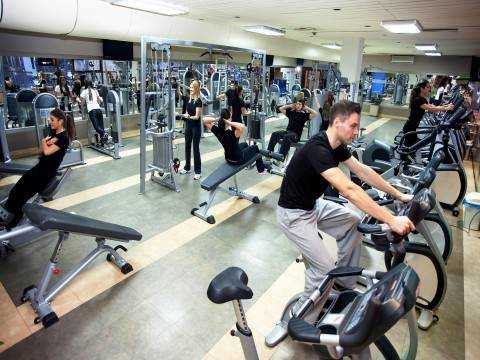
Making the 30 the new 20 - Some healthy tips for men over 3030s for most men is the age of making money, a firm career and preparing a good and luxurious retirement plan. But in this race of minting money, getting a house, buying a new car, don't you feel you lose the verve to be young in body, health and spirit? Result, you are in the lap of one or the other lifestyle diseases. Well guys slow down and ponder a bit.Your age can be on your side when you try to maintain it not when you extract all energy and fill it with monotony and laziness. 30s can turn into new 20s for each one of you but that can't happen by sitting in front of the TV set watching your favourite game and gulping down a beer. So you need to put your mind and heart together and try to work out options to keep your mental and physical health optimized. Let's discuss few such ways which can be the key to your health post your 30s. Be a part of the maddening crowd Post 30s men have a habit of engaging themselves totally into their work, that very little time remains to socialize and meet people. Studies prove that people who are part of a big social group have fewer chances of heart diseases as they are supposed to be happier and stress-free compared to their counterparts who spend their time in their office files and TV. Be healthy, wealthy and always wise with exercise Hitting the gym would be a trend amongst teens and those in twenties, but you need it the most at 30 as this is the age staying fit is essential to keep all diseases away. If you are not a gym fan then you can try any of the other methods of exercise: Morning walks Joggings Yoga Aerobics Options can be innumerable but you need to choose what suits you and your lifestyle best. Avoid the idiot box Do you spend your evenings in front of the television set? Well that is definitely one of the unhealthy habits you are nurturing then. Television sets make you dependent, which mean very few body movements. The only exercise you get is when you reach for the popcorn or when you fiddle with the remote for the mute button in-between commercial breaks. Also it takes up your time which is meant to be spent with family and friends. So next time you get home from office, try and grab a game with your kid or a nice chat with your wife or walk down the road to your friend's house and go out for some fresh air instead. Say NO to the puff A very common habit which catches hold among men especially since their teenage is smoking. Men who have been smoking since their teens don't feel a need to change their ways and it just seems to get worse. Now in your middle-age you don't smoke for effect but rather as a refuge from all tensions and tribulations or sheer force of habit. You are aware that smoking and nicotine dependence whether through smoking to chewing tobacco can put you at risk of lung cancer, hypertension, heart valve blockages and much worse? Being a bit more sober than you were in your 20s is essential here. Stop the smoke and try to look into the clear air around you. Less alcohol, more life Alcohol not only hits your liver and takes you away from the real pleasures of your life but also makes you prone to all the diseases which starts showing its symptoms in the middle-age only. Increase in anxiety, blood pressure, high cholesterol or other cardiovascular diseases come into forefront more with age. Does that mean you should stop this within a day or two? No, you need to limit the number to one or two pegs maximum a day and you will be fit for a healthy life. Go fishing Now this does not mean you need to hunt for your own food or dangle the bait or go hungry. Just make fish a part of your daily diet. Fish or sea food after stepping in your 30s makes you able-bodied and increases immunity to fight diseases. The necessary proteins, vitamins, essential oils, zinc, selenium etc. can be had through just one source-fish! Bone mania Calcium deficiency a common disease in women in their 30s causes joints pain primarily, now this should never be neglected by men as well because with changing lifestyle, men also are falling prey to it. Declining calcium concentration in your bones post 30s makes them prone to more fractures and bone damages. The right balance between physiotherapy and food habits makes you more agile and keeps the joints squeaky clean! More sunshine Research prove that spending 15-20 min in the sun everyday helps one to keep away from diseases like osteoporosis, back pains, arthritis etc. Requirement for Vitamin D is fulfilled and all readily bodily deficiencies get mitigated. Thus step out in the sun for some time and experience the results yourself. Avoid the junk Pot bellies are a common sight among men as they hit their 30s. You don't have to live with it! Obesity is the starting point of most diseases. Thus what you require is just focus on a healthy diet plan. The burgers and pizzas which might be irresistible to you in your teens should be only looked at dispassionately without bringing your mouth a mile near them. Extra cheese and butter are now not to be served on your platter. A bit hard-hitting but to stay healthy needs to be done without any second thought. Thus the above mentioned pointers can be followed by guys at any age but should be followed rigorously when you hit 30! So, live your life healthiest and to the fullest!  
Strict parenting: When enough is enoughThe strict or authoritative style of parenting is where the parents hold their children's lives over a tight leash. Strict parents are high in control and low in nurturing qualities. They set high standards for all activities and expect strict obedience to the rules set by them. However, these parents display little or no warmth and affection. They love and affection they offer is also conditional love based on obedience and performance. Children of authoritarian parents turn out to be obedient, but this obedience is based on fear. Such parents very often use shame and guilt to make their children change their behaviour. They don't encourage verbal give-and-take and expect their orders to be obeyed without question. The children brought up in such a way are initially very obedient and polite but later all the suppressed emotions find an outlet. More often than not, such children end up being aggressive and tend to be bullies at school. Research shows that fathers who are extremely strict with their sons end up making their sons violent and aggressive, or indulge in non-physical aggressiveness like name calling. Strictly raised children have difficulty relating to their peer group. They either end up being aggressive or completely timid and submissive. At school teachers rate them as less socially competent, average or poor at studies and extra-curricular activities. They are also less accepted by their friends. The school dropout rates in such children are very high. Studies conducted on such dropouts revealed that they suffered from a huge inferiority complex and low self-esteem. Strict parenting can cause several problems in adolescence too. Children who are dominated by their parents are often found breaking the law. Alcohol and drug abuse rates are high in such children. Psychologically, these children are usually poor decision makers. Having had their parents make decisions for them all their lives, they find it very difficult to take a stand. They end up being indecisive. At the workplace too, they lack the competency to take up initiatives or show the lead. They make better team members than team leaders. Even if presented with an opportunity, they are likely to shy away from responsibility as they feel inferior and lack the requisite courage. Strict parenting can have a negative impact on the child's weight too. Studies show that an overly strict upbringing has a negative impact on weight because the children often fail to learn to eat on the basis of hunger and satiety. In such families parents use food as a reward, insist that children clean their plates, or restrict the kind or amount of food a child can eat. The studies showed that the children of authoritarian mothers were nearly five times as likely to be overweight compared to their counterparts!
Pregnancy and HIVMothers with higher level of viral load have been found to deliver infected babies. However, no amount of viral load can be safe as infections can occur any time during pregnancy. A high level of precaution is necessary during this phase. Mostly infection occurs during delivery but that's not the only way through which it can spread. HIV-infected mothers should not breast-feed, as virus can transmit through breast milk too. Antiretroviral medications are used to reduce chances of transmission of HIV. Keeping delivery time shorter can reduce the risk of transmission. Most of the times babies born to positive mothers are positive for HIV. Babies infected with HIV will have antibodies made in their system and will continue to test positive. But if babies aren't infected, the mother's antibodies in baby's blood will eventually disappear and babies will test negative after about one to one and half year. HIV positive women should consider possible problems with antiretroviral medications for HIV before getting pregnant. Talk to the doctor about choice, indications, and contraindications of these drugs. There's a risk of missing doses due to nausea and vomiting during early pregnancy, hence giving HIV a chance to develop resistance. Some doctors prefer the practice of stopping or modifying medications during pregnancy to lower the risk of birth defects. Short course of treatments can help eliminate or reduce risk of transmitting HIV to a newborn; but, short treatments increase the risk of resistance to the drugs used too. There is a risk of birth defects due to antiretroviral drugs during the first 3 months of pregnancy. Pregnancy does not worsen mother's HIV disease, but any HIV positive woman planning to get pregnant should discuss treatment options thoroughly and all the pros and cons with her doctor.   
Making babies, the best way!Some couples get pregnant easily. But many couples have to wait months before the baby is conceived. There are several factors that affect conception right from fertility to the position during intercourse. Some believe that positions have nothing to do with conceiving a child. This is not true. Some positions are ideal to help the sperm meet the ovum. Let's see what some of these positions are. Missionary position:The best position for getting pregnant fast is the missionary position.Here the man is lying on top of the woman allowing for the deepest possible penetration, making it possible for the sperm to get deposited closest to the cervix. It is also the most common and comfortable position preferred by couples. Raise your hips high: Your hips have a lot to do in helping you get pregnant. Raise your hips high during sex by placing a pillow below you. This helps to expose the female cervix to as much semen as the male can release. Doggy position: Considered to be the most erotic and pleasurable position,this rear-entry position where the man enters the woman from behind is also recommended for increasing the chances of getting pregnant. In this position too, the sperm is deposited closest to the cervix, thereby increasing the chances of conception. Side-by-side: You can also try having intercourse while lying side by side. This position, likewise, causes the most exposure of the cervix to the male sperm. While these positions certainly improve your chances of getting pregnant, there is no guarantee that you will conceive. The most important thing is to enjoy this special time and have fun with your partner. So keep enjoying and keep trying!
Is circumcision a healthy ritual?Religious rituals and practices have been carried out since ancient times. Circumcision is a religious ritual that involves surgical removal of the prepuce of the human penis. Prepuce is the foreskin of the penis and during the procedure; the person performing the ritual opens, inspects and separates it from the glans. The process is painful and hence local or topical anesthesia is used to reduce physiological stress and pain. Circumcision is performed for religious as well as personal reasons and many times recommended medically for prophylactic or therapeutic reasons as well. Today's medical science makes use of this treatment for treating chronic urinary tract infections, refractory balanoposthitis and pathological phimosis. Circumcision is performed as ritual in many parts of the world. However, it is also recommended medically as protection against HIV infection. Circumcision-Is it Legal and Ethical? In the world over, the ritual or practice of circumcision is carried out on all types of people from neonatal stage to adulthood. While no significant risks have been noticed due to the practice of this ritual, rather some modest health benefits have come to the fore. The World Health Organization has recommended circumcision for male infants in parts of Africa where the children are more vulnerable to urinary tract infections. However, no other medical organization in the world has supported or banned the procedure. Over past few years, legal and ethical questions have been making rounds and many believe that consent should be taken before carrying out neonatal circumcision. HIV and Circumcision Benefits A Cochrane meta-analysis conducted in 2009 on sexually active African men have revealed that the ritual of circumcision reduces the risk rate of HIV infection by 38 to 66 percent among heterosexual men in a period of 24 months. That is why WHO has recommended circumcision in sub-Saharan African areas having high rates of HIV infection as a part of the comprehensive HIV program. Moreover, this process is more cost-effective as compared to other treatments and preventive measures recommended for HIV. Circumcision reduces the risk rate of HSV-2 infections and oncogenic HPV prevalence along with the risk of penile cancer and UTIs. Until now, there have been no concluding reports on the protective effects circumcision offers against other types of sexually transmitted infections. Circumcision is also recommended medically to children suffering from pathological phimosis and refractory balanoposthitis. Contraindications The literature worldwide review conducted in 2010 reveals that around 1.5 percent of the newborns face median complication when the process of circumcision is performed by trained medical providers. Only 6 percent children face severe complications with the common complications being infection, bleeding or removal of too little or too much of foreskin. However, the process does not cause any negative impact on the sexual functioning of an individual. Contraindications due to circumcision are also cited in infants having genital structure abnormalities right from the birth such as misplaced urethral opening, ambiguous genitalia or chordae. In such cases, the foreskin may require reconstruction through surgery.  It is contraindicated in premature babies and clinically unstable infants and it should also be avoided in children with family history of hemophilia (bleeding disorders). In such patients, it is important that the blood should be checked for its coagulation properties before attempting the procedure.
Teach your kid to stand up to bulliesAlmost everyone has heard of the beach bully who goes around kicking sand in the face of the skinny lad. That's the quintessential imagery associated with bullies and it has stayed with us for over 3 decades since the first ads came out. The ads generally endorsed body building products using the classic 'Before' and 'After' construct, i.e. before you got your face sandblasted by the beach bully and after you took that protein shake or muscle builder to get even. Bullying is a phenomenon where a person or group wilfully targets someone with the intention of troubling them over a specific thing. (Bullies generally pick on someone they perceive as physically, mentally, financially, socially or racially inferior.) There is no age-limit for bullies as the bully could be a school going kid with an attitude problem or a fully grown adult, who could indulge in it from sheer force of habit or due to a mental problem. Again there is no age limit for the victim as well. Anybody could really be a target for the bully menace, right from school children, teenagers, disabled or even old people. Well bullying has changed considerably in these times and you also have the e-bully version where insecure bullies go about harassing people, especially teenagers over the internet. Bullies resort to tactics like causing public humiliation or embarrassment to hapless victims or resort to threats or other control-based abusive behaviour. Ok so everyone has undergone bullying from time to time but the question is should you allow it to happen to your teenaged son or daughter? Mind you, here it isn't simply a question of some leg pulling by friends or teachers but some serious malice that could well destroy your teenager's confidence and cause permanent scars on his self-esteem. Yes, if your teenager is being subjected to bullying then teach him how to kick the sand right back in the bully's face. Before we learn how to do that let's see the types of bullying that your kid could be subjected to: Verbal bullying This includes teasing or making caustic remarks directed at someone on a regular basis. The school bully does that, doesn't he? As you would probably remember from your own school days that fat lout who made you quiver with fright as he snatched your lunch box away to feed the dogs. Yes, the very same guy who pulled your sister's pig-tails and called you names which made you go red in the face. You could do nothing but pray he wouldn't notice you somehow. Well so something similar could be happening with your teenager. Verbal bullying need not be done by a school friend. Even a responsible teacher could target someone for deprecatory remarks causing much embarrassment, ridicule andfeelings of inadequacy to a teenager. Sometimes kids look up to their teachers for encouragement and support and those very people could actually damage a child's self-esteem by unjustified criticism and bullying behaviour.Teenage girls could suffer taunts and remarks about certain physical traits and since they are at a delicate age where their bodies are undergoing changes, such verbal abuse can indeed cause long-term depression or personality issues. Physical bullying Physical bullying is where your teenager could be subjected to physical harassment at the hands of the bully. Whether it is a simple case of holding your teenager's hand or unprovoked physical assault, the end result is the same-injuries to the body and mind. The bully may not go as far as inflict any visible scars on the teenager's body but the episodes could certainly cause great fear and trauma to him. Even teenage girls are not spared physical abuse at the hands of bullies. In certain cases, teens suffering from long-term bullying actually took some extreme measures by committing suicide or breaking down completely. Internet bullying Internet bullying is where your teenager is probably most vulnerable. At least school bullying is restricted to school, but here your teenager is at the mercy of just about everyone - from the school bully to the earnest paedophile! Causing embarrassment on public forums, threats of physical or sexual harm is the most common and as a parent you have to take every step possible to not just protect your child but also help him take care of himself or herself. The bully menace The school bully is comparatively easier to deal with than the internet lout! Well, one can't be too sure of that statement either since these days,school kids are known to blow up their own classmates or participate in a heist with adult precision. Always watch out for the classic signs of bullying. If your child appears withdrawn or disturbed after school hours then gently probe and encourage your child to tell it all. If you feel there is enough reason to think your child is being subject to bullying then bring it to the notice of the school immediately as others could have similar complaints. Do not admonish your child or scold him as it could cause him to withdraw in to the shell that the bully provided him in the first place. Parents and elder siblings can be bullies too so remember that. Teach your child to stand up to bullies. The bully is generally an insecure person who uses brute force to feel good about himself, at the cost of others. The school bully generally has his way and is not used to being challenged. Teach your child to look the bully in the eye and register protest. This will go a long way in teaching your child how to fight back and not take any nonsense from others.If the situation worsens, then always keep a track of your teenager's whereabouts especially if it is a girl. Once the bully realizes that he is being tracked he generally lies low or picks on someone else. Internet bullying requires different measures. You can monitor your child's online activities and teach them to never ever share any personal information or photographs online or on forums which are off-limits for children and adolescents. You can complain to the authorities if things get out of hand. If someone repeatedly issues threats to your teenager, either online or in real life, is a cause for real concern and one must take them seriously. If your child does not learn to cope with bullies it could affect him well in to adulthood, where he will feel helpless and easily scared by imposing people or even develop a hatred for authority figures. Bullying can fuel an already weak personality in to gaining an inferiority complex; the flip side is that kids who have been subjected to bullying can repeat the same patterns on their younger siblings or at school. So a bully creates another bully if continued unchecked. Mental problems in children are on the rise, so bullying is also no longer an innocent joke but could be a serious crime. Bullies whether children or grown-ups, suffer from some personality disorder or a serious inferiority complex which makes them compulsive trouble makers and their victims are generally people who cannot hit back or are vulnerable. Take Hitler for instance. Wasn't he just a bully who was unhappy in his own life? Look what he did to millions of innocent people. Wasn't that a bully gone berserk?  
Afraid of the dark? understand your fear and cure it!Scotophobia, more commonly known as Nycotophobia, is a psychological illness, where the patient is afraid of the dark. Children are more prone to this fear, though it does affect quite a few adults as well. The dark often represents insecurity and uncertainty to children, and it symbolizes their entrance into an unknown territory. If the children are alone during their first few encounters with darkness, the absence of parents (who exemplify safety), tends to amplify this crippling fear. While most of us do actually possess this fear in relatively small amounts, as we grow up the fear diminishes. However, there are those of us who might carry this fear of the dark into their adulthood and in such cases, the fear is usually accompanied by quite a few intricate issues. People often tend to externalize a set of conflicting feelings about a certain situation, towards something else. For instance, you might be worried about your children; but your mind may externalize this fear, via your inefficiency at work. This process is called externalization. So, when it comes to the root of your fear of darkness, it is possible that at some point in your past, you experienced something untoward, which through externalization, inculcated this fear of darkness, deep into your psyche. Evolutionary Ties to Darkness: Many scientists have pointed out that this phobia might be linked to the process of evolution. Since predators hunt for their prey at night, we might have inherited this fear of darkness from our ancestors, who believed that darkness was a space where they could be attacked by wild animals. However, recent studies have shown that  Scotophobia begins at approximately the age of two in children, and thus, it cannot be said to be innate to us. In a study done by Ryerson University involving over 90 students, it was found that people who are afraid of the dark, are more likely to be poor sleepers, than those who are not afraid of it. More interestingly, it was discovered that any kind of noise made while the people with this phobia were asleep, frightened them the most.. Symptoms of Scotophobia: The first symptoms of this fear are the resistance to visit dark places and the yearning for company when such situations arise. However, many a times adults who are suffering from this fear, do not reveal it due to the added fear of embarrassment and this, sometimes, results in outbursts of rage when they are forced to go out for an event at night, or to confront the dark under any such circumstances. A person battling this fear may experience panic attacks, sweating and trembling prior to, or while staying in the dark. The blood pressure also rises, accompanied by chest pain and lastly, a difficulty in breathing. Diagnosis of Scotophobia: In children, this fear can be easily verified by their behaviour. However, adults might require further assistance, due to their natural resistance to openly admit to such a fear. Scotophobia can be diagnosed through a comprehensive psychiatric evaluation. Following this, your psychologist would be able to give you an idea of the source of your fear as well. Pursue a course of treatment immediately after the discovery of the phobia, which will ensure a faster and more effective recovery. Treatment of Scotophobia: The process of 'desensitization' is most commonly used to help with such a phobia. In this form of treatment, the patient is slowly exposed to the object of fear, in a situation where she/he will not feel vulnerable. This is done by asking the patient to confront the dark along with another individual who symbolizes safety for him/her. This could be a parent or a friend. Night lights can also be installed to gradually reduce the fear. You may try certain breathing exercises, which will reduce the panic attacks that accompany this fear. Hypnosis has also been said to be very effective in dealing with this phobia. If your psychologist sees fit, you might be also prescribed some medicines; antidepressants are given in some cases. Joining a self-help group is also a good option, in addition to your psychological treatment.  
Cleanliness - A clean body, clean mindPhysical Benefits: Killing of Germs: Disinfecting your living area allows negligible scope for breeding and spreading of germs and bacteria. Though not visible to your eyes, many of these can cause severe illnesses. Prevention of Food Contamination: Clean cooking utensils and counter tops allow for low risk for contamination of food. The parts of the utensils which have come in contact with fish, raw meat, or eggs are recommended to be washed with hot water and soap. Make sure you wash your hands to avoid spreading of any bacteria in your house.  Keeps Illnesses and Allergies at Bay: Many allergies could be caused due to dirty mattresses, carpets, sheets, walls, and furniture. In order to keep away mold, dust mites, cobwebs, and mildew, make sure you dust, mop, and vacuum the house on a regular basis. The sheets should be washed at least once a week with hot water and detergent. Floors and walls, wardrobes, and refrigerator should be cleaned using disinfectant sprays up to 2 to 3 times per month. Thoroughly clean your carpet and upholstery at regular intervals. Psychological Benefits: Association of Non-Cleanliness with Moral Lapse: In a review by Current Directions in Psychological Science, it has been found that physical cleanliness does not only physically benefit a being, it also results in weighing the person on a moral radar. When we perceive a physical contamination, we respond in the same way as we would in case of an act of moral disobedience. This response includes repulsion and disgust accompanied by their behavioural components like scowling and frowning. Sense of Accomplishment: Those who clean their house and living space have been found to have a consequent sense of accomplishment that adds to the way one feels about oneself. Clarity and Organization of Thoughts: It has been discovered that those living in a clean and neat environment tend to have a greater capacity to think than those who live in a messy and unclean atmosphere. Proactive Sanitation Teaching for Children: Start with your own home. A child emulates its parents, and if the parents practice cleanliness as part of their lives, children would notice and follow suit. Children tend to connect who they are with their home environment and as they grow up they ensure that such a cleanliness of their world around is maintained.  towards their immediate surroundings, thus ensuring that they do not contribute towards pollution and environmental degradation, at least on an individual level.
Aerobics: dancing your way to healthAerobic exercise is any comprehensive activity that makes you breathe hard while exercising your large muscle groups at a standard, even pace. The body uses stored carbohydrates and fats for energy. What is aerobics? Aerobic literally means having or providing oxygen or an activity that takes place only in the presence of oxygen. What is aerobic exercise? Aerobic exercise is any comprehensive activity that makes you breathe hard while exercising your large muscle groups at a standard, even pace. The body burns stored carbohydrates and fats for energy. Thus aerobic exercises help the body to utilize oxygen efficiently with increase in respiration and heart rate. What are the best ways to do aerobic exercises? There are number of ways by which you can exercise aerobically. Some easy and best ways are: walking, running, biking, using stationary bike, using stair stepper, elliptical machines or rowing machines, or joining an aerobic exercise class Benefits of aerobic exercises Fat reduction: Aerobics burns calories and body fats directly while using oxygen to produce energy. So this is the healthiest way to get rid of extra fat.  Strong heart: Aerobic exercises not only use your larger muscle groups like hamstrings, but also strengthen the heart muscles. This improves heart function resulting in improvement of blood and oxygen supply to all body parts, which provides healthy nourishment to body cell and removes toxins. Improves breathing: Exercises improve your lung capacity and function,which improves oxygenation, or competence of respiratory system to deliver oxygen to all body parts. It also improves overall health of the respiratory system. Cholesterol control: LDL cholesterol is bad cholesterol mostly responsible for clogging of arteries and HDL is good cholesterol. Aerobic exercises invariable increase the amount of HDL and lower LDL cholesterol thus preventing fat deposition and plaque formation and maintaining optimal blood supply to heart. Other benefits: Aerobics is the best exercise when it comes to prevention of various diseases like hypertension, diabetes, stroke and arthritis and osteoporosis. It helps to keep mood elevated and cures depression and boosts immunity. Make sure to incorporate some form of aerobic exercise in your daily routine.  
Diet to help manage stressYou cannot avoid stress, as it has now become an integral part of modern lifestyle. Children are worried about their exams and performances in the cultural events, teenagers are stressed out about their looks and body shape, adults take stress owing to competition at work, and so on. One thing is sure that you cannot stay away from stress. So, how can you avoid the side effects caused due to stress? You can include certain foods in your diet that help manage your level of stress. Researchers are already on to it, studying the effects of various foods on the stress levels. It is always better to choose from the organically harvested nuts, veggies, fruits, and fish for better health benefits. Nori Sushi nori is a type of seaweed that is rich in magnesium that contains anxiety-fighting properties. Magnesium is also known for stress reducing abilities. Apart from this, it also carries other essential health nutrients that are necessary for the overall development of health. Vitamin C Foods Cantaloupe is composed of vitamin C that is a renowned stress buster. Another great stress busting food is orange. When you are under stress, adrenal glands in your body start producing cortisol that lowers your immune system's capacity. This leads to breaking down of muscle tissue. Vitamin C in oranges have the ability to return the high blood pressure to normal level. Moreover, when you are stressed there are chances of this vitamin getting used up and hence the need to increase your intake of vitamin C rich foods. Another popular vitamin C enriched food is blueberries that are also packed with lots of antioxidants which relieve stress. Almonds Almond is a treasure trove of essential nutrients such as vitamin E, B2, zinc, and magnesium. Although they are high in fat, they provide your body with all these essential nutrients. You can easily have a handful of almonds every day and still feel less guilty about.  Apart from the fat, energy, and the essential nutrients, almonds give the brain and its memory a shot in the arm. Broccoli Broccoli is rich in vitamin B and folic acid, both proven stress busters that helps in giving you relief from panic, anxiety, stress, and depression. Bananas Bananas contain one of the most important amino acids - tryptophan that gets transformed into serotonin which is a stress-busting hormone that is known to induce a feeling of well being. This makes you happier and gives you relief from stress. Banana is also rich in potassium. Potassium regulates the heart due to which the blood pressure can be kept under control. That is why many health experts recommend inclusion of a potassium-rich diet, as it normalizes your heart rate and help you calm down in stressful situations. This makes banana an essential food addition to your diet. Chocolate The dark chocolates are bitter and give you a feeling of satiation despite the little amount you devour. Due to this feeling, you eat less, but you still enjoy the flavor of the chocolate, much more than the milk chocolate varieties. When you are under stress, most of your body organs are vulnerable to damage. The antioxidants polyphenols that are present in the dark chocolate slow down the damage and also contribute in its repair. Studies have also revealed that 40 grams of dark chocolate per day helps reduce stress-causing hormones such as catecholamine and cortisol. Increasing the intake of stress busting foods in your daily diet can help control diabetes and hypertension.
Some tips to prevent night blindnessHere are some foods and eating tips, which will help improve vision and prevent night blindness: Eat dark green leafy vegetables like spinach and collards. These contain high amount of lutein and zeaxanthin, the nutrients for healthy eyes. Do not smoke. A glass of red wine daily is fine but drinking is not. Stay away from hydrogenated oils, refined carbohydrates and sugars in excess. Always wear sunglasses while going out in bright light to avoid potential sun damage to eyes.  Amber and grey-coloured lenses are effective against ultraviolet rays. See an eye specialist and get prescription glasses for driving at night, if required. Do not ride in dim light at night and see if you can postpone the work until next day. Even good lighting conditions at night even in a big city, can be troublesome to someone with night blindness. Vitamin A rich foods like spinach, carrot, papaya, broccoli, and mangoes should be added to your daily diet. Fish oil is a great source of vitamin A. Cod-liver oil is used as medicine too. Some wild plants are said to be rich in vitamin Abut they are seasonal, available in small quantities and there isn't much known about them. Beans are another fairly common source of vitamin A. These are consumed especially during autumn. Eggs are a good source of vitamin A. Eat eggs daily. People with high cholesterol should, however, limit their egg intake. Hot pepper is contains vitamin A too, but the preservation method, sun-drying, decreases the vitamin A content. Carrots are another good source. They are high in vitamin A and arenot expensive as well.
A guide to earwax impactionBiologically, the earwax which builds up over time moves through the ear canal from movement caused by chewing or other jaw motions. It is also extricated through the inside-out motion of the skin of the ear canal - it reaches the outer ear and peels away. The cerumen is produced in the outer regions of the ear and not in the inner recesses. Earwax impaction refers to the condition where the ear wax builds up to such an extent or in such a manner that it causes discomfort to the entire body. In many cases, earwax impaction occurs when patients use cotton swabs or safety pins to clean their ears, only causing the wax to drop deeper into the ears. The main symptoms of earwax impaction include difficulty in hearing, faintness, ache in the ear, foul smell in the ear region, ringing or sound in the ear (also known as tinnitus), a sensation of fullness in the ear, and lastly, discharge from the affected ear. The most vulnerable groups for this condition include those who use hearing aids or ear plugs, elderly people, and those who insert cotton swabs or other items into their ears, as well as those who have an odd ear shape which could negatively affect the discharge of the earwax and those suffering from development incapacities. Did you know that one of the most common methods used by people to clear excessive earwax is ear candling where a candle (in shape of a cone) is placed inside the ear canal and set alight to warm up and remove the wax? This is one of the most dangerous methods causing burns, worsened blocks, and damaged eardrums; this should be clearly avoided. The diagnosis of this condition can be done by an ear specialist using an instrument called otoscope. Earwax impaction is treated in many ways. While at home, you could try to clean the outer region of the ear by wiping with a cloth, the physician could irrigate or syringe the ear to wash out the ear canal with saline. This procedure is generally done once the wax has been softened by the use of cerumenolytic solutions aimed at dissolving the wax like mineral oil, peroxide-based ear drops, and hydrogen peroxide. Physicians also use special instruments to remove the built-up earwax like forceps, cerumen spoon, and suction tool. The best way to prevent cerumen impaction is by not inserting anything into the ears to clean it up. Cotton swabs should only be used in the outer part of the ear. In case you feel that the buildup is regular, then you can fix an annual appointment with your physician for cerumen removal.
Challenges faced by homosexual parentsThe major challenge in front of gay parents is to face society and protect their children from social prejudice and discrimination. Gay people can never have their own children, and hence, often opt for adoption. But, how can a couple, who is discriminated against by society, provide a healthy upbringing to a child? However, in some cases, gay parents are known to have capably given their child, all the love and care and the basic amenities that they need, for a wholesome and proper development. Sexual Orientation and Parenting In the American society, same sex parenting is more common than in other parts of the world. Even then, children of gay parents have to face many more challenges than the children with heterosexual parents. The U.S. Census report of 2000 has reported that around 22 percent gay couples and 33 percent lesbian couples have around 18 children living with them. The trend of adoption amongst gay people has been increasing over the years, despite the overwhelming challenges. According to a report published in June 2012 by the American Psychological Association, no scientific evidence has proven that sexual orientation can affect parenting effectiveness. This means that both lesbian as well as gay parents can indeed provide a healthy and supportive environment for raising their children. Major Challenges The major difference lies in the treatment that the children of gay parents get in society. They have to face discrimination and prejudice from schools, their peers and even within their own families. Gay or lesbian parents on the other hand, face the dilemma of how to explain to their children why they have two mothers, or two fathers. Many people in society, even those with strong educational backgrounds, are of the opinion that being gay or lesbian, is an illness due to which, they are incapable of being adequate parents. There is also a misconception that lesbian women tend to be less motherly than heterosexual women. But no scientific basis has been found to support these beliefs. Although the medical community does not consider homosexuality as a psychological disorder, society continues to have a biased outlook towards gay parents. Are Gay Parents Better than Heterosexual Parents? As of today, nothing can prove that gay partners are not as good parents as their heterosexual counterparts. Moreover, it has been found that people of the same sex divide their workload of raising the child, and hence, the childcare process is more smooth and satisfying. Some studies have even noted that lesbian or gay parents have superior parenting skills. But, again no scientific evidence has proven these observations, yet.
Impact of sexual dissatisfaction on mental healthIn an idyllic world, this may sound all "sugar and spice and everything nice," but in reality the matter of having sex is considered to be a taboo, something that is looked down upon - not just in third world countries, but in some parts of the  developed world as well. Add to that the effects of being sexually dissatisfied, which is also looked down upon and frowned upon. When a couple finally decides to take the plunge, there are the normal worries such as sexual compatibility, satisfaction, frequency, taboos, etc. What if your spouse/partner is dissatisfied? What if he/she doesn't consider it a pleasurable experience? These questions often arise in any relationship and it is only natural, but what happens when these worries often turn into realities? The dissatisfaction takes a toll on your mental health. Yes, your mental health suffers thanks to your sexual dissatisfaction. Every partner has some amount of expectations as far as sex is concerned, and when those expectations are not matched, dissatisfaction begins to set in. Generally speaking, when a person is sexually satisfied, he or she is always in a better frame of mind, but when they are not, their behavior around people goes downhill. Not just that, but their frustration and angst builds up, taking a toll on their mental health and their relationships as well. Many a times when the couple is incompatible, they decide to keep quiet rather than talk about it. This takes a toll on their mental health, which then turns into stress and its build up can lead to depression, or worse. Even the memories of past transgressions and the guilt after can lead to sexual dissatisfaction, which can either make or break any relationship. There are multiple reasons as to why a person is dissatisfied sexually, be it due to sexual dysfunctions, lower stamina, sexual orientation, or so forth! Rather than accepting that there is a problem, people usually turn to drugs, alcohol, or even someone else for dependency, which also causes mental as well as hormonal imbalance. Most people when asked about sexual dissatisfaction shy away than deal with it, as they are ashamed of it and are afraid to talk to about it. However, what they don't realize is that not talking about it will only lead to problems such as depression, anxiety, dependency, and bouts of sudden outburst which can lead to a severed relationship, not just with your spouse or partner, but also with your family and friends. Sexual dissatisfaction is often the primary cause of depression, which, if not treated, can lead to a host of other problems. So if you are suffering from sexual dissatisfaction and are under great amount of mental strain, it is always better to be open about it to your partner or consult a therapist. Prevention is always better than a cure! Talking about it to someone can lead to you releasing your mental strain and the end result will be your personal satisfaction.
FAQS
T&C FAQS