Home
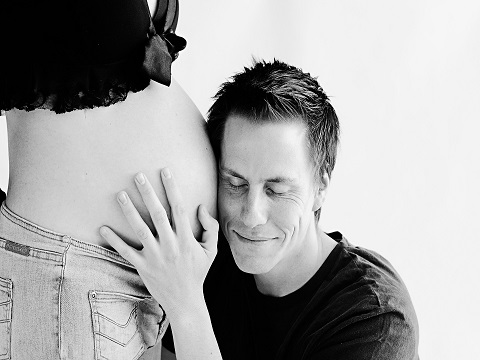
Preparing for fatherhoodFrom the time you decide to go for a baby, all the attention is concentrated on the mother-to-be. And this is not without reason, since she is the one that's going to bear the child for the next nine months. But that doesn't mean that the man's role is any less important. It is important for the father-to-be to ready himself for the next phase of his life. Following a healthy lifestyle Fertility is a growing problem. As per statistics more than 45% of infertility issues are related to men. Therefore, eating healthy food, exercising and living the healthy way will boost your chances of getting over these problems. Nutrition has an impact on the sperm production. So scrap the junk food for a while and get on to a healthy lifestyle. Men need to get at least 12 to 15 mg of zinc each day. Even short-term zinc deficiencies can reduce semen volume and testosterone levels, much needed for healthy sperms. Good sources of zinc include baked beans (a one-cup serving has 3.55 mg), nuts, cereals, seafood, and chicken meat (2.38 mg per three ounces). Regular intake of vitamins and calcium is a must to improve male fertility and prevent sperm defects. Natural sources of calcium such as fat-free milk and curd can be consumed. Get atleast 90mg of vitamin C daily. This boosts immunity. More will be needed if you smoke. Folic acid is a fuel for healthy sperms. Dads need 400 micrograms of it and green leafy vegetables are good sources of this nutrient. Dads-to-be can take the liberty to grab the extra cup of mocha. Caffeine may help men by stimulating sperm motility. Quit smoking and drinking The party's over for your partner once you start trying for a baby, but what about you? Same goes for men. Now is the time to stop smoking, and to stop any excessive consumption of alcohol. A man who smokes has a lower sperm count and a misshapen sperm, incapable of creating a child. Heavy or binge drinking can seriously affect ability to produce quality sperm. Exercise Add exercise session to your daily routine if you aren't doing them already. Exercise improves general health, stamina, and sperm quality. Start with walking for 15 minutes and increase it gradually if you have never exercised before. If you are trying for a baby, avoid exercising in tight-fitting briefs. It causes damage to sperms. Frequent sessions in a sauna or hot tub, long bicycle rides, or any such activity that could cause the testicles to become overheated can compromise the health of sperm and should be avoided. Medical examinations It is a good idea for the father-to-be to have a complete check-up to assess if there are any issues that need to be addressed before trying for a baby. Some conditions to watch out for include: Varicocele, a condition of varicose veins on the scrotum, the sac of skin that contains the testicles. It can lead to infertility. The condition is entirely treatable, so talk to your doctor about the options. Conditions like erectile dysfunction, diabetes, and prostatitis can cause infertility. Sexually transmitted infections, which may cause male infertility. Your doctor can help you get tested and treated. Your doctor can refer you to urologist or a male fertility specialist if you need additional testing or treatments. Remember to discuss possible hereditary birth defects with your doctor. Share with her the medical history of yours and your wife's family. Get finances organized Plan a baby budget. You surely want to give the best to your child. Start planning now. Consider expenses like baby food, diapers, toys, doctor visits, clothes, and day care. This will help you in the future. And this is the perfect time as you are just in the planning phase of baby making. Take advantage of this time before the baby arrives to get things in order concerning your job, insurance and budget plan. If you and your spouse discuss and agree on expectations, goals and strategies now, you can avoid arguments on money later. After all, you don't want baby to pick up on any tension. Dump your stress Chilling out can increase your potency. So the 'go for a holiday' advice actually works. Practise regular meditation or any exercise that will help bring down your stress levels. Try reading books on fatherhood or parenting and learn tips and advices well in advance. So gear up and start preparing for the change from being the coolest dude to the coolest dad.It is your responsibility to help your partner in all possible ways and make her feel that you are equally excited and keen for having a baby.
Sunshine for busy executivesMost people working in corporate offices, spend long hours within the confines of concrete buildings. Some business sectors like IT and manufacturing even have their employees working in night shifts. What we don't realize is that, in such a setup, our bodies do not get adequate dosage of sunlight. Lack of exposure to sunlight is responsible for a range of diseases and health conditions. The body requires sunlight just as much it requires food for its nourishment. Long hours of work in glazed business buildings under artificial lighting, deprive the body of this most basic need, thereby creating a deficiency of the vitamin D group. This deficiency then goes on to create several imbalances in the body, and contributes to diseases. Besides these, Vitamin D deficiency can also cause general muscle weakness, muscle and bone aches and pains and osteoporosis, due to the inability to utilize calcium. The best source of Vitamin D is natural sunshine, and that's why it is called the sunshine vitamin. Vitamin D can be had in the supplement form too, but it is still no match for natural sunlight. In a paper titled 'Vitamin D Deficiency' published in The New England Journal, M F Holick writes that, arms and legs should get exposure to sun for 10-15 minutes every day. "The amount of vitamin D produced depends on the intensity of the UVB in the sun and many other factors. Darker-skinned individuals may need 5-10 times more exposure than a fair-skinned person, in order to make the same amount of vitamin D." Tap that sunlight Early morning is the best time to get out in the sun. There's no better time to get that walk, than in the morning. Park your car a little away from the office building if possible, and walk to your office in the sun. When you take a tea break in the evening, head outside, instead of going to the in-house cafeteria.
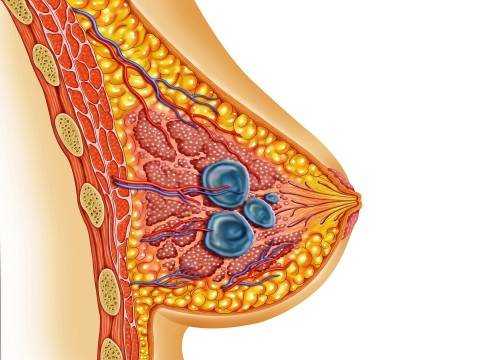
Breast lumps- myths busted!The rise in the occurrence of breast cancer in women, since past decade or so, has made women, especially in the urban areas, very cautious about lumps in their breasts. Whenever there is a small lump in the breast, the first thought that comes to mind, is may be this is cancerous. However, instead of taxing your brain with worries, it is better to take action and consult your caregiver. Here are some of the myths that are regularly associated with breast lumps and the real facts related to the same. Myth: If there is a breast lump, it must be cancerous Statistics reveal that out of 10 cases of breast lumps in women, only 2 are cancerous. More often, these lumps are due to fibroadenoma or cysts. In many women, lumps are formed during the menstrual cycle and they go away after it ends. It is not simply possible to tell exactly what kind of lump it is, just by feeling through hands. However, it is important to detect the composition of the lump and to do so at the initial stages, so that if it is detected cancerous, early diagnosis and treatment can save your life. Myth: If your mammogram is normal, you are safe and the lumps are not cancerous This is not particularly true. To detect the presence of cancerous cells, you need to get more tests done; an ultrasound, an MRI and also a follow up mammogram, to get a second view of the lump. Doctors also suggest a biopsy to be 100 percent sure of the diagnosis. If the lumps persist but there is no detection, your doctor may ask you to keep doing the tests at frequent intervals, to assess the development. Myth: Malignant breast lumps do not cause any pain Although breast cancer patients do not suffer from much pain, this does not mean that if you do not have pain, the lump is non-cancerous. There are different types of breast cancers; and in some types such as the inflammatory breast cancer, the patient can suffer from warmth, tenderness, redness and swelling, followed by pain in the lumps. Myth: If you get a lump while breastfeeding, it is not cancerous It is true that breastfeeding reduces the chances of development of cancerous cells. But there is still a possibility and hence you should not ignore the formation of lumps. It is advisable to immediately get an ultrasound to confirm the condition of the lump. Myth: Lump in young women cannot be cancerous Women can develop breast cancer at any age. Hence, if you have a breast lump at a young age, or even if your teenage daughter has developed a suspicious lump in her breast, you should always get it checked, at the earliest. Most often, cancer develops in the breast when women are past their menopause period. But this, in no way means, that they cannot get it at younger age. Myth: Only a larger lump can be cancerous, not a smaller one Lumps in the breasts can be of all sizes; and the size, does not determine the presence of cancerous cells. According to breast-imaging specialist at New York's Manhattan Diagnostic Radiology, Melissa Scheer MD, you must immediately see a doctor, whenever you feel the presence of even a tiny lump, because, a small lump too may turn out to be aggressively cancerous. Most often, the lump in the breast is non-cancerous; however, it is advisable to consult your caregiver immediately, once you discover the lump for the first time.

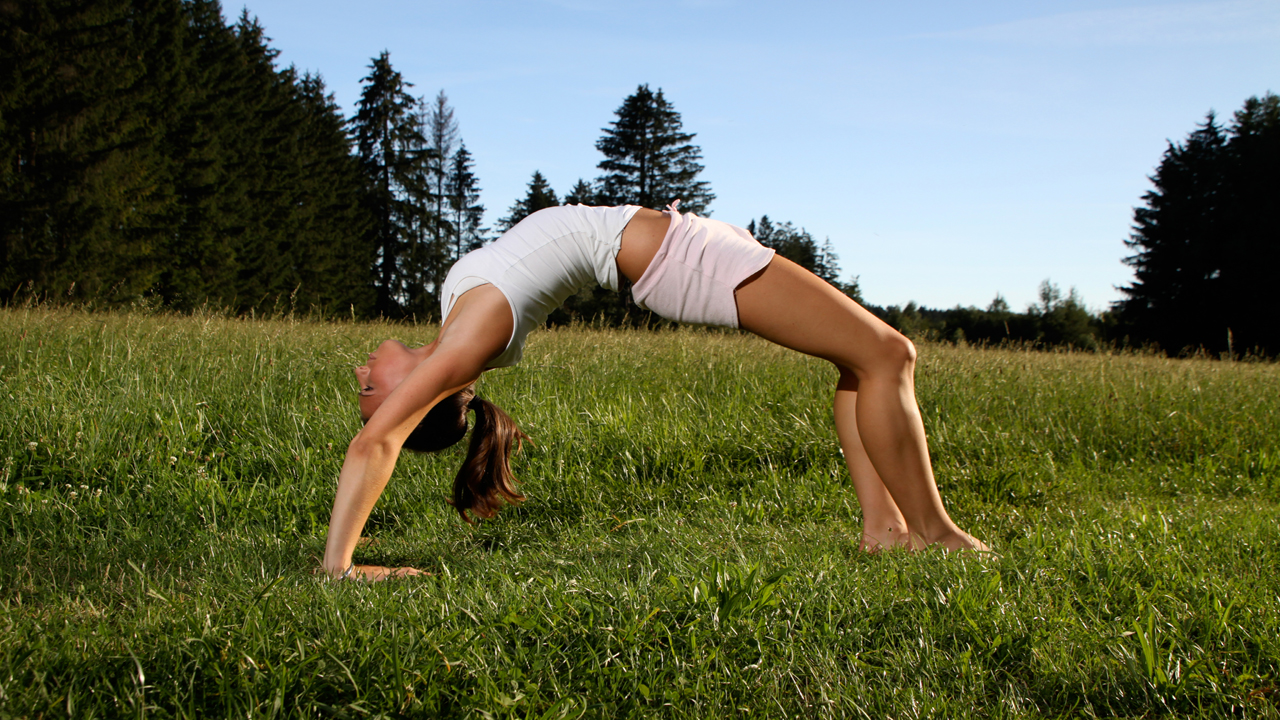
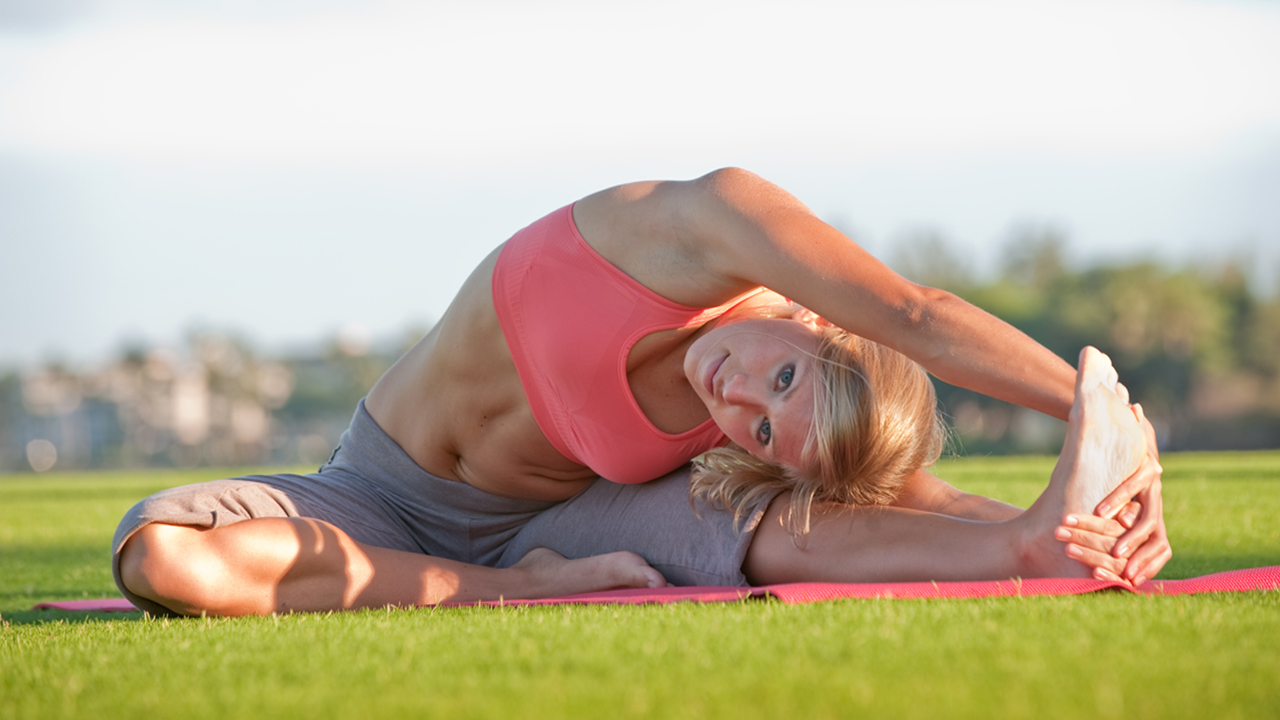
Leg toning exercises for womenFor those women who will leave 'no stone unturned', here are a few great exercises which work superbly on the legs and whole body. For those who have always wanted a great pair of legs, don't change your jeans brand. Just change your brand of exercise. Here are great leg toning exercises that can make your legs attention grabbers. Well-shaped legs are what every woman desires especially as it signifies 'movement', 'mobility' and 'strength'. When we say legs we mainly mean the thighs, the calves and the feet. To get more precise the quadriceps of the thighs the hamstrings and the hip adductors are the prime targets of most exercises. A complete leg work out would also include the 'Tibialis Anteriors' or the shin muscles. Exercising the legs can be quite a frustrating thing especially if the leg muscles don't show any cosmetic improvement. Here is an exercise regimen which will ensure that you will get those attention-grabbing legs along with the strength, flexibility and tone which you have always desired. The stand This is probably the most undermined exercise of them all since it doesn't involve lugging heavy weights around or running for miles or squatting! It is a foundation exercise for the legs.  Choose your favorite spot on the floor and just stand erect with both feet together and toes pointing forward. Hold the hands straight at the elbows and keep the shoulders square. Tuck the chin in and do not bend your knees. Feel the ground under the feet. Now flex your thigh muscles and keep your feet firmly on the ground. Direct your attention towards the back of your thighs and keep your knees taut. Stand firm for about 3-5 minutes initially and gradually extend to five minutes or more. This exercise is simpler than it actually is as it keeps the thighs taut and firm. The entire leg gets a marvelous stretch and any faulty standing or postural habits create unnecessary tension and uneven hip alignment. The standing pose will be your first step towards trim and well-sculpted legs. The One Leg Extension After you perfect the stand, here is another great leg exerciser - The one leg extension Perform a stand as in the previous exercise for about 30 seconds. Once you get your grounding and feel your foundations beneath the feet, take a deep breath. Now flex your thigh muscles and keep the kneecaps taut without feeling any strain. Bend the left leg at the knee and raise it without bending at the right leg. Now catch hold of the big toe with the left hand and hold the pose for a few breaths. You will initially struggle for balance as you have to keep the other leg straight. Now that you have caught the big toe of the flexed leg gradually straighten the leg out without letting go of your grip. This is a challenging pose especially for the hamstrings, the hip flexors and the calves since the leg muscles are going to be a little tight especially around the hips and the hamstrings. With regular practice, the pain will ease and then you can even try and take the toe towards as high as you can with the aid of your left hand. Repeat with other leg following the same sequence. One Legged Squat The one legged squat is a superior exercise to the two legged variety is that it doesn't require many repetitions as it is quite a strenuous exercise even for advanced exercisers. Stand with the back of a chair within easy reach initially. Extend the right leg out first and squat down to your heel with your left. Once you have reached the end of the squat try not to touch extended leg as there comes the difficult part - getting up to standing position without touching the floor with your hands for support. Raise yourself to standing position and repeat with other leg. You can do about 3-4 sets with the same leg or alternate legs using the back of a chair for hand support as you squat deeply. The single legged squat exercises the gluteus, the knees and the entire hip joint and also gives lower back strength. Initially your knees might hurt so don't try this without support of a chair or a partner. Stop in case of intense pain. Step Training If plain jogging doesn't do the trick for shapely legs for you, try using stadium stairs or any gradient which is at 30 degrees and comprises even steps. Your regular apartment stairwell or even a pedestrian over bridge can do the trick. First set only walk up one step at a time. Second set do alternate stairs. For the third set you can sprint up as fast as you can the entire flight of stairs or halt for exactly ten seconds when tired and start again. You have the option of stopping as many times you wish as long as you start again after ten seconds. This can work up quite a sweat and regular step training works out and touches muscle groups that even normal running or squats cannot reach.
Exercise to fight off depression in school kidsBefore concluding on the effects of different forms of exercise on children, it is important to note the distinction between fitness and exercise. Fitness encompasses most importantly a healthy lifestyle of which exercise forms a part. For this reason, when researchers examined the impact of fitness on emotional being of a child, most of them covered three main determining factors, namely the body mass index, the child's feeling about fitness, and a shuttle-run test. Depression is characterized by recurrent feelings of despair and hopelessness. The main symptoms of depression include sensations of unworthiness, dysfunctional thinking, lack of concentration, low level of sleep, anger, social isolation, crying, physical grievances like headaches which do not react to treatments, reduced interest in social activities, and thoughts on suicide. It is not necessary that every child will undergo all the symptoms. If most of the symptoms recur continuously, then it is a warning sign. The propensity towards chronic depression is higher in those who suffer from depression during childhood. A healthy lifestyle is accompanied by a range of psychological benefits. When you exercise, your body produces endorphins which stimulate positive sensations about the self. Produced by the brain, they also reduce the sensation of pain. A healthy lifestyle boosts the sleep cycle and helps in coping better with tough situations. A medical study conducted by University of Texas revealed the positive effects of physical activity on middle-school graders. It was found that there is a robust link between depression and fitness in girls. Even though boys show association, it is not explicit.  Conclusively, it was pronounced that exercise helps in reducing the chances of depression in school-going children. The best way to help your child is by introducing activities that she or he finds interesting. Initially, you might face resistance. The most important task is to communicate with your child. In the face of such resistance, you can attempt to find a hybrid therapy to reach out to your child. Apart from scheduling appointment with a child psychologist, you can also meet up with a physical health advisor. Emphasize on activities which will also help your child to meet new people. According to the Center for Disease Control and Prevention, one of the main benefits of physical activity is betterment of academic achievement and conduct in children.
Activities to help your toddler talkWe understand how eager parents are to talk to their kid. They want to hear their soft voice and babble talks. So start teaching them as soon as possible to help them to speak fast and clear. Here are some activities which will help you to teach your kid to talk. The playful ways: The best way of teaching your kid to speak is to, well,play. Most of the learning is done through playing. Be a child with your child. Act playfully foolish --kids enjoy that a lot. And when the kid is happy and in playful mood, they try to talk. Building vocabulary: Use a word in more than one sentence to make them understand the meaning of the word. For example, 'The color of leaves is green' and 'Your father is wearing a green colored shirt.' If the kids hear a word used often in different sentences, it becomes a permanent part of their vocabulary. Give them practical examples: Teach them the names of the things they see around. Or get actual objects and be descriptive to teach them the name of the object and talk about the object's features. Use a toy phone: You must have seen kids trying to talk over phone to their dads or friends. They try to copy you the way you talk over phone. It can be a great way to teach them to speak. Pretend that you are talking to the kid's dad or grandparents, and pass over the phone to the kid and encourage them to chitchat over the phone. Story telling: Kids listen to the stories very carefully. Show them the pictures in the storybook and describe them with the story. Then repeat the same story the next day. Ask your child if she/he remembers what was there in the story by showing them the picture. Help them if they get stuck. Sing together with the child: Music is another amusing way to teach the child to speak. Listen to a song, sing and dance along. Encourage the child to dance and sing with you. Children are great at learning lyrics of a song. Reward the child on completing a task: When you reward the child with his/her favourite toy or snack, they understand the benefit of performing the task. And they take effort to get the reward. Ask your child to recite a poem for you, or speak a certain word or sentence and entice the child by showing him the reward he will get on completing the task.  
Are you a chocoholic? : Dealing with chocolate addictionSerotonin is a hormone that produces relaxed and happy mental state. This hormone is activated when you consume sweet and high-fat foods. Apart from serotonin, chocolate also contains phenylethylamine which produces feelings of enthusiasm and attraction. The obsession with chocolate is marked by intense craving for it, loss of control over its consumption, and continual consumption despite negative repercussions. Is chocoholism a true addiction? Chocolate is a manifestation of desires and there is also a resistance to it. This cultural phenomenon of mysterious romance and excitement increases the attractiveness of chocolate. Apart from these, advertising and grocery shop displays also connect chocolate with an object of desire, thus triggering its need in times of emotional stress. Though the symptoms shown by those who are addicted to chocolate is much like those who are misusing substance, it is generally not considered an addiction in a true sense, as this is an acquired obsession (through culture and media) than due to bodily changes. Foods like broccoli also contain the mood-altering ingredients, even in higher concentrations. The compulsion with chocolate is considered to be owing to its texture, sweetness, and aroma. Here are a few steps to overcome your chocolate addiction: Step 1- Symptom AcknowledgmentWhile it is not considered a true addiction by many psychologists, most agree that the experience of compulsion towards chocolate is much like the ones towards drugs. It is important to diagnose and check your condition. You need to have a chocolate bite everyday. Generally, a particular time is chosen, like after lunch when your mind is a little discharged and you need that small bit of kick to arouse yourself back to normalcy. If you do not have access to chocolate, you feel anxious and find ways to get hold of a chocolate bar. Step 2- Know The ConsequencesIf you recognize that you are suffering from chocolate addiction, then be aware of the problems which it causes. It will lead to a series of bites where there would be no nutritional value and only fat and sugar induced by the chocolate. You would be needy for the chocolate, and thus, your emotions will be ruled by a bar of sweet. You might get headaches after eating chocolate, but you would still eat it anyway. You might hide and consume chocolate, owing to the disapproval of your companions. Your health will gradually deteriorate with constant burden on your pocket to keep a stash of chocolate around. Step 3- Identify The CauseChocolate is a response to a root problem. For this purpose, you have to carefully observe the nature of your chocolate consumption. Note the triggers to your choco-pangs. Do you eat chocolate to lift your mood when you are sad or upset? Have you been on diet for too long, and because of suppressing the cravings, you see the chocolate bar as 'just one time' deal which is indefinitely extended? Maybe you feel excited and urge to eat chocolate just by thinking about chocolate. Lastly, you might be bored and want to while away your time. In the act of busying yourself, you find yourself munching on multiple bars of chocolate. Did you know that the impact of chocolate on the human psyche is greatly shaped by the idea of chocolate being a representative of romance and desire? Majority of young adults believe that chocolate is a symbol of love and the tendency to get addicted to it is strengthened with the hormones it produces. To avoid chocolate addiction, make sure you work on your eating pattern carefully. Step 4- Empathetic Path to RecoveryOnce you have found the root cause of your addiction, work on your problems gradually and with empathy. Don't push yourself to completely give it up unless you have been medically advised to go off it completely. Step 5- The Emotional EaterIf you consume chocolate when sad, find alternatives to feel better. For instance, some people listen to music or love to play with dogs to feel relaxed. Find your non-chocolaty solution to emotional problems. The best way would be to explore the cause of sadness and communicate with your friend or companion about it. This will nullify the possibility to there being any other dependency shift from chocolate. Step 6- The Boredom EaterIf you find yourself nibbling on chocolate when you are bored, then first become conscious of the act. After having eaten chocolate for boredom for months or years, one has to remind oneself about the act. So, look for other ways to spend your time. Pick up a hobby you like and pursue it. If you are really craving chocolate, then talk to someone who knows about your addiction and can divert your attention. Step 7- Dietary ChangesMake sure you shift to a balanced diet full of whole grain, fresh fruits and vegetables as well as water. You may also include nuts and dry fruits in your diet as well. Step 8- Scheduled Chocolate ConsumptionMake a resolution that you would only have chocolate once in three days (initially) and then slowly taper it off to only special occasions. Step 9- Withdrawal SymptomsWhen you are reducing the amount of chocolate you eat daily, you will undergo withdrawal signs. This will include headache, mood swings, depression, and in severe cases, flu. Be strong and do not give in to the symptoms. Busy yourself with other activities and do not concentrate on chocolate. Step 10- Sleeping, Eating and ExercisingThere are three prime components of healthy living: eating a balanced diet, drinking at least 8 to 10 glasses of water daily, getting adequate sleep (7 to 8 hours), and performing moderate exercise daily for 30 to 45 minutes. Focus on healthy living and build a harmonious relationship with any food item that you consume. Chocolate is a manifestation of desires and there is also a resistance to it. This cultural phenomenon of mysterious romance and excitement increases the attractiveness of chocolate. Apart from these, advertising and grocery displays also connect comfort in modern living with chocolate, thus triggering its need in times of emotional stress.
Crossing the smoke screenWhy should someone quit smoking? Smoking is probably the worst sedentary lifestyle habit that we pick up. Quitting smoking changes everything right from the way you feel, taste and smell, your breath smells better and even your cough goes away. Quitting smoking cuts down the risk of cancer, stroke, neuropathy, heart disease and breathing disorders like bronchitis, pneumonia, and emphysema. Not just that, quitting saves money too... just one of the many financial rewards of quitting. Quit Smoking Tips Write down the reasons you want to quit for, and how it will benefit you: for e.g. live longer, feel better, family safety, save money, smell better, find a soul mate easily, etc. You know what's bad about smoking and you know what you'll get by quitting. Read the list daily. Ask for help from your family and friends. Help and support of family and friends without being judgmental helps a lot. You need their support when you become irritable and even irrational while you withdraw from your smoking habit. Set a Deadline. Set a quit date when you will extinguish forever. Prepare a plan. Talk with doctor and take his support and guidance. Exercise. Exercise helps relieve stress and recovers body from damage caused due to cigarettes. Start slow and increase up to 30 to 40 minutes. Begin to breathe. Daily deep breathing for 5-15 minutes will help cleanse the respiratory system and provide more oxygen repairing the damage caused to respiratory system and help cope with withdrawal symptoms. Do not quit abruptly. Cut down on cigarettes gradually. Plan everything about number of cigarettes you will smoke each day till the quit date, reduce the number each day. Buy single cigarette at a time. This helps a great deal to limit smoking. Change brands. This way you won't enjoy smoking as much. Undertake social commitment. Keep your packet of cigarettes with someone else, so that you have to ask for them each time you want to smoke. This way you'll feel guilty about asking and hence smoking; hence lowering the number of times you smoke. Find a mate who is trying to quit. This will boost the morale and keep up the positivity. Try finding a quitting chat room. Learn what triggers desire to smoke - like stress, the end of a meal, arrival at work, entering a bar, etc. Avoid these triggers or if that's impossible, plan alternative ways to deal with the triggers. Now, after you have read this, sit down and write your own list suitable to your personality and way of doing things and create your own plan for quitting.  
Have that chocolate without any guiltYou may find this hard to believe, but chocolate is actually good for your health. Hold on, before you faint. Let's first get to the crux of the matter. Chocolate can actually be good for you if you eat it in moderate quantities. So what about all the bad effects of chocolate that people always talk about? Let's fume them all one by one:  Chocolate causes dental caries: Dear mummy, dental caries (cavities) are caused due to poor oral hygiene and consumption of foods rich in fermentable carbohydrates. When these carbohydrates are left in the tooth for a long time, they release an acid. This may damage the tooth enamel and cause tooth decay. In fact, chocolate contains tannin which actually prevents cavities from forming. So next time, dear mommies, let your child enjoy a small piece of chocolate. You can also join them in the treat.  Chocolate is loaded with fats and sugar:Yes, chocolate comprises of both saturated and unsaturated fats, but a majority of themare in the form of oleic acid and stearic acid. Now, oleic acid (present in olives) and stearic acid are good to lower the blood cholesterol levels. Also, the fat that is found in chocolate is added later, after the chocolate has been processed. So the higher content of cocoa in any bar ensures that there is less fat in the chocolate. So, what about the sugar?Sugar is bad, but the darker variety of chocolate has less sugar compared to the regular sweet chocolate. Dark means higher cocoa content and hence no room for other fillers likes cocoa butter, sugar, nuts, etc.  Chocolate contains no nutrients: On the contrary, it is rich in antioxidants.What is the work of an antioxidant? They scavenge the body of free radicals, which roam in body and cause ageing and diseases. Antioxidant flushes these free radicals out of your body. So, if you want to stay young, bite on a piece of chocolate once a week. Secondly, diets rich in antioxidants have been proven to lower the incidences of heart attacks, strokes, cardiovascular diseases, hyperlipidemia, and arthritis. Hence, I stand by the bar full of antioxidants;it's actually good for you.  Chocolate contains caffeine: Caffeine content in chocolatesis low as compared to your tea, coffee, or cola drinks. Now, having counted the amazing health benefits of chocolate, it is important to tell you which chocolate is healthy for you. The one which is in its purest form - thebittersweet one, which is high in cocoa content, is the clue to your healthy bar. So next time you crave a dessert, indulge in a small piece of chocolate to satisfy your sweet tooth and forget that guilt.  
Sunburn: Overview and treatmentSunburns could also be accompanied by allergic responses to medicines, exposure to sun and sunscreen products, sight-related issues like reduced or complete loss of vision, as well as heatstroke. Over a long period of time, frequent cases of sunburn can result in cold sores, cataracts, skin cancer, and lupus.  The factors which will decide the vulnerability to sunburns are: Type of skin - The type of skin determines the vulnerability and intensity of the sunburn. The most vulnerable groups are those with freckled and fair skin as well with blonde or red hair. Regardless of the color of the skin, all skin types are vulnerable to skin cancer and proper sun protection must be used during times of sun exposure. Season - Summer days carry with them a higher probability of burning the skin. UV Index - This refers to the forecast of the strength of UV light on a particular day. This will let you know the cautionary measures you need to take in order to avoid skin damage. This is put forward on a scale of 0 to 11+ with 0 being the lowest exposure. Latitude - As you move to locations closer to the equator, the sunlight directly passes through the atmosphere to a greater extent. Age - Those who are younger than 6 years of age and those over 60 years are at a greater risk of getting sunburns. Altitude - As you climb higher and higher, the chances of sunburn are also greater since the amount of Earth's atmosphere to keep away the sunlight reduces. Every elevation of approximately 1000 feet, the UV exposure is amplified by about 4%. Location - If you are close to reflective surfaces like snow, water, ice, concrete and white sand, rays of the sun which get reflected off these might harm you. Time of the day - The rays of the sun are strongest between 10 in the morning and 4 in the evening. Though, the probability of getting sunburn are lower on cloudy days, it is possible for the UV rays of the sun to pass through the clouds and negatively affect your skin health. Here are the precautionary steps you can take to avoid getting sunburn: Avoid staying in the sun for a long period of time. Make use of sunscreen and choose clothing which cover your skin. In case you are suffering from sunburn, here are ways to treat it: An over-the-counter pain reliever: In order to lower the inflammation and relieve pain, use ibuprofen or aspirin. Anti-inflammatory condiment: Cortisone cream and aloe vera are two primary ways of reducing the inflammation. Cool bath: Take bath for about 10-20 minutes in water of cool temperature (make sure the water is not too cold). This will cut back the pain and irritation in affected area.  Do not use any bath oil, soap or detergent as this might increase the chances of allergic reactions and irritation to the injury. When drying yourself after the bath, do not rub with towel. Cold compressions: Try application of cold and wet compressions on the concerned region for about 20-30 minutes. Adequate hydration: Make sure you drink at least 8-12 glasses of water to help your skin to recover from the sun damage. Moisturizer: Once your skin begins to heal, use a gentle moisturizer without any scent. Blister treatment: In case you have blisters, do not try to pop them. This will lead to infection and marks.However, if you have large blisters which require to be drained, then pop them using a sterilized needle. Follow this by cleaning the area dry with gauze. After applying ointment to the area (Aloe vera or antibiotic ones like bacitracin and polymyxin B), wrap the area loosely using a gauze bandage. Make sure you do not tie it tightly and change the gauze daily to avoid infection. Medical attention: In case you feel nauseous along with fever, rashes and chills, then make a visit to the doctor. The following symptoms also require you to seek medical attention immediately: Pain in eyes with sensitivity to light, dizziness, high thirst without proper urination, painful blisters, and pale/cool skin.
12 Surprising pain triggersPain, one word that can send shivers down one's spine and can make one go weak in the knees. Such is the effect of pain, you utter the 1st alphabet of this word everyone dreads and you see how the room full of people will stare at you in horror. Now, pain can be of different types, good pains (No! I am not crazy, there is such a thing as good pain, don't get the gist of it, well the good pain is none other than labor pain) and then there is bad pain. Now, bad pain can be caused by a number of things, say you dropping a paper weight on your foot or eating something super cold (that hurts the teeth so much, you can barely talk) worse, pain from an accidental fall. Now, pains are common with both men as well as women, they both have abdominal pains, headaches, muscle pains, and back pains, but there are some forms of pains which are pretty common with the men folks rather than the women. Let's have a look at what those surprising pain triggers are: Wallet: Yes! You heard that right, according to Dr. Mehmet Oz, wallet is known to be one of the major surprising pain triggers. Having your wallet in your back pocket while driving, can cause chronic back pains, pain in the hips as well as shoulders. Since the wallet is in your back pocket, you sit unevenly, with one butt cheek being lower and one higher due to the wallet. So the solution to this problem is to keep your wallet in the glove box of your car or your bag. Phone: Phone, or any kind of technology gadget, is known to be the other surprising pain trigger. Want to know the pain these little gadgets can inflict? Well, it starts from the neck down. Since you are constantly bending down and hovering over your gadget, it can cause back pain, muscle pain, and headaches. Solution: Use a stand to hold these gadgets, so you wouldn't have to bend down or hover over your gadgets. Another cost effective solution happens to be taking frequent breaks and relieving yourself of the pain. Extra weight: Yes, the other evil, this is the one thing that can cause physical as well as mental anguish. Gaining a few extra kilos or pounds especially in the abdominal section, can cause massive stress to your spine and also cause realignment of your body structure. The only solution to get rid of this pain is to lead an active lifestyle, eat healthy food, and exercise to shed those extra kilos or pounds. Work schedule: If you have a hectic work schedule, chances are you aren't getting any rest, due to which the stress increases. The only way to get rid of this problem is to find a way out of your crazy schedule and have some time to relax and do activities that you like and enjoy, so that the stress that is mounting up on you can be relieved. Perfume: Shocked, aren't you? Well, this is another one of the pain triggers that can wreak havoc on you. Perfumes are known to contain certain fragrances and chemicals that can cause headaches. The only solution is to stop using perfumes that have those chemicals and use a fan at work, so that lingering smell of perfume won't give you a headache. Bad weather: This is another one that causes more pain or mental anguish. Bad weather can cause mood swings and terrible headache. The solution to this problem is taking a painkiller on the day of the bad weather to save you further from the throbbing headache. Bright lights: These can often cause a bad eye soar, not only that, they are also responsible for migraines. The solution is use sunglasses whenever out on the sun. Exercise: This might make you men folks go crazy, but the truth is too much of an exercise can also cause pain. Where, you might ask? Well, how about the muscles or headaches or even back pains for that reason. The solution to this problem is to stop exercising, well not totally, but, you should only exercise for the amount of time prescribed by your trainer or doctor. You don't need to go overboard. Cuts of meats: Yeah, these cuts or cold cuts as they are known, are one of the major reasons of causing headaches and stomach aches. The solution to this problem is to avoid eating raw or frozen foods as much as possible. Skipping Meals: You don't need to be an "Einstein" to figure this one out. Skipping meals, whatsoever the reason maybe, causes the blood sugar levels to drop down to a considerably low level which can cause migraines or severe headaches. The solution to this problem is to eat at regular intervals; this way you won't have headaches and your calories will also remain in check. Smoking: Don't be surprised, smoking has a slew of risks attached to it. Well, to begin with it causes asthma, it causes cancer (ranging from the esophagus to the lung), but it also causes frequent headaches. The only solution to help you get rid of these ailments and pains is to stop smoking. Caffeine: The pain related to caffeine is more mental or psychological than anything else. If you are a person who is addicted to caffeine, chances are you can't live without it. The solution to this problem is slowly and steadily cutting down the amount of caffeine you have. Shocked are you at the kind of things that can cause pain? Well, no need to be! Our body can shock us in ways we can't imagine. So don't be surprised the next time you have any sudden outbursts of pains.
Smoking causes impotence!Men who smoke heavily are twice as likely to suffer from impotence or erectile dysfunction. The link between smoking and ED has been established beyond reasonable doubt. Smoking causes a hardening of the arteries or blood vessels. For a penis to grow erect or tumescent there has to be a healthy blood supply. Now imagine the cross-section of a smoker's penis where there are plenty of blockages and hardening of the blood vessels. Can the penis then grow erect with so many hindrances to the blood? There is also an acute loss of sensitivity to the penis which is a direct contribution of smoking! Previously, alcohol was a hot favorite of the medical lobby when it came to 'impotence.' Wish smokers could say the same thing about moderate smoking! Even moderate smoking can make an existing condition of impotence worse. One could make changes to one's lifestyle and diet and curb stress to treat ED (erectile dysfunction), but all these will come to naught unless one really resolves to give up smoking permanently. Just within a few hours of kicking the butt, the body starts to repair itself. Of course, it may take longer for the blood vessels to actually undo the blockages and have a free run for the penis, but it will certainly happen, slowly and surely. Smokers may have an underlying condition of anxiety, which is made worse by nicotine, which in turn causes performance anxiety, not greatly helped by blocked blood arteries. So smoking not just makes you physically impotent, but also mentally impotent too. It is a powerful narcotic which is hateful to the body and spiteful to its salubrity. Please enroll into a 'stop smoking now' campaign with the help of friends or family. Check for any 'nicotine anonymous' programs in your neighborhood or just do it all by yourself. Otherwise, the only thing hard about your penis will be hardened arteries and lots of hard luck!
FAQS
T&C FAQS