Home
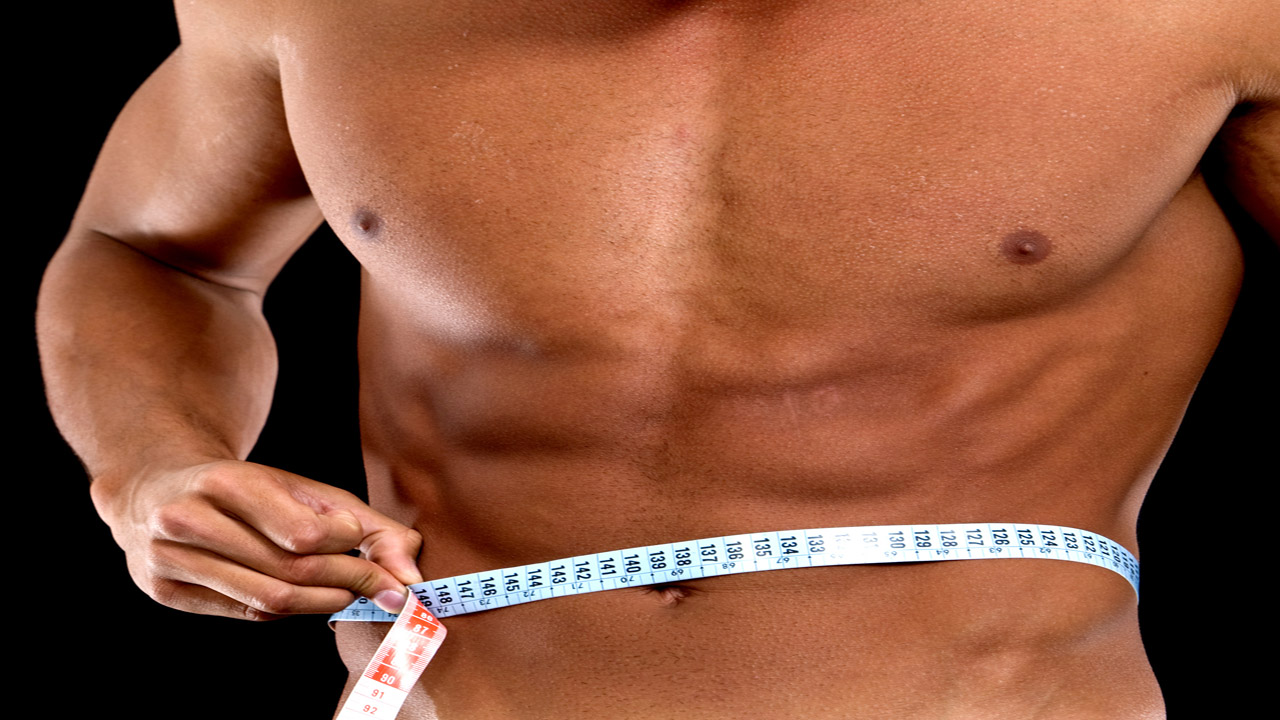
Are you the proud owner of this beer belly?While you must have earned a lot of 'brownie pints', a beer gut is not quite something one can be awfully proud of, as it is positively dangerous for your health. Well for one this condition seems to be a common affliction amongst men more than women (though it isn't entirely unknown for women to guzzle beer). A beer gut is normally found in middle aged men as a token for services rendered to a sedentary lifestyle and hours spent accumulating empty calories. How is a beer belly formed? A protruding mid-section in men is generally formed when they consume more than they burn off. So given a busy lifestyle with very little exercise and discretion one generally can end up consuming lot many calories than one is willing to toss out. According to Dr Michael Jensen MD, endocrine and obesity expert at the Mayo clinic, the liver burns calories earned from alcohol instead of the existing fat. So say, if an average beer is around 150 calories plus all the tiny appetizers one has along with the beer (Pizzas, cuts, chips etc.) one can easily understand how these go about accumulating around the belly area in to a paunch. And because the liver was all too busy burning the calories guzzled from the beer, the rest finds a cozy place to settle around the tummy. This is exactly what gives majority of men and some women the infamous paunch or beer gut! GIVE YOUR PAUNCH A PUNCH IN THE FACE Well for starters be a giver and not a taker. Which means give more time to exercise like running, cycling, swimming, skipping, dancing or aerobics which should take care of visceral fat (which is easiest to shake off, by the way). As one ages their calorie needs go down, but then so do their physical activity levels and this is where the fat creeps in. Stick to light beer if you must but do not miss your exercise regimen for anything in the world.  
Fashion tips for tall menRead on for the few tips which shall help you strike that perfect look always! No more tears for the "trousers" Trousers for tall men that you get in the market are too ill-fitting. They end up making you look "Too big for your pants", or "Too thin for your pants". The easy solution would be to choose a brand for your trousers, after proper research, and stick to it. Your quick checkpoints in this case can be: Your large thigh areas always make you look humongous. Hence, try to get a good and appropriate fit for your thighs. A small amount of flare in your lower legs can give you a good look, but that should go well with the texture and look of the trouser. Last but not the least, avoid loose fitting, or baggy pants. They will just make you look too thin, and tall always. Scare away the " shirt" hassles Have you picked up a T-shirt which lets your waistline be visible, the moment you move your hand a bit? That's a usual problem every tall guy faces. Try a few of these solutions, and see the results: If you are a tall and bulky person, then pick up a long double XL T-shirt, fitting you well. If you are a thin and tall person, then pick up a T-shirt which is long enough for your height, and then get it tailored for the perfect fit. Polo neck T-shirts can make you look too skinny. Try to get a formal shirt which fits you well, and is long enough to be worn tucked in. For tall people, tucking in the shirt helps them flaunt their height pretty well. You can also try and get the formal shirt fitted by a tailor, if you find it too big for your size. Forget the "Jacket" jeopardy Jackets and waist coats are the biggest gifts for all the tall guys out there. But how, and what to wear is the major turning point here as well. Complete your formal look with a waist coat. This shall make you look well built, and compliment your height as well. Blazers can be an option, for both the formal and informal look. Pick up a blazer which fits your broad shoulders well. A jeans, a t-shirt, and a jacket can be a killer combination. Go for earthy colors, as they give you a more masculine look compared to other colors. Tipping the "Tie"& Bolting the "Belts" Try to match the right clothes with the right accessories. Let's start off with the tie. Now, for tall men, getting a tie will be a pain. Always try the tie you are buying, and see if it comes till your waistline. You should also try to pick up a bit broader ties, as they make your chest look broader. When it comes to belts, try to pick up the big, horizontal buckles. Choose simple, horizontal buckles for the formal wear. For the informal look, however, you can experiment with other big buckles available. Watches Tall men with long hands and fingers should try to wear a big dial watch. This gives your fingers and arms a bulky look. Choose colors like gray, and black most of the time, as it makes you look more masculine. So, a few simple steps can make you flaunt your height. As the saying goes: "Wear your style; do not search for it in the stores. Your attitude is what matters the most to complete your look."
Dilemma of a working woman - How to stay healthy!Women want to be healthy and beautiful. But most of us are not able to find the time to exercise or plan our meals. We pay more attention and money on therapies to look good externally. But good looks come from good health, and good health is an outcome of a healthy lifestyle. Healthy lifestyle helps in preventing illnesses and makes us more efficient. Improper and irregular diet, lack of physical activity, and stress are the chief causes of poor physical and mental health. Most working women today are occupied with their desk jobs, and as a result have a sedentary lifestyle. Eating junk food most of the times makes the matter worse. So if you want to stay healthy, here are some changes you can make. Add movement to life. Activities like walking, gardening, swimming or aerobics help build endurance and relieve stress. Choose something which you think you can consistently - Yoga, aerobics, cycling or even dancing. Balanced diet plays a pivotal role in fitness. Fruits, vegetables, and whole grains are a must in your diet. Antioxidants in fruits have an anti-ageing effect. Choose to eat in order to satisfy hunger and build healthy body, and not to feed your emotions. Avoid junk and processed food. They are empty calories. Drink water. Dehydration affects metabolism. Drink 8-10 glasses a day to flush out the toxins. Add liquids like milk, fruit juices to your diet. Positive thoughts help build a healthy mind and a healthy mind ensures healthy body. Do not smoke cigarettes or drink alcohol to deal with stress. Try yoga, meditation, listen to music, or take a nice shower to relax. Rest and relaxation helps to cope with daily stress. Making these lifestyle changes as a regimen will surely help working women to live a life of health, wellness and fitness.  
Woman, look below your face too!Skin problems are not restricted to the face alone. There are several places where there could be problems. You don't have to grimace and bear it always! Moles: A mole is formed when the skin grows out in a crop or cluster. Moles can be quite harmless. At times, moles are also precursors to serious melanomas. If your mole suddenly grows big or changes colour or starts to bleed, see your dermatologist right away. He will advice a biopsy to rule out anything serious. It is always safe to be in the clear! Rosacea: This is an irritating skin condition that is brought on by specific triggers. It is usually manifested as red spots on the face, flushing or small red eruptions on the face. This condition has multiple triggers, the most common one being the sun. With no cure being available for rosacea, avoiding the triggers like sun, alcohol and extreme temperatures is the only solution. For moderate to severe cases, topical or oral antibiotics are prescribed. Depending on the severity, laser treatments that zap the blood vessels that cause the flushing can also be opted for. Ingrown hair: Too much of waxing and shaving results in the hair growing haphazardly. It results in hair curling up and growing up backwards. It can be a painful condition, especially if it gets infected. Wipe the skin with a cloth dipped in warm water to soften the skin so that it can grow freely. If the pus has already found its place, dab a bit of benzyl peroxide on it. Stretch marks: When your skin stretches with rapid weight gain, as in pregnancy, the result is unsightly stretch marks. Stretch marks, though a proud and happy achievement, can be an embarrassingly reality too! Treatment for them is possible when they are still fresh and pink. Applying a vitamin A or retinoid based cream regularly helps reduce the visibility of the stretch marks by making the skin more pliable. White spots: White spots can be anything from PMLE to Vitiligo. Polymorphous Light Eruptions are the typical whitish spots that come up on the exposed parts when you are out in the sun too much. It occurs due to the damage to the melanocytes by the harsh rays of the sun. In some cases, there are antibodies that the body produces against the melanocytes that go around killing the melanocytes in random places. This causes large white spots at random locations on the body which typically spread. So use a sunblock every time you step out into the sun. If you find the spot growing in size, consult your dermatologist. He may determine whether it is vitiligo. Vitiligo has no cure, there are oral medications available, which along with the sunrays help restoring some color to the skin. Birthmarks: These are pigment cells that are overgrown. Most birthmarks fade over time. However, if yours starts growing and changes to a dark brown color, get yourself checked by a skin specialist. Chances are that it could be a melanoma. Birthmarks are usually harmless and do not require removal except for cosmetic reasons. However certain medical conditions like melanoma also warrant their removal. Varicose veins: When blood in the legs isn't unable to pump up against gravity or if the valves of the leg veins are faulty, the blood starts stagnating in the leg. This causes the legs to swell and the veins to look prominent. This painful condition occurs in obese people, at times in pregnancy and in people with jobs that requires them to stand all day. Resting with the feet above chest level is a solution for mild to moderate cases. In severe cases, the solution is laser treatment. Scars: As a child, you burnt your leg by accidentally placing it on the hot silencer of daddy's bike? You may still have a scar to remind you of that incident! Scars happen after an injury to the skin's collagen and elastin. If scarred, you may have to live with it. However, there is no reason why the new injuries have to have reminders for life. Skin discolorations, keloids or pockmarks from acne attacks, whatever the scar, there are multiple creams and laser options available to treat them. Age spots: Also called Liver spots, they have nothing to with either your age or liver. They are caused when your skin produces extra melanin to cope with your sun exposure. Alternate application of a bleaching cream like hydroquinone and an exfoliating cream like a retinoid based cream can help lighten the spots. Do this under your dermatologist's guidance only. Other options include chemical peels and microdermablasion. Lasers are last option treatments for stubborn old spots. Eczema: This is a long-term skin disease, also known as atopic dermatitis. Most common symptoms include dry and itchy skin, rashes on the face, inside the elbows, behind the knees, and on the hands and feet. Currently, there is no single test to diagnose eczema, so doctors rely on information about you and your family. Treatment options do not include cure, only immediate relief from the inflammation and itching can be obtained. Hives: Hives are the red and sometimes itchy bumps on your skin. They usually appear as an allergic reaction to certain foods or drugs. People who have some form of other allergy are more likely to get hives than people who don't have any allergy at all. Other causes include infections and stress. Hives usually go away on their own, but if you have a serious case, you might need medical help. Skin is the largest organ of our body. It is the protective barrier between our body and the outer harmful world full of bacteria, viruses and other dangerous microbes. Hence, it becomes extremely essential that caring for our skin should find top spot on our health care list.

Are you there for your teenage children?You must be there for your adolescent children so that they know who to turn to when they are confused. Being there does not necessarily mean your physical presence, but even the rules, boundaries, and standards of behavior you might have set should be able to guide them. When the teenager comes under peer pressure, then these rules may help them make the right choices. Teenagers live in fear They are frightened of their teachers, their friends; they are frightened of being mocked at or not being able to cope. They are dealing with a lot of issues, so when they come home, show them you care. They don't need parents screaming and shouting at them about their conduct or studies. The moment they come in, you should greet them with a smile, no matter what your feelings are otherwise. Don't expect your teenage children to be adults because they are still growing. Family is always important Most people think that teenagers no longer need the love, warmth, and support of the family. Your child might be a teenager,not a child to hold hands and show them the way, but they do need your support. A family works like an anchor that can pull back a teenager from being drifted away. Engage them.Speak to them regarding their likes and dislikes, the pressures they feel at studies, among other things. This could help them from the intense emotional turmoil they may be going through. Equation changes As a child you could cuddle your children, scold them, nurture and guide them, but as teenagers the equation might change. You may not cuddle your teenage child, but a warm hug now and then or a pat on the shoulder is enough to let them know that you love them just the same. Listen to them when they share an opinion. They want to prove themselves so follow their advice if it's reasonable so they feel they are an important part of the family and their opinions do matter. Don't treat your teenage children with suspicion.It will drive them away!! Moody If your teenage child is moody and uncommunicative, it does not mean that they don't need their family. It's just that friends might have taken precedence in their lives. Just the feeling that they have your support may encourage them to take their independent decisions. Information It is important to inform your teenage child regarding alcohol, drugs, and sex. However, you must also know they could experiment. So tell them about the dangers, and if they still make a mistake, then be there and do not abandon them. Help them get through the crisis. Teenage behavior Sometimes teenagers can behave erratically. It could be difficult to know if this is teenage moodiness or something more serious. As a parent you need to watch out for this and find out indirectly about what is troubling them. They might not open up immediately, but if you are around when they feel like chatting, they could let you know what is troubling them.
Faking illnesses - An illness in itself?In 2008, a 28 years old woman in the US shared some shocking news with her friends. She had been detected with cancer. She posted updates on social networking sites and wrote blogs on her illness. Sympathy poured in from all corners. Some even sent in monetary help to cover her expenses. The saddest part of the incident though was not her cancer; it was the fact that she had faked it! Police investigations revealed her little trick when no evidences or records were found at the hospitals! Apparently, this isn't a unique case;  faking illnesses or malingering is a very common occurrence. All of us have done it at some point in our lives. While we may have done it to escape a school punishment or to take undue advantage of the office 'sick leaves' for personal purposes, it is usually done on a harmless level. But faking illness can be a chronic disorder too and  medical professionals even have a name for it-; Munchausen's Syndrome. People suffering from this syndrome fake illnesses that they don't actually have, to gain sympathy or simply to be the center of attention. Usually gaining sympathy is the main reason why people fake illnesses. It gives them a chance to be in the spotlight. Everyone calls and visits, expresses concern and fusses over them. Lots of love is showered upon them. Another common reason for faking illnesses, is money and at times, the monetary benefits are higher than the emotional ones. No one hesitates to fulfill the last wish of a dying person, however expensive it may be. Often there are mixed motivations and the person faking an illness has many reasons to keep up the pretense of being sick, for as long as possible. Some people really do have a disease — a mental illness known as a factitious disorder. People with this disorder pretend to have an illness, which is usually a terminal one and often go to great lengths to maintain their hoax. Munchausen syndrome by proxy, is another form of faking illness. People with this disorder, fake illnesses of people under their care; and they usually do this, for monetary benefits. Children are the most common victims in this disease. When you tell someone that your child has cancer, you will receive a great amount of sympathy and all the money you want, no questions asked! People with these disorders are extremely cunning. They go to great extents to maintain their lies. They will build grand stories, complain of fake pains and aches, get admitted to hospitals and undergo a battery of tests, numerous times. Interestingly, they never allow and frequently discourage medical professionals, from talking to any of their family members. Since they know they are faking the illness, they will refuse to undergo treatment, for obvious reasons. . If you think a loved one may be exaggerating or faking their health issues, attempt a gentle conversation, voicing your concerns. Avoid anger, judgment or confrontation, while offering support and care and if possible, help them in finding a treatment. Treatment includes empathy, helping in identifying feelings and issues that led to the development of the disorder and finding  alternative healthy ways to deal with those feelings and issues.
Accepting your flawsThere are basically two kinds of 'flaws,' one that is physical and the other that is in your personality. A physical 'flaw' like being too short, fat, or darkis never a person's fault. Thus accepting what you are can only boost your self-esteem and confidence. Despite these 'shortcomings,' it is your character and your achievements that stand out in the long run and not the way you look. The first step in creating a better life is accepting if you are wrong! Personality traits and habits are mostly visible to others but not to you. These are those faults that can cause bitterness in relationships or cause problems at work or in our social interactions. Some people lose their temper easily, some are lazy, and some are rude, while some are either introverts or extroverts. If you have flaws that can cause problems for others then the best thing you can do is to change those negative traits in yourself. Character flaws might be natural, but they can affect others negatively. The first thing in making improvements is to analyze yourself. What are you so angry about ? Is it really some other person's fault or that you have had a bad day at the office? Give it a thought and once you find the answers, you will feel relieved. Accept your physical flaws and love yourself for what you are, as this is the key to lasting happiness. Major flaws like alcoholism, splurging money, borrowing money, or addictions are what one should be willing to overcome. If you accept you have any of these major flaws and need help to overcome them, then you need to seek help. There are professionals who can help out, provided you are a willing party to the process. Improvement will come only if you are willing to change. Remember that flaws are easy to acknowledge and to change;the only thing required is the desire within you to do so.
Sunburn: Overview and treatmentSunburns could also be accompanied by allergic responses to medicines, exposure to sun and sunscreen products, sight-related issues like reduced or complete loss of vision, as well as heatstroke. Over a long period of time, frequent cases of sunburn can result in cold sores, cataracts, skin cancer, and lupus.  The factors which will decide the vulnerability to sunburns are: Type of skin - The type of skin determines the vulnerability and intensity of the sunburn. The most vulnerable groups are those with freckled and fair skin as well with blonde or red hair. Regardless of the color of the skin, all skin types are vulnerable to skin cancer and proper sun protection must be used during times of sun exposure. Season - Summer days carry with them a higher probability of burning the skin. UV Index - This refers to the forecast of the strength of UV light on a particular day. This will let you know the cautionary measures you need to take in order to avoid skin damage. This is put forward on a scale of 0 to 11+ with 0 being the lowest exposure. Latitude - As you move to locations closer to the equator, the sunlight directly passes through the atmosphere to a greater extent. Age - Those who are younger than 6 years of age and those over 60 years are at a greater risk of getting sunburns. Altitude - As you climb higher and higher, the chances of sunburn are also greater since the amount of Earth's atmosphere to keep away the sunlight reduces. Every elevation of approximately 1000 feet, the UV exposure is amplified by about 4%. Location - If you are close to reflective surfaces like snow, water, ice, concrete and white sand, rays of the sun which get reflected off these might harm you. Time of the day - The rays of the sun are strongest between 10 in the morning and 4 in the evening. Though, the probability of getting sunburn are lower on cloudy days, it is possible for the UV rays of the sun to pass through the clouds and negatively affect your skin health. Here are the precautionary steps you can take to avoid getting sunburn: Avoid staying in the sun for a long period of time. Make use of sunscreen and choose clothing which cover your skin. In case you are suffering from sunburn, here are ways to treat it: An over-the-counter pain reliever: In order to lower the inflammation and relieve pain, use ibuprofen or aspirin. Anti-inflammatory condiment: Cortisone cream and aloe vera are two primary ways of reducing the inflammation. Cool bath: Take bath for about 10-20 minutes in water of cool temperature (make sure the water is not too cold). This will cut back the pain and irritation in affected area.  Do not use any bath oil, soap or detergent as this might increase the chances of allergic reactions and irritation to the injury. When drying yourself after the bath, do not rub with towel. Cold compressions: Try application of cold and wet compressions on the concerned region for about 20-30 minutes. Adequate hydration: Make sure you drink at least 8-12 glasses of water to help your skin to recover from the sun damage. Moisturizer: Once your skin begins to heal, use a gentle moisturizer without any scent. Blister treatment: In case you have blisters, do not try to pop them. This will lead to infection and marks.However, if you have large blisters which require to be drained, then pop them using a sterilized needle. Follow this by cleaning the area dry with gauze. After applying ointment to the area (Aloe vera or antibiotic ones like bacitracin and polymyxin B), wrap the area loosely using a gauze bandage. Make sure you do not tie it tightly and change the gauze daily to avoid infection. Medical attention: In case you feel nauseous along with fever, rashes and chills, then make a visit to the doctor. The following symptoms also require you to seek medical attention immediately: Pain in eyes with sensitivity to light, dizziness, high thirst without proper urination, painful blisters, and pale/cool skin.
Have that chocolate without any guiltYou may find this hard to believe, but chocolate is actually good for your health. Hold on, before you faint. Let's first get to the crux of the matter. Chocolate can actually be good for you if you eat it in moderate quantities. So what about all the bad effects of chocolate that people always talk about? Let's fume them all one by one:  Chocolate causes dental caries: Dear mummy, dental caries (cavities) are caused due to poor oral hygiene and consumption of foods rich in fermentable carbohydrates. When these carbohydrates are left in the tooth for a long time, they release an acid. This may damage the tooth enamel and cause tooth decay. In fact, chocolate contains tannin which actually prevents cavities from forming. So next time, dear mommies, let your child enjoy a small piece of chocolate. You can also join them in the treat.  Chocolate is loaded with fats and sugar:Yes, chocolate comprises of both saturated and unsaturated fats, but a majority of themare in the form of oleic acid and stearic acid. Now, oleic acid (present in olives) and stearic acid are good to lower the blood cholesterol levels. Also, the fat that is found in chocolate is added later, after the chocolate has been processed. So the higher content of cocoa in any bar ensures that there is less fat in the chocolate. So, what about the sugar?Sugar is bad, but the darker variety of chocolate has less sugar compared to the regular sweet chocolate. Dark means higher cocoa content and hence no room for other fillers likes cocoa butter, sugar, nuts, etc.  Chocolate contains no nutrients: On the contrary, it is rich in antioxidants.What is the work of an antioxidant? They scavenge the body of free radicals, which roam in body and cause ageing and diseases. Antioxidant flushes these free radicals out of your body. So, if you want to stay young, bite on a piece of chocolate once a week. Secondly, diets rich in antioxidants have been proven to lower the incidences of heart attacks, strokes, cardiovascular diseases, hyperlipidemia, and arthritis. Hence, I stand by the bar full of antioxidants;it's actually good for you.  Chocolate contains caffeine: Caffeine content in chocolatesis low as compared to your tea, coffee, or cola drinks. Now, having counted the amazing health benefits of chocolate, it is important to tell you which chocolate is healthy for you. The one which is in its purest form - thebittersweet one, which is high in cocoa content, is the clue to your healthy bar. So next time you crave a dessert, indulge in a small piece of chocolate to satisfy your sweet tooth and forget that guilt.  
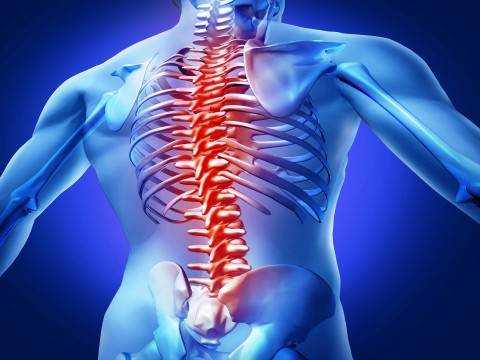
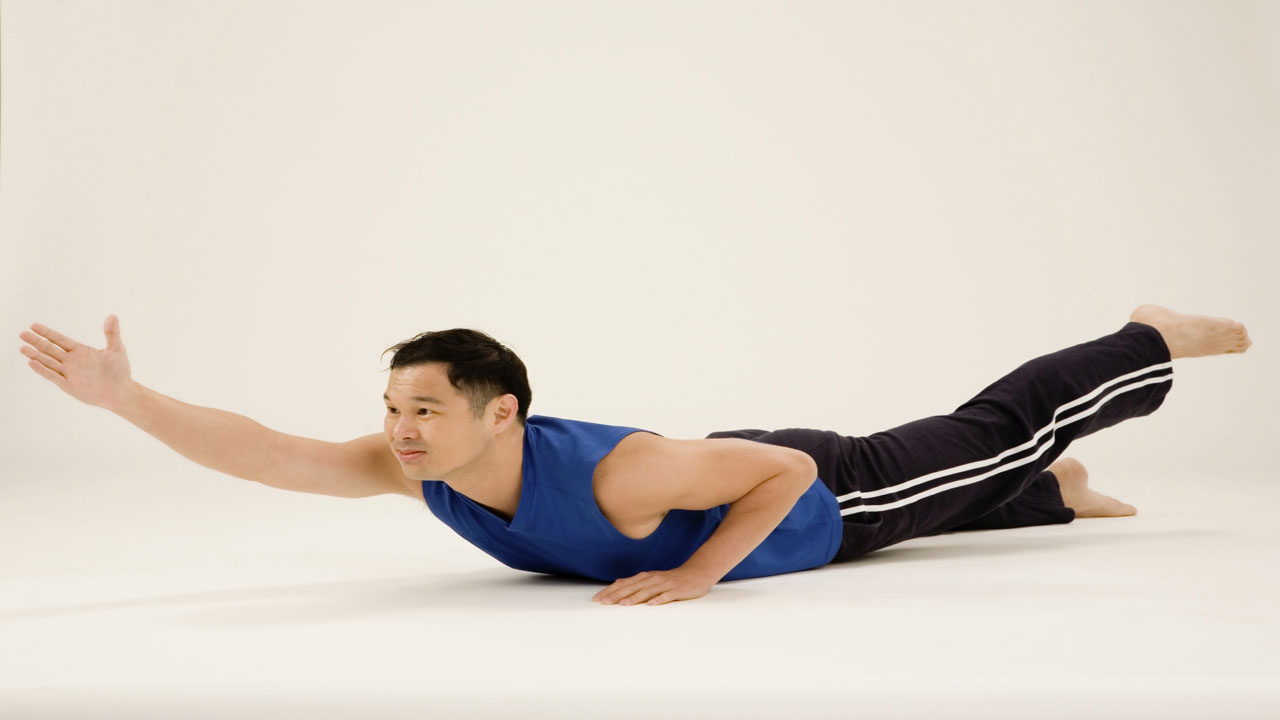
A fine spine - Common disorders of the spineThe spine is made up of small bones called vertebrae that are stacked one upon the other. When viewed from the side, the normal spine has gentle curves to it. Because the spine is a complex structure and happens to be at the center of all our activities, it is subjected to a lot of diseases. A common misconception of low backache is that you should rest. In fact, rest is not recommended at all. Keep up with light non-strenuous activities after the symptoms have subsided. Given here are a few common conditions of the spine: Loss of curvature: The spine, when seen sideways has gentle curves to it. The curves, when lost, can lead to pain and imperfect posture. Kyphosis and Scoliosis are the commonest form of spine curvature abnormalities.Kyphosis is the abnormal and excessive curving of the upper part of the spine. It is commonly called as a hump. It may be present since birth or may develop during the teenage years. The most common symptoms seen are a hump, back pain and muscle stiffness. The pain remains constant and does not worsen over time. If the curvature is too much, then the thoracic cage may get compressed and pressed for space. This may cause cardio-thoracic problems like chest pain, shortness of breath and even death. Compression of spinal nerves may cause loss of bladder and bowel control, loss of sensation and muscle weakness. Kyphosis is treated with physiotherapy, anti-inflammatory drugs and in severe cases, with bracing.Scoliosis is the side-to-side curvature that occurs during growth spurts before puberty. It may also be caused by spinal cord injuries and arthritis. Scoliosis develops gradually. The symptoms seen are usually by people other than the patient, where they may notice a slight slouch while walking. At times it may be seen that clothes that used to fit earlier are now ill-fitting. The pants seem to have shortened on one side. The curvature if mild responds well to physiotherapy. Physiotherapy is also useful as it helps to stretch and strengthen the muscles. This helps in stopping the progression of curvature. Severe cases require bracing and even surgical intervention with rods, hooks, wires and screws to correct the curvature. Sciatica: Sciatica is a condition that arises when the sciatic nerve is pressed upon. This condition arises when a degenerated vertebra presses upon the disc below it, or when there is a disc prolapse.  Abnormally tight piriformis muscle of the buttocks and a tumor in the spine may also cause sciatic pain. The hallmark symptom is the characteristic pain along the leg that starts from the hip and radiates all the way down. The pain is worsened by sitting and tingling numbness also develops. Treatment includes anti-inflammatory medicines and physiotherapy. Spondylolisthesis: When the spine is subjected to the pressures of daily activity, there is a lot of wear and tear that goes on in the vertebrae. This may cause the vertebra to move forward and slide on the vertebra below it. As a result, you may experience a constant backache. Spondylolisthesis can be congenital, it may occur due to trauma to the vertebral column, due to a tumor in the vertebra or due to degenerative changes in the vertebra and cartilage as a result of diseases like arthritis. Low backache is the hallmark of this disease. The pain is typically worse after any exercise that involves the lower back. The motions of low back are restricted and if there is nerve compression then tingling and numbness along the leg may also be seen.Rest and avoiding exertion of back muscles helps reduce the symptoms. Physiotherapy helps in restoring the strength and improving the range of motions. Spinal Stenosis: Degenerative diseases like osteoarthritis cause development of bone spurs in the vertebral column leading to its narrowing. This puts pressure on the nerves and leads to pain and tingling and numbness. Cervical Spondylosis: This condition occurs due to degenerative changes in the vertebrae of the neck region. Commonly seen as neck stiffness with pain that radiates all the way down the arm.  The pain occurs as the nerves get compressed by disc prolapse or bone outgrowths in the vertebra. Treatment includes neck immobilization, cervical traction, medications for pain and physiotherapy. Ways to reduce spine problems and backache are: Quit smoking Adopt a perfect posture Do exercises that will strengthen your core, lower back muscles and abs. Do not ignore or overlook the pains. Consult your doctor at the earliest. Spinal problems are the ones that are frequently overlooked. Ignoring the symptoms may lead to worsening of the problem. See your doctor at the earliest to be safe. The spine is the backbone of our body, in the true sense of the word. It is up to us to keep our spine in good condition as an unhealthy spine will interfere with almost all our body functions.
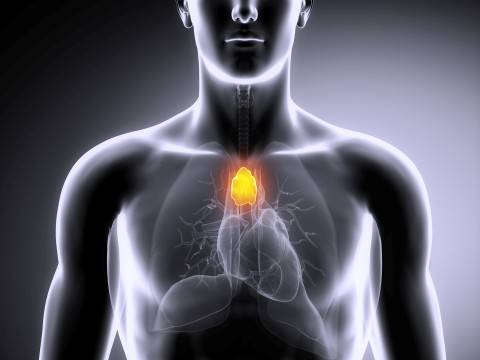
Thyroid may make your heart flutter!Thyroid is a small gland situated in the area of neck. In Greek, thyroid means the shape of a shield. Yes, thyroid gland is vital to a variety of important body functions and does act as a shield. But what happens when the shield is disturbed and goes weak? Thyroid dysfunction is recorded in approximately one to four people out of hundred Thyroid link to heart A research study was conducted in 2009 by Weill Cornell Medical College researchers. It was done to investigate and analyze the genetic link behind rhythm control of heartbeat. They found that the genes that are responsible for synchrony and rhythm in the functioning of heart are also closely connected to the thyroid hormone synthesis and could cause dysfunction of the thyroid. Thyroid activity directly influences the metabolism, blood flow and electrical activity of the heart. When there isn't enough thyroid hormone (low levels), the patients complain of low energy levels, fatigue and reduced heart rate. On the other hand, with increased thyroid hormone levels in the blood, patients report symptoms of hyperactivity of systems. There is diarrhea, palpitations, increased heartbeats and advanced cases show arrhythmias of heart, where normal beating rhythm of heart is disturbed and becomes irregular. Thyroid hyperactivity can be appropriately controlled with regular medication. Understanding arrhythmias When the rhythm of the heart is disturbed, it becomes irregular - this is called cardiac arrhythmia. There are various types of loss of rhythm - heartbeat is too slow (that is, the cycles are taking too long to complete), too fast (the cycles are repeating too quickly), too early (that is, before a cycle is even completed, another starts), too irregular (this is called fibrillation, where no specific pattern may emerge). The patients who have arrhythmia will often come with complaints of dizziness, shortness of breath, suddenly feeling weak or lightheaded, fainting and feeling of a flutter in chest (flutter can be understood as light but quick flapping of wings by a bird). Arrhythmias are usually harmless and most people would continue to live a healthy life for years with arrhythmias. But that does not mean it can be ignored. There is a battery of tests available to diagnose and indicate the seriousness of arrhythmias and let your doctor take a call on the line of treatment. If you have a thyroid dysfunction, get your heart checked immediately. And if you have faced arrhythmias, get your thyroid checked immediately. Both the conditions are controllable and treatable; there is no cause to worry over what could go wrong. Just be vigilant and informed.
Painful intercourseSome of the causes affecting women can be: Going too fast, penetrating from an awkward position. Do not hesitate to tell your partner that it hurts and he needs to slow down or change position in order to make you comfortable and prevent pain. Dry vagina or lack of natural lubrication in the vagina. This dry vagina is caused due to some medications, changes at the menopause. Sometimes just increasing the time of foreplay can help vaginal lubrication. Use water-based lubricant to reduce pain. Failure to fire off. Sometimes failure of the vagina and uterus to respond to sexual arousal can lead to irritation and tenderness. The vagina may be too tight for the intercourse sometimes or the uterus may not be raised so that the penis comes in contact with the cervix during penetration. Using other penetration methods can be helpful to explore the level of arousal before engaging in intercourse. Vaginismus can be the cause of discomfort. Muscles surrounding vagina are sometimes very tight and lead to pain and intercourse to be painful. Woman can examine herself with her fingers to see if vaginal walls are tighter than normal. It can be vaginismus. Normal cause is nervousness or anxiety. It is reversible. Good foreplay before intercourse will help to relax the muscles and help lubricate. Just relaxing before the act can be helpful. Vaginal infection and inflammation due to yeast, herpes, etc. can make intercourse uncomfortable. Fabrics, creams, perfumes may cause irritation in area in some women. Avoid these. First-time sex can be a little painful. Rupture of the hymen can cause discomfort during penetration. Start slowly or begin with forms of penetration other than intercourse. Psychological pain. Sexually traumatic experiences or feelings of guilt associated with sex can make the act painful. Consult a sex therapist or psychiatrist. Discomfort during intercourse is experienced by men too, various causes affecting this outcome for men are: Tight foreskin. During first attempt at intercourse, tight foreskin will make retraction painful. After sometime, the foreskin will become loose and make intercourse comfortable. Any lesion on the penis skin can make intercourse painful. These may result from non-lubricated masturbation or rapid intercourse or STDs. The blisters due to herpes infection can make intercourse extremely painful.
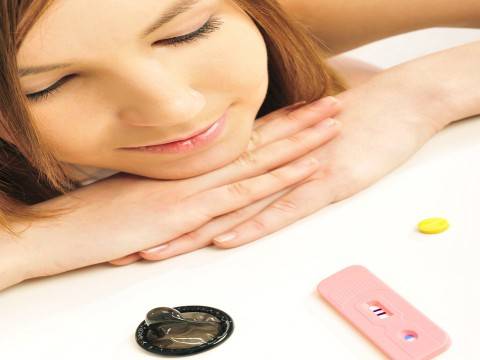
Your questions about contraception, answeredFew couples want to have babies as soon as they are married. Most want to enjoy their sex life without having to worry about conceiving a child in the process. If you are in this group, then here are answers to the most commonly asked questions about contraception. What is contraception? Contraceptionis use of various methods to control and prevent the pregnancy. It allows you to choose when you want to have a baby. What are the various methods of contraception? There are two main methods. Temporary contraception: Caps, combined pills, male condoms, female condoms, contraceptive implant, contraceptive injection, contraceptive patch, diaphragms, intrauterine device (IUD), intrauterine system (IUS), natural family planning, progesteron-only pill, vaginal ring. Permanent contraception: Female sterilisation(tubectomy), Male sterilisation (vasectomy). No contraceptive is 100% reliable and some can have side effects. Find out about all the methods listed here, so you can decide which method is right for you. How soon can I conceiveafter stopping the birth control pills? It is difficult to predict exactly how long it will take for a woman to start ovulating again. Some women are fertile as soon as the pills are stopped and others might take couple of months. Once the periods return and are normalised with normal ovulation, you can conceive a child. What if my period doesn't resume after I stop taking oral contraception pills? If you don't get your periods for several months, you may have what's known as post pill amenorrhea. The pill prevents your body from making hormones involved in ovulation and menstruation. When you stop taking the pill, it can take some time for your body to return to normal production of these hormones. Normally, periods should start again within three months of stopping the pill. But some women, especially those who took the pill to regulate their menstrual cycles, may not have periods for many months. If you don't have a period within three months, take a pregnancy test to make sure you're not pregnant, and then see your doctor.
FAQS
T&C FAQS