Home
Health check up checklist for men Prostate Cancer - Prostate cancer is the lesser known killer in men. It is a slow growing cancer, but at times, its symptoms can be aggressive as well. Detecting prostate cancer at its onset can help in treating it effectively. Tests include a digital rectal exam and a blood test for Prostate Specific Antigens (PSA). Testicular Cancer - This uncommon cancer can affect any male between the ages 21 to 55. A physical exam during yearly medical checkups is recommended for all men. Men having a higher risk, with family history, should speak to their doctors regarding additional tests for screening. Self-examination through regular gentle palpation of the testicles to notice any change in shape or size, presence of lumps is also suggested by doctors. Colorectal Cancer - This is the second most common cancer in men. Men over 50 and younger, if they have a familial risk, are suggested to get a screening colonoscopy done to detect this cancer. It usually starts as a polyp that grows and invades the nearby areas to develop into a full-blown cancer. The polyps, if detected early, can be removed and cancer prevented. A CT scan or a double barium enema can also help in detecting polyps. High Blood Pressure - With the kind of lifestyle men lead today, almost every other man is bound to have BP issues. Regularly checking the BP is essential as it helps detect high BP which may lead to a variety of other problems including stroke and heart attacks. The sooner the detection, the sooner the measures for control. Cholesterol Levels - Bad eating habits, sedentary lifestyle, and mental stress can all lead to lots of cholesterol roaming around in your arteries. This will eventually clog the arteries and cause diseases like high blood pressure and atherosclerosis which can be life-threatening. Get your total cholesterol, LDL, VLDL, HDL, and triglyceride levels checked regularly and initiate timely interventions to bring them under control. HIV - This is the most commonly spreading STD among men. Due to its chronic nature, HIV is often detected accidentally when it may be too late. Regular tests for HIV detection are essential if one is physically active with multiple partners. Be safe though and use a condom. Glaucoma - It is extremely common and is one of the leading causes of blindness. Glaucoma has no cure, but it can be controlled well with timely detection. Screening tests should be undertaken by men under 40 years at an interval of 2 to 3 years after 35. A yearly test is recommended for older men.
What causes male balding?They say there are 3 types of men: the ones that go bald at the top are thinkers, the ones who go bald at the back are lovers, and the ones who grow bald at both places... only think they are lovers. If pregnancy and menstruation are a female's burden, then baldness is a great inconvenience to men. Some men lose their hair in their youth and thus lose their confidence along with their hair. So what is with baldness and men? Men start having a receding hairline by the time they hit 30, though it could begin in their 20s as well. The most common type of baldness is the mid-frontal type resembling a horseshoe. Earlier it was thought that baldness is caused only by genetic factors, but apparently emotions, lifestyle and diseases also contribute largely to hair loss and baldness. This hair loss can be temporary or permanent. Some medications like anticoagulants, antidepressants, antifungal medicines, chemotherapy etc can cause baldness. Certain diseases like thyroid disease, Crohn's disease, lupus can cause hair loss and baldness. Poor nutrition is an important factor in hair loss. Vitamin and mineral deficiencies along with poor nutrition can pave the path sooner than most other things. Then there are some conditions like Alopecia Areata which cause baldness in patches -- on the head or beard. It is temporary and the hair grow back in about 6 months to 1 year. Corticosteroid injections are used to treat the condition. Air and water pollutants, environmental toxins, conventional styling products have the potential to build up on the scalp. These affect hair cuticle, cause dryness, and weaken the hair causing them to easily break off before their natural lifecycle has ended. If you notice your hairline receding more than usual, then check if you are getting enough nutrition. Exercises like the headstand and handstand send the blood rushing to the scalp and can help with hair growth. Massaging the head with warm oil helps to increase blood circulation as well. Use a shampoo that suits your hair along with a conditioner. Oil your hair overnight at least thrice a week. Keep yourself well hydrated and try vitamin C which can help arrest hair fall. Use a clean comb and ensure that you sun your scalp, as vitamin D is an essential tonic for skin, bones, teeth and even hair.    
Even women can kick up a storm - Martial arts and the modern womanMartial arts! Yup you have seen enough of Bruce Lee, Jackie Chan and Jet-Li films on the telly to know there is a lot of hard work involved. All that glass breaking, torso-twisting, nun chucks, whirling to kicking ten opponents at once. Is that all for real? Can a dainty woman go about hurling armed robbers off their shoulders? Or does that happen only in Kung Fu films with real weird names like 'Shaolin Temple Monks down ....' or something equally corny. That apart! Won't you need to learn a bit of Chinese or Japanese to even imitate those shrieks that women in those films emit? Worse still! Imagine they will need sub-titles to even know that you mean business! Jokes apart and no offense to the masters of Muay Thai, Akido and Tae Kwon Do! Martial arts is way beyond just fighting and is in fact a great way of disciplining the body, mind and soul. As a woman too martial arts can have a tremendous impact on your self confidence and awareness about dynamics of the mind. True what they show in martial arts film is all about smashing bones and tables but martial arts goes way beyond that. Through different movements, kicks and punches and holds one may learn to overpower an opponent using his own weight, but martial arts is ALL ABOUT CONQUERING THE SELF AND DESTROYING THE ENEMY WITHIN! So if you are intent on learning martial arts be ready for some action-packed exercise routines that Promote flexibility Increase strength, stamina and endurance Help you gain better control over yourself Help you deal with any problem that life may throw your way Help you be competitive and assertive There are different types of martial arts which have evolved over several centuries. The main forms are Kung-Fu, Karate, Akaido, Judo, Tae Kwon Do, Kalayraipatu amongst others. There is also centuries of philosophies behind the exercises recommended by these disciplines. Some martial arts concentrate only on unarmed combat while there are others which blend both armed combat with weapons like swords, sticks and nun chucks. Martial arts can indeed go a long way today in equipping women with the art of warfare so that they can defend themselves against any assailant armed or unarmed. It will go a long way in shaping societies and culture if the womenfolk are empowered both physically and mentally too. These days it is not uncommon to see martial arts blended with aerobics dance steps. It may not exactly be pure martial arts but that too isn't a bad idea at all. It will only go a long way in developing interest in these ancient art forms and help in their promotion. Just as much as any martial arts movie can. Or maybe even more!
Honeymoon cystitisHoneymoon cystitis is a term for urinary tract infections that occur commonly during early marriage. Sexual intercourse is the primary reason for developing this infection. The infection occurs when the E. coli bacteria that are normally present in the bowel are introduced into the urethra. This may happen through sexual intercourse, inserting unclean fingers or objects into the vagina. Women who wash their private parts from the back to front also have an increased chance of developing infection. Symptoms of honeymoon cystitis may include a burning or painful sensation during urination, the urge to urinate frequently, cloudy urine, blood-tinged urine, and/or pain above the pubic bone. Any of these is enough o play a spoilsport and dampen your honeymoon mood! Symptoms of honeymoon cystitis generally emerge within a day or two after bacteria are introduced into the urethra. A physician can confirm the diagnosis of infection through a simple urine test. The treatment usually involves antibiotics and pain-killers. What care should you take to avoid honeymoon cystitis from recurring? Use water based lubricant during sexual intercourse Urinate before and immediately after intercourse to flush out the bacteria from the urethra. Drink plenty of water to keep the urine normal Avoid coffee, tea and aerated drinks See a gynaecologist or a urologist if the problem recurs.  Urinary tract infections are extremely common in women and are the leading cause for visits to the doctor.
Your child is ready for school... but are you?It was still okay. Just 2-3 hours which you could utilize for other things while your child was away briefly. Now you will have to compete along with teachers, textbooks and homework for your child's attention. Well Mother, we know this is going to be difficult for you, but let's see if we can try and make it any easier. Think of school as an extension of the tender loving care that you provided. The only difference is that the TLC will go towards nurturing and developing his/her brain and help it learn important skills which will help gain a balanced development. At this point your child feels bad and completely unsafe in this new hostile world of teachers and uniforms and what not! If you weaken at this point your child will cop on and then will come the emotional blackmail. So explain the importance of school to your child as it will make the transition easier. It is always good for mothers to accompany their children to school but imagine watching mother walk away and all hell can break loose. So if your child's school has a school bus facility you can walk him to the bus stop and then say your goodbyes there. A lump in the throat at the bus stop is preferable any day than a scene at school with a child holding on to mother for dear life. Do not criticize your child's school or assignments given by them as children can catch on quite quickly and that can be reason enough for them not to concentrate on school activities. Always encourage your child to talk about what he did at school and ask him questions about his friends and teachers. This gives the impression that school is as important as home and gradually even you will reconcile yourself to the fact that school is here to stay.
Stress - Even kids cannot escape!Often when we feel overwhelmed with stress, we go back in the past and reflect. We miss our golden days of childhood.We think of those days with fondness, miss the free and carefree times. We feel like becoming kids again. But the truth is that at no age are we free of stress and worries. It is just that with time, we move on to newer situations and every new stressor seems worse than the previous one. Children stress out too, some more than the others. Stressors Simple things like a test in school, a Physical Training class or poem recital could mean a lot of stress for the little ones. The desire to meet the expectations of parents or teachers also creates tremendous pressure on the children. They are eager to do well at all the times and the smallest failures can upset these kids immensely. Peer groups are difficult to manage. In childhood, the social maturity is not sufficiently developed to handle day-to-day conflicts. Trivial fights or comments from classmates and friends can lead to a long-lasting impact on the vulnerable minds. They get easily influenced by their friends. Elder siblings also play a major role. Some act as mentors, some as bullies. Some cause damage unknowingly, some are plain indifferent. Life is full of new things and childhood is a fast-track learning lesson. Every other day, there is something new a child has to do. Meet a new kid, learn a new subject, try to dodge a ball differently or ride a bicycle without side wheels; there is too much to learn. These cause anxiety and may make the child nervous. Performance pressures, technology, precocity, media influences, etc. are some of the other factors that add to the stress in childhood. Signs Watch out for subtle changes in moods and behaviour. With adults, it is easier to identify the stress and hence rectify it. But with children, it is quite a challenge. Most of the children are themselves unaware of the stress they are facing, they don't understand why they are feeling sad or angry or fearful. They are just not at ease. Inordinate crying or screaming is a common sign. Being withdrawn, aloof and quiet is another way by which kids express their tensions. Physical signs can be seen in basic physiological changes - in sleep patterns (oversleeping or inability to sleep), eating habits (not eating or eating too much), frequent aches and pains, especially digestion disturbances and headaches, etc. Managing childhood stress Pay attention to your child. Listen to what he/she is saying, but also try to listen to what he/she is not saying in words, although only in action. Help the kids open up to you, spend quality time with them and talk to them about everything under the sun. Be well connected with their school teachers and parents of their closest friends. If the need be, please don't hesitate to reach out and seek professional help from psychologists and child counsellors. "One of the luckiest things that can happen to you in life is, I think, to have a happy childhood." - Agatha Christie  
Anxious about anxiety?Anxiety disorder is a term that almost everyone has heard and experienced in some form or the other. It is a generic term used to describe different forms of a mental disorder wherein those afflicted show typical characteristics of great apprehension, fear and trepidation. The symptoms, of course, vary depending on the severity of the affliction. So you can have 'anxious moments' when you narrowly escape an accident while driving - that's temporary and natural, while some others might have chronic anxiety which might need medical aid. Types of anxiety disorders Generalized anxiety disorder: There is no specific reason for the symptoms of anxiety i.e. restlessness, apprehension, worry, and panic. Thus the term general anxiety disorder (GAD) is any irrational worry which is disproportionate to the source of anxiety. GAD is a state of perpetual irrational and persistent fear which absorbs a person's time or can disrupt his normal functioning. The symptoms of GAD are light headedness, sweating, difficulty breathing, nausea, and numbness. Phobias: Phobias are an irrational morbid fear for certain things or objects. The list of phobias is exhausting as it is anything that a human being is capable of being afraid of. Thus you have arachnophobia which is the fear of spiders, homophobia, which is the fear of homosexual people orxenophobia,the fear of foreigners. Phobias can completely paralyze and terrorize a person and is a form of anxiety disorder. Obsessive compulsive disorder: This is the classic loop where a person is afraid of certain situations arising constantly and thus takes precautionary measures to ensure that it won't. Only thing is that this turns in to a compulsive ritual which can throw her in a loop. Thus a person can be said to have OCD if she persistently checks to see if the gas valve is off as she has a fear that she will set fire to her home. It is a particularly distressful anxiety disorder. Post-traumatic stress disorder: This is anxiety arising out of a traumatic incident which the person undergoes. It could be a horrific accident or an extremely brutal incident which the person has witnessed. The trauma is revisited again and again in the mind and manifests as anxiety. This disorder is based on real events that the person has experienced or undergone and can take a long time to heal. Panic disorder: This is characterized by panic attacks or episodes where great terror or discomfort is experienced. It is a very unsettling experience as the patient feels he is about to go unhinged or something dangerous or embarrassing is going to happen to him. Thus the sensation or feelings of panic build up and reach a crescendo resulting in a panic attack. Sometimes in a panic attack, the patient's reality and perceptions are distorted and blurred and can thus put him in danger. According to the National Institute of Mental Health there could be a number of reasons for anxiety disorders. They vary from early childhood environment to lifestyle causes, heredity and even environment.    
Mood disordersMood disorder is a category of mental health problems, and it includes all types of depression and bipolar disorder. The cause of mood disorder is not well known. Endorphins in brain are responsible for positive moods. The neurotransmitters regulate endorphins. Depression and other mood disorders are caused by a chemical imbalance in the brain. Life events such as unwanted changes in life may also contribute to a depressed mood. Mood disorders are inherited. Children, adolescents, or adults who have a parent with a mood disorder have a greater chance of also having a mood disorder. Symptoms: Prolonged feeling of sadness Helpless feeling Low self-esteem Intense guilt Suicidal thoughts Loss of interest in daily activities Difficulty with relationships Disturbed sleep Change in appetite or weight Low energy Inability in concentrating Inability to make decisions Frequent physical complaints (i.e., headache, stomach ache, fatigue) Threats of running away from home Hypersensitivity to failure or rejection Irritability Aggressive behaviour Hostility In mood disorders, these feelings appear more intense than what a person may normally feel from time to time. Treatment Psychotherapy: It is focused on changing the individual's distorted views of themselves and the environment around them, working through difficult relationships, and identifying stress triggers in their environment and how to avoid them. Family therapy: Families play a vital supportive role in any treatment process. Antidepressant medications: Medications in combination with psychotherapy has shown to be very effective in the treatment of depression.
Arthritis friendly workoutsRheumatoid arthritis is more common in women over 60, and is the inflammatory type of arthritis where the synovial fluid functioning is disrupted. The synovial fluid maintains the health of joints, bones, and cartilages. Osteoarthritis is the most commonly occurring type in both men and women, and in this type there is gradual wearing away of the bone cartilages, which, in turn, causes stiffness, and pain in the muscles, joints and tendons. There is a classic catch 22 situation in arthritic patients and that is they avoid exercise or are advised extreme caution while exercising. The pain and soreness which comes from exercising can be extremely discouraging, so some shun exercise altogether. Now, the lack of exercise is going to precipitate the condition further, and could even increase the soreness, and lead to deformity. This is what challenges most arthritic patients. Should someone with arthritis be allowed to exercise? And if yes, then what type of exercise will prove to be most beneficial? Main question is: Are there any arthritis friendly workouts? Doctors now recommend that exercising could actually work wonders for arthritis patients. The right method and type of exercise can help ease the inflammation and soreness of the joints, and build overall health, strength and flexibility of the bones, and joints as well. What would be a good exercise routine? The arthritis foundation recommends routines which exercise the flexibility of the joints, and build muscle mass, for better shock absorption, coupled with physical endurance should be specially designed for arthritics. Regular walking: Walking is a great exercise for arthritics. Walking at a steady pace for about 30 minutes, thrice a week, can help keep the limbs active, and could reduce the swelling at the knees, and hip joints. Warm up is absolutely essential in any work out, and here it is of paramount importance that you go through a warm up routine before you begin your walk. Simple leg raises, hand to toe stretches, and light back bends can be done to warm up the muscles and joints for your walking activity. That will also reduce the possibilities of strain or sprains of the ankles along the way. Choose your exercise route to ensure that you don't walk up a gradient, and put unnecessary pressure on your knees and ligaments. Aquatic Exercises: Exercising in water is perhaps the best possible alternative, as water is absolutely low impact. This is great for arthritic patients to reap the benefits of a swimming pool workout. The easiest for chronic arthritis patients would be to simply walk, or wade in water for about 20-30 minutes. This can help greatly with building strength, and endurance in the extremities. For enhancing co-ordination you can even try walking backwards in water, or simply float and relax the body. Avoid water which is too cold, as that might adversely affect your condition. Stretching and Yoga: All easy stretches for the limbs and joints will be helpful to facilitate ease in movements, and dealing with joint pain. Standing leg raises, shoulder raises, wrist rolls are exercises which can be done quite easily, and can help keep the body supple. Though yoga also enhances flexibility, it goes way beyond just that, and actually aims at harmonizing the life force in the internal and external organs as well. No matter what type of exercise suits you, always remember: Proper warm up exercises are a must for the arthritic patient, as that can help reduce, and eliminate the possibility of injuries while working out. Do not force your body into an exercise regimen, if you are experiencing pain. It is quite ok to take a day off if the joints are sore. Get into an exercise routine slowly as your body might take a little longer to recover from it. Always seek the advice of an expert or a doctor before making any alterations to your regimen.

Good and bad calories-How do they affect weight loss?Not all calories are bad calories. Surprisingly very few people are aware that good calories are quintessential for burning fat and can rather help you in losing weight. So, it's very important to know how to differentiate between good calories and the bad ones. What is a Calorie? In scientific terms, one calorie equals to one unit of energy. When the term calorie is being used in relation to nutrition, it means consumption of energy through what you drink and eat and use of energy for carrying physical activity. Many people think that in nutritional terminology, calories are only associated with drink and food; but the truth of the matter is that everything has energy is calories. For example, since coal provides you energy it contains calories. 7,004,684,512 calories are equal to energy produced by 1-ton of coal. Coming back to weight loss, 100 calories of fiber and protein is not similar to 100 calories of a cake. This is because there are good and bad calories and much like us humans all calories are not equal. Calories are the measuring units of energy that are produced by the food once it reaches your body. This energy works on the law of physics and hence less energy intake leads to weight loss and vice versa. Varying types of Calories Different types of food provide varying calories or energy amount to the body. The analysis of a tightly scrutinized weight loss experiment has revealed that when people of two different groups were fed the same measure of calories albeit from varying food sources, the weight loss was almost similar. However, the effects of weight loss were variable; like uncontrolled emotions, cravings, hunger and more. This happened for the same reason that some calories are good and some calories are bad. Good and bad calories Sugar is a powerhouse of energy. But if you keep on eating only sugar all day long it will be suicidal. This is because; the calories present in the sugar are devoid of any nutrients and your body cannot function without the right balance of different minerals, nutrients and vitamins. Most food not only carry calories but they also constitute a complex mixture of additives, fiber and nutrients. These mixtures of varying components directly affect the leptin hormone that controls the hunger trigger in your body. These hormones tell the body to either burn the fat or store it. The process of weight loss is made complicated by the fact that biologically our body is programmed to protect the fat stores so that they can be utilized during starvation. So, the question remain, which calories should you eat to lose weight but still keep on getting the required amount of energy? Eating lean protein, healthy fats and unrefined and unprocessed carbohydrates such as fruits, beans and vegetables are the best for losing weight. Calories with more nutrients are the best The foods that do not store fat and make us eat again and again, are the ones you should eat as good calorie food. Choosing them is simple. These are the same food that humans used to eat before processed food was invented. For example; avoid using the processed whole grains and switch over to brown rice instead of the polished white rice. Also, stone-ground whole wheat, oats or quinoa bread is much better than the white bread. Replace the processed carbohydrates from your platter with whole grains and vegetables to lose weight, control hypertension and blood sugar. Use fats derived from plant sources such as olive oil or nut oil. Eat lean protein more such as chicken and fish.
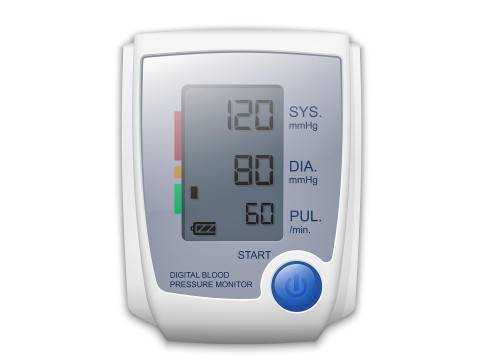
Advantage of the average - Automated continuous blood pressure monitoring technologyAlthough mercury sphygmomanometers (though a deadline is set for them to be phased out due to environmental concerns) are still considered the gold standards, the Aneroid and Digital counterparts represent the future of blood pressure monitoring. The need of long-term blood pressure monitoring arises with disorders and health conditions that demand more attention from the medical teams. Experts say that the fluctuations in BP in conditions like cardiovascular diseases, pregnancy, etc., if tracked at regular intervals, can reduce 22% of risks due to delay and no treatment. This necessity pushed the invention of invasive arterial blood pressure to be used during surgical procedures and further a continuous noninvasive arterial pressure measurement (CNAP) system. There have been multiple researches to overcome some of the roadblocks in measuring the arterial blood pressure in the noninvasive and external approach. Among these developments, the need for measurement of mean blood pressure was felt and the 24-hour BP variation in the patient was taken into account. The 24-hour model eliminates the errors in readings taken during clinic visits due to factors such as fluctuations as a result of white coat fear or after-effects of some stress or exertion. Trendsetting New-age Technology : In 2004, the medical world received the BpTRU non-invasive automatic blood pressure monitoring device. BpTRU devices proved to be a superior and more precise alternative when compared to other manual BP assessment techniques and even other 24-hour ABPM alternatives. The automated oscillometric devices precision and accuracy of assessed BP and heart rate is earmarked with a unique automatic technique - the device records 6 consecutive BP readings of the patient, discards the earliest, and the rest of the five values are put to average function and instantly the resultant mean BP reading flashes on the screen. Compatible with guidelines of American National Standard/Association for the Advancement of Medical Instrumentation (ANSI/AAMI EC13:2002) this is a time-saving, portable, and user-friendly device. A compact and automatic wrist cuff BP monitor, the smart blood pressure monitor that can be synchronized with with Apple’s iOS devices and a Bluetooth connectable and Android compatible blood pressure monitor marks the revolution of CNAP in modern times.
Dos and don s during heat crampsHeat cramps can affect people who exercise or work in the heat. It could be due to dehydration, so if you are going to be active in the heat then you need to drink a lot of water even if you are not thirsty. Before going out, find out what the temperature is and do not exercise outdoors in the heat. Heat cramps may not be as serious as heat exhaustion or heat stroke, but the condition needs to be treated with the same urgency. People who are on low-sodium diets may be affected more than others. Heat cramps may seem mild, but they can be the first sign of heat exhaustion, so pay attention and stop all activity, and rest. Here is what you can do and what you should avoid if you suffer from heat cramps: Dos : If you have muscle spasms and the muscles are unable to function properly, then immediately stop all activity. Get inside a room or go into the shade and take some rest. Raise the feet to 12 inches above the body. Gently massage and stretch the muscles. Wet a paper towel or handkerchief and drape it around your face, at the back of your neck and underarms. Drink a clear natural juice or a sports drink to get the electrolyte balance back. Do not go out in the sun again even if the spasms have subsided. If the cramps last more than an hour then go to a doctor. If you are on a low-sodium diet then tell the doctor about it. Don s : Don take any painkillers or fever tablets as they could cause harm. Avoid caffeine, alcohol, and sugary soda drinks. Don rub alcohol on the muscles. Don drink ice cold drinks as they can cause stomach cramping. Don take salt tablets unless the doctor has prescribed them. Don do your full quota of exercises if the heat is getting on to you. Don stop drinking water even if you do not feel thirsty. Don resume any strenuous activity for several hours after a heat cramp. Prevention:Prevention is always better, so it’s a good idea to reduce exercise in the summer, especially when it is extremely hot. If people are working outside, like construction workers, then they must take more breaks, keep their heads covered and sip on water after every 10 minutes to prevent heat cramps. Always plan ahead and get acclimatized if you know you have to do a physical activity in the heat that could cause sweating. If you are an athlete, then do take a mix of sports drink, water, and juices to maintain the electrolyte balance. Always carry water with you if you are playing any sport in the heat. All events must be planned at a time when the heat is bearable and not when it is too hot. Keep a close watch on the person if there are signs of vomiting and nausea along with flushed skin. Rush them to the hospital.
Sex during pregnancy? It's possible!One of the questions that arise when a woman gets pregnant is whether it is safe for the couple to have sex. We'll try to answer the most common questions couples tend to ask. Is sex safe during pregnancy? Sex is considered safe if the pregnancy is normal in all stages. However, even if it is safe, it doesn't mean the woman would want to have it. Desire for sex fluctuates during the various stages of pregnancy and sex becomes plain uncomfortable as the body gets larger. What is not safe? Two types of sexual behaviors are not safe during pregnancy. While having oral sex, the man should not blow air into his partners' vagina. It can lead to air blockage of blood vessels by an air bubble, which is called air embolism, and can be lethal for both mother and baby. The pregnant woman should strictly avoid sex with a partner with unknown sexual history or who may have a Sexually Transmitted Diseases (STD). What are the common risk factors? In case of significant complications with pregnancy, abstinence from sexual intercourse is advised. Common risk factors can be: Threat of miscarriage. One can have pre-term labor or signs indicating the risk of pre-term labor (such as premature contractions). Unexplained vaginal bleeding, discharge, or cramping. Leakage of fluid surrounding the baby, called as amniotic fluid. Placenta previa, a condition in which the placenta (the cord connecting mother to the baby and nourishes the baby) is located low down and covers the opening of the uterus. Cervix incompetency, a condition where cervix is weak and dilates before full term, increasing the risk of miscarriage or premature labor and delivery. Can sex during pregnancy harm the baby? The baby is always protected by the amniotic sac (a bag-like structure that holds the fetus and surrounding fluid) and uterine muscles. A thick mucus plug seals the cervix and protects the baby from infection. The penis does not come into contact with the fetus during sex. So, sex can't harm the baby directly. Can orgasm lead to miscarriage or contractions? The contractions felt by pregnant women during and just after orgasm are totally different from the contractions of labor. Therefore, in cases of normal and low-risk pregnancies, orgasm can't cause contractions and miscarriage, but always check with the doctor and make sure that your pregnancy is in the low-risk category. What are the safe positions for sex during pregnancy? The old standby missionary position for intercourse may not work for you now. Instead, try these options: Spooning: Lie side by side with him behind you. This will not put pressure on your belly, and makes for more shallow penetration. Female on top: There's no pressure on the belly, and the female can control the speed and depth of penetration. Side of the bed: The female lies on the back on the edge of the bed with knees bent and feet on the edge. The male stands facing her. It's like classic missionary, but the male won't be resting his body weight on the pregnant female. However, remember 'normal' is a relative term when it comes to sex during pregnancy. You and your partner need to discuss what feels right for both of you and take advice from the doctor.
Painful intercourseSome of the causes affecting women can be: Going too fast, penetrating from an awkward position. Do not hesitate to tell your partner that it hurts and he needs to slow down or change position in order to make you comfortable and prevent pain. Dry vagina or lack of natural lubrication in the vagina. This dry vagina is caused due to some medications, changes at the menopause. Sometimes just increasing the time of foreplay can help vaginal lubrication. Use water-based lubricant to reduce pain. Failure to fire off. Sometimes failure of the vagina and uterus to respond to sexual arousal can lead to irritation and tenderness. The vagina may be too tight for the intercourse sometimes or the uterus may not be raised so that the penis comes in contact with the cervix during penetration. Using other penetration methods can be helpful to explore the level of arousal before engaging in intercourse. Vaginismus can be the cause of discomfort. Muscles surrounding vagina are sometimes very tight and lead to pain and intercourse to be painful. Woman can examine herself with her fingers to see if vaginal walls are tighter than normal. It can be vaginismus. Normal cause is nervousness or anxiety. It is reversible. Good foreplay before intercourse will help to relax the muscles and help lubricate. Just relaxing before the act can be helpful. Vaginal infection and inflammation due to yeast, herpes, etc. can make intercourse uncomfortable. Fabrics, creams, perfumes may cause irritation in area in some women. Avoid these. First-time sex can be a little painful. Rupture of the hymen can cause discomfort during penetration. Start slowly or begin with forms of penetration other than intercourse. Psychological pain. Sexually traumatic experiences or feelings of guilt associated with sex can make the act painful. Consult a sex therapist or psychiatrist. Discomfort during intercourse is experienced by men too, various causes affecting this outcome for men are: Tight foreskin. During first attempt at intercourse, tight foreskin will make retraction painful. After sometime, the foreskin will become loose and make intercourse comfortable. Any lesion on the penis skin can make intercourse painful. These may result from non-lubricated masturbation or rapid intercourse or STDs. The blisters due to herpes infection can make intercourse extremely painful.
FAQS
T&C FAQS