Home
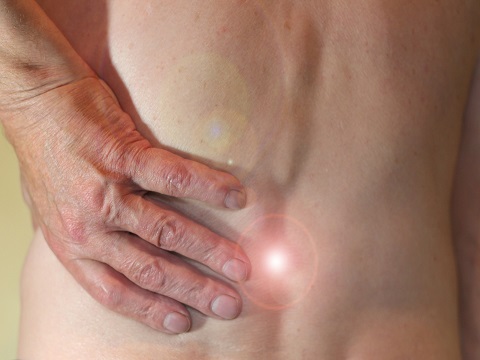
Make no bones about this - Men have osteoporosis tooOsteoporosis is a condition in which the bones of the body lose their strength gradually and become thin and brittle. This is most commonly seen in women who have attained menopause. The reason being the decrease in the hormonal levels, particularly estrogen. Studies reveal that 20% of sufferers are men. Falling levels of testosterone are one of the causes for men developing brittle bones. Men's bodies convert some amount of testosterone into estrogen, which is very essential in maintaining the bone mass. Genetic deficiency of the enzyme that helps the conversion of testosterone to estrogen also is a major factor for men developing osteoporosis. Calcium and vitamin D play an important role in developing the bone mass and in helping the bone grow. Exercising helps too. When you exercise, the muscle gets pulled and the bone responds by growing. Too much of indoors and sedentary work may make men get the less of all three and it eventually leads to weak bones and osteoporosis. Studies reveal that 20% of sufferers of osteoporosis are men. Certain medications like anti-seizure drugs, drugs for prostate cancer and steroids have side-effects that make it impossible for the body to use vitamin D. Using them for a long time reduces the bone mass density and leaves the bones brittle making them easily prone to fractures. Smoking is a vice that has to be quit for more reasons than one. An analysis of several major studies on the effects of smoking shows that smokers have a 55% higher risk of hip fractures and low bone mineral density than non-smokers. Nicotine has also shown to have a direct effect on bone cells. A long list of medical conditions like diabetes, rheumatoid arthritis, and digestive and blood disorders can take a toll on your bones. Long term medications for the same also have side-effects on the bones. How to prevent osteoporosis? Exercise- As young boys, men have usually been exposed to a lot of bone building exercises through sports. This helps in building up on the bone strength and comes in handy in the later years. A brisk walk for 30 minutes 5 times a week and moderate impact exercises help in maintain the bone mass and reduce the thinning of bones. Calcium intake- The daily calcium needs for men is the same as women. Hence, the dietary recommendations remain the same too. 1,000 mg of calcium a day from ages 19 to 50 and 1200 mg of calcium a day if you're over 50.Along with this, make sure you get the required dose of vitamin D too, so that the calcium you eat is absorbed properly. The standard recommended dietary allowance is 400 IU. Some doctors advise to increase the intake to 800 IU. Regular medical checkups will help you to know beforehand about the risk factors and the necessary precautions you will need to take.Osteoporosis in men is as much a reality as in women. However, there are ways to avoid it too. Awareness about the condition and about the ways to prevent it can help keep osteoporosis at bay. Bone mass matters. It could mean the difference between a hip fracture later in life - or keeping an active, high-energy lifestyle.
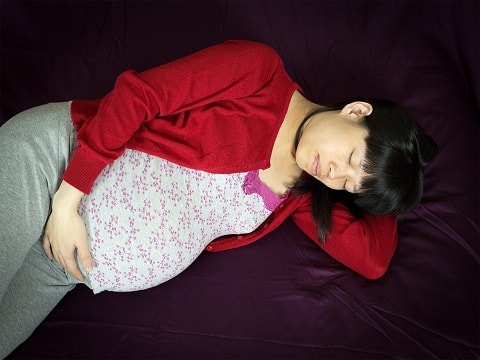
Mother can pass stress patterns to childThe stress patterns in the mother have shown to affect the mental development of children and have been found to play a role in autism and even schizophrenia. "Pressure and stress is the common cold of the psyche." - Andrew Denton There are several studies conducted in this area of research. The results are varied and present a set of multiple issues that children can face if their mothers have been under stress when they were in the womb. In later years, these babies grow into children who have a weak mental state. They cry easily, pick the escape route in conflicts and difficult situations, are anxiety prone and may get easily bullied in social environments. Their social adjustment gets hampered due to emotional weakness. These children are not good at handling weak moments and end up being rubbed off the wrong way, time and again. It pushes them into a vicious cycle. The incapability to tackle socially stressful situations further scares them. They get bullied and become even more vulnerable. What to do? The approach is twofold. Curb the problem in the beginning. Yes, it is natural to be stressed. Pregnancy can be tough, physically as well as mentally. With the modern life, the stressors have increased and there is always so much to do in such little time. Relationships, work, food, health, hormones - there is ample to trouble you. Find a release for the tensions. The one growing inside you needs you to be happy and healthy. Do things that make you happy, keep your happiness at the top priority. Everyone around you needs to understand that. Reader, if you are the husband, parent, sibling or friend of a pregnant lady - support her, understand her and do all you can to make her smile. Do not be the one who reprimands if she is worried, be the one who takes away her worries. Pave way for a baby who is happy and ready to start a new life. Second, do what you can at the given time. The child is already here and is facing emotional adjustment issues - extend your support to him/her. Give the kid the ground to grow strong roots and stand tall, without being disturbed easily by gushes of the wind. While it is difficult to avoid stress, you can always try to handle it better, for the sake of your child.Soon-to-be mothers who go through stressful situations may be passing on the stress patterns to their babies.
Fitness mantras during pregnancyYou must be wondering how Shilpa Shetty maintained her fitness even after bearing a child. The simple answer is that she never gave up exercising. Exercising during and after pregnancy is the best way to stay in shape and ensure your mental and physical healthiness. It also helps you in preparing for labour pain and delivery, and quick recovery postpartum. However, there are some things you need to keep in mind while exercising during pregnancy: Measure your fitness You need to determine how fit you are. This will help in determining the type and duration of exercising during pregnancy and post pregnancy. Also, before you continue your old exercise routine or begin a new one, you should talk to your doctor about exercising while you're pregnant. Pregnancy is a balancing act After the fourth month of pregnancy, it's likely you will lose balance while you exercise. Though your baby is well protected with amniotic sac, it is better to be safe than sorry. Safe exercises Activities such as swimming, walking, yoga, pilates, and low-impact aerobics are good choices. Pregnancy is not the right time to start any new intensive exercise, but it is safe to continue with most types of exercise if you're used to them. The things you should avoid Avoid exercises where you are likely to lose your balance or could make you fall or slip. Vigorous or extreme activities such as horse riding, skiing, mountain climbing are out of the question. They carry too high a risk of injury to your tummy. Avoid exercises such as: Sit-ups Standing on one leg Separating your legs widely You should also avoid most contact sports, such as football, basketball and so on. Finally, give racket sports a miss if you're not a regular player as they can be tough on your knees and ankles. Check with your doctor Consult the doctor before starting with any new or unusual exercise. Check for any complications or unusual conditions. Also, discuss for any concern such as: Pregnancy-induced high blood pressure Early contractions Vaginal bleeding Premature rupture of your membranes, also known as waters (the fluid in the amniotic sac around the fetus) breaking early The best outfit for exercise Clothes should be comfortable and loose fitting while exercising. Wear a supportive bra which protects the breasts and is also relaxing. If your shoe size has changed because of mild swelling, you may want to buy a new one. Duration of the exercise Exercising three to four times a week is necessary. This reduces stress, fights fatigue, and stabilizes emotions in early pregnancy. Start gradually, may be with only five minutes a day, if you were totally inactive before. Add five minutes each day till you reach 30 minutes. Also keep in mind to avoid exercise on an empty stomach. Eat a snack 30 minutes before exercise. Never over do Listen to your body when it says 'stop'. Over exercising causes overheating. Raising your core temperature too much can affect the baby adversely. Always sip water before, during and after exercising. Listening to your body when something hurts or doesn't feel right - that means stop. Drink a lot of water Try to drink about two glasses of water two hours before you begin exercising. Take a sports bottle of water with you when you exercise and take frequent sips from it. It's important you don't get dehydrated. This may raise your body temperature, which may not be good for you or your baby.  Keeping these points in mind, exercise to stay healthy and fit. We hope you soon give birth to a healthy kid.  
Your child is ready for school... but are you?It was still okay. Just 2-3 hours which you could utilize for other things while your child was away briefly. Now you will have to compete along with teachers, textbooks and homework for your child's attention. Well Mother, we know this is going to be difficult for you, but let's see if we can try and make it any easier. Think of school as an extension of the tender loving care that you provided. The only difference is that the TLC will go towards nurturing and developing his/her brain and help it learn important skills which will help gain a balanced development. At this point your child feels bad and completely unsafe in this new hostile world of teachers and uniforms and what not! If you weaken at this point your child will cop on and then will come the emotional blackmail. So explain the importance of school to your child as it will make the transition easier. It is always good for mothers to accompany their children to school but imagine watching mother walk away and all hell can break loose. So if your child's school has a school bus facility you can walk him to the bus stop and then say your goodbyes there. A lump in the throat at the bus stop is preferable any day than a scene at school with a child holding on to mother for dear life. Do not criticize your child's school or assignments given by them as children can catch on quite quickly and that can be reason enough for them not to concentrate on school activities. Always encourage your child to talk about what he did at school and ask him questions about his friends and teachers. This gives the impression that school is as important as home and gradually even you will reconcile yourself to the fact that school is here to stay.
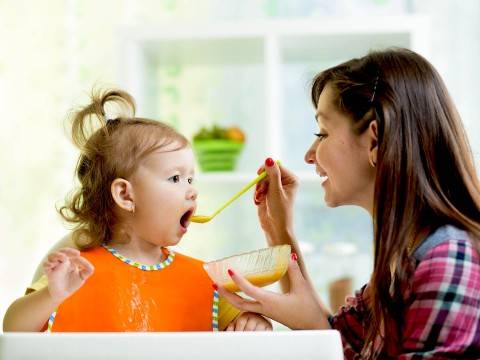
Pediatric diet formula food vs traditional foodAccording to the World Health Organisation, it is unnecessary to give your baby rice cereals at the age of four months as breast milk can provide all the nourishment a baby needs in the first year. No other solid food is required. Breast milk has all the nutrients like fats, protein, cholesterol, carbohydrates, vitamins and minerals which are required in the first year of life. According to most studies,formula foods are not the healthiest option to begin solid foods on. Doctors prefer that babies be given boiled vegetables and mashed fruits like bananas and not formula cereals that contain simple carbohydrates. It is not a good idea to give babies processed and refined foods that are found in all formula foods. Formula foods do have nutrients, but they are not as easy to absorb as nutrients from foods prepared at home. You can also ensure quality in food that is prepared at home. Formula foods cannot imitate the natural taste of foods. Babies like to choose foods according to taste just like the adults and you can give them a wide variety of choices like offering them different fruits and vegetables rather than the similar tasting formula. You will be surprised to know that mother's milk has the taste of the foods she eats and so babies develop taste for a variety and may like the insipid taste of formula. Another reason why formula foods may not work that well is that they contain cereals. However, the enzymes that are required to digest carbohydrates are not fully developed in babies until they are more almost three years old. Cereals and breads are very difficult for babies to digest. Undigested grains can throw off the balance of bacteria in the gut and this is the reason for a lot of digestive issues once they are grown up. Solids should not be introduced until six months of age, as studies now reveal that if solid foods are given early on then it increases the likelihood of allergies, especially of those foods introduced. Babies produce only few enzymes and digestive juices that are mainly required to digest protein and fats. This is because mother's milk has 50 to 60% healthy fat which is a must for the babies' mental and physical growth. Most baby infant nutritionists feel that formula feed is not a complete food. Babies will get deficiency,such as iron, as it is difficult to absorb them from formula foods. The debate continues as many feel that the marketing gimmicks are what selling these foods and not the nutritional value they provide to babies. A note of caution, excessive amount of juices are harmful for babies as these can lead to obesity.
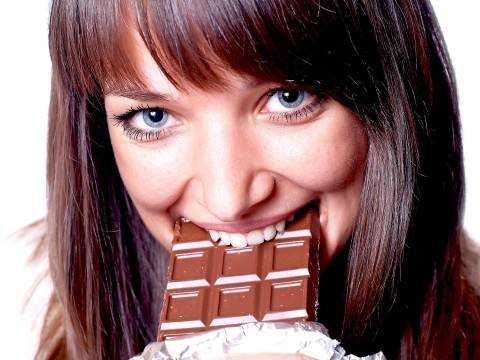
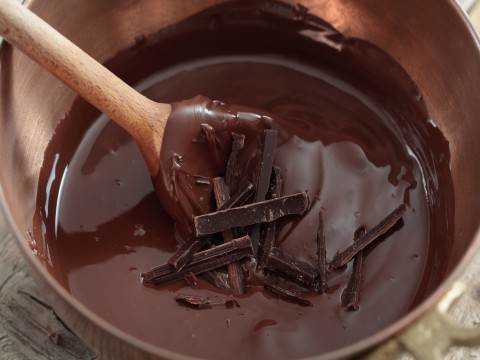
Are you a chocoholic? : Dealing with chocolate addictionSerotonin is a hormone that produces relaxed and happy mental state. This hormone is activated when you consume sweet and high-fat foods. Apart from serotonin, chocolate also contains phenylethylamine which produces feelings of enthusiasm and attraction. The obsession with chocolate is marked by intense craving for it, loss of control over its consumption, and continual consumption despite negative repercussions. Is chocoholism a true addiction? Chocolate is a manifestation of desires and there is also a resistance to it. This cultural phenomenon of mysterious romance and excitement increases the attractiveness of chocolate. Apart from these, advertising and grocery shop displays also connect chocolate with an object of desire, thus triggering its need in times of emotional stress. Though the symptoms shown by those who are addicted to chocolate is much like those who are misusing substance, it is generally not considered an addiction in a true sense, as this is an acquired obsession (through culture and media) than due to bodily changes. Foods like broccoli also contain the mood-altering ingredients, even in higher concentrations. The compulsion with chocolate is considered to be owing to its texture, sweetness, and aroma. Here are a few steps to overcome your chocolate addiction: Step 1- Symptom AcknowledgmentWhile it is not considered a true addiction by many psychologists, most agree that the experience of compulsion towards chocolate is much like the ones towards drugs. It is important to diagnose and check your condition. You need to have a chocolate bite everyday. Generally, a particular time is chosen, like after lunch when your mind is a little discharged and you need that small bit of kick to arouse yourself back to normalcy. If you do not have access to chocolate, you feel anxious and find ways to get hold of a chocolate bar. Step 2- Know The ConsequencesIf you recognize that you are suffering from chocolate addiction, then be aware of the problems which it causes. It will lead to a series of bites where there would be no nutritional value and only fat and sugar induced by the chocolate. You would be needy for the chocolate, and thus, your emotions will be ruled by a bar of sweet. You might get headaches after eating chocolate, but you would still eat it anyway. You might hide and consume chocolate, owing to the disapproval of your companions. Your health will gradually deteriorate with constant burden on your pocket to keep a stash of chocolate around. Step 3- Identify The CauseChocolate is a response to a root problem. For this purpose, you have to carefully observe the nature of your chocolate consumption. Note the triggers to your choco-pangs. Do you eat chocolate to lift your mood when you are sad or upset? Have you been on diet for too long, and because of suppressing the cravings, you see the chocolate bar as 'just one time' deal which is indefinitely extended? Maybe you feel excited and urge to eat chocolate just by thinking about chocolate. Lastly, you might be bored and want to while away your time. In the act of busying yourself, you find yourself munching on multiple bars of chocolate. Did you know that the impact of chocolate on the human psyche is greatly shaped by the idea of chocolate being a representative of romance and desire? Majority of young adults believe that chocolate is a symbol of love and the tendency to get addicted to it is strengthened with the hormones it produces. To avoid chocolate addiction, make sure you work on your eating pattern carefully. Step 4- Empathetic Path to RecoveryOnce you have found the root cause of your addiction, work on your problems gradually and with empathy. Don't push yourself to completely give it up unless you have been medically advised to go off it completely. Step 5- The Emotional EaterIf you consume chocolate when sad, find alternatives to feel better. For instance, some people listen to music or love to play with dogs to feel relaxed. Find your non-chocolaty solution to emotional problems. The best way would be to explore the cause of sadness and communicate with your friend or companion about it. This will nullify the possibility to there being any other dependency shift from chocolate. Step 6- The Boredom EaterIf you find yourself nibbling on chocolate when you are bored, then first become conscious of the act. After having eaten chocolate for boredom for months or years, one has to remind oneself about the act. So, look for other ways to spend your time. Pick up a hobby you like and pursue it. If you are really craving chocolate, then talk to someone who knows about your addiction and can divert your attention. Step 7- Dietary ChangesMake sure you shift to a balanced diet full of whole grain, fresh fruits and vegetables as well as water. You may also include nuts and dry fruits in your diet as well. Step 8- Scheduled Chocolate ConsumptionMake a resolution that you would only have chocolate once in three days (initially) and then slowly taper it off to only special occasions. Step 9- Withdrawal SymptomsWhen you are reducing the amount of chocolate you eat daily, you will undergo withdrawal signs. This will include headache, mood swings, depression, and in severe cases, flu. Be strong and do not give in to the symptoms. Busy yourself with other activities and do not concentrate on chocolate. Step 10- Sleeping, Eating and ExercisingThere are three prime components of healthy living: eating a balanced diet, drinking at least 8 to 10 glasses of water daily, getting adequate sleep (7 to 8 hours), and performing moderate exercise daily for 30 to 45 minutes. Focus on healthy living and build a harmonious relationship with any food item that you consume. Chocolate is a manifestation of desires and there is also a resistance to it. This cultural phenomenon of mysterious romance and excitement increases the attractiveness of chocolate. Apart from these, advertising and grocery displays also connect comfort in modern living with chocolate, thus triggering its need in times of emotional stress.
What is megalomania?Bertrand Russell's quote on megalomania perfectly describes the condition:"The megalomaniac differs from the narcissist by the fact that he wishes to be powerful rather than charming, and seeks to be feared rather than loved. To this type belong many lunatics and most of the great men of history." Megalomania is a delusional bipolar disorder. The sufferer believes he is an all-powerful person and that he is superior to all other people. Megalomania comes from the Greek words megalo which means large or great and mania which means madness. It is a psychopathological disorder that has delusional fantasies of power, exaggerated self esteem and a sense of omnipotence. The sufferer may believe he is God or some famous athlete. Although megalomania is a term used for power hungry people, it is clinically described under the mental disorder of narcissism. Narcissism is self-love. Though self-love is a healthy concept, narcissism is a pathological state where one loves oneself to the extent that he starts despising others. Megalomania is caused by certain phobias and mental conditions associated with emotions and personality. In everyday life, megalomania can be a person's mental way of reacting to frustration, abandonment or some serious loss. In the social world, the term megalomaniac is often synonymous with control freaks, power-drunk army generals, executives and politicians. The treatment of megalomania includes medications. The challenge here is that the person may not believe he has anything wrong with him. He, in fact, believes that he is so great that no harm can come to him, so talking him into getting himself treated is very difficult. Adolf Hitler, the German dictator, was a power-hungry control freak. He believed that he was the supreme commander and that his race was the only race suited to inhabit earth. All other races, especially Jews, were inferior and had to be wiped off the face of the earth. Adolf Hitler was megalomaniac.
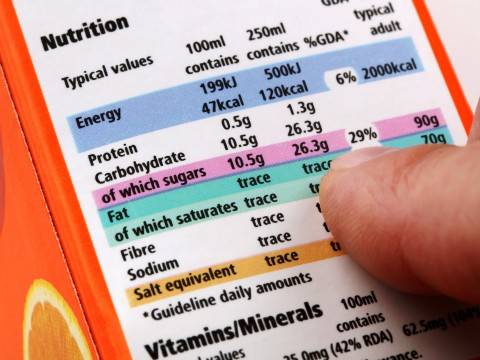
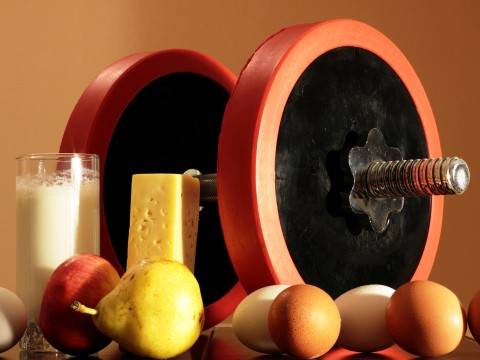
5 Muscle building smoothiesProtein is highly important for muscle building as it repairs the muscles and help in their rapid recovery after a workout. That is why most of the trainers recommend taking protein smoothies after workouts. Generally, banana and peanut butter alternatively, are used to add the protein content to the smoothies. Apart from these, Chocolate is a hot favourite as well. But if these do get boring, here are some smoothie ideas, only for you. Hot Cocoa (bed-time and post workout) Ingredients: 1-cup milk (fat-free), 1 scoop whey protein chocolate, 1 packet Swiss Miss Diet hot Cocoa and ½-cup cottage cheese (low fat). Recipe Heat the milk and just when it gets to the boiling point, blend it in the blender with the protein, cottage cheese and cocoa until smooth. Ensure that the mixture has mixed well. This protein smoothie can be taken just before bedtime as well, because the cottage cheese contains slow digesting proteins that are great for overnight muscle repairing. Each glass of the Hot Cocoa smoothie contains: Calories-275 Protein-44 gms Carbs-20 gms Fat-1 gm Fiber-0gm Root Beer Float (post-workout) Ingredients: 1 scoop vanilla flavored whey protein, ½ cup vanilla yoghurt (fat free(, 1 scoop vanilla casein protein and 1 ½ cup root beer Recipe In a bowl mix all the protein powders into the yogurt slowly and stir well to avoid clumps. Now, pour the root beer in a large beer glass and add this mixture of yoghurt carefully, without stirring. Since the root beer starts carbonation process, the shake becomes quite frothy without having to use a blender for mixing. Each large glass of the Root Beer Float smoothie contains: Calories-443 Protein-48gms Carbs-61 gms Fat-1 gm Fiber-1 gm Post workout or pre-workout smoothies provide the necessary protein to the body that contributes in rapid muscle recovery and growth. Peach Cobbler (pre-workout) Ingredients: 1-cup water, ½ can of sliced peaches with juice, 1 scoop vanilla whey and 1 packet Quakers Instant Oatmeal (lower sugar maple and brown sugar) Recipe Mix all the ingredients in a blender and serve. Use an immersion blender for this one, to get a finely mixed smoothie. Each glass of the Peach Cobbler smoothie contains: Calories-305 Protein-24 gms Carbs-49 gms Fat- 2 gms Fiber-3 gms Orange Creamsicle (pre-workout) Ingredients: 1-cup orange juice, ½ cup fat-free yoghurt (vanilla flavor) and 1 scoop vanilla whey protein Recipe Mix all the ingredients in the blender and enjoy your smoothie. Ensure that you use real orange juice and not the flavored orange drinks for this one to get the desired result. One glass of the Orange Creamsicle smoothie contains: Calories-280 Protein-27gms Carbs-43 gms Fat-1 gm Fiber-2 gms Chocolate Almond Brownie (pre workout or early morning) Ingredients: 1 cup milk (fat-free), ¼ cup almonds (chopped), ½ Clif brownie bar (chocolate flavor-chopped finely) and 1 scoop of chocolate flavored whey protein Recipe Mix the milk and the flavored protein in the blender and serve with almonds and Clif bar topping. Use a spoon as you will be eating as well as drinking the shake, because the almonds and the bar chips can settle to the bottom. One glass of this Chocolate Almond Brownie smoothie contains: Calories -457 Protein-39 gms Carbs-41 gms Fat-17 gms Fiber-8 gms
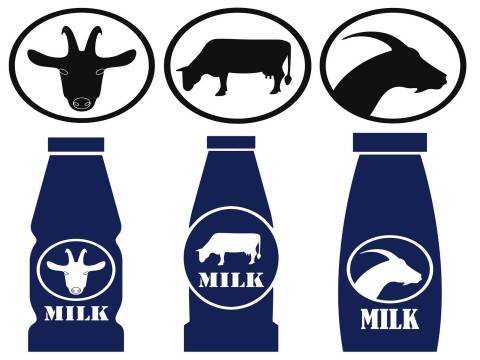
The age of nutritionAdvantages of Healthy Eating: Increased mental acuteness Resistance to illness and disease Higher energy levels More strong immune system Faster recuperation times Better management of chronic health problems Eating Obstacles for Seniors:  Lifestyle changes: Lifestyle changes can be an eating obstacle. For example single seniors may not know how to cook or may not like eating alone. Activity level: Seniors often cut back on activity for physical and medical reasons. Weight gain can result from the decrease in calories burned. Metabolism: Every year over the age of forty, our metabolism slows down. This means that even if you continue to eat the same amount and kinds of food as when you were younger, you're likely to gain weight because you're burning fewer calories. In addition, you may be less physically active now. Taste and appetite: The senses of taste and smell diminish, so one may be inclined to season one's food more heavily than before even though seniors need less salt than younger people. One may struggle with loss of appetite due to lifestyle, loneliness or a medical condition. Health Issues: Physical ailments and prescription medications, become a daily exercise, and ends up often negatively influencing appetite. Digestion:Due to changes in your digestive system, you generate less saliva and stomach acid as you get older, making it more difficult for your body to process certain vitamins and minerals, such as B12, B6 and folic acid, which are necessary to maintain mental alertness, a keen memory and good circulation. Emotional Factors: Emotional factors such as loneliness and depression can affect your diet. For some, feeling down leads to not eating and in others it may trigger overeating. Specific Nutritional Recommendations for Seniors: Some important guidelines for seniors include Reduce sodium (salt) to prevent high blood pressure, Monitor fat intake in order to maintain healthy cholesterol levels Consume more calcium and vitamin D for bone health Eat more fibre-rich foods to prevent constipation Cut back on sugar and on dry foods Ensure getting recommended amount of important vitamins and minerals Increase water intake, and Perform regular physical activity Eating well as you age is easier than you think: Focus on good carbohydrates. Opt for whole grain nutrition (brown rice, whole wheat bread, rolled oats, barley, and millet), not refined "white" products, such as white bread, white rice, or products made with white flour. To manage weight and maintain optimum health, focus on eating efficiently. This means choosing foods that maximize nutritional value, not calories. Whole, natural, fresh foods such as fruits and vegetables, whole grains, nuts, legumes, healthy sources of protein (poultry, fish, eggs, and tofu) and dairy products that contain calcium constitute efficient eating. Highly processed and refined foods usually contain more calories and fewer nutrients. Raw equals roughage! Aim to eat at least one daily serving of your fruits and vegetables raw. This not only preserves their nutritional value, it's an easy way to eliminate constipation. Steaming is the best way to cook vegetables; it preserves nutrients. Light sauting is next. Bone up on calcium. All dairy products are not created equal. Milk, cheese and yogurt retain their calcium content; cream cheese, cream and butter do not. As part of a healthy senior diet, choose fat-free or low fat dairy products. Choose first-rate fats. Get your "good" fats from oils such as olive oil and sunflower oil, avocados and avocado oil, nuts and seeds. Keep it moist. In addition to drinking enough water each day, aim to consume foods with high water content. Staying properly hydrated flushes toxins from your body, relieves constipation, helps keep your joints flexible and your mind clear. High water content foods include melons, grapes, cucumbers, onions, apples, cabbage, and, of course, soup.

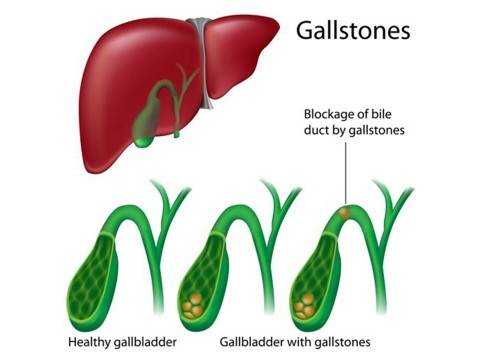
Bile block - Understanding gallbladder problemsRavi was a young intern working the night shifts in a government hospital when he was asked to examine a patient who had just been brought in. The patient was a 45-year-old, a fat man, who was complaining of pain in the right side of the abdomen along with nausea and vomiting. On inquiry it was revealed that he had eaten a very heavy fat-laden dinner. Remembering what his surgery professor had taught him about cholelithiaisis, Ravi immediately guessed what the diagnosis could be. He, however, sent the patient for a blood test and an abdominal scan. The reports confirmed Ravi’s suspicions- cholelithiasis, gallstones. The gallbladder is a tiny pear shaped organ that lies just below the liver. It is responsible for storing the bile that is produced by the liver for digesting food. It ensures the smooth outflow of the bile from the bile ducts. When the bile components aggregate in the gallbladder, they build up to form gallstones, similar to kidney stones. The gallstones are usually small enough to pass on to the intestines and be eliminated without causing too much trouble. At times, these stones may be big enough to block the outflow of the bile and give rise to a variety of symptoms depending on the size of the stone and severity of the block. The symptoms include -  Intermittent colic. A bloated sensation with constant nausea. Inability to tolerate fats. Vomiting.  Fever with chills if the stone becomes infected. Gall stones though found in both sexes, is more common in females. The risk factors for developing gallstones include - Diabetes. Organ transplant. Diseases like hemolytic anemia, sickle cell anemia. Liver cirrhosis. Failure of the gallbladder to empty properly, e.g., during pregnancy. Rapid weight and nutrition loss due to any reason. Gallstones are confirmed by a blood test to check the liver function and by an abdominal scan. Medications to dissolve the stones, and surgery in case of large stones that do not dissolve with medications, are the treatment options.
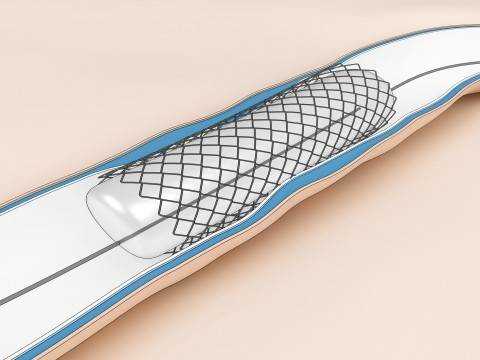
All you need to know about angioplasty!Why would you need coronary angioplasty? The walls of the arteries are being constantly lined with a fatty material called plaque. This plaque increases in certain conditions like atherosclerosis. When the build-up is too high, the artery gets blocked and the subsequent tissue receives very less or no blood, causing it to die. The plaque at times may be dissolved by medicines but if it is too big, medicines prove ineffective. This is manifested outwardly as a heart attack. This is the time when the doctor would recommend the coronary angioplasty as a treatment for you. How is it done? A thin catheter with a deflated tiny balloon at one end is inserted into the affected artery. Once the exact location of plaque build-up is reached, the balloon is inflated causing the plaque to get pushed against the artery wall and creating free space for the blood to flow. A small mesh called a stent may be placed to hold the artery in place. Some stents are coated with medicines that prevent the scar tissue formation following the angioplasty procedure. The procedure may be done as an emergency or it may be planned. If it is a planned procedure: You will have to get hospitalized and stop eating or drinking 6 to 8 hrs before the procedure. Once the procedure is done, the doctor would prefer you staying in the hospital overnight to watch for any adverse events that may happen. What happens after the surgery? The surgery lasts for 1 to 2 hours and you would be allowed to go home the next day. You will be advised not to undergo vigorous and strenuous exercises and to rest adequately. Most people are fit to return to work a week after the surgery.
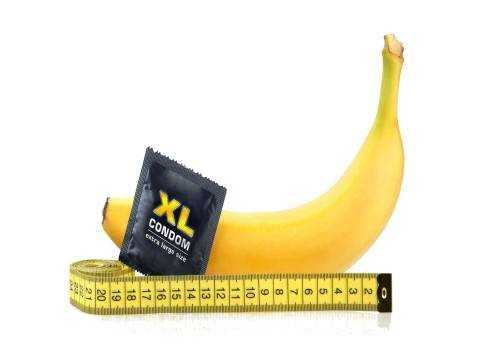
The earlier yearsSexual concerns experienced during the drastic body changes and feelings of adolescence are often carried into adulthood. Sexual desires are powerful and frequently go beyond the earlier popular forms of sexual expression - kissing, hugging and petting without being aware of the consequences. Anxiety the commonest case of erectile dysfunction is compounded by the present life style - get-togethers, parties, with alcohol and drugs, visits to sex workers or massage parlours which offer other sexual services leading to unplanned, unprotected sex. Consequently seen are unwanted pregnancy, abortions, drug addiction, sexually transmitted diseases, anxiety and depression leading sometimes to suicide. Males seem to have more concerns then females. A common concern is nocturnal emission (night fall, Swapana Dosh) of semen and length of penis. Nocturnal emission of spermatic fluid is falsely believed to weaken a person. Really all that's happening is that excess of sperms is being thrown out to make place for the new ones. The length of the penis troubles many. Young people fall prey to advertisements that claim to lengthen it. The fact of the matter is that a penis an erection of 2.5 wide (10cms) is enough for a sexual intercourse for a person who knows the art to satisfy a partner. Ignorance about masturbation is widely prevalent among males of all ages leading to guilt, anxiety, depression and at times to suicide. Older men erroneously think their cause of erectile dysfunction or premature ejaculation is masturbation. Masturbation is a highly pleasurable act in males. It does not harm the body or exhaust the sperms. In fact it is a safe way to satisfy. Females also masturbate but the percentage to men is much less. They also seem more comfortable with the activity. Masturbation has gone through years of superstition fear of ill effects, considered as a unhealthy practice and considered sin by some religions. Fifty or more years ago doctors and activities thought it caused harm to the body. It is said that corn flakes, the popular breakfast cereal was specifically formulated by Mr. Keleog to help a person not to masturbate. Today thinking has changed. It is now thought that it is an activity that does not cause any harm to the body. It does not finish all the vital sperms over the years so that it will not hinder having children in future. Its wide misuse is common. Persons use it indiscriminatingly when they cannot sleep, when they are tense for e.g. before an examination, some do it more than four to six times a day, which only indicates their immaturity. When done to satisfy a natural sexual urge it is a healthy activity. It keeps the person safe from infection and is said to teach the person skill for sexual intercourse. Technology has helped in many ways but sometimes it creates problems. A person hooked on to porno sites to arouse his desire is found to cause a loss of self confidence conflict with the partner sexual intimacy and intercourse. Before marriage or a partnership both male and female have concerns. Females if they have a previous partner but are getting married to another worry about the husband finding out of their loss of virginity, others worry about the size of their breasts, excessive hair on body or excessive fear of pain at intercourse. Men worry about whether their penis is long enough whether their long standing masturbation will hinder intercourse or prevent them of being a father. The absent hymen a false notion for virginity can be congenitally absent, split by exercise like swimming, cycling etc. or most commonly by masturbation. The hymen therefore is no proof of virginity. Learning to do with what they have making full use of their points and feeling comfortable and proud of their bodies help a lot to overcome the concern. Adopting a safe sex policy is best achieved by masturbation; avoiding sex with an unknown person and multiple partners; during intercourse with sex workers not using condoms every time and being careful of oral sex. Satisfying each other by caressing, hugging, kissing etc. with clothes on is safe; without clothes extra vaginal sex by mutual masturbation is safe with a trusted partner and finally not so safe is vaginal intercourse unless done with a condom correctly worn.
Challenges faced by homosexual parentsThe major challenge in front of gay parents is to face society and protect their children from social prejudice and discrimination. Gay people can never have their own children, and hence, often opt for adoption. But, how can a couple, who is discriminated against by society, provide a healthy upbringing to a child? However, in some cases, gay parents are known to have capably given their child, all the love and care and the basic amenities that they need, for a wholesome and proper development. Sexual Orientation and Parenting In the American society, same sex parenting is more common than in other parts of the world. Even then, children of gay parents have to face many more challenges than the children with heterosexual parents. The U.S. Census report of 2000 has reported that around 22 percent gay couples and 33 percent lesbian couples have around 18 children living with them. The trend of adoption amongst gay people has been increasing over the years, despite the overwhelming challenges. According to a report published in June 2012 by the American Psychological Association, no scientific evidence has proven that sexual orientation can affect parenting effectiveness. This means that both lesbian as well as gay parents can indeed provide a healthy and supportive environment for raising their children. Major Challenges The major difference lies in the treatment that the children of gay parents get in society. They have to face discrimination and prejudice from schools, their peers and even within their own families. Gay or lesbian parents on the other hand, face the dilemma of how to explain to their children why they have two mothers, or two fathers. Many people in society, even those with strong educational backgrounds, are of the opinion that being gay or lesbian, is an illness due to which, they are incapable of being adequate parents. There is also a misconception that lesbian women tend to be less motherly than heterosexual women. But no scientific basis has been found to support these beliefs. Although the medical community does not consider homosexuality as a psychological disorder, society continues to have a biased outlook towards gay parents. Are Gay Parents Better than Heterosexual Parents? As of today, nothing can prove that gay partners are not as good parents as their heterosexual counterparts. Moreover, it has been found that people of the same sex divide their workload of raising the child, and hence, the childcare process is more smooth and satisfying. Some studies have even noted that lesbian or gay parents have superior parenting skills. But, again no scientific evidence has proven these observations, yet.
FAQS
T&C FAQS