Home
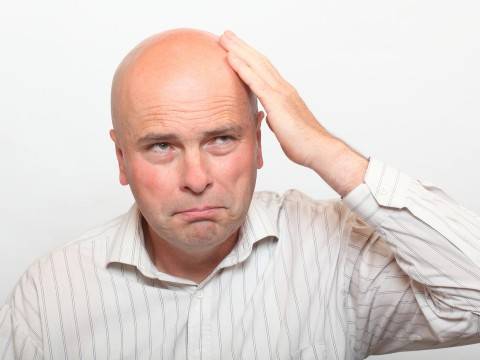
What causes male balding?They say there are 3 types of men: the ones that go bald at the top are thinkers, the ones who go bald at the back are lovers, and the ones who grow bald at both places... only think they are lovers. If pregnancy and menstruation are a female's burden, then baldness is a great inconvenience to men. Some men lose their hair in their youth and thus lose their confidence along with their hair. So what is with baldness and men? Men start having a receding hairline by the time they hit 30, though it could begin in their 20s as well. The most common type of baldness is the mid-frontal type resembling a horseshoe. Earlier it was thought that baldness is caused only by genetic factors, but apparently emotions, lifestyle and diseases also contribute largely to hair loss and baldness. This hair loss can be temporary or permanent. Some medications like anticoagulants, antidepressants, antifungal medicines, chemotherapy etc can cause baldness. Certain diseases like thyroid disease, Crohn's disease, lupus can cause hair loss and baldness. Poor nutrition is an important factor in hair loss. Vitamin and mineral deficiencies along with poor nutrition can pave the path sooner than most other things. Then there are some conditions like Alopecia Areata which cause baldness in patches -- on the head or beard. It is temporary and the hair grow back in about 6 months to 1 year. Corticosteroid injections are used to treat the condition. Air and water pollutants, environmental toxins, conventional styling products have the potential to build up on the scalp. These affect hair cuticle, cause dryness, and weaken the hair causing them to easily break off before their natural lifecycle has ended. If you notice your hairline receding more than usual, then check if you are getting enough nutrition. Exercises like the headstand and handstand send the blood rushing to the scalp and can help with hair growth. Massaging the head with warm oil helps to increase blood circulation as well. Use a shampoo that suits your hair along with a conditioner. Oil your hair overnight at least thrice a week. Keep yourself well hydrated and try vitamin C which can help arrest hair fall. Use a clean comb and ensure that you sun your scalp, as vitamin D is an essential tonic for skin, bones, teeth and even hair.    
Infertility at workplaceSince infertility among the younger age is increasing, it is important that a couple decides an early suitable date to attempt conception. Time and again it has been found that infrequency of intercourse is the cause of delayed pregnancy. It is advisable that the woman has a thorough examination by the gynecologists to identify the ovulation dates and for the man to have a thorough spermatic fluid check.  If both are normal then they could wait for a suitable date later. Should there be a problem the quicker it is attended to better. Also, early in the marriage they should start a fund which could be utilized for matters related to conception. For the male, the main treatment covers his personal sex life and a detailed examination of his spermatic fluid. It is the female who has to undergo many detailed tests and possibly surgeries which are expensive. It is often seen that not only the procedures for both take a toll on their personal and intimate relationship but also severely affect their finances which may come to a point that it does not allow them to complete the treatment as for e.g. the woman undergoing IVF may costs several lakhs of rupees. The treatment of infertility has improved greatly, but interferes severely with the work schedule. Working couples particularly women may have a hard time keeping to their schedules. Depending on their infertility diagnosis, many workplace challenges exist including the need to take time off to undergo tests and other appointments. It is difficult to balance the medical and surgical procedures with daily life and work. This is a difficult issue for many people as they fear their employer may discriminate against them for taking time off from work. Sadly in India there are very few employers who include medical benefits and cost of treatment for infertility. Suggestions have been given on stress dealing with infertility treatment and work. Here are few pitfalls to avoid: Do Your Homework: Review your organization's HR policies so you understand the amount of leave you have and other policies that pertain to your situation. You may be able to arrange for flex time or work from home on the days of your appointments, so that you do not actually miss any work. Be Honest:  Go to supervisor and let her or him know that you will be using your leave time and will give as much notice as possible. Honesty is the best policy. Remember people are inherently curious about the disease of infertility. If you feel the questions are invasive and make you feel uncomfortable, remember you do not have to answer the questions. You can respond nicely and let them know that you appreciate their concern but you are not ready to answer any questions. Your co-workers are asking question because it is human nature to be curious. In conclusion, not everyone needs to know what is happening with your reproductive health. At work place should medical help be available do take advantage of it.  This treatment has nothing to do with your performance at work. Go to work feeling confident that you will be able to perform your job and handle your workload during this time.
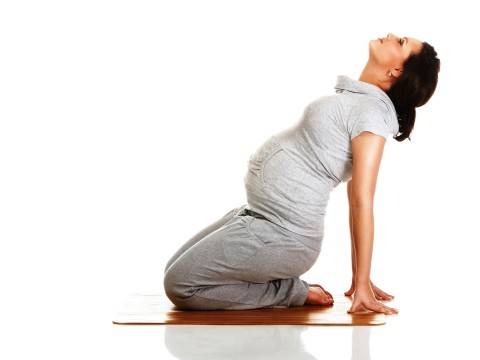
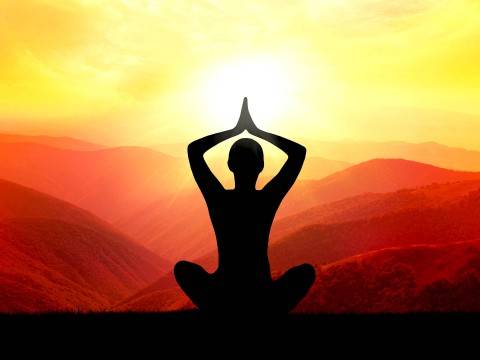
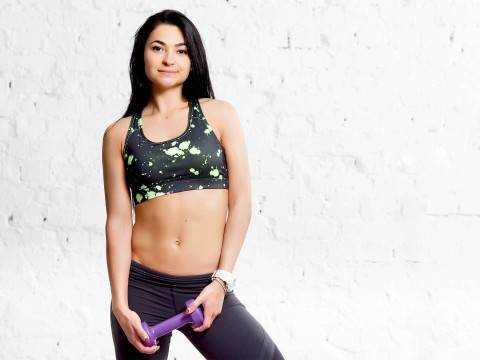
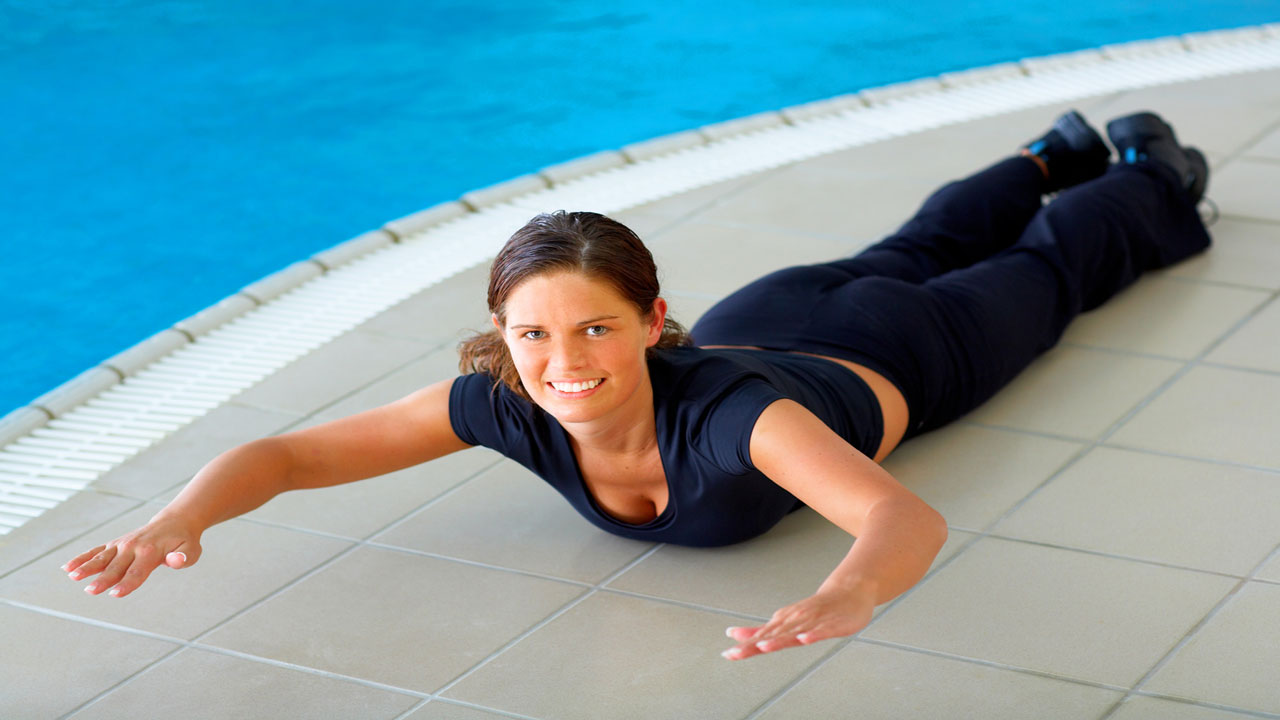
Inspiring fitness goals for womenBeing fit comes with the benefit of enhanced mood and lowered hormonal rages. Coupled with right proportion of sleep, hydration, and a job you love, you will be nearing towards a perfect body. Goal 1: WorkOut Your Body to A Song! Make a playlist of all the songs you love and choose to execute your regime through it. Goal 2: "Be Yourself" Challenge Holistically develop your body by acknowledging what you love to do. Choose a sport that you love and join a group. If you love animals, then walk your dog which will let you lose weight and enjoy the company of pets. If painting or photography interests you, then trekking along landscapes of beauty should be your weekend getaway. Goal 3: Become the Hourglass with 1-Month Workout Regime Evaluate your body type and create a month-long regime to gradually progress towards animpeccable body shape and continue it beyond the initial 1 month. Start with small steps and do not go in for crash diets. Choose healthier snacks. Add a bit ofsleep to your daily dose in case you tend to sleep less. Begin with 15minutes of workout containing exercises recommended by your trainer to suit your body. Goal 4: Be the Health-Smart Mom! Lose the extra pounds you brought on during pregnancy and set a role model for your children. Go to the park with your children and play games with them. Pick up sports that you all can share and do together! Goal 5: The Yoga Guru Pick up yoga and start from the first step. Did you know that the initiation of anyone into the system of Yoga occurs through stage of Yama? Yama refers to the ethical principles that will guide your life while you move towards taking control of your life. The five Yamasin yoga are non-violence, truthfulness, non-stealing, celibacy, and non-possessiveness. They form the ground for your body to start on a healthy path. Move yourself towards following these principles and pick up the following asanas (body-postures) to lose weight: setu band (the bridge pose), bhekasana, dhanurasana, shalabhasana, chakki chalan, nauka chalan, and sarvangasana. A healthy lifestyle is the framework for any fitness goal. Do not go for unrealistic or transient goals. Start by making preparatory changes in your lifestyle: Lower your junk food intake, sleep adequately, drink at least two liters of water daily and hydrate your body sufficiently. Goal 6: Going Back to Nature Plan a trekking trip to your dream destination and walk your fat away. Bring back home a healthier body and a more peaceful mind. Goal 7: Master Your Body Make a journal of all activities you do in a day. The intention is to become aware of your habits that might be hurting your body unknowingly. Trace habits like binging on a snack while watching TV, sitting in a bad posture while on the desk and reading a book at a dimly lit place may be few pointers. This is a long-term challenge (4 months) to bring your body under your control through self-awareness. Goal 8: Green Regime Go for a diet which involves vegetables, fruits, and grains. Detoxify your body by being off junk food for at least two months. Goal 9: Bony to Healthy Increase your weight to become the inspiration for underweight people and guide them towards a healthy body. Goal 10: Run for the World Join marathons and runs for different social causes. Commonly known as 'Run for a Cause,' be the torchbearer to a certain cause by joining organizations that work on the same and initiating a run or marathon. This will not only prepare your body and move it towards healthy living; you will also be doing your part for the others.
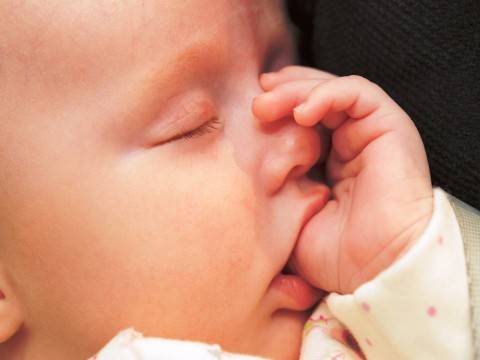
Bonding with the babyIt is an immense pleasure to hold a baby in your arms, isn't it? The bonding between amotherand her baby starts within the womb itself. When the baby is born, a few parents bond with the baby within minutes. But for others this may take some time. If the baby is taking time to respond to your affections, don't worry, here are some tips to help you with the bonding. Babies respond to the mother by making sounds, grasping, smiling, or crying. Touching, holding, kissing, cuddling, talking and singing help build a bond with your child. Infants prefer a human face to any other stimuli. So face your child as much as possible. The attention span of a new born baby is quite short. Hang a colorful object on top of the pram, cradle,or cot. Your baby already likes toys of different shapes. Various reflexes develop by the fourth week after birth. These include sucking, grasping, searching for the nipple and blinking. Baby may gaze at you some time. Respond by nodding, smiling, and talking to the baby. Babies are sensitive to their surroundings. They respond to music or the phone ringing by staring at it quietly. They observe toys keenly, spot colours and become happy at times. These are heart warming moments for the parents. Father's care usually builds a protective and secured feeling in a child which he carries for life and prevents building of any unreal fears in him in later life. So dads should care for and make their babies feel secure. You love to touch your bundle of joy, right? Babies love, enjoy, and need it as well. Skin-to-skin touch helps growth and development of the child. Mom's touch soothes the baby when he is irritated. Start reading to your child. It is never too early. It helps the development of reading skills and language. Babies enjoy pictures in the book. Even if baby can't understand words, they love to hear the parents' voices. During the first few months, they understand little of it, but they are thrilled by listening to you. Have a short reading session with your child daily.Dads can try this trick to make the baby sleep. Carry her around while patting her very gently on back.
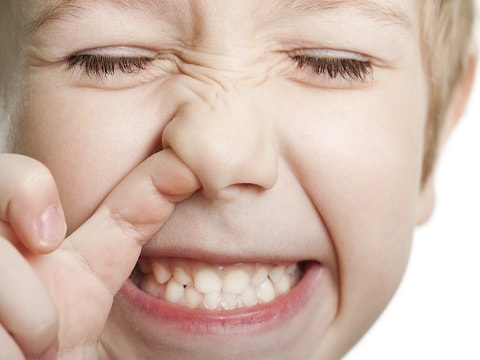
10 unhealthy habits in kidsNowadays, parents are too engrossed with their professional lives, and hence are unable to pay enough attention to their kids. Kids may develop unhealthy habits as a result of this neglect. Parents need to take conscious efforts to inculcate good habits in their children. Here is a list of unhealthy habits in kids, which you need to break immediately. Not drinking enough water It is very important for kids to keep their body hydrated in order to keep their skin supple and cool down the body's temperature when it's hot. Water also allows muscles and joints to work better and helps cleaning out toxins from the body through the kidney. Staying hydrated helps keep the memory sharp and the mood stable. Encourage your child to drink water before he/she even feels thirsty. Snacking on junk food Kids relish junk food. Unfortunately, there are endless options when it comes to junk food. This can cause childhood obesity and lowers the energy levels. Junk food cannot meet up the body's requirement for nutrition and vitamins. Hence, children must be encouraged to snack on healthy and tasty food like fruits, whole grain breads, or fruit breads. Missing breakfast School going kids often skip their breakfast in order to reach school in time. Skipping breakfast increases the risk of being overweight. It also leads to a loss of concentration and making bad food choices later in the day. Parents must wake their kids early, so that they have time for a healthy breakfast. Spending too much time sitting Technology has been a boon in some ways. At the same time, it has made us lazy. Watching TV and playing video games seem far more attractive to kids than outdoor games. Kids become less active which leads to various health problems, such as getting obese, becoming lazy, lacking of stamina, losing concentration and good eyesight. Parents should encourage their kids to participate in sports at their school or play various outdoor games with other kids. Not having proper sleep Falling short of sleep should be a big no to kids. Lack of sleep affects the immune system, and also causes loss of concentration, headaches and heart-related problems. Get your kids to sleep around 7-8 hours every night. Overdosing on sugar Kids have particular preference for sweet foods. But added sugar in various desserts and snacks provides a lot of calories and lacks nutritional values. Limit the sweet intake of your child, but don't force them to completely give up on it. Refusing to eat green vegetables Children generally don't like to eat green vegetables. They prefer to have chapati with jam or cheese. But that doesn't fulfill the body's requirement for vitamins and minerals. Try to cook green vegetables in different forms and make it look and taste yummy. Give them various choices of green vegetables cooked in different styles. Nail biting Though nail biting doesn't cause severe health problems, it could result in milder diseases such as diarrhea, cold, viral infections, pin worms, and food poisoning. Keep the nails of your kid clean and try to control their nail biting by explaining to them the ill-effects of nail biting. Not playing outdoor games Not playing outdoors impairs a child's social skills, as well as hampers the development of healthy body. It also causes deficiency of vitamin D. Try to encourage and accompany the kids for playing outdoor games. Eating without washing hands Kids play outside and touch various objects and surfaces, which may have lots of bacteria and germs. When they eat something with the same dirty hands, the bacteria and germs enters their body and may cause food poisoning, viral infections, and stomach aches. Keep a hand sanitizer or good hand wash at home and encourage your child to wash his/her hands before eating anything.
Anxious about anxiety?Anxiety disorder is a term that almost everyone has heard and experienced in some form or the other. It is a generic term used to describe different forms of a mental disorder wherein those afflicted show typical characteristics of great apprehension, fear and trepidation. The symptoms, of course, vary depending on the severity of the affliction. So you can have 'anxious moments' when you narrowly escape an accident while driving - that's temporary and natural, while some others might have chronic anxiety which might need medical aid. Types of anxiety disorders Generalized anxiety disorder: There is no specific reason for the symptoms of anxiety i.e. restlessness, apprehension, worry, and panic. Thus the term general anxiety disorder (GAD) is any irrational worry which is disproportionate to the source of anxiety. GAD is a state of perpetual irrational and persistent fear which absorbs a person's time or can disrupt his normal functioning. The symptoms of GAD are light headedness, sweating, difficulty breathing, nausea, and numbness. Phobias: Phobias are an irrational morbid fear for certain things or objects. The list of phobias is exhausting as it is anything that a human being is capable of being afraid of. Thus you have arachnophobia which is the fear of spiders, homophobia, which is the fear of homosexual people orxenophobia,the fear of foreigners. Phobias can completely paralyze and terrorize a person and is a form of anxiety disorder. Obsessive compulsive disorder: This is the classic loop where a person is afraid of certain situations arising constantly and thus takes precautionary measures to ensure that it won't. Only thing is that this turns in to a compulsive ritual which can throw her in a loop. Thus a person can be said to have OCD if she persistently checks to see if the gas valve is off as she has a fear that she will set fire to her home. It is a particularly distressful anxiety disorder. Post-traumatic stress disorder: This is anxiety arising out of a traumatic incident which the person undergoes. It could be a horrific accident or an extremely brutal incident which the person has witnessed. The trauma is revisited again and again in the mind and manifests as anxiety. This disorder is based on real events that the person has experienced or undergone and can take a long time to heal. Panic disorder: This is characterized by panic attacks or episodes where great terror or discomfort is experienced. It is a very unsettling experience as the patient feels he is about to go unhinged or something dangerous or embarrassing is going to happen to him. Thus the sensation or feelings of panic build up and reach a crescendo resulting in a panic attack. Sometimes in a panic attack, the patient's reality and perceptions are distorted and blurred and can thus put him in danger. According to the National Institute of Mental Health there could be a number of reasons for anxiety disorders. They vary from early childhood environment to lifestyle causes, heredity and even environment.    
Building self confidence by improving body languageSo what have they told you? That only physically attractive people have the right to self-confidence? That you either have it in you or you don't? Let's face it, confidence is the key to anything and everything. Right from driving a car to handling work to dating, confidence is what separates the proverbial wheat from the chaff. What you need to remember is that the mind speaks the body language. Conversely if you change your body language, then it has an impact on the mind as well. Mr.Hunched Over This guy is the classic example of a person who just doesn't like himself. The world is a mighty dangerous place for him. Just look at the way he walks. Shoulders all hunched over, head down as he shuffles rather than walk. Mr. Hunched Over generally finds it difficult to look people in the eye as he speaks and he last is handshake is as limp as his mind. He crosses his arms tightly, touches his nose all the time to see if it has grown since he lied through it. Mr. Walk the Walk and Talk the Talk This chap is diametrically the opposite of the first kind. He exudes an air of confidence in his walk, manner and speech. He has a confident stride which is helped by the fact that he stands to his height with his head held high, chin tucked in and shoulders squared back. This is what gives him the confidence as this posture is designed for efficiency. Mind you, he isn't ram rod straight, just straight enough so that his ears are in line with his shoulders and hips. The chest is also out since the shoulders are drawn back towards the hip. This facilitates deep, even and diaphragmatic breathing which prevents anxiety. His hand shake is firm. As he offers his hand, he exerts just the right pressure on the other person's hand to indicate a strong grip. This is no wrestling bout, so the confident man always exerts just the right kind of pressure in a hand shake.  He maintains eye contact with the person he is talking to; not a staring about, but normal eye contact, one which won't make the other person conscious of being stared at. He looks away from time to time to give his eyeballs a rest. This is why he comes across as genuine and not shift eyed and restless. To be Mr.-Or- Ms. Walk the Walk Always square your shoulders and keep your head held high when you walk. You might seem imperious or high handed at first, but then it will work wonders on your self-esteem and you will begin to feel differently about yourself. You needn't even be a tall person to come across as cool and confident-just stand up to your own height and see the miracle. Breathe slowly steadily and deeply. Use your abdominal muscles to draw in your breath rather than engaging your neck muscles which end up making you a shallow breather and plus you also tend to hunch easily if you don't feel your rib cage and stomach expand as you breathe in. Practice standing and speaking in front of the mirror. It will show you exactly how you appear to others. Practice your walk in front of a video camera and keep a record of your metamorphosis.
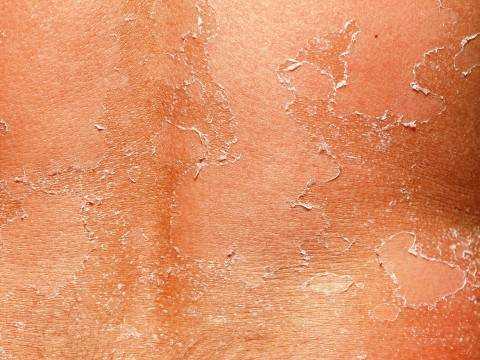
Sunburn: Overview and treatmentSunburns could also be accompanied by allergic responses to medicines, exposure to sun and sunscreen products, sight-related issues like reduced or complete loss of vision, as well as heatstroke. Over a long period of time, frequent cases of sunburn can result in cold sores, cataracts, skin cancer, and lupus.  The factors which will decide the vulnerability to sunburns are: Type of skin - The type of skin determines the vulnerability and intensity of the sunburn. The most vulnerable groups are those with freckled and fair skin as well with blonde or red hair. Regardless of the color of the skin, all skin types are vulnerable to skin cancer and proper sun protection must be used during times of sun exposure. Season - Summer days carry with them a higher probability of burning the skin. UV Index - This refers to the forecast of the strength of UV light on a particular day. This will let you know the cautionary measures you need to take in order to avoid skin damage. This is put forward on a scale of 0 to 11+ with 0 being the lowest exposure. Latitude - As you move to locations closer to the equator, the sunlight directly passes through the atmosphere to a greater extent. Age - Those who are younger than 6 years of age and those over 60 years are at a greater risk of getting sunburns. Altitude - As you climb higher and higher, the chances of sunburn are also greater since the amount of Earth's atmosphere to keep away the sunlight reduces. Every elevation of approximately 1000 feet, the UV exposure is amplified by about 4%. Location - If you are close to reflective surfaces like snow, water, ice, concrete and white sand, rays of the sun which get reflected off these might harm you. Time of the day - The rays of the sun are strongest between 10 in the morning and 4 in the evening. Though, the probability of getting sunburn are lower on cloudy days, it is possible for the UV rays of the sun to pass through the clouds and negatively affect your skin health. Here are the precautionary steps you can take to avoid getting sunburn: Avoid staying in the sun for a long period of time. Make use of sunscreen and choose clothing which cover your skin. In case you are suffering from sunburn, here are ways to treat it: An over-the-counter pain reliever: In order to lower the inflammation and relieve pain, use ibuprofen or aspirin. Anti-inflammatory condiment: Cortisone cream and aloe vera are two primary ways of reducing the inflammation. Cool bath: Take bath for about 10-20 minutes in water of cool temperature (make sure the water is not too cold). This will cut back the pain and irritation in affected area.  Do not use any bath oil, soap or detergent as this might increase the chances of allergic reactions and irritation to the injury. When drying yourself after the bath, do not rub with towel. Cold compressions: Try application of cold and wet compressions on the concerned region for about 20-30 minutes. Adequate hydration: Make sure you drink at least 8-12 glasses of water to help your skin to recover from the sun damage. Moisturizer: Once your skin begins to heal, use a gentle moisturizer without any scent. Blister treatment: In case you have blisters, do not try to pop them. This will lead to infection and marks.However, if you have large blisters which require to be drained, then pop them using a sterilized needle. Follow this by cleaning the area dry with gauze. After applying ointment to the area (Aloe vera or antibiotic ones like bacitracin and polymyxin B), wrap the area loosely using a gauze bandage. Make sure you do not tie it tightly and change the gauze daily to avoid infection. Medical attention: In case you feel nauseous along with fever, rashes and chills, then make a visit to the doctor. The following symptoms also require you to seek medical attention immediately: Pain in eyes with sensitivity to light, dizziness, high thirst without proper urination, painful blisters, and pale/cool skin.
Beating the weight loss plateauThere comes a stage when you stop losing any weight in spite of strict exercise and diet regimen. This is called as weight loss plateau. When calorie intake is reduced along with exercise, the energy required is obtained from stored fat which eventually leads to weight loss. This rate of weight loss slows down and eventually stops once body reaches its set point of metabolism. This set point varies from person to person. So what can you do next? Here are some easy ways to get the weighing scale budging: Modify diet pattern: Metabolism slows down with lowering calorie intake. To reset metabolism, you need to have an adequate amount of calories. This can be done by including fruits and vegetables, whole grains, and proteins in diet. More energy is needed to burn proteins than carbohydrates or fats. Eat within half an hour or hour after exercising. Add proteins and carbohydrates to diet. Sip water: Increase total water intake in a day. Drink water before, during and after exercise and throughout the day. Change the workout: Change the exercises you do daily. Muscles get accustomed to a routine workout. Switching exercises and continually challenging helps burn more fat and build lean tissue. Change the type and time or duration of exercise. Try cycling instead of running if you have been doing it for long. Running, swimming, dancing, and Pilates too are good options. Skipping and brisk walking help in burning calories too and break the plateau. In the gym, change the exercise or number of repetitions. If you have been working on machines for long, try weight training or floor exercises. Take rest: Adequate rest is essential for the body to rejuvenate. Muscles, tendons, and ligaments get slight internal and external injuries which can be healed by rest. Proper rest helps repair and regenerate the tissue and makes them strong. Make these changes and get the needle on that weighing scale to budge.
MigraineA Severely painful persistent headache can put anyone in distress. Migraine symptoms vary from person to person. Some people get intimation before the pain begins. It can be sparkling flashes of light, blind spots, or distortions. Some others experience tingling or "pins-and-needles" sensation in hands or face. This is called an aura. The headache begins within 30 minutes of seeing an aura and may last for 4 to 72 hours. Extreme sensitivity to light, noise, smells, nausea and vomiting, loss of appetite and fatigue, numbness, tingling, or weakness are all-common in migraine. There is no permanent solution to migraines. People suffer for years together and keep on taking painkillers for a long time. Pain killer helps only if taken right at the beginning of the headache. Keep a watch on things that trigger the migraine and try to avoid them. Make some lifestyle changes that can help prevent migraines to some extent. Taking good sleep. Lack of sleep can cause migraine. Appropriate hours of sleep as a routine will help to prevent the attacks. Regular meals at fixed time help to prevent migraines in people who get headaches due to hunger or not eating on time. Regular exercises help to rejuvenate the body and prevent migraines along with many other diseases. Stress is another important cause for migraines. Avoid stress. Learning to manage it will keep migraine at bay. Caffeine triggers migraine in many. Avoid caffeine. Reduce it if quitting is not possible. Limiting alcohol will again be very beneficial as alcohol and hangovers can be the cause. Meditation and relaxation therapies may also help prevent migraine headaches.  
A quick guide to high blood pressureWhat is blood pressure? Blood pressure is the force or pressure exerted by blood on the walls of arteries while flowing through it. What is normal? A blood pressure value of 120/80 mm Hg is ideally said to be the normal. The upper value (systolic) reads the pressure when the heart beats (squeezes to pump the blood). The lower value (diastolic) computes pressure at rest in between the heartbeats when the heart refills with blood. What is hypertension or high blood pressure? The condition in which the pressure of blood in the arteries is persistently high.More the pressure, harder the heart has to work to pump the blood. The prolonged and too high blood pressure (BP) raises the heart's work persistently and can lead to grave damage to the arteries. This eventually leads to uncontrolled high blood pressure raising the risk of heart disease, stroke, and kidney disease in the long run.A blood pressure above 130/90 mm Hg is said to be high. What are the symptoms of hypertension? Hypertension can go unnoticed without any symptoms and thus remain untreated for years altogether. Thus, it is also called as silent killer sometimes. What causes hypertension? The cause of hypertension is unknown in most of the cases. Sometimes, hypertension occurs secondary to kidney disease or adrenal gland disease. Who are at risk of getting high BP? The risk of developing high blood pressure is more in people above the age of 45, those who have close relatives already suffering from hypertension, and who have history of diabetes, Many people consistently have blood pressure above normal, yet not so high to be called as hypertension (130-140 /80-90). These people are at more risk of developing hypertension. Is salt and blood pressure are related? Sodium content of salt causes water retention thus putting more burden on heart and raising blood pressure. So watch the foods you eat for sodium content and stick to a low-sodium diet. Stress and high blood pressure Stress can increase the blood pressure, but no scientific facts to suggest that it causes hypertension. Stress can lead to addictions, poor diet, lack of sleep which can indirectly contribute to high blood pressure and heart disease. Obesity and hypertension Obesity strains heart and raises the risk. Losing every kilo makes a huge difference. Alcohol  Alcohol can surely raise blood pressure and limiting it mandatory. Pregnancy and hypertension High blood pressure during pregnancy is called as gestational hypertension. It can cause serious complications like preeclampsia. It can harm both the mother and baby. It can compromise oxygen flow to the baby. The blood pressure normalizes after child's birth. Medicines and hypertension Some medicines, like pain killers, birth control pills, steroids, flu medicines etc. can cause the blood pressure to rise. Be careful with the medications. Avoid over-the-counter medications and take doctor's advice before consuming any medicine. "White coat" phenomenon Some people show high blood pressure in doctor's clinic due to nervousness. This is called as white coat phenomenon. These people are at risk of developing high blood pressure. Kids and hypertension Kids who are obese and have a family history are more at risk. How to control high blood pressure? Eat healthy: Eat more fresh fruits, vegetables, whole-grain foods, low-fat dairy products, and nuts. Say no to sweets, saturated fats, and excess salt. Exercise: Regular physical activity lowers blood pressure. Atleast 150 minutes of exercise per week is essential. Activities like brisk walking, swimming, cycling or gardening, all count. Reduce stress: Add yoga, meditation, deep breathing. All have proven to lower the blood pressure and keep it normal. Hypertension is usually a chronic life-long condition. It's very essential to take medications, make lifestyle changes and regularly monitor blood pressure. Keeping it under checkwillreducethe potential riskof heart disease, kidney diseases, and stroke.
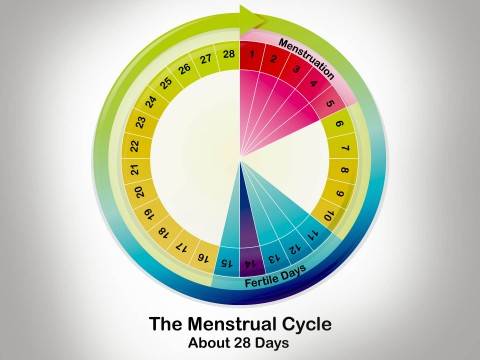
Know your safe period for low-risk sexNot every act of sexual intercourse will result in pregnancy. There are days when your chances of conception are very high and days when the chances are almost nil. Know these days to help you enjoy a rocking sex life! The menstrual cycle starts from the day the bleeding starts and ends about 28 days after that, on an average ovulation occurs around 14th day of the menstrual cycle. The 14th day is the ideal day theoretically. Since every woman's menstrual cycle differs, the day of the ovulation also differs. Hence doctors calculate the fertile period as the 12th day to the 18th day of the menstrual cycle. This is the period when the chances of ovulating and hence getting pregnant are very high. The 1st to the 7th day and the 19th day to the start of the next cycle are the days when the ovulation chances are very less. This means if you make love during these days, there are very less chances of getting pregnant. This is the case with women who have regular period cycles. In case the cycles are irregular, then you would need to do a bit of math for calculating the safe period. For example, if your shortest cycle is of 26 days and the longest cycle has been of 31 days, then- 26-18= 8 and 31-10=21 The 8th day to the 21st day are the fertile days; 1st day to the 7th day and then the 21st day until the day the next cycle starts are the days that are safe to enjoy sex without fear of getting pregnant. Opting to have sex during the 'safe period' isn't fool-proof though. A lot of women have irregular cycles and the cycle length can vary from women to women. That's why the so-called 'safe period' is, in truth, not that safe! And it's better to use condoms or other contraceptive methods like the oral pill to prevent unwanted pregnancies.
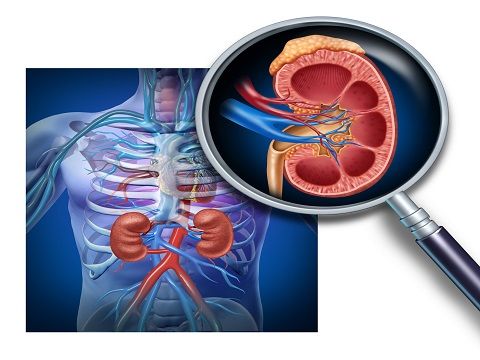
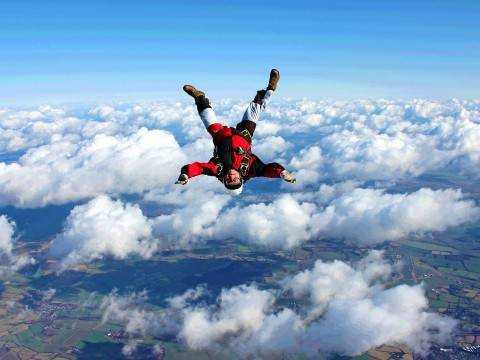
Adrenaline rush - Feel it inside!Imagine yourself at a great height, either scaling a dangerous cliff-hanger of a rock face or on a bungee jumping platform. Some of us who have had the pleasure of doing high adventure sports like racing or indulging in perilous activities like giving out an acceptance speech for the first time are well aware of that strange feeling in the solar plexus, the clammy hands and intensely thudding heart, and the rush of blood to the head just as you are about to take the plunge! The heart beats faster than ever, breathing goes rampant, the senses seem to become supercharged, and the fear, the joy, and the excitement meddles with the mind. That’s adrenaline rush! So what do you want to do? Fight? Or flight? Either ways, adrenaline does it for you. Speaking medically, the two small adrenal glands on top of the pair of kidneys release a magic chemical that gives the animals way towards the fight-or-flight response to counter certain high-intensity situations, called adrenaline or epinephrine. The chemical entity is a hormone, a neurotransmitter as well as a medicine and is too complex to explain its behavior. However, when it works the heart pumps out the blood to the excited muscles and all the juices surge up inside the body. There is more to this topic than just the physiological mumbo-jumbo. The hormone acts every day in the normal course of life, but not regularly to the extent when it produces side effects such as shakiness, palpitation, high anxiety, and profuse sweating! Thats kept for special situations like physical threat, excitement, bright lights, noise, and really high temperature – in good or bad ways. Let us surf through some of the rewarding and a few of the nasty situations where the jolting juice takes charge of our body! The Good ones: Countering Stress: In extreme stress conditions like accidents or fracture, the body needs to react fast and is at its highest awareness. Adrenaline keeps the muscles up and kicking to help the victim fight with the stress. High Energy Requirement: In majority of sports, more specifically in contact sports like Rugby, Boxing, Mixed Martial Arts, etc., the player needs to be in his full sense and topmost concentration level. The adrenaline rush runs in the background to keep them at their extreme self. The Push Mode: Often the daily chores aren enough to excite us and we tend to search for some adventure. In such pursuit of excitement, there are times when the road is a dead end or there is only one way forward – the impossible or most difficult one! The hormone pumps the brain both ways with fear and with the push to conquer the fear and proceed. Adventure Sports often sounds fun, but at times when running ahead of a raging bull, or hanging off a cliff, or rafting down the rough waters of a cascade – feels like the heart shall come out and scream!! It is the rush of adrenaline that keeps one ahead of the fear and explore the high-energy fun of winning over it. Life Saving Moments: In cases of life-threatening emergencies such as drug overdose, cardiac arrest, or pulmonary failure, where the heart and lungs suddenly cease to function and the body gets into a shock –– the epinephrine shots are considered as a life-saving medication to bring the patients back to life (only to be used judiciously by a qualified medical practitioner). The important medical use of adrenaline is in treatment of acute anaphylaxis and allergies under medical supervision. The Bad Ones: Disorders of the Adrenal: Tumors and cancers of the adrenal gland can cause hyperactivity of this high-performance hormone affecting the normal functioning of the heart and the blood vessels by increasing heart rate and creating anarchy in the body systems. Over-Stressed Adrenaline Rush: The demand-supply mismatch in the present world scenario requires one to perform at his/her epitome of mental and physical strengths. In that constant urge of performance, the brain and the body is stressed out so intensely that the adrenaline surge symptoms are experienced by the individual even in the absence of threatening situations. Sudden sweating of palms, shortness of breath, pounding heartbeats, or chest pains without a justifiable reason can be a result of constant stress.

FAQS
T&C FAQS