Home
Make no bones about this - Men have osteoporosis tooOsteoporosis is a condition in which the bones of the body lose their strength gradually and become thin and brittle. This is most commonly seen in women who have attained menopause. The reason being the decrease in the hormonal levels, particularly estrogen. Studies reveal that 20% of sufferers are men. Falling levels of testosterone are one of the causes for men developing brittle bones. Men's bodies convert some amount of testosterone into estrogen, which is very essential in maintaining the bone mass. Genetic deficiency of the enzyme that helps the conversion of testosterone to estrogen also is a major factor for men developing osteoporosis. Calcium and vitamin D play an important role in developing the bone mass and in helping the bone grow. Exercising helps too. When you exercise, the muscle gets pulled and the bone responds by growing. Too much of indoors and sedentary work may make men get the less of all three and it eventually leads to weak bones and osteoporosis. Studies reveal that 20% of sufferers of osteoporosis are men. Certain medications like anti-seizure drugs, drugs for prostate cancer and steroids have side-effects that make it impossible for the body to use vitamin D. Using them for a long time reduces the bone mass density and leaves the bones brittle making them easily prone to fractures. Smoking is a vice that has to be quit for more reasons than one. An analysis of several major studies on the effects of smoking shows that smokers have a 55% higher risk of hip fractures and low bone mineral density than non-smokers. Nicotine has also shown to have a direct effect on bone cells. A long list of medical conditions like diabetes, rheumatoid arthritis, and digestive and blood disorders can take a toll on your bones. Long term medications for the same also have side-effects on the bones. How to prevent osteoporosis? Exercise- As young boys, men have usually been exposed to a lot of bone building exercises through sports. This helps in building up on the bone strength and comes in handy in the later years. A brisk walk for 30 minutes 5 times a week and moderate impact exercises help in maintain the bone mass and reduce the thinning of bones. Calcium intake- The daily calcium needs for men is the same as women. Hence, the dietary recommendations remain the same too. 1,000 mg of calcium a day from ages 19 to 50 and 1200 mg of calcium a day if you're over 50.Along with this, make sure you get the required dose of vitamin D too, so that the calcium you eat is absorbed properly. The standard recommended dietary allowance is 400 IU. Some doctors advise to increase the intake to 800 IU. Regular medical checkups will help you to know beforehand about the risk factors and the necessary precautions you will need to take.Osteoporosis in men is as much a reality as in women. However, there are ways to avoid it too. Awareness about the condition and about the ways to prevent it can help keep osteoporosis at bay. Bone mass matters. It could mean the difference between a hip fracture later in life - or keeping an active, high-energy lifestyle.
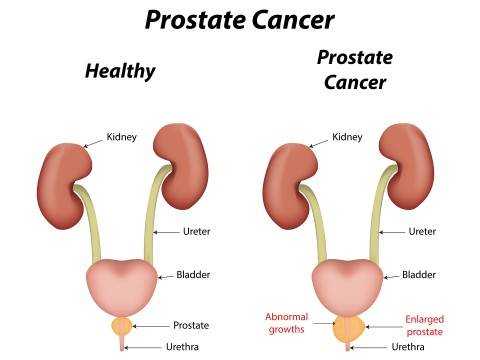
Weight gain and prostate cancerOne of the hormone therapies involves increasing the production of LH-RH. Luteinizing Hormone-Releasing Hormone (LH-RH) is a hormone which is produced by your body. This lessens the production of testosterone. The drug given induces the generation of this hormone. One of the side effects of this therapy is weight gain. Along with this, breast pain, hot flashes, nausea, and growth of male breast tissue might occur. Apart from hormone therapy side effects, the presence of fatigue can also stop a patient from regularly exercising, thus, resulting in gaining weight. However, it is important that this weight gain is averted as the chance of cancer returning is a possibility. You can keep your weight in check by following these tips: Ask your doctor if your hormone therapy can lead to weight gain. If you receive an affirmative answer, then ask for a diet chart to be followed. You can also keep a food and activity journal to get an idea of how your body is reacting to the treatment. Inculcate physical activity in your schedule. This will not only help to reduce fatigue, but also keep at bay the chances of becoming constipated or feeling nauseous. Medical studies have shown that cancer patients must have at least 2-1/2 hours of moderate physical exercise per week. Have about 2.5 cups of fruits and vegetables every day. Also, shift to whole grain food items. You should also consume at least a cup of legumes, for example, beans, to keep up your protein levels. It is best to opt for lean protein snacks like yogurt and chicken. You must stay adequately hydrated during your treatment. Drink about 10 to 12 glasses of water everyday. Do not consume excessive amount of sweetened beverages like coffee and cola. Have a small portion of nut and nut seeds. If you feel distressed due to the therapy, go for a massage. These have been proved to reduce anxiety and stress caused during the treatment of cancer. Most importantly, keep up with your appointments with the doctor and convey the bodily changes that you may notice. Have an optimistic outlook towards the treatment and do not repress any emotional disturbance. Weight gain in men who had been previously healthy often leads to depression regarding weight issues. Being proactive and focusing on keeping your weight under check is the key here. You could also approach a psychologist if you have been feeling low. The LH-RH therapy is also known as Androgen Deprivation Therapy (ADT). This therapy leads to a weight gain of around 9 pounds within a year of starting treatment. You can make sure that your weight is controlled by altering your lifestyle and getting adequate physical exercise everyday.
Inspiring fitness goals for womenBeing fit comes with the benefit of enhanced mood and lowered hormonal rages. Coupled with right proportion of sleep, hydration, and a job you love, you will be nearing towards a perfect body. Goal 1: WorkOut Your Body to A Song! Make a playlist of all the songs you love and choose to execute your regime through it. Goal 2: "Be Yourself" Challenge Holistically develop your body by acknowledging what you love to do. Choose a sport that you love and join a group. If you love animals, then walk your dog which will let you lose weight and enjoy the company of pets. If painting or photography interests you, then trekking along landscapes of beauty should be your weekend getaway. Goal 3: Become the Hourglass with 1-Month Workout Regime Evaluate your body type and create a month-long regime to gradually progress towards animpeccable body shape and continue it beyond the initial 1 month. Start with small steps and do not go in for crash diets. Choose healthier snacks. Add a bit ofsleep to your daily dose in case you tend to sleep less. Begin with 15minutes of workout containing exercises recommended by your trainer to suit your body. Goal 4: Be the Health-Smart Mom! Lose the extra pounds you brought on during pregnancy and set a role model for your children. Go to the park with your children and play games with them. Pick up sports that you all can share and do together! Goal 5: The Yoga Guru Pick up yoga and start from the first step. Did you know that the initiation of anyone into the system of Yoga occurs through stage of Yama? Yama refers to the ethical principles that will guide your life while you move towards taking control of your life. The five Yamasin yoga are non-violence, truthfulness, non-stealing, celibacy, and non-possessiveness. They form the ground for your body to start on a healthy path. Move yourself towards following these principles and pick up the following asanas (body-postures) to lose weight: setu band (the bridge pose), bhekasana, dhanurasana, shalabhasana, chakki chalan, nauka chalan, and sarvangasana. A healthy lifestyle is the framework for any fitness goal. Do not go for unrealistic or transient goals. Start by making preparatory changes in your lifestyle: Lower your junk food intake, sleep adequately, drink at least two liters of water daily and hydrate your body sufficiently. Goal 6: Going Back to Nature Plan a trekking trip to your dream destination and walk your fat away. Bring back home a healthier body and a more peaceful mind. Goal 7: Master Your Body Make a journal of all activities you do in a day. The intention is to become aware of your habits that might be hurting your body unknowingly. Trace habits like binging on a snack while watching TV, sitting in a bad posture while on the desk and reading a book at a dimly lit place may be few pointers. This is a long-term challenge (4 months) to bring your body under your control through self-awareness. Goal 8: Green Regime Go for a diet which involves vegetables, fruits, and grains. Detoxify your body by being off junk food for at least two months. Goal 9: Bony to Healthy Increase your weight to become the inspiration for underweight people and guide them towards a healthy body. Goal 10: Run for the World Join marathons and runs for different social causes. Commonly known as 'Run for a Cause,' be the torchbearer to a certain cause by joining organizations that work on the same and initiating a run or marathon. This will not only prepare your body and move it towards healthy living; you will also be doing your part for the others.
Pamper the newborn without forgetting yourselfIf you are a new mom, chances are you are busy 24/7. The baby's complete dependence on you helps you bond with him/her and makes you aware of the responsibility that is now on you. But, your own health is an equally important responsibility. So, you need to give yourself permission to take care, or even pamper yourself from time to time. Here are simple ways for you to look out for yourself. Eat your favorite breakfast: As your day starts, you need fuel to keep your energy levels high. So, grab your hands on healthy and tasty breakfast options like whole grain cereal, skim milk and sliced strawberries or a banana. The combination of lean protein, whole-grain foods, and nutrient-rich fruit allows the brain to form more feel-good chemicals. Don't let stress come near you: We know that a lot of changes in your life have transpired, due to the entry of a baby in your world. The difficulty to cope with the changes may cause stress and depression. Try to avoid stress by asking for your husband's and relatives' support. Take a walk with your baby: Walking with your baby in nearby parks will give you fresh air and it is an excellent form of exercise. Don't be sleep deprived: Having a baby doesn't mean that you have to always sacrifice your sleep. Never miss an opportunity to sleep or take rest. This will keep your energy levels high for the day. Sleep when your baby sleeps. Delegate baby care: Parenting is not your sole responsibility. Ask your husband to lend a hand in taking care of the baby for some time. Not just the husband, if you live in a joint family, you can ask other relatives for help as well. Don't be a multi-tasking person: We know a woman has so many roles to play. But, it doesn't always have to be that way. Being a new mom, you must focus on one activity at a time. You can prioritize your tasks, if you have a lot of things to do. Exercise regularly: Add exercise to your daily routine. Choose the exercise which you love and enjoy, like walking, cycling, yoga, swimming or aerobic dance. Consult a doctor before starting any exercise program.    
LBW - Babies that don't throw too much weight around!You'll hear this term if your baby weighs less than 2.5 kg (5.5 lb) when born. About six in 100 babies who are born in the UK have a low birth weight. There are a number of reasons for LBW in babies, with premature birth topping the list as far as reasons go. Babies born prematurely could have extremely low birth weight as compared to babies that are born between the natural term of pregnancy, i.e., between 36-40 weeks. So what are the other reasons behind LBW babies? Descent is an important factor that could also determine birth weight. A survey conducted in the UK showed that children born to people from the Indian sub-continent (Indian, Pakistani, or Bangladeshi) or African parents are more likely to be born with LBW as compared to babies born of white Caucasians. In case of twins or triplets, there are chances that one or all offspring might have LBW due to lack of space in the womb. The mother's health would largely determine the healthy weight of the child as well. Emotional problems faced by the mother during pregnancy could have a link with LBW. Same goes for addictions like smoking, alcohol abuse, designer drugs, and at times, health conditions like high blood pressure which cuts off healthy blood supply to the fetus. Even damage to the placenta can cause LBW, as the fetus does not receive vital nutrients, blood, and oxygen which can cause stunted growth or low weight at birth. Any congenital or hereditary conditions can also affect the baby's weight. There is much uncertainty with regard to the future of a baby with low birth weight. There have been instances where LBW babies have developed conditions like obesity, diabetes, or heart disease in later years. It is a common fear that LBW babies develop behavioral or emotional problems in schooling years and they are likely to have low intelligence. Of course, there isn't any concrete evidence. The pivotal factors here would be to find the cause for LBW and what trimester of pregnancy was it detected. Providing a stable family environment and taking special care of a LBW baby can also go a long way in keeping it healthy in subsequent years. Not to forget that the parents' size and genetic predisposition would have a lot to do with the baby's health and even weight. If the parents are small in size or underweight, then the chances are that the baby will be born small or with LBW. Breastfeeding the baby is the best strategy that a mother can adopt to ensure that the baby grows up well. While growing up, the parents will have to ensure that the baby receives a balanced nutritious diet to ensure healthy weight.
Academic pressure in children and young peopleUnderstandably, parents, educators and politicians consider this topic a high priority. Exam preparatory businesses are found in every street and parents are willing to invest huge amounts of money to further their child's education. Another result, though, is childhood and teenage stress and anxiety. Signs of anxiety from too much pressure to succeed at school may show itself in sleep disturbances, erratic/poor eating, low mood, excessive worrying, low confidence levels and fear of failure - all eventually heading towards premature burnout. Younger children may experience nightmares, show bad behaviors or refuse to go to school. Teens may engage in destructive behaviors like drinking or drugs. They may struggle to concentrate or lose interest in their day-to-day activities and hobbies. They may gradually withdraw and isolate themselves. Anxiety and stress maybe linked to queasy tummies, headaches, and flaring up of skin conditions like rashes and eczema. The school and college admissions process has become more difficult than ever before. Competition is fierce. Many apply to a handful of good institutions hoping to get a much-wanted place. The stress does not stop after the exams - the wait for a decision is excruciating. Only a small proportion of eligible candidates succeed. Rejection can feel devastating. Highly capable and hardworking young people who spend many hours studying and preparing for assignments and exams, find the whole experience undermining and frustrating. Increasing external pressure from competitive peers, higher thresholds of parental expectations in a fast-paced world and the increasingly selective, goal-based focus of educational institutions will not feel supportive to a fragile child. Education should lead us from darkness to light. However, high and unrealistic expectations from parents and schools can affect a child's overall development. Whilst there is evidence that the parent's role supports or facilitates the child's achievements, there have also been concerns that a parent with unrealistic expectations can create unnecessary pressure - this worsens stress and fosters performance anxiety in children. Schools may put pressure on parents and the child to ensure that the child is meeting school targets and is not deficient in any area, rather than understanding that every child has a different potential and ability to manage stress. Children may perform better at school and feel more confident about themselves if they are told that failure is a normal part of learning, rather than being pressured to succeed at all costs, according to new research published by the American Psychological Association (2012). Recognizing this key concept and intervening early is vital. Parents and teachers need to communicate better with each other and the child. Understanding the child's strengths and interests but accepting the child's limitations at the same time is important. Supporting the child's efforts and self-esteem is the surest way to motivate them in a healthy manner. A simple conversation at the end of the day about how things are going on and giving positive feedback on the child's efforts go a long way. Where degrees and educational attainments are seen as the passport to financial success, are we losing sight of educating minds and supporting children's emotional, psychological, social and spiritual growth potential?
Expression forbidden! - Human emotionsSome people have a perpetual 'bee in their bonnets'! They maintain a demeanor and a mask which is virtually impenetrable. They are generally highly competent and efficient and occupy high positions of authority. They believe in living life set to a routine, and the worst part is that they expect others to adhere to it as well! God help those who have a boss like that, as their immediate liberty is at stake, and unless they are honing to be perfectionists, life is going to be a series of disasters with Captain Ice around! Nothing wrong with perfectionism per se, but when someone is a hard task master then he could well earn himself the epithet of being "a crashing bore," especially if he doesn't allow others to express themselves properly. Take a more intimate scenario - Mr. Bright Harry meets tepid Sally. The sparks fly only on Harry's side with Sally stonewalling his every effort to get to know her mind, body, and soul. A tough ask for poor Harry, as he is yet to touch first base with Sally. Know what? They have been married 5 years and she seems to be fond of him, yet has never as much admitted it to him. Quite frankly, the two could pass off for siblings rather than 'man and wife.' Why are some people such rotten spoilsports, especially where emotions are concerned?  It may well be a natural mindset for some to have an emotional guard up and emote, or have an emotional connect only with certain types of people. Fair enough and good show, we say! After all one can't be wearing one's emotions on a sleeve or you end up been taken advantage of. That's a mask that most 'tough guys with soft centre' wear anyway. Nowadays with the rules being somewhat relaxed with men been given liberty and allowances to display their gentler feminine emotional side, we find men going over the top with the sheer display of emotional expression. One is at sea wondering which one was worse off-the tough, cynical cop look or the "let me weep my heart out for you" kind of contrived emotion. That apart, it is bad enough for us having to contend with a person who has difficulty with expressing himself properly. We don't mean articulation or even well-developed linguistic ability - we mean being able to be spontaneous and congenial and a little forthcoming and nice to be with sort of an emotional person. So, unless someone has a romantic angle towards this guy (there are weirdoes all over the world, who go asking for it!) or girl, he is going to be feared, hated, despised, unloved, and uninvited by everybody. So why do people behave like they are going to be flogged for even attempting a ghost of a smile or a cheerful greeting to a fellow co-worker? Why do some people find it difficult even to open up on a psychiatrist's couch? The Mask The most common reason for Mr. or Ms. Grumpy is that they have probably been emotionally brutalized in their formative years by an authoritative parent and this has caused them to lock themselves up double quick in a shell and throw away the key. Now, that can be tough and extremely painful. It is a prison of their own making through which nobody can see that once bright-n-chirpy personality frozen, much like the curse of the wicked witch in those fairy tales we read. The person is dying to let his emotions out and let people see who he is, but since very little light escapes out due to the tough mask and veneer, that it is an uphill task. Then the sheer anger at not being understood, subconsciously plays havoc and then he gets to be the more demanding boss at work or that sullen wife or lone stranger staring in to nothingness on the park bench. These are the people that have a series of relationship disasters as their defence mechanisms are too solid to be penetrated. Some people may be naturally distant, and for them the finer and higher emotions probably don't register as much as they do in the average person. These guys are cut out for careers ranging from lighthouse keepers to morgue attendants to hangmen, where being emotional has no place. There are still others who swing the other extreme by showing so much of emotion that it is scary for others to take them on. Their emotional side is so overwhelming and demanding that it is actually a clever subterfuge on their part to drive people away as they subconsciously do not want people to get to know their real side. They generally don a mask of humor and good cheer and are great fun to be with. In reality, they are alone and scared and perhaps hurt emotionally. So, they feel safe to display emotions to masses rather than individuals. These people make good evangelists and rock stars as they can safely display and get an emotional discharge without running the risk of a one-on-one emotional exchange where they are afraid they would be hurt. If you encounter such a person who looks askance at you displaying your emotions, then it is better for you to talk things out and maybe put things in perspective. Of course, this all depends on whether you are emotional enough to maybe give someone a chance by understanding what drives them to do the things they do. Let me assure you the ice will thaw if the intention is genuine and well meant.
Accepting your flawsThere are basically two kinds of 'flaws,' one that is physical and the other that is in your personality. A physical 'flaw' like being too short, fat, or darkis never a person's fault. Thus accepting what you are can only boost your self-esteem and confidence. Despite these 'shortcomings,' it is your character and your achievements that stand out in the long run and not the way you look. The first step in creating a better life is accepting if you are wrong! Personality traits and habits are mostly visible to others but not to you. These are those faults that can cause bitterness in relationships or cause problems at work or in our social interactions. Some people lose their temper easily, some are lazy, and some are rude, while some are either introverts or extroverts. If you have flaws that can cause problems for others then the best thing you can do is to change those negative traits in yourself. Character flaws might be natural, but they can affect others negatively. The first thing in making improvements is to analyze yourself. What are you so angry about ? Is it really some other person's fault or that you have had a bad day at the office? Give it a thought and once you find the answers, you will feel relieved. Accept your physical flaws and love yourself for what you are, as this is the key to lasting happiness. Major flaws like alcoholism, splurging money, borrowing money, or addictions are what one should be willing to overcome. If you accept you have any of these major flaws and need help to overcome them, then you need to seek help. There are professionals who can help out, provided you are a willing party to the process. Improvement will come only if you are willing to change. Remember that flaws are easy to acknowledge and to change;the only thing required is the desire within you to do so.
4 super foods to keep you healthy this winterWinter is here. It is time for lazy mornings and blanket hideouts. It is also the time when the markets are lined up with a variety of fresh fruits and vegetables, all juicy, healthy and colorful. Discover four such super foods for the cold winter evenings. Citrus fruits: Oranges, sweet lime, lemons; bring them all and have them all. Bright yellow or orange, they are like the bright sunny mornings which you need after a cold night. Rich in vitamin C, antioxidants, flavonoids and several other nutrients, citrus fruits are the perfect measure for your daily dose. Peel it off and chew it up, or slice it off and lick it on, or squeeze it strong and drink it down - choose the way you like. Citrus fruits help in taking care of your cholesterol, as well. Potatoes: Potatoes are the victims of most diet plans. It is loaded with carbohydrates, we should not eat potato, and so on and so forth. Potato is not that bad actually. In fact, its nutritional value may come as a surprise to many. The content of vitamins B6, C and folate is high in potatoes. Potatoes are rich in essential minerals like potassium, zinc and magnesium. The starch content may be significant, but so is the fiber content. They are known to protect against colon cancer. What are you waiting for? Have some potatoes, will you? Make sure there is no guilt. Kidney Beans: Kidney bean is our favorite Indian 'Rajma'. They are a rich source of carbohydrates and proteins, are known to lower the cholesterol levels and reduce the risk of heart disease. They are particularly known for helping to replenish the iron stores of your body. It can be the food of choice even if you have diabetes, as it is almost fat-free and doesn't send a sudden rush of glucose in the blood. When combined with rice, kidney beans make a very healthy meal. So, is it rajma-chawal (kidney beans with rice) for dinner today? Green leaves: Yes, yes, you are bored of reading and listening to the benefits of green leafy vegetables. But, we have to remind you, for the advantages are too many to be ignored. They are the greenest, freshest and leafiest in the winters. Even if you are not a fan, you will feel like picking up a bunch from the grocery store. Spinach (palak), fenugreek (methi), cabbage (gobhi) are the ones that we can commonly find. Others to look for are lettuce, mustard greens, etc. The green leaves are a rich source of a variety of vitamins, mineral, fiber and water content. They are suitable for all ages and can be easily digested. Entertain that potato lying in your kitchen, cook up a dish with the green leafy ones. Alternatively, you could try it in the form of salads, soups, juices, flour fillings, and any other creative ideas that you chefs have.  

Benefits of meditation: How daily meditation helps you lead a wholesome life Sharper memory: One of the most important cognitive capacities we use daily is our memory. With higher amount of stress on your brain and body due to demands at workplace and home, there is high probability of negative effect on your memory. This can be countered by mindfulness meditation where the focus of attention is a particular physical sensation. This lets you quiet your mind and learn to be attentive solely to the matter at hand, thus allowing your brain to be able to remember more sharply and quickly. Dealing with stress: Stress is the buzzword for anyone who is leading their life in busy cities. Starting from the hurried walk into the office to the pressure of meeting deadlines and reaching home exhausted only to find oneself engrossed in another set of tedious jobs is the condition of daily life for most people. Meditation will allow you to cope with stress in a stronger way by bringing the energies of your body under your control, thus giving you the power to channelize them effectively. Giving up painkillers: Recent medical studies, especially ones conducted in Montreal in 2010, showed how the practice of Zen meditation structures the brain in such a manner that its capacity to sense and deal with pain increases. Primarily practiced by Buddhist monks, Zen is the form of meditation where you focus on your breathing and posture while watching and letting your mind gradually turn quiet. In this way, you can put those pain killers away and increase your innate capacity to deal with pain. Happiness quotient: Prefrontal cortex is the part of brain concerned with positive emotions and feelings. Those who meditate have been seen to have greater activity in this area. Major journals and research institutions focusing on depression and role of meditation in reducing it have found that meditation helps the person to feel in control of their life by subtly changing the working of their brains and thus, resulting in greater capacity to cope with depression and negative feelings. Good for your heart: Two kinds of meditation which are greatly beneficial for smooth working of your heart are Zen and Transcendental meditation. Transcendental meditation, taking after its name, helps you to transcend your worries through attention on chanting. It has been found that meditating daily helps to reduce the chances of stroke and heart attacks by over 40%.
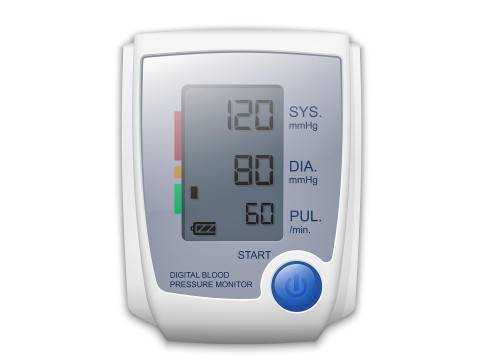
A quick guide to high blood pressureWhat is blood pressure? Blood pressure is the force or pressure exerted by blood on the walls of arteries while flowing through it. What is normal? A blood pressure value of 120/80 mm Hg is ideally said to be the normal. The upper value (systolic) reads the pressure when the heart beats (squeezes to pump the blood). The lower value (diastolic) computes pressure at rest in between the heartbeats when the heart refills with blood. What is hypertension or high blood pressure? The condition in which the pressure of blood in the arteries is persistently high.More the pressure, harder the heart has to work to pump the blood. The prolonged and too high blood pressure (BP) raises the heart's work persistently and can lead to grave damage to the arteries. This eventually leads to uncontrolled high blood pressure raising the risk of heart disease, stroke, and kidney disease in the long run.A blood pressure above 130/90 mm Hg is said to be high. What are the symptoms of hypertension? Hypertension can go unnoticed without any symptoms and thus remain untreated for years altogether. Thus, it is also called as silent killer sometimes. What causes hypertension? The cause of hypertension is unknown in most of the cases. Sometimes, hypertension occurs secondary to kidney disease or adrenal gland disease. Who are at risk of getting high BP? The risk of developing high blood pressure is more in people above the age of 45, those who have close relatives already suffering from hypertension, and who have history of diabetes, Many people consistently have blood pressure above normal, yet not so high to be called as hypertension (130-140 /80-90). These people are at more risk of developing hypertension. Is salt and blood pressure are related? Sodium content of salt causes water retention thus putting more burden on heart and raising blood pressure. So watch the foods you eat for sodium content and stick to a low-sodium diet. Stress and high blood pressure Stress can increase the blood pressure, but no scientific facts to suggest that it causes hypertension. Stress can lead to addictions, poor diet, lack of sleep which can indirectly contribute to high blood pressure and heart disease. Obesity and hypertension Obesity strains heart and raises the risk. Losing every kilo makes a huge difference. Alcohol  Alcohol can surely raise blood pressure and limiting it mandatory. Pregnancy and hypertension High blood pressure during pregnancy is called as gestational hypertension. It can cause serious complications like preeclampsia. It can harm both the mother and baby. It can compromise oxygen flow to the baby. The blood pressure normalizes after child's birth. Medicines and hypertension Some medicines, like pain killers, birth control pills, steroids, flu medicines etc. can cause the blood pressure to rise. Be careful with the medications. Avoid over-the-counter medications and take doctor's advice before consuming any medicine. "White coat" phenomenon Some people show high blood pressure in doctor's clinic due to nervousness. This is called as white coat phenomenon. These people are at risk of developing high blood pressure. Kids and hypertension Kids who are obese and have a family history are more at risk. How to control high blood pressure? Eat healthy: Eat more fresh fruits, vegetables, whole-grain foods, low-fat dairy products, and nuts. Say no to sweets, saturated fats, and excess salt. Exercise: Regular physical activity lowers blood pressure. Atleast 150 minutes of exercise per week is essential. Activities like brisk walking, swimming, cycling or gardening, all count. Reduce stress: Add yoga, meditation, deep breathing. All have proven to lower the blood pressure and keep it normal. Hypertension is usually a chronic life-long condition. It's very essential to take medications, make lifestyle changes and regularly monitor blood pressure. Keeping it under checkwillreducethe potential riskof heart disease, kidney diseases, and stroke.
Advantage of the average - Automated continuous blood pressure monitoring technologyAlthough mercury sphygmomanometers (though a deadline is set for them to be phased out due to environmental concerns) are still considered the gold standards, the Aneroid and Digital counterparts represent the future of blood pressure monitoring. The need of long-term blood pressure monitoring arises with disorders and health conditions that demand more attention from the medical teams. Experts say that the fluctuations in BP in conditions like cardiovascular diseases, pregnancy, etc., if tracked at regular intervals, can reduce 22% of risks due to delay and no treatment. This necessity pushed the invention of invasive arterial blood pressure to be used during surgical procedures and further a continuous noninvasive arterial pressure measurement (CNAP) system. There have been multiple researches to overcome some of the roadblocks in measuring the arterial blood pressure in the noninvasive and external approach. Among these developments, the need for measurement of mean blood pressure was felt and the 24-hour BP variation in the patient was taken into account. The 24-hour model eliminates the errors in readings taken during clinic visits due to factors such as fluctuations as a result of white coat fear or after-effects of some stress or exertion. Trendsetting New-age Technology : In 2004, the medical world received the BpTRU non-invasive automatic blood pressure monitoring device. BpTRU devices proved to be a superior and more precise alternative when compared to other manual BP assessment techniques and even other 24-hour ABPM alternatives. The automated oscillometric devices precision and accuracy of assessed BP and heart rate is earmarked with a unique automatic technique - the device records 6 consecutive BP readings of the patient, discards the earliest, and the rest of the five values are put to average function and instantly the resultant mean BP reading flashes on the screen. Compatible with guidelines of American National Standard/Association for the Advancement of Medical Instrumentation (ANSI/AAMI EC13:2002) this is a time-saving, portable, and user-friendly device. A compact and automatic wrist cuff BP monitor, the smart blood pressure monitor that can be synchronized with with Apple’s iOS devices and a Bluetooth connectable and Android compatible blood pressure monitor marks the revolution of CNAP in modern times.
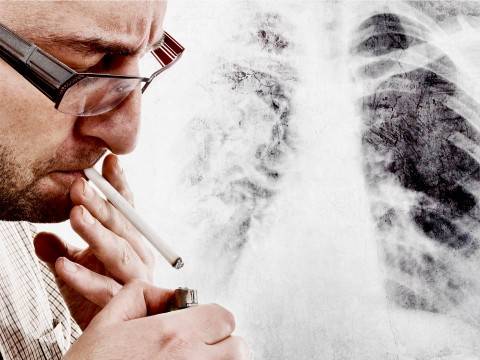
Smoking causes impotence!Men who smoke heavily are twice as likely to suffer from impotence or erectile dysfunction. The link between smoking and ED has been established beyond reasonable doubt. Smoking causes a hardening of the arteries or blood vessels. For a penis to grow erect or tumescent there has to be a healthy blood supply. Now imagine the cross-section of a smoker's penis where there are plenty of blockages and hardening of the blood vessels. Can the penis then grow erect with so many hindrances to the blood? There is also an acute loss of sensitivity to the penis which is a direct contribution of smoking! Previously, alcohol was a hot favorite of the medical lobby when it came to 'impotence.' Wish smokers could say the same thing about moderate smoking! Even moderate smoking can make an existing condition of impotence worse. One could make changes to one's lifestyle and diet and curb stress to treat ED (erectile dysfunction), but all these will come to naught unless one really resolves to give up smoking permanently. Just within a few hours of kicking the butt, the body starts to repair itself. Of course, it may take longer for the blood vessels to actually undo the blockages and have a free run for the penis, but it will certainly happen, slowly and surely. Smokers may have an underlying condition of anxiety, which is made worse by nicotine, which in turn causes performance anxiety, not greatly helped by blocked blood arteries. So smoking not just makes you physically impotent, but also mentally impotent too. It is a powerful narcotic which is hateful to the body and spiteful to its salubrity. Please enroll into a 'stop smoking now' campaign with the help of friends or family. Check for any 'nicotine anonymous' programs in your neighborhood or just do it all by yourself. Otherwise, the only thing hard about your penis will be hardened arteries and lots of hard luck!
Women and impotence- The facts on sexual dysfunction in womenTraditionally when one hears the word 'impotence', one tends to associate it with the male partner. Female impotence is also a reality. Sexual dysfunction in women might infact be more common in women than in men. Read on to know more The sexual response cycle has four stages- excitement, plateau, orgasm and resolution. A problem arising in any of these phases is called Sexual Dysfunction. It hampers with the pleasures of sexual activity. All in all, a healthy lifestyle is the key to getting rid of several of the causes that may cause sexual dysfunction. Be frank and express your fears to your partner. Talking and establishing a mutual respect and comfort zone helps like nothing else can! Sexual dysfunction affects females as much as it affects men. The causes can be classified as below: Physical causes: Several diseases like diabetes, heart diseases, kidney disorders, liver disorders, neurological disorders, hormonal imbalance, menopause, excessive alcoholism or drug abuse can cause sexual dysfunction. In addition to it, inability to perform or initiate or enjoy sexual activity may happen due to side-effects of certain medications. Past pelvic surgeries are also a cause for sexual dysfunction in women. Psychological causes: The mind has got a definitive effect on the body. Sexual dysfunction is the apt example to explain this. Too much of stress, work pressure, depression are factors that do not allow an individual to perform well in bed. Past sexually traumatic events may also be a cause for sexual dysfunction. Sexual causes: This is the most frequently encountered cause for sexual dysfunction in women. Vaginusmus is the leading cause here. Vaginusmus is a pain that the woman experiences due to the fear of penetration. This causes involuntary contraction of the muscles making it impossible for her to relax. The origins of this fear are due to past painful and traumatic experiences. Dyspareunia is another cause for sexual dysfunction. It is a burning pain that lasts long after the act is over. The severity of the pain is of such a nature that the woman prefers not giving in to the pleasures of sex rather than experiencing pain. Sexual dysfunction is not something to be embarrassed of and certainly not something to be looked upon derogatorily. Sexual dysfunction often leads to frustration and can affect your relations. Speak out and seek help before it is too late. And for the men reading this, be supportive of your partner. She is going through a difficult phase and she needs your love and support along with the right treatment, not your scorn and displeasure. Treatment Options: Sexual dysfunction in women is treatable once the exact cause for the condition is known. Various natural remedies, holistic approaches and psychotherapy have been used with a good measure of success. Additionally, oral medication, hormonal therapy and surgical procedures are also used to treat impotency.
FAQS
T&C FAQS