Home
Strict parenting: When enough is enoughThe strict or authoritative style of parenting is where the parents hold their children's lives over a tight leash. Strict parents are high in control and low in nurturing qualities. They set high standards for all activities and expect strict obedience to the rules set by them. However, these parents display little or no warmth and affection. They love and affection they offer is also conditional love based on obedience and performance. Children of authoritarian parents turn out to be obedient, but this obedience is based on fear. Such parents very often use shame and guilt to make their children change their behaviour. They don't encourage verbal give-and-take and expect their orders to be obeyed without question. The children brought up in such a way are initially very obedient and polite but later all the suppressed emotions find an outlet. More often than not, such children end up being aggressive and tend to be bullies at school. Research shows that fathers who are extremely strict with their sons end up making their sons violent and aggressive, or indulge in non-physical aggressiveness like name calling. Strictly raised children have difficulty relating to their peer group. They either end up being aggressive or completely timid and submissive. At school teachers rate them as less socially competent, average or poor at studies and extra-curricular activities. They are also less accepted by their friends. The school dropout rates in such children are very high. Studies conducted on such dropouts revealed that they suffered from a huge inferiority complex and low self-esteem. Strict parenting can cause several problems in adolescence too. Children who are dominated by their parents are often found breaking the law. Alcohol and drug abuse rates are high in such children. Psychologically, these children are usually poor decision makers. Having had their parents make decisions for them all their lives, they find it very difficult to take a stand. They end up being indecisive. At the workplace too, they lack the competency to take up initiatives or show the lead. They make better team members than team leaders. Even if presented with an opportunity, they are likely to shy away from responsibility as they feel inferior and lack the requisite courage. Strict parenting can have a negative impact on the child's weight too. Studies show that an overly strict upbringing has a negative impact on weight because the children often fail to learn to eat on the basis of hunger and satiety. In such families parents use food as a reward, insist that children clean their plates, or restrict the kind or amount of food a child can eat. The studies showed that the children of authoritarian mothers were nearly five times as likely to be overweight compared to their counterparts!
Dilemma of a working woman - How to stay healthy!Women want to be healthy and beautiful. But most of us are not able to find the time to exercise or plan our meals. We pay more attention and money on therapies to look good externally. But good looks come from good health, and good health is an outcome of a healthy lifestyle. Healthy lifestyle helps in preventing illnesses and makes us more efficient. Improper and irregular diet, lack of physical activity, and stress are the chief causes of poor physical and mental health. Most working women today are occupied with their desk jobs, and as a result have a sedentary lifestyle. Eating junk food most of the times makes the matter worse. So if you want to stay healthy, here are some changes you can make. Add movement to life. Activities like walking, gardening, swimming or aerobics help build endurance and relieve stress. Choose something which you think you can consistently - Yoga, aerobics, cycling or even dancing. Balanced diet plays a pivotal role in fitness. Fruits, vegetables, and whole grains are a must in your diet. Antioxidants in fruits have an anti-ageing effect. Choose to eat in order to satisfy hunger and build healthy body, and not to feed your emotions. Avoid junk and processed food. They are empty calories. Drink water. Dehydration affects metabolism. Drink 8-10 glasses a day to flush out the toxins. Add liquids like milk, fruit juices to your diet. Positive thoughts help build a healthy mind and a healthy mind ensures healthy body. Do not smoke cigarettes or drink alcohol to deal with stress. Try yoga, meditation, listen to music, or take a nice shower to relax. Rest and relaxation helps to cope with daily stress. Making these lifestyle changes as a regimen will surely help working women to live a life of health, wellness and fitness.  
Hair straightening do's and don'tsWhat's in a hair? Well when someone thought of this quote, he or she certainly did not foresee the future because in today's world hair is everything. For a woman and a caterpillar at least! Let's just talk about women! Hair not only covers your scalp, but also protects it.  Hair is known to be something that enhances the beauty of a woman, as there is nothing like the feel of smooth and silky hair caressing the shoulders. Women all over the world dream to have beautiful, strong, silky, and preferably, long straight hair. Why straight hair? Let's find out, women are born with all kinds of hair, curly, wavy, long, and short but according to some women there is nothing that beats having a straight hair and there are women in this world who could go to any length achieving that straight hair they always desired. One of those ways is straightening, a styling technique used since the 1980's, which involves the flattening as well as straightening of hair, to give it a smooth, streamlined, and a sleek look. Straightening can be of two types, temporary or permanent. Temporary straightening can be achieved by a straightening iron or relaxers and generally lasts up to the first wash. Permanent hair straightening generally requires the use of Lye and other chemicals (more commonly known as creamy crack) with the help of a hot comb, hot iron, and relaxers. Permanent straightening, with proper care, can easily last up to a year. According to documentary "Good Hair" by actor Chris Brown, African American women are known for their profound use of "creamy crack" to get that perfect straight hair they long for. They are also the women who make the cosmetic companies rich, thanks to their profound use of hair straightening and hair care related products. African American women also account for the highest amount of money spent on hair care and hair care related products. Coming in a close second are the women from Central and South East Asia. These women are also known to go to extremes to get that perfect straight hair look, which is generally shown in TV Commercials endorsed by celebrities. Now that we are aware of the statistics, it is time that we look into the do's and don'ts of hair straightening. Straightening your hair once in a while may sound like a good idea, but it is extremely essential that we understand that extreme care is required here. Hence it is always better to know the do's and don'ts before we decide to break the bank (straightening ain't cheap) for straightening treatments. Do's : Make sure your diets consist of plenty of healthy foods, water. Also doing regular exercise is advised. Always use a shampoo and conditioner that best suits you. Remember to ask your stylist about the kind of products that suit you. Always go for hair spa treatment once a month since your hair needs that extra nourishing. Don'ts : Do not wet your hair at least for three days after the treatment. Do not tuck your hair behind your ear. Avoid twisting your wet hair with a towel. Avoid extreme scrubbing of your hair while shampooing. Straightening even once can cause excessive damage, hence do not do it repeatedly. Straightening your hair once in a while is okay, but doing it continually is ill advised as it can have a lot of negative consequences. Straightening also comes with certain side effects such as heavy chemical reaction, dizziness, permanent hair damage, dryness, skin irritation, itchiness, and severe chemical burns. Hence, it's always better to have a professional do it at a salon rather than doing it yourself. Hair straightening, though done by the same method all around the world, requires different types of hair care products as the hair type is mostly related to your race and ethnicity and your geographical location.

Academic pressure in children and young peopleUnderstandably, parents, educators and politicians consider this topic a high priority. Exam preparatory businesses are found in every street and parents are willing to invest huge amounts of money to further their child's education. Another result, though, is childhood and teenage stress and anxiety. Signs of anxiety from too much pressure to succeed at school may show itself in sleep disturbances, erratic/poor eating, low mood, excessive worrying, low confidence levels and fear of failure - all eventually heading towards premature burnout. Younger children may experience nightmares, show bad behaviors or refuse to go to school. Teens may engage in destructive behaviors like drinking or drugs. They may struggle to concentrate or lose interest in their day-to-day activities and hobbies. They may gradually withdraw and isolate themselves. Anxiety and stress maybe linked to queasy tummies, headaches, and flaring up of skin conditions like rashes and eczema. The school and college admissions process has become more difficult than ever before. Competition is fierce. Many apply to a handful of good institutions hoping to get a much-wanted place. The stress does not stop after the exams - the wait for a decision is excruciating. Only a small proportion of eligible candidates succeed. Rejection can feel devastating. Highly capable and hardworking young people who spend many hours studying and preparing for assignments and exams, find the whole experience undermining and frustrating. Increasing external pressure from competitive peers, higher thresholds of parental expectations in a fast-paced world and the increasingly selective, goal-based focus of educational institutions will not feel supportive to a fragile child. Education should lead us from darkness to light. However, high and unrealistic expectations from parents and schools can affect a child's overall development. Whilst there is evidence that the parent's role supports or facilitates the child's achievements, there have also been concerns that a parent with unrealistic expectations can create unnecessary pressure - this worsens stress and fosters performance anxiety in children. Schools may put pressure on parents and the child to ensure that the child is meeting school targets and is not deficient in any area, rather than understanding that every child has a different potential and ability to manage stress. Children may perform better at school and feel more confident about themselves if they are told that failure is a normal part of learning, rather than being pressured to succeed at all costs, according to new research published by the American Psychological Association (2012). Recognizing this key concept and intervening early is vital. Parents and teachers need to communicate better with each other and the child. Understanding the child's strengths and interests but accepting the child's limitations at the same time is important. Supporting the child's efforts and self-esteem is the surest way to motivate them in a healthy manner. A simple conversation at the end of the day about how things are going on and giving positive feedback on the child's efforts go a long way. Where degrees and educational attainments are seen as the passport to financial success, are we losing sight of educating minds and supporting children's emotional, psychological, social and spiritual growth potential?
Dehydration: Prevention and curePlaying outside is great for the child's physical as well mental development. But if your child has spent the entire day outside and comes back with fever, diarrhea, or vomiting, and is sweating a lot, then watch out for the signs of dehydration. What is dehydration? Dehydration means abnormal loss of water from the body, especially from illness or physical exertion. Under normal conditions we all lose some body water through sweat, urine, and tears. Kids lose large amount of water and salt from body during fever, diarrhoea, vomiting, or long hours of physical activity or exercise without any water intake. How do I know it is dehydration? If your child has any of the fever, diarrhoea, vomiting or is sweating a lot on hot days then watch for these signs: Sunken eyes Dry or sticky mouth Dark urine or lack of urine output Tiredness, lethargy, irritability or fatigue How can I prevent dehydration? The best way to prevent dehydration is to ensure the child drinks plenty of fluids when they are sick or physically active. Get your kid in the habit of drinking enough water before he/she even feels thirsty.If it is very hot, explain to the kids the benefits of drinking water frequently. If possible, avoid going out in the sun. Give your kids a well-balanced meal to be sure that they are getting all the adequate nutrients. What if my kid gets dehydrated? If the kid is below 1 year, care should be taken to breast feed the baby often. If the dehydration is due to vomiting, feed small amounts frequently for it to absorb in between the vomiting episodes. Give a spoonful of ORS solution every 10 minutes to replace the lost fluids. For kids above 1 year, start with plain water initially when the kid complains of thirst. Later the kids may need drinks containing sugar and electrolytes. Also, the child should be made to rest at home in a cool environment until the lost fluid has been replaced. Once the child is rehydrated, resume to normal routine and diet.
Faking illnesses - An illness in itself?In 2008, a 28 years old woman in the US shared some shocking news with her friends. She had been detected with cancer. She posted updates on social networking sites and wrote blogs on her illness. Sympathy poured in from all corners. Some even sent in monetary help to cover her expenses. The saddest part of the incident though was not her cancer; it was the fact that she had faked it! Police investigations revealed her little trick when no evidences or records were found at the hospitals! Apparently, this isn't a unique case;  faking illnesses or malingering is a very common occurrence. All of us have done it at some point in our lives. While we may have done it to escape a school punishment or to take undue advantage of the office 'sick leaves' for personal purposes, it is usually done on a harmless level. But faking illness can be a chronic disorder too and  medical professionals even have a name for it-; Munchausen's Syndrome. People suffering from this syndrome fake illnesses that they don't actually have, to gain sympathy or simply to be the center of attention. Usually gaining sympathy is the main reason why people fake illnesses. It gives them a chance to be in the spotlight. Everyone calls and visits, expresses concern and fusses over them. Lots of love is showered upon them. Another common reason for faking illnesses, is money and at times, the monetary benefits are higher than the emotional ones. No one hesitates to fulfill the last wish of a dying person, however expensive it may be. Often there are mixed motivations and the person faking an illness has many reasons to keep up the pretense of being sick, for as long as possible. Some people really do have a disease — a mental illness known as a factitious disorder. People with this disorder pretend to have an illness, which is usually a terminal one and often go to great lengths to maintain their hoax. Munchausen syndrome by proxy, is another form of faking illness. People with this disorder, fake illnesses of people under their care; and they usually do this, for monetary benefits. Children are the most common victims in this disease. When you tell someone that your child has cancer, you will receive a great amount of sympathy and all the money you want, no questions asked! People with these disorders are extremely cunning. They go to great extents to maintain their lies. They will build grand stories, complain of fake pains and aches, get admitted to hospitals and undergo a battery of tests, numerous times. Interestingly, they never allow and frequently discourage medical professionals, from talking to any of their family members. Since they know they are faking the illness, they will refuse to undergo treatment, for obvious reasons. . If you think a loved one may be exaggerating or faking their health issues, attempt a gentle conversation, voicing your concerns. Avoid anger, judgment or confrontation, while offering support and care and if possible, help them in finding a treatment. Treatment includes empathy, helping in identifying feelings and issues that led to the development of the disorder and finding  alternative healthy ways to deal with those feelings and issues.
Healing yourself after a broken relationshipThere is no singular formula to get over a relationship. Moreover, you cannot 'get over' a relationship like you get over a broken phone. Every relationship is like a grown tree. When it breaks, you have to let it molder into the Earth - the time period between the breaking of the relationship and your comeback as 'you' is the time for transformation - this is your time to understand yourself, your relationship with others, and reach out to the world. Did you know the over 50% of people undergoing breakup tend to resort to emotional eating to rescue themselves from sadness and rush in the comfort hormones? Keep an eye on what you eat to trace the emotional signs you are disguising. Keep a tab on your diet and pamper your body with care. Here are seven basic stages through which you can consciously walk to recover through your broken relationship. Such a process is not linear and you could be undergoing various stages at the same time or in a different order. However, make sure you go through each stage. Missing any stage could result in residual and subconscious anger or denial. Stage 1: Let it outDon't be afraid to accept that you are heartbroken, that you feel like a mess and just wish that your ex-partner was around again. Accepting your emotional state is the first step to being able to unravel yourself out of it. Stage 2: Pondering over the causeThe initial stage post-breakup is primarily spent trying to distract oneself from the absence of the ex-partner by busying oneself with other activities. However, the nagging question 'why did our relationship not work? why did it have to be this way?' lingers, ready to barge in at the very instance you have your moment of peace. The first thing to understand during a breakup is that there is a distinction between analysing and understanding on one hand and obsessing on the other. Try to go through the stages in your relationship which you intuitively trace as being of significance to the break-up. However, remember not to be biased towards yourself and to weigh your responsibility towards the breakup as much as you do your ex-partner's. Stage 3: Taking a hard look at the relationship and learningYou might have had other relationships before where you did not feel the kind of intimacy you felt with this particular person. However, if you feel that you are up to a large part responsible for the break up, then look for the pattern of behavior or thinking which was causing such a breakup. Taking a hard look at your relationship will help you to recognize your mistakes and learn readying yourself to become a more sensitive person with greater understanding of human emotions. Stage 4: Reaching out to the WorldWhile you are working yourself through reasons for breakup and your role in it, don't step back from reaching out to people. Communication is the basic balm that will heal the wound of a broken relationship. Your inner communication with yourself is one dimension of it while talking things out with your friends and close ones is another important dimension. During a conversation about the breakup, don't simply blame your ex-partner completely to blind yourself towards healing. Be honest to yourself and attempt to talk to those friends who can help you through the hard time with care. If you love animals and nature, then reach out to the wild. Take time off from your usual routine and follow your interests. Stage 5: The Bigger Picture of the Break-up Having pondered over the reasons particular to your past relationship, understand that the fundamental reason for any relationship to break up is that the two people involved in it have different ways of looking at the world. Remember that differences do not imply a hierarchy. Differences are essential to human nature. This will help you to forgive your ex-partner, catalysing your redemption from the land of anger and despair. The world is a beautiful place full of diverse kinds of people. Do not let your breakup make you give up on humanity. Stage 6: Letting yourself freeNow is the time to have a relationship with yourself. Explore your interests and dip yourself in them. It is not a crime to be happy with yourself. However, do not use these activities to escape the pain. Let your activities be your company in pain - slowly the pain will fade and you will reconcile with the reality of your broken relationship. Join hobbies which will help you have some time for yourself: pottery, nature watching, animal care, voluntary work. Remember that your identity does not depend on the opinion of your ex-partner: you create who you are. Most importantly, take care of your body - we tend to mess up our body cycles during a breakup. Stage 7: Giving yourself time to become complete before starting off with another relationshipDo not rush into a relationship before you have completely healed from the past relationship. There is a high tendency to try to fill the gap of the absence by moving onto the next most intimate person you know. Give yourself time to recover and answer the following questions before entering into a relationship again: What kind of relationship do you want to have? How would you like to spend your day with her/him? (Remember that a whole day is a series of small activities that you will share with your love - don't focus just on the big stuff like finance, house, and others, emphasis on shared interests). What future do you expect from a relationship? These are the three basic questions. Be free to add on the relevant questions according to your needs and answer them honestly before writing a new chapter into your life. Having pondered over the reasons particular to your past relationship, understand that the fundamental reason for any relationship to break up is that the two people involved in it have different ways of looking at the world. Remember that differences do not imply a hierarchy. Differences are essential to human nature. This will help you to forgive your ex-partner, catalyzing your redemption from the land of anger and despair.
Diet to help manage stressYou cannot avoid stress, as it has now become an integral part of modern lifestyle. Children are worried about their exams and performances in the cultural events, teenagers are stressed out about their looks and body shape, adults take stress owing to competition at work, and so on. One thing is sure that you cannot stay away from stress. So, how can you avoid the side effects caused due to stress? You can include certain foods in your diet that help manage your level of stress. Researchers are already on to it, studying the effects of various foods on the stress levels. It is always better to choose from the organically harvested nuts, veggies, fruits, and fish for better health benefits. Nori Sushi nori is a type of seaweed that is rich in magnesium that contains anxiety-fighting properties. Magnesium is also known for stress reducing abilities. Apart from this, it also carries other essential health nutrients that are necessary for the overall development of health. Vitamin C Foods Cantaloupe is composed of vitamin C that is a renowned stress buster. Another great stress busting food is orange. When you are under stress, adrenal glands in your body start producing cortisol that lowers your immune system's capacity. This leads to breaking down of muscle tissue. Vitamin C in oranges have the ability to return the high blood pressure to normal level. Moreover, when you are stressed there are chances of this vitamin getting used up and hence the need to increase your intake of vitamin C rich foods. Another popular vitamin C enriched food is blueberries that are also packed with lots of antioxidants which relieve stress. Almonds Almond is a treasure trove of essential nutrients such as vitamin E, B2, zinc, and magnesium. Although they are high in fat, they provide your body with all these essential nutrients. You can easily have a handful of almonds every day and still feel less guilty about.  Apart from the fat, energy, and the essential nutrients, almonds give the brain and its memory a shot in the arm. Broccoli Broccoli is rich in vitamin B and folic acid, both proven stress busters that helps in giving you relief from panic, anxiety, stress, and depression. Bananas Bananas contain one of the most important amino acids - tryptophan that gets transformed into serotonin which is a stress-busting hormone that is known to induce a feeling of well being. This makes you happier and gives you relief from stress. Banana is also rich in potassium. Potassium regulates the heart due to which the blood pressure can be kept under control. That is why many health experts recommend inclusion of a potassium-rich diet, as it normalizes your heart rate and help you calm down in stressful situations. This makes banana an essential food addition to your diet. Chocolate The dark chocolates are bitter and give you a feeling of satiation despite the little amount you devour. Due to this feeling, you eat less, but you still enjoy the flavor of the chocolate, much more than the milk chocolate varieties. When you are under stress, most of your body organs are vulnerable to damage. The antioxidants polyphenols that are present in the dark chocolate slow down the damage and also contribute in its repair. Studies have also revealed that 40 grams of dark chocolate per day helps reduce stress-causing hormones such as catecholamine and cortisol. Increasing the intake of stress busting foods in your daily diet can help control diabetes and hypertension.
Sleep tight at every good night!A good night's sleep! Oh, what would some of us give for that luxury! Sure, you can blame it on the fast paced world and the things you have to do to keep the competition off your turf, and millions of other reasons to be sleep deprived. Yes, sleeping soundly and regularly is well within our control. Maybe it has eluded you so far and you are caught in a vicious circle of staring at the ceiling for hours on end; so read on to see what simple things you can do to gently drift off in to the arms of nature's greatest restorative- beauty sleep. Do's and don'ts for beauty sleep Fix a regular bed time, so that your brain will adjust to this by sending sleep signals to the body. If your bedtime is completely at the mercy of your activities then even as fatigue sets in the body will refuse to obey. So, even as your body is screaming for rest, the mind does otherwise. This is where good old discipline comes in to play. Take in to consideration the activities which are absolutely necessary to do and note the frequency with which they are likely to interfere with your bedtime before setting a realistic bed time. Initially the mind will refuse to obey, and you are most likely to get up, after tossing and turning in bed, to switch on the computer or whatever it is that you do when you cheat your bedtime. Rest assured, in a couple of days the brain will get used to this sleep routine and prepare you for shut down. Sleeping well also largely depends on how stress free you are. If the mind is in a state of constant excitement or anxiety, sleep will elude you. So when you lie down to sleep you need to fade out and blank everything out- joy and sorrow; expectations and ambitions, all of these out for later access! Tell yourself that tomorrow is another day and what you need today, is a state of neutrality! That's what most Indian philosophers would want you to do anyway. A good eight hours of sleep may depend largely on our minds but external factors can matter too. Sleep comes easily when your mattress is comfortable and not too soft or too hard. Use a pillow that won't give you neck pain, as any discomfort in the neck is likely to throw sleep off gear. Wearing clean night clothes can give you better quality of sleep. That goes for the bed spread as well.  Try this for yourself. Tight and uncomfortable night clothing is not recommended as this will only make you wriggle about for comfort. A cozy blanket and some clean nightclothes make great bedtime mates. Some people have a nightcap to help them sleep better while others still, drink themselves to sleep. Alcohol in large doses can only numb but does not help you sleep and you will only find yourself waking up frequently. Sleeping pills can be habit forming and might have serious side effects in the long run. So try simple remedies like a glass of warm milk or hot chocolate before bedtime to help you sleep better. Avoid stimulants like coffee, tea or nicotine before bedtime as that can keep your nerves all hyper thus making sleep quite difficult to come by. Computers and television are also largely responsible for us staying up late and disrupting our sleep patterns. We often find ourselves mechanically flipping channels or browsing without any real need for it. Try and go offline before bedtime, especially if you want to be able to schedule your sleep time. Television or movies can excite the brain and then you will find it difficult to fall asleep. So about an hour before bedtime switch off the telly or computer and just sit quietly and do some deep breathing exercises. Just sit cross legged for about ten minutes and relax your body. You are now ready for a deep slumber.
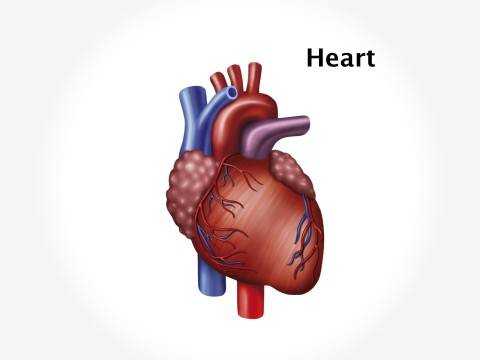
An ounce of prevention is worth a pound of cure!Small mistakes that we keep committing become, over a period of time, serious health problems that are potentially life threatening. Given here is a list of the 10 most common mistakes that we make when it comes to heart health. Ignoring the health check-up: Your last reports said you were fit as a fiddle. So you haven't gone for a check-up since then? Our health becomes the first thing we sideline in today's fast-paced lives. Most of the heart diseases do not show any signs and symptoms in the early stages and when the signs and symptoms come up, too much of damage has already been done. So it becomes very essential to go for regular health check ups. If you are in your twenties it would be advised to get your cholesterol checked every 5 years, blood glucose every 2 years. Beyond 45 years though the frequency of health, check-ups should increase. Body Mass Index is something that you should get checked every time you visit your doctor. Skipping breakfast: Breakfast is the most important part of what you eat the whole day. Most of us tend to skip breakfast due to lack of time, fear of weight gain. But starting your day without breakfast is like driving on reserve fuel. You will start fine, but end up feeling dull and sluggish towards the end of the day. Skipping breakfast has been associated with development of diabetes mellitus and obesity. These two have a strong co-morbidity with cardiovascular diseases. No wonder then it is said, breakfast like a king, lunch like a prince and dinner like a pauper. Too much of sun-blocking: We are people obsessed with fairness and it is understandable that one wouldn't want to get tanned by going out in the sun. Some amount of sunlight exposure is very vital for health. Vitamin D is synthesized by the body from cholesterol with the help of sun rays. Recent studies reveal that people with little or no exposure to sunlight tend to develop arterial plaques that end up in heart attacks, high blood pressure or strokes! Going for the fizz : Aerated drinks are loaded with triglycerides that are a part of the bad cholesterol. They thicken the blood and it becomes difficult for it to flow through the arteries. This leads to several complications. Not watching what you eat: Often we are so caught up in our work that we just grab a quick bite to eat without paying heed to what actually we are eating. Fast foods are extremely unhealthy and wreck havoc onour systems. Missing fruits and fibres: Fibrous food are extremely heart friendly. The fibres help in pushing out the cholesterol out of the body. Beans, oats and barley are all extremely fibre-rich. Fruits are a rich source of vitamins and minerals. They contain potassium that is extremely essential to neutralize the effects of sodium. By doing this they help in regulating the blood pressure. Citrus fruits too have a high amount of potassium in them. Avoiding walking: Walking is the simplest form of exercise the body can get. 10 minutes of brisk walking is extremely helpful for the heart to keep functioning efficiently. Not sleeping well: The body needs 6 to 8 hours of undisturbed sleep for it to reboot and get back its full functioning capacity.  A sound sleep at night reduces the blood pressure and regularizes the heart beats. People compromising on sleep are the ones most prone to suffer from heart attacks and high blood pressure. Not flossing your teeth: Gingivitis is the inflammation of gums. This inflammation hosts large number of germs that leak into the bloodstream and reach the heart causing a number of heart problems. People who floss daily not only have good oral hygiene, they also have a healthy heart. Forgetting the Family: Many heart diseases tend to run in the family. It is very important to know the medical history of your parents and grandparents. The risks of you developing heart diseases are high if someone in your family already has them.
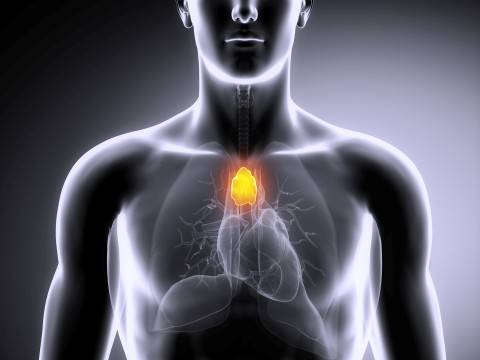
Thyroid may make your heart flutter!Thyroid is a small gland situated in the area of neck. In Greek, thyroid means the shape of a shield. Yes, thyroid gland is vital to a variety of important body functions and does act as a shield. But what happens when the shield is disturbed and goes weak? Thyroid dysfunction is recorded in approximately one to four people out of hundred Thyroid link to heart A research study was conducted in 2009 by Weill Cornell Medical College researchers. It was done to investigate and analyze the genetic link behind rhythm control of heartbeat. They found that the genes that are responsible for synchrony and rhythm in the functioning of heart are also closely connected to the thyroid hormone synthesis and could cause dysfunction of the thyroid. Thyroid activity directly influences the metabolism, blood flow and electrical activity of the heart. When there isn't enough thyroid hormone (low levels), the patients complain of low energy levels, fatigue and reduced heart rate. On the other hand, with increased thyroid hormone levels in the blood, patients report symptoms of hyperactivity of systems. There is diarrhea, palpitations, increased heartbeats and advanced cases show arrhythmias of heart, where normal beating rhythm of heart is disturbed and becomes irregular. Thyroid hyperactivity can be appropriately controlled with regular medication. Understanding arrhythmias When the rhythm of the heart is disturbed, it becomes irregular - this is called cardiac arrhythmia. There are various types of loss of rhythm - heartbeat is too slow (that is, the cycles are taking too long to complete), too fast (the cycles are repeating too quickly), too early (that is, before a cycle is even completed, another starts), too irregular (this is called fibrillation, where no specific pattern may emerge). The patients who have arrhythmia will often come with complaints of dizziness, shortness of breath, suddenly feeling weak or lightheaded, fainting and feeling of a flutter in chest (flutter can be understood as light but quick flapping of wings by a bird). Arrhythmias are usually harmless and most people would continue to live a healthy life for years with arrhythmias. But that does not mean it can be ignored. There is a battery of tests available to diagnose and indicate the seriousness of arrhythmias and let your doctor take a call on the line of treatment. If you have a thyroid dysfunction, get your heart checked immediately. And if you have faced arrhythmias, get your thyroid checked immediately. Both the conditions are controllable and treatable; there is no cause to worry over what could go wrong. Just be vigilant and informed.
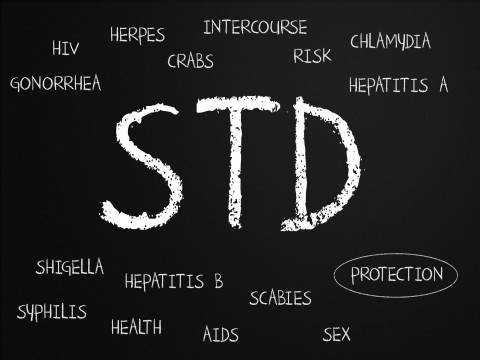
How to talk about STDsThese are dangerous times that we live in. Just the sheer number of people affected by sex related problems, diseases and conditions all over the world is simply terrifying. AIDS, venereal infections like syphilis and gonorrhea, herpes, HPV etc. are rampant and it calls for some responsible sexual behavior. However, that's a utopian world where humans will be monogamous and will behave responsibly. Even single people might get exposed to these diseases through indulging in risky sexual contact. Imagine doling out $750,000, as a woman in the US got from her husband because he gave her herpes. Even if you are not held legally accountable, what about moral responsibility to own up and discuss a possible STD infection with your partner! Take the case of Jack a happily married man for ten years who had casual sex when out of town on an official trip. He showed no obvious symptoms of any infection but in a month, his wife showed signs of herpes and his marriage crumbled as his wife struggled to come to terms with her husband's obvious infidelity and his callous manner in exposing her to a serious sexual infection. Call it ignorance but sometimes a person might engage in sexual intercourse and contract a disease which he might even not be aware of until the symptoms start appearing. (Refer article on Syphilis on www.topdoctorsonline.com) By then, he might have, in all probability, passed it on to his regular sexual partner or spouse. Or perhaps, there is another possibility that the person knows that he has contracted a sexual infection but doesn't know how to break the news to his partner.  If a person is aware of his infection, yet exposes another person knowingly, it is akin to premeditated murder. Yes, it is going to be a difficult thing to tell your partner which might even signal the end of the relationship or cause severe strain on it. So, if you are caught in a situation like this, what would you do? The option would be to visit a sex therapist and confide in him and then take an appointment for both and let the professional break it to the partner. That is of course if you are in a stable relationship. For those who both party to casual sex, the infected person generally won't be that open about his infection and may even choose not to care particularly if the other person is a complete stranger. A report in MedlinePlus news reveals some more shocking statistics: Many people said they occasionally, rarely or never got tested before having sex with casual partners (50 percent) or long-term partners (39 percent). Of the people who did discuss STD testing, very few discussed concurrent sexual partners or when partners' testing occurred in relation to their last sex act. Only half explained what types of STDs their partner had been tested for. These issues are important components of assessing STD risk, the researchers said. About one-third of participants reported telling a partner they didn't have an STD even though they hadn't been tested since their last sexual partner. One U.S. woman was awarded $750,000 in court from her ex-husband because he gave her herpes, and the legal trend is to make people accountable. (http://www.dummies.com/how-to/content/how-to-talk-to-a-partner-about-stds.html) Remember even wearing a condom is not a 100% guarantee that the infection won't pass on to the other person but that's the least that you can do if you don't have the courage to spill the beans about your condition. If you feel that your partner may be indulging in sexual activity with multiple partners and if you feel he might be infected, then you are well within your rights to decline to have sex with him until he/she gets tested. If you notice sores around the genitals do not indulge in oral or anal sex or any kind of sex and insist on a condom always; it could save your life.
Adrenaline rush - Feel it inside!Imagine yourself at a great height, either scaling a dangerous cliff-hanger of a rock face or on a bungee jumping platform. Some of us who have had the pleasure of doing high adventure sports like racing or indulging in perilous activities like giving out an acceptance speech for the first time are well aware of that strange feeling in the solar plexus, the clammy hands and intensely thudding heart, and the rush of blood to the head just as you are about to take the plunge! The heart beats faster than ever, breathing goes rampant, the senses seem to become supercharged, and the fear, the joy, and the excitement meddles with the mind. That’s adrenaline rush! So what do you want to do? Fight? Or flight? Either ways, adrenaline does it for you. Speaking medically, the two small adrenal glands on top of the pair of kidneys release a magic chemical that gives the animals way towards the fight-or-flight response to counter certain high-intensity situations, called adrenaline or epinephrine. The chemical entity is a hormone, a neurotransmitter as well as a medicine and is too complex to explain its behavior. However, when it works the heart pumps out the blood to the excited muscles and all the juices surge up inside the body. There is more to this topic than just the physiological mumbo-jumbo. The hormone acts every day in the normal course of life, but not regularly to the extent when it produces side effects such as shakiness, palpitation, high anxiety, and profuse sweating! Thats kept for special situations like physical threat, excitement, bright lights, noise, and really high temperature – in good or bad ways. Let us surf through some of the rewarding and a few of the nasty situations where the jolting juice takes charge of our body! The Good ones: Countering Stress: In extreme stress conditions like accidents or fracture, the body needs to react fast and is at its highest awareness. Adrenaline keeps the muscles up and kicking to help the victim fight with the stress. High Energy Requirement: In majority of sports, more specifically in contact sports like Rugby, Boxing, Mixed Martial Arts, etc., the player needs to be in his full sense and topmost concentration level. The adrenaline rush runs in the background to keep them at their extreme self. The Push Mode: Often the daily chores aren enough to excite us and we tend to search for some adventure. In such pursuit of excitement, there are times when the road is a dead end or there is only one way forward – the impossible or most difficult one! The hormone pumps the brain both ways with fear and with the push to conquer the fear and proceed. Adventure Sports often sounds fun, but at times when running ahead of a raging bull, or hanging off a cliff, or rafting down the rough waters of a cascade – feels like the heart shall come out and scream!! It is the rush of adrenaline that keeps one ahead of the fear and explore the high-energy fun of winning over it. Life Saving Moments: In cases of life-threatening emergencies such as drug overdose, cardiac arrest, or pulmonary failure, where the heart and lungs suddenly cease to function and the body gets into a shock –– the epinephrine shots are considered as a life-saving medication to bring the patients back to life (only to be used judiciously by a qualified medical practitioner). The important medical use of adrenaline is in treatment of acute anaphylaxis and allergies under medical supervision. The Bad Ones: Disorders of the Adrenal: Tumors and cancers of the adrenal gland can cause hyperactivity of this high-performance hormone affecting the normal functioning of the heart and the blood vessels by increasing heart rate and creating anarchy in the body systems. Over-Stressed Adrenaline Rush: The demand-supply mismatch in the present world scenario requires one to perform at his/her epitome of mental and physical strengths. In that constant urge of performance, the brain and the body is stressed out so intensely that the adrenaline surge symptoms are experienced by the individual even in the absence of threatening situations. Sudden sweating of palms, shortness of breath, pounding heartbeats, or chest pains without a justifiable reason can be a result of constant stress.
FAQS
T&C FAQS