Home
Fairness scream: The new male obsession"Mirror, Mirror on the wall, who's the fairest one of all?" The words at once evoke images of the evil queen as she strikes a vain pose at the looking glass. However, these days one needs to be more accommodating and make way for a preening gent to put forth the above query. All these days, fairness would be a quality an Indian male would look for in his wife. Just see the Fair & Lovely ads to know what we mean. But today, this very obsession has turned on itself. More and more men are being just as exacting about their own skin color, complexion and tone as their female counterparts. Just take a look at all those TV commercials where celebrity endorsements dangle the bait of fairness creams, lotions and body wash specially designed for teenagers and young men seeking to take them to the promised land of social and sexual success. But before you rush to buy that cream, here's what that fairness is all about Fairness is skin cell deep Fair, ruddy, dark or wheatish is all determined primarily by the melanin content in our skin cells. Some races like the Africans have a high melanin content thereby giving them a dark colour while Europeans are of a lighter skin colour due to low melanin content. So whether you use an expensive fairness cream or go in for beauty treatments at luxurious beauty spas, genetics will have a final say on the matter. How fairness creams work...or do they? Fairness creams contain chemicals which block the production of melanin in the skin and thus enable a lighter skin tone and a fairer complexion. Mostly melanin production in men is more than females, which is why women's fairness creams don't have so much of an effect on men. The cosmetic industry recognized this factor and thus developed products designed for the male skin. However, some of these "men's only" fairness brands are glorified sunblock creams which block the harmful ultra violet radiation of the sun which blackens the skin. The dark side of fair Some of the beauty treatments and fairness creams contain chemicals like hydroquinone, mercury, and even steroids, which could do more harm than good. If you are obsessed about fairness, the least you could do is use a branded product (though that is no guarantee of its efficacy!). First sample it to check of it suits your skin. If a rash breaks out, consult a skin specialist immediately. Finally, it is the health of the skin which is more important than colour. So exercise regularly or use natural skin treatments like orange peels, cucumber patches to enhance your skin tone. Don't give in to peer pressure. The obsession for fairness can lead to low self-esteem and needless rivalry. Cosmetologists and marketers of fairness products are the only ones who will laugh their way to the bank at your cost. So, if you have a darker skin colour you don't have to go in for expensive remedies just because men in your age group find it cool. Self-acceptance is much better remedy than any beauty treatment in the world.  
Male infertility : An overview of the causesWhy men shy away from infertility tests? However, it is ideal for both the man and woman of a relationship to get infertility tests done. This would not only avoid unnecessary tests and expenditure later and could also result in prompt medical treatment of the problem. Following an appointment with a urologist/andrologist, the patient is instructed to provide a semen sample for analysis of the quantity and quality of the sperms in the semen. An additional semen test might be recommended for confirmation of the initial results. The semen analysis is an effective method of knowing what is going wrong in the reproductive system : No-sperm count (azoospermia) - Absence of production of sperms or the non-appearance of sperms in the semen. Sperm Morphology Issues - Issues related to the structure and form of the sperm. Low-Semen Production (oligospermia) - Production of low amount of sperms. Sperm Motility Problems - Abnormal movement of sperms resulting in incapacity to fertilize egg. Did you know that use of laptops placed on your thighs can result in increase of scrotal temperature? This could lead to abnormality with sperm production. Thus, using laptops is best when they are located on table or desks, away from constant contact with your genital region. There could also be a primary medical condition, the symptom of which could be manifested reproductively. The physician will suggest blood and urine tests, among others, for the same. There can be 10 major causes of male infertility : Semen : Semen refers to the ejaculated fluid containing sperms during sexual intercourse. There could be low or no count of sperm. It is also possible that the mobility of sperm is restricted. Sterilization : The cutting and sealing off the vas deferens (the tubes which carry the sperms from testicles to the semen) ensuring that your semen does not contain sperms is known as vasectomy. Though this process can be reversed, they are mostly not fruitful. Lack of sperms : Even though the testicles are producing quality sperms, it is possible that they do not reach the semen. The lack of sperms in the semen is medically known as obstructive azoospermia. Such a condition could be caused due to the blocking in one of the constitutive tubes of the reproductive system. This could be further resulting from an infection or a previous surgery. Ejaculation issues : Some men might find it challenging to ejaculate normally due to retrograde (ejaculation of semen into bladder) or premature (ejaculation in very short period of sexual activity) ejaculation. Medicine and drugs : Certain medications have been found to catalyze the onset of infertility. These include sulfasalazine, chemotherapy, anabolic steroids, and herbal remedies (for instance, the consumption of root derivates of Tripterygium wilfordii). The quality of semen can also be negatively affected by illegal drugs like cocaine and marijuana. Testicles : The function of production and storage of the semen lies with the testicles. In case of injury to them, the quality of the semen could be negatively affected. Causes of injury to testicles include a congenital defect, testicular infection, physical trauma, testicular surgery or cancer and undescended testicles (case where one or both of the testicles do not descend into the scrotum). Hypogonadism : This refers to the presence of a very low level of testosterone (male sexual hormone) which plays a major role in production of sperms. This could be due to tumors, Klinefelter's syndrome, or consumption of illegal drugs. Sexually transmitted diseases (STDs) : A series of sexually transmitted illnesses can result in male infertility, for example, chlamydia. Alcohol and weight : Consumption of over 3 to 4 units of alcohol per day can result in infertility in men. Both men and women are affected adversely due to obesity. Occupational factors and stress : Contact with certain types of pesticides, solvents, and metals can result in deterioration of sperm quality. Stress has also been associated with the loss of sexual drive resulting in lesser instances of sexual intercourse. Moreover, in case of severe stress, sperm production can be unfavorably affected.
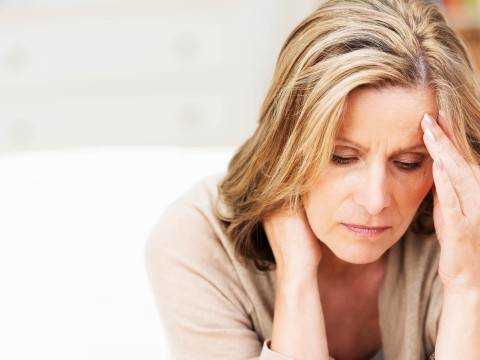
Menopause and mental health!Menopause is the period in a woman's life when her man claims she is going crazy. It is also the time when her period is on the decline and hormones are in complete disarray. Depression, insomnia, irritability, mood swings and lack of concentration are few symptoms that the lady has to battle with. These symptoms may begin as early as 4 years before the actual menopause and may continue for several years after that! For women, menopause is a significant turning point in their lives. The dropping levels of oestrogen and the resultant physical and mental symptoms can be like a cycle of events, only adding to their woes! Depression: Depression affects every middle-aged woman. An estimated 20% of women have depression at some point during menopause. The peak period for depression is during the perimenopausal years, when the woman is approaching menopause. The reason for this, say experts, is the fact that most women dread menopause. Even though for some it means an end to years of menstrual cramps, for most others it signifies an end to their womanhood. The very idea is sufficient enough to bring on lots of negative thoughts and depression. Not only this, the reason for depression during perimenopausal and menopausal age is the fluctuating hormones. Research shows that the levels of reproductive hormones, specifically oestrogen are responsible for the mental changes. Changes in the sleep pattern: Insomnia is seen in 40 to 50% of women in the menopausal transition phase. Women who spend sleepless nights are more likely than others to show irritability, crankiness, stress and depressive symptoms. Sleep disturbances during menopause have been linked to the decreasing oestrogen levels. Indeed this claim can be held true as several women respond positively to exogenous hormone therapy. One study claims that sleep changes are linked to the Luteinizing Hormone levels, which also results in increased body temperature. Sleep apnea too occurs in the menopausal transition age. This is due to decreased progesterone level, as progesterone plays an important role in respiration. The weight gain that happens during menopause has also been shown to cause sleep apnea. Panic disorder: Panic disorder is commonly seen during the perimenopause stage. Existing disorder may worsen or new disorder may arise. Panic disorder is usually manifested in women who show several physical symptoms of menopause. The panic attacks are usually associated with negative life events, pre-existing medical diseases and decreased daily functionality. Obsessive compulsive disorder: New onset of OCD, worsening of the existing condition or change in the pattern of symptoms is seen during menopause. OCD changes are also observed during pregnancy and during the menstrual changes, suggesting the impact of hormones on symptoms of OCD. Bipolar disorder: Women with bipolar disorder experience an exacerbation of symptoms during the perimenopausal stage. These women are also the ones that are highly likely to experience severe depression in the menopausal phase. Schizophrenia: Schizophrenia usually manifests itself in young adulthood. The rate of new cases decreases gradually thereafter, in both men and women. In women, however, there is a second peak in the 45-50 years age group. This peak is not observed in men. This suggests that oestrogen may play a significant role in triggering schizophrenia or worsening the pre-existing condition.
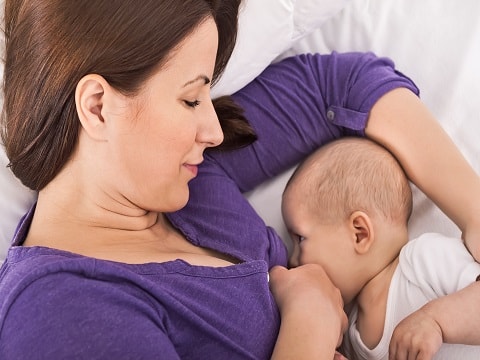
Importance of breastfeedingBreastfeeding is a natural act and that is why it is also one of the most beneficial acts for a baby. Breastfeeding provides essential nourishment and is the best food for the baby's stomach to digest. No matter how many infant formulas enriched with vitamins and minerals you provide to your baby, it can never replicate mother's milk. As for the mother, there is nothing more joyous than providing your baby with the best start that it can get in the long journey of life. The bond that the mother and the baby share through breastfeeding is one of the most special bonds. For the first six months, breastfeeding your baby is recommended for all mothers whether they are working or at home. Most working mothers are given leave, whether paid or unpaid, so they must ensure they provide their babies with regular breast milk. Breast milk protects the child against diarrhea, respiratory infections, pneumonia, ear infections, and helps to reduce chronic constipation and colic that the babies are prone to. Research also points to the fact that breastfed babies are immunized and protected against allergies, asthma, sudden death, diabetes, and obesity. They remain much healthier than those babies who are formula fed. In India, only 41% mothers begin early breastfeeding even though it has so many benefits. Mothers who exclusively breastfeed their babies help them to survive better. They also gift them with better brain development and these babies are likely to perform well intellectually. No matter which economic section of society the mother comes from, she can provide her baby with the best start in life by breastfeeding it and make sure that the child develops to its full potential. Breastfeeding is natural, simple, and cost-effective way to ensure your baby is healthy and continues to develop healthily. Since the breastfeeding campaign began on a large scale, child mortality has decreased. Immediate breastfeeding within one hour of birth has helped to significantly reduce sudden baby deaths. The colostrum, the first thick yellow breast milk is what protects babies from many diseases as it is filled with goodness. Lack of nutrition or malnutrition is another aspect that leads to infant deaths. Breastfeeding can significantly lower infant deaths from malnutrition as the mother's milk is one of the most nutritious foods provided by nature for the baby's healthy growth. A mother has the full ability to provide adequate nutrition for the baby, therefore breastfeeding needs to be encouraged fully. Employers need to create an appropriate space within their premises and should encourage new mothers to breastfeed their child. Breastfeeding also has a number of benefits for the mother. It helps to burn calories and the mother can return to her former pre-pregnancy state. Breastfeeding helps mothers to reduce their risk of breast, uterine, and ovarian cancer;high blood pressure;diabetes; and heart diseases. So for the first six months, mothers must make sure to breastfeed their baby and do not substitute it with baby food products.
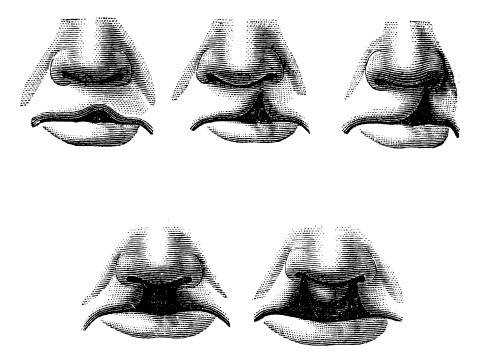
A correctable disfigurement of face: Cleft lip and palateThe Times of India reports that "With an incidence of 7 per 1000 children, cleft lip and palate deformity is one of the most common deformities among Indian children." The number of infants born every year with cleft lip and cleft palate in India is 28,600. This means 78 affected infants are born every day or 3 infants with clefts are born every hour. Cleft lip and palate develop early in pregnancy where lack of adequate amounts of tissues lead to two parts of the face failing to join adequately at the middle. A cleft lip or hare lip (as it is commonly called) refers to separation of the two sides of the upper lip. There appears a narrow opening or gap over the skin of the upper lip. This separation may sometimes extend beyond the base of the nose and may involve the upper gum and/or the bones of the upper jaw. A cleft palate refers to the gap between the two edges of the roof of the mouth, causing it to remain open at birth. The bony front portion of the roof of the mouth or the hard palate may be involved alone, or along with the soft palate or the soft back portion of the roof of the mouth. Since lip and the palate develop separately, it is possible to have a cleft lip without a cleft palate or vice versa. Causes of developing cleft lip and cleft palate: The exact cause of cleft lip and palate is unknown. Some research, however, suggests that these clefts are caused by a combination of genetic and environmental factors. The risk of such clefts thus can be reduced by adopting a healthy lifestyle during pregnancy. This includes avoidance of smoking, alcohol and having a healthy diet to avoid excessive weight gain during pregnancy. Cleft lip and palate can occur alone with no other problems or defects. This is called non-syndromic clefts. They may also occur as part of other birth defects and then may be called part of a syndrome. Cleft lip and palate may occur on one side (unilateral) or may occur on both sides (bilateral). Unilateral cleft lip and palate is more common than bilateral cleft lip and palate. Left-sided cleft lip and palate is twice as common as right-sided cleft lip and palate. The reason for this is unclear. A cleft lip or combined cleft lip and palate are seen more commonly in male babies. Cleft palate alone is more common in female babies. The face of the baby usually develops around 5th and 9th weeks of pregnancy thus this defect may arise early in pregnancy. Treatment of cleft lip and palate: Cleft lip and palate is usually corrected using cosmetic or plastic surgery. Results are usually very good. After treatment, most children have a normal appearance. To prevent and correct associated speech problems and dental problems, treatment is also sought from speech and language therapists, as well as dental surgeons (orthodontic specialists). Excellent results may be seen if the specialists work in tandem.
Is circumcision a healthy ritual?Religious rituals and practices have been carried out since ancient times. Circumcision is a religious ritual that involves surgical removal of the prepuce of the human penis. Prepuce is the foreskin of the penis and during the procedure; the person performing the ritual opens, inspects and separates it from the glans. The process is painful and hence local or topical anesthesia is used to reduce physiological stress and pain. Circumcision is performed for religious as well as personal reasons and many times recommended medically for prophylactic or therapeutic reasons as well. Today's medical science makes use of this treatment for treating chronic urinary tract infections, refractory balanoposthitis and pathological phimosis. Circumcision is performed as ritual in many parts of the world. However, it is also recommended medically as protection against HIV infection. Circumcision-Is it Legal and Ethical? In the world over, the ritual or practice of circumcision is carried out on all types of people from neonatal stage to adulthood. While no significant risks have been noticed due to the practice of this ritual, rather some modest health benefits have come to the fore. The World Health Organization has recommended circumcision for male infants in parts of Africa where the children are more vulnerable to urinary tract infections. However, no other medical organization in the world has supported or banned the procedure. Over past few years, legal and ethical questions have been making rounds and many believe that consent should be taken before carrying out neonatal circumcision. HIV and Circumcision Benefits A Cochrane meta-analysis conducted in 2009 on sexually active African men have revealed that the ritual of circumcision reduces the risk rate of HIV infection by 38 to 66 percent among heterosexual men in a period of 24 months. That is why WHO has recommended circumcision in sub-Saharan African areas having high rates of HIV infection as a part of the comprehensive HIV program. Moreover, this process is more cost-effective as compared to other treatments and preventive measures recommended for HIV. Circumcision reduces the risk rate of HSV-2 infections and oncogenic HPV prevalence along with the risk of penile cancer and UTIs. Until now, there have been no concluding reports on the protective effects circumcision offers against other types of sexually transmitted infections. Circumcision is also recommended medically to children suffering from pathological phimosis and refractory balanoposthitis. Contraindications The literature worldwide review conducted in 2010 reveals that around 1.5 percent of the newborns face median complication when the process of circumcision is performed by trained medical providers. Only 6 percent children face severe complications with the common complications being infection, bleeding or removal of too little or too much of foreskin. However, the process does not cause any negative impact on the sexual functioning of an individual. Contraindications due to circumcision are also cited in infants having genital structure abnormalities right from the birth such as misplaced urethral opening, ambiguous genitalia or chordae. In such cases, the foreskin may require reconstruction through surgery.  It is contraindicated in premature babies and clinically unstable infants and it should also be avoided in children with family history of hemophilia (bleeding disorders). In such patients, it is important that the blood should be checked for its coagulation properties before attempting the procedure.
Causes and treatment of sleep talkingIt is usually believed that sleep talking is associated with dreaming, but there is no scientific evidence available to support this hypothesis. In few cases, it may be associated with sleep disorders or any other diseases. Sleep terrors and REM sleep behavior disorder (RBD) are two sleep disorders associated with sleep talking. Sleep terrors are associated with frightening scream, kicking, and thrashing. It is commonly seen in children. Awakening becomes difficult during sleep terror. Patients with RBD utter a sudden loud cry, grunt, shout, or act out their dreams, usually violently. Other causative factors of sleep walking are emotional stress, mental health illnesses, substance abuse, fever, and certain medications. Treatment: Evaluation of the patient Patients with sleep talking should be evaluated by a specialist doctor especially if it is seen in adults or associated with violent actions, screaming, or intense fear. If children with sleep talking have disturbed sleep pattern, they should be evaluated by the pediatrician. The doctor asks questions to the parents, roommates, and bed partners about the nature and the extent of sleep talking. There is no definitive treatment available for sleep talking, although the doctor may test to record the sleep pattern of the patient to identify any sleep disorder. This test is known as polysomnogram. Management Sleep talking usually does not require treatment. Avoidance of stress and plenty of sleep at night may help to decrease sleep talking. However if any sleep disorder is identified by polysomnogram, it is treated accordingly by the doctor. If underlying causes like mental illnesses, substance abuse, or medications are identified, they are also managed accordingly. Mental illnesses like depression should be treated with proper counseling and medications. The patients should refrain from alcohol, heavy meals, fatty meals, etc. The patients are advised to follow regular sleep schedule, get adequate amount of sleep, and practice proper sleep hygiene so that severity and frequency of sleep talking is decreased.
Afraid of the dark? understand your fear and cure it!Scotophobia, more commonly known as Nycotophobia, is a psychological illness, where the patient is afraid of the dark. Children are more prone to this fear, though it does affect quite a few adults as well. The dark often represents insecurity and uncertainty to children, and it symbolizes their entrance into an unknown territory. If the children are alone during their first few encounters with darkness, the absence of parents (who exemplify safety), tends to amplify this crippling fear. While most of us do actually possess this fear in relatively small amounts, as we grow up the fear diminishes. However, there are those of us who might carry this fear of the dark into their adulthood and in such cases, the fear is usually accompanied by quite a few intricate issues. People often tend to externalize a set of conflicting feelings about a certain situation, towards something else. For instance, you might be worried about your children; but your mind may externalize this fear, via your inefficiency at work. This process is called externalization. So, when it comes to the root of your fear of darkness, it is possible that at some point in your past, you experienced something untoward, which through externalization, inculcated this fear of darkness, deep into your psyche. Evolutionary Ties to Darkness: Many scientists have pointed out that this phobia might be linked to the process of evolution. Since predators hunt for their prey at night, we might have inherited this fear of darkness from our ancestors, who believed that darkness was a space where they could be attacked by wild animals. However, recent studies have shown that  Scotophobia begins at approximately the age of two in children, and thus, it cannot be said to be innate to us. In a study done by Ryerson University involving over 90 students, it was found that people who are afraid of the dark, are more likely to be poor sleepers, than those who are not afraid of it. More interestingly, it was discovered that any kind of noise made while the people with this phobia were asleep, frightened them the most.. Symptoms of Scotophobia: The first symptoms of this fear are the resistance to visit dark places and the yearning for company when such situations arise. However, many a times adults who are suffering from this fear, do not reveal it due to the added fear of embarrassment and this, sometimes, results in outbursts of rage when they are forced to go out for an event at night, or to confront the dark under any such circumstances. A person battling this fear may experience panic attacks, sweating and trembling prior to, or while staying in the dark. The blood pressure also rises, accompanied by chest pain and lastly, a difficulty in breathing. Diagnosis of Scotophobia: In children, this fear can be easily verified by their behaviour. However, adults might require further assistance, due to their natural resistance to openly admit to such a fear. Scotophobia can be diagnosed through a comprehensive psychiatric evaluation. Following this, your psychologist would be able to give you an idea of the source of your fear as well. Pursue a course of treatment immediately after the discovery of the phobia, which will ensure a faster and more effective recovery. Treatment of Scotophobia: The process of 'desensitization' is most commonly used to help with such a phobia. In this form of treatment, the patient is slowly exposed to the object of fear, in a situation where she/he will not feel vulnerable. This is done by asking the patient to confront the dark along with another individual who symbolizes safety for him/her. This could be a parent or a friend. Night lights can also be installed to gradually reduce the fear. You may try certain breathing exercises, which will reduce the panic attacks that accompany this fear. Hypnosis has also been said to be very effective in dealing with this phobia. If your psychologist sees fit, you might be also prescribed some medicines; antidepressants are given in some cases. Joining a self-help group is also a good option, in addition to your psychological treatment.  

5 tips to reduce your salt intakeSalt is an inevitable part of our food, but added salt has harmful effects on the body. The list of benefits in reducing sodium/salt intake in our diet runs long, ranging from lower blood pressure, in turn leading to reduced risks of heart disease, obesity, and diseases of the kidney. The daily sodium intake of an individual should not exceed 1500-2300 mg per day (a table spoon of salt approximately), and this needs to be maintained in the salt added to our food, including the processed food and drinks we buy. Sodium, an indispensable component of our diet, is consumed in excess by most of us. Follow the tips, as mentioned below, to curb your daily salt intake. Avoid added salt. Do not add salt to already cooked food while eating. Keep a diary and make a list of foods with salt in them that you eat daily. Do not forget to add pickles, spices, papads, salted biscuits, and salted nuts. All of these are highly loaded with salt. Next time you go shopping read the labels. Choose low-salt options-sauces, crackers, khakhra, instead of papad. Make an attempt to eat less canned and processed foods. Choose fresh fruits and vegetables over processed food. Eat less bread. Each bread slice has about 250 mg of sodium. Do not mistake bread to be healthy. Next time, keep this in mind when you go out to eat pizza. Pizza base is like bread. While cooking food, make it a point to add salt only towards the end in the recipe. This way you will need to add lesser salt. Sodium content of some foods Bread (one slice) - 250mg Cheese pizza: 450 - 1200mg Tomato soup: 350 - 1000mg Potato chips: 100 - 150mg
10 Makeup myths bustedMyth 1: You do not need Primers if you have evenly applied foundation and moisturized your skin well. Fact: Primers are basically used to fill your fine lines, reduce the visibility of your pores and keep your foundation looking fresh and radiant, for longer. With age, your skin develops its natural flaws and the use of primers becomes mandatory. For best results, use your primer after moisturizing your facial skin and before applying your foundation. Myth 2: Red Lipstick does not look good on everyone. Fact: Generally, red can look good on everyone. The trick is to find the right shade of red that suits  your particular skin tone. However, to play it safe you may start using red lip colors with blue undertones, as they look good almost on everyone. But remember, learning to apply lipstick the right way, is just as important for the right effect. With just a little patience and practice, you can surely achieve those red hot lips, you've always dreamt of. Myth 3: Foundation should match your cheek, hand, neck or forehead. Fact: Getting the perfect shade of foundation is one of the toughest tasks, while choosing your makeup products. Your facial skin is much lighter than your hands; yet at the same time, it's a tad bit darker on the sides and forehead. Hence, the best way to select a foundation is to check the stripes on your jawline. But, always remember to step out into the natural light while making this crucial decision. Myth 4: You can change the lip-size using lip plumper. Fact: Ok Ladies, a lip plumper will definitely not change the size of your lips. The way they work is that they give your lips a swollen appearance, by stimulating the blood flow and irritating the lips. The main ingredients in a lip plumper are hot pepper, menthol, caffeine and cinnamon which results in the temporary pronounced pout, which soon wears off. Myth 5: Pumping the Mascara eliminates Clumps. Fact: If you pump your mascara tube, you're actually pumping in more air, due to which the mascara solution dries out quickly and allows germs to breed in your mascara. The best way to eliminate clumps is to rotate the brush inside the mascara tube and then wipe it down with a tissue, before application. Myth 6: Never wear an eye shadow matching the color of your eyes. Fact: It is true that if you use contrasting colors, your eyes will pop and look bolder. However, this does not mean that if you have brown eyes, you avoid your favorite brown eye shadow. Myth 7: Choose a concealer that is lighter than the foundation. Fact: Every woman has a different skin tone and depending upon your skin tone, you might need more or less, foundation coverage. So, it is always better to choose a concealer that comes closest to the shade of your foundation. Myth 8: Always choose a foundation that is lighter in color compared to your skin tone. Fact: If you choose a shade of foundation lighter than your skin tone, after a while your face will start showing two different skin shades. Always, test the foundation on your jaw line and if it blends in seamlessly with your skin tone, that's definitely the right shade for you. Myth 9:  Makeup leads to acne. Fact: No research, until date, has conclusively proved that makeup causes acne. Poor hygiene, sleeping with your makeup on, not cleaning your makeup brushes regularly, and using the products beyond their date of expiry is what leads to breakouts on the skin. New products may also cause skin irritation; which is why, it is better to test them on your elbow, before using them directly on your facial skin. Myth 10: Tingling makeup products are perfectly fine. Fact: Makeup products that make your skin tingle are sure to damage your skin and cause injury. It may also lead to bacterial infections and pimples, so you should certainly avoid such products. You should never compromise on the quality of makeup products, or else your skin may have to suffer the side effects.
A guide to earwax impactionBiologically, the earwax which builds up over time moves through the ear canal from movement caused by chewing or other jaw motions. It is also extricated through the inside-out motion of the skin of the ear canal - it reaches the outer ear and peels away. The cerumen is produced in the outer regions of the ear and not in the inner recesses. Earwax impaction refers to the condition where the ear wax builds up to such an extent or in such a manner that it causes discomfort to the entire body. In many cases, earwax impaction occurs when patients use cotton swabs or safety pins to clean their ears, only causing the wax to drop deeper into the ears. The main symptoms of earwax impaction include difficulty in hearing, faintness, ache in the ear, foul smell in the ear region, ringing or sound in the ear (also known as tinnitus), a sensation of fullness in the ear, and lastly, discharge from the affected ear. The most vulnerable groups for this condition include those who use hearing aids or ear plugs, elderly people, and those who insert cotton swabs or other items into their ears, as well as those who have an odd ear shape which could negatively affect the discharge of the earwax and those suffering from development incapacities. Did you know that one of the most common methods used by people to clear excessive earwax is ear candling where a candle (in shape of a cone) is placed inside the ear canal and set alight to warm up and remove the wax? This is one of the most dangerous methods causing burns, worsened blocks, and damaged eardrums; this should be clearly avoided. The diagnosis of this condition can be done by an ear specialist using an instrument called otoscope. Earwax impaction is treated in many ways. While at home, you could try to clean the outer region of the ear by wiping with a cloth, the physician could irrigate or syringe the ear to wash out the ear canal with saline. This procedure is generally done once the wax has been softened by the use of cerumenolytic solutions aimed at dissolving the wax like mineral oil, peroxide-based ear drops, and hydrogen peroxide. Physicians also use special instruments to remove the built-up earwax like forceps, cerumen spoon, and suction tool. The best way to prevent cerumen impaction is by not inserting anything into the ears to clean it up. Cotton swabs should only be used in the outer part of the ear. In case you feel that the buildup is regular, then you can fix an annual appointment with your physician for cerumen removal.
Adrenaline rush - Feel it inside!Imagine yourself at a great height, either scaling a dangerous cliff-hanger of a rock face or on a bungee jumping platform. Some of us who have had the pleasure of doing high adventure sports like racing or indulging in perilous activities like giving out an acceptance speech for the first time are well aware of that strange feeling in the solar plexus, the clammy hands and intensely thudding heart, and the rush of blood to the head just as you are about to take the plunge! The heart beats faster than ever, breathing goes rampant, the senses seem to become supercharged, and the fear, the joy, and the excitement meddles with the mind. That’s adrenaline rush! So what do you want to do? Fight? Or flight? Either ways, adrenaline does it for you. Speaking medically, the two small adrenal glands on top of the pair of kidneys release a magic chemical that gives the animals way towards the fight-or-flight response to counter certain high-intensity situations, called adrenaline or epinephrine. The chemical entity is a hormone, a neurotransmitter as well as a medicine and is too complex to explain its behavior. However, when it works the heart pumps out the blood to the excited muscles and all the juices surge up inside the body. There is more to this topic than just the physiological mumbo-jumbo. The hormone acts every day in the normal course of life, but not regularly to the extent when it produces side effects such as shakiness, palpitation, high anxiety, and profuse sweating! Thats kept for special situations like physical threat, excitement, bright lights, noise, and really high temperature – in good or bad ways. Let us surf through some of the rewarding and a few of the nasty situations where the jolting juice takes charge of our body! The Good ones: Countering Stress: In extreme stress conditions like accidents or fracture, the body needs to react fast and is at its highest awareness. Adrenaline keeps the muscles up and kicking to help the victim fight with the stress. High Energy Requirement: In majority of sports, more specifically in contact sports like Rugby, Boxing, Mixed Martial Arts, etc., the player needs to be in his full sense and topmost concentration level. The adrenaline rush runs in the background to keep them at their extreme self. The Push Mode: Often the daily chores aren enough to excite us and we tend to search for some adventure. In such pursuit of excitement, there are times when the road is a dead end or there is only one way forward – the impossible or most difficult one! The hormone pumps the brain both ways with fear and with the push to conquer the fear and proceed. Adventure Sports often sounds fun, but at times when running ahead of a raging bull, or hanging off a cliff, or rafting down the rough waters of a cascade – feels like the heart shall come out and scream!! It is the rush of adrenaline that keeps one ahead of the fear and explore the high-energy fun of winning over it. Life Saving Moments: In cases of life-threatening emergencies such as drug overdose, cardiac arrest, or pulmonary failure, where the heart and lungs suddenly cease to function and the body gets into a shock –– the epinephrine shots are considered as a life-saving medication to bring the patients back to life (only to be used judiciously by a qualified medical practitioner). The important medical use of adrenaline is in treatment of acute anaphylaxis and allergies under medical supervision. The Bad Ones: Disorders of the Adrenal: Tumors and cancers of the adrenal gland can cause hyperactivity of this high-performance hormone affecting the normal functioning of the heart and the blood vessels by increasing heart rate and creating anarchy in the body systems. Over-Stressed Adrenaline Rush: The demand-supply mismatch in the present world scenario requires one to perform at his/her epitome of mental and physical strengths. In that constant urge of performance, the brain and the body is stressed out so intensely that the adrenaline surge symptoms are experienced by the individual even in the absence of threatening situations. Sudden sweating of palms, shortness of breath, pounding heartbeats, or chest pains without a justifiable reason can be a result of constant stress.
Painful intercourseSome of the causes affecting women can be: Going too fast, penetrating from an awkward position. Do not hesitate to tell your partner that it hurts and he needs to slow down or change position in order to make you comfortable and prevent pain. Dry vagina or lack of natural lubrication in the vagina. This dry vagina is caused due to some medications, changes at the menopause. Sometimes just increasing the time of foreplay can help vaginal lubrication. Use water-based lubricant to reduce pain. Failure to fire off. Sometimes failure of the vagina and uterus to respond to sexual arousal can lead to irritation and tenderness. The vagina may be too tight for the intercourse sometimes or the uterus may not be raised so that the penis comes in contact with the cervix during penetration. Using other penetration methods can be helpful to explore the level of arousal before engaging in intercourse. Vaginismus can be the cause of discomfort. Muscles surrounding vagina are sometimes very tight and lead to pain and intercourse to be painful. Woman can examine herself with her fingers to see if vaginal walls are tighter than normal. It can be vaginismus. Normal cause is nervousness or anxiety. It is reversible. Good foreplay before intercourse will help to relax the muscles and help lubricate. Just relaxing before the act can be helpful. Vaginal infection and inflammation due to yeast, herpes, etc. can make intercourse uncomfortable. Fabrics, creams, perfumes may cause irritation in area in some women. Avoid these. First-time sex can be a little painful. Rupture of the hymen can cause discomfort during penetration. Start slowly or begin with forms of penetration other than intercourse. Psychological pain. Sexually traumatic experiences or feelings of guilt associated with sex can make the act painful. Consult a sex therapist or psychiatrist. Discomfort during intercourse is experienced by men too, various causes affecting this outcome for men are: Tight foreskin. During first attempt at intercourse, tight foreskin will make retraction painful. After sometime, the foreskin will become loose and make intercourse comfortable. Any lesion on the penis skin can make intercourse painful. These may result from non-lubricated masturbation or rapid intercourse or STDs. The blisters due to herpes infection can make intercourse extremely painful.
FAQS
T&C FAQS