Home
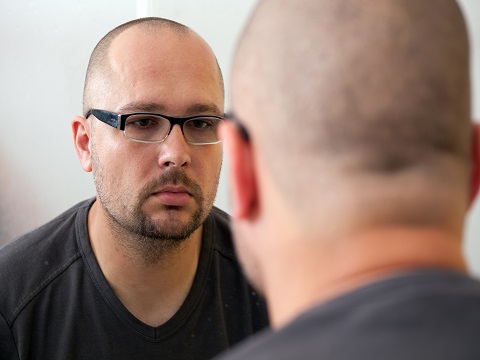
What causes male balding?They say there are 3 types of men: the ones that go bald at the top are thinkers, the ones who go bald at the back are lovers, and the ones who grow bald at both places... only think they are lovers. If pregnancy and menstruation are a female's burden, then baldness is a great inconvenience to men. Some men lose their hair in their youth and thus lose their confidence along with their hair. So what is with baldness and men? Men start having a receding hairline by the time they hit 30, though it could begin in their 20s as well. The most common type of baldness is the mid-frontal type resembling a horseshoe. Earlier it was thought that baldness is caused only by genetic factors, but apparently emotions, lifestyle and diseases also contribute largely to hair loss and baldness. This hair loss can be temporary or permanent. Some medications like anticoagulants, antidepressants, antifungal medicines, chemotherapy etc can cause baldness. Certain diseases like thyroid disease, Crohn's disease, lupus can cause hair loss and baldness. Poor nutrition is an important factor in hair loss. Vitamin and mineral deficiencies along with poor nutrition can pave the path sooner than most other things. Then there are some conditions like Alopecia Areata which cause baldness in patches -- on the head or beard. It is temporary and the hair grow back in about 6 months to 1 year. Corticosteroid injections are used to treat the condition. Air and water pollutants, environmental toxins, conventional styling products have the potential to build up on the scalp. These affect hair cuticle, cause dryness, and weaken the hair causing them to easily break off before their natural lifecycle has ended. If you notice your hairline receding more than usual, then check if you are getting enough nutrition. Exercises like the headstand and handstand send the blood rushing to the scalp and can help with hair growth. Massaging the head with warm oil helps to increase blood circulation as well. Use a shampoo that suits your hair along with a conditioner. Oil your hair overnight at least thrice a week. Keep yourself well hydrated and try vitamin C which can help arrest hair fall. Use a clean comb and ensure that you sun your scalp, as vitamin D is an essential tonic for skin, bones, teeth and even hair.    
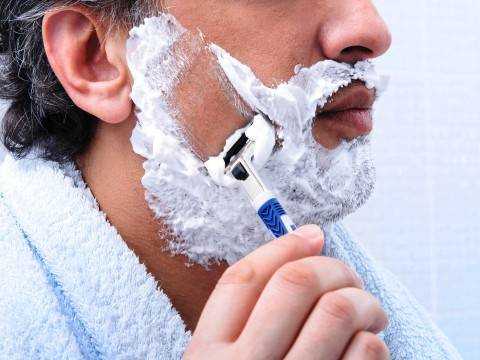
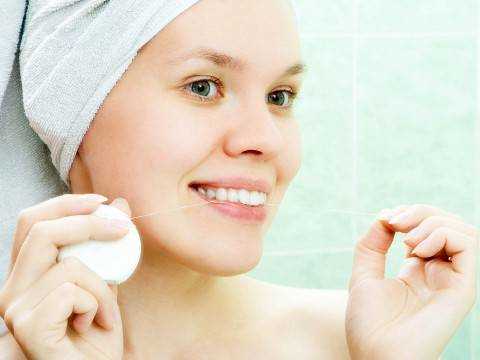
Self grooming tips for men Get rid of unnecessary body hair:Hair on your ears, back, underarms, or uni-brows does not appeal at all. If you have them, then try and get a hair removing gel or wax away gently. Nose hairs can be trimmed from time to time, so that it's not visible. Hair in the underarms can either be waxed, or removed by using a razor. Hair on the back can also be removed through proper waxing. Shave properly:Keep a beard if it suits you, but do trim it regularly. If you do not want a beard, but just a moustache, then that requires customary trims as well. Try and keep yourself clean shaven, if you can't easily manage the styles mentioned above. Avoid bad breath:Bad breath can really get you into trouble, especially during office presentations, client meetings, or even at a date with your girlfriend. Use mouth washes to avoid this problem, and floss after every meal. Mouth fresheners can also come handy, so maintain a regular stock at all times. Brush regularly:Maintain a brush and floss routine twice a day to avoid awkward situations. Cut and clean your nails:Long nails look great on girls, but they are a big turn off in guys. Men need to keep their nails small and trimmed always. Use nail clippers to cut them properly, and cleaners to keep them clean. Take care of your skin:Buy a good sun care and moisturising lotion, and use it always, after a face wash and shower. This shall give you a nice glowing skin. Exercise regularly:A good body can attract everybody's attention. Eat healthy food and exercise regularly to be active and healthy. Get rid of body odour:Instead of colognes, try using deodorants and talcum powders to get rid of body odour. For underarms, always keep a roll-on with you, and apply it regularly. If the issue persists, then consult a doctor for help. Wear well fitting clothes:Wearing unfit or loose clothes will make you look older than you are. Hence, wear clothes which fit you the best. Correct your posture:While standing, walking, and even sitting, keep a straight back. This shall give u a better posture. You will look more pleasing and charming. Grooming is not just a thing for women. It is all about looking after yourself. So, read on to know some self grooming tips for men These were a few tips which can help you look after yourself better, and also give you that much needed edge over others. So, try them out right away!
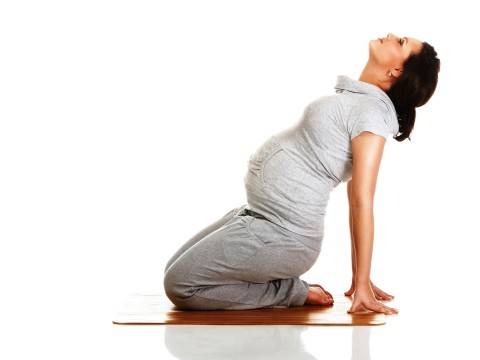
Fitness mantras during pregnancyYou must be wondering how Shilpa Shetty maintained her fitness even after bearing a child. The simple answer is that she never gave up exercising. Exercising during and after pregnancy is the best way to stay in shape and ensure your mental and physical healthiness. It also helps you in preparing for labour pain and delivery, and quick recovery postpartum. However, there are some things you need to keep in mind while exercising during pregnancy: Measure your fitness You need to determine how fit you are. This will help in determining the type and duration of exercising during pregnancy and post pregnancy. Also, before you continue your old exercise routine or begin a new one, you should talk to your doctor about exercising while you're pregnant. Pregnancy is a balancing act After the fourth month of pregnancy, it's likely you will lose balance while you exercise. Though your baby is well protected with amniotic sac, it is better to be safe than sorry. Safe exercises Activities such as swimming, walking, yoga, pilates, and low-impact aerobics are good choices. Pregnancy is not the right time to start any new intensive exercise, but it is safe to continue with most types of exercise if you're used to them. The things you should avoid Avoid exercises where you are likely to lose your balance or could make you fall or slip. Vigorous or extreme activities such as horse riding, skiing, mountain climbing are out of the question. They carry too high a risk of injury to your tummy. Avoid exercises such as: Sit-ups Standing on one leg Separating your legs widely You should also avoid most contact sports, such as football, basketball and so on. Finally, give racket sports a miss if you're not a regular player as they can be tough on your knees and ankles. Check with your doctor Consult the doctor before starting with any new or unusual exercise. Check for any complications or unusual conditions. Also, discuss for any concern such as: Pregnancy-induced high blood pressure Early contractions Vaginal bleeding Premature rupture of your membranes, also known as waters (the fluid in the amniotic sac around the fetus) breaking early The best outfit for exercise Clothes should be comfortable and loose fitting while exercising. Wear a supportive bra which protects the breasts and is also relaxing. If your shoe size has changed because of mild swelling, you may want to buy a new one. Duration of the exercise Exercising three to four times a week is necessary. This reduces stress, fights fatigue, and stabilizes emotions in early pregnancy. Start gradually, may be with only five minutes a day, if you were totally inactive before. Add five minutes each day till you reach 30 minutes. Also keep in mind to avoid exercise on an empty stomach. Eat a snack 30 minutes before exercise. Never over do Listen to your body when it says 'stop'. Over exercising causes overheating. Raising your core temperature too much can affect the baby adversely. Always sip water before, during and after exercising. Listening to your body when something hurts or doesn't feel right - that means stop. Drink a lot of water Try to drink about two glasses of water two hours before you begin exercising. Take a sports bottle of water with you when you exercise and take frequent sips from it. It's important you don't get dehydrated. This may raise your body temperature, which may not be good for you or your baby.  Keeping these points in mind, exercise to stay healthy and fit. We hope you soon give birth to a healthy kid.  
Hairy tale: Hirsutism in womenThe condition is called Hirsutism where women grow coarse hair just like males on the face, chest or elsewhere. The primary cause for Hirsutism is hormonal imbalances by the over stimulation or excess production of male hormones (present in minute quantities in females too). The thickness of hair that grows largely depends on our genes and at times Hirsutism in women may be just a hereditary trait rather than an imbalance. Self care and medication can take of it in such a case. Idiopathic Hirsutism is a type of this condition where there is no possible cause for the male type hair growth. These women have regular menstrual cycles and no Androgen excesses, yet they have Hisrutism. Hirsutism with excessive bodily and facial hair, usually in a male pattern, in women may be present in normal adults as an expression of an ethnic characteristic or may develop in children or adults as the result of androgen excess due to tumors, or of non-androgenetic or other drugs. Hirsutism can make its appearance at menopause or soon after as there are a lot of hormonal changes that occur in the female body, and in certain cases women grow hair even on the lip, nipples, abdomen and upper shoulders. And just as men go bald there can also be a receding hairline and baldness in women accompanied by a deepening of the voice and enlargement of the clitoris. If the hair growth occurs at puberty then a doctor's evaluation is most essential as it could be more than just Hirsutism.
Avoiding nappy rash - A few words of adviceNappy rash is a skin condition that takes its name from the nappy in which a baby is wrapped. It is a reddish rash, or tender skin around the buttocks and inner thighs of babies, which occurs due to prolonged wetness from either urine, or stools, or both. Nappy rash may be in the form of an unusually tender bottom on a child, or an inflammation around the genitals, and inner thighs, or folds of the skin. It generally occurs in really small babies, less than a year old. Most times, nappy rash is not a very serious condition, provided care is taken. No matter what type of nappy you use, whether promising complete dryness, or absorbent nappies, your baby is likely to develop 'nappy rash' at least once. The rash can make the baby feel uncomfortable, and cranky as a result. Steps to avoid nappy rash: Always ensure that your baby's bottom remains dry by changing nappies at regular intervals. Use a mild medicated baby soap which will help in keeping the skin around the inner thighs and buttocks soft. Give your baby some nappy free hours. You will be the best judge to know when she is likely to have comparatively dry spells, which can allow the skin and parts below the waist some breathing space. Regular bathing should take care of most rash related problems. Use an emollient, or medicated soap for bathing. Sometimes, nappy rash is a result of a thrush or yeast infection. The baby's resistance at these times is low so that it allows the yeast to thrive in the form of ugly red patches. Always show a medic to rule out the possibility of bacterial infections. Anti-fungal creams should also take care of normal nappy rashes.    
Afraid of the dark? understand your fear and cure it!Scotophobia, more commonly known as Nycotophobia, is a psychological illness, where the patient is afraid of the dark. Children are more prone to this fear, though it does affect quite a few adults as well. The dark often represents insecurity and uncertainty to children, and it symbolizes their entrance into an unknown territory. If the children are alone during their first few encounters with darkness, the absence of parents (who exemplify safety), tends to amplify this crippling fear. While most of us do actually possess this fear in relatively small amounts, as we grow up the fear diminishes. However, there are those of us who might carry this fear of the dark into their adulthood and in such cases, the fear is usually accompanied by quite a few intricate issues. People often tend to externalize a set of conflicting feelings about a certain situation, towards something else. For instance, you might be worried about your children; but your mind may externalize this fear, via your inefficiency at work. This process is called externalization. So, when it comes to the root of your fear of darkness, it is possible that at some point in your past, you experienced something untoward, which through externalization, inculcated this fear of darkness, deep into your psyche. Evolutionary Ties to Darkness: Many scientists have pointed out that this phobia might be linked to the process of evolution. Since predators hunt for their prey at night, we might have inherited this fear of darkness from our ancestors, who believed that darkness was a space where they could be attacked by wild animals. However, recent studies have shown that  Scotophobia begins at approximately the age of two in children, and thus, it cannot be said to be innate to us. In a study done by Ryerson University involving over 90 students, it was found that people who are afraid of the dark, are more likely to be poor sleepers, than those who are not afraid of it. More interestingly, it was discovered that any kind of noise made while the people with this phobia were asleep, frightened them the most.. Symptoms of Scotophobia: The first symptoms of this fear are the resistance to visit dark places and the yearning for company when such situations arise. However, many a times adults who are suffering from this fear, do not reveal it due to the added fear of embarrassment and this, sometimes, results in outbursts of rage when they are forced to go out for an event at night, or to confront the dark under any such circumstances. A person battling this fear may experience panic attacks, sweating and trembling prior to, or while staying in the dark. The blood pressure also rises, accompanied by chest pain and lastly, a difficulty in breathing. Diagnosis of Scotophobia: In children, this fear can be easily verified by their behaviour. However, adults might require further assistance, due to their natural resistance to openly admit to such a fear. Scotophobia can be diagnosed through a comprehensive psychiatric evaluation. Following this, your psychologist would be able to give you an idea of the source of your fear as well. Pursue a course of treatment immediately after the discovery of the phobia, which will ensure a faster and more effective recovery. Treatment of Scotophobia: The process of 'desensitization' is most commonly used to help with such a phobia. In this form of treatment, the patient is slowly exposed to the object of fear, in a situation where she/he will not feel vulnerable. This is done by asking the patient to confront the dark along with another individual who symbolizes safety for him/her. This could be a parent or a friend. Night lights can also be installed to gradually reduce the fear. You may try certain breathing exercises, which will reduce the panic attacks that accompany this fear. Hypnosis has also been said to be very effective in dealing with this phobia. If your psychologist sees fit, you might be also prescribed some medicines; antidepressants are given in some cases. Joining a self-help group is also a good option, in addition to your psychological treatment.  

Lost in wonderland? - Absentmindedness!The Daily Telegraph reports that on an average every adult in UK forgets three things per day. Forgetfulness is a human tendency. If this absentmindedness or forgetfulness is limited to forgetting three to five things per day, then it can be left unattended. However, if you or a near one is facing a lot of trouble in your daily life due to this habit or problem, you should immediately have a consultation with your doctor. Mystery behind Absentmindedness According to Maria Jonsdottir, an investigating neuropsychologist from Iceland, absentmindedness is the mental lapses that usually happen in connection with the actions that are routine or well-rehearsed. You can perform these actions without any need to be careful. This includes regular actions such as squeezing out toothpaste or moisturizer from the tube. These action slips are very common and if you observe carefully, you do forget some such regular things every day unknowingly. Psychologists believe that an individual makes such mental lapses around 30 times in every week. On an average, the nervous system of a human brain runs quite efficiently. However, sometimes temporary fault may develop that may make you use incorrect word or slip to your native tongue while conversing. This does not mean however, that something is wrong with your brain. When the team of Jonsdottir surveyed around 200 people, they found out that on an average the slips are 6.4 per week although the number also greatly depends upon the gender, intelligence level, and age. One startling fact that was discovered is that most of the events of forgetfulness occurred before 8 p.m. that means people tend to forget more during the daytime than in the evening. Apart from a momentary lapse in the functioning of brain efficiency, other reasons that can lead to increase in the incidents of forgetfulness are high stress levels, mobile phones, e-mails, and busy lifestyles. Today, people are pressed for time and they have more work at hand than time and that has increased the occurrence of forgetfulness. Types of Absentmindedness A team of neuropsychologists has divided these mental lapses into five categories. The most common are the storage failures in which people cannot recall what they had planned for a particular occasion or they can recall the action, but cannot remember for whom it was meant. Another category is test failures in which people come back home to check whether they have turned the light off and find out that they have already done so. Discrimination failure is another category of absentmindedness wherein you for a moment fail to identify the difference between your things and others'. During the study, a male participant accepted that he picked up the jacket of his female partner thinking it to be his own. Sometimes you put books in the dustbin and the trash on the shelf and laugh at your behavior a moment later when you find out what you have done. This is discrimination failure. Another mix-up includes program assembly failure wherein you put salt in the tea instead of sugar or you just do not keep the right things at the right place. The fifth one is the sub-routine failure wherein you go to the market to buy tea and instead come back home with coffee. The research proves one thing that if you are absentminded, it does not mean that you have a bad memory or can suffer from dementia as is widely publicized in the media. It is perfectly all right to forget or being an absentminded person. Sometimes the incidences of absentmindedness can increase due to fatigue. A good sleep and rest can fix the problem easily.
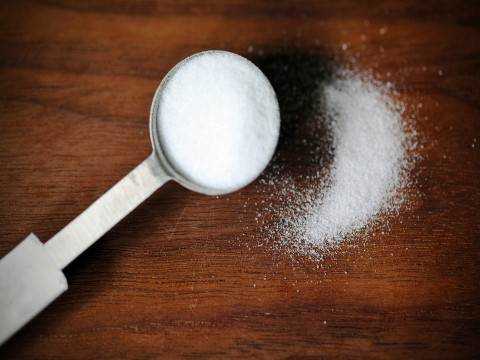
5 tips to reduce your salt intakeSalt is an inevitable part of our food, but added salt has harmful effects on the body. The list of benefits in reducing sodium/salt intake in our diet runs long, ranging from lower blood pressure, in turn leading to reduced risks of heart disease, obesity, and diseases of the kidney. The daily sodium intake of an individual should not exceed 1500-2300 mg per day (a table spoon of salt approximately), and this needs to be maintained in the salt added to our food, including the processed food and drinks we buy. Sodium, an indispensable component of our diet, is consumed in excess by most of us. Follow the tips, as mentioned below, to curb your daily salt intake. Avoid added salt. Do not add salt to already cooked food while eating. Keep a diary and make a list of foods with salt in them that you eat daily. Do not forget to add pickles, spices, papads, salted biscuits, and salted nuts. All of these are highly loaded with salt. Next time you go shopping read the labels. Choose low-salt options-sauces, crackers, khakhra, instead of papad. Make an attempt to eat less canned and processed foods. Choose fresh fruits and vegetables over processed food. Eat less bread. Each bread slice has about 250 mg of sodium. Do not mistake bread to be healthy. Next time, keep this in mind when you go out to eat pizza. Pizza base is like bread. While cooking food, make it a point to add salt only towards the end in the recipe. This way you will need to add lesser salt. Sodium content of some foods Bread (one slice) - 250mg Cheese pizza: 450 - 1200mg Tomato soup: 350 - 1000mg Potato chips: 100 - 150mg
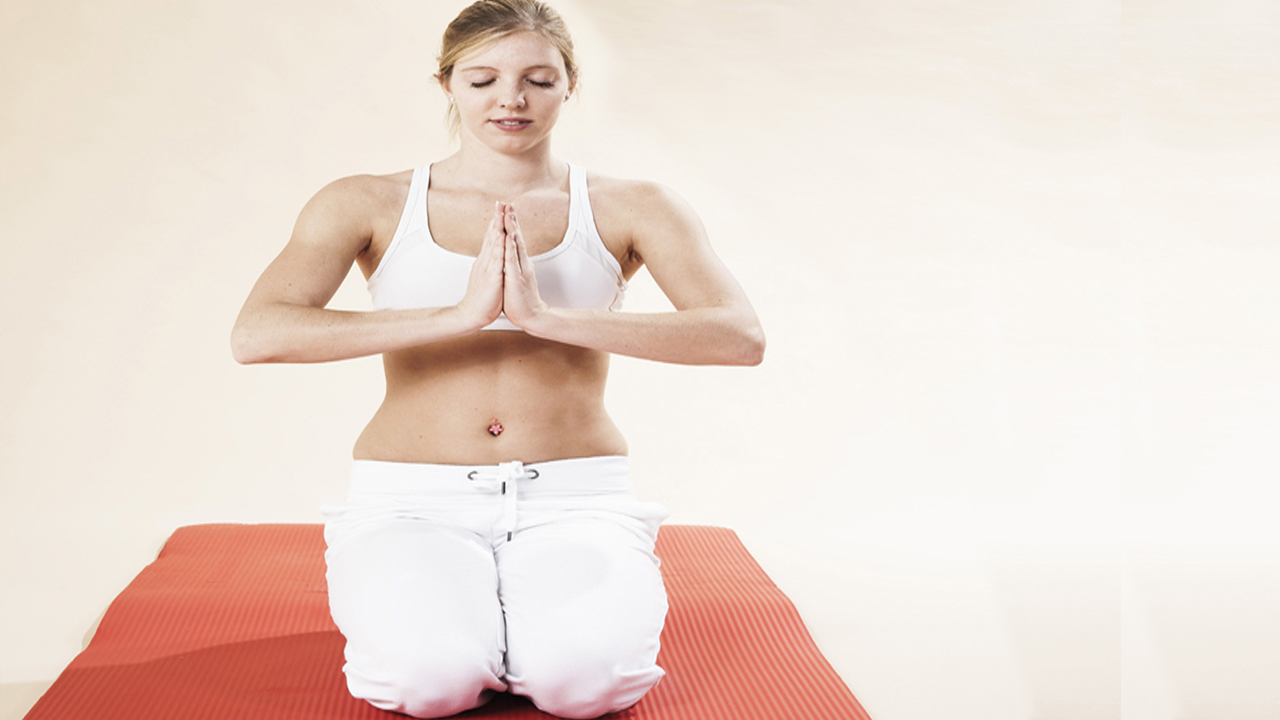
Benefits of meditation: How daily meditation helps you lead a wholesome life Sharper memory: One of the most important cognitive capacities we use daily is our memory. With higher amount of stress on your brain and body due to demands at workplace and home, there is high probability of negative effect on your memory. This can be countered by mindfulness meditation where the focus of attention is a particular physical sensation. This lets you quiet your mind and learn to be attentive solely to the matter at hand, thus allowing your brain to be able to remember more sharply and quickly. Dealing with stress: Stress is the buzzword for anyone who is leading their life in busy cities. Starting from the hurried walk into the office to the pressure of meeting deadlines and reaching home exhausted only to find oneself engrossed in another set of tedious jobs is the condition of daily life for most people. Meditation will allow you to cope with stress in a stronger way by bringing the energies of your body under your control, thus giving you the power to channelize them effectively. Giving up painkillers: Recent medical studies, especially ones conducted in Montreal in 2010, showed how the practice of Zen meditation structures the brain in such a manner that its capacity to sense and deal with pain increases. Primarily practiced by Buddhist monks, Zen is the form of meditation where you focus on your breathing and posture while watching and letting your mind gradually turn quiet. In this way, you can put those pain killers away and increase your innate capacity to deal with pain. Happiness quotient: Prefrontal cortex is the part of brain concerned with positive emotions and feelings. Those who meditate have been seen to have greater activity in this area. Major journals and research institutions focusing on depression and role of meditation in reducing it have found that meditation helps the person to feel in control of their life by subtly changing the working of their brains and thus, resulting in greater capacity to cope with depression and negative feelings. Good for your heart: Two kinds of meditation which are greatly beneficial for smooth working of your heart are Zen and Transcendental meditation. Transcendental meditation, taking after its name, helps you to transcend your worries through attention on chanting. It has been found that meditating daily helps to reduce the chances of stroke and heart attacks by over 40%.
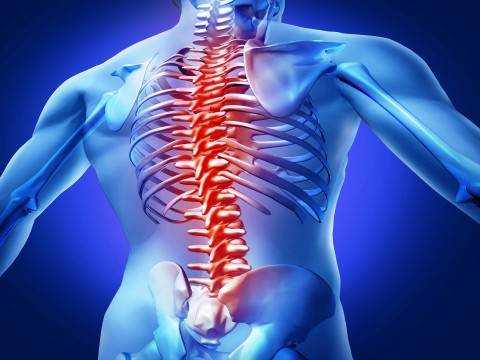
A fine spine - Common disorders of the spineThe spine is made up of small bones called vertebrae that are stacked one upon the other. When viewed from the side, the normal spine has gentle curves to it. Because the spine is a complex structure and happens to be at the center of all our activities, it is subjected to a lot of diseases. A common misconception of low backache is that you should rest. In fact, rest is not recommended at all. Keep up with light non-strenuous activities after the symptoms have subsided. Given here are a few common conditions of the spine: Loss of curvature: The spine, when seen sideways has gentle curves to it. The curves, when lost, can lead to pain and imperfect posture. Kyphosis and Scoliosis are the commonest form of spine curvature abnormalities.Kyphosis is the abnormal and excessive curving of the upper part of the spine. It is commonly called as a hump. It may be present since birth or may develop during the teenage years. The most common symptoms seen are a hump, back pain and muscle stiffness. The pain remains constant and does not worsen over time. If the curvature is too much, then the thoracic cage may get compressed and pressed for space. This may cause cardio-thoracic problems like chest pain, shortness of breath and even death. Compression of spinal nerves may cause loss of bladder and bowel control, loss of sensation and muscle weakness. Kyphosis is treated with physiotherapy, anti-inflammatory drugs and in severe cases, with bracing.Scoliosis is the side-to-side curvature that occurs during growth spurts before puberty. It may also be caused by spinal cord injuries and arthritis. Scoliosis develops gradually. The symptoms seen are usually by people other than the patient, where they may notice a slight slouch while walking. At times it may be seen that clothes that used to fit earlier are now ill-fitting. The pants seem to have shortened on one side. The curvature if mild responds well to physiotherapy. Physiotherapy is also useful as it helps to stretch and strengthen the muscles. This helps in stopping the progression of curvature. Severe cases require bracing and even surgical intervention with rods, hooks, wires and screws to correct the curvature. Sciatica: Sciatica is a condition that arises when the sciatic nerve is pressed upon. This condition arises when a degenerated vertebra presses upon the disc below it, or when there is a disc prolapse.  Abnormally tight piriformis muscle of the buttocks and a tumor in the spine may also cause sciatic pain. The hallmark symptom is the characteristic pain along the leg that starts from the hip and radiates all the way down. The pain is worsened by sitting and tingling numbness also develops. Treatment includes anti-inflammatory medicines and physiotherapy. Spondylolisthesis: When the spine is subjected to the pressures of daily activity, there is a lot of wear and tear that goes on in the vertebrae. This may cause the vertebra to move forward and slide on the vertebra below it. As a result, you may experience a constant backache. Spondylolisthesis can be congenital, it may occur due to trauma to the vertebral column, due to a tumor in the vertebra or due to degenerative changes in the vertebra and cartilage as a result of diseases like arthritis. Low backache is the hallmark of this disease. The pain is typically worse after any exercise that involves the lower back. The motions of low back are restricted and if there is nerve compression then tingling and numbness along the leg may also be seen.Rest and avoiding exertion of back muscles helps reduce the symptoms. Physiotherapy helps in restoring the strength and improving the range of motions. Spinal Stenosis: Degenerative diseases like osteoarthritis cause development of bone spurs in the vertebral column leading to its narrowing. This puts pressure on the nerves and leads to pain and tingling and numbness. Cervical Spondylosis: This condition occurs due to degenerative changes in the vertebrae of the neck region. Commonly seen as neck stiffness with pain that radiates all the way down the arm.  The pain occurs as the nerves get compressed by disc prolapse or bone outgrowths in the vertebra. Treatment includes neck immobilization, cervical traction, medications for pain and physiotherapy. Ways to reduce spine problems and backache are: Quit smoking Adopt a perfect posture Do exercises that will strengthen your core, lower back muscles and abs. Do not ignore or overlook the pains. Consult your doctor at the earliest. Spinal problems are the ones that are frequently overlooked. Ignoring the symptoms may lead to worsening of the problem. See your doctor at the earliest to be safe. The spine is the backbone of our body, in the true sense of the word. It is up to us to keep our spine in good condition as an unhealthy spine will interfere with almost all our body functions.
Penis healthHere's a quick one on how to go about doing the good work The function of penis is primarily passing urine and intercourse. So from the hygiene point of view it becomes imperative that the penis, testicles and scrotum should be washed regularly with mild soap and toweled dry to keep out any odor causing bacteria. The foreskin should pull back to expose the glans or it can cause bleeding while having sexual intercourse. The foreskin is that protective sheath around the glans. It appears a simple task to pull the foreskin back about a quarter of an inch. But it is difficult. So for those men whose foreskin isn't exactly the 'spirit of co-operation'. Soap and lubrication can ease the way down. Try it slowly and gently over a few days and then ease down with practice. It is important to slide the foreskin back while bathing to wash off the 'smegma', sticky substance that tends to accumulate there. Don't wear underwear which is too tight or it may restrict the blood flow to the penis. Besides that is not very good from the point of view of the quality of sperm generated by the testicles. 'It's really surprising how many men don't clean underneath their foreskin', says Patrick French, sexual health expert. A penis, for once, isn't a muscle and you could do some serious damage in trying to bend it. Secondly, it is meant to have erections so there is nothing abnormal about that. The penis has no bones in them but don't ever try to apply strength and/or fold your penis away. It is like a tube with blood vessels which fill up and give an erection. If you were to rough handle the penis by twisting it violently it can actually cause the vessels to rupture and cause a swelling which can be painful. Do not ignore any swellings, lacerations or spots on the penis as they could be symptoms of sexual disease or infection. Even circumcised men should wash under the glans regularly.
Sex during pregnancy? It's possible!One of the questions that arise when a woman gets pregnant is whether it is safe for the couple to have sex. We'll try to answer the most common questions couples tend to ask. Is sex safe during pregnancy? Sex is considered safe if the pregnancy is normal in all stages. However, even if it is safe, it doesn't mean the woman would want to have it. Desire for sex fluctuates during the various stages of pregnancy and sex becomes plain uncomfortable as the body gets larger. What is not safe? Two types of sexual behaviors are not safe during pregnancy. While having oral sex, the man should not blow air into his partners' vagina. It can lead to air blockage of blood vessels by an air bubble, which is called air embolism, and can be lethal for both mother and baby. The pregnant woman should strictly avoid sex with a partner with unknown sexual history or who may have a Sexually Transmitted Diseases (STD). What are the common risk factors? In case of significant complications with pregnancy, abstinence from sexual intercourse is advised. Common risk factors can be: Threat of miscarriage. One can have pre-term labor or signs indicating the risk of pre-term labor (such as premature contractions). Unexplained vaginal bleeding, discharge, or cramping. Leakage of fluid surrounding the baby, called as amniotic fluid. Placenta previa, a condition in which the placenta (the cord connecting mother to the baby and nourishes the baby) is located low down and covers the opening of the uterus. Cervix incompetency, a condition where cervix is weak and dilates before full term, increasing the risk of miscarriage or premature labor and delivery. Can sex during pregnancy harm the baby? The baby is always protected by the amniotic sac (a bag-like structure that holds the fetus and surrounding fluid) and uterine muscles. A thick mucus plug seals the cervix and protects the baby from infection. The penis does not come into contact with the fetus during sex. So, sex can't harm the baby directly. Can orgasm lead to miscarriage or contractions? The contractions felt by pregnant women during and just after orgasm are totally different from the contractions of labor. Therefore, in cases of normal and low-risk pregnancies, orgasm can't cause contractions and miscarriage, but always check with the doctor and make sure that your pregnancy is in the low-risk category. What are the safe positions for sex during pregnancy? The old standby missionary position for intercourse may not work for you now. Instead, try these options: Spooning: Lie side by side with him behind you. This will not put pressure on your belly, and makes for more shallow penetration. Female on top: There's no pressure on the belly, and the female can control the speed and depth of penetration. Side of the bed: The female lies on the back on the edge of the bed with knees bent and feet on the edge. The male stands facing her. It's like classic missionary, but the male won't be resting his body weight on the pregnant female. However, remember 'normal' is a relative term when it comes to sex during pregnancy. You and your partner need to discuss what feels right for both of you and take advice from the doctor.
FAQS
T&C FAQS