Home
Fairness scream: The new male obsession"Mirror, Mirror on the wall, who's the fairest one of all?" The words at once evoke images of the evil queen as she strikes a vain pose at the looking glass. However, these days one needs to be more accommodating and make way for a preening gent to put forth the above query. All these days, fairness would be a quality an Indian male would look for in his wife. Just see the Fair & Lovely ads to know what we mean. But today, this very obsession has turned on itself. More and more men are being just as exacting about their own skin color, complexion and tone as their female counterparts. Just take a look at all those TV commercials where celebrity endorsements dangle the bait of fairness creams, lotions and body wash specially designed for teenagers and young men seeking to take them to the promised land of social and sexual success. But before you rush to buy that cream, here's what that fairness is all about Fairness is skin cell deep Fair, ruddy, dark or wheatish is all determined primarily by the melanin content in our skin cells. Some races like the Africans have a high melanin content thereby giving them a dark colour while Europeans are of a lighter skin colour due to low melanin content. So whether you use an expensive fairness cream or go in for beauty treatments at luxurious beauty spas, genetics will have a final say on the matter. How fairness creams work...or do they? Fairness creams contain chemicals which block the production of melanin in the skin and thus enable a lighter skin tone and a fairer complexion. Mostly melanin production in men is more than females, which is why women's fairness creams don't have so much of an effect on men. The cosmetic industry recognized this factor and thus developed products designed for the male skin. However, some of these "men's only" fairness brands are glorified sunblock creams which block the harmful ultra violet radiation of the sun which blackens the skin. The dark side of fair Some of the beauty treatments and fairness creams contain chemicals like hydroquinone, mercury, and even steroids, which could do more harm than good. If you are obsessed about fairness, the least you could do is use a branded product (though that is no guarantee of its efficacy!). First sample it to check of it suits your skin. If a rash breaks out, consult a skin specialist immediately. Finally, it is the health of the skin which is more important than colour. So exercise regularly or use natural skin treatments like orange peels, cucumber patches to enhance your skin tone. Don't give in to peer pressure. The obsession for fairness can lead to low self-esteem and needless rivalry. Cosmetologists and marketers of fairness products are the only ones who will laugh their way to the bank at your cost. So, if you have a darker skin colour you don't have to go in for expensive remedies just because men in your age group find it cool. Self-acceptance is much better remedy than any beauty treatment in the world.  
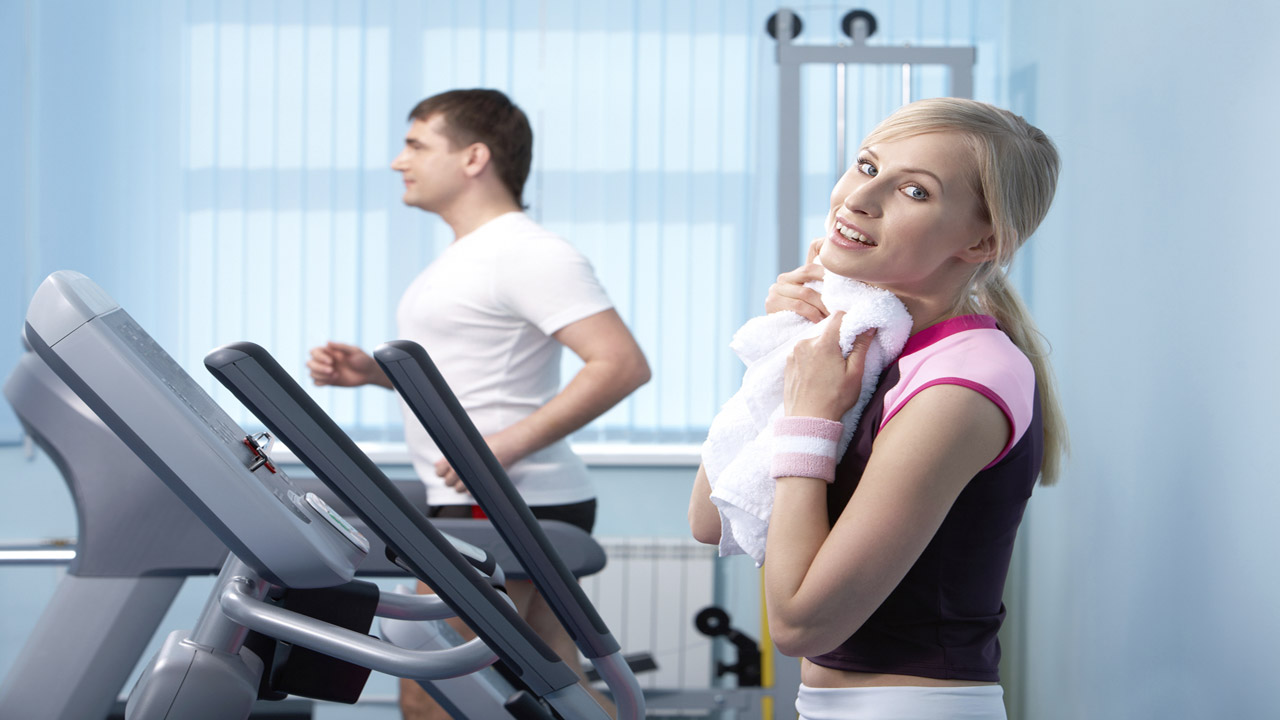
Tips to make you feel handsomeYou must have heard that looking good takes a lot of money and hard work. But trust me, it's not true at all. You just need to stay confident, and follow few simple and easy tips to get that perfect look. Let us start off by trying to understand what exactly does handsome mean. Well, a simple definition could be -"being handsome means being confident and having loads of style and poise". It's not dependent on somebody's face, or body specifically. So, what makes a person handsome? Will his attitude count? Do we need a lot of money to get that look?  Let's answer all such questions in the article. Personal care: The first for getting a perfect look is to look after yourself well. This shall include: Hygiene: Personal hygiene is most important. Dental hygiene, managing body odor, cutting your nails on time, removing hair in the underarms, nose, and taking care of overall body hygiene is of utmost importance. Skin care: Like women, men need to take care of their skin as well. Applying moisturizers or lotions is necessary. Hair care: Try and wash and shampoo your hair at least twice in a week. You could use natural or artificial conditioners in the hair to make it soft.  Get a trim every month, or else they can become too long and unmanageable. The suave and debonair look: Along with everything else, one needs to take care of one's facial hair also. Try and avoid the rough and rugged look, and get a good shave for yourself. You can either keep clean shaved look, or maintain a beard which is well trimmed. This will give you an urbane and classy look. Clothes cabana: One needs to understand that there are some clothes which shall look good on them and others not. Try and determine which shades look good on you. After this, you need to choose your formal and casual wears as well. Take risks, as you cannot guess what will look good on you every single time. The must have checklist is given below:  A pair of good dark blue jeans A white shirt A colored T-shirt Jacket and waist coat Dinner jacket or tuxedo (whichever suits you) Pair of black trousers Sweatshirts A Full pastel shade sweater Accessorize your look- You need to pair good clothes with cool embellishments like- Shoes: Get two different pairs-one leather and the other sports- for formal and informal occasions. The shoes should be buffed with shoe wax regularly, and you can wash off the dirt on your sports shoes once a month, at least. Belts and Tie: A good and well fitting tie, and a sober choice in belts always adds to the look of the "complete man". Watches: A good analog watch is a "must have" on every guy's wrist. Work out regimens: Now, work out does not only mean joining a gym, or keeping a personal trainer. You need to just keep your body fit, and that can be done by jogging, yoga, or even daily walks. You can even pick up a sport, for that matter. Eat healthy: Try to follow a diet regimen which, nowhere, means you need to have nightmarish boiled vegetables only. You just need to avoid eating outside . This shall not only help you look good, but will let you remain  young and fit for many years.  Once in a week, though, you can easily dig into your favorite foods. Say no to cigarettes and alcohol: Working out, or eating healthy will never help you get in good shape till you say no to all the bad . Try and quit smoking and drinking, as they affect your health and stamina adversely. Along with that, they also have a very bad effect on your mental health. Million dollar smile: Try to wear a good and sweet smile, as a straight face might end up making you look unapproachable and arrogant. So, remember, smiling always helps to complete your attire, and style. Good stance: Wearing all the best outfits  might go all in vain if you have a bad body posture. Try to walk and sit straight. Having an erect stance always makes you look more confident, attractive, and masculine. Wear your confidence and attitude: Lastly, be comfortable and confident with whatever you wear, and however you look. Being confident makes you win half the battle always. So, what are you waiting for? Start off your preparations, as being handsome does not really require an occasion.
Perfect partners in crime - Midlife crisis and dementiaThe responses we have to common stressful events in our daily lives have a lasting impact on our brain structure. The effects of a stressful event last a very long time, though apparently we seem to have recovered from it. Researchers say that the stress hormones keep circulating in our body long after the stress has passed. According to a recent Swedish research study, our response to common life events may trigger long-lasting physiological changes in the brain. These interestingly shocking findings come from the Prospective Population Study of Women in Gothenburg, a long term study on 800 women that lasted for almost forty years. The women who were a part of this study were all born before 1930, and underwent regular neuropsychiatric tests. The study started in 1968 assessed women for any baseline stressors like workplace problems, widowhood, alcoholism and illness in the family. Women who had serious issues at the start of the study had a 21% higher risk of developing Alzheimer's Disease and 15% higher risk of developing dementia later on in life. Interestingly, having to take care of a mentally ill family member like a sibling or mother, was found to be a major cause for development of dementia later on in life. The findings of this study show that accumulated stress from common life events has severe physiological and psychological consequences. These physiological consequences include adverse effects on the central nervous, cardiovascular and endocrine and immune systems. There have been several studies that state that the effects of stressful events like earthquakes, cyclones and floods can have a lasting impact on life and often shape the person's personality. What makes this study interesting is its finding that daily stressors accumulated over a period of time and often left unresolved, have a lasting impact that shows up in later stages of life!
Pamper the newborn without forgetting yourselfIf you are a new mom, chances are you are busy 24/7. The baby's complete dependence on you helps you bond with him/her and makes you aware of the responsibility that is now on you. But, your own health is an equally important responsibility. So, you need to give yourself permission to take care, or even pamper yourself from time to time. Here are simple ways for you to look out for yourself. Eat your favorite breakfast: As your day starts, you need fuel to keep your energy levels high. So, grab your hands on healthy and tasty breakfast options like whole grain cereal, skim milk and sliced strawberries or a banana. The combination of lean protein, whole-grain foods, and nutrient-rich fruit allows the brain to form more feel-good chemicals. Don't let stress come near you: We know that a lot of changes in your life have transpired, due to the entry of a baby in your world. The difficulty to cope with the changes may cause stress and depression. Try to avoid stress by asking for your husband's and relatives' support. Take a walk with your baby: Walking with your baby in nearby parks will give you fresh air and it is an excellent form of exercise. Don't be sleep deprived: Having a baby doesn't mean that you have to always sacrifice your sleep. Never miss an opportunity to sleep or take rest. This will keep your energy levels high for the day. Sleep when your baby sleeps. Delegate baby care: Parenting is not your sole responsibility. Ask your husband to lend a hand in taking care of the baby for some time. Not just the husband, if you live in a joint family, you can ask other relatives for help as well. Don't be a multi-tasking person: We know a woman has so many roles to play. But, it doesn't always have to be that way. Being a new mom, you must focus on one activity at a time. You can prioritize your tasks, if you have a lot of things to do. Exercise regularly: Add exercise to your daily routine. Choose the exercise which you love and enjoy, like walking, cycling, yoga, swimming or aerobic dance. Consult a doctor before starting any exercise program.    
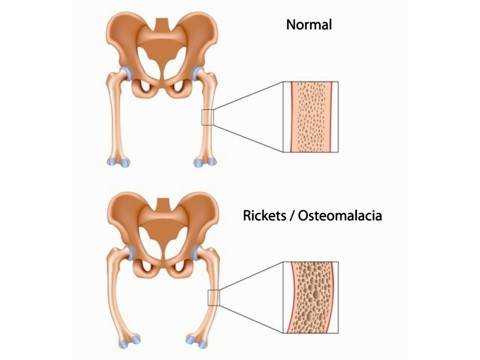
Bow legsCauses: Physiological - As mentioned before, bow legs are normal below 18 months of age. Thereafter as the child continues to grow the bowing begins to improve slowly. By the age of 3 to 4 the deformity usually gets corrected. Blount’s disease - This disease results in bowing of legs due to abnormality of the growth plate of the upper part of shinbone known as tibia. Growth plates are the growing end of the bones. It is diagnosed after the child is 3 to 4 years old. Rickets - Rickets is a group of diseases that occurs due to deficiency of vitamin D. Rickets is characterized by bow legs and other bony deformities. Most commonly rickets occurs in children due to deficient intake of vitamin D. Signs and symptoms: The bony deformity becomes visible when the affected child walks or stands. The uncommon walking pattern of the child is the commonest symptom. Bow legs usually do not cause any pain. However, persistent and severe bow legs cause discomfort to other bony structures like spine and hip. Test and diagnosis: The doctor at first asks questions to the parents regarding the development of the child. This is followed by physical examination of the child. Physical examination often suggests bow legs. If the doctor suspects an underlying disease, necessary laboratory tests are done. The doctor always asks for an x-ray of the affected legs to evaluate the severity and extent of bowing. Treatment: If the bow legs persist after 3 to 4 years or an underlying disease is detected, treatment is undertaken. Medical and non-surgical treatment- In cases of physiological bow legs, no treatment is required. The parents are reassured by the doctor and spontaneous resolution takes place by the age of 2 years. Continuous followup is advised for borderline cases. Children with Blount’s disease need treatment with a brace. Children with rickets need medical management by a specialist doctor. Additionally, they need advice and regular followup by an Orthopedic surgeon. Surgical treatment  - If the bony defects persist in children with bow legs even after medical and nonsurgical treatment, surgery is required to correct the bowing. Two types of surgery is advocated to correct bony deformity of the legs. Guided growth:  Growth of the healthy part of the growth plate is stopped and that of the abnormal part is promoted. This allows straightening of the legs. Tibial osteotomy: The shinbone (tibia) is cut and reshaped to correct the deformity. Then bone is fixed with screws and plate. In both surgeries a cast is applied to promote healing of the bone. Crutches may be required for a few weeks to prevent weight bearing on the limb. Later, physical therapies are advised for complete recovery of range of movements and regular activities. Prevention The parents need to be vigilant about appearance of any bony deformity in legs of their child. The child must be given adequate amount of vitamin D in diet or vitamin D supplementation to prevent development of rickets.
Your bundle of joy comes with bundles of fascinating facts Blue-eyed wonder: Most babies are born blue-eyed. The melanin pigment that decides the color of the eyes is not developed at the time of birth. So the babies are born with blue/light eyes irrespective of the genetic makeup. By the time the baby is 6-7 months old, the pigments start developing and the baby's eye colour changes as per the genetic makeup of the parents. Marked for life: One in every three infant is born with a birthmark! No tears: That is true! New born babies do not shed any tears. The lacrimal duct and the tear glands are well developed but they produce just enough tears for lubrication. Actual tears start appearing after one month of age. Crawling wonders: New research has found that babies can crawl almost as soon as they are born. When left to themselves, they are quite capable of using their limbs and find their way to food i.e. the mother's breast.And we thought that they are tiny helpless creatures! Temperature sensitivity: Babies are much more sensitive to temperature changes and body heat.Though the baby can't throw off the clothes to cool down, it is smart enough to do other things. When the baby is cold, it will move around more and if it is too hot it may just lie still as if sunbathing. Touch therapy: Touch is the most highly developed sensation in babies, even in premature ones. The touch sensation develops from head to toe with the mouth being the most sensitive. No wonder they tend to put everything in their mouths. Short-sighted: Babies are short sighted at birth. Their vision is set to a limit of 8-to-12 inches. They can see people and objects clearly only if they are within this range. Brain size: The brain grows at such a rate in newborns that by the end of the first year,the brain is double the birth size and half its final size! Palmar Grasp: New born babies have a strong grip, as strong as a monkey's. The grip is so strong that if you dangle them on one hand, they can support their own weight. This probably originated from the primitive survival instinct. This strong grasp reduces after a couple of months. Taste buds: Babies have more than 10,000 taste buds situated all over the tongue and even at the roof and sides. As they grow, these extra taste buds disappear.
What is megalomania?Bertrand Russell's quote on megalomania perfectly describes the condition:"The megalomaniac differs from the narcissist by the fact that he wishes to be powerful rather than charming, and seeks to be feared rather than loved. To this type belong many lunatics and most of the great men of history." Megalomania is a delusional bipolar disorder. The sufferer believes he is an all-powerful person and that he is superior to all other people. Megalomania comes from the Greek words megalo which means large or great and mania which means madness. It is a psychopathological disorder that has delusional fantasies of power, exaggerated self esteem and a sense of omnipotence. The sufferer may believe he is God or some famous athlete. Although megalomania is a term used for power hungry people, it is clinically described under the mental disorder of narcissism. Narcissism is self-love. Though self-love is a healthy concept, narcissism is a pathological state where one loves oneself to the extent that he starts despising others. Megalomania is caused by certain phobias and mental conditions associated with emotions and personality. In everyday life, megalomania can be a person's mental way of reacting to frustration, abandonment or some serious loss. In the social world, the term megalomaniac is often synonymous with control freaks, power-drunk army generals, executives and politicians. The treatment of megalomania includes medications. The challenge here is that the person may not believe he has anything wrong with him. He, in fact, believes that he is so great that no harm can come to him, so talking him into getting himself treated is very difficult. Adolf Hitler, the German dictator, was a power-hungry control freak. He believed that he was the supreme commander and that his race was the only race suited to inhabit earth. All other races, especially Jews, were inferior and had to be wiped off the face of the earth. Adolf Hitler was megalomaniac.
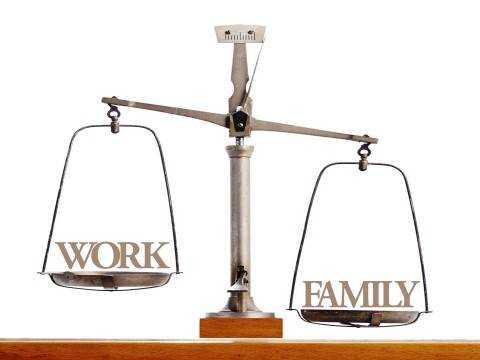
Balancing marriage and work: The top 5 tricksFor women juggling between home and work is very difficult. Yet, the number of women choosing to go out and work, while managing their homes, has increased over the years. This is because a successful career helps a woman establish her identity in society, gain respect and do justice to her inherent qualities, passions and dreams. So, a successful working woman, is a happy woman and statistics show that such women also keep their kids and spouses happy. More stable marriages During the seventies, when women started entering the workforce in large numbers, there was an instant rise in the divorce rates. However, over the past decade, the divorce rates among working couples have actually declined. Today, men have extensively adjusted to the idea of having a working woman, as a partner. In many countries, men actually share the domestic chores and devote time to childcare, so that their women can successfully handle both, work and home. However, the main responsibility of the home and the kids is still primarily, in the hands of the women. Here are the six keys to manage your work and marriage successfully: Find the right job You can ease out the stress of managing the work and home front, if you make the right decisions. Studies indicate that couples having access to less demanding work, have better sex and better relationships and hence, are less likely to be stressed out. However, in case the working hours are long, the situation can become the opposite. Hence, it is important to find an exciting job, over which you can still have control, especially when you have small kids at home. Adjust the working hours Most women have to leave their careers halfway because their husbands work for long hours and there is no one available to care for the kids. If the wife too is good at work then, the couple should take up jobs that provide an opportunity for both of them to work, since doing this will keep both of them satisfied. There is a possibility that the husband, or the wife, may lose a bit on the income in this adjustment, but ultimately it increases the chances of having a happier marriage. The negative impact of leaving work If a career-oriented woman leaves her job due to family demands, it can shake the very base of the marriage, while also leaving her, depressed. Also taking a break, means you have to catch up very fast when you want to restart your career, which in reality, is quite difficult. In these situations, there is also a huge wage gap, between what you used to get before your break, and what you are getting after, that can lead to depression. Working moms help fortify the relationships between kids and their fathers When the father spends time babysitting the children, a closer bond develops between the kids and the father, which is usually not possible in families where the dad goes to work, full time. Studies show that children raised with equal devotion from both father and mother, have higher goals and aspirations and are even more empathetic. Feel less guilty A working woman usually feels guilty because she cannot spend as much time with her children, compared to the dedicated housewives. However, if the husband shares the duties related to bringing up the children both parents can be happy while playing their parts well for their kids. A woman with a successful career is positive and confident about everything she does, which ultimately makes her family happier.

Have that chocolate without any guiltYou may find this hard to believe, but chocolate is actually good for your health. Hold on, before you faint. Let's first get to the crux of the matter. Chocolate can actually be good for you if you eat it in moderate quantities. So what about all the bad effects of chocolate that people always talk about? Let's fume them all one by one:  Chocolate causes dental caries: Dear mummy, dental caries (cavities) are caused due to poor oral hygiene and consumption of foods rich in fermentable carbohydrates. When these carbohydrates are left in the tooth for a long time, they release an acid. This may damage the tooth enamel and cause tooth decay. In fact, chocolate contains tannin which actually prevents cavities from forming. So next time, dear mommies, let your child enjoy a small piece of chocolate. You can also join them in the treat.  Chocolate is loaded with fats and sugar:Yes, chocolate comprises of both saturated and unsaturated fats, but a majority of themare in the form of oleic acid and stearic acid. Now, oleic acid (present in olives) and stearic acid are good to lower the blood cholesterol levels. Also, the fat that is found in chocolate is added later, after the chocolate has been processed. So the higher content of cocoa in any bar ensures that there is less fat in the chocolate. So, what about the sugar?Sugar is bad, but the darker variety of chocolate has less sugar compared to the regular sweet chocolate. Dark means higher cocoa content and hence no room for other fillers likes cocoa butter, sugar, nuts, etc.  Chocolate contains no nutrients: On the contrary, it is rich in antioxidants.What is the work of an antioxidant? They scavenge the body of free radicals, which roam in body and cause ageing and diseases. Antioxidant flushes these free radicals out of your body. So, if you want to stay young, bite on a piece of chocolate once a week. Secondly, diets rich in antioxidants have been proven to lower the incidences of heart attacks, strokes, cardiovascular diseases, hyperlipidemia, and arthritis. Hence, I stand by the bar full of antioxidants;it's actually good for you.  Chocolate contains caffeine: Caffeine content in chocolatesis low as compared to your tea, coffee, or cola drinks. Now, having counted the amazing health benefits of chocolate, it is important to tell you which chocolate is healthy for you. The one which is in its purest form - thebittersweet one, which is high in cocoa content, is the clue to your healthy bar. So next time you crave a dessert, indulge in a small piece of chocolate to satisfy your sweet tooth and forget that guilt.  
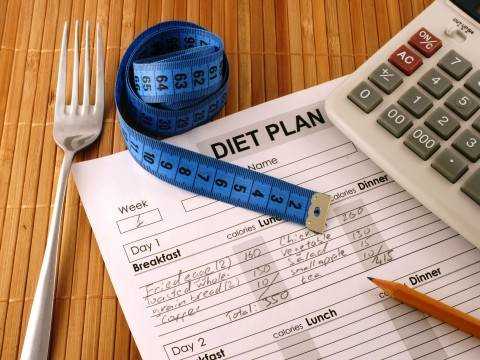
4 super foods to keep you healthy this winterWinter is here. It is time for lazy mornings and blanket hideouts. It is also the time when the markets are lined up with a variety of fresh fruits and vegetables, all juicy, healthy and colorful. Discover four such super foods for the cold winter evenings. Citrus fruits: Oranges, sweet lime, lemons; bring them all and have them all. Bright yellow or orange, they are like the bright sunny mornings which you need after a cold night. Rich in vitamin C, antioxidants, flavonoids and several other nutrients, citrus fruits are the perfect measure for your daily dose. Peel it off and chew it up, or slice it off and lick it on, or squeeze it strong and drink it down - choose the way you like. Citrus fruits help in taking care of your cholesterol, as well. Potatoes: Potatoes are the victims of most diet plans. It is loaded with carbohydrates, we should not eat potato, and so on and so forth. Potato is not that bad actually. In fact, its nutritional value may come as a surprise to many. The content of vitamins B6, C and folate is high in potatoes. Potatoes are rich in essential minerals like potassium, zinc and magnesium. The starch content may be significant, but so is the fiber content. They are known to protect against colon cancer. What are you waiting for? Have some potatoes, will you? Make sure there is no guilt. Kidney Beans: Kidney bean is our favorite Indian 'Rajma'. They are a rich source of carbohydrates and proteins, are known to lower the cholesterol levels and reduce the risk of heart disease. They are particularly known for helping to replenish the iron stores of your body. It can be the food of choice even if you have diabetes, as it is almost fat-free and doesn't send a sudden rush of glucose in the blood. When combined with rice, kidney beans make a very healthy meal. So, is it rajma-chawal (kidney beans with rice) for dinner today? Green leaves: Yes, yes, you are bored of reading and listening to the benefits of green leafy vegetables. But, we have to remind you, for the advantages are too many to be ignored. They are the greenest, freshest and leafiest in the winters. Even if you are not a fan, you will feel like picking up a bunch from the grocery store. Spinach (palak), fenugreek (methi), cabbage (gobhi) are the ones that we can commonly find. Others to look for are lettuce, mustard greens, etc. The green leaves are a rich source of a variety of vitamins, mineral, fiber and water content. They are suitable for all ages and can be easily digested. Entertain that potato lying in your kitchen, cook up a dish with the green leafy ones. Alternatively, you could try it in the form of salads, soups, juices, flour fillings, and any other creative ideas that you chefs have.  
Aids defining cancersIn fact the presence of such aids defining cancers is an indication of advanced AIDS having developed in these patients. However, the reasons for these cancers are unclear. It is possible that since people with AIDS have low immunity, they become more susceptible to these cancers. The double attack of these already complex diseases complicates treatment plans too. Thus, it needs care under experienced doctors who specialize in these diseases. The cancers that define AIDS are: Kaposi's Sarcoma:This is a type of skin cancer. It was usually found usually in people who have received organ transplants. Nowadays it is also most prevalent in homosexual men with HIV/AIDS and is also called epidemic Kaposi's Sarcoma.  It causes lesions to show up in multiple points in the body such as skin, lymph nodes, liver, lungs, spleen and digestive tract. Non-Hodgkin Lymphoma:This is the second most commonly associated cancer with HIV/AIDS. The various sub types of NHL are primary central nervous system lymphoma and primary effusion lymphoma. Approximately 4-10% people with HIV/AIDS develop NHL. Other kinds of cancers are anal cancer, liver cancer, mouth cancer, Hodgkin's lymphoma, testicular cancer, melanoma, throat cancer, colorectal cancer and multiple skin cancers.  Treating Cancer in HIV people: Till anti-HIV medication were not discovered the future for infected people was bleak. They were already sick and their bodies weak even before their cancer treatment were started. Presently the cancer treatment is mixed with anti-HIV drugs. However, depending upon the extent of cancer and the need of AIDS care, variations are made between chemotherapy and other HIV related drugs needed. Treating Kaposi's Sarcoma: Often anti-HIV drugs are enough to treat this cancer. The lesions, which are viral, shrink, as the immune system gets better. Sometimes chemotherapy and radiation may also be needed if the lesions are internal. Treating Non-Hodgkin Lymphoma: AIDS related NHL is fast growing and needs intense chemotherapy treatment. Introduction of highly active anti-retroviral therapy and use of drugs that help the infected body make new blood cells has relieved a major concern for HIV patients where previously due to their low blood cell count, chemotherapy could not be administered to them. But with these advances, acutely monitored chemotherapy treatments can be administered now. Treating Cervical Cancer: In case of women who have a good immune system and invasive cervical cancer can still be treated similarly as non-HIV women. They can even do well in surgeries and other conventional treatments. Discovering Cancer Early: Screening helps discover presence of cancer when no symptoms are evident. However AIDS defining cancers cannot be detected through screening. Thus, close monitoring, regular checkups and a keen lookout for symptoms of these cancers can help discover the ailment if present. Pap tests help discover cervical cancer in women. However, in case of HIV women, these should be undertaken more often. Even as often as 2 tests a year, 6 months apart in the first year of HIV detection. If the tests are clear, they should get Pap tests done regularly once a year henceforth. For other AIDS related cancers, the screening tests are still being devised. Lowering Cancer Risk: HIV ruins the body's immune system making it susceptible to a variety of diseases. Good health practices are a must for those detected with HIV in order to ward off cancer. They should surely not smoke or consume alcohol. Injection drugs and unsafe sexual practices also pose increased threat of cancer. Maintaining balanced diets, physical activity and proper body weight are extremely important and helpful too.
A quick guide to high blood pressureWhat is blood pressure? Blood pressure is the force or pressure exerted by blood on the walls of arteries while flowing through it. What is normal? A blood pressure value of 120/80 mm Hg is ideally said to be the normal. The upper value (systolic) reads the pressure when the heart beats (squeezes to pump the blood). The lower value (diastolic) computes pressure at rest in between the heartbeats when the heart refills with blood. What is hypertension or high blood pressure? The condition in which the pressure of blood in the arteries is persistently high.More the pressure, harder the heart has to work to pump the blood. The prolonged and too high blood pressure (BP) raises the heart's work persistently and can lead to grave damage to the arteries. This eventually leads to uncontrolled high blood pressure raising the risk of heart disease, stroke, and kidney disease in the long run.A blood pressure above 130/90 mm Hg is said to be high. What are the symptoms of hypertension? Hypertension can go unnoticed without any symptoms and thus remain untreated for years altogether. Thus, it is also called as silent killer sometimes. What causes hypertension? The cause of hypertension is unknown in most of the cases. Sometimes, hypertension occurs secondary to kidney disease or adrenal gland disease. Who are at risk of getting high BP? The risk of developing high blood pressure is more in people above the age of 45, those who have close relatives already suffering from hypertension, and who have history of diabetes, Many people consistently have blood pressure above normal, yet not so high to be called as hypertension (130-140 /80-90). These people are at more risk of developing hypertension. Is salt and blood pressure are related? Sodium content of salt causes water retention thus putting more burden on heart and raising blood pressure. So watch the foods you eat for sodium content and stick to a low-sodium diet. Stress and high blood pressure Stress can increase the blood pressure, but no scientific facts to suggest that it causes hypertension. Stress can lead to addictions, poor diet, lack of sleep which can indirectly contribute to high blood pressure and heart disease. Obesity and hypertension Obesity strains heart and raises the risk. Losing every kilo makes a huge difference. Alcohol  Alcohol can surely raise blood pressure and limiting it mandatory. Pregnancy and hypertension High blood pressure during pregnancy is called as gestational hypertension. It can cause serious complications like preeclampsia. It can harm both the mother and baby. It can compromise oxygen flow to the baby. The blood pressure normalizes after child's birth. Medicines and hypertension Some medicines, like pain killers, birth control pills, steroids, flu medicines etc. can cause the blood pressure to rise. Be careful with the medications. Avoid over-the-counter medications and take doctor's advice before consuming any medicine. "White coat" phenomenon Some people show high blood pressure in doctor's clinic due to nervousness. This is called as white coat phenomenon. These people are at risk of developing high blood pressure. Kids and hypertension Kids who are obese and have a family history are more at risk. How to control high blood pressure? Eat healthy: Eat more fresh fruits, vegetables, whole-grain foods, low-fat dairy products, and nuts. Say no to sweets, saturated fats, and excess salt. Exercise: Regular physical activity lowers blood pressure. Atleast 150 minutes of exercise per week is essential. Activities like brisk walking, swimming, cycling or gardening, all count. Reduce stress: Add yoga, meditation, deep breathing. All have proven to lower the blood pressure and keep it normal. Hypertension is usually a chronic life-long condition. It's very essential to take medications, make lifestyle changes and regularly monitor blood pressure. Keeping it under checkwillreducethe potential riskof heart disease, kidney diseases, and stroke.
Your questions about contraception, answeredFew couples want to have babies as soon as they are married. Most want to enjoy their sex life without having to worry about conceiving a child in the process. If you are in this group, then here are answers to the most commonly asked questions about contraception. What is contraception? Contraceptionis use of various methods to control and prevent the pregnancy. It allows you to choose when you want to have a baby. What are the various methods of contraception? There are two main methods. Temporary contraception: Caps, combined pills, male condoms, female condoms, contraceptive implant, contraceptive injection, contraceptive patch, diaphragms, intrauterine device (IUD), intrauterine system (IUS), natural family planning, progesteron-only pill, vaginal ring. Permanent contraception: Female sterilisation(tubectomy), Male sterilisation (vasectomy). No contraceptive is 100% reliable and some can have side effects. Find out about all the methods listed here, so you can decide which method is right for you. How soon can I conceiveafter stopping the birth control pills? It is difficult to predict exactly how long it will take for a woman to start ovulating again. Some women are fertile as soon as the pills are stopped and others might take couple of months. Once the periods return and are normalised with normal ovulation, you can conceive a child. What if my period doesn't resume after I stop taking oral contraception pills? If you don't get your periods for several months, you may have what's known as post pill amenorrhea. The pill prevents your body from making hormones involved in ovulation and menstruation. When you stop taking the pill, it can take some time for your body to return to normal production of these hormones. Normally, periods should start again within three months of stopping the pill. But some women, especially those who took the pill to regulate their menstrual cycles, may not have periods for many months. If you don't have a period within three months, take a pregnancy test to make sure you're not pregnant, and then see your doctor.
The link between oral sex and cancerSymptoms of oral cancer: The common symptoms of oral cancer include: Red and white spots on the tongue or the lining of the mouth, inflammation of the mouth which continues well over two weeks, mouth ulcers which take over three weeks to heal, discomfort and pain during swallowing food, and lastly, sensation that something is stuck in the throat. HPV types and their nature: There are over 100 different types of HPV. Out of these, 15 have been found to cause cancer. These 15 types of HPV are called high-risk HPV. The HPV types which are found in the mouth are sexually communicable and the primary means for its transference is considered to be oral sex. It could also be carried through anal and vaginal sex, causing laryngeal cancer, anal cancer, cervical cancer, tonsil cancer, vulval and vaginal cancer, and penile cancer. Some of the HPV types get passed through skin contact. These cause warts, especially in the genital region. These types of HPV which cause the warts are less likely to escalate and cause cancer. Though there is no determinate answer as to how common the HPV mouth infection is. Advanced studies during the 21st century have put forward the role of HPV16 in new types of cancer. This was done using DNA testing. Through a medical study, it was found that the most vulnerable groups are: People in the age group of 30 to 34 and 60 to 64 years old. People who have had over 20 sexual partners in their lifetime, around 20% suffer from HPV oral infection HPV leads to cancer?: HPV does not directly cause cancer. It stimulates modifications in the cells which it has infected, like those in the mouth or cervix and due to the modifications the cell becomes cancerous. In only 10% of the cases where the patient suffers from HPV infection does cancer develop. The infection generally treats itself and is removed naturally within 2 years by the body. The chances of progression of the HPV infection into cancer is increased by smoking and drinking. Smoking injures the immune surveillance cells. Due to this injury, they are not able to fight the virus and the virus continues to persist over 2 years, leading to cancer. Vaccinations: In the United Kingdom, girls (aged 12 and 13 years old) are vaccinated against HPV. This vaccination protects the women against cervical, vulval, and vaginal cancers. Men and boys also take vaccinations against HPV, though it is not pursued as strongly as in the case of women. This leaves men who have sex with other men at a greater risk of getting oral and anal cancer. Even though the link between oral sex and cancer is not completely proven, what we do know is that oral sex causes many other infections like gonorrhea, herpes, syphilis, and chlamydia. Did you know that a very low percentage of people (only 10%) who are infected with HPV virus develop cancer? In 90% of the cases, the infection is naturally cleared by the body within two years. The natural process is, however, obstructed in those who smoke and drink.    
FAQS
T&C FAQS