Home
Strict parenting: When enough is enoughThe strict or authoritative style of parenting is where the parents hold their children's lives over a tight leash. Strict parents are high in control and low in nurturing qualities. They set high standards for all activities and expect strict obedience to the rules set by them. However, these parents display little or no warmth and affection. They love and affection they offer is also conditional love based on obedience and performance. Children of authoritarian parents turn out to be obedient, but this obedience is based on fear. Such parents very often use shame and guilt to make their children change their behaviour. They don't encourage verbal give-and-take and expect their orders to be obeyed without question. The children brought up in such a way are initially very obedient and polite but later all the suppressed emotions find an outlet. More often than not, such children end up being aggressive and tend to be bullies at school. Research shows that fathers who are extremely strict with their sons end up making their sons violent and aggressive, or indulge in non-physical aggressiveness like name calling. Strictly raised children have difficulty relating to their peer group. They either end up being aggressive or completely timid and submissive. At school teachers rate them as less socially competent, average or poor at studies and extra-curricular activities. They are also less accepted by their friends. The school dropout rates in such children are very high. Studies conducted on such dropouts revealed that they suffered from a huge inferiority complex and low self-esteem. Strict parenting can cause several problems in adolescence too. Children who are dominated by their parents are often found breaking the law. Alcohol and drug abuse rates are high in such children. Psychologically, these children are usually poor decision makers. Having had their parents make decisions for them all their lives, they find it very difficult to take a stand. They end up being indecisive. At the workplace too, they lack the competency to take up initiatives or show the lead. They make better team members than team leaders. Even if presented with an opportunity, they are likely to shy away from responsibility as they feel inferior and lack the requisite courage. Strict parenting can have a negative impact on the child's weight too. Studies show that an overly strict upbringing has a negative impact on weight because the children often fail to learn to eat on the basis of hunger and satiety. In such families parents use food as a reward, insist that children clean their plates, or restrict the kind or amount of food a child can eat. The studies showed that the children of authoritarian mothers were nearly five times as likely to be overweight compared to their counterparts!
The moody man - Mood swings in menMen, such jokes on a woman's monthly mood swings are passe. Recent research proves that men are equally prone to have mood swings. Have you experienced a myriad of emotions? Angry, irritated, feeling helpless, self-pity, an irrational urge to throw things and cry and be depressed all at the same time? These are signs of mood swings. And the point of interest here is that you don't have to be a woman to experience mood swings. Men face their share of mood swings too! Men undergo hormonal influence too. And like women this causes them too to be irritable and cranky. The difference here is that the hormonal fluctuations are not as severe in men as in women. So the mood change lasts for a lesser time compared to a woman. Men's moods are also affected by psychological and physiological stressors. So a man who has to work against time to meet a deadline will be very irritable. A man who is deprived of sleep will end up snapping at you for no apparent reason. The myth that men don't cry, is something that men take to heart. Men are emotional beings and it is okay to show some of the emotions. The male stereotypical image is such that if a man is expressive of his emotional side, he isn't considered macho enough. Hence men tend to internalize their emotions and feelings. Often this leads to chronic depression. Taming the mood swings. Any form of physical exercise helps keep the mood in balance. This helps in keeping the aggressiveness under check. Sex is also a great way to release the stress and feel better, rather than snapping and using profanities. Another helpful way is to ask yourself 'why'. Whenever you feel that you are doing something irrational or out of character, ask yourself why. The answer you get from yourself will help clear the situation and you will end up handling it in a mature fashion. The irritable male syndrome. This is the male equivalent of the female menopause - The Andropause. It covers the symptoms seen in middle-aged men that occur due to the drop in testosterone levels. Like women, men show mood changes, bouts of irritability, grumpiness, hypersensitivity, anxiety and frustration. The recent research on men having mood swings and the society's acceptance of these findings is very encouraging. It helps stress in the fact that men are emotional too. There is nothing anti-macho about a man crying his heart out at times. It only shows he is human, after all.
Perfect partners in crime - Midlife crisis and dementiaThe responses we have to common stressful events in our daily lives have a lasting impact on our brain structure. The effects of a stressful event last a very long time, though apparently we seem to have recovered from it. Researchers say that the stress hormones keep circulating in our body long after the stress has passed. According to a recent Swedish research study, our response to common life events may trigger long-lasting physiological changes in the brain. These interestingly shocking findings come from the Prospective Population Study of Women in Gothenburg, a long term study on 800 women that lasted for almost forty years. The women who were a part of this study were all born before 1930, and underwent regular neuropsychiatric tests. The study started in 1968 assessed women for any baseline stressors like workplace problems, widowhood, alcoholism and illness in the family. Women who had serious issues at the start of the study had a 21% higher risk of developing Alzheimer's Disease and 15% higher risk of developing dementia later on in life. Interestingly, having to take care of a mentally ill family member like a sibling or mother, was found to be a major cause for development of dementia later on in life. The findings of this study show that accumulated stress from common life events has severe physiological and psychological consequences. These physiological consequences include adverse effects on the central nervous, cardiovascular and endocrine and immune systems. There have been several studies that state that the effects of stressful events like earthquakes, cyclones and floods can have a lasting impact on life and often shape the person's personality. What makes this study interesting is its finding that daily stressors accumulated over a period of time and often left unresolved, have a lasting impact that shows up in later stages of life!
LBW - Babies that don't throw too much weight around!You'll hear this term if your baby weighs less than 2.5 kg (5.5 lb) when born. About six in 100 babies who are born in the UK have a low birth weight. There are a number of reasons for LBW in babies, with premature birth topping the list as far as reasons go. Babies born prematurely could have extremely low birth weight as compared to babies that are born between the natural term of pregnancy, i.e., between 36-40 weeks. So what are the other reasons behind LBW babies? Descent is an important factor that could also determine birth weight. A survey conducted in the UK showed that children born to people from the Indian sub-continent (Indian, Pakistani, or Bangladeshi) or African parents are more likely to be born with LBW as compared to babies born of white Caucasians. In case of twins or triplets, there are chances that one or all offspring might have LBW due to lack of space in the womb. The mother's health would largely determine the healthy weight of the child as well. Emotional problems faced by the mother during pregnancy could have a link with LBW. Same goes for addictions like smoking, alcohol abuse, designer drugs, and at times, health conditions like high blood pressure which cuts off healthy blood supply to the fetus. Even damage to the placenta can cause LBW, as the fetus does not receive vital nutrients, blood, and oxygen which can cause stunted growth or low weight at birth. Any congenital or hereditary conditions can also affect the baby's weight. There is much uncertainty with regard to the future of a baby with low birth weight. There have been instances where LBW babies have developed conditions like obesity, diabetes, or heart disease in later years. It is a common fear that LBW babies develop behavioral or emotional problems in schooling years and they are likely to have low intelligence. Of course, there isn't any concrete evidence. The pivotal factors here would be to find the cause for LBW and what trimester of pregnancy was it detected. Providing a stable family environment and taking special care of a LBW baby can also go a long way in keeping it healthy in subsequent years. Not to forget that the parents' size and genetic predisposition would have a lot to do with the baby's health and even weight. If the parents are small in size or underweight, then the chances are that the baby will be born small or with LBW. Breastfeeding the baby is the best strategy that a mother can adopt to ensure that the baby grows up well. While growing up, the parents will have to ensure that the baby receives a balanced nutritious diet to ensure healthy weight.
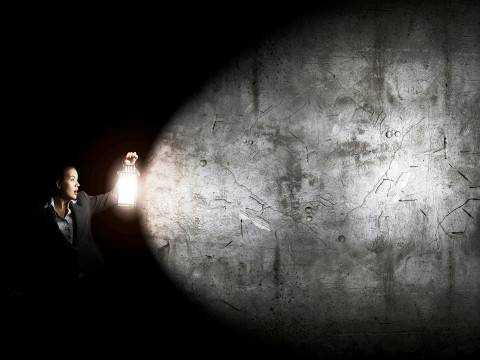
Afraid of the dark? understand your fear and cure it!Scotophobia, more commonly known as Nycotophobia, is a psychological illness, where the patient is afraid of the dark. Children are more prone to this fear, though it does affect quite a few adults as well. The dark often represents insecurity and uncertainty to children, and it symbolizes their entrance into an unknown territory. If the children are alone during their first few encounters with darkness, the absence of parents (who exemplify safety), tends to amplify this crippling fear. While most of us do actually possess this fear in relatively small amounts, as we grow up the fear diminishes. However, there are those of us who might carry this fear of the dark into their adulthood and in such cases, the fear is usually accompanied by quite a few intricate issues. People often tend to externalize a set of conflicting feelings about a certain situation, towards something else. For instance, you might be worried about your children; but your mind may externalize this fear, via your inefficiency at work. This process is called externalization. So, when it comes to the root of your fear of darkness, it is possible that at some point in your past, you experienced something untoward, which through externalization, inculcated this fear of darkness, deep into your psyche. Evolutionary Ties to Darkness: Many scientists have pointed out that this phobia might be linked to the process of evolution. Since predators hunt for their prey at night, we might have inherited this fear of darkness from our ancestors, who believed that darkness was a space where they could be attacked by wild animals. However, recent studies have shown that  Scotophobia begins at approximately the age of two in children, and thus, it cannot be said to be innate to us. In a study done by Ryerson University involving over 90 students, it was found that people who are afraid of the dark, are more likely to be poor sleepers, than those who are not afraid of it. More interestingly, it was discovered that any kind of noise made while the people with this phobia were asleep, frightened them the most.. Symptoms of Scotophobia: The first symptoms of this fear are the resistance to visit dark places and the yearning for company when such situations arise. However, many a times adults who are suffering from this fear, do not reveal it due to the added fear of embarrassment and this, sometimes, results in outbursts of rage when they are forced to go out for an event at night, or to confront the dark under any such circumstances. A person battling this fear may experience panic attacks, sweating and trembling prior to, or while staying in the dark. The blood pressure also rises, accompanied by chest pain and lastly, a difficulty in breathing. Diagnosis of Scotophobia: In children, this fear can be easily verified by their behaviour. However, adults might require further assistance, due to their natural resistance to openly admit to such a fear. Scotophobia can be diagnosed through a comprehensive psychiatric evaluation. Following this, your psychologist would be able to give you an idea of the source of your fear as well. Pursue a course of treatment immediately after the discovery of the phobia, which will ensure a faster and more effective recovery. Treatment of Scotophobia: The process of 'desensitization' is most commonly used to help with such a phobia. In this form of treatment, the patient is slowly exposed to the object of fear, in a situation where she/he will not feel vulnerable. This is done by asking the patient to confront the dark along with another individual who symbolizes safety for him/her. This could be a parent or a friend. Night lights can also be installed to gradually reduce the fear. You may try certain breathing exercises, which will reduce the panic attacks that accompany this fear. Hypnosis has also been said to be very effective in dealing with this phobia. If your psychologist sees fit, you might be also prescribed some medicines; antidepressants are given in some cases. Joining a self-help group is also a good option, in addition to your psychological treatment.  

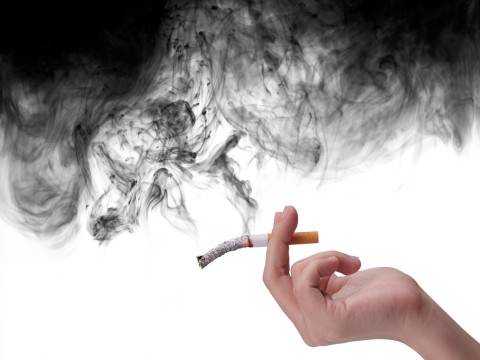
Crossing the smoke screenWhy should someone quit smoking? Smoking is probably the worst sedentary lifestyle habit that we pick up. Quitting smoking changes everything right from the way you feel, taste and smell, your breath smells better and even your cough goes away. Quitting smoking cuts down the risk of cancer, stroke, neuropathy, heart disease and breathing disorders like bronchitis, pneumonia, and emphysema. Not just that, quitting saves money too... just one of the many financial rewards of quitting. Quit Smoking Tips Write down the reasons you want to quit for, and how it will benefit you: for e.g. live longer, feel better, family safety, save money, smell better, find a soul mate easily, etc. You know what's bad about smoking and you know what you'll get by quitting. Read the list daily. Ask for help from your family and friends. Help and support of family and friends without being judgmental helps a lot. You need their support when you become irritable and even irrational while you withdraw from your smoking habit. Set a Deadline. Set a quit date when you will extinguish forever. Prepare a plan. Talk with doctor and take his support and guidance. Exercise. Exercise helps relieve stress and recovers body from damage caused due to cigarettes. Start slow and increase up to 30 to 40 minutes. Begin to breathe. Daily deep breathing for 5-15 minutes will help cleanse the respiratory system and provide more oxygen repairing the damage caused to respiratory system and help cope with withdrawal symptoms. Do not quit abruptly. Cut down on cigarettes gradually. Plan everything about number of cigarettes you will smoke each day till the quit date, reduce the number each day. Buy single cigarette at a time. This helps a great deal to limit smoking. Change brands. This way you won't enjoy smoking as much. Undertake social commitment. Keep your packet of cigarettes with someone else, so that you have to ask for them each time you want to smoke. This way you'll feel guilty about asking and hence smoking; hence lowering the number of times you smoke. Find a mate who is trying to quit. This will boost the morale and keep up the positivity. Try finding a quitting chat room. Learn what triggers desire to smoke - like stress, the end of a meal, arrival at work, entering a bar, etc. Avoid these triggers or if that's impossible, plan alternative ways to deal with the triggers. Now, after you have read this, sit down and write your own list suitable to your personality and way of doing things and create your own plan for quitting.  
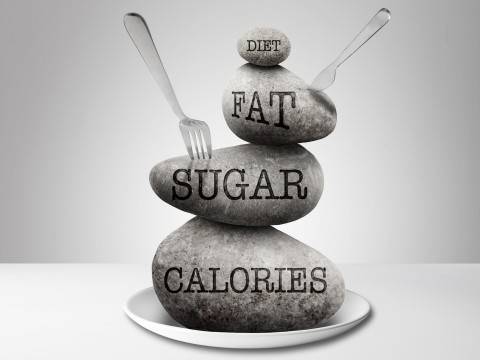
Good and bad calories-How do they affect weight loss?Not all calories are bad calories. Surprisingly very few people are aware that good calories are quintessential for burning fat and can rather help you in losing weight. So, it's very important to know how to differentiate between good calories and the bad ones. What is a Calorie? In scientific terms, one calorie equals to one unit of energy. When the term calorie is being used in relation to nutrition, it means consumption of energy through what you drink and eat and use of energy for carrying physical activity. Many people think that in nutritional terminology, calories are only associated with drink and food; but the truth of the matter is that everything has energy is calories. For example, since coal provides you energy it contains calories. 7,004,684,512 calories are equal to energy produced by 1-ton of coal. Coming back to weight loss, 100 calories of fiber and protein is not similar to 100 calories of a cake. This is because there are good and bad calories and much like us humans all calories are not equal. Calories are the measuring units of energy that are produced by the food once it reaches your body. This energy works on the law of physics and hence less energy intake leads to weight loss and vice versa. Varying types of Calories Different types of food provide varying calories or energy amount to the body. The analysis of a tightly scrutinized weight loss experiment has revealed that when people of two different groups were fed the same measure of calories albeit from varying food sources, the weight loss was almost similar. However, the effects of weight loss were variable; like uncontrolled emotions, cravings, hunger and more. This happened for the same reason that some calories are good and some calories are bad. Good and bad calories Sugar is a powerhouse of energy. But if you keep on eating only sugar all day long it will be suicidal. This is because; the calories present in the sugar are devoid of any nutrients and your body cannot function without the right balance of different minerals, nutrients and vitamins. Most food not only carry calories but they also constitute a complex mixture of additives, fiber and nutrients. These mixtures of varying components directly affect the leptin hormone that controls the hunger trigger in your body. These hormones tell the body to either burn the fat or store it. The process of weight loss is made complicated by the fact that biologically our body is programmed to protect the fat stores so that they can be utilized during starvation. So, the question remain, which calories should you eat to lose weight but still keep on getting the required amount of energy? Eating lean protein, healthy fats and unrefined and unprocessed carbohydrates such as fruits, beans and vegetables are the best for losing weight. Calories with more nutrients are the best The foods that do not store fat and make us eat again and again, are the ones you should eat as good calorie food. Choosing them is simple. These are the same food that humans used to eat before processed food was invented. For example; avoid using the processed whole grains and switch over to brown rice instead of the polished white rice. Also, stone-ground whole wheat, oats or quinoa bread is much better than the white bread. Replace the processed carbohydrates from your platter with whole grains and vegetables to lose weight, control hypertension and blood sugar. Use fats derived from plant sources such as olive oil or nut oil. Eat lean protein more such as chicken and fish.
Aerobics: dancing your way to healthAerobic exercise is any comprehensive activity that makes you breathe hard while exercising your large muscle groups at a standard, even pace. The body uses stored carbohydrates and fats for energy. What is aerobics? Aerobic literally means having or providing oxygen or an activity that takes place only in the presence of oxygen. What is aerobic exercise? Aerobic exercise is any comprehensive activity that makes you breathe hard while exercising your large muscle groups at a standard, even pace. The body burns stored carbohydrates and fats for energy. Thus aerobic exercises help the body to utilize oxygen efficiently with increase in respiration and heart rate. What are the best ways to do aerobic exercises? There are number of ways by which you can exercise aerobically. Some easy and best ways are: walking, running, biking, using stationary bike, using stair stepper, elliptical machines or rowing machines, or joining an aerobic exercise class Benefits of aerobic exercises Fat reduction: Aerobics burns calories and body fats directly while using oxygen to produce energy. So this is the healthiest way to get rid of extra fat.  Strong heart: Aerobic exercises not only use your larger muscle groups like hamstrings, but also strengthen the heart muscles. This improves heart function resulting in improvement of blood and oxygen supply to all body parts, which provides healthy nourishment to body cell and removes toxins. Improves breathing: Exercises improve your lung capacity and function,which improves oxygenation, or competence of respiratory system to deliver oxygen to all body parts. It also improves overall health of the respiratory system. Cholesterol control: LDL cholesterol is bad cholesterol mostly responsible for clogging of arteries and HDL is good cholesterol. Aerobic exercises invariable increase the amount of HDL and lower LDL cholesterol thus preventing fat deposition and plaque formation and maintaining optimal blood supply to heart. Other benefits: Aerobics is the best exercise when it comes to prevention of various diseases like hypertension, diabetes, stroke and arthritis and osteoporosis. It helps to keep mood elevated and cures depression and boosts immunity. Make sure to incorporate some form of aerobic exercise in your daily routine.  
Some tips to prevent night blindnessHere are some foods and eating tips, which will help improve vision and prevent night blindness: Eat dark green leafy vegetables like spinach and collards. These contain high amount of lutein and zeaxanthin, the nutrients for healthy eyes. Do not smoke. A glass of red wine daily is fine but drinking is not. Stay away from hydrogenated oils, refined carbohydrates and sugars in excess. Always wear sunglasses while going out in bright light to avoid potential sun damage to eyes.  Amber and grey-coloured lenses are effective against ultraviolet rays. See an eye specialist and get prescription glasses for driving at night, if required. Do not ride in dim light at night and see if you can postpone the work until next day. Even good lighting conditions at night even in a big city, can be troublesome to someone with night blindness. Vitamin A rich foods like spinach, carrot, papaya, broccoli, and mangoes should be added to your daily diet. Fish oil is a great source of vitamin A. Cod-liver oil is used as medicine too. Some wild plants are said to be rich in vitamin Abut they are seasonal, available in small quantities and there isn't much known about them. Beans are another fairly common source of vitamin A. These are consumed especially during autumn. Eggs are a good source of vitamin A. Eat eggs daily. People with high cholesterol should, however, limit their egg intake. Hot pepper is contains vitamin A too, but the preservation method, sun-drying, decreases the vitamin A content. Carrots are another good source. They are high in vitamin A and arenot expensive as well.
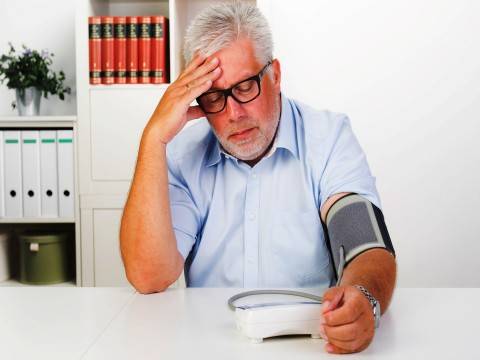
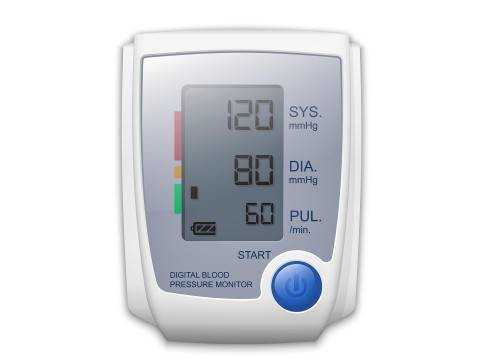
Advantage of the average - Automated continuous blood pressure monitoring technologyAlthough mercury sphygmomanometers (though a deadline is set for them to be phased out due to environmental concerns) are still considered the gold standards, the Aneroid and Digital counterparts represent the future of blood pressure monitoring. The need of long-term blood pressure monitoring arises with disorders and health conditions that demand more attention from the medical teams. Experts say that the fluctuations in BP in conditions like cardiovascular diseases, pregnancy, etc., if tracked at regular intervals, can reduce 22% of risks due to delay and no treatment. This necessity pushed the invention of invasive arterial blood pressure to be used during surgical procedures and further a continuous noninvasive arterial pressure measurement (CNAP) system. There have been multiple researches to overcome some of the roadblocks in measuring the arterial blood pressure in the noninvasive and external approach. Among these developments, the need for measurement of mean blood pressure was felt and the 24-hour BP variation in the patient was taken into account. The 24-hour model eliminates the errors in readings taken during clinic visits due to factors such as fluctuations as a result of white coat fear or after-effects of some stress or exertion. Trendsetting New-age Technology : In 2004, the medical world received the BpTRU non-invasive automatic blood pressure monitoring device. BpTRU devices proved to be a superior and more precise alternative when compared to other manual BP assessment techniques and even other 24-hour ABPM alternatives. The automated oscillometric devices precision and accuracy of assessed BP and heart rate is earmarked with a unique automatic technique - the device records 6 consecutive BP readings of the patient, discards the earliest, and the rest of the five values are put to average function and instantly the resultant mean BP reading flashes on the screen. Compatible with guidelines of American National Standard/Association for the Advancement of Medical Instrumentation (ANSI/AAMI EC13:2002) this is a time-saving, portable, and user-friendly device. A compact and automatic wrist cuff BP monitor, the smart blood pressure monitor that can be synchronized with with Apple’s iOS devices and a Bluetooth connectable and Android compatible blood pressure monitor marks the revolution of CNAP in modern times.
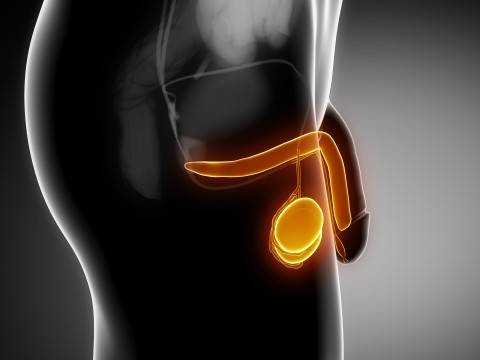
What, how, and why of the sex muscle answeredWhat the Penis is made up of? The penis is made up of several parts. The head: This is also called as the 'glans'. The glans is coated with soft pinkish tissue called the mucosa. The protective covering of the glans is called the foreskin. The foreskin is retractable. In circumcised men, it is the foreskin that is removed. The shaft: The shaft or the body of the penis has two surfaces. The dorsal part i.e. the upper part of an erect penis and the ventral part i.e. the lower part that faces backwards in a flaccid penis. The root: This is the attached part of the penis. Corpus cavernosum: This is the tissue that lines the shaft on two sides on the dorsal side. During sexual excitement, this corpus cavernosum fills with blood that results in the stiff erect penis. Corpus spongiosum: This is the tissue layer running in between the two layers of corpus cavernosum on the ventral side of the shaft. The urethra: This is a narrow tube that runs through the corpus spongiosum. The urethra's main function is to excrete the urine out of the body. How the Penis does what it is supposed to do? Urination: The process of expelling urine is a coordinated act involving the bladder muscles, the central and the somatic nervous systems. The urethra present in the penis serves as a tube for the urine to pass out. Erection: A erect penis is required for the successful insertion into the vagina. During the height of sexual excitement, there occurs dilatation or enlargement of the blood vessels in the corpus cavernosum causing a rush of blood into it. This elongates the penis and makes it hard and stiff. Erection angles: The way a normal penis points when erect is called the erection angle. The penis is either pointing straight to the front or it may be facing up or down to the feet. An upward angle is most common. A study published in 'Journal of Sex and Marital Therapy', shows the erectile angles in standing males from 20 to 69 age groups in the following table In the table, zero degrees is pointing straight up against the abdomen, 90 degrees is horizontal and pointing straight forward, while 180 degrees would be pointing straight down to the feet. Angles from vertically upwards: 0-3 - 5% of male 30-60 - 30% of males 60-85 - 31% of males 85-95 - 10% of males 95-125 - 20% of males 120-180 - 5% of males Ejaculation: Ejaculation is when the semen is pushed out of the penis. During the sexual act, the process of ejaculation forms the culmination with the male achieving an orgasm immediately after. At times, there is ejaculation of semen spontaneously during sleep, called Wet Dreams. Normal Variations- When you have what others don't (and it is completely normal to have them)! Curvatures: While most penises are straight, it is not abnormal to have a curved penis. Curvatures up to 30 degrees are considered normal and no medical attention is advised. Over 45 degrees may need you to get yourself checked for certain diseases, though. Phimosis: This is the inability to retract the fore-skin fully. It is harmless and occurs in about 8% of boys. The British Medical Association suggests that no medical treatment may be required till 19years of age. Pearly Penile Papules: These are small pale bumps that are found around the tip of the penis. They are very common in men aged 20 to 40 years and may be mistaken for warts. Unlike warts though, they are completely harmless and require no treatment. The human penis has one of the most advanced designs through eons of natural selection for high sperm competition. Disorders of the Penis: When you have what others don't (and it is not normal to have them)! Paraphimosis: This is the inability to retract the foreskin. It may be extremely painful when retracted. This condition occurs when there is leftover fluid accumulated n the foreskin due to some previous surgery. Peyronie's Disease: This is a condition where the penis is extremely curved. It is caused due to a scar tissue running through the shaft of the penis. There is an option of surgical correction. Herpetic Eruptions: This can happen when there is unprotected intercourse with an infected partner. It shows as painful ulcers and eruptions on the head and shaft of the penis. Absence of sensations and erection: This is a condition where one is not able to feel any kind of sensation in the penis and a total lack of erection. This occurs secondary to diabetes mellitus and also as an after-effect of past falls on the back or injuries to the groin area. Erectile Dysfunction: This is a condition that happens due to psychological stress, performance anxiety, natural ageing and diabetes mellitus. It is expressed as an inability to get aroused or inability to maintain the erection for a time enough for proper sexual activity. Priapism: This is a serious condition requiring immediate medical attention. Here the erect penis fails to return to its flaccid state and as a result may lead to potentially serious conditions like a thrombosis or gangrenous state. Severe cases may require amputation too. The causative mechanisms are not well-known but involve complex neurological and vascular factors. The condition is associated with drugs like sildenafil, commonly known as Viagra. Pudendal Nerve Entrapment: Too tight pants and underwear, arrow hard bicycle seats, accidents can lead to this condition. The symptoms include loss of sensation and ability to achieve orgasm along with pain in the penis during sitting. Infections: Common infections of the penis include balanitis, urethritis, syphilis and gonorrhea. Theya re characterized by burning, itching and foul discharge. Lasting longer in bed is every man's desire. How do you go about it is very important. Follow the right diet and exercises along with lifestyle changes to achieve the desired effect in bed. Stay away from medications that claim to make you last long. Ref: Sparling J (1997). "Penile erections: shape, angle, and length". Journal of Sex & Marital Therapy 23 (3): 195-207
Penis healthHere's a quick one on how to go about doing the good work The function of penis is primarily passing urine and intercourse. So from the hygiene point of view it becomes imperative that the penis, testicles and scrotum should be washed regularly with mild soap and toweled dry to keep out any odor causing bacteria. The foreskin should pull back to expose the glans or it can cause bleeding while having sexual intercourse. The foreskin is that protective sheath around the glans. It appears a simple task to pull the foreskin back about a quarter of an inch. But it is difficult. So for those men whose foreskin isn't exactly the 'spirit of co-operation'. Soap and lubrication can ease the way down. Try it slowly and gently over a few days and then ease down with practice. It is important to slide the foreskin back while bathing to wash off the 'smegma', sticky substance that tends to accumulate there. Don't wear underwear which is too tight or it may restrict the blood flow to the penis. Besides that is not very good from the point of view of the quality of sperm generated by the testicles. 'It's really surprising how many men don't clean underneath their foreskin', says Patrick French, sexual health expert. A penis, for once, isn't a muscle and you could do some serious damage in trying to bend it. Secondly, it is meant to have erections so there is nothing abnormal about that. The penis has no bones in them but don't ever try to apply strength and/or fold your penis away. It is like a tube with blood vessels which fill up and give an erection. If you were to rough handle the penis by twisting it violently it can actually cause the vessels to rupture and cause a swelling which can be painful. Do not ignore any swellings, lacerations or spots on the penis as they could be symptoms of sexual disease or infection. Even circumcised men should wash under the glans regularly.
FAQS
T&C FAQS