Home
Absent father, violent kids!When children are growing up, they undergo a lot of hormonal changes and have varying emotional requirements. If these requirements are not fulfilled by the presence of both parents, they can develop into violent adults. Single parenting for a mother, is extremely difficult; it is simply impossible for her to fill the void left behind by an absent father. When a couple cannot live under the same roof due to major differences, they separate or get divorced. However, the requirements of the children remains the same; they still need the care and love of their mother and the support and guidance of their father, to grow up without any complications or insecurities. Children usually look up to their father as a symbol of strength and security and in his absence, they might not receive the same support and may feel inadequate and insecure. If during their childhood kids do not get the support and security that only a father can provide, they might bottle up the feelings inside; and these feelings usually explode when they grow into violent adults. A Father's Absence is Critical Due to whatever reasons, if the father is not present in the family during the most important growing periods of the kids, they have more chances of turning to crime and drugs, than the children who have a father by their side. According to a research conducted by the Research Institute of the McGill University Health Center located in Quebec, a father's absence, especially during the child's prime growing period, can lead to behavioral problems when they grow into adults. The research was carried out on mice raised only by their mothers and showed that the mice that were brought up in the absence of their fathers, were  abnormal and aggressive in their social interactions. Gabriella Gobbi, who is an author and a senior associate professor at the McGill University - Faculty of Medicine, says that even though the experiment was carried out on mice, the findings are highly relevant to the behavior of humans, under similar circumstances. Role of Fathers and Fatherhood Another research carried out by Dr. David Popenoe, a renowned sociologist, throws light on the role of fatherhood and fathers. According to Popenoe, fathers should not be treated as mere second adults in the family. Fathers, who are more involved in their family, have a certain positive impact on the children, which no other person is capable of. Fatherhood is an important responsibility and the presence of fathers in a family, directly influences the well-being of the growing children. In the absence of fathers, mothers may try their level best to provide their children with the right kind of upbringing and education. However, they might fail to give the kids the support and strength that only a father can provide. Due to this, children fail to face the challenges of life head on and are unable to handle their problems with an open mind. When a lot of emotions get bottled up inside, in most cases, they find their release in the form of violence. Sometimes, children also lack the right kind of guidance in their growing years and mothers fail to handle their changing emotional requirements, due to which these kids become increasingly frustrated and violent as they grow up.  
Tips to make you feel handsomeYou must have heard that looking good takes a lot of money and hard work. But trust me, it's not true at all. You just need to stay confident, and follow few simple and easy tips to get that perfect look. Let us start off by trying to understand what exactly does handsome mean. Well, a simple definition could be -"being handsome means being confident and having loads of style and poise". It's not dependent on somebody's face, or body specifically. So, what makes a person handsome? Will his attitude count? Do we need a lot of money to get that look?  Let's answer all such questions in the article. Personal care: The first for getting a perfect look is to look after yourself well. This shall include: Hygiene: Personal hygiene is most important. Dental hygiene, managing body odor, cutting your nails on time, removing hair in the underarms, nose, and taking care of overall body hygiene is of utmost importance. Skin care: Like women, men need to take care of their skin as well. Applying moisturizers or lotions is necessary. Hair care: Try and wash and shampoo your hair at least twice in a week. You could use natural or artificial conditioners in the hair to make it soft.  Get a trim every month, or else they can become too long and unmanageable. The suave and debonair look: Along with everything else, one needs to take care of one's facial hair also. Try and avoid the rough and rugged look, and get a good shave for yourself. You can either keep clean shaved look, or maintain a beard which is well trimmed. This will give you an urbane and classy look. Clothes cabana: One needs to understand that there are some clothes which shall look good on them and others not. Try and determine which shades look good on you. After this, you need to choose your formal and casual wears as well. Take risks, as you cannot guess what will look good on you every single time. The must have checklist is given below:  A pair of good dark blue jeans A white shirt A colored T-shirt Jacket and waist coat Dinner jacket or tuxedo (whichever suits you) Pair of black trousers Sweatshirts A Full pastel shade sweater Accessorize your look- You need to pair good clothes with cool embellishments like- Shoes: Get two different pairs-one leather and the other sports- for formal and informal occasions. The shoes should be buffed with shoe wax regularly, and you can wash off the dirt on your sports shoes once a month, at least. Belts and Tie: A good and well fitting tie, and a sober choice in belts always adds to the look of the "complete man". Watches: A good analog watch is a "must have" on every guy's wrist. Work out regimens: Now, work out does not only mean joining a gym, or keeping a personal trainer. You need to just keep your body fit, and that can be done by jogging, yoga, or even daily walks. You can even pick up a sport, for that matter. Eat healthy: Try to follow a diet regimen which, nowhere, means you need to have nightmarish boiled vegetables only. You just need to avoid eating outside . This shall not only help you look good, but will let you remain  young and fit for many years.  Once in a week, though, you can easily dig into your favorite foods. Say no to cigarettes and alcohol: Working out, or eating healthy will never help you get in good shape till you say no to all the bad . Try and quit smoking and drinking, as they affect your health and stamina adversely. Along with that, they also have a very bad effect on your mental health. Million dollar smile: Try to wear a good and sweet smile, as a straight face might end up making you look unapproachable and arrogant. So, remember, smiling always helps to complete your attire, and style. Good stance: Wearing all the best outfits  might go all in vain if you have a bad body posture. Try to walk and sit straight. Having an erect stance always makes you look more confident, attractive, and masculine. Wear your confidence and attitude: Lastly, be comfortable and confident with whatever you wear, and however you look. Being confident makes you win half the battle always. So, what are you waiting for? Start off your preparations, as being handsome does not really require an occasion.
Honeymoon cystitisHoneymoon cystitis is a term for urinary tract infections that occur commonly during early marriage. Sexual intercourse is the primary reason for developing this infection. The infection occurs when the E. coli bacteria that are normally present in the bowel are introduced into the urethra. This may happen through sexual intercourse, inserting unclean fingers or objects into the vagina. Women who wash their private parts from the back to front also have an increased chance of developing infection. Symptoms of honeymoon cystitis may include a burning or painful sensation during urination, the urge to urinate frequently, cloudy urine, blood-tinged urine, and/or pain above the pubic bone. Any of these is enough o play a spoilsport and dampen your honeymoon mood! Symptoms of honeymoon cystitis generally emerge within a day or two after bacteria are introduced into the urethra. A physician can confirm the diagnosis of infection through a simple urine test. The treatment usually involves antibiotics and pain-killers. What care should you take to avoid honeymoon cystitis from recurring? Use water based lubricant during sexual intercourse Urinate before and immediately after intercourse to flush out the bacteria from the urethra. Drink plenty of water to keep the urine normal Avoid coffee, tea and aerated drinks See a gynaecologist or a urologist if the problem recurs.  Urinary tract infections are extremely common in women and are the leading cause for visits to the doctor.
Mother can pass stress patterns to childThe stress patterns in the mother have shown to affect the mental development of children and have been found to play a role in autism and even schizophrenia. "Pressure and stress is the common cold of the psyche." - Andrew Denton There are several studies conducted in this area of research. The results are varied and present a set of multiple issues that children can face if their mothers have been under stress when they were in the womb. In later years, these babies grow into children who have a weak mental state. They cry easily, pick the escape route in conflicts and difficult situations, are anxiety prone and may get easily bullied in social environments. Their social adjustment gets hampered due to emotional weakness. These children are not good at handling weak moments and end up being rubbed off the wrong way, time and again. It pushes them into a vicious cycle. The incapability to tackle socially stressful situations further scares them. They get bullied and become even more vulnerable. What to do? The approach is twofold. Curb the problem in the beginning. Yes, it is natural to be stressed. Pregnancy can be tough, physically as well as mentally. With the modern life, the stressors have increased and there is always so much to do in such little time. Relationships, work, food, health, hormones - there is ample to trouble you. Find a release for the tensions. The one growing inside you needs you to be happy and healthy. Do things that make you happy, keep your happiness at the top priority. Everyone around you needs to understand that. Reader, if you are the husband, parent, sibling or friend of a pregnant lady - support her, understand her and do all you can to make her smile. Do not be the one who reprimands if she is worried, be the one who takes away her worries. Pave way for a baby who is happy and ready to start a new life. Second, do what you can at the given time. The child is already here and is facing emotional adjustment issues - extend your support to him/her. Give the kid the ground to grow strong roots and stand tall, without being disturbed easily by gushes of the wind. While it is difficult to avoid stress, you can always try to handle it better, for the sake of your child.Soon-to-be mothers who go through stressful situations may be passing on the stress patterns to their babies.
Avoiding nappy rash - A few words of adviceNappy rash is a skin condition that takes its name from the nappy in which a baby is wrapped. It is a reddish rash, or tender skin around the buttocks and inner thighs of babies, which occurs due to prolonged wetness from either urine, or stools, or both. Nappy rash may be in the form of an unusually tender bottom on a child, or an inflammation around the genitals, and inner thighs, or folds of the skin. It generally occurs in really small babies, less than a year old. Most times, nappy rash is not a very serious condition, provided care is taken. No matter what type of nappy you use, whether promising complete dryness, or absorbent nappies, your baby is likely to develop 'nappy rash' at least once. The rash can make the baby feel uncomfortable, and cranky as a result. Steps to avoid nappy rash: Always ensure that your baby's bottom remains dry by changing nappies at regular intervals. Use a mild medicated baby soap which will help in keeping the skin around the inner thighs and buttocks soft. Give your baby some nappy free hours. You will be the best judge to know when she is likely to have comparatively dry spells, which can allow the skin and parts below the waist some breathing space. Regular bathing should take care of most rash related problems. Use an emollient, or medicated soap for bathing. Sometimes, nappy rash is a result of a thrush or yeast infection. The baby's resistance at these times is low so that it allows the yeast to thrive in the form of ugly red patches. Always show a medic to rule out the possibility of bacterial infections. Anti-fungal creams should also take care of normal nappy rashes.    
Teach your kid to stand up to bulliesAlmost everyone has heard of the beach bully who goes around kicking sand in the face of the skinny lad. That's the quintessential imagery associated with bullies and it has stayed with us for over 3 decades since the first ads came out. The ads generally endorsed body building products using the classic 'Before' and 'After' construct, i.e. before you got your face sandblasted by the beach bully and after you took that protein shake or muscle builder to get even. Bullying is a phenomenon where a person or group wilfully targets someone with the intention of troubling them over a specific thing. (Bullies generally pick on someone they perceive as physically, mentally, financially, socially or racially inferior.) There is no age-limit for bullies as the bully could be a school going kid with an attitude problem or a fully grown adult, who could indulge in it from sheer force of habit or due to a mental problem. Again there is no age limit for the victim as well. Anybody could really be a target for the bully menace, right from school children, teenagers, disabled or even old people. Well bullying has changed considerably in these times and you also have the e-bully version where insecure bullies go about harassing people, especially teenagers over the internet. Bullies resort to tactics like causing public humiliation or embarrassment to hapless victims or resort to threats or other control-based abusive behaviour. Ok so everyone has undergone bullying from time to time but the question is should you allow it to happen to your teenaged son or daughter? Mind you, here it isn't simply a question of some leg pulling by friends or teachers but some serious malice that could well destroy your teenager's confidence and cause permanent scars on his self-esteem. Yes, if your teenager is being subjected to bullying then teach him how to kick the sand right back in the bully's face. Before we learn how to do that let's see the types of bullying that your kid could be subjected to: Verbal bullying This includes teasing or making caustic remarks directed at someone on a regular basis. The school bully does that, doesn't he? As you would probably remember from your own school days that fat lout who made you quiver with fright as he snatched your lunch box away to feed the dogs. Yes, the very same guy who pulled your sister's pig-tails and called you names which made you go red in the face. You could do nothing but pray he wouldn't notice you somehow. Well so something similar could be happening with your teenager. Verbal bullying need not be done by a school friend. Even a responsible teacher could target someone for deprecatory remarks causing much embarrassment, ridicule andfeelings of inadequacy to a teenager. Sometimes kids look up to their teachers for encouragement and support and those very people could actually damage a child's self-esteem by unjustified criticism and bullying behaviour.Teenage girls could suffer taunts and remarks about certain physical traits and since they are at a delicate age where their bodies are undergoing changes, such verbal abuse can indeed cause long-term depression or personality issues. Physical bullying Physical bullying is where your teenager could be subjected to physical harassment at the hands of the bully. Whether it is a simple case of holding your teenager's hand or unprovoked physical assault, the end result is the same-injuries to the body and mind. The bully may not go as far as inflict any visible scars on the teenager's body but the episodes could certainly cause great fear and trauma to him. Even teenage girls are not spared physical abuse at the hands of bullies. In certain cases, teens suffering from long-term bullying actually took some extreme measures by committing suicide or breaking down completely. Internet bullying Internet bullying is where your teenager is probably most vulnerable. At least school bullying is restricted to school, but here your teenager is at the mercy of just about everyone - from the school bully to the earnest paedophile! Causing embarrassment on public forums, threats of physical or sexual harm is the most common and as a parent you have to take every step possible to not just protect your child but also help him take care of himself or herself. The bully menace The school bully is comparatively easier to deal with than the internet lout! Well, one can't be too sure of that statement either since these days,school kids are known to blow up their own classmates or participate in a heist with adult precision. Always watch out for the classic signs of bullying. If your child appears withdrawn or disturbed after school hours then gently probe and encourage your child to tell it all. If you feel there is enough reason to think your child is being subject to bullying then bring it to the notice of the school immediately as others could have similar complaints. Do not admonish your child or scold him as it could cause him to withdraw in to the shell that the bully provided him in the first place. Parents and elder siblings can be bullies too so remember that. Teach your child to stand up to bullies. The bully is generally an insecure person who uses brute force to feel good about himself, at the cost of others. The school bully generally has his way and is not used to being challenged. Teach your child to look the bully in the eye and register protest. This will go a long way in teaching your child how to fight back and not take any nonsense from others.If the situation worsens, then always keep a track of your teenager's whereabouts especially if it is a girl. Once the bully realizes that he is being tracked he generally lies low or picks on someone else. Internet bullying requires different measures. You can monitor your child's online activities and teach them to never ever share any personal information or photographs online or on forums which are off-limits for children and adolescents. You can complain to the authorities if things get out of hand. If someone repeatedly issues threats to your teenager, either online or in real life, is a cause for real concern and one must take them seriously. If your child does not learn to cope with bullies it could affect him well in to adulthood, where he will feel helpless and easily scared by imposing people or even develop a hatred for authority figures. Bullying can fuel an already weak personality in to gaining an inferiority complex; the flip side is that kids who have been subjected to bullying can repeat the same patterns on their younger siblings or at school. So a bully creates another bully if continued unchecked. Mental problems in children are on the rise, so bullying is also no longer an innocent joke but could be a serious crime. Bullies whether children or grown-ups, suffer from some personality disorder or a serious inferiority complex which makes them compulsive trouble makers and their victims are generally people who cannot hit back or are vulnerable. Take Hitler for instance. Wasn't he just a bully who was unhappy in his own life? Look what he did to millions of innocent people. Wasn't that a bully gone berserk?  
Crave for non-food substances to put in your mouth? Go ahead take your pica!We all have strong cravings in some form or the other, especially for food. Just thinking of a chocolate cake or ice cream can set the mouth watering and the hand creeping to open the refrigerator. However, some people have an unusual craving and it is to consume non-food items. Everyone knows that children are known to eat chalk, dirt or lick walls but at times, even adults have this unusual craving for non-food items. This condition is termed as 'Pica'. One can understand a child popping something into its mouth as it's discriminatory skills are not developed, but what about fully grown adults who have this habit? Is it a mental ailment? One can't really call it a full blown mental condition as it occurs commonly in pregnant women. The cravings are as strong as any other food craving and sometimes these people go out of the way to satiate their cravings. So, right from paint thinner, to chalk to ink, ice, plaster, paint, linoleum to plastic bits can form the obsession or craving. Pica is a combination of psychological and biochemical processes and is generally a deficiency which sets about these intense cravings.  When pica strikes pregnant women, then it could be a cause for much concern and the doctor should be kept informed. While it is easier to indulge a pregnant woman's ice cream cravings if she also develops a thing for iron fillings on top of her ice cream, then obviously it can be a rather dangerous thing to do. Ice and chalk are comparatively harmless and other than affecting the teeth and the taste, do nothing much else, but what about turpentine and toxic materials? They can definitely interfere with the body's digestive processes and can even spread harmful toxins in the body to cause blood poisoning, intestinal infections, bowel blockages and lead poisoning or arsenic poisoning.  If you have such strong non-food cravings then before you give in to them talk about it to a medical practitioner. It could well be an iron deficiency or perhaps even anemia which is attracting you to chew pencils up or making you pop dirt in your mouth. If you are pregnant then certainly the doctor will need to address the underlying issue and ensure that the pica goes away before you deliver. Wouldn't want you chewing up the baby's soother now would we?
What is megalomania?Bertrand Russell's quote on megalomania perfectly describes the condition:"The megalomaniac differs from the narcissist by the fact that he wishes to be powerful rather than charming, and seeks to be feared rather than loved. To this type belong many lunatics and most of the great men of history." Megalomania is a delusional bipolar disorder. The sufferer believes he is an all-powerful person and that he is superior to all other people. Megalomania comes from the Greek words megalo which means large or great and mania which means madness. It is a psychopathological disorder that has delusional fantasies of power, exaggerated self esteem and a sense of omnipotence. The sufferer may believe he is God or some famous athlete. Although megalomania is a term used for power hungry people, it is clinically described under the mental disorder of narcissism. Narcissism is self-love. Though self-love is a healthy concept, narcissism is a pathological state where one loves oneself to the extent that he starts despising others. Megalomania is caused by certain phobias and mental conditions associated with emotions and personality. In everyday life, megalomania can be a person's mental way of reacting to frustration, abandonment or some serious loss. In the social world, the term megalomaniac is often synonymous with control freaks, power-drunk army generals, executives and politicians. The treatment of megalomania includes medications. The challenge here is that the person may not believe he has anything wrong with him. He, in fact, believes that he is so great that no harm can come to him, so talking him into getting himself treated is very difficult. Adolf Hitler, the German dictator, was a power-hungry control freak. He believed that he was the supreme commander and that his race was the only race suited to inhabit earth. All other races, especially Jews, were inferior and had to be wiped off the face of the earth. Adolf Hitler was megalomaniac.
10 best and worst appetizersWhen you are munching on appetizers before your meal, the idea is to eat something that can trigger off the production of your digestive juices in the intestine, so that what you eat next, the food is easily digested. However sometimes, the appetizers are much more complex and heavier on your tummy and can actually reduce the metabolic activity and imbalance the digestion process. Here are some of the best and worst appetizers that are commonly served: Best Appetizers Vegetable Kababs: These highly nutritious and low calorie appetizers are a good alternative to fried items. Grilled vegetables or kababs are prepared by skewering red and green bell peppers, onions, tomatoes, mushrooms and zucchinis. To add to the taste, you may brush over some low-fat herbs and even garlic marinade. Two delicious vegetable kababs, will get you only 75 calories. Crab Cakes: Seafood offers you high nutrition and the best way to include the properties of seafood in your diet, is by choosing crab cakes as appetizers since these offer only 20gms of fat and 300 calories, while providing you with a high level of sodium (960mg). Spinach Salad: The best thing about good appetizers is that they are low calorie foods and provide great flavor and satisfaction while eating. One such fulfilling appetizer, is spinach salad. You can also use other green leafy vegetables to add more nutrition to the recipe. If you eat this appetizer before your meal, chances are, you will eat 10 to 15 percent less of the main course, which is certainly a great way to cut down on the calories. A cupful of fresh salad gives you only 80 calories. Beef Skewers: If you are in the mood to pamper your taste buds, but still want to stick to eating healthy, then beef skewers is the right option for you, in the appetizers section. These are usually served with peanut sauce in restaurants. You can opt for lean beef along with soy, garlic, hoisin, onions and barbeque sauce to make this dish yourself. Quarter to the pound is the recommended serving, which consists of 5 gms of fat, 130 calories and a high sodium content of 803 mg. Stuffed Mushrooms: Potato skins are a common appetizer people go in for, but these add more calories. Instead, you should opt for stuffed mushrooms that are way more delicious. The caps of mushrooms are stuffed with breadcrumbs and the cheese of your choice; and they provide only 50 calories per cup. This means that even if you eat six stuffed mushrooms, you are still within the limit of 300 calories. The worst appetizers are deceptive yet tempting in their looks and taste. But you should always keep a check on the ingredients before gorging on them, for your own benefit. Worst Appetizers Onion Blossom: Fried onions are certainly bad for your waistline. It is always better to eat a starter stuffed with more vegetables, instead of fried things. A restaurant preparation of onion blossom consists of 161 gms of fat, 1,049 calories and around 4100 mg sodium, which is more than double the limit required by an adult, making this appetizer a completely unhealthy choice. Cheese Fries: Cheese fries are one of the worst appetizers; these can be even more overwhelming than your meal itself, which is why health experts advise not to include this appetizer in any type of menu. Sometimes cheese fries actually come with more melted cheese on top, which is obviously worse. Spinach Artichoke Dip: Although this starter starts with the word 'Spinach', it is in no way a healthy appetizer. One dip of spinach contains loads of calories-1600, fat-100 g and 2500 mg sodium. It is certainly not the spinach but the cream base that is rich in saturated fat. Potato Skins: Potato skins have all the high calorie foods such as meats, sour cream and cheese. When you take one pop of these, you will be adding 150 calories, which is quite a big number. Moreover, these appetizers are not filling. A plateful of potato skins adds 1,340 calories, 1,850 mg sodium and 94 gm fat and yet leaves you hungy. Cheeseburger Skins: Although these appetizers look small, there are loads of calories packed in them. One order of Cheeseburger skins can total up to 1270 calories, with an added 2310 mg sodium and 82 gm of fat.
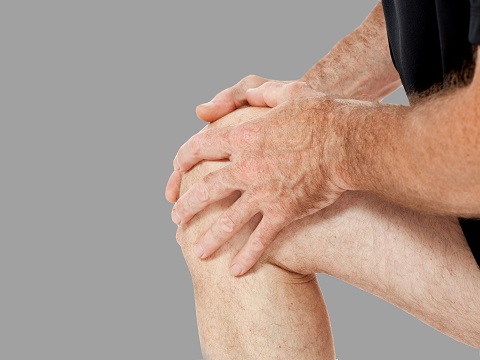
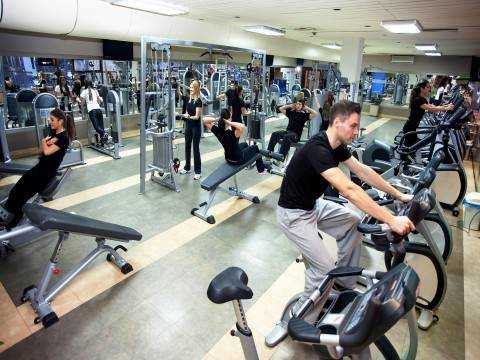
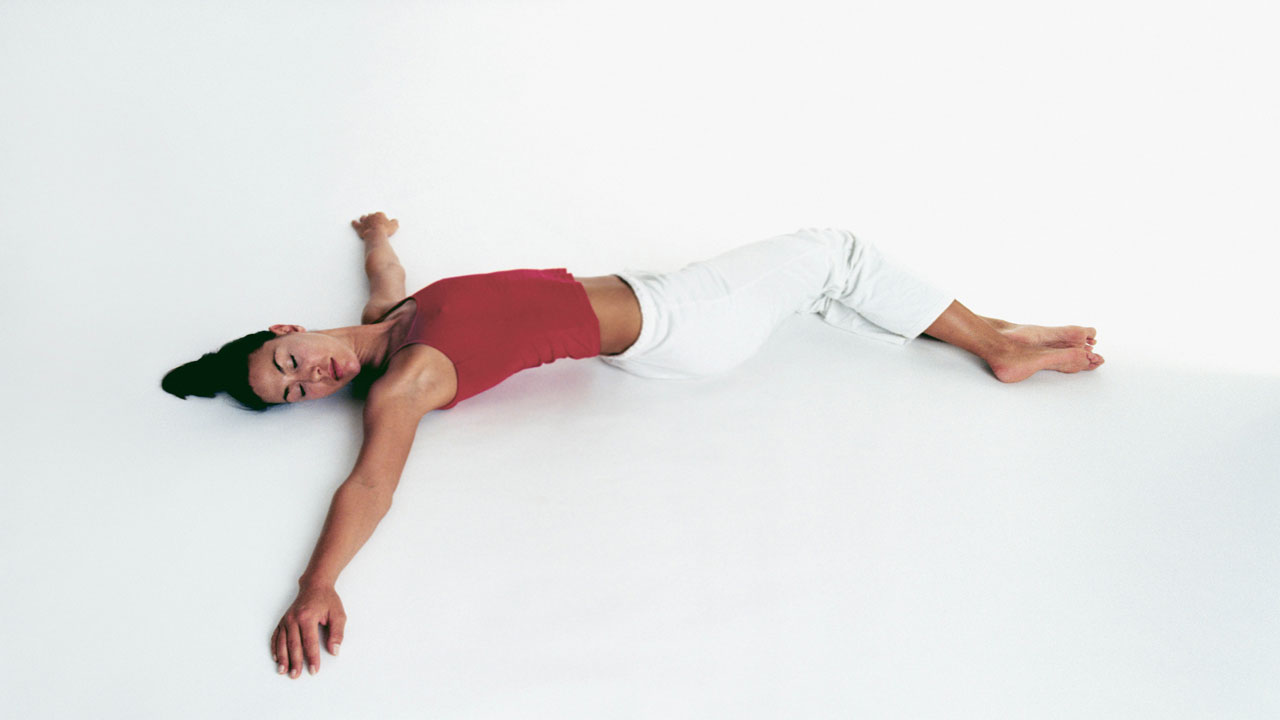
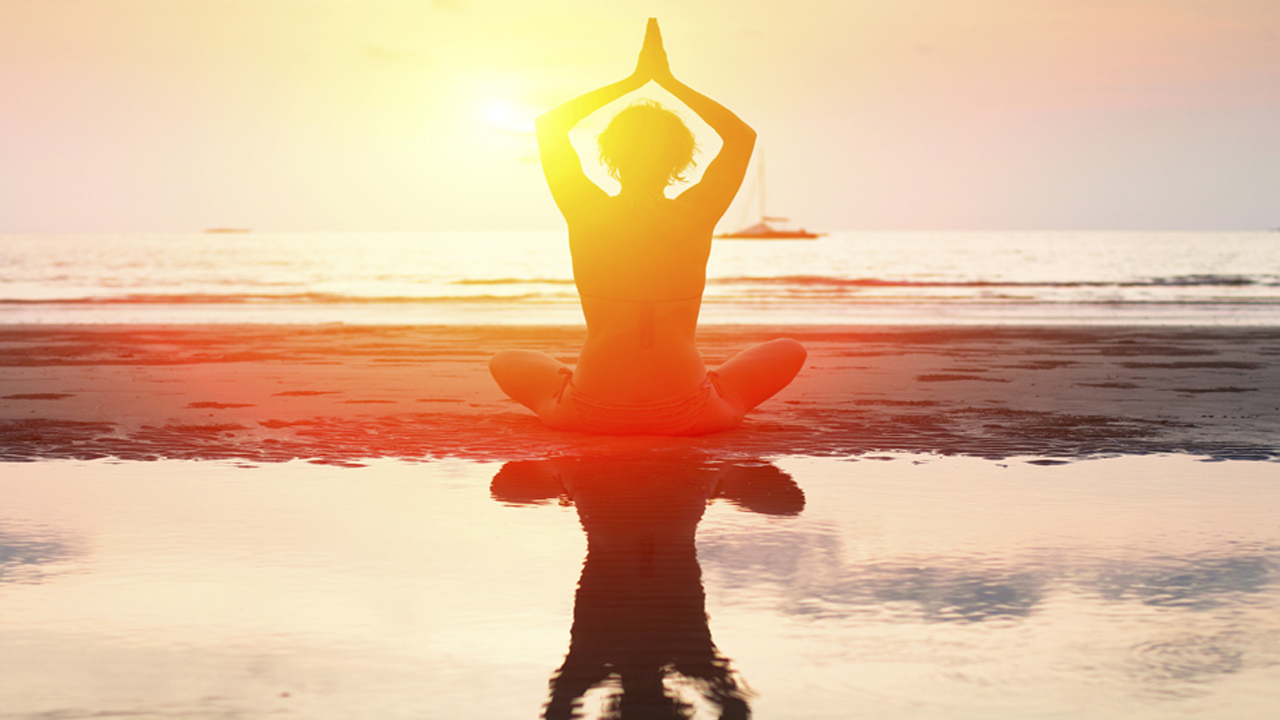
Arthritis friendly workoutsRheumatoid arthritis is more common in women over 60, and is the inflammatory type of arthritis where the synovial fluid functioning is disrupted. The synovial fluid maintains the health of joints, bones, and cartilages. Osteoarthritis is the most commonly occurring type in both men and women, and in this type there is gradual wearing away of the bone cartilages, which, in turn, causes stiffness, and pain in the muscles, joints and tendons. There is a classic catch 22 situation in arthritic patients and that is they avoid exercise or are advised extreme caution while exercising. The pain and soreness which comes from exercising can be extremely discouraging, so some shun exercise altogether. Now, the lack of exercise is going to precipitate the condition further, and could even increase the soreness, and lead to deformity. This is what challenges most arthritic patients. Should someone with arthritis be allowed to exercise? And if yes, then what type of exercise will prove to be most beneficial? Main question is: Are there any arthritis friendly workouts? Doctors now recommend that exercising could actually work wonders for arthritis patients. The right method and type of exercise can help ease the inflammation and soreness of the joints, and build overall health, strength and flexibility of the bones, and joints as well. What would be a good exercise routine? The arthritis foundation recommends routines which exercise the flexibility of the joints, and build muscle mass, for better shock absorption, coupled with physical endurance should be specially designed for arthritics. Regular walking: Walking is a great exercise for arthritics. Walking at a steady pace for about 30 minutes, thrice a week, can help keep the limbs active, and could reduce the swelling at the knees, and hip joints. Warm up is absolutely essential in any work out, and here it is of paramount importance that you go through a warm up routine before you begin your walk. Simple leg raises, hand to toe stretches, and light back bends can be done to warm up the muscles and joints for your walking activity. That will also reduce the possibilities of strain or sprains of the ankles along the way. Choose your exercise route to ensure that you don't walk up a gradient, and put unnecessary pressure on your knees and ligaments. Aquatic Exercises: Exercising in water is perhaps the best possible alternative, as water is absolutely low impact. This is great for arthritic patients to reap the benefits of a swimming pool workout. The easiest for chronic arthritis patients would be to simply walk, or wade in water for about 20-30 minutes. This can help greatly with building strength, and endurance in the extremities. For enhancing co-ordination you can even try walking backwards in water, or simply float and relax the body. Avoid water which is too cold, as that might adversely affect your condition. Stretching and Yoga: All easy stretches for the limbs and joints will be helpful to facilitate ease in movements, and dealing with joint pain. Standing leg raises, shoulder raises, wrist rolls are exercises which can be done quite easily, and can help keep the body supple. Though yoga also enhances flexibility, it goes way beyond just that, and actually aims at harmonizing the life force in the internal and external organs as well. No matter what type of exercise suits you, always remember: Proper warm up exercises are a must for the arthritic patient, as that can help reduce, and eliminate the possibility of injuries while working out. Do not force your body into an exercise regimen, if you are experiencing pain. It is quite ok to take a day off if the joints are sore. Get into an exercise routine slowly as your body might take a little longer to recover from it. Always seek the advice of an expert or a doctor before making any alterations to your regimen.
All you need to know about angioplasty!Why would you need coronary angioplasty? The walls of the arteries are being constantly lined with a fatty material called plaque. This plaque increases in certain conditions like atherosclerosis. When the build-up is too high, the artery gets blocked and the subsequent tissue receives very less or no blood, causing it to die. The plaque at times may be dissolved by medicines but if it is too big, medicines prove ineffective. This is manifested outwardly as a heart attack. This is the time when the doctor would recommend the coronary angioplasty as a treatment for you. How is it done? A thin catheter with a deflated tiny balloon at one end is inserted into the affected artery. Once the exact location of plaque build-up is reached, the balloon is inflated causing the plaque to get pushed against the artery wall and creating free space for the blood to flow. A small mesh called a stent may be placed to hold the artery in place. Some stents are coated with medicines that prevent the scar tissue formation following the angioplasty procedure. The procedure may be done as an emergency or it may be planned. If it is a planned procedure: You will have to get hospitalized and stop eating or drinking 6 to 8 hrs before the procedure. Once the procedure is done, the doctor would prefer you staying in the hospital overnight to watch for any adverse events that may happen. What happens after the surgery? The surgery lasts for 1 to 2 hours and you would be allowed to go home the next day. You will be advised not to undergo vigorous and strenuous exercises and to rest adequately. Most people are fit to return to work a week after the surgery.
10 simple ways to get rid of hiccupsHiccups are simply a sudden involuntary contraction of the diaphragm. Diaphragm is the muscle on which the lungs rest and it is above the stomach. The contractions happen several times within a minute and goes on for several minutes. Every contraction is followed by the sound 'hic'. And hence the name - hiccups. Sometimes hiccups can occur in the most awkward situations - just before an important interview, just as you lie down on the bed to sleep, or even during a meeting. Hiccups in difficult situation can be a big problem. Some simple tricks could help you get rid of them. It helps to know different techniques you can use to stop hiccups, for only one may not always work. Hold your breath: Inhale deep and long, and then hold on to the breath. This may help the diaphragm to relax and hiccups will stop. Drink warm water: Take about ten or more big gulps of water, with quick swallowing. This will help the irritation of diaphragm to go away. Close your ears: Use a thick small roll of cotton or use your fingers to plug your ears and close it. Do this for about 30 seconds. Alternatively, you can also firmly press upon the soft tissue of the ears from behind, next to the ear lobes. This helps to relax a nerve which then relaxes the diaphragm. Take your tongue out: Pull out your tongue, as out as you can and keep it that way for a few seconds. This helps in better breathing, relaxing any spasms that may be causing the hiccups. Breathe with mouth covered: Press both your palms over your mouth to close it and continue breathing only through the nose. This intends to create a discomfort that will cause some distraction for the nerves and the hiccups will stop. Breathe in a paper bag: Breathe deeply into a paper bag. Do not cover your whole face with the paper bag, just the nose and mouth. Hug yourself: Pull your knees up, close to the chest and wrap your arms around. Hug yourself tight for a couple of minutes. The pressure also helps to relax the diaphragm. Have some sugar: Have a spoonful of plain grainy sugar and keep it in the mouth. Swallow slowly. Lemon at your service: Pick a piece of lemon, put it in your mouth, and let it be there. Do not chew; just suck it slowly for a few minutes. This will also help the hiccups go away. Just wait:  Nine out of ten times, the hiccups will go away on their own, after giving you a little trouble, of course. If you are not too uncomfortable with hiccups, be patient and give them a few minutes. Most likely, they will pass off as spontaneously as they had come. "I think hiccup cures were really invented for the amusement of the patient's friends." - Bill Watterson
Adrenaline rush - Feel it inside!Imagine yourself at a great height, either scaling a dangerous cliff-hanger of a rock face or on a bungee jumping platform. Some of us who have had the pleasure of doing high adventure sports like racing or indulging in perilous activities like giving out an acceptance speech for the first time are well aware of that strange feeling in the solar plexus, the clammy hands and intensely thudding heart, and the rush of blood to the head just as you are about to take the plunge! The heart beats faster than ever, breathing goes rampant, the senses seem to become supercharged, and the fear, the joy, and the excitement meddles with the mind. That’s adrenaline rush! So what do you want to do? Fight? Or flight? Either ways, adrenaline does it for you. Speaking medically, the two small adrenal glands on top of the pair of kidneys release a magic chemical that gives the animals way towards the fight-or-flight response to counter certain high-intensity situations, called adrenaline or epinephrine. The chemical entity is a hormone, a neurotransmitter as well as a medicine and is too complex to explain its behavior. However, when it works the heart pumps out the blood to the excited muscles and all the juices surge up inside the body. There is more to this topic than just the physiological mumbo-jumbo. The hormone acts every day in the normal course of life, but not regularly to the extent when it produces side effects such as shakiness, palpitation, high anxiety, and profuse sweating! Thats kept for special situations like physical threat, excitement, bright lights, noise, and really high temperature – in good or bad ways. Let us surf through some of the rewarding and a few of the nasty situations where the jolting juice takes charge of our body! The Good ones: Countering Stress: In extreme stress conditions like accidents or fracture, the body needs to react fast and is at its highest awareness. Adrenaline keeps the muscles up and kicking to help the victim fight with the stress. High Energy Requirement: In majority of sports, more specifically in contact sports like Rugby, Boxing, Mixed Martial Arts, etc., the player needs to be in his full sense and topmost concentration level. The adrenaline rush runs in the background to keep them at their extreme self. The Push Mode: Often the daily chores aren enough to excite us and we tend to search for some adventure. In such pursuit of excitement, there are times when the road is a dead end or there is only one way forward – the impossible or most difficult one! The hormone pumps the brain both ways with fear and with the push to conquer the fear and proceed. Adventure Sports often sounds fun, but at times when running ahead of a raging bull, or hanging off a cliff, or rafting down the rough waters of a cascade – feels like the heart shall come out and scream!! It is the rush of adrenaline that keeps one ahead of the fear and explore the high-energy fun of winning over it. Life Saving Moments: In cases of life-threatening emergencies such as drug overdose, cardiac arrest, or pulmonary failure, where the heart and lungs suddenly cease to function and the body gets into a shock –– the epinephrine shots are considered as a life-saving medication to bring the patients back to life (only to be used judiciously by a qualified medical practitioner). The important medical use of adrenaline is in treatment of acute anaphylaxis and allergies under medical supervision. The Bad Ones: Disorders of the Adrenal: Tumors and cancers of the adrenal gland can cause hyperactivity of this high-performance hormone affecting the normal functioning of the heart and the blood vessels by increasing heart rate and creating anarchy in the body systems. Over-Stressed Adrenaline Rush: The demand-supply mismatch in the present world scenario requires one to perform at his/her epitome of mental and physical strengths. In that constant urge of performance, the brain and the body is stressed out so intensely that the adrenaline surge symptoms are experienced by the individual even in the absence of threatening situations. Sudden sweating of palms, shortness of breath, pounding heartbeats, or chest pains without a justifiable reason can be a result of constant stress.
FAQS
T&C FAQS