Home
The moody man - Mood swings in menMen, such jokes on a woman's monthly mood swings are passe. Recent research proves that men are equally prone to have mood swings. Have you experienced a myriad of emotions? Angry, irritated, feeling helpless, self-pity, an irrational urge to throw things and cry and be depressed all at the same time? These are signs of mood swings. And the point of interest here is that you don't have to be a woman to experience mood swings. Men face their share of mood swings too! Men undergo hormonal influence too. And like women this causes them too to be irritable and cranky. The difference here is that the hormonal fluctuations are not as severe in men as in women. So the mood change lasts for a lesser time compared to a woman. Men's moods are also affected by psychological and physiological stressors. So a man who has to work against time to meet a deadline will be very irritable. A man who is deprived of sleep will end up snapping at you for no apparent reason. The myth that men don't cry, is something that men take to heart. Men are emotional beings and it is okay to show some of the emotions. The male stereotypical image is such that if a man is expressive of his emotional side, he isn't considered macho enough. Hence men tend to internalize their emotions and feelings. Often this leads to chronic depression. Taming the mood swings. Any form of physical exercise helps keep the mood in balance. This helps in keeping the aggressiveness under check. Sex is also a great way to release the stress and feel better, rather than snapping and using profanities. Another helpful way is to ask yourself 'why'. Whenever you feel that you are doing something irrational or out of character, ask yourself why. The answer you get from yourself will help clear the situation and you will end up handling it in a mature fashion. The irritable male syndrome. This is the male equivalent of the female menopause - The Andropause. It covers the symptoms seen in middle-aged men that occur due to the drop in testosterone levels. Like women, men show mood changes, bouts of irritability, grumpiness, hypersensitivity, anxiety and frustration. The recent research on men having mood swings and the society's acceptance of these findings is very encouraging. It helps stress in the fact that men are emotional too. There is nothing anti-macho about a man crying his heart out at times. It only shows he is human, after all.
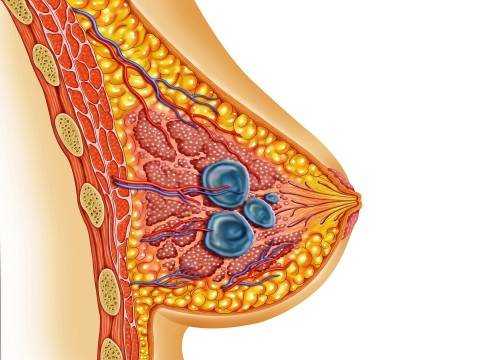
Breast lumps- myths busted!The rise in the occurrence of breast cancer in women, since past decade or so, has made women, especially in the urban areas, very cautious about lumps in their breasts. Whenever there is a small lump in the breast, the first thought that comes to mind, is may be this is cancerous. However, instead of taxing your brain with worries, it is better to take action and consult your caregiver. Here are some of the myths that are regularly associated with breast lumps and the real facts related to the same. Myth: If there is a breast lump, it must be cancerous Statistics reveal that out of 10 cases of breast lumps in women, only 2 are cancerous. More often, these lumps are due to fibroadenoma or cysts. In many women, lumps are formed during the menstrual cycle and they go away after it ends. It is not simply possible to tell exactly what kind of lump it is, just by feeling through hands. However, it is important to detect the composition of the lump and to do so at the initial stages, so that if it is detected cancerous, early diagnosis and treatment can save your life. Myth: If your mammogram is normal, you are safe and the lumps are not cancerous This is not particularly true. To detect the presence of cancerous cells, you need to get more tests done; an ultrasound, an MRI and also a follow up mammogram, to get a second view of the lump. Doctors also suggest a biopsy to be 100 percent sure of the diagnosis. If the lumps persist but there is no detection, your doctor may ask you to keep doing the tests at frequent intervals, to assess the development. Myth: Malignant breast lumps do not cause any pain Although breast cancer patients do not suffer from much pain, this does not mean that if you do not have pain, the lump is non-cancerous. There are different types of breast cancers; and in some types such as the inflammatory breast cancer, the patient can suffer from warmth, tenderness, redness and swelling, followed by pain in the lumps. Myth: If you get a lump while breastfeeding, it is not cancerous It is true that breastfeeding reduces the chances of development of cancerous cells. But there is still a possibility and hence you should not ignore the formation of lumps. It is advisable to immediately get an ultrasound to confirm the condition of the lump. Myth: Lump in young women cannot be cancerous Women can develop breast cancer at any age. Hence, if you have a breast lump at a young age, or even if your teenage daughter has developed a suspicious lump in her breast, you should always get it checked, at the earliest. Most often, cancer develops in the breast when women are past their menopause period. But this, in no way means, that they cannot get it at younger age. Myth: Only a larger lump can be cancerous, not a smaller one Lumps in the breasts can be of all sizes; and the size, does not determine the presence of cancerous cells. According to breast-imaging specialist at New York's Manhattan Diagnostic Radiology, Melissa Scheer MD, you must immediately see a doctor, whenever you feel the presence of even a tiny lump, because, a small lump too may turn out to be aggressively cancerous. Most often, the lump in the breast is non-cancerous; however, it is advisable to consult your caregiver immediately, once you discover the lump for the first time.

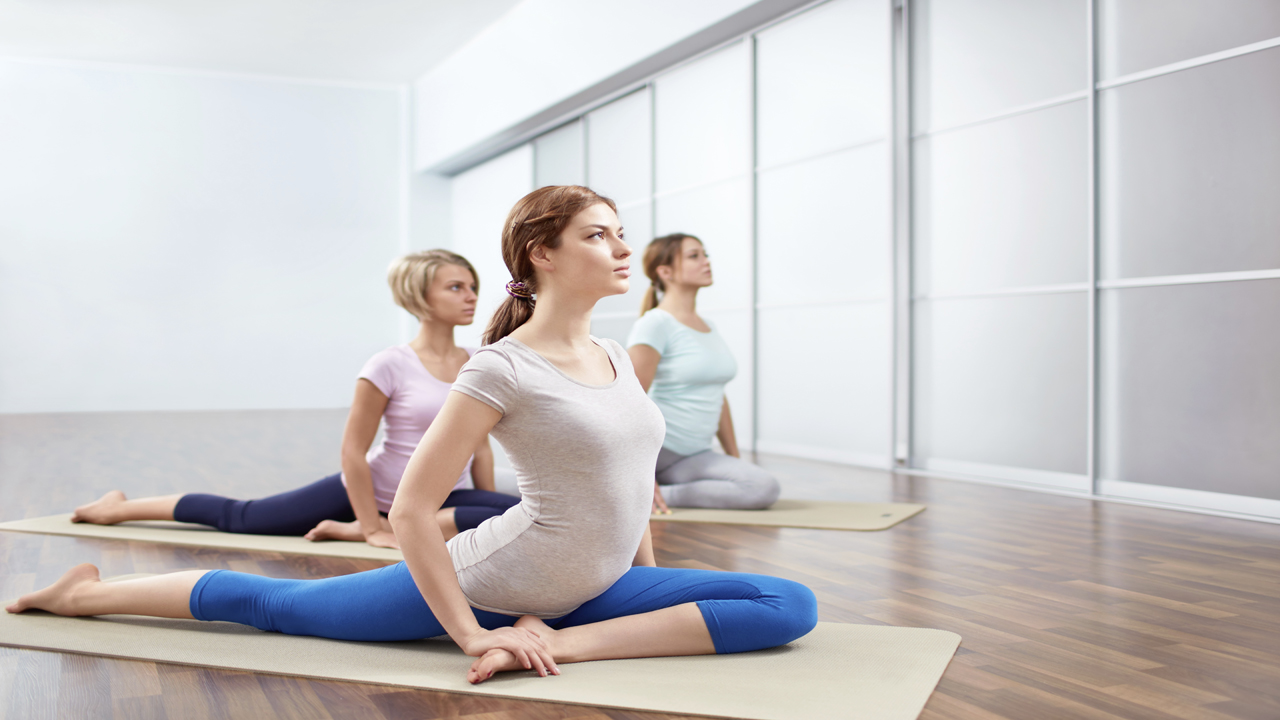
Dilemma of a working woman - How to stay healthy!Women want to be healthy and beautiful. But most of us are not able to find the time to exercise or plan our meals. We pay more attention and money on therapies to look good externally. But good looks come from good health, and good health is an outcome of a healthy lifestyle. Healthy lifestyle helps in preventing illnesses and makes us more efficient. Improper and irregular diet, lack of physical activity, and stress are the chief causes of poor physical and mental health. Most working women today are occupied with their desk jobs, and as a result have a sedentary lifestyle. Eating junk food most of the times makes the matter worse. So if you want to stay healthy, here are some changes you can make. Add movement to life. Activities like walking, gardening, swimming or aerobics help build endurance and relieve stress. Choose something which you think you can consistently - Yoga, aerobics, cycling or even dancing. Balanced diet plays a pivotal role in fitness. Fruits, vegetables, and whole grains are a must in your diet. Antioxidants in fruits have an anti-ageing effect. Choose to eat in order to satisfy hunger and build healthy body, and not to feed your emotions. Avoid junk and processed food. They are empty calories. Drink water. Dehydration affects metabolism. Drink 8-10 glasses a day to flush out the toxins. Add liquids like milk, fruit juices to your diet. Positive thoughts help build a healthy mind and a healthy mind ensures healthy body. Do not smoke cigarettes or drink alcohol to deal with stress. Try yoga, meditation, listen to music, or take a nice shower to relax. Rest and relaxation helps to cope with daily stress. Making these lifestyle changes as a regimen will surely help working women to live a life of health, wellness and fitness.  
10 unhealthy habits in kidsNowadays, parents are too engrossed with their professional lives, and hence are unable to pay enough attention to their kids. Kids may develop unhealthy habits as a result of this neglect. Parents need to take conscious efforts to inculcate good habits in their children. Here is a list of unhealthy habits in kids, which you need to break immediately. Not drinking enough water It is very important for kids to keep their body hydrated in order to keep their skin supple and cool down the body's temperature when it's hot. Water also allows muscles and joints to work better and helps cleaning out toxins from the body through the kidney. Staying hydrated helps keep the memory sharp and the mood stable. Encourage your child to drink water before he/she even feels thirsty. Snacking on junk food Kids relish junk food. Unfortunately, there are endless options when it comes to junk food. This can cause childhood obesity and lowers the energy levels. Junk food cannot meet up the body's requirement for nutrition and vitamins. Hence, children must be encouraged to snack on healthy and tasty food like fruits, whole grain breads, or fruit breads. Missing breakfast School going kids often skip their breakfast in order to reach school in time. Skipping breakfast increases the risk of being overweight. It also leads to a loss of concentration and making bad food choices later in the day. Parents must wake their kids early, so that they have time for a healthy breakfast. Spending too much time sitting Technology has been a boon in some ways. At the same time, it has made us lazy. Watching TV and playing video games seem far more attractive to kids than outdoor games. Kids become less active which leads to various health problems, such as getting obese, becoming lazy, lacking of stamina, losing concentration and good eyesight. Parents should encourage their kids to participate in sports at their school or play various outdoor games with other kids. Not having proper sleep Falling short of sleep should be a big no to kids. Lack of sleep affects the immune system, and also causes loss of concentration, headaches and heart-related problems. Get your kids to sleep around 7-8 hours every night. Overdosing on sugar Kids have particular preference for sweet foods. But added sugar in various desserts and snacks provides a lot of calories and lacks nutritional values. Limit the sweet intake of your child, but don't force them to completely give up on it. Refusing to eat green vegetables Children generally don't like to eat green vegetables. They prefer to have chapati with jam or cheese. But that doesn't fulfill the body's requirement for vitamins and minerals. Try to cook green vegetables in different forms and make it look and taste yummy. Give them various choices of green vegetables cooked in different styles. Nail biting Though nail biting doesn't cause severe health problems, it could result in milder diseases such as diarrhea, cold, viral infections, pin worms, and food poisoning. Keep the nails of your kid clean and try to control their nail biting by explaining to them the ill-effects of nail biting. Not playing outdoor games Not playing outdoors impairs a child's social skills, as well as hampers the development of healthy body. It also causes deficiency of vitamin D. Try to encourage and accompany the kids for playing outdoor games. Eating without washing hands Kids play outside and touch various objects and surfaces, which may have lots of bacteria and germs. When they eat something with the same dirty hands, the bacteria and germs enters their body and may cause food poisoning, viral infections, and stomach aches. Keep a hand sanitizer or good hand wash at home and encourage your child to wash his/her hands before eating anything.
Pediatric diet formula food vs traditional foodAccording to the World Health Organisation, it is unnecessary to give your baby rice cereals at the age of four months as breast milk can provide all the nourishment a baby needs in the first year. No other solid food is required. Breast milk has all the nutrients like fats, protein, cholesterol, carbohydrates, vitamins and minerals which are required in the first year of life. According to most studies,formula foods are not the healthiest option to begin solid foods on. Doctors prefer that babies be given boiled vegetables and mashed fruits like bananas and not formula cereals that contain simple carbohydrates. It is not a good idea to give babies processed and refined foods that are found in all formula foods. Formula foods do have nutrients, but they are not as easy to absorb as nutrients from foods prepared at home. You can also ensure quality in food that is prepared at home. Formula foods cannot imitate the natural taste of foods. Babies like to choose foods according to taste just like the adults and you can give them a wide variety of choices like offering them different fruits and vegetables rather than the similar tasting formula. You will be surprised to know that mother's milk has the taste of the foods she eats and so babies develop taste for a variety and may like the insipid taste of formula. Another reason why formula foods may not work that well is that they contain cereals. However, the enzymes that are required to digest carbohydrates are not fully developed in babies until they are more almost three years old. Cereals and breads are very difficult for babies to digest. Undigested grains can throw off the balance of bacteria in the gut and this is the reason for a lot of digestive issues once they are grown up. Solids should not be introduced until six months of age, as studies now reveal that if solid foods are given early on then it increases the likelihood of allergies, especially of those foods introduced. Babies produce only few enzymes and digestive juices that are mainly required to digest protein and fats. This is because mother's milk has 50 to 60% healthy fat which is a must for the babies' mental and physical growth. Most baby infant nutritionists feel that formula feed is not a complete food. Babies will get deficiency,such as iron, as it is difficult to absorb them from formula foods. The debate continues as many feel that the marketing gimmicks are what selling these foods and not the nutritional value they provide to babies. A note of caution, excessive amount of juices are harmful for babies as these can lead to obesity.
Healing yourself after a broken relationshipThere is no singular formula to get over a relationship. Moreover, you cannot 'get over' a relationship like you get over a broken phone. Every relationship is like a grown tree. When it breaks, you have to let it molder into the Earth - the time period between the breaking of the relationship and your comeback as 'you' is the time for transformation - this is your time to understand yourself, your relationship with others, and reach out to the world. Did you know the over 50% of people undergoing breakup tend to resort to emotional eating to rescue themselves from sadness and rush in the comfort hormones? Keep an eye on what you eat to trace the emotional signs you are disguising. Keep a tab on your diet and pamper your body with care. Here are seven basic stages through which you can consciously walk to recover through your broken relationship. Such a process is not linear and you could be undergoing various stages at the same time or in a different order. However, make sure you go through each stage. Missing any stage could result in residual and subconscious anger or denial. Stage 1: Let it outDon't be afraid to accept that you are heartbroken, that you feel like a mess and just wish that your ex-partner was around again. Accepting your emotional state is the first step to being able to unravel yourself out of it. Stage 2: Pondering over the causeThe initial stage post-breakup is primarily spent trying to distract oneself from the absence of the ex-partner by busying oneself with other activities. However, the nagging question 'why did our relationship not work? why did it have to be this way?' lingers, ready to barge in at the very instance you have your moment of peace. The first thing to understand during a breakup is that there is a distinction between analysing and understanding on one hand and obsessing on the other. Try to go through the stages in your relationship which you intuitively trace as being of significance to the break-up. However, remember not to be biased towards yourself and to weigh your responsibility towards the breakup as much as you do your ex-partner's. Stage 3: Taking a hard look at the relationship and learningYou might have had other relationships before where you did not feel the kind of intimacy you felt with this particular person. However, if you feel that you are up to a large part responsible for the break up, then look for the pattern of behavior or thinking which was causing such a breakup. Taking a hard look at your relationship will help you to recognize your mistakes and learn readying yourself to become a more sensitive person with greater understanding of human emotions. Stage 4: Reaching out to the WorldWhile you are working yourself through reasons for breakup and your role in it, don't step back from reaching out to people. Communication is the basic balm that will heal the wound of a broken relationship. Your inner communication with yourself is one dimension of it while talking things out with your friends and close ones is another important dimension. During a conversation about the breakup, don't simply blame your ex-partner completely to blind yourself towards healing. Be honest to yourself and attempt to talk to those friends who can help you through the hard time with care. If you love animals and nature, then reach out to the wild. Take time off from your usual routine and follow your interests. Stage 5: The Bigger Picture of the Break-up Having pondered over the reasons particular to your past relationship, understand that the fundamental reason for any relationship to break up is that the two people involved in it have different ways of looking at the world. Remember that differences do not imply a hierarchy. Differences are essential to human nature. This will help you to forgive your ex-partner, catalysing your redemption from the land of anger and despair. The world is a beautiful place full of diverse kinds of people. Do not let your breakup make you give up on humanity. Stage 6: Letting yourself freeNow is the time to have a relationship with yourself. Explore your interests and dip yourself in them. It is not a crime to be happy with yourself. However, do not use these activities to escape the pain. Let your activities be your company in pain - slowly the pain will fade and you will reconcile with the reality of your broken relationship. Join hobbies which will help you have some time for yourself: pottery, nature watching, animal care, voluntary work. Remember that your identity does not depend on the opinion of your ex-partner: you create who you are. Most importantly, take care of your body - we tend to mess up our body cycles during a breakup. Stage 7: Giving yourself time to become complete before starting off with another relationshipDo not rush into a relationship before you have completely healed from the past relationship. There is a high tendency to try to fill the gap of the absence by moving onto the next most intimate person you know. Give yourself time to recover and answer the following questions before entering into a relationship again: What kind of relationship do you want to have? How would you like to spend your day with her/him? (Remember that a whole day is a series of small activities that you will share with your love - don't focus just on the big stuff like finance, house, and others, emphasis on shared interests). What future do you expect from a relationship? These are the three basic questions. Be free to add on the relevant questions according to your needs and answer them honestly before writing a new chapter into your life. Having pondered over the reasons particular to your past relationship, understand that the fundamental reason for any relationship to break up is that the two people involved in it have different ways of looking at the world. Remember that differences do not imply a hierarchy. Differences are essential to human nature. This will help you to forgive your ex-partner, catalyzing your redemption from the land of anger and despair.
Algophobia: The fear of painAlgophobia is the fear of pain:  an abnormal and consistent feeling that is far beyond what would be considered normal. The term is derived from the Greek words, Algos meaning pain and Phobos meaning fear. Our bodies are designed in a way that when there is a painful stimulus it reacts. How the body reacts to the pain is an individualistic phenomenon. Some people have a very low threshold for pain, and even the slightest pain evokes a huge response in them. Where as others can withstand a good amount of physical pain before their bodies give in. Some people dread even the tiniest amount of pain. They foresee situations that will cause pain in them. The way they react to even the smallest amount of pain is far more than the normal level of acceptance. Such people are said to be suffering from Algophobia. Algophobia is a learned behaviour, say behavioral psychologists. For example you may have heard from several people how hitting your shin on the furniture in the dark is the worst possible pain ever. So you tend to keep a watch and if it is dark, you move around extra-carefully to avoid bumping into the furniture and getting hurt. This would be considered normal, cautious behaviour. But if the same thought keeps buzzing in your head continuously and you go to extreme lengths to avoid that pain, you could be algophobic. Old people are the ones who have excessive fear. The age factor along with fear of death plays a vital role in old people developing this fear. For example an old lady may hear about all the ailments and pains that afflict old age people and may become apprehensive about it. She may develop irrational fears that more often than not, are also imaginary. She may start experiencing the pains even before anything actually happens to her. It may seem unrealistic to a normal person, but for algophobics pain can be a severely dreaded thing. Therefore they will go to great lengths to avoid pain at all levels, including day-to-day activities. They will not go into the dark, handle tools, avoid lifting heavy objects or even avoid playing any type of contact sports. If a task has a scope for injury and pain, they will avoid it! Frequently a pathological complaint of Hyperalgesia occurs along with algophobia. Hyperalgesia is a condition of increased sensitivity to pain due to damage to the peripheral nerves and pain receptors. Pain in such cases may be directly in the damaged tissues or in the surrounding areas. An interesting fact is that hyperalgesia can occur due to long term use of painkillers especially strong ones like opium and its derivatives. Algophobia is treated with behavioural therapy, psychotherapy and anti-anxiety medications. Hypnotherapy also has shown beneficial effects.  
High heels can walk you to the hospital bedHigh heels make a fashion statement which makes us look tall, elegant and good but they cause injuries on a regular basis. High heel shoes have been luxury item once upon a time; today high heels have made themselves a part of every girl's life thanks to supermodels and stars. You will not find any health warning on shoes but they ought to, as they seriously put you at a high risk of numerous health problems. How are high heels and low back painrelated? High heels significantly affect your natural posture and your spine. The natural arch of spine becomes acute when walking in high heels. This poses high risk to the spine getting injured. This not only wears  and tears intervertebral cushions called discs but cause injury to the nerves too.  High heels put strain on muscles of lower back causing pain after a long day of wearing high heels. Nerve trapping, nerve pain and radiculopathy can result from wearing high heels for a long period. This is exhibited     as tingling, numbnessand pain. Arthritis, nerve pain, hammer toes, ingrown toenails and bunions are all common problems due to high heels. Calf muscle shortens and tightens after prolonged use. Jogging, playing, running with high-heeled shoes can tear and rupture calf muscles. What can you do to prevent damage? Firstly ensure your body is in top shape before you start. There is a much less chance of developing low back pain if you are strong and fit. So do activities like swimming, pilates, circuit class, box-exercise and whatever else thatmakes you feel good. Focus on activities that make the abdominal area strong includingyour deep core muscles. Secondly a regular regime of stretching will prevent a lot of problems occurring. Either get involved in a yoga class or make sure you do 10-15 minutes of stretching every day. Stretch your back, your calves and hamstrings especially. Thirdly get sports massage at leastonce-a-month. This will loosen the tightened structures, realign the spine and lengthen the hamstrings, calves and Achillestendon
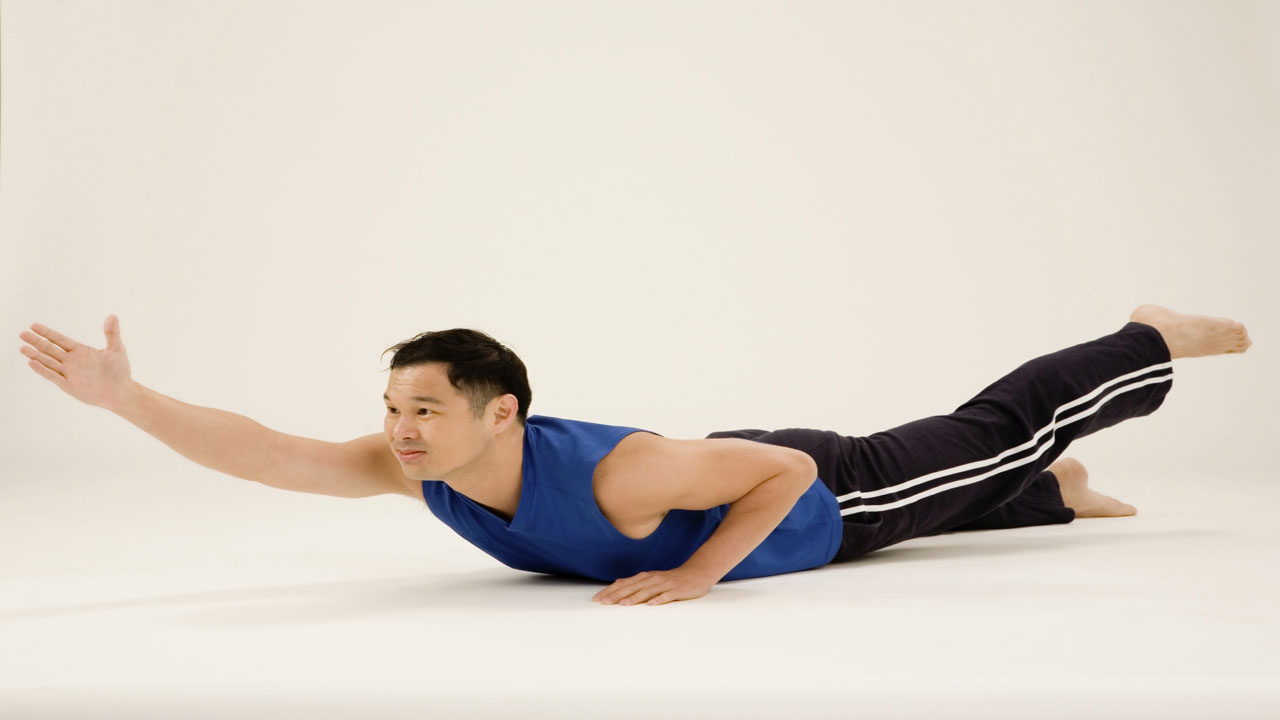
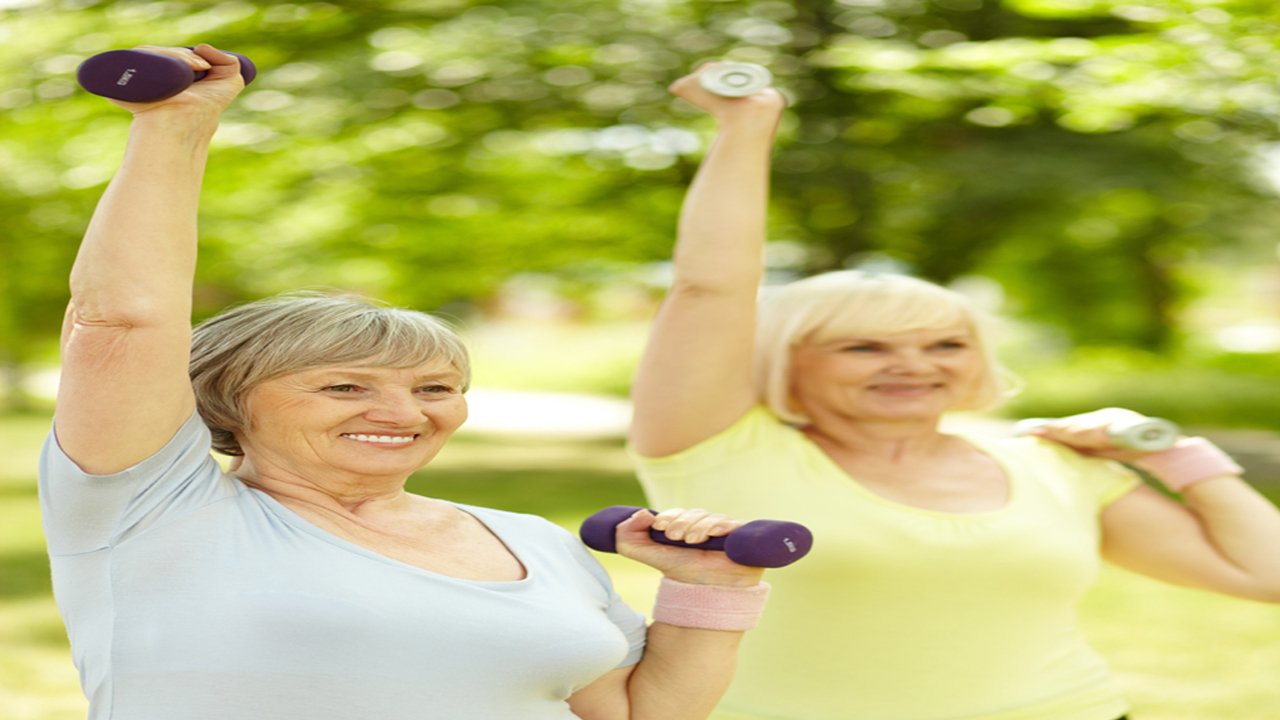
Exercise, a healthy way to deal with hypertensionYou have not exercised for a long time. You took it easy when it came to physical activity. Now that you are diagnosed with high blood pressure, you will do anything to control it. Even exercise! Exercise, weight management, and a healthy diet are important ways to help prevent high blood pressure and lower the blood pressure that is already high. Benefits of exercise for people with hypertension include: Improve blood and oxygen circulation in the body Promotes sound sleep Improves stamina and endurance Keeps heart healthy Reduces stress and promotes mental health Exercise enhances the effectiveness of medication So how much should one exercise? An exercise session of atleast 30 minutes per day is important. Get started Start slowly and increase gradually. Start with 10 to 15 minutes of exercise and increase it, as youget comfortable. Choose exercises you enjoy and will do consistently. Avoid sudden vigorous activities; they can cause injuries and hamper the routine. Warm up Warming up helps the body adjust slowly from rest to exercise. A warm-up will reduce stress on the body muscles, increase heart rate and respiratory rate, and body temperature slowly. It will also decrease soreness of muscles. Best exercises for lowering blood pressure Stretching: It is the best. It relaxes and helps prepare the body and muscles for activity and prevents injury and muscle strain. Stretching regularly will make you flexible and improve motility. Aerobic exercise: This helps to improve circulation to the entire body. It improves heart function. It gives maximum benefits to the heart. They also help to reduce heart rate and blood pressure by improving breathing pattern thus lowering blood pressure. Walking, swimming, jogging, and skipping are all aerobic activities. Do aerobics for at least 30 minutes three times a week. Strengthening exercises: These include exercises that have repeated muscle contractions till the muscles are tired. These include side balance crunch, climbing a rope, and push-ups. Join a gym. Here are some  exercise guidelines for a better exercising routine in the gym:  Schedule a fixed time for exercise. Find a buddy to exercise with you. Select an exercise that you like. Make variations to avoid getting bored. Boredom can make you stop exercising. Start slowly and increase gradually, especially if you do not exercise regularly. You should wait for an hour after eating before you exercise. Ten minutes of warm up and ten minutes of cool down sessions are must Keep a record of daily exercise.
Some tips to prevent night blindnessHere are some foods and eating tips, which will help improve vision and prevent night blindness: Eat dark green leafy vegetables like spinach and collards. These contain high amount of lutein and zeaxanthin, the nutrients for healthy eyes. Do not smoke. A glass of red wine daily is fine but drinking is not. Stay away from hydrogenated oils, refined carbohydrates and sugars in excess. Always wear sunglasses while going out in bright light to avoid potential sun damage to eyes.  Amber and grey-coloured lenses are effective against ultraviolet rays. See an eye specialist and get prescription glasses for driving at night, if required. Do not ride in dim light at night and see if you can postpone the work until next day. Even good lighting conditions at night even in a big city, can be troublesome to someone with night blindness. Vitamin A rich foods like spinach, carrot, papaya, broccoli, and mangoes should be added to your daily diet. Fish oil is a great source of vitamin A. Cod-liver oil is used as medicine too. Some wild plants are said to be rich in vitamin Abut they are seasonal, available in small quantities and there isn't much known about them. Beans are another fairly common source of vitamin A. These are consumed especially during autumn. Eggs are a good source of vitamin A. Eat eggs daily. People with high cholesterol should, however, limit their egg intake. Hot pepper is contains vitamin A too, but the preservation method, sun-drying, decreases the vitamin A content. Carrots are another good source. They are high in vitamin A and arenot expensive as well.
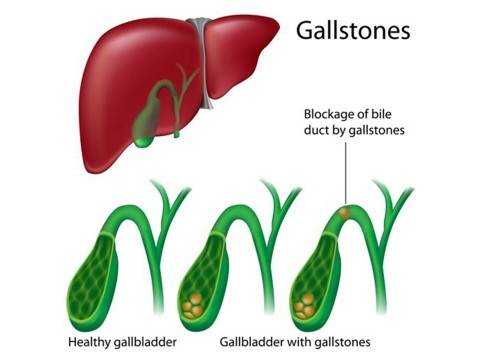
Bile block - Understanding gallbladder problemsRavi was a young intern working the night shifts in a government hospital when he was asked to examine a patient who had just been brought in. The patient was a 45-year-old, a fat man, who was complaining of pain in the right side of the abdomen along with nausea and vomiting. On inquiry it was revealed that he had eaten a very heavy fat-laden dinner. Remembering what his surgery professor had taught him about cholelithiaisis, Ravi immediately guessed what the diagnosis could be. He, however, sent the patient for a blood test and an abdominal scan. The reports confirmed Ravi’s suspicions- cholelithiasis, gallstones. The gallbladder is a tiny pear shaped organ that lies just below the liver. It is responsible for storing the bile that is produced by the liver for digesting food. It ensures the smooth outflow of the bile from the bile ducts. When the bile components aggregate in the gallbladder, they build up to form gallstones, similar to kidney stones. The gallstones are usually small enough to pass on to the intestines and be eliminated without causing too much trouble. At times, these stones may be big enough to block the outflow of the bile and give rise to a variety of symptoms depending on the size of the stone and severity of the block. The symptoms include -  Intermittent colic. A bloated sensation with constant nausea. Inability to tolerate fats. Vomiting.  Fever with chills if the stone becomes infected. Gall stones though found in both sexes, is more common in females. The risk factors for developing gallstones include - Diabetes. Organ transplant. Diseases like hemolytic anemia, sickle cell anemia. Liver cirrhosis. Failure of the gallbladder to empty properly, e.g., during pregnancy. Rapid weight and nutrition loss due to any reason. Gallstones are confirmed by a blood test to check the liver function and by an abdominal scan. Medications to dissolve the stones, and surgery in case of large stones that do not dissolve with medications, are the treatment options.
Sex after 40Sexual changes in normal aging after 40: Erection takes longer time Require manual stimulation, particularly by partner Erection may subside during foreplay or coitus Decreased frequency of nocturnal erection Pre-ejaculatory fluid decrease or absent Ejaculation less forceful Seminal fluid volume decreases or absent Frequency of desire for sexual release decreases with age. Aged couples learn to cope with their own sexuality. Some are happy with foreplay and self masturbation, others insist on more usually it is the male. Frequency of sexual intercourse between 20-95 years : Sexual intercourse decreases with age as the study shows. Decreased during 5year interval after 34 years Weekly frequency: 30 - 34 years 2.2%; 60 - 64 years 0.7%; 65  - 74 years 0.4%; 75 - 79 years 0.3% Do we need to change this pattern with Viagra? I would say yes - sex can be  joyful till the last days. Nobody needs to be impotent now. Home devices like rubber bands, ribbons are also used to hold the blood back in the penis when the erection is not adequate. Vacuum pump to draw blood into penis with an application of a ring after erection is also found suitable by some. Active intervention by drugs (both allopathy, ayurvedic and unani) have been successfully developed. They may be applied topically (minidoxil), inhaled (amyl nitrate) inserted into the urethral passage, injected into the corpus cavernosa or taken orally (Sildenafil, Tadalafil, etc.). Finally if all fails silastic rods can be implanted in the penis to give permanent erection. The joy of living lasts a life time.
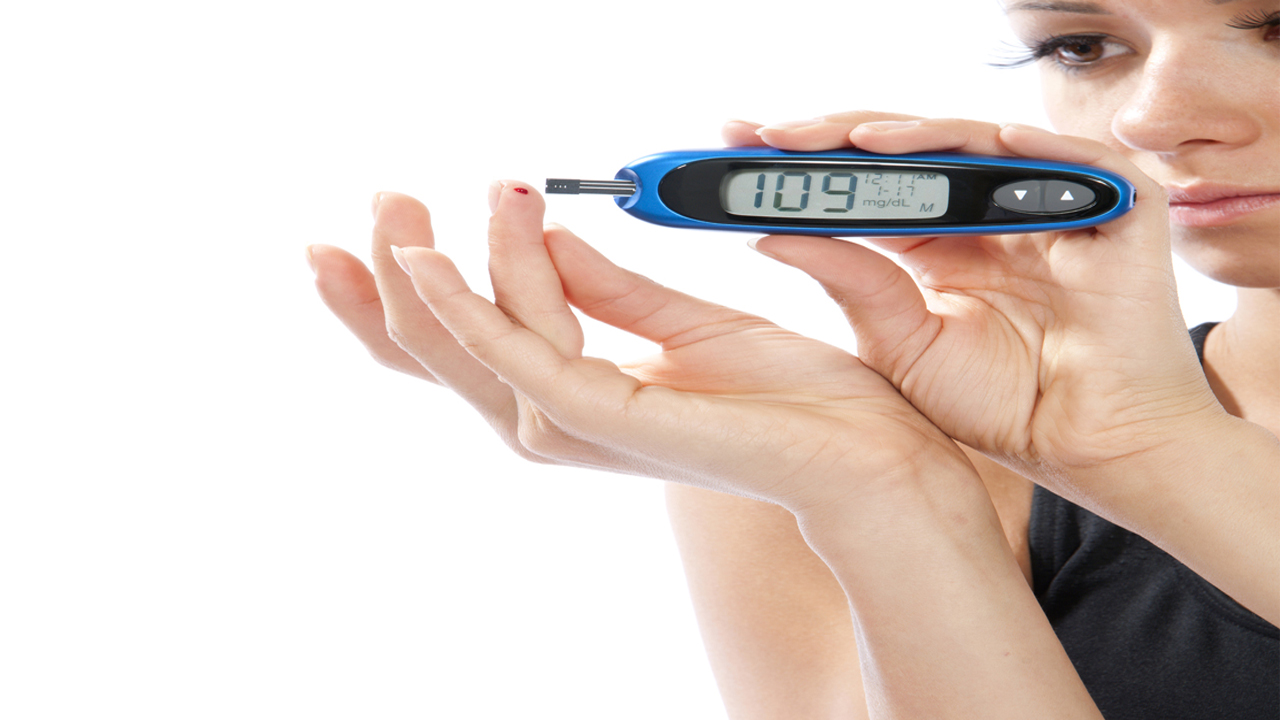
What Is slowing down your sex driveBeing sleep deprived can lower the levels of sex hormones in your body. Are you feeling dull lately and wondering what happened to your sex drive? May be, the stressors in your life are also creeping on to your bed. Find out some of causes that could be the reason behind this. Lack of sleep: Hectic work and busy life takes a toll on everybody. The first hit is your sleep - the hours go down, the quality reduces and the effects are insufficient. Sleeping six hours or less can push down the levels of testosterone in the body. Testosterone is the hormone that influences sex drive for both men and women. Though it is primarily a male hormone, it is also present in small quantities in all women and drives their sexual desires. Emotional problems: Stress, tensions, depressions, irritability, anger are negative emotions that lower the sex drive. Try not to bring the work pressures home. Marital problems or relationship issues may be hampering your bond with the spouse. Weight gain: Being overweight makes you lazy, tires you easy and decreases your self-confidence, especially in bed. When someone is not comfortable with his/her body image, it affects their sex drive. The pill: If the wife is on the contraceptive pills. The period of ovulation is the time in a menstrual cycle when there is a surge of testosterone in a woman's body. During this period, she experiences a strong sexual desire. The pills regulate the hormonal activity and reduce the sex drive to some extent. Alcohol: If you are feeling a little tipsy, be prepared to pass out and fall in deep sleep as you hit the bed. No scope for sex drive here. In the long run, increased consumption of alcohol can affect erections and make you generally dull. Diabetes Mellitus: Uncontrolled high blood sugar levels lead to impotence in men and dryness of the vagina in women. It also increases the risk for urinary infections. This results in lowered sex drive. Medicines: Some medicines like the anti-allergic ones and the antidepressants reduce the sex drive. Don't let complications of life affect the intimacy in your relationship.
FAQS
T&C FAQS