Home
Handling post retirement bluesYou have given the best years of your life to your career, and now it's time to say goodbye and get ready for the retired life. It is a phase laden with expectations of all things you were too busy to do while working - spending more time with family, going on that fishing expedition, or going on leisure trips around the world. However, despite the wonderful things to come, retirement can get unusually trying and mentally taxing. After all, how many of us really have the flexibility of mind to take this period as a challenge and be the master of our destinies? Just because you are retired doesn't mean you have to wither away and wait for death to claim you. So, here's what you can do to beat the retirement blues Catching up: This is really a bewildering time, as you have a lot of catching up to do, with a lot of things. Prioritize the things you want to do and proceed confidently. You may want to spend time with children, spouse, friends, etc. Go easy on yourself, as you may not be able to fit in as many things in your schedule all at the same time. Boost your self-esteem: Retirement is particularly trying for those who have occupied important positions in office. Such people are known to throw tantrums, as they feel less wanted than before. So don't ever make the mistake of treating your family like you treated subordinates at work. That was a role that you played then, and without reducing your importance or self-esteem you can now play a different role with your family as a friend, philosopher and guide. In fact, you can use your contacts and keep the old network alive by involving youth in your field of expertise and help them benefit from you. Catch up on exercise: The more physically fit you are the less likely that retirement will be a painful process. Perfect time for you to catch up on the fun times with your spouse to remind you of all the great times you have had all these years. If your spouse is not in the best of health then just being together is such a wonderful experience in the golden years. Financial health: Your peace of mind and self-esteem largely depend on how independent you are financially. You can take up a part time job or think of innovative ways to let your hobbies and interests generate money for you. This should be an enjoyable process by which your self-esteem can really benefit. Support groups: There are informal or formal associations of retired people that do various activities like travelling. Make yourself available to them. Sometimes retired people withdraw into a shell and that only makes things worse. These support groups give a fresh perspective on all things in life.
Preparing for fatherhoodFrom the time you decide to go for a baby, all the attention is concentrated on the mother-to-be. And this is not without reason, since she is the one that's going to bear the child for the next nine months. But that doesn't mean that the man's role is any less important. It is important for the father-to-be to ready himself for the next phase of his life. Following a healthy lifestyle Fertility is a growing problem. As per statistics more than 45% of infertility issues are related to men. Therefore, eating healthy food, exercising and living the healthy way will boost your chances of getting over these problems. Nutrition has an impact on the sperm production. So scrap the junk food for a while and get on to a healthy lifestyle. Men need to get at least 12 to 15 mg of zinc each day. Even short-term zinc deficiencies can reduce semen volume and testosterone levels, much needed for healthy sperms. Good sources of zinc include baked beans (a one-cup serving has 3.55 mg), nuts, cereals, seafood, and chicken meat (2.38 mg per three ounces). Regular intake of vitamins and calcium is a must to improve male fertility and prevent sperm defects. Natural sources of calcium such as fat-free milk and curd can be consumed. Get atleast 90mg of vitamin C daily. This boosts immunity. More will be needed if you smoke. Folic acid is a fuel for healthy sperms. Dads need 400 micrograms of it and green leafy vegetables are good sources of this nutrient. Dads-to-be can take the liberty to grab the extra cup of mocha. Caffeine may help men by stimulating sperm motility. Quit smoking and drinking The party's over for your partner once you start trying for a baby, but what about you? Same goes for men. Now is the time to stop smoking, and to stop any excessive consumption of alcohol. A man who smokes has a lower sperm count and a misshapen sperm, incapable of creating a child. Heavy or binge drinking can seriously affect ability to produce quality sperm. Exercise Add exercise session to your daily routine if you aren't doing them already. Exercise improves general health, stamina, and sperm quality. Start with walking for 15 minutes and increase it gradually if you have never exercised before. If you are trying for a baby, avoid exercising in tight-fitting briefs. It causes damage to sperms. Frequent sessions in a sauna or hot tub, long bicycle rides, or any such activity that could cause the testicles to become overheated can compromise the health of sperm and should be avoided. Medical examinations It is a good idea for the father-to-be to have a complete check-up to assess if there are any issues that need to be addressed before trying for a baby. Some conditions to watch out for include: Varicocele, a condition of varicose veins on the scrotum, the sac of skin that contains the testicles. It can lead to infertility. The condition is entirely treatable, so talk to your doctor about the options. Conditions like erectile dysfunction, diabetes, and prostatitis can cause infertility. Sexually transmitted infections, which may cause male infertility. Your doctor can help you get tested and treated. Your doctor can refer you to urologist or a male fertility specialist if you need additional testing or treatments. Remember to discuss possible hereditary birth defects with your doctor. Share with her the medical history of yours and your wife's family. Get finances organized Plan a baby budget. You surely want to give the best to your child. Start planning now. Consider expenses like baby food, diapers, toys, doctor visits, clothes, and day care. This will help you in the future. And this is the perfect time as you are just in the planning phase of baby making. Take advantage of this time before the baby arrives to get things in order concerning your job, insurance and budget plan. If you and your spouse discuss and agree on expectations, goals and strategies now, you can avoid arguments on money later. After all, you don't want baby to pick up on any tension. Dump your stress Chilling out can increase your potency. So the 'go for a holiday' advice actually works. Practise regular meditation or any exercise that will help bring down your stress levels. Try reading books on fatherhood or parenting and learn tips and advices well in advance. So gear up and start preparing for the change from being the coolest dude to the coolest dad.It is your responsibility to help your partner in all possible ways and make her feel that you are equally excited and keen for having a baby.

Leg toning exercises for womenFor those women who will leave 'no stone unturned', here are a few great exercises which work superbly on the legs and whole body. For those who have always wanted a great pair of legs, don't change your jeans brand. Just change your brand of exercise. Here are great leg toning exercises that can make your legs attention grabbers. Well-shaped legs are what every woman desires especially as it signifies 'movement', 'mobility' and 'strength'. When we say legs we mainly mean the thighs, the calves and the feet. To get more precise the quadriceps of the thighs the hamstrings and the hip adductors are the prime targets of most exercises. A complete leg work out would also include the 'Tibialis Anteriors' or the shin muscles. Exercising the legs can be quite a frustrating thing especially if the leg muscles don't show any cosmetic improvement. Here is an exercise regimen which will ensure that you will get those attention-grabbing legs along with the strength, flexibility and tone which you have always desired. The stand This is probably the most undermined exercise of them all since it doesn't involve lugging heavy weights around or running for miles or squatting! It is a foundation exercise for the legs.  Choose your favorite spot on the floor and just stand erect with both feet together and toes pointing forward. Hold the hands straight at the elbows and keep the shoulders square. Tuck the chin in and do not bend your knees. Feel the ground under the feet. Now flex your thigh muscles and keep your feet firmly on the ground. Direct your attention towards the back of your thighs and keep your knees taut. Stand firm for about 3-5 minutes initially and gradually extend to five minutes or more. This exercise is simpler than it actually is as it keeps the thighs taut and firm. The entire leg gets a marvelous stretch and any faulty standing or postural habits create unnecessary tension and uneven hip alignment. The standing pose will be your first step towards trim and well-sculpted legs. The One Leg Extension After you perfect the stand, here is another great leg exerciser - The one leg extension Perform a stand as in the previous exercise for about 30 seconds. Once you get your grounding and feel your foundations beneath the feet, take a deep breath. Now flex your thigh muscles and keep the kneecaps taut without feeling any strain. Bend the left leg at the knee and raise it without bending at the right leg. Now catch hold of the big toe with the left hand and hold the pose for a few breaths. You will initially struggle for balance as you have to keep the other leg straight. Now that you have caught the big toe of the flexed leg gradually straighten the leg out without letting go of your grip. This is a challenging pose especially for the hamstrings, the hip flexors and the calves since the leg muscles are going to be a little tight especially around the hips and the hamstrings. With regular practice, the pain will ease and then you can even try and take the toe towards as high as you can with the aid of your left hand. Repeat with other leg following the same sequence. One Legged Squat The one legged squat is a superior exercise to the two legged variety is that it doesn't require many repetitions as it is quite a strenuous exercise even for advanced exercisers. Stand with the back of a chair within easy reach initially. Extend the right leg out first and squat down to your heel with your left. Once you have reached the end of the squat try not to touch extended leg as there comes the difficult part - getting up to standing position without touching the floor with your hands for support. Raise yourself to standing position and repeat with other leg. You can do about 3-4 sets with the same leg or alternate legs using the back of a chair for hand support as you squat deeply. The single legged squat exercises the gluteus, the knees and the entire hip joint and also gives lower back strength. Initially your knees might hurt so don't try this without support of a chair or a partner. Stop in case of intense pain. Step Training If plain jogging doesn't do the trick for shapely legs for you, try using stadium stairs or any gradient which is at 30 degrees and comprises even steps. Your regular apartment stairwell or even a pedestrian over bridge can do the trick. First set only walk up one step at a time. Second set do alternate stairs. For the third set you can sprint up as fast as you can the entire flight of stairs or halt for exactly ten seconds when tired and start again. You have the option of stopping as many times you wish as long as you start again after ten seconds. This can work up quite a sweat and regular step training works out and touches muscle groups that even normal running or squats cannot reach.
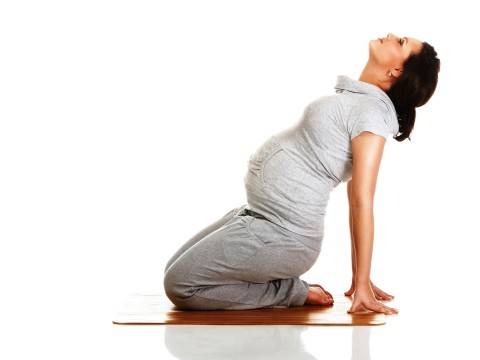
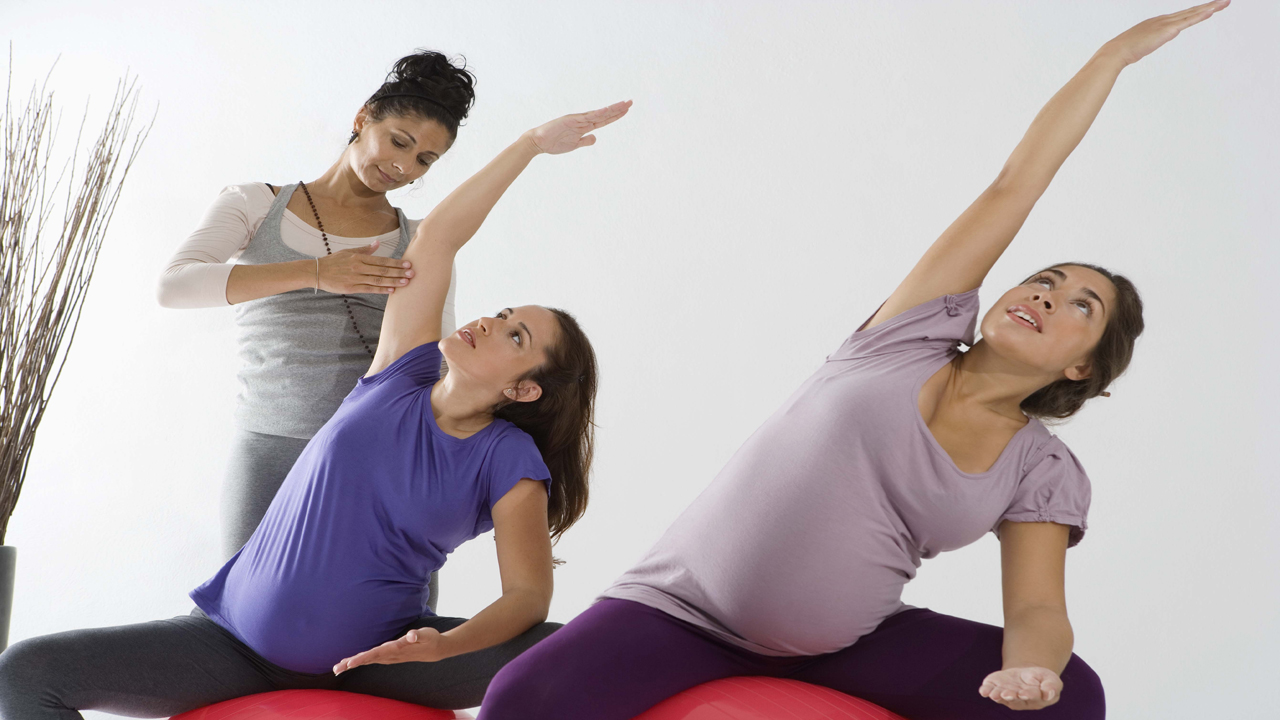
Fitness mantras during pregnancyYou must be wondering how Shilpa Shetty maintained her fitness even after bearing a child. The simple answer is that she never gave up exercising. Exercising during and after pregnancy is the best way to stay in shape and ensure your mental and physical healthiness. It also helps you in preparing for labour pain and delivery, and quick recovery postpartum. However, there are some things you need to keep in mind while exercising during pregnancy: Measure your fitness You need to determine how fit you are. This will help in determining the type and duration of exercising during pregnancy and post pregnancy. Also, before you continue your old exercise routine or begin a new one, you should talk to your doctor about exercising while you're pregnant. Pregnancy is a balancing act After the fourth month of pregnancy, it's likely you will lose balance while you exercise. Though your baby is well protected with amniotic sac, it is better to be safe than sorry. Safe exercises Activities such as swimming, walking, yoga, pilates, and low-impact aerobics are good choices. Pregnancy is not the right time to start any new intensive exercise, but it is safe to continue with most types of exercise if you're used to them. The things you should avoid Avoid exercises where you are likely to lose your balance or could make you fall or slip. Vigorous or extreme activities such as horse riding, skiing, mountain climbing are out of the question. They carry too high a risk of injury to your tummy. Avoid exercises such as: Sit-ups Standing on one leg Separating your legs widely You should also avoid most contact sports, such as football, basketball and so on. Finally, give racket sports a miss if you're not a regular player as they can be tough on your knees and ankles. Check with your doctor Consult the doctor before starting with any new or unusual exercise. Check for any complications or unusual conditions. Also, discuss for any concern such as: Pregnancy-induced high blood pressure Early contractions Vaginal bleeding Premature rupture of your membranes, also known as waters (the fluid in the amniotic sac around the fetus) breaking early The best outfit for exercise Clothes should be comfortable and loose fitting while exercising. Wear a supportive bra which protects the breasts and is also relaxing. If your shoe size has changed because of mild swelling, you may want to buy a new one. Duration of the exercise Exercising three to four times a week is necessary. This reduces stress, fights fatigue, and stabilizes emotions in early pregnancy. Start gradually, may be with only five minutes a day, if you were totally inactive before. Add five minutes each day till you reach 30 minutes. Also keep in mind to avoid exercise on an empty stomach. Eat a snack 30 minutes before exercise. Never over do Listen to your body when it says 'stop'. Over exercising causes overheating. Raising your core temperature too much can affect the baby adversely. Always sip water before, during and after exercising. Listening to your body when something hurts or doesn't feel right - that means stop. Drink a lot of water Try to drink about two glasses of water two hours before you begin exercising. Take a sports bottle of water with you when you exercise and take frequent sips from it. It's important you don't get dehydrated. This may raise your body temperature, which may not be good for you or your baby.  Keeping these points in mind, exercise to stay healthy and fit. We hope you soon give birth to a healthy kid.  
Crossing the smoke screenWhy should someone quit smoking? Smoking is probably the worst sedentary lifestyle habit that we pick up. Quitting smoking changes everything right from the way you feel, taste and smell, your breath smells better and even your cough goes away. Quitting smoking cuts down the risk of cancer, stroke, neuropathy, heart disease and breathing disorders like bronchitis, pneumonia, and emphysema. Not just that, quitting saves money too... just one of the many financial rewards of quitting. Quit Smoking Tips Write down the reasons you want to quit for, and how it will benefit you: for e.g. live longer, feel better, family safety, save money, smell better, find a soul mate easily, etc. You know what's bad about smoking and you know what you'll get by quitting. Read the list daily. Ask for help from your family and friends. Help and support of family and friends without being judgmental helps a lot. You need their support when you become irritable and even irrational while you withdraw from your smoking habit. Set a Deadline. Set a quit date when you will extinguish forever. Prepare a plan. Talk with doctor and take his support and guidance. Exercise. Exercise helps relieve stress and recovers body from damage caused due to cigarettes. Start slow and increase up to 30 to 40 minutes. Begin to breathe. Daily deep breathing for 5-15 minutes will help cleanse the respiratory system and provide more oxygen repairing the damage caused to respiratory system and help cope with withdrawal symptoms. Do not quit abruptly. Cut down on cigarettes gradually. Plan everything about number of cigarettes you will smoke each day till the quit date, reduce the number each day. Buy single cigarette at a time. This helps a great deal to limit smoking. Change brands. This way you won't enjoy smoking as much. Undertake social commitment. Keep your packet of cigarettes with someone else, so that you have to ask for them each time you want to smoke. This way you'll feel guilty about asking and hence smoking; hence lowering the number of times you smoke. Find a mate who is trying to quit. This will boost the morale and keep up the positivity. Try finding a quitting chat room. Learn what triggers desire to smoke - like stress, the end of a meal, arrival at work, entering a bar, etc. Avoid these triggers or if that's impossible, plan alternative ways to deal with the triggers. Now, after you have read this, sit down and write your own list suitable to your personality and way of doing things and create your own plan for quitting.  
Crave for non-food substances to put in your mouth? Go ahead take your pica!We all have strong cravings in some form or the other, especially for food. Just thinking of a chocolate cake or ice cream can set the mouth watering and the hand creeping to open the refrigerator. However, some people have an unusual craving and it is to consume non-food items. Everyone knows that children are known to eat chalk, dirt or lick walls but at times, even adults have this unusual craving for non-food items. This condition is termed as 'Pica'. One can understand a child popping something into its mouth as it's discriminatory skills are not developed, but what about fully grown adults who have this habit? Is it a mental ailment? One can't really call it a full blown mental condition as it occurs commonly in pregnant women. The cravings are as strong as any other food craving and sometimes these people go out of the way to satiate their cravings. So, right from paint thinner, to chalk to ink, ice, plaster, paint, linoleum to plastic bits can form the obsession or craving. Pica is a combination of psychological and biochemical processes and is generally a deficiency which sets about these intense cravings.  When pica strikes pregnant women, then it could be a cause for much concern and the doctor should be kept informed. While it is easier to indulge a pregnant woman's ice cream cravings if she also develops a thing for iron fillings on top of her ice cream, then obviously it can be a rather dangerous thing to do. Ice and chalk are comparatively harmless and other than affecting the teeth and the taste, do nothing much else, but what about turpentine and toxic materials? They can definitely interfere with the body's digestive processes and can even spread harmful toxins in the body to cause blood poisoning, intestinal infections, bowel blockages and lead poisoning or arsenic poisoning.  If you have such strong non-food cravings then before you give in to them talk about it to a medical practitioner. It could well be an iron deficiency or perhaps even anemia which is attracting you to chew pencils up or making you pop dirt in your mouth. If you are pregnant then certainly the doctor will need to address the underlying issue and ensure that the pica goes away before you deliver. Wouldn't want you chewing up the baby's soother now would we?
10 bedtime beauty essentials! Here are the beauty essentials you need to take into consideration, before you hit the bed: Baby-soft soles :Before you sleep, apply Vaseline on the sole of your feet. This will adequately moisturize your soles and you can wake up to the great opportunity of wearing those heels you have been dying to try out! Healing the puffy eyes : If you are worried about waking up with puffy and tired eyes (even after 6 to 8 hours of sleep), then put on a little eye cream. You can also keep an extra pillow and make sure you sleep on your back. This will allow the fluids around your eyes to drain easily and reduce the puffiness. Trying out wavy hairstyle : Bedtime is the best time to work on your hairstyle. Before you sleep, shower and fashion your hair into the style you want. Apply a styling cream on your hair gradually, after having air-dried it. Now, decide if you would like to put them up in buns or braids. Stylize them into the pattern and wake up to wavy hair! Let your skin breathe : Those who are suffering from dry skin can apply moisturizer. A humidifier is also a great accessory for help in these cases. You can switch on the humidifier before you go to sleep. This will help your skin to retain its moisture through appropriate hydration. Keep aging at bay :Did you know that sleeping on cotton pillowcases can increase the chances of creases and wrinkles on your skin? Prevent wrinkles by using silk or satin bed clothing. This will also reduce hair breaking. Wake up, miss white smiles: If you want to take off the yellows from your teeth, then brush some baking soda and let them stay for about 8 minutes. Afterwards, thoroughly rinse your mouth. Do not perform this beauty tip more than once a week, it will negatively affect the structure of your enamel. Work on your complexion :During the day, sunlight might disable some face creams from working effectively on your complexion. Make the most use of night and apply a face cream containing retinal and vitamin C. Lengthen your lashes : Eye lashes depth and grace to your eyes. You might feel that working on your lashes will require way too much effort. But, much to your surprise, everything your lashes need is contained in a natural ingredient - castor oil. Consisting of Omega-3 fatty acids, which are highly hydrating, they will avoid your lashes from breaking and also strengthen them. Apply castor oil on your lashes before you sleep and watch them grow thick and healthy within a few weeks! Taking care of your hair : Skim leave-in conditioner through your hair in the evening and let them stay on till the morning. This will let them become soft and shiny. You can also use coconut oil as an alternate conditioner. Readying your nails for polish : Depending on the skin type, the nails of certain people become dry. If you are one of them, it would be best to apply a cuticle cream or oil on them before you sleep to wake up to polish-ready nails.
Fair skin - A modern obsession!History of Complexion - Complexion generally refers to the natural color, appearance, and texture of the skin, particularly on the face. Originated from the late Latin term 'complexio', complexion is traditionally referred to the temperament which was determined on the basis of the proportion of qualities of hot, wet, dry, and cold in the human body. It was believed that the body carried these qualities depending on the climate in which the individual lived. Thus, a person living in a cold climate was seen to have 'colder and moister' complexion and so on. The biological facet of complexion mentioned below tells us how the skin adapts its color according to the climate it finds itself in. Moreover, it was also seen to represent the character of the person into different categories like melancholic, choleric, sanguine, and phlegmatic. Complexion was the center which reflected the qualities which make a balanced person. Skin color is determined by the presence of pigment melanin. Located in the outer skin layer called epidermis, it is produced by cells called melanocytes. These cells contain receptors which are photosensitive and which detect the ultraviolet (UV) radiation from sun and other factors. In response to this detection, they give out melanin after exposure. The Biology of Complexion - The complexion of the body ranges from very dark brown of Africa and Aboriginal Australia to pink with yellowish hue of the Northern Europeans. In actuality, there is no skin which is black, yellow, red or white in absolute - it is generally a hue of many colors with one dominating over the other. Our biological actuality is not reflected by the words we use for our complexion these days. Skin color is determined by the presence of pigment melanin. This pigment is under the control of 6 genes. Both complexions of dark and light have melanin. Spatially located in the outer skin layer (called epidermis), it is produced by cells called melanocytes. These cells contain receptors which are photosensitive and which detect the ultraviolet (UV) radiation from sun and other factors. In response to this detection, they give out melanin after exposure. Those in tropical latitudes, where there is highest exposure to sun, have darker skin which contains melanin acting as a protective biological envelope against UV radiation. This protective layer prevents sunburns and other damages including those that could increase the risk of melanoma. The UV radiation reaching the earth increases during summers and reduces in winters. The skin adapts to this change by tanning - tanning indicates that your skin is increasing the size and amount of melanin grains to protect against the UV. Thus, your skin color is essentially determined by genetics and the geography of the place you live in. Biological Fact to Social Conclusion - We generally mold the biological fact of adaptability of our skin into a social meter of beauty. The complexion is a biological wonder of the nature which allows the skin to absorb enough vitamin D, prevent many illnesses like anemia, osteoporosis, and rickets determined by its environment. Thus, to claim that a certain skin color is superior to others is to only deny the reality of biology related to our skin and body, thus falling into the fallacy of unjustifiably jumping from a biological fact to a social conclusion. The health of your skin must be the starting point to declaring its beauty, not a presupposed social standard unrepresentative of the reality of the body. Taking Care of Your Skin - Every skin color is determined by its biological framework placed within the environmental setup. It is essential to take care of your skin to ensure that it is healthy and well taken care of : Make sure you eat a well-balanced and nutritious diet. Stay away from junk and heavily processed food items. Sleep for at least 7-8 hours daily to ensure that your skin gets enough time to recharge its mechanism. Drink loads of water to keep your skin hydrated. Go through the daily care routine: cleanse, tone, moisturize, and exfoliate. Use rose water to remove your make-up and ensure that you do not go to bed with make-up on. Keep dirt and germs away from your skin. The best way is to avoid touching your face with hands when you are out. A clean environment is the fertile ground for a healthy skin. Make sure you wash your pillows, their covers and clean the house regularly to keep away pollutants. Stress is one of the main causes of your skin's health withering. Your skin is the outer reflection of your inner mental state. Work towards mental detoxification to cheer up your skin and body.
Easy tips for fresh breathBrushing your teeth twice daily is not enough for fresh breath. How well you brush, and how long you brush are equally important, as are flossing regularly and eating right. 19 year-old Rita suffers from bad breath. It is a huge drawback for her. No one at college wants to be her friend. Her doctor suggested that she brushes twice daily, and also prescribed a good mouth wash for her. Following this advice has not helped her much. There must be millions of us who identify with Rita's problem. Halitosis, or bad breath, is a huge embarrassment not only for the person who has it, but also for the person who has to bear it. It can be a cause of social isolation, as seen in Rita's case. A fresh smelling breath is a sign of good hygiene. A fresh breath makes you more confident of yourself, and you feel ready to face any challenge that life throws your way. So, what do you do to keep your breath minty fresh all day? Brush twice a day, and use a good mouthwash regularly, would be your reply. But is this enough? Let us start by busting a few myths here! Mouthwash will give you fresh breath all day long. It won't. It will only make your breath fresh temporarily. As long as you brush your teeth regularly, you need not worry about bad breath! Brushing your teeth is necessary. The key here is how long and how well you brush. Most of us brush for 35 to 40 seconds, which is just not enough. One needs to brush properly over all the surfaces of the teeth to clean them well. This should take you not less than two minutes! And you thought brushing twice daily was enough! Here are a few tips to keep your breath fresh: Bad breath is the result of bacterial activity in your mouth. One of the reasons for bacteria to grow is due to dryness. So, never let your mouth go dry. Keep your mouth well hydrated. Drink loads of water. One of the other reasons for bacterial activity in the mouth is the food particles that get accumulated in the cracks between your teeth. Be sure to rinse your mouth well every time you finish eating something. Flossing is an activity you should never ignore. Flossing does what regular brushing cannot do; It removes the food stuck between your teeth. Avoid foods that cause bad breath-like coffee, tea, sugary drinks, garlic, onions, or broccoli. Sugarfree gums are a good way to keep your mouth hydrated, as they increase the flow of saliva. Gel based toothpastes may give you a fresh breath, but the effects are temporary. Go for fluoride toothpaste that is good in the long run. Yoga poses like the Kapal Bhati Pranayam, Sheetali Pranayam, Sheetkari Pranayam, Yoga Mudra, Simha Asana are effective in combating bad breath. Visit your dentist regularly, and get your teeth cleaned professionally. Avoid junk food, and foods that are rich in sugar and fats. Instead, go for fresh fruits and vegetables. Quit smoking and alcohol consumption. Simple things like brushing daily, flossing daily, rinsing your mouth after every meal, and eating right can help you keep your breath smelling fresh all day long.
How to communicate with a patient who has a strokeThe first and the most important thing to communicate with the patient, is to give undivided attention. Give attention to his activities, gestures, his facial expressions through which he may try to communicate so his feelings could be understood. Eye contact is also important but the patient having stroke may look at you square in the eyes but he may not respond to your conversation. While communicating with the patient you should always stand in front and tune out all the other sights and sounds in the room. Maintain full silence around the patient in the room, turn down the volume of the television, radio and ask other people in the room to be silent. You may communicate with the patient by making contact by touching the hand, chin, cheek or areas which are not affected by stroke. As the side which is affected by stroke, does not have any sensations. You may communicate with the patient through his family member by telling the family member to communicate with patient by saying, "Look at my face"; through this we can gain the patient's concentration. You should always speak clearly with the patient in a normal soft volume. Express your ideas in simple terms, form simple sentences, do not use complex words. You may repeat the sentences or an important term again. For example to ask if the patient wants tea, repeat the word 'tea'. More complex thoughts can also be similarly conveyed and repeated. You may also use hand gestures with clarification like doing Hello by waving your hand or through your hand action, you may ask questions like, How are you? Are you ok? What do you want? Through this both caregiver and stroke patient can benefit. You may ask your patient to point out whatever he wants or if he needs anything. And gradually he will develop the habit of pointing the daily items like television, newspaper, remote, eyeglasses radio, drapes an uncomfortable foot, the patient can indicate any pain or headache. Through this communication we can make the patient learn, use mechanical lifts to get in and out of the bed, and with the help of the attendant by demonstrating the patient how to use it. Sometimes when the communication does not work, take a break, give it time and try again, do not get frustrated and reassure the patient that yes, he or she can do it. Good communication with the patient is very important as they cannot speak their basic wants and needs clearly. The patients suffered a stroke also have slurred speech. There is a deviation of the angle of mouth. They are mostly bed ridden and could not carry out the routine activities.
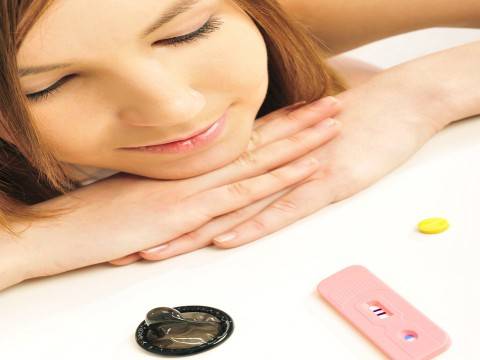
Your questions about contraception, answeredFew couples want to have babies as soon as they are married. Most want to enjoy their sex life without having to worry about conceiving a child in the process. If you are in this group, then here are answers to the most commonly asked questions about contraception. What is contraception? Contraceptionis use of various methods to control and prevent the pregnancy. It allows you to choose when you want to have a baby. What are the various methods of contraception? There are two main methods. Temporary contraception: Caps, combined pills, male condoms, female condoms, contraceptive implant, contraceptive injection, contraceptive patch, diaphragms, intrauterine device (IUD), intrauterine system (IUS), natural family planning, progesteron-only pill, vaginal ring. Permanent contraception: Female sterilisation(tubectomy), Male sterilisation (vasectomy). No contraceptive is 100% reliable and some can have side effects. Find out about all the methods listed here, so you can decide which method is right for you. How soon can I conceiveafter stopping the birth control pills? It is difficult to predict exactly how long it will take for a woman to start ovulating again. Some women are fertile as soon as the pills are stopped and others might take couple of months. Once the periods return and are normalised with normal ovulation, you can conceive a child. What if my period doesn't resume after I stop taking oral contraception pills? If you don't get your periods for several months, you may have what's known as post pill amenorrhea. The pill prevents your body from making hormones involved in ovulation and menstruation. When you stop taking the pill, it can take some time for your body to return to normal production of these hormones. Normally, periods should start again within three months of stopping the pill. But some women, especially those who took the pill to regulate their menstrual cycles, may not have periods for many months. If you don't have a period within three months, take a pregnancy test to make sure you're not pregnant, and then see your doctor.
Sex after 40Sexual changes in normal aging after 40: Erection takes longer time Require manual stimulation, particularly by partner Erection may subside during foreplay or coitus Decreased frequency of nocturnal erection Pre-ejaculatory fluid decrease or absent Ejaculation less forceful Seminal fluid volume decreases or absent Frequency of desire for sexual release decreases with age. Aged couples learn to cope with their own sexuality. Some are happy with foreplay and self masturbation, others insist on more usually it is the male. Frequency of sexual intercourse between 20-95 years : Sexual intercourse decreases with age as the study shows. Decreased during 5year interval after 34 years Weekly frequency: 30 - 34 years 2.2%; 60 - 64 years 0.7%; 65  - 74 years 0.4%; 75 - 79 years 0.3% Do we need to change this pattern with Viagra? I would say yes - sex can be  joyful till the last days. Nobody needs to be impotent now. Home devices like rubber bands, ribbons are also used to hold the blood back in the penis when the erection is not adequate. Vacuum pump to draw blood into penis with an application of a ring after erection is also found suitable by some. Active intervention by drugs (both allopathy, ayurvedic and unani) have been successfully developed. They may be applied topically (minidoxil), inhaled (amyl nitrate) inserted into the urethral passage, injected into the corpus cavernosa or taken orally (Sildenafil, Tadalafil, etc.). Finally if all fails silastic rods can be implanted in the penis to give permanent erection. The joy of living lasts a life time.
FAQS
T&C FAQS