Home
Aging milestonesChanges in old age depends on attitude as much as person to person. In young old age some changes begin to take place in a person’s appearance. Wrinkles, warts, age spots begin to form on the body. Hair begins to thin or becomes grey and even height lessens because the bone density decreases. While in ‘old‘ old age these changes are already permanent. Men might look distinguished if in good health, but women all look grandmotherly. In ‘young’ old age, cells begin to decay and muscle mass declines and immunity is no longer as strong as it used to be. People lose energy as the age progresses.  ‘Old’ old age brings in a lot of physical decline, profound changes in appearance and motor abilities, as also in sensation. Skin gets less elastic and becomes thin and blood vessels can break under the skin. The senses also begin to become dull. Eye lenses get affected and color perception and reading ability becomes very low. Hearing loss may lead to paranoia and ‘old’ old age people begin to think everyone is plotting against them because they can’t hear properly about what others are saying. Sense of smell also declines, but the taste remains almost intact. In ‘young’ old age, reflexes also slow down and so do the motor abilities. By the time they reach ‘old‘ old age most adults find that their response time has become quite reduced. This can be seen most in driving situations where it is difficult for ‘old‘ old aged adults to operate their vehicles as they have poor spontaneous responses. The ‘young’ old adults do not lose as much of their motor abilities as the ‘old‘ old adults, especially when holding small things like needles and pins. Of course, there are changes in sexuality and there may be a decline in the ability to have sex as men may not have an erection and women become dry due to lack of female hormones. Cognitive decline in 40% to 60% of older adults can be arrested with remedial training. Despite all the changes, most people even in their 70s remain comparatively active if they do not suffer any illness. Mental, physical, and social activity is necessary to maintain the quality of life. Old people begin to withdraw from work and other important roles and allow the younger people to take over. They are a lot happier as is also advised in Vedic literature as vridhashram. While activities are important, disengagement is equally important. Memory loss becomes aggravated and other cognitive abilities begin to decline and there are many ‘old‘ old adults who get Alzheimer’s and lose the ability to look after themselves. Old people also dwell on questions of death and sometimes go through a phase of denial and then anger that they have so little time left. Acceptance of death comes, but after a struggle and the idea of losing the family saddens them. Old people require support in their declining years as they begin to lose their faculties.
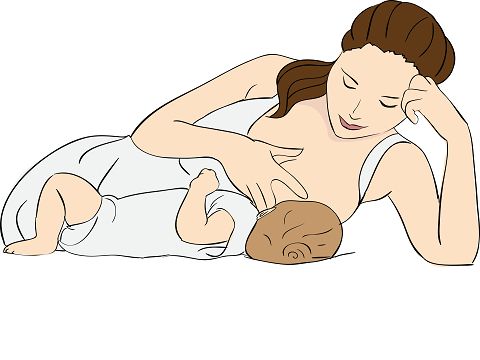
What to eat when you breastfeedAlmost everyone around you will advise you to eat a calorie-rich food that will aid in milk production from your body. But did you know that your body is quite capable of producing enough milk from whatever you eat? Your body has stocked up on all the fats during your pregnancy days itself. You don't really need the extra calorie rich food just to produce milk for your baby. However, how much calories you need cannot be predetermined. Let your body determine your needs. Eat as often as you want, as often as you feel hungry, but remember to eat foods that will give your body the nutrients and not just satiate the hunger. Opt for whole grains, pulses, fresh fruits, legumes, fresh vegetables and nuts. Choose natural drinks like buttermilk, coconut water, and fresh juices. Remember that the foods that you choose must nourish your body with proteins, calcium, and iron other than carbohydrates. Dried fruits and nuts like cashews and almonds and walnuts are the traditional foods given to new moms to enhance breast milk confinement. They are a very rich source of calories and definitely improve the quality and quantity of milk. However, keep a bottle of water or some juice nearby when you breastfeed. The body releases oxytocin when you breastfeed and it makes you thirsty. So, have some refreshing drink before you breastfeed. Most new moms are advised to drink lots of water as it aids in breast milk production. However, breast milk production doesn't really need extra water. It is best to avoid alcohol when you are breastfeeding. The amount of alcohol in blood and breast milk reaches its highest level about 30 minutes after you have a drink and it lowers down only after about four hours. Drinking alcohol is not advised when you breastfeed, however, if you feel like having alcohol, do so after you feed your child. Also, wait for a minimum of four hours before you feed next. Ghee is another item that new moms are encouraged to consume for milk production. However, if you are eating a balanced diet there is no real necessity to eat too much of ghee. Avoid aerated drinks, tea, and coffee while you are breastfeeding. Similarly, junk food and foods that are not cooked at home are best avoided. These types of foods fill you up, but provide no real nourishment. Herbal teas are considered safe drinks during breast feeding. However, consult your doctor before you consume any herbal medicines. Do not forget to take your prescribed supplements of iron, folic acid, and calcium regularly during breastfeeding. Your body also needs more amounts of vitamin C, vitamin B12, zinc, and vitamin A. These, you may obtain by eating foods that are rich in them or your doctor might prescribe supplements. Weight gained during pregnancy may be a concern now and you may want to lose it to regain your pre-pregnancy shape. Remember to lose weight gradually with the help of a balanced diet and moderate exercise. Do not starve yourself. Also heavy exercising may release toxins into the bloodstream and breast milk. Keep in mind that you will gain your original weight back only after your baby has completely weaned off breast milk and has started eating solid foods. Breastfeeding is the best option for your baby. It gives your baby everything that it needs and keeps it free of all diseases. Do not shy away from breast milk, do it the right way! Your body is quite capable of producing breast milk from the well-balanced diet that you eat and there is no real need for a calorie-rich food that new moms are fed.
Hairy tale: Hirsutism in womenThe condition is called Hirsutism where women grow coarse hair just like males on the face, chest or elsewhere. The primary cause for Hirsutism is hormonal imbalances by the over stimulation or excess production of male hormones (present in minute quantities in females too). The thickness of hair that grows largely depends on our genes and at times Hirsutism in women may be just a hereditary trait rather than an imbalance. Self care and medication can take of it in such a case. Idiopathic Hirsutism is a type of this condition where there is no possible cause for the male type hair growth. These women have regular menstrual cycles and no Androgen excesses, yet they have Hisrutism. Hirsutism with excessive bodily and facial hair, usually in a male pattern, in women may be present in normal adults as an expression of an ethnic characteristic or may develop in children or adults as the result of androgen excess due to tumors, or of non-androgenetic or other drugs. Hirsutism can make its appearance at menopause or soon after as there are a lot of hormonal changes that occur in the female body, and in certain cases women grow hair even on the lip, nipples, abdomen and upper shoulders. And just as men go bald there can also be a receding hairline and baldness in women accompanied by a deepening of the voice and enlargement of the clitoris. If the hair growth occurs at puberty then a doctor's evaluation is most essential as it could be more than just Hirsutism.
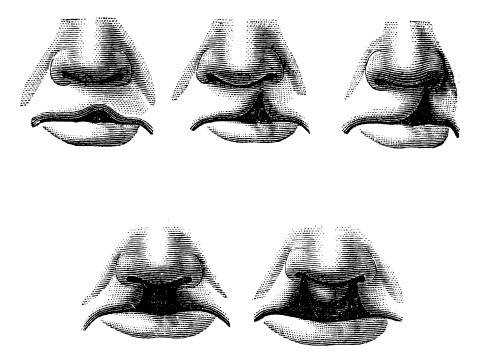
A correctable disfigurement of face: Cleft lip and palateThe Times of India reports that "With an incidence of 7 per 1000 children, cleft lip and palate deformity is one of the most common deformities among Indian children." The number of infants born every year with cleft lip and cleft palate in India is 28,600. This means 78 affected infants are born every day or 3 infants with clefts are born every hour. Cleft lip and palate develop early in pregnancy where lack of adequate amounts of tissues lead to two parts of the face failing to join adequately at the middle. A cleft lip or hare lip (as it is commonly called) refers to separation of the two sides of the upper lip. There appears a narrow opening or gap over the skin of the upper lip. This separation may sometimes extend beyond the base of the nose and may involve the upper gum and/or the bones of the upper jaw. A cleft palate refers to the gap between the two edges of the roof of the mouth, causing it to remain open at birth. The bony front portion of the roof of the mouth or the hard palate may be involved alone, or along with the soft palate or the soft back portion of the roof of the mouth. Since lip and the palate develop separately, it is possible to have a cleft lip without a cleft palate or vice versa. Causes of developing cleft lip and cleft palate: The exact cause of cleft lip and palate is unknown. Some research, however, suggests that these clefts are caused by a combination of genetic and environmental factors. The risk of such clefts thus can be reduced by adopting a healthy lifestyle during pregnancy. This includes avoidance of smoking, alcohol and having a healthy diet to avoid excessive weight gain during pregnancy. Cleft lip and palate can occur alone with no other problems or defects. This is called non-syndromic clefts. They may also occur as part of other birth defects and then may be called part of a syndrome. Cleft lip and palate may occur on one side (unilateral) or may occur on both sides (bilateral). Unilateral cleft lip and palate is more common than bilateral cleft lip and palate. Left-sided cleft lip and palate is twice as common as right-sided cleft lip and palate. The reason for this is unclear. A cleft lip or combined cleft lip and palate are seen more commonly in male babies. Cleft palate alone is more common in female babies. The face of the baby usually develops around 5th and 9th weeks of pregnancy thus this defect may arise early in pregnancy. Treatment of cleft lip and palate: Cleft lip and palate is usually corrected using cosmetic or plastic surgery. Results are usually very good. After treatment, most children have a normal appearance. To prevent and correct associated speech problems and dental problems, treatment is also sought from speech and language therapists, as well as dental surgeons (orthodontic specialists). Excellent results may be seen if the specialists work in tandem.
What is megalomania?Bertrand Russell's quote on megalomania perfectly describes the condition:"The megalomaniac differs from the narcissist by the fact that he wishes to be powerful rather than charming, and seeks to be feared rather than loved. To this type belong many lunatics and most of the great men of history." Megalomania is a delusional bipolar disorder. The sufferer believes he is an all-powerful person and that he is superior to all other people. Megalomania comes from the Greek words megalo which means large or great and mania which means madness. It is a psychopathological disorder that has delusional fantasies of power, exaggerated self esteem and a sense of omnipotence. The sufferer may believe he is God or some famous athlete. Although megalomania is a term used for power hungry people, it is clinically described under the mental disorder of narcissism. Narcissism is self-love. Though self-love is a healthy concept, narcissism is a pathological state where one loves oneself to the extent that he starts despising others. Megalomania is caused by certain phobias and mental conditions associated with emotions and personality. In everyday life, megalomania can be a person's mental way of reacting to frustration, abandonment or some serious loss. In the social world, the term megalomaniac is often synonymous with control freaks, power-drunk army generals, executives and politicians. The treatment of megalomania includes medications. The challenge here is that the person may not believe he has anything wrong with him. He, in fact, believes that he is so great that no harm can come to him, so talking him into getting himself treated is very difficult. Adolf Hitler, the German dictator, was a power-hungry control freak. He believed that he was the supreme commander and that his race was the only race suited to inhabit earth. All other races, especially Jews, were inferior and had to be wiped off the face of the earth. Adolf Hitler was megalomaniac.
Balancing marriage and work: The top 5 tricksFor women juggling between home and work is very difficult. Yet, the number of women choosing to go out and work, while managing their homes, has increased over the years. This is because a successful career helps a woman establish her identity in society, gain respect and do justice to her inherent qualities, passions and dreams. So, a successful working woman, is a happy woman and statistics show that such women also keep their kids and spouses happy. More stable marriages During the seventies, when women started entering the workforce in large numbers, there was an instant rise in the divorce rates. However, over the past decade, the divorce rates among working couples have actually declined. Today, men have extensively adjusted to the idea of having a working woman, as a partner. In many countries, men actually share the domestic chores and devote time to childcare, so that their women can successfully handle both, work and home. However, the main responsibility of the home and the kids is still primarily, in the hands of the women. Here are the six keys to manage your work and marriage successfully: Find the right job You can ease out the stress of managing the work and home front, if you make the right decisions. Studies indicate that couples having access to less demanding work, have better sex and better relationships and hence, are less likely to be stressed out. However, in case the working hours are long, the situation can become the opposite. Hence, it is important to find an exciting job, over which you can still have control, especially when you have small kids at home. Adjust the working hours Most women have to leave their careers halfway because their husbands work for long hours and there is no one available to care for the kids. If the wife too is good at work then, the couple should take up jobs that provide an opportunity for both of them to work, since doing this will keep both of them satisfied. There is a possibility that the husband, or the wife, may lose a bit on the income in this adjustment, but ultimately it increases the chances of having a happier marriage. The negative impact of leaving work If a career-oriented woman leaves her job due to family demands, it can shake the very base of the marriage, while also leaving her, depressed. Also taking a break, means you have to catch up very fast when you want to restart your career, which in reality, is quite difficult. In these situations, there is also a huge wage gap, between what you used to get before your break, and what you are getting after, that can lead to depression. Working moms help fortify the relationships between kids and their fathers When the father spends time babysitting the children, a closer bond develops between the kids and the father, which is usually not possible in families where the dad goes to work, full time. Studies show that children raised with equal devotion from both father and mother, have higher goals and aspirations and are even more empathetic. Feel less guilty A working woman usually feels guilty because she cannot spend as much time with her children, compared to the dedicated housewives. However, if the husband shares the duties related to bringing up the children both parents can be happy while playing their parts well for their kids. A woman with a successful career is positive and confident about everything she does, which ultimately makes her family happier.

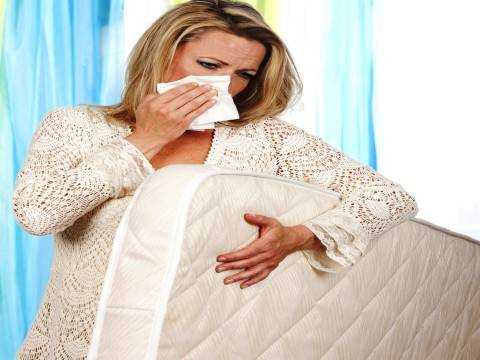
Sleep tight at every good night!A good night's sleep! Oh, what would some of us give for that luxury! Sure, you can blame it on the fast paced world and the things you have to do to keep the competition off your turf, and millions of other reasons to be sleep deprived. Yes, sleeping soundly and regularly is well within our control. Maybe it has eluded you so far and you are caught in a vicious circle of staring at the ceiling for hours on end; so read on to see what simple things you can do to gently drift off in to the arms of nature's greatest restorative- beauty sleep. Do's and don'ts for beauty sleep Fix a regular bed time, so that your brain will adjust to this by sending sleep signals to the body. If your bedtime is completely at the mercy of your activities then even as fatigue sets in the body will refuse to obey. So, even as your body is screaming for rest, the mind does otherwise. This is where good old discipline comes in to play. Take in to consideration the activities which are absolutely necessary to do and note the frequency with which they are likely to interfere with your bedtime before setting a realistic bed time. Initially the mind will refuse to obey, and you are most likely to get up, after tossing and turning in bed, to switch on the computer or whatever it is that you do when you cheat your bedtime. Rest assured, in a couple of days the brain will get used to this sleep routine and prepare you for shut down. Sleeping well also largely depends on how stress free you are. If the mind is in a state of constant excitement or anxiety, sleep will elude you. So when you lie down to sleep you need to fade out and blank everything out- joy and sorrow; expectations and ambitions, all of these out for later access! Tell yourself that tomorrow is another day and what you need today, is a state of neutrality! That's what most Indian philosophers would want you to do anyway. A good eight hours of sleep may depend largely on our minds but external factors can matter too. Sleep comes easily when your mattress is comfortable and not too soft or too hard. Use a pillow that won't give you neck pain, as any discomfort in the neck is likely to throw sleep off gear. Wearing clean night clothes can give you better quality of sleep. That goes for the bed spread as well.  Try this for yourself. Tight and uncomfortable night clothing is not recommended as this will only make you wriggle about for comfort. A cozy blanket and some clean nightclothes make great bedtime mates. Some people have a nightcap to help them sleep better while others still, drink themselves to sleep. Alcohol in large doses can only numb but does not help you sleep and you will only find yourself waking up frequently. Sleeping pills can be habit forming and might have serious side effects in the long run. So try simple remedies like a glass of warm milk or hot chocolate before bedtime to help you sleep better. Avoid stimulants like coffee, tea or nicotine before bedtime as that can keep your nerves all hyper thus making sleep quite difficult to come by. Computers and television are also largely responsible for us staying up late and disrupting our sleep patterns. We often find ourselves mechanically flipping channels or browsing without any real need for it. Try and go offline before bedtime, especially if you want to be able to schedule your sleep time. Television or movies can excite the brain and then you will find it difficult to fall asleep. So about an hour before bedtime switch off the telly or computer and just sit quietly and do some deep breathing exercises. Just sit cross legged for about ten minutes and relax your body. You are now ready for a deep slumber.
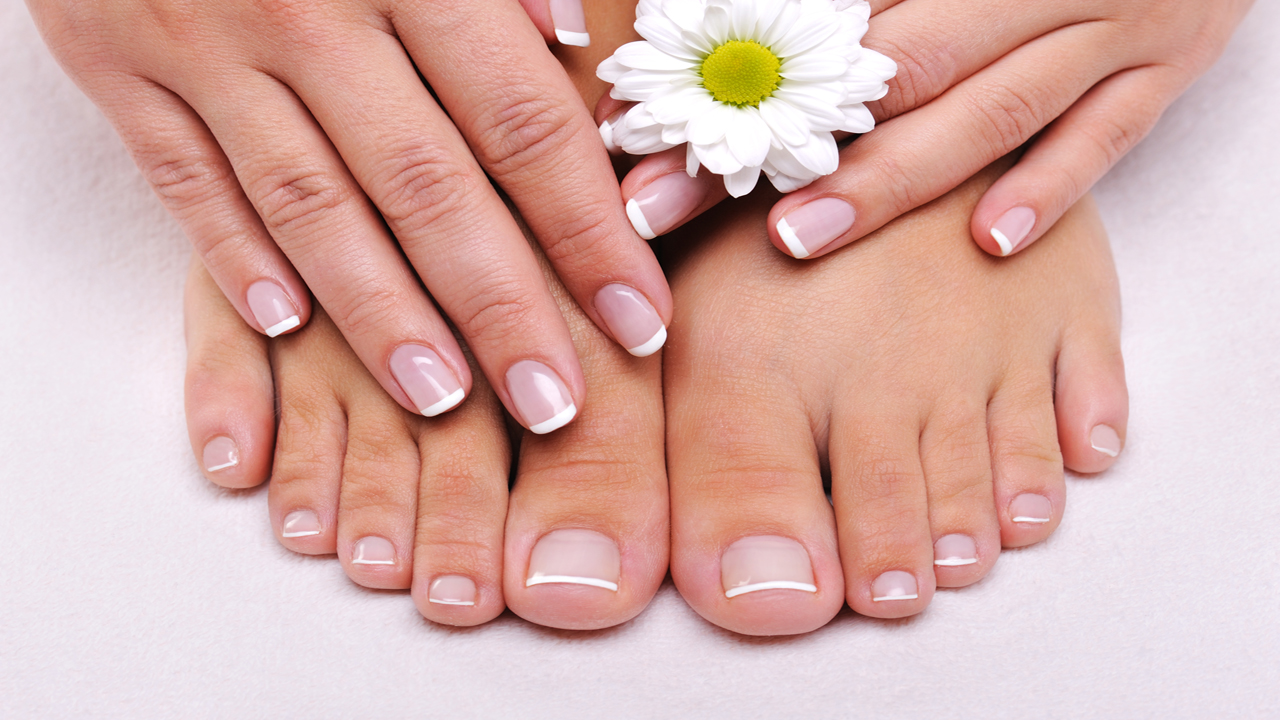
10 bedtime beauty essentials! Here are the beauty essentials you need to take into consideration, before you hit the bed: Baby-soft soles :Before you sleep, apply Vaseline on the sole of your feet. This will adequately moisturize your soles and you can wake up to the great opportunity of wearing those heels you have been dying to try out! Healing the puffy eyes : If you are worried about waking up with puffy and tired eyes (even after 6 to 8 hours of sleep), then put on a little eye cream. You can also keep an extra pillow and make sure you sleep on your back. This will allow the fluids around your eyes to drain easily and reduce the puffiness. Trying out wavy hairstyle : Bedtime is the best time to work on your hairstyle. Before you sleep, shower and fashion your hair into the style you want. Apply a styling cream on your hair gradually, after having air-dried it. Now, decide if you would like to put them up in buns or braids. Stylize them into the pattern and wake up to wavy hair! Let your skin breathe : Those who are suffering from dry skin can apply moisturizer. A humidifier is also a great accessory for help in these cases. You can switch on the humidifier before you go to sleep. This will help your skin to retain its moisture through appropriate hydration. Keep aging at bay :Did you know that sleeping on cotton pillowcases can increase the chances of creases and wrinkles on your skin? Prevent wrinkles by using silk or satin bed clothing. This will also reduce hair breaking. Wake up, miss white smiles: If you want to take off the yellows from your teeth, then brush some baking soda and let them stay for about 8 minutes. Afterwards, thoroughly rinse your mouth. Do not perform this beauty tip more than once a week, it will negatively affect the structure of your enamel. Work on your complexion :During the day, sunlight might disable some face creams from working effectively on your complexion. Make the most use of night and apply a face cream containing retinal and vitamin C. Lengthen your lashes : Eye lashes depth and grace to your eyes. You might feel that working on your lashes will require way too much effort. But, much to your surprise, everything your lashes need is contained in a natural ingredient - castor oil. Consisting of Omega-3 fatty acids, which are highly hydrating, they will avoid your lashes from breaking and also strengthen them. Apply castor oil on your lashes before you sleep and watch them grow thick and healthy within a few weeks! Taking care of your hair : Skim leave-in conditioner through your hair in the evening and let them stay on till the morning. This will let them become soft and shiny. You can also use coconut oil as an alternate conditioner. Readying your nails for polish : Depending on the skin type, the nails of certain people become dry. If you are one of them, it would be best to apply a cuticle cream or oil on them before you sleep to wake up to polish-ready nails.
Aids defining cancersIn fact the presence of such aids defining cancers is an indication of advanced AIDS having developed in these patients. However, the reasons for these cancers are unclear. It is possible that since people with AIDS have low immunity, they become more susceptible to these cancers. The double attack of these already complex diseases complicates treatment plans too. Thus, it needs care under experienced doctors who specialize in these diseases. The cancers that define AIDS are: Kaposi's Sarcoma:This is a type of skin cancer. It was usually found usually in people who have received organ transplants. Nowadays it is also most prevalent in homosexual men with HIV/AIDS and is also called epidemic Kaposi's Sarcoma.  It causes lesions to show up in multiple points in the body such as skin, lymph nodes, liver, lungs, spleen and digestive tract. Non-Hodgkin Lymphoma:This is the second most commonly associated cancer with HIV/AIDS. The various sub types of NHL are primary central nervous system lymphoma and primary effusion lymphoma. Approximately 4-10% people with HIV/AIDS develop NHL. Other kinds of cancers are anal cancer, liver cancer, mouth cancer, Hodgkin's lymphoma, testicular cancer, melanoma, throat cancer, colorectal cancer and multiple skin cancers.  Treating Cancer in HIV people: Till anti-HIV medication were not discovered the future for infected people was bleak. They were already sick and their bodies weak even before their cancer treatment were started. Presently the cancer treatment is mixed with anti-HIV drugs. However, depending upon the extent of cancer and the need of AIDS care, variations are made between chemotherapy and other HIV related drugs needed. Treating Kaposi's Sarcoma: Often anti-HIV drugs are enough to treat this cancer. The lesions, which are viral, shrink, as the immune system gets better. Sometimes chemotherapy and radiation may also be needed if the lesions are internal. Treating Non-Hodgkin Lymphoma: AIDS related NHL is fast growing and needs intense chemotherapy treatment. Introduction of highly active anti-retroviral therapy and use of drugs that help the infected body make new blood cells has relieved a major concern for HIV patients where previously due to their low blood cell count, chemotherapy could not be administered to them. But with these advances, acutely monitored chemotherapy treatments can be administered now. Treating Cervical Cancer: In case of women who have a good immune system and invasive cervical cancer can still be treated similarly as non-HIV women. They can even do well in surgeries and other conventional treatments. Discovering Cancer Early: Screening helps discover presence of cancer when no symptoms are evident. However AIDS defining cancers cannot be detected through screening. Thus, close monitoring, regular checkups and a keen lookout for symptoms of these cancers can help discover the ailment if present. Pap tests help discover cervical cancer in women. However, in case of HIV women, these should be undertaken more often. Even as often as 2 tests a year, 6 months apart in the first year of HIV detection. If the tests are clear, they should get Pap tests done regularly once a year henceforth. For other AIDS related cancers, the screening tests are still being devised. Lowering Cancer Risk: HIV ruins the body's immune system making it susceptible to a variety of diseases. Good health practices are a must for those detected with HIV in order to ward off cancer. They should surely not smoke or consume alcohol. Injection drugs and unsafe sexual practices also pose increased threat of cancer. Maintaining balanced diets, physical activity and proper body weight are extremely important and helpful too.
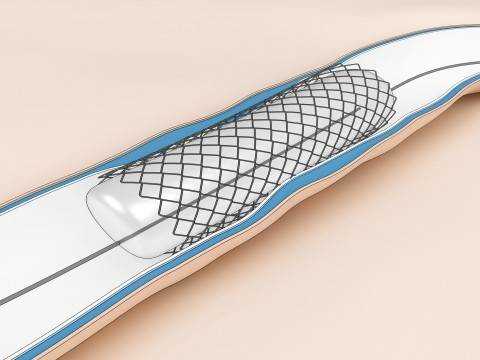
All you need to know about angioplasty!Why would you need coronary angioplasty? The walls of the arteries are being constantly lined with a fatty material called plaque. This plaque increases in certain conditions like atherosclerosis. When the build-up is too high, the artery gets blocked and the subsequent tissue receives very less or no blood, causing it to die. The plaque at times may be dissolved by medicines but if it is too big, medicines prove ineffective. This is manifested outwardly as a heart attack. This is the time when the doctor would recommend the coronary angioplasty as a treatment for you. How is it done? A thin catheter with a deflated tiny balloon at one end is inserted into the affected artery. Once the exact location of plaque build-up is reached, the balloon is inflated causing the plaque to get pushed against the artery wall and creating free space for the blood to flow. A small mesh called a stent may be placed to hold the artery in place. Some stents are coated with medicines that prevent the scar tissue formation following the angioplasty procedure. The procedure may be done as an emergency or it may be planned. If it is a planned procedure: You will have to get hospitalized and stop eating or drinking 6 to 8 hrs before the procedure. Once the procedure is done, the doctor would prefer you staying in the hospital overnight to watch for any adverse events that may happen. What happens after the surgery? The surgery lasts for 1 to 2 hours and you would be allowed to go home the next day. You will be advised not to undergo vigorous and strenuous exercises and to rest adequately. Most people are fit to return to work a week after the surgery.
Challenges faced by homosexual parentsThe major challenge in front of gay parents is to face society and protect their children from social prejudice and discrimination. Gay people can never have their own children, and hence, often opt for adoption. But, how can a couple, who is discriminated against by society, provide a healthy upbringing to a child? However, in some cases, gay parents are known to have capably given their child, all the love and care and the basic amenities that they need, for a wholesome and proper development. Sexual Orientation and Parenting In the American society, same sex parenting is more common than in other parts of the world. Even then, children of gay parents have to face many more challenges than the children with heterosexual parents. The U.S. Census report of 2000 has reported that around 22 percent gay couples and 33 percent lesbian couples have around 18 children living with them. The trend of adoption amongst gay people has been increasing over the years, despite the overwhelming challenges. According to a report published in June 2012 by the American Psychological Association, no scientific evidence has proven that sexual orientation can affect parenting effectiveness. This means that both lesbian as well as gay parents can indeed provide a healthy and supportive environment for raising their children. Major Challenges The major difference lies in the treatment that the children of gay parents get in society. They have to face discrimination and prejudice from schools, their peers and even within their own families. Gay or lesbian parents on the other hand, face the dilemma of how to explain to their children why they have two mothers, or two fathers. Many people in society, even those with strong educational backgrounds, are of the opinion that being gay or lesbian, is an illness due to which, they are incapable of being adequate parents. There is also a misconception that lesbian women tend to be less motherly than heterosexual women. But no scientific basis has been found to support these beliefs. Although the medical community does not consider homosexuality as a psychological disorder, society continues to have a biased outlook towards gay parents. Are Gay Parents Better than Heterosexual Parents? As of today, nothing can prove that gay partners are not as good parents as their heterosexual counterparts. Moreover, it has been found that people of the same sex divide their workload of raising the child, and hence, the childcare process is more smooth and satisfying. Some studies have even noted that lesbian or gay parents have superior parenting skills. But, again no scientific evidence has proven these observations, yet.
Sex after 40Sexual changes in normal aging after 40: Erection takes longer time Require manual stimulation, particularly by partner Erection may subside during foreplay or coitus Decreased frequency of nocturnal erection Pre-ejaculatory fluid decrease or absent Ejaculation less forceful Seminal fluid volume decreases or absent Frequency of desire for sexual release decreases with age. Aged couples learn to cope with their own sexuality. Some are happy with foreplay and self masturbation, others insist on more usually it is the male. Frequency of sexual intercourse between 20-95 years : Sexual intercourse decreases with age as the study shows. Decreased during 5year interval after 34 years Weekly frequency: 30 - 34 years 2.2%; 60 - 64 years 0.7%; 65  - 74 years 0.4%; 75 - 79 years 0.3% Do we need to change this pattern with Viagra? I would say yes - sex can be  joyful till the last days. Nobody needs to be impotent now. Home devices like rubber bands, ribbons are also used to hold the blood back in the penis when the erection is not adequate. Vacuum pump to draw blood into penis with an application of a ring after erection is also found suitable by some. Active intervention by drugs (both allopathy, ayurvedic and unani) have been successfully developed. They may be applied topically (minidoxil), inhaled (amyl nitrate) inserted into the urethral passage, injected into the corpus cavernosa or taken orally (Sildenafil, Tadalafil, etc.). Finally if all fails silastic rods can be implanted in the penis to give permanent erection. The joy of living lasts a life time.
FAQS
T&C FAQS