Home
Is male menopause a reality?As opposed to the sudden drop in ovulation and hormonal levels in women, menopause in men is a gradual process. The consequences in men aren't that clear. The health risks, though, are significant and it is important to recognize the symptoms of male menopause early on. Read along to know more. A testosterone level of 300-1200 ng/dL is considered normal in a healthy male. As one ages, the testosterone levels too drop gradually. After 30 years of age, the levels drop by 1% per year. By the time a man crosses 50 years of age, he is in menopause. Look out for the following signs to know if your testosterone levels are dropping : Low Libido : A low sex drive or decrease in inclination to have sex is the first sign of decreasing testosterone levels. Erectile Dysfunction : Testosterone is responsible for releasing nitric oxide that leads to erection. As the levels of testosterone decrease with age, getting an erection and maintaining it for longer periods of time may become difficult. Low Semen Level : The normal amount of semen ejaculated each time varies between 0.1 and 10 mL. This normal level is due to the efficient functioning of the testes, seminal vesicles, and prostate, all of which work under the influence of testosterone. As you age, the testosterone levels drop and the amount of semen ejaculated also drops. Orgasm Troubles : As you age, having an orgasm every time may be a bit difficult due to the dropping testosterone levels. Mood Swings : This happens in men as much as in women! The interesting thing here is that the man who suffers from it is the last one to note it and acknowledge. So, if you find yourself snapping and getting irritated at the smallest of things, get your testosterone levels checked. Depression : When you feel dull and demotivated at all times, and even doing the slightest of activity seems like a chore, it means that your testosterone levels have dropped to a significantly low level. Abdominal Fat : This is again an early sign of decreasing testosterone level. Belly fat is a sign of advancing age. Low testosterone levels are a sign of advancing age. Not all men who have low testosterone levels may show symptoms. In such cases, there is no need for any kind of treatment. Low testosterone may also be due to some other conditions like thyroid disease, excessive alcohol use, sleep apnea, etc. After 30 years of age, the levels of testosterone drop by 1% per year. By the time a man crosses 50 years of age he is in menopause. Identifying and eliminating these causes will restore the testosterone levels to normal. However, if no cause can be attributed to the low testosterone levels, it is a clear indication of normal aging and 'menopause.' As with women, men too have the option of hormone replacement therapy. However, this treatment is controversial. In some men, the testosterone replacement may relive several symptoms, but the risks far outweigh the benefits. An increased chance of heart attack, prostate cancer, and other health problems are associated with testosterone replacement therapy. Herbal supplements for problems associated with decreasing testosterone levels are generally considered safe, but they too have no proven health benefits and are known to increase the risks for prostate cancer. Male menopause isn't as dramatic and abrupt as the menopause in women, but it is a reality. It happens gradually over a period of several years.
Handling post retirement bluesYou have given the best years of your life to your career, and now it's time to say goodbye and get ready for the retired life. It is a phase laden with expectations of all things you were too busy to do while working - spending more time with family, going on that fishing expedition, or going on leisure trips around the world. However, despite the wonderful things to come, retirement can get unusually trying and mentally taxing. After all, how many of us really have the flexibility of mind to take this period as a challenge and be the master of our destinies? Just because you are retired doesn't mean you have to wither away and wait for death to claim you. So, here's what you can do to beat the retirement blues Catching up: This is really a bewildering time, as you have a lot of catching up to do, with a lot of things. Prioritize the things you want to do and proceed confidently. You may want to spend time with children, spouse, friends, etc. Go easy on yourself, as you may not be able to fit in as many things in your schedule all at the same time. Boost your self-esteem: Retirement is particularly trying for those who have occupied important positions in office. Such people are known to throw tantrums, as they feel less wanted than before. So don't ever make the mistake of treating your family like you treated subordinates at work. That was a role that you played then, and without reducing your importance or self-esteem you can now play a different role with your family as a friend, philosopher and guide. In fact, you can use your contacts and keep the old network alive by involving youth in your field of expertise and help them benefit from you. Catch up on exercise: The more physically fit you are the less likely that retirement will be a painful process. Perfect time for you to catch up on the fun times with your spouse to remind you of all the great times you have had all these years. If your spouse is not in the best of health then just being together is such a wonderful experience in the golden years. Financial health: Your peace of mind and self-esteem largely depend on how independent you are financially. You can take up a part time job or think of innovative ways to let your hobbies and interests generate money for you. This should be an enjoyable process by which your self-esteem can really benefit. Support groups: There are informal or formal associations of retired people that do various activities like travelling. Make yourself available to them. Sometimes retired people withdraw into a shell and that only makes things worse. These support groups give a fresh perspective on all things in life.
Pregnancy myths bustedChances of getting pregnant each month gets increased by 50% in the women of the age of early 20's: This not right, for a women to get pregnant is not easy. When a woman is below 25 the chances of hitting baby bingo are only 20 to 25 %, while the women above 35 years of age the chances are 15%.   The baby's gender could be understood by the shape and size of the belly. It is believed that woman carrying a girl has high belly: False again. The shape of belly depends on original shape of the abdomen, amount and the distribution of the fat, strength of the abdominal muscles, the number of babies conceived and the position of the baby... but in no way possible can the shape or size of a belly give away the sex of the baby inside.   The best fertility lubricant to be used for conceiving is saliva: This is totally wrong, actually saliva is the sperm killer, most of the lubricants and massage oil are also not good for fertility, so it is better to go without using any lubricant.   Sperm production is impaired by laptops: This is true. Heat is not good for male fertility when laptops are used on laps they may generate heat and affect the fertility. So it is good to use the laptops as desktops.   The conceiving period of most of the couples is 3 months: This is not right, most of the couples take about 6 - 12 months of active efforts to conceive if they are not having any fertility problems.   There are more chances of conceiving, if you do more sex on the fertile days: This is true, the man having normal sperm count to have sex during her partners fertile days is good for conception. Having everyday sex was suggested in earlier days but anything which is done in excess is always more.   The egg can be fertilized within two days after it is released: This not true, an egg has the shelf life of only 12 to 24 hour, and the sperm have to meet with egg within that time, though it has the shelf life of 3 days or more.   Position during conception matters: This is not true, the sperms which are healthy are good swimmers, they can make you pregnant in any condition.   Eating oysters is good for getting pregnant: This is true, oysters are the good source of zinc, which is the most fertile mineral, it is also a good booster for libido, it can be used by both sexes.   Having cough medicine is good for getting pregnant: This is true, cough expectorants loosens up the cervical mucus as it does with the mucus in the chest, and the looser cervical mucus gives the sperm an easier and faster way to get pregnant. But some cough medicines contains an antihistamine that dries up all the mucus, which makes for a difficult swim for the sperms.   The sex of the baby is known by the glow on the face of the mother: This is not true, as the morning sickness of the mother is stopped, she starts eating well, the blood circulation also improves and in general the mother feels good, which gives the glow on the face. There is no relation between the glow on face and delivery of a baby.   The baby having lots of hair causes heartburn to their mother: Completely false, heartburn is the common complaint of the mother during pregnancy, this is due to reflux in oesophagus, in this the food particles come up through the food pipe and due to its acidic nature it causes heart burn. There is no relation between baby having lots of hair and heartburn.   The food intake of the pregnant woman should be doubled, for baby and the mother: This is not true, the pregnant woman, should take a balanced nutritious diets containing ample of proteins, vitamins, and minerals, small meals should eaten for every two hours rather than eating only 3 times the bulky meals.   Labor can be induced having sex during pregnancy: Not true, if the woman is physically fit during pregnancy can have sex as advised by the doctor only the position during sex should be taken care of, it should not cause discomfort to the woman.   Regular breastfeeding is a barrier for getting pregnant: Again a myth, the women can get pregnant even in the lactational ammenorrhea before the first menstrual cycle. You should always use contraception to avoid pregnancy.   Using computer during pregnancy can harm baby: This is not true, there may be backache if you continuously work for a long time on computer, but there is no direct effect of computer on the baby.   Source: What to Expect Before You're Expecting

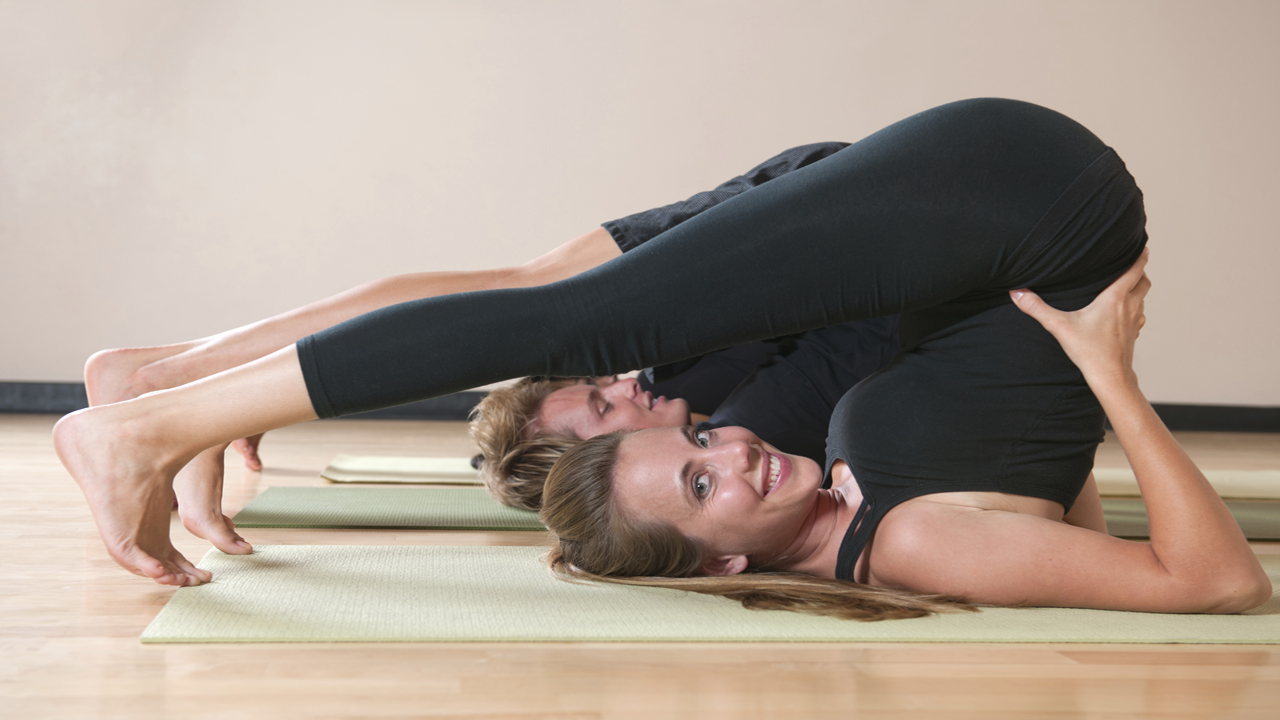
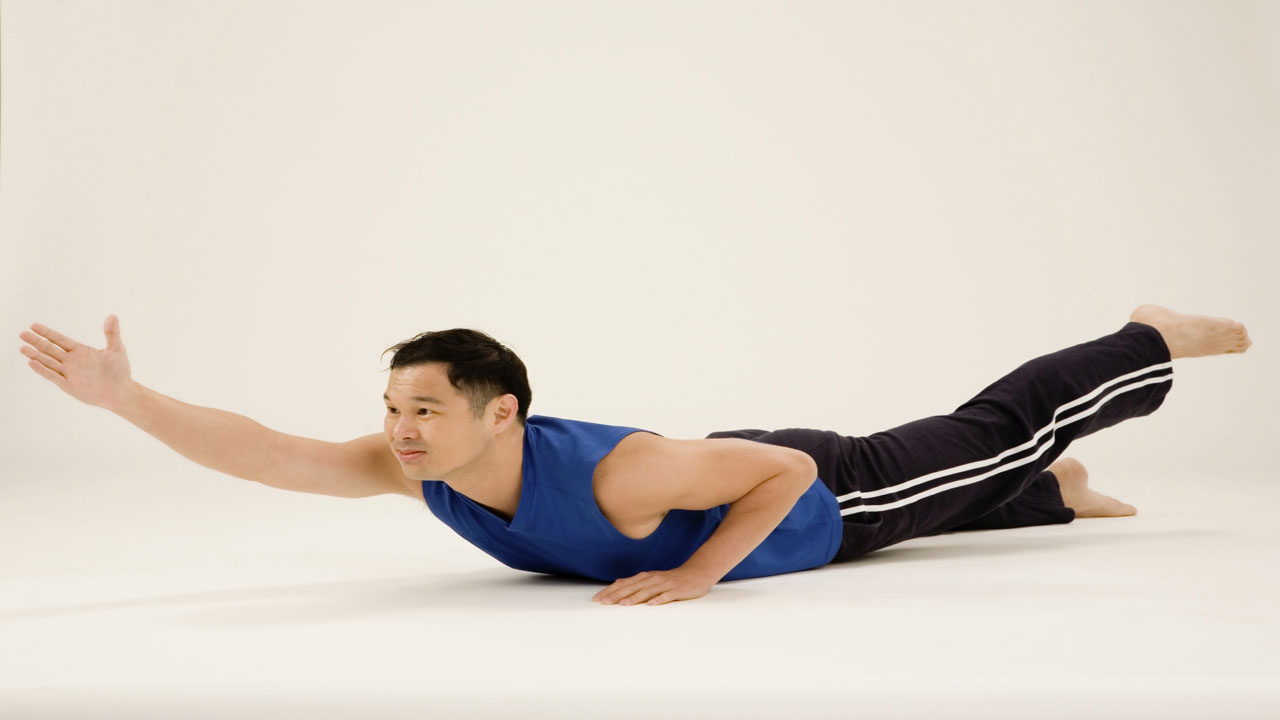
Inspiring fitness goals for womenBeing fit comes with the benefit of enhanced mood and lowered hormonal rages. Coupled with right proportion of sleep, hydration, and a job you love, you will be nearing towards a perfect body. Goal 1: WorkOut Your Body to A Song! Make a playlist of all the songs you love and choose to execute your regime through it. Goal 2: "Be Yourself" Challenge Holistically develop your body by acknowledging what you love to do. Choose a sport that you love and join a group. If you love animals, then walk your dog which will let you lose weight and enjoy the company of pets. If painting or photography interests you, then trekking along landscapes of beauty should be your weekend getaway. Goal 3: Become the Hourglass with 1-Month Workout Regime Evaluate your body type and create a month-long regime to gradually progress towards animpeccable body shape and continue it beyond the initial 1 month. Start with small steps and do not go in for crash diets. Choose healthier snacks. Add a bit ofsleep to your daily dose in case you tend to sleep less. Begin with 15minutes of workout containing exercises recommended by your trainer to suit your body. Goal 4: Be the Health-Smart Mom! Lose the extra pounds you brought on during pregnancy and set a role model for your children. Go to the park with your children and play games with them. Pick up sports that you all can share and do together! Goal 5: The Yoga Guru Pick up yoga and start from the first step. Did you know that the initiation of anyone into the system of Yoga occurs through stage of Yama? Yama refers to the ethical principles that will guide your life while you move towards taking control of your life. The five Yamasin yoga are non-violence, truthfulness, non-stealing, celibacy, and non-possessiveness. They form the ground for your body to start on a healthy path. Move yourself towards following these principles and pick up the following asanas (body-postures) to lose weight: setu band (the bridge pose), bhekasana, dhanurasana, shalabhasana, chakki chalan, nauka chalan, and sarvangasana. A healthy lifestyle is the framework for any fitness goal. Do not go for unrealistic or transient goals. Start by making preparatory changes in your lifestyle: Lower your junk food intake, sleep adequately, drink at least two liters of water daily and hydrate your body sufficiently. Goal 6: Going Back to Nature Plan a trekking trip to your dream destination and walk your fat away. Bring back home a healthier body and a more peaceful mind. Goal 7: Master Your Body Make a journal of all activities you do in a day. The intention is to become aware of your habits that might be hurting your body unknowingly. Trace habits like binging on a snack while watching TV, sitting in a bad posture while on the desk and reading a book at a dimly lit place may be few pointers. This is a long-term challenge (4 months) to bring your body under your control through self-awareness. Goal 8: Green Regime Go for a diet which involves vegetables, fruits, and grains. Detoxify your body by being off junk food for at least two months. Goal 9: Bony to Healthy Increase your weight to become the inspiration for underweight people and guide them towards a healthy body. Goal 10: Run for the World Join marathons and runs for different social causes. Commonly known as 'Run for a Cause,' be the torchbearer to a certain cause by joining organizations that work on the same and initiating a run or marathon. This will not only prepare your body and move it towards healthy living; you will also be doing your part for the others.
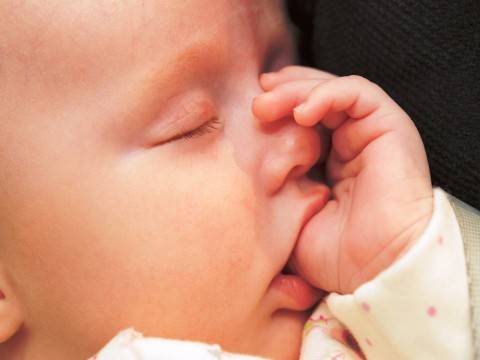
Bonding with the babyIt is an immense pleasure to hold a baby in your arms, isn't it? The bonding between amotherand her baby starts within the womb itself. When the baby is born, a few parents bond with the baby within minutes. But for others this may take some time. If the baby is taking time to respond to your affections, don't worry, here are some tips to help you with the bonding. Babies respond to the mother by making sounds, grasping, smiling, or crying. Touching, holding, kissing, cuddling, talking and singing help build a bond with your child. Infants prefer a human face to any other stimuli. So face your child as much as possible. The attention span of a new born baby is quite short. Hang a colorful object on top of the pram, cradle,or cot. Your baby already likes toys of different shapes. Various reflexes develop by the fourth week after birth. These include sucking, grasping, searching for the nipple and blinking. Baby may gaze at you some time. Respond by nodding, smiling, and talking to the baby. Babies are sensitive to their surroundings. They respond to music or the phone ringing by staring at it quietly. They observe toys keenly, spot colours and become happy at times. These are heart warming moments for the parents. Father's care usually builds a protective and secured feeling in a child which he carries for life and prevents building of any unreal fears in him in later life. So dads should care for and make their babies feel secure. You love to touch your bundle of joy, right? Babies love, enjoy, and need it as well. Skin-to-skin touch helps growth and development of the child. Mom's touch soothes the baby when he is irritated. Start reading to your child. It is never too early. It helps the development of reading skills and language. Babies enjoy pictures in the book. Even if baby can't understand words, they love to hear the parents' voices. During the first few months, they understand little of it, but they are thrilled by listening to you. Have a short reading session with your child daily.Dads can try this trick to make the baby sleep. Carry her around while patting her very gently on back.
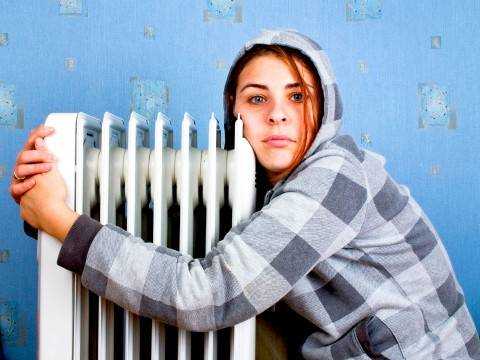
CryophobiaCold or hot can be a very subjective term as every person's tolerance for either heat or cold can vary. When some of us react in an extreme manner to all things cold, then it could be a case of cryophobia - the fear of catching cold or the fear of cold weather. Derived from the Greek "kryos" + phobos gives us cryophobia, which is a mental aberration where the mind develops a nagging and persistent fear of all things cold - be it cold weather, ice-cream, or maybe even a cold shoulder! Jokes apart, a person suffering from this condition could really experience 'hot weather' in his relationships as he will completely avoid any contact with anything cold. If the weather is a bit nippy then that's a veritable disaster for Mr. 'Avoid De Cold' as he will do everything in his power to stay indoors, for instance - turn on the central heating and wrap himself up until the mercury rises to an agreeable level. Though it is decidedly different from your run-of-the mill phobias, cryophobia could be of various types. There are some who are only afraid of cold in the 'weather' sense and are otherwise cool about touching cold objects or even having an ice-cream. While there are some who would probably break out into, if you will excuse the term, 'cold sweat,' even while watching floating icebergs on a Nat-Geo documentary. So, the sensation of cold is quite subjective, and hence the various strains of cryophobia. Generally, this fear would manifest quite logically for those who have occasioned to be trapped under ice accidently or maybe those who have suffered frost bite from exposure to cold weather during a skiing holiday. Under such circumstances, avoidance, though irrational, could be perfectly logical. If you monitor weather reports constantly and experience discomfort even in moderate climates, then you should get yourself checked for cryophobia, as chances are that soon you will be restricting yourself indoors and cutting yourself off from the rest of the world. Some people might just overcome fear or anxiety by wearing an extra layer of the woolens or turning up the central heating. For deep seated fears, it may require long-term counseling or medication. Some people might just have this morbid fear of developing pneumonia from a common cold and hence may take elaborate measures to avoid going out during cold days. This too can be quite normal since most of us don't want to call a day off from work due to a nasty cold. But despite adequate protection if you are still afraid of venturing out to work or are avoiding social contact just because of an irrational fear of catching cold when the weather outside is made for the beach and you are in the middle of summer! Then the catchphrase is - You have cryophobia!
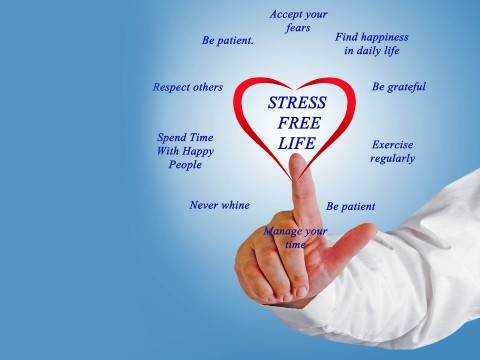
Dealing with obsessive thinking and worriesAn old adage goes - 'Worry is like a rocking chair. It gives you something to do but it doesn't get you anywhere'. This is absolutely true for many of us who have developed the habit of worrying unnecessarily over outcomes and circumstances. Thinking about things and over our course of action is a good thing because you should always think twice before acting. What about obsessive thinking? Is it good for you? Anything in extremity is a bad thing, whether it is your favorite food or your thoughts. Worrying incessantly is a part of obsessive thinking where you cannot let go of negative thoughts and they circulate in your mind continuously. Obsessive thinking is a negative infinite loop, a broken record that is stuck without having anyone to click the stop button. So how should you deal with this obsessive thinking that is sure to spell your doom in the long run? Though psychologists have devised various scientific methods of overcoming obsessive thoughts and worries, here we have listed down some easy to follow rituals that will help you deal with such worries and thoughts. Meditation - Yoga swears by the art of meditation as it is thought to release all negative energy from the mind and soul. Concentrating on your breathing and also absorbing a positive source of energy is the essence of meditation. So whenever you are obsessed about something, sit down, calm your nerves and meditate. Physical activity - Exercising always helps. Engage in physical activity which increases the body's metabolism and requires effort. Indulge in those dance lessons or swimming or maybe cycling and you will divert your mind from those negative thoughts. Indulge in your hobbies - So you thought you don't have time for your hobbies, but your hobbies relax your mind and body. Moreover, a hobby also takes out the creative side in you. So, whether you like to collect coins or stamps, or lean towards arts and crafts, a hobby is sure to occupy your mind and take you away from worries. Socialize - Friends and relatives are your lifeline as they help you in those tough situations. Even if you are mentally not at peace, making social calls on your friends and relatives will take the edge off.  Try to meet people who can empathize with you and help you move out of it. Socializing will give you that much needed break from the vicious cycle of your thoughts. Though a short-term relief, going out for movies or taking a weekend getaway with your near and dear ones or even indulging your wife in shopping, can be helpful. Confide - Talking to someone close who understands you helps you in expressing your troubles. Thinking obsessively, you usually tend to ignore your feelings and emotions. Your mind remains trapped in the net of those obsessive thoughts and your emotional well-being takes a backseat. When you talk to another person, he or she will hear you out and help you relieve the stress that is on your mind. They would understand your state of well-being and support you emotionally. Be mindful - You may find it easy to go back into the same negative thought process. Don't let your mind chatter. Stop your mind by standing up for yourself. Stand in front of the mirror and say, "I am not a victim. I have the power and strength to move ahead" Do this whenever you become aware that you are going back into the same thought process.  This will give you the mental strength needed to come out of it.  Be mindful and aware but don't be too harsh on yourself. Be responsible -Your mind can make you or break you. If you understand this truth you will find it easier to manage your thoughts. Take responsibility of your thoughts good or bad.  The mind can create thoughts to project blame or judgments about others.  When you own your thoughts, you will find it easier to shape them the way you want. Create a higher vision of your life - When you keep a higher vision in your life, you can move ahead easily.  By developing a higher vision, you are asking yourself, who am I?and finally working towards it. You take positive actions and thus there would be more gratitude for what you have and less resentment for things that do not work.   This stops your mind from working unnecessarily. Obsessive worrying is a psychological disorder which in extreme cases has to be dealt with pathologically. Do not let your condition to reach the extreme end of the spectrum. Follow the above mentioned suggestions and try to deal with those thoughts yourself. It may take some time but rest assure, it will be effective in the long run.
Top 10 tips for weight maintenanceTIP 1: Stay Calm and PlanDon't worry about your weight excessively. This will only result in stress which can be counter-productive to your pursuit. Remember that you have reached the goal you had to and you are strong enough to sustain it. Take one day at a time. Do not think about how you are going to keep it forever. Just focus on the next day. TIP 2: Health JournalKeep a journal where you note down your eating and exercising patterns. Write down what you eat, plan your meals, drink adequate water, and form an exercise regime. Did you know that you can include an activity within your life as a habit by performing it for 21 days? Do these things not because you have to but because they are good for your health. Slowly, they will become a part of who you are. TIP 3: Being Healthy Is A Lifetime DealOne of the greatest mistakes that people do is to think that once they have lost weight, they can return to their early eating habits. Remember that your health is with you for life. Shift your perspective from 'I have to become thin' to 'I have to be healthy.' Once you do this, you will find it easier to stay healthy for the well-being of your body. TIP 4: Be RealisticWhen you are planning your lifestyle, don't take up unrealistic goals. This is one of the reasons why weight-trainers say that the best way to reduce and sustain right weight is to make it 'your life.' Eat right, sleep well, and drink lots of water. These three, if done properly, can help you to have the right body weight. If you have any rules like 'don't eat cake or pastries ever,' 'quit drinking,' then rethink about them. Are you going to be able to never eat sweets? The primary goal is to make a balance, choose the middle path. TIP 5: Get An Idea Of Your Weight-PatternMany people stop weighing their body once they have reached the ideal weight. They think that the scales are only for the fat ones. A person with such a perspective is only looking for slim bodies and not healthy ones. Remember that your weight is not a judgment of your appearance, but a barometer of your health. So do not stop doing the weekly weight checks. Keep a report of your weight every week and check out the causes for any abnormal changes. TIP 6: Accept Your Limitations And Learn From ThemEveryone has their ups and downs. Don't get discouraged and be angry at yourself if you binged on a donut on a cloudy day. Everyone makes mistakes. It is not the end of your weight maintenance. It is simply a blip. Learn from it. Know what the causes are for it and work on making sure you react to the cause differently next time. TIP 7: Thirst And HungerYour body could confuse your thirst for hunger. So, if you are feeling hungry really soon after your previous meal, then start by drinking a glass of water and check if you feel better. If you do not, then it is time for a light healthy snack. TIP 8: Inspire YourselfWeight maintenance is primarily a psychological task. Till the time you were reaching the ideal weight, you learn everything you had to about being healthy. Now, you have to make sure you don't let obstructions stop you from sustaining this healthy lifestyle. So, join other people who are only in the process of maintaining their weight. Become part of the running blub or catch up with a health conscious friend regularly. TIP 9: Mind Over MatterBalance your eating patterns. If you think that you will be going out for lunch, then have a healthy breakfast and cut down on the dinner. You might be craving for a dessert, so you can have salad for the main course and treat your sweet tooth. Talk to yourself about what you are going to eat. Ask yourself if you really want to eat it because you are hungry or are there any other reasons for it. How would you feel about it after you are done eating? TIP 10: Celebrate Your AchievementsLastly, be proud of your weight maintenance program. Celebrate the fact that you worked hard towards making sure you have a healthy body and invite people who were part of your pursuit. Embrace your body and toast to the next year of a healthy lifestyle.
Sunburn: Overview and treatmentSunburns could also be accompanied by allergic responses to medicines, exposure to sun and sunscreen products, sight-related issues like reduced or complete loss of vision, as well as heatstroke. Over a long period of time, frequent cases of sunburn can result in cold sores, cataracts, skin cancer, and lupus.  The factors which will decide the vulnerability to sunburns are: Type of skin - The type of skin determines the vulnerability and intensity of the sunburn. The most vulnerable groups are those with freckled and fair skin as well with blonde or red hair. Regardless of the color of the skin, all skin types are vulnerable to skin cancer and proper sun protection must be used during times of sun exposure. Season - Summer days carry with them a higher probability of burning the skin. UV Index - This refers to the forecast of the strength of UV light on a particular day. This will let you know the cautionary measures you need to take in order to avoid skin damage. This is put forward on a scale of 0 to 11+ with 0 being the lowest exposure. Latitude - As you move to locations closer to the equator, the sunlight directly passes through the atmosphere to a greater extent. Age - Those who are younger than 6 years of age and those over 60 years are at a greater risk of getting sunburns. Altitude - As you climb higher and higher, the chances of sunburn are also greater since the amount of Earth's atmosphere to keep away the sunlight reduces. Every elevation of approximately 1000 feet, the UV exposure is amplified by about 4%. Location - If you are close to reflective surfaces like snow, water, ice, concrete and white sand, rays of the sun which get reflected off these might harm you. Time of the day - The rays of the sun are strongest between 10 in the morning and 4 in the evening. Though, the probability of getting sunburn are lower on cloudy days, it is possible for the UV rays of the sun to pass through the clouds and negatively affect your skin health. Here are the precautionary steps you can take to avoid getting sunburn: Avoid staying in the sun for a long period of time. Make use of sunscreen and choose clothing which cover your skin. In case you are suffering from sunburn, here are ways to treat it: An over-the-counter pain reliever: In order to lower the inflammation and relieve pain, use ibuprofen or aspirin. Anti-inflammatory condiment: Cortisone cream and aloe vera are two primary ways of reducing the inflammation. Cool bath: Take bath for about 10-20 minutes in water of cool temperature (make sure the water is not too cold). This will cut back the pain and irritation in affected area.  Do not use any bath oil, soap or detergent as this might increase the chances of allergic reactions and irritation to the injury. When drying yourself after the bath, do not rub with towel. Cold compressions: Try application of cold and wet compressions on the concerned region for about 20-30 minutes. Adequate hydration: Make sure you drink at least 8-12 glasses of water to help your skin to recover from the sun damage. Moisturizer: Once your skin begins to heal, use a gentle moisturizer without any scent. Blister treatment: In case you have blisters, do not try to pop them. This will lead to infection and marks.However, if you have large blisters which require to be drained, then pop them using a sterilized needle. Follow this by cleaning the area dry with gauze. After applying ointment to the area (Aloe vera or antibiotic ones like bacitracin and polymyxin B), wrap the area loosely using a gauze bandage. Make sure you do not tie it tightly and change the gauze daily to avoid infection. Medical attention: In case you feel nauseous along with fever, rashes and chills, then make a visit to the doctor. The following symptoms also require you to seek medical attention immediately: Pain in eyes with sensitivity to light, dizziness, high thirst without proper urination, painful blisters, and pale/cool skin.
Dos and don s during heat crampsHeat cramps can affect people who exercise or work in the heat. It could be due to dehydration, so if you are going to be active in the heat then you need to drink a lot of water even if you are not thirsty. Before going out, find out what the temperature is and do not exercise outdoors in the heat. Heat cramps may not be as serious as heat exhaustion or heat stroke, but the condition needs to be treated with the same urgency. People who are on low-sodium diets may be affected more than others. Heat cramps may seem mild, but they can be the first sign of heat exhaustion, so pay attention and stop all activity, and rest. Here is what you can do and what you should avoid if you suffer from heat cramps: Dos : If you have muscle spasms and the muscles are unable to function properly, then immediately stop all activity. Get inside a room or go into the shade and take some rest. Raise the feet to 12 inches above the body. Gently massage and stretch the muscles. Wet a paper towel or handkerchief and drape it around your face, at the back of your neck and underarms. Drink a clear natural juice or a sports drink to get the electrolyte balance back. Do not go out in the sun again even if the spasms have subsided. If the cramps last more than an hour then go to a doctor. If you are on a low-sodium diet then tell the doctor about it. Don s : Don take any painkillers or fever tablets as they could cause harm. Avoid caffeine, alcohol, and sugary soda drinks. Don rub alcohol on the muscles. Don drink ice cold drinks as they can cause stomach cramping. Don take salt tablets unless the doctor has prescribed them. Don do your full quota of exercises if the heat is getting on to you. Don stop drinking water even if you do not feel thirsty. Don resume any strenuous activity for several hours after a heat cramp. Prevention:Prevention is always better, so it’s a good idea to reduce exercise in the summer, especially when it is extremely hot. If people are working outside, like construction workers, then they must take more breaks, keep their heads covered and sip on water after every 10 minutes to prevent heat cramps. Always plan ahead and get acclimatized if you know you have to do a physical activity in the heat that could cause sweating. If you are an athlete, then do take a mix of sports drink, water, and juices to maintain the electrolyte balance. Always carry water with you if you are playing any sport in the heat. All events must be planned at a time when the heat is bearable and not when it is too hot. Keep a close watch on the person if there are signs of vomiting and nausea along with flushed skin. Rush them to the hospital.
Treating sore throatTest and diagnosisPatients with sore throat are examined by ENT specialists. At first, the doctor performs a local examination of throat. Clinical examination usually guides the doctor towards diagnosis. Although in order to confirm the diagnosis, the doctor may ask for culture and sensitivity test of the throat swab. Treatment Home remedies: Mild cases of sore throat are usually cured by home remedies. Following remedial measures can be adopted at home: Warm saline gargle – Gargle with warm saline water helps to relieve the discomfort and irritation of the throat. Half to one teaspoonful of salt is added to one full glass of warm water and the patient is advised to gargle. This process may be repeated 3 to 4 times a day to have a soothing effect on throat. Additionally, smoking and use of other tobacco products must be avoided. The patient must drink adequate amount of fluids. Warm liquid and semi-solid food must be consumed to provide a soothing effect on the throat. Cough lozenges to help relieve irritation and pain in the throat. Seeking advice of the doctor: If the signs and symptoms persist and are not adequately controlled by home remedies, the patient must seek advice of a specialist doctor. Viral infections usually do not require treatment. They are usually cured in 5 to 7 days. Bacterial infections require treatment as per the advice of a specialist doctor. Bacterial infections may require treatment by antibiotics. The treating doctor selects an antibiotic which is suitable for the patient depending on factors such as the age of the patient, report of the culture and sensitivity of throat swab, previous drug history of the patient, etc. Antibiotics usually effective in bacterial infection with sore throat are from the group of penicillins, cephalosporins, and macrolides. PreventionViral and bacterial infections are contagious. Good hygienic lifestyle and habits help prevent infections. Following things to be noted are: Frequent and thorough hand washes before consumption of food, after using toilet, and after sneezing and coughing. Use of a hand sanitizer during consumption of food outside home. Avoid sharing food and drinks from same glasses and utensils. Use a tissue paper or handkerchief while sneezing and coughing. Avoid close contact with patients with sore throat. If sore throat develops, few home remedies may prove to be curative. If sore throat persists, advice of a specialist doctor must be sought.
Challenges faced by homosexual parentsThe major challenge in front of gay parents is to face society and protect their children from social prejudice and discrimination. Gay people can never have their own children, and hence, often opt for adoption. But, how can a couple, who is discriminated against by society, provide a healthy upbringing to a child? However, in some cases, gay parents are known to have capably given their child, all the love and care and the basic amenities that they need, for a wholesome and proper development. Sexual Orientation and Parenting In the American society, same sex parenting is more common than in other parts of the world. Even then, children of gay parents have to face many more challenges than the children with heterosexual parents. The U.S. Census report of 2000 has reported that around 22 percent gay couples and 33 percent lesbian couples have around 18 children living with them. The trend of adoption amongst gay people has been increasing over the years, despite the overwhelming challenges. According to a report published in June 2012 by the American Psychological Association, no scientific evidence has proven that sexual orientation can affect parenting effectiveness. This means that both lesbian as well as gay parents can indeed provide a healthy and supportive environment for raising their children. Major Challenges The major difference lies in the treatment that the children of gay parents get in society. They have to face discrimination and prejudice from schools, their peers and even within their own families. Gay or lesbian parents on the other hand, face the dilemma of how to explain to their children why they have two mothers, or two fathers. Many people in society, even those with strong educational backgrounds, are of the opinion that being gay or lesbian, is an illness due to which, they are incapable of being adequate parents. There is also a misconception that lesbian women tend to be less motherly than heterosexual women. But no scientific basis has been found to support these beliefs. Although the medical community does not consider homosexuality as a psychological disorder, society continues to have a biased outlook towards gay parents. Are Gay Parents Better than Heterosexual Parents? As of today, nothing can prove that gay partners are not as good parents as their heterosexual counterparts. Moreover, it has been found that people of the same sex divide their workload of raising the child, and hence, the childcare process is more smooth and satisfying. Some studies have even noted that lesbian or gay parents have superior parenting skills. But, again no scientific evidence has proven these observations, yet.
Female circumcision - Health EffectsThe procedure is carried out by either snipping off a piece of the clitoris or removal of all external genitalia for non-medical reasons. The procedure is carried out outside hospitals and the environment may not be effectively clean and could lead to infection. The painful procedure causes a lot of fear and distress. Some countries have begun to use healthcare personnel to cut the genitals, which reduces pain, bleeding and infection but it does not mean that it is acceptable by the United Nations. Even though the United Nation has termed female circumcision as a violation of human rights, there are millions of girls suffer because it is a requirement for girls so that they remain pure. It is supposed to lower female libido so that they do not indulge in any kind of sexual activity before marriage. Immediate complicationsGirls are likely to suffer severe pain besides the fear that accompanies such a procedure. It can cause them more pain when they try to urinate. If there is severe bleeding, it can lead to haemorrhage. The tissues that form the genitals are severely damaged and healing may not take place immediately and sores can form leading to more pain. Girls can retain urine for fear of the pain. There is always a chance of contracting tetanus or other bacterial infections like sepsis which lead to formation of pus. Besides cutting, procedures can include pricking, piercing, incising, scraping, and cauterizing the genital area. Long term health problemsBesides the immediate problems, female circumcision can lead to long term effects including infertility. The girls can be subjected to urinary tract infections and bladder infections that can recur again and again. Sometimes cysts may also form. There are chances that there could be increased risk of problems during childbirth which could in extreme cases result in the death of the newborn baby. According to UN estimates more than 125 million girls and women are living with female circumcision. Women may be subjected to continuous surgeries especially in those cases where the vagina has been stitched to make it narrow as part of the circumcision process. Once the girls are married, the vagina is unstitched to have sexual intercourse. During childbirth, the vagina may need to be cut again to deliver the child and then stitched up again. This is a continuous problem and women should be spared from this pain and trauma.
FAQS
T&C FAQS