Home
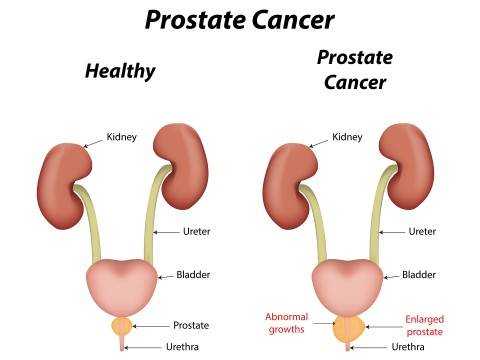
Weight gain and prostate cancerOne of the hormone therapies involves increasing the production of LH-RH. Luteinizing Hormone-Releasing Hormone (LH-RH) is a hormone which is produced by your body. This lessens the production of testosterone. The drug given induces the generation of this hormone. One of the side effects of this therapy is weight gain. Along with this, breast pain, hot flashes, nausea, and growth of male breast tissue might occur. Apart from hormone therapy side effects, the presence of fatigue can also stop a patient from regularly exercising, thus, resulting in gaining weight. However, it is important that this weight gain is averted as the chance of cancer returning is a possibility. You can keep your weight in check by following these tips: Ask your doctor if your hormone therapy can lead to weight gain. If you receive an affirmative answer, then ask for a diet chart to be followed. You can also keep a food and activity journal to get an idea of how your body is reacting to the treatment. Inculcate physical activity in your schedule. This will not only help to reduce fatigue, but also keep at bay the chances of becoming constipated or feeling nauseous. Medical studies have shown that cancer patients must have at least 2-1/2 hours of moderate physical exercise per week. Have about 2.5 cups of fruits and vegetables every day. Also, shift to whole grain food items. You should also consume at least a cup of legumes, for example, beans, to keep up your protein levels. It is best to opt for lean protein snacks like yogurt and chicken. You must stay adequately hydrated during your treatment. Drink about 10 to 12 glasses of water everyday. Do not consume excessive amount of sweetened beverages like coffee and cola. Have a small portion of nut and nut seeds. If you feel distressed due to the therapy, go for a massage. These have been proved to reduce anxiety and stress caused during the treatment of cancer. Most importantly, keep up with your appointments with the doctor and convey the bodily changes that you may notice. Have an optimistic outlook towards the treatment and do not repress any emotional disturbance. Weight gain in men who had been previously healthy often leads to depression regarding weight issues. Being proactive and focusing on keeping your weight under check is the key here. You could also approach a psychologist if you have been feeling low. The LH-RH therapy is also known as Androgen Deprivation Therapy (ADT). This therapy leads to a weight gain of around 9 pounds within a year of starting treatment. You can make sure that your weight is controlled by altering your lifestyle and getting adequate physical exercise everyday.
Handling post retirement bluesYou have given the best years of your life to your career, and now it's time to say goodbye and get ready for the retired life. It is a phase laden with expectations of all things you were too busy to do while working - spending more time with family, going on that fishing expedition, or going on leisure trips around the world. However, despite the wonderful things to come, retirement can get unusually trying and mentally taxing. After all, how many of us really have the flexibility of mind to take this period as a challenge and be the master of our destinies? Just because you are retired doesn't mean you have to wither away and wait for death to claim you. So, here's what you can do to beat the retirement blues Catching up: This is really a bewildering time, as you have a lot of catching up to do, with a lot of things. Prioritize the things you want to do and proceed confidently. You may want to spend time with children, spouse, friends, etc. Go easy on yourself, as you may not be able to fit in as many things in your schedule all at the same time. Boost your self-esteem: Retirement is particularly trying for those who have occupied important positions in office. Such people are known to throw tantrums, as they feel less wanted than before. So don't ever make the mistake of treating your family like you treated subordinates at work. That was a role that you played then, and without reducing your importance or self-esteem you can now play a different role with your family as a friend, philosopher and guide. In fact, you can use your contacts and keep the old network alive by involving youth in your field of expertise and help them benefit from you. Catch up on exercise: The more physically fit you are the less likely that retirement will be a painful process. Perfect time for you to catch up on the fun times with your spouse to remind you of all the great times you have had all these years. If your spouse is not in the best of health then just being together is such a wonderful experience in the golden years. Financial health: Your peace of mind and self-esteem largely depend on how independent you are financially. You can take up a part time job or think of innovative ways to let your hobbies and interests generate money for you. This should be an enjoyable process by which your self-esteem can really benefit. Support groups: There are informal or formal associations of retired people that do various activities like travelling. Make yourself available to them. Sometimes retired people withdraw into a shell and that only makes things worse. These support groups give a fresh perspective on all things in life.
Menopause and mental health!Menopause is the period in a woman's life when her man claims she is going crazy. It is also the time when her period is on the decline and hormones are in complete disarray. Depression, insomnia, irritability, mood swings and lack of concentration are few symptoms that the lady has to battle with. These symptoms may begin as early as 4 years before the actual menopause and may continue for several years after that! For women, menopause is a significant turning point in their lives. The dropping levels of oestrogen and the resultant physical and mental symptoms can be like a cycle of events, only adding to their woes! Depression: Depression affects every middle-aged woman. An estimated 20% of women have depression at some point during menopause. The peak period for depression is during the perimenopausal years, when the woman is approaching menopause. The reason for this, say experts, is the fact that most women dread menopause. Even though for some it means an end to years of menstrual cramps, for most others it signifies an end to their womanhood. The very idea is sufficient enough to bring on lots of negative thoughts and depression. Not only this, the reason for depression during perimenopausal and menopausal age is the fluctuating hormones. Research shows that the levels of reproductive hormones, specifically oestrogen are responsible for the mental changes. Changes in the sleep pattern: Insomnia is seen in 40 to 50% of women in the menopausal transition phase. Women who spend sleepless nights are more likely than others to show irritability, crankiness, stress and depressive symptoms. Sleep disturbances during menopause have been linked to the decreasing oestrogen levels. Indeed this claim can be held true as several women respond positively to exogenous hormone therapy. One study claims that sleep changes are linked to the Luteinizing Hormone levels, which also results in increased body temperature. Sleep apnea too occurs in the menopausal transition age. This is due to decreased progesterone level, as progesterone plays an important role in respiration. The weight gain that happens during menopause has also been shown to cause sleep apnea. Panic disorder: Panic disorder is commonly seen during the perimenopause stage. Existing disorder may worsen or new disorder may arise. Panic disorder is usually manifested in women who show several physical symptoms of menopause. The panic attacks are usually associated with negative life events, pre-existing medical diseases and decreased daily functionality. Obsessive compulsive disorder: New onset of OCD, worsening of the existing condition or change in the pattern of symptoms is seen during menopause. OCD changes are also observed during pregnancy and during the menstrual changes, suggesting the impact of hormones on symptoms of OCD. Bipolar disorder: Women with bipolar disorder experience an exacerbation of symptoms during the perimenopausal stage. These women are also the ones that are highly likely to experience severe depression in the menopausal phase. Schizophrenia: Schizophrenia usually manifests itself in young adulthood. The rate of new cases decreases gradually thereafter, in both men and women. In women, however, there is a second peak in the 45-50 years age group. This peak is not observed in men. This suggests that oestrogen may play a significant role in triggering schizophrenia or worsening the pre-existing condition.
Pamper the newborn without forgetting yourselfIf you are a new mom, chances are you are busy 24/7. The baby's complete dependence on you helps you bond with him/her and makes you aware of the responsibility that is now on you. But, your own health is an equally important responsibility. So, you need to give yourself permission to take care, or even pamper yourself from time to time. Here are simple ways for you to look out for yourself. Eat your favorite breakfast: As your day starts, you need fuel to keep your energy levels high. So, grab your hands on healthy and tasty breakfast options like whole grain cereal, skim milk and sliced strawberries or a banana. The combination of lean protein, whole-grain foods, and nutrient-rich fruit allows the brain to form more feel-good chemicals. Don't let stress come near you: We know that a lot of changes in your life have transpired, due to the entry of a baby in your world. The difficulty to cope with the changes may cause stress and depression. Try to avoid stress by asking for your husband's and relatives' support. Take a walk with your baby: Walking with your baby in nearby parks will give you fresh air and it is an excellent form of exercise. Don't be sleep deprived: Having a baby doesn't mean that you have to always sacrifice your sleep. Never miss an opportunity to sleep or take rest. This will keep your energy levels high for the day. Sleep when your baby sleeps. Delegate baby care: Parenting is not your sole responsibility. Ask your husband to lend a hand in taking care of the baby for some time. Not just the husband, if you live in a joint family, you can ask other relatives for help as well. Don't be a multi-tasking person: We know a woman has so many roles to play. But, it doesn't always have to be that way. Being a new mom, you must focus on one activity at a time. You can prioritize your tasks, if you have a lot of things to do. Exercise regularly: Add exercise to your daily routine. Choose the exercise which you love and enjoy, like walking, cycling, yoga, swimming or aerobic dance. Consult a doctor before starting any exercise program.    
Bonding with the babyIt is an immense pleasure to hold a baby in your arms, isn't it? The bonding between amotherand her baby starts within the womb itself. When the baby is born, a few parents bond with the baby within minutes. But for others this may take some time. If the baby is taking time to respond to your affections, don't worry, here are some tips to help you with the bonding. Babies respond to the mother by making sounds, grasping, smiling, or crying. Touching, holding, kissing, cuddling, talking and singing help build a bond with your child. Infants prefer a human face to any other stimuli. So face your child as much as possible. The attention span of a new born baby is quite short. Hang a colorful object on top of the pram, cradle,or cot. Your baby already likes toys of different shapes. Various reflexes develop by the fourth week after birth. These include sucking, grasping, searching for the nipple and blinking. Baby may gaze at you some time. Respond by nodding, smiling, and talking to the baby. Babies are sensitive to their surroundings. They respond to music or the phone ringing by staring at it quietly. They observe toys keenly, spot colours and become happy at times. These are heart warming moments for the parents. Father's care usually builds a protective and secured feeling in a child which he carries for life and prevents building of any unreal fears in him in later life. So dads should care for and make their babies feel secure. You love to touch your bundle of joy, right? Babies love, enjoy, and need it as well. Skin-to-skin touch helps growth and development of the child. Mom's touch soothes the baby when he is irritated. Start reading to your child. It is never too early. It helps the development of reading skills and language. Babies enjoy pictures in the book. Even if baby can't understand words, they love to hear the parents' voices. During the first few months, they understand little of it, but they are thrilled by listening to you. Have a short reading session with your child daily.Dads can try this trick to make the baby sleep. Carry her around while patting her very gently on back.
Get the couch potato out to playKids in the modern day are increasingly getting lazier and unfit. Watching TV, playing games on consoles and smartphones, and spending time on social networks is eating into time which would otherwise be spent playing outdoors.The lack of exercise comes with a host of problems, which can affect kids in childhood or later on in life. Therefore, parents must encourage kids to exercise by being an example. However, do keep in mind that there is nothing that will bore a kid than treadmills or lifting weights. Playing sports is often the better way to go. Give aerobics a try Aerobic exercises can help kids to stay fit and also can be fun at the same time. The common perception is that aerobics involve dancing a set pattern. However, aerobics is any exercise that increases your oxygen intake. Outdoor activities can include basketball, cycling, soccer, swimming, tennis, walking or running Along with aerobics, children should also do stretching exercises, which help in improving flexibility, allowing muscles and joints to bend and move easily through their full range of motion. Getting your kids excited It is important, however, to communicate with your child the need to exercise. You could encourage them to take part in outdoor games at school as well as in the locality where you stay. You should regulate the number of hours your kid can spend in front of the TV or PC. This way she will look for means to play outside the house. You can also play with them yourself. It will be fun for the both of you, as well as helps you bond with your child. Exercising for at least an hour a day is ideal, and it broken down into chunks of 15 minutes at a time.  
Boost your self-esteemSimply believe in yourself. Life need to be made lighter. Pulling yourself down over trivial mistakes and not reaching certain standard definitely does not help.  Your self-esteem affects the way you interpret messages from others. It affects relationships, academic achievement, and living life to the fullest. Thus, recognize your true potential in life and work towards it. Those who have a high self-esteem always have an “I think I can” or “I will” attitude! This makes life much happier for them. Ups and downs in life are inevitable, but this should not bring down your self-esteem. One should work towards maintaining a high self-esteem at all times.  You need to have the power to control your self-esteem. It should not suffer from negative messages from others; in fact, negative messages should be viewed as constructive criticism. There are many ways in which self-esteem can be given a boost. Accept yourself and increase your inner stability so that you will not need validation or attention from other people. Meet new people. Follow examples of successful people. Don’t worry about how others might judge you. Don’t be afraid to try something new. Failures may come your way, but they are the best teachers in life. Make a list of your strengths and weaknesses. Make the most with what you are best at, and strengthen your weaknesses. Focus on the positives and practice positive self-talk for encouragement. Avoid doing things just to “go along with the crowd.” Gather courage to express yourselves and ‘stand out’ from the crowd, as every new encounter is a learning experience. Develop a support system of friends. They will give due emotional back-up. Put into place good healthy habits; ensure the right kind of diet. Controlling the mind is essential for a healthy body. A stress-free mind is healthy and calm, which will incorporate positive thoughts. Give credit where the credit is due. Praise others and accept compliments in good spirit. This builds confidence. Keep criticism to a minimum, as it brings about negativity. Appreciate life. Look your best to feel your best. It is important to be well groomed. Improve your personal living space. Perfect your skills and practice your talents. Reward yourself often. It’s nice to pamper yourself once in a while. Stop comparing yourself to others; this will increase your stress levels unnecessarily. Your self-worth should not be based upon what others think of you, but how you feel about yourself. Communicate with others, colleagues, neighbors, family, and friends. Be social. Do something for someone else – a random act of kindness! They fill up the void and bring about a different level of happiness. It is beneficial to spend some time alone by yourself. Review your mistakes and analyze the experiences in your life. This should be carried out as a self-therapy, and not as a habit. Do not become a loner. Everyone is a unique. No one else is like you in the whole wide world. This makes you special already! Everything starts with you and ends with you. Remember, nobody can insult you without your permission!! A low self-esteem gives rise to health problems like depression, loss of interest in life, and stress. It is not difficult to correct this stage which comes in everyone’s life. Learn to rise above these shortcomings and improve your outlook about yourself. Confidence comes from not always being right, but learning to be wrong. - Peter T. McIntyre.
Diet to help manage stressYou cannot avoid stress, as it has now become an integral part of modern lifestyle. Children are worried about their exams and performances in the cultural events, teenagers are stressed out about their looks and body shape, adults take stress owing to competition at work, and so on. One thing is sure that you cannot stay away from stress. So, how can you avoid the side effects caused due to stress? You can include certain foods in your diet that help manage your level of stress. Researchers are already on to it, studying the effects of various foods on the stress levels. It is always better to choose from the organically harvested nuts, veggies, fruits, and fish for better health benefits. Nori Sushi nori is a type of seaweed that is rich in magnesium that contains anxiety-fighting properties. Magnesium is also known for stress reducing abilities. Apart from this, it also carries other essential health nutrients that are necessary for the overall development of health. Vitamin C Foods Cantaloupe is composed of vitamin C that is a renowned stress buster. Another great stress busting food is orange. When you are under stress, adrenal glands in your body start producing cortisol that lowers your immune system's capacity. This leads to breaking down of muscle tissue. Vitamin C in oranges have the ability to return the high blood pressure to normal level. Moreover, when you are stressed there are chances of this vitamin getting used up and hence the need to increase your intake of vitamin C rich foods. Another popular vitamin C enriched food is blueberries that are also packed with lots of antioxidants which relieve stress. Almonds Almond is a treasure trove of essential nutrients such as vitamin E, B2, zinc, and magnesium. Although they are high in fat, they provide your body with all these essential nutrients. You can easily have a handful of almonds every day and still feel less guilty about.  Apart from the fat, energy, and the essential nutrients, almonds give the brain and its memory a shot in the arm. Broccoli Broccoli is rich in vitamin B and folic acid, both proven stress busters that helps in giving you relief from panic, anxiety, stress, and depression. Bananas Bananas contain one of the most important amino acids - tryptophan that gets transformed into serotonin which is a stress-busting hormone that is known to induce a feeling of well being. This makes you happier and gives you relief from stress. Banana is also rich in potassium. Potassium regulates the heart due to which the blood pressure can be kept under control. That is why many health experts recommend inclusion of a potassium-rich diet, as it normalizes your heart rate and help you calm down in stressful situations. This makes banana an essential food addition to your diet. Chocolate The dark chocolates are bitter and give you a feeling of satiation despite the little amount you devour. Due to this feeling, you eat less, but you still enjoy the flavor of the chocolate, much more than the milk chocolate varieties. When you are under stress, most of your body organs are vulnerable to damage. The antioxidants polyphenols that are present in the dark chocolate slow down the damage and also contribute in its repair. Studies have also revealed that 40 grams of dark chocolate per day helps reduce stress-causing hormones such as catecholamine and cortisol. Increasing the intake of stress busting foods in your daily diet can help control diabetes and hypertension.
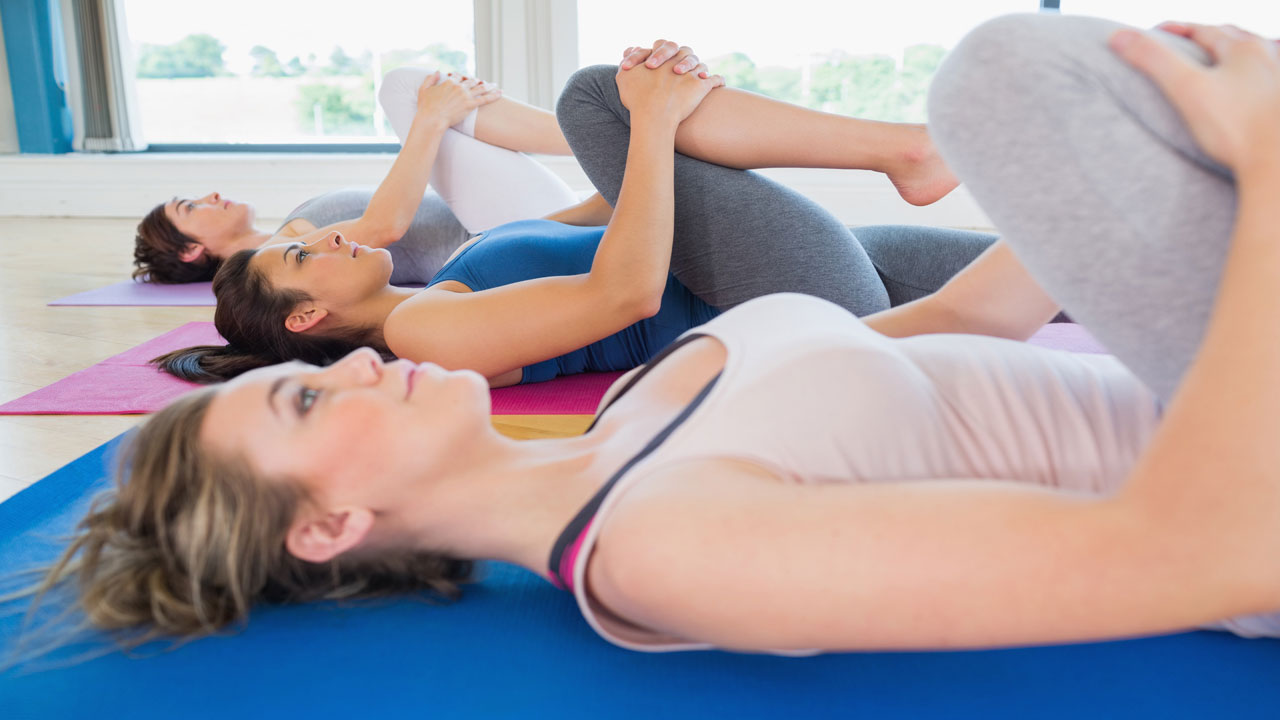
Arthritis friendly workoutsRheumatoid arthritis is more common in women over 60, and is the inflammatory type of arthritis where the synovial fluid functioning is disrupted. The synovial fluid maintains the health of joints, bones, and cartilages. Osteoarthritis is the most commonly occurring type in both men and women, and in this type there is gradual wearing away of the bone cartilages, which, in turn, causes stiffness, and pain in the muscles, joints and tendons. There is a classic catch 22 situation in arthritic patients and that is they avoid exercise or are advised extreme caution while exercising. The pain and soreness which comes from exercising can be extremely discouraging, so some shun exercise altogether. Now, the lack of exercise is going to precipitate the condition further, and could even increase the soreness, and lead to deformity. This is what challenges most arthritic patients. Should someone with arthritis be allowed to exercise? And if yes, then what type of exercise will prove to be most beneficial? Main question is: Are there any arthritis friendly workouts? Doctors now recommend that exercising could actually work wonders for arthritis patients. The right method and type of exercise can help ease the inflammation and soreness of the joints, and build overall health, strength and flexibility of the bones, and joints as well. What would be a good exercise routine? The arthritis foundation recommends routines which exercise the flexibility of the joints, and build muscle mass, for better shock absorption, coupled with physical endurance should be specially designed for arthritics. Regular walking: Walking is a great exercise for arthritics. Walking at a steady pace for about 30 minutes, thrice a week, can help keep the limbs active, and could reduce the swelling at the knees, and hip joints. Warm up is absolutely essential in any work out, and here it is of paramount importance that you go through a warm up routine before you begin your walk. Simple leg raises, hand to toe stretches, and light back bends can be done to warm up the muscles and joints for your walking activity. That will also reduce the possibilities of strain or sprains of the ankles along the way. Choose your exercise route to ensure that you don't walk up a gradient, and put unnecessary pressure on your knees and ligaments. Aquatic Exercises: Exercising in water is perhaps the best possible alternative, as water is absolutely low impact. This is great for arthritic patients to reap the benefits of a swimming pool workout. The easiest for chronic arthritis patients would be to simply walk, or wade in water for about 20-30 minutes. This can help greatly with building strength, and endurance in the extremities. For enhancing co-ordination you can even try walking backwards in water, or simply float and relax the body. Avoid water which is too cold, as that might adversely affect your condition. Stretching and Yoga: All easy stretches for the limbs and joints will be helpful to facilitate ease in movements, and dealing with joint pain. Standing leg raises, shoulder raises, wrist rolls are exercises which can be done quite easily, and can help keep the body supple. Though yoga also enhances flexibility, it goes way beyond just that, and actually aims at harmonizing the life force in the internal and external organs as well. No matter what type of exercise suits you, always remember: Proper warm up exercises are a must for the arthritic patient, as that can help reduce, and eliminate the possibility of injuries while working out. Do not force your body into an exercise regimen, if you are experiencing pain. It is quite ok to take a day off if the joints are sore. Get into an exercise routine slowly as your body might take a little longer to recover from it. Always seek the advice of an expert or a doctor before making any alterations to your regimen.

Easy tips for fresh breathBrushing your teeth twice daily is not enough for fresh breath. How well you brush, and how long you brush are equally important, as are flossing regularly and eating right. 19 year-old Rita suffers from bad breath. It is a huge drawback for her. No one at college wants to be her friend. Her doctor suggested that she brushes twice daily, and also prescribed a good mouth wash for her. Following this advice has not helped her much. There must be millions of us who identify with Rita's problem. Halitosis, or bad breath, is a huge embarrassment not only for the person who has it, but also for the person who has to bear it. It can be a cause of social isolation, as seen in Rita's case. A fresh smelling breath is a sign of good hygiene. A fresh breath makes you more confident of yourself, and you feel ready to face any challenge that life throws your way. So, what do you do to keep your breath minty fresh all day? Brush twice a day, and use a good mouthwash regularly, would be your reply. But is this enough? Let us start by busting a few myths here! Mouthwash will give you fresh breath all day long. It won't. It will only make your breath fresh temporarily. As long as you brush your teeth regularly, you need not worry about bad breath! Brushing your teeth is necessary. The key here is how long and how well you brush. Most of us brush for 35 to 40 seconds, which is just not enough. One needs to brush properly over all the surfaces of the teeth to clean them well. This should take you not less than two minutes! And you thought brushing twice daily was enough! Here are a few tips to keep your breath fresh: Bad breath is the result of bacterial activity in your mouth. One of the reasons for bacteria to grow is due to dryness. So, never let your mouth go dry. Keep your mouth well hydrated. Drink loads of water. One of the other reasons for bacterial activity in the mouth is the food particles that get accumulated in the cracks between your teeth. Be sure to rinse your mouth well every time you finish eating something. Flossing is an activity you should never ignore. Flossing does what regular brushing cannot do; It removes the food stuck between your teeth. Avoid foods that cause bad breath-like coffee, tea, sugary drinks, garlic, onions, or broccoli. Sugarfree gums are a good way to keep your mouth hydrated, as they increase the flow of saliva. Gel based toothpastes may give you a fresh breath, but the effects are temporary. Go for fluoride toothpaste that is good in the long run. Yoga poses like the Kapal Bhati Pranayam, Sheetali Pranayam, Sheetkari Pranayam, Yoga Mudra, Simha Asana are effective in combating bad breath. Visit your dentist regularly, and get your teeth cleaned professionally. Avoid junk food, and foods that are rich in sugar and fats. Instead, go for fresh fruits and vegetables. Quit smoking and alcohol consumption. Simple things like brushing daily, flossing daily, rinsing your mouth after every meal, and eating right can help you keep your breath smelling fresh all day long.
Stress-free sex: Know your safe period!Having sex is a pleasurable thing; and the nicest way to enjoy it, is to give in without being bogged down by the fears of getting pregnant. Not every act of sexual intercourse will result in pregnancy. There are days when your chances of conception are very high, just like there are days when the chances of getting pregnant are almost nil. Identifying these days will help you enjoy a better and a more stressfree sex life! A woman's menstrual cycle starts from the first day of  bleeding and ends about 28 days after that, on an average. Ovulation occurs on the 14 day of the menstrual cycle. The 14th day is the ideal day, theoretically. Since every woman's menstrual cycle differs, the day of the ovulation also differs. Hence doctors calculate the fertile period from the 12th to the 18th day of the menstrual cycle. This is the period when the chances of ovulating and hence getting pregnant, are optimal. The 1st to the 7th day and the 19th day to the start of the next cycle, are the days when the ovulation chances are very low. This means if you make love during these days, there are very little chances of you getting pregnant. This is the case with women who have regular period cycles. In case your cycles are not regular, then you would need to do a bit of math to calculate your safe period. For example, if your shortest cycle is of 26 days and the longest cycle has been of 31 days, then: 26-18= 8 and 31-10=21, which means the 8th to the 21st day of your cycle, are the most fertile days. The 1st to the 7th day and then the 21st day to the start of your next cycle, are the days that are safe for you to enjoy sex, without fear of getting pregnant. Opting to have sex during the 'safe period', isn't always fool-proof though. A lot of women have irregular cycles and the cycle length can vary from woman to woman; which is why the so-called 'safe period', is in truth, not 100% safe. It is always better to use condoms or other contraceptive methods like the oral pill to prevent unwanted pregnancies.
What Is slowing down your sex driveBeing sleep deprived can lower the levels of sex hormones in your body. Are you feeling dull lately and wondering what happened to your sex drive? May be, the stressors in your life are also creeping on to your bed. Find out some of causes that could be the reason behind this. Lack of sleep: Hectic work and busy life takes a toll on everybody. The first hit is your sleep - the hours go down, the quality reduces and the effects are insufficient. Sleeping six hours or less can push down the levels of testosterone in the body. Testosterone is the hormone that influences sex drive for both men and women. Though it is primarily a male hormone, it is also present in small quantities in all women and drives their sexual desires. Emotional problems: Stress, tensions, depressions, irritability, anger are negative emotions that lower the sex drive. Try not to bring the work pressures home. Marital problems or relationship issues may be hampering your bond with the spouse. Weight gain: Being overweight makes you lazy, tires you easy and decreases your self-confidence, especially in bed. When someone is not comfortable with his/her body image, it affects their sex drive. The pill: If the wife is on the contraceptive pills. The period of ovulation is the time in a menstrual cycle when there is a surge of testosterone in a woman's body. During this period, she experiences a strong sexual desire. The pills regulate the hormonal activity and reduce the sex drive to some extent. Alcohol: If you are feeling a little tipsy, be prepared to pass out and fall in deep sleep as you hit the bed. No scope for sex drive here. In the long run, increased consumption of alcohol can affect erections and make you generally dull. Diabetes Mellitus: Uncontrolled high blood sugar levels lead to impotence in men and dryness of the vagina in women. It also increases the risk for urinary infections. This results in lowered sex drive. Medicines: Some medicines like the anti-allergic ones and the antidepressants reduce the sex drive. Don't let complications of life affect the intimacy in your relationship.
FAQS
T&C FAQS