Home
Handling post retirement bluesYou have given the best years of your life to your career, and now it's time to say goodbye and get ready for the retired life. It is a phase laden with expectations of all things you were too busy to do while working - spending more time with family, going on that fishing expedition, or going on leisure trips around the world. However, despite the wonderful things to come, retirement can get unusually trying and mentally taxing. After all, how many of us really have the flexibility of mind to take this period as a challenge and be the master of our destinies? Just because you are retired doesn't mean you have to wither away and wait for death to claim you. So, here's what you can do to beat the retirement blues Catching up: This is really a bewildering time, as you have a lot of catching up to do, with a lot of things. Prioritize the things you want to do and proceed confidently. You may want to spend time with children, spouse, friends, etc. Go easy on yourself, as you may not be able to fit in as many things in your schedule all at the same time. Boost your self-esteem: Retirement is particularly trying for those who have occupied important positions in office. Such people are known to throw tantrums, as they feel less wanted than before. So don't ever make the mistake of treating your family like you treated subordinates at work. That was a role that you played then, and without reducing your importance or self-esteem you can now play a different role with your family as a friend, philosopher and guide. In fact, you can use your contacts and keep the old network alive by involving youth in your field of expertise and help them benefit from you. Catch up on exercise: The more physically fit you are the less likely that retirement will be a painful process. Perfect time for you to catch up on the fun times with your spouse to remind you of all the great times you have had all these years. If your spouse is not in the best of health then just being together is such a wonderful experience in the golden years. Financial health: Your peace of mind and self-esteem largely depend on how independent you are financially. You can take up a part time job or think of innovative ways to let your hobbies and interests generate money for you. This should be an enjoyable process by which your self-esteem can really benefit. Support groups: There are informal or formal associations of retired people that do various activities like travelling. Make yourself available to them. Sometimes retired people withdraw into a shell and that only makes things worse. These support groups give a fresh perspective on all things in life.
Anger management in menThis isn't a tirade against TV Violence. On the contrary, why blame the movies for spewing out blood, guts and gore, when all they really do is reflect the times we live in. Art imitates life doesn't it? So why blame the rising crime graph and street violence on TV and movies? Why not peep within our own selves and see the sheer ferocity of the anger which we project collectively on box office sell-outs. Examine the angry man within. So well you shrug it off and say "We didn't start the fire, it's been always burning since the world's been turning." You can certainly do your bit to help douse that fire before it turns into a conflagration, spiralling out of control until it consumes you mentally, physically and spiritually. Anger is bad. Period. Inscrutable and mysterious indeed are the ways of anger. It is to do with the pace of one's life in these times which starts it all we suppose. Then comes the classic conflict between nature and nurture further adding 'reddie points' to the anger account which is ticking away somewhere accruing interest. Someday something as silly as a traffic snarl or a bad joke or anything really trivial or big; justifiable or unjustifiable will cause this anger to spew out like molten lava from the fissures of your head. Self control, restraint and tranquillity are then mere concepts which lie in a crumpled heap as the angry young man in you takes over and hits out at everything within sight. Since time immemorial, the male temperament has been programmed to hunt, protect and gather. The caveman in most males has not evolved at all! It now wears a suit and goes hunting gathering in his corporate cave. This is the monster in most of us we have to tame through "Anger Management". We might have taken a dig at the caveman being the corporate type, but he could be anyone with an anger issues - you, me, the petrol pump attendant or even Sean Penn and Charlie Sheen. Celebrities often have the luxury of having anger issues and, as we all know it, many a famous anger tantrum is often overlooked as a creative outburst. For us however it could mean a long term in jail and much worse - our days filled with regret! Anger is an emotion and therefore much as I hate to say it necessary to tell us something is not right. So it is nature's way of helping us perceive through our senses and feel anger as a result of that perception, much like happiness and sadness. However anger has a particular corrosive quality about it which if not expressed or acknowledged can wreck havoc on a man's health. Why do you think men outnumber women right from barroom brawls to health conditions like hypertension, heart attack and migraines? Most men when questioned after socking the living daylights out of someone state that they just had that lightheaded feeling as the serpent raised its ugly hood, the blood pressure shot up and adrenalin coursed through the veins, the ears heard that sickening thud of a pacing heart and then "The other guy was down on the ground and I didn't even feel a thing when I sliced his throat open! Honest! I have issues!" Can you imagine how horrifying it must be to lose our faculties and go berserk? Can you imagine how many innocent people are victims of road rage and unjustified violence? So how do you ditch that anger? First step is to find yourself a relaxation routine and deep breathing exercises can help you be more in control of your temper. Relax your muscles of all that tautness which anger makes it do. Consciously at a regular time do this relaxation routine. Feel your body respond by 'letting go' of old holding patterns. Yoga Postures, especially the 'Shavasana' can help tremendously by relaxing excitable natures and enables them to relax the body at will. Next time you feel angry about something you will find yourself responding appropriately. Remember it is you against anger. Tell yourself that anger is like a serpent it might bite its owner. So find a suitable method of letting out your anger, and know that doesn't include steeping down on the accelerator and running into the back of someone's car. That is anger getting the better of you and that's 'Road Rage' and Murder and suicide. Punch a pillow, get a pair of boxing gloves and wallop the hell out of a punching bag, run a mile, shout your head off in a deserted place if you must, but unclench the jaw and fists and maybe you will start seeing the lighter side of things. There are enough things in this world that truly deserve your anger. Without anger sometimes we cannot enforce change on the negative things in society. Whenever we hear of a rape of a helpless woman on a bus we are bound to feel anger. However letting that anger getting the better of us and going in for instant vigilante justice for perceived crimes is just as wrong. Then what sets us apart from people who rape, loot, plunder or murder? If we all exercise restraint and express anger as and when it registers instead of holding it inside would help a great deal. If you are angry about being given the short end of the stick at work and if for some reason you cannot express it then ensure that you don't implode by keeping it in or explode somewhere it is completely unwarranted. There will be a day when we will hear "TV Violins" instead of watching TV Violence.
Honeymoon cystitisHoneymoon cystitis is a term for urinary tract infections that occur commonly during early marriage. Sexual intercourse is the primary reason for developing this infection. The infection occurs when the E. coli bacteria that are normally present in the bowel are introduced into the urethra. This may happen through sexual intercourse, inserting unclean fingers or objects into the vagina. Women who wash their private parts from the back to front also have an increased chance of developing infection. Symptoms of honeymoon cystitis may include a burning or painful sensation during urination, the urge to urinate frequently, cloudy urine, blood-tinged urine, and/or pain above the pubic bone. Any of these is enough o play a spoilsport and dampen your honeymoon mood! Symptoms of honeymoon cystitis generally emerge within a day or two after bacteria are introduced into the urethra. A physician can confirm the diagnosis of infection through a simple urine test. The treatment usually involves antibiotics and pain-killers. What care should you take to avoid honeymoon cystitis from recurring? Use water based lubricant during sexual intercourse Urinate before and immediately after intercourse to flush out the bacteria from the urethra. Drink plenty of water to keep the urine normal Avoid coffee, tea and aerated drinks See a gynaecologist or a urologist if the problem recurs.  Urinary tract infections are extremely common in women and are the leading cause for visits to the doctor.
Dilemma of a working woman - How to stay healthy!Women want to be healthy and beautiful. But most of us are not able to find the time to exercise or plan our meals. We pay more attention and money on therapies to look good externally. But good looks come from good health, and good health is an outcome of a healthy lifestyle. Healthy lifestyle helps in preventing illnesses and makes us more efficient. Improper and irregular diet, lack of physical activity, and stress are the chief causes of poor physical and mental health. Most working women today are occupied with their desk jobs, and as a result have a sedentary lifestyle. Eating junk food most of the times makes the matter worse. So if you want to stay healthy, here are some changes you can make. Add movement to life. Activities like walking, gardening, swimming or aerobics help build endurance and relieve stress. Choose something which you think you can consistently - Yoga, aerobics, cycling or even dancing. Balanced diet plays a pivotal role in fitness. Fruits, vegetables, and whole grains are a must in your diet. Antioxidants in fruits have an anti-ageing effect. Choose to eat in order to satisfy hunger and build healthy body, and not to feed your emotions. Avoid junk and processed food. They are empty calories. Drink water. Dehydration affects metabolism. Drink 8-10 glasses a day to flush out the toxins. Add liquids like milk, fruit juices to your diet. Positive thoughts help build a healthy mind and a healthy mind ensures healthy body. Do not smoke cigarettes or drink alcohol to deal with stress. Try yoga, meditation, listen to music, or take a nice shower to relax. Rest and relaxation helps to cope with daily stress. Making these lifestyle changes as a regimen will surely help working women to live a life of health, wellness and fitness.  
Avoiding nappy rash - A few words of adviceNappy rash is a skin condition that takes its name from the nappy in which a baby is wrapped. It is a reddish rash, or tender skin around the buttocks and inner thighs of babies, which occurs due to prolonged wetness from either urine, or stools, or both. Nappy rash may be in the form of an unusually tender bottom on a child, or an inflammation around the genitals, and inner thighs, or folds of the skin. It generally occurs in really small babies, less than a year old. Most times, nappy rash is not a very serious condition, provided care is taken. No matter what type of nappy you use, whether promising complete dryness, or absorbent nappies, your baby is likely to develop 'nappy rash' at least once. The rash can make the baby feel uncomfortable, and cranky as a result. Steps to avoid nappy rash: Always ensure that your baby's bottom remains dry by changing nappies at regular intervals. Use a mild medicated baby soap which will help in keeping the skin around the inner thighs and buttocks soft. Give your baby some nappy free hours. You will be the best judge to know when she is likely to have comparatively dry spells, which can allow the skin and parts below the waist some breathing space. Regular bathing should take care of most rash related problems. Use an emollient, or medicated soap for bathing. Sometimes, nappy rash is a result of a thrush or yeast infection. The baby's resistance at these times is low so that it allows the yeast to thrive in the form of ugly red patches. Always show a medic to rule out the possibility of bacterial infections. Anti-fungal creams should also take care of normal nappy rashes.    
Crave for non-food substances to put in your mouth? Go ahead take your pica!We all have strong cravings in some form or the other, especially for food. Just thinking of a chocolate cake or ice cream can set the mouth watering and the hand creeping to open the refrigerator. However, some people have an unusual craving and it is to consume non-food items. Everyone knows that children are known to eat chalk, dirt or lick walls but at times, even adults have this unusual craving for non-food items. This condition is termed as 'Pica'. One can understand a child popping something into its mouth as it's discriminatory skills are not developed, but what about fully grown adults who have this habit? Is it a mental ailment? One can't really call it a full blown mental condition as it occurs commonly in pregnant women. The cravings are as strong as any other food craving and sometimes these people go out of the way to satiate their cravings. So, right from paint thinner, to chalk to ink, ice, plaster, paint, linoleum to plastic bits can form the obsession or craving. Pica is a combination of psychological and biochemical processes and is generally a deficiency which sets about these intense cravings.  When pica strikes pregnant women, then it could be a cause for much concern and the doctor should be kept informed. While it is easier to indulge a pregnant woman's ice cream cravings if she also develops a thing for iron fillings on top of her ice cream, then obviously it can be a rather dangerous thing to do. Ice and chalk are comparatively harmless and other than affecting the teeth and the taste, do nothing much else, but what about turpentine and toxic materials? They can definitely interfere with the body's digestive processes and can even spread harmful toxins in the body to cause blood poisoning, intestinal infections, bowel blockages and lead poisoning or arsenic poisoning.  If you have such strong non-food cravings then before you give in to them talk about it to a medical practitioner. It could well be an iron deficiency or perhaps even anemia which is attracting you to chew pencils up or making you pop dirt in your mouth. If you are pregnant then certainly the doctor will need to address the underlying issue and ensure that the pica goes away before you deliver. Wouldn't want you chewing up the baby's soother now would we?
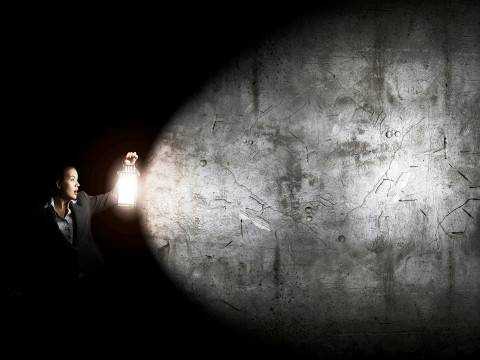
Afraid of the dark? understand your fear and cure it!Scotophobia, more commonly known as Nycotophobia, is a psychological illness, where the patient is afraid of the dark. Children are more prone to this fear, though it does affect quite a few adults as well. The dark often represents insecurity and uncertainty to children, and it symbolizes their entrance into an unknown territory. If the children are alone during their first few encounters with darkness, the absence of parents (who exemplify safety), tends to amplify this crippling fear. While most of us do actually possess this fear in relatively small amounts, as we grow up the fear diminishes. However, there are those of us who might carry this fear of the dark into their adulthood and in such cases, the fear is usually accompanied by quite a few intricate issues. People often tend to externalize a set of conflicting feelings about a certain situation, towards something else. For instance, you might be worried about your children; but your mind may externalize this fear, via your inefficiency at work. This process is called externalization. So, when it comes to the root of your fear of darkness, it is possible that at some point in your past, you experienced something untoward, which through externalization, inculcated this fear of darkness, deep into your psyche. Evolutionary Ties to Darkness: Many scientists have pointed out that this phobia might be linked to the process of evolution. Since predators hunt for their prey at night, we might have inherited this fear of darkness from our ancestors, who believed that darkness was a space where they could be attacked by wild animals. However, recent studies have shown that  Scotophobia begins at approximately the age of two in children, and thus, it cannot be said to be innate to us. In a study done by Ryerson University involving over 90 students, it was found that people who are afraid of the dark, are more likely to be poor sleepers, than those who are not afraid of it. More interestingly, it was discovered that any kind of noise made while the people with this phobia were asleep, frightened them the most.. Symptoms of Scotophobia: The first symptoms of this fear are the resistance to visit dark places and the yearning for company when such situations arise. However, many a times adults who are suffering from this fear, do not reveal it due to the added fear of embarrassment and this, sometimes, results in outbursts of rage when they are forced to go out for an event at night, or to confront the dark under any such circumstances. A person battling this fear may experience panic attacks, sweating and trembling prior to, or while staying in the dark. The blood pressure also rises, accompanied by chest pain and lastly, a difficulty in breathing. Diagnosis of Scotophobia: In children, this fear can be easily verified by their behaviour. However, adults might require further assistance, due to their natural resistance to openly admit to such a fear. Scotophobia can be diagnosed through a comprehensive psychiatric evaluation. Following this, your psychologist would be able to give you an idea of the source of your fear as well. Pursue a course of treatment immediately after the discovery of the phobia, which will ensure a faster and more effective recovery. Treatment of Scotophobia: The process of 'desensitization' is most commonly used to help with such a phobia. In this form of treatment, the patient is slowly exposed to the object of fear, in a situation where she/he will not feel vulnerable. This is done by asking the patient to confront the dark along with another individual who symbolizes safety for him/her. This could be a parent or a friend. Night lights can also be installed to gradually reduce the fear. You may try certain breathing exercises, which will reduce the panic attacks that accompany this fear. Hypnosis has also been said to be very effective in dealing with this phobia. If your psychologist sees fit, you might be also prescribed some medicines; antidepressants are given in some cases. Joining a self-help group is also a good option, in addition to your psychological treatment.  
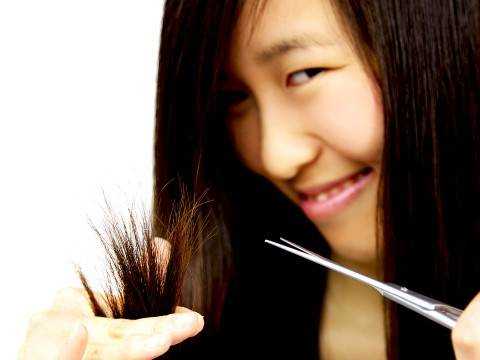
How to say 'Bye' to split ends? Check out these 10 tips!One of the main reasons for split ends is the use of curling irons and other heat-induced styling treatments. When you go for hair products like hair colors or perms, the shield over your hair's shaft that protects it can get stripped off, thus making your hair liable to split ends. You could also be mechanically stressing your hair by pulling them too much while combing or combing repeatedly. Remember that rubbing your hair up towards the direction of the scalp does not lead to split ends. While there is no remedy to treat split ends, there are ways in which you can keep them away. Did you know that a medical research showed that the only way to keep split ends away is to put a stop on the excessive use of chemical on it? Hairdresser, Holly Kensen, says that split ends are the results of pushing out the natural process and pulling in too many chemicals. It is best to stay away from the styling products and embrace your natural hair! TIP 1 : Get hold of a piece of rosemary (fresh ones are the best!) and immerse them in a cup of hot water for 30 minutes. Once the temperature of the water is back to normal, whisk an egg into it. Mix this blend onto your hair. Rinse after 15 minutes using a light shampoo. TIP 2 : Bring home a ripe papaya and cut it into halves. Choose the part which you believe will be sufficient for your hair. Take off the skin and seeds. Mash it until it becomes a paste. Then, drop a cup of yogurt and stir them into a smooth paste. Apply it on your hair and let it hold for about 30 minutes. Use cold water to rinse it off. TIP 3 : Condition your hair with castor oil. Mix equal amounts of castor, almond, and olive oil and apply it on your hair generously. Wrap your hair in a towel and let it stay for 30 minutes. Then, shampoo your hair. TIP 4 : After you have shampooed your hair, apply a mix of cream and milk on them for about 20 minutes. Focus especially on the ends. Rinse your hair with cold water. TIP 5 :If you decide to trim your hair on your own, then don't use the paper scissors! They are called 'paper' scissors for a reason. Get hold of hair shears which will not leave your ends damaged. TIP 6 : Trim your hair every six to eight weeks at least up to ¼ to 1 inch. Due to our environment, it is natural for the hair to get damaged in a few weeks. It is important to remove the split ends and let them grow healthy. TIP 7 : Do not trust products which say that they can 'cure' your split ends. Split ends are not curable. They are preventable. The only thing that these products do is to seal up the splits which only makes your hair unhealthy. TIP 8 : Try to stay away from chemicals as much as you can. Chemicals only tamper with your natural hair and ruin their texture. If you really have to use it then make sure you condition them regularly. TIP 9 : Use coconut oil to fix your split ends. Buy an extra-virgin and organic coconut oil. Before washing your hair, apply about 2 spoons of the oil on your dry hair. Emphasize on the hair ends. If you want, you can steam your hair for some time (about 20 minutes). Then, wash your hair with a light shampoo and condition them. TIP 10 :This is one of the best ways to help your split ends stay away: Get hold of chamomile tea and brew it on a pot. Then pre-rinse your hair with it. After you have rinsed them, wash and condition your hair normally.
The age of nutritionAdvantages of Healthy Eating: Increased mental acuteness Resistance to illness and disease Higher energy levels More strong immune system Faster recuperation times Better management of chronic health problems Eating Obstacles for Seniors:  Lifestyle changes: Lifestyle changes can be an eating obstacle. For example single seniors may not know how to cook or may not like eating alone. Activity level: Seniors often cut back on activity for physical and medical reasons. Weight gain can result from the decrease in calories burned. Metabolism: Every year over the age of forty, our metabolism slows down. This means that even if you continue to eat the same amount and kinds of food as when you were younger, you're likely to gain weight because you're burning fewer calories. In addition, you may be less physically active now. Taste and appetite: The senses of taste and smell diminish, so one may be inclined to season one's food more heavily than before even though seniors need less salt than younger people. One may struggle with loss of appetite due to lifestyle, loneliness or a medical condition. Health Issues: Physical ailments and prescription medications, become a daily exercise, and ends up often negatively influencing appetite. Digestion:Due to changes in your digestive system, you generate less saliva and stomach acid as you get older, making it more difficult for your body to process certain vitamins and minerals, such as B12, B6 and folic acid, which are necessary to maintain mental alertness, a keen memory and good circulation. Emotional Factors: Emotional factors such as loneliness and depression can affect your diet. For some, feeling down leads to not eating and in others it may trigger overeating. Specific Nutritional Recommendations for Seniors: Some important guidelines for seniors include Reduce sodium (salt) to prevent high blood pressure, Monitor fat intake in order to maintain healthy cholesterol levels Consume more calcium and vitamin D for bone health Eat more fibre-rich foods to prevent constipation Cut back on sugar and on dry foods Ensure getting recommended amount of important vitamins and minerals Increase water intake, and Perform regular physical activity Eating well as you age is easier than you think: Focus on good carbohydrates. Opt for whole grain nutrition (brown rice, whole wheat bread, rolled oats, barley, and millet), not refined "white" products, such as white bread, white rice, or products made with white flour. To manage weight and maintain optimum health, focus on eating efficiently. This means choosing foods that maximize nutritional value, not calories. Whole, natural, fresh foods such as fruits and vegetables, whole grains, nuts, legumes, healthy sources of protein (poultry, fish, eggs, and tofu) and dairy products that contain calcium constitute efficient eating. Highly processed and refined foods usually contain more calories and fewer nutrients. Raw equals roughage! Aim to eat at least one daily serving of your fruits and vegetables raw. This not only preserves their nutritional value, it's an easy way to eliminate constipation. Steaming is the best way to cook vegetables; it preserves nutrients. Light sauting is next. Bone up on calcium. All dairy products are not created equal. Milk, cheese and yogurt retain their calcium content; cream cheese, cream and butter do not. As part of a healthy senior diet, choose fat-free or low fat dairy products. Choose first-rate fats. Get your "good" fats from oils such as olive oil and sunflower oil, avocados and avocado oil, nuts and seeds. Keep it moist. In addition to drinking enough water each day, aim to consume foods with high water content. Staying properly hydrated flushes toxins from your body, relieves constipation, helps keep your joints flexible and your mind clear. High water content foods include melons, grapes, cucumbers, onions, apples, cabbage, and, of course, soup.

A guide to earwax impactionBiologically, the earwax which builds up over time moves through the ear canal from movement caused by chewing or other jaw motions. It is also extricated through the inside-out motion of the skin of the ear canal - it reaches the outer ear and peels away. The cerumen is produced in the outer regions of the ear and not in the inner recesses. Earwax impaction refers to the condition where the ear wax builds up to such an extent or in such a manner that it causes discomfort to the entire body. In many cases, earwax impaction occurs when patients use cotton swabs or safety pins to clean their ears, only causing the wax to drop deeper into the ears. The main symptoms of earwax impaction include difficulty in hearing, faintness, ache in the ear, foul smell in the ear region, ringing or sound in the ear (also known as tinnitus), a sensation of fullness in the ear, and lastly, discharge from the affected ear. The most vulnerable groups for this condition include those who use hearing aids or ear plugs, elderly people, and those who insert cotton swabs or other items into their ears, as well as those who have an odd ear shape which could negatively affect the discharge of the earwax and those suffering from development incapacities. Did you know that one of the most common methods used by people to clear excessive earwax is ear candling where a candle (in shape of a cone) is placed inside the ear canal and set alight to warm up and remove the wax? This is one of the most dangerous methods causing burns, worsened blocks, and damaged eardrums; this should be clearly avoided. The diagnosis of this condition can be done by an ear specialist using an instrument called otoscope. Earwax impaction is treated in many ways. While at home, you could try to clean the outer region of the ear by wiping with a cloth, the physician could irrigate or syringe the ear to wash out the ear canal with saline. This procedure is generally done once the wax has been softened by the use of cerumenolytic solutions aimed at dissolving the wax like mineral oil, peroxide-based ear drops, and hydrogen peroxide. Physicians also use special instruments to remove the built-up earwax like forceps, cerumen spoon, and suction tool. The best way to prevent cerumen impaction is by not inserting anything into the ears to clean it up. Cotton swabs should only be used in the outer part of the ear. In case you feel that the buildup is regular, then you can fix an annual appointment with your physician for cerumen removal.
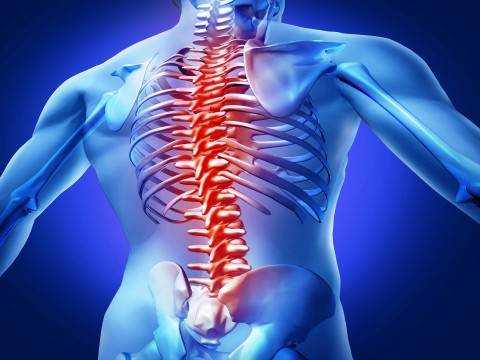
A fine spine - Common disorders of the spineThe spine is made up of small bones called vertebrae that are stacked one upon the other. When viewed from the side, the normal spine has gentle curves to it. Because the spine is a complex structure and happens to be at the center of all our activities, it is subjected to a lot of diseases. A common misconception of low backache is that you should rest. In fact, rest is not recommended at all. Keep up with light non-strenuous activities after the symptoms have subsided. Given here are a few common conditions of the spine: Loss of curvature: The spine, when seen sideways has gentle curves to it. The curves, when lost, can lead to pain and imperfect posture. Kyphosis and Scoliosis are the commonest form of spine curvature abnormalities.Kyphosis is the abnormal and excessive curving of the upper part of the spine. It is commonly called as a hump. It may be present since birth or may develop during the teenage years. The most common symptoms seen are a hump, back pain and muscle stiffness. The pain remains constant and does not worsen over time. If the curvature is too much, then the thoracic cage may get compressed and pressed for space. This may cause cardio-thoracic problems like chest pain, shortness of breath and even death. Compression of spinal nerves may cause loss of bladder and bowel control, loss of sensation and muscle weakness. Kyphosis is treated with physiotherapy, anti-inflammatory drugs and in severe cases, with bracing.Scoliosis is the side-to-side curvature that occurs during growth spurts before puberty. It may also be caused by spinal cord injuries and arthritis. Scoliosis develops gradually. The symptoms seen are usually by people other than the patient, where they may notice a slight slouch while walking. At times it may be seen that clothes that used to fit earlier are now ill-fitting. The pants seem to have shortened on one side. The curvature if mild responds well to physiotherapy. Physiotherapy is also useful as it helps to stretch and strengthen the muscles. This helps in stopping the progression of curvature. Severe cases require bracing and even surgical intervention with rods, hooks, wires and screws to correct the curvature. Sciatica: Sciatica is a condition that arises when the sciatic nerve is pressed upon. This condition arises when a degenerated vertebra presses upon the disc below it, or when there is a disc prolapse.  Abnormally tight piriformis muscle of the buttocks and a tumor in the spine may also cause sciatic pain. The hallmark symptom is the characteristic pain along the leg that starts from the hip and radiates all the way down. The pain is worsened by sitting and tingling numbness also develops. Treatment includes anti-inflammatory medicines and physiotherapy. Spondylolisthesis: When the spine is subjected to the pressures of daily activity, there is a lot of wear and tear that goes on in the vertebrae. This may cause the vertebra to move forward and slide on the vertebra below it. As a result, you may experience a constant backache. Spondylolisthesis can be congenital, it may occur due to trauma to the vertebral column, due to a tumor in the vertebra or due to degenerative changes in the vertebra and cartilage as a result of diseases like arthritis. Low backache is the hallmark of this disease. The pain is typically worse after any exercise that involves the lower back. The motions of low back are restricted and if there is nerve compression then tingling and numbness along the leg may also be seen.Rest and avoiding exertion of back muscles helps reduce the symptoms. Physiotherapy helps in restoring the strength and improving the range of motions. Spinal Stenosis: Degenerative diseases like osteoarthritis cause development of bone spurs in the vertebral column leading to its narrowing. This puts pressure on the nerves and leads to pain and tingling and numbness. Cervical Spondylosis: This condition occurs due to degenerative changes in the vertebrae of the neck region. Commonly seen as neck stiffness with pain that radiates all the way down the arm.  The pain occurs as the nerves get compressed by disc prolapse or bone outgrowths in the vertebra. Treatment includes neck immobilization, cervical traction, medications for pain and physiotherapy. Ways to reduce spine problems and backache are: Quit smoking Adopt a perfect posture Do exercises that will strengthen your core, lower back muscles and abs. Do not ignore or overlook the pains. Consult your doctor at the earliest. Spinal problems are the ones that are frequently overlooked. Ignoring the symptoms may lead to worsening of the problem. See your doctor at the earliest to be safe. The spine is the backbone of our body, in the true sense of the word. It is up to us to keep our spine in good condition as an unhealthy spine will interfere with almost all our body functions.
Women and impotence- The facts on sexual dysfunction in womenTraditionally when one hears the word 'impotence', one tends to associate it with the male partner. Female impotence is also a reality. Sexual dysfunction in women might infact be more common in women than in men. Read on to know more The sexual response cycle has four stages- excitement, plateau, orgasm and resolution. A problem arising in any of these phases is called Sexual Dysfunction. It hampers with the pleasures of sexual activity. All in all, a healthy lifestyle is the key to getting rid of several of the causes that may cause sexual dysfunction. Be frank and express your fears to your partner. Talking and establishing a mutual respect and comfort zone helps like nothing else can! Sexual dysfunction affects females as much as it affects men. The causes can be classified as below: Physical causes: Several diseases like diabetes, heart diseases, kidney disorders, liver disorders, neurological disorders, hormonal imbalance, menopause, excessive alcoholism or drug abuse can cause sexual dysfunction. In addition to it, inability to perform or initiate or enjoy sexual activity may happen due to side-effects of certain medications. Past pelvic surgeries are also a cause for sexual dysfunction in women. Psychological causes: The mind has got a definitive effect on the body. Sexual dysfunction is the apt example to explain this. Too much of stress, work pressure, depression are factors that do not allow an individual to perform well in bed. Past sexually traumatic events may also be a cause for sexual dysfunction. Sexual causes: This is the most frequently encountered cause for sexual dysfunction in women. Vaginusmus is the leading cause here. Vaginusmus is a pain that the woman experiences due to the fear of penetration. This causes involuntary contraction of the muscles making it impossible for her to relax. The origins of this fear are due to past painful and traumatic experiences. Dyspareunia is another cause for sexual dysfunction. It is a burning pain that lasts long after the act is over. The severity of the pain is of such a nature that the woman prefers not giving in to the pleasures of sex rather than experiencing pain. Sexual dysfunction is not something to be embarrassed of and certainly not something to be looked upon derogatorily. Sexual dysfunction often leads to frustration and can affect your relations. Speak out and seek help before it is too late. And for the men reading this, be supportive of your partner. She is going through a difficult phase and she needs your love and support along with the right treatment, not your scorn and displeasure. Treatment Options: Sexual dysfunction in women is treatable once the exact cause for the condition is known. Various natural remedies, holistic approaches and psychotherapy have been used with a good measure of success. Additionally, oral medication, hormonal therapy and surgical procedures are also used to treat impotency.
Reasons for skipping sexThe most important satisfaction brick in a marriage's foundation, sex is where we show the greatest trust, most openly express intimacy and make ourselves most vulnerable. It is the most personal and private area of our relationship. It is the one area that separates this relationship from all others. Yet, there are times for both husbands and wives when sex becomes a burden and not a blessing, an inconvenience instead of intimacy, and a job instead of jubilee. Curious as to why people might be skipping sex? This is only a partial list and far from exhaustive. Reasons related to your body: I have a migraine. I have a stomachache. My body is too tired. My breasts are too sore. I am too sleepy. I can't keep my eyes open. I just need to take a little nap first. Okay, but I have a rash. Okay, but I have several weird looking cold sores. Reasons related to your emotions: I am depressed. I am worried. I am sad. Cry Reasons related to your kids: The kids are still up. We might wake up the kids. I just had a baby. This baby is wearing me out. Reasons related to your experts: My therapist said I need to give myself some time. My counselor said I should create some boundaries. I have to see my Gynecologist tomorrow. The Doctor gave me these sleeping pills for stress and I just took one. Reasons related to your spouse: Who was that girl / guy you were talking to on the phone? Sex, Sex, Sex All you ever want is sex! Why can't you just hold me? You should have asked in a more romantic way! Why do you have to use such crude language? Reasons related to your weather: It's just too hot. It's just too cold. It's too humid. Reasons related to your economy: When the economy improves. When the interest rates go down. When inflation goes down Reasons related to your special circumstances: We just got back from vacation! When I lose 20 kgs. Reasons related to your friends: I need to make a call first. My friend said they only do it once a month. Reasons related to your pets: The dog can see us. The cat is on the bed. Reasons related to your finances: Okay, but first we need to talk about the bills. Why did you charge this hotel room on our credit card? Reasons related to your job or boss: I have to get up early tomorrow. I was up all night last night. I had a long day at work today. The boss just gave me a new project and I have a lot of work to do Reasons related to your religion: Doesn't the Bible warn against having too much sex. I am sorry, but I just took a vow. I am giving up sex for Lent. Reasons related to your in-laws: We are in your parent's house. I have not been able to concentrate since your mother Your parents will hear us. Offer an alternative: Can I just take care of you in the shower? Okay, but you have to drive the kids to school in the morning. Use evasive tactics: Sneak in and go to sleep early. Okay, but let's watch this movie first. It's just too late. I'll be there in a minute. (Take an hour) Can we just cuddle? I just need you to hold me. Ask a sensitive question: Did you go to the bank and make our deposit today? Have you seen the kid's report cards? Wait for your spouse to tease you and then say coldly, well, you just lost whatever you were going to get tonight.
FAQS
T&C FAQS