Home
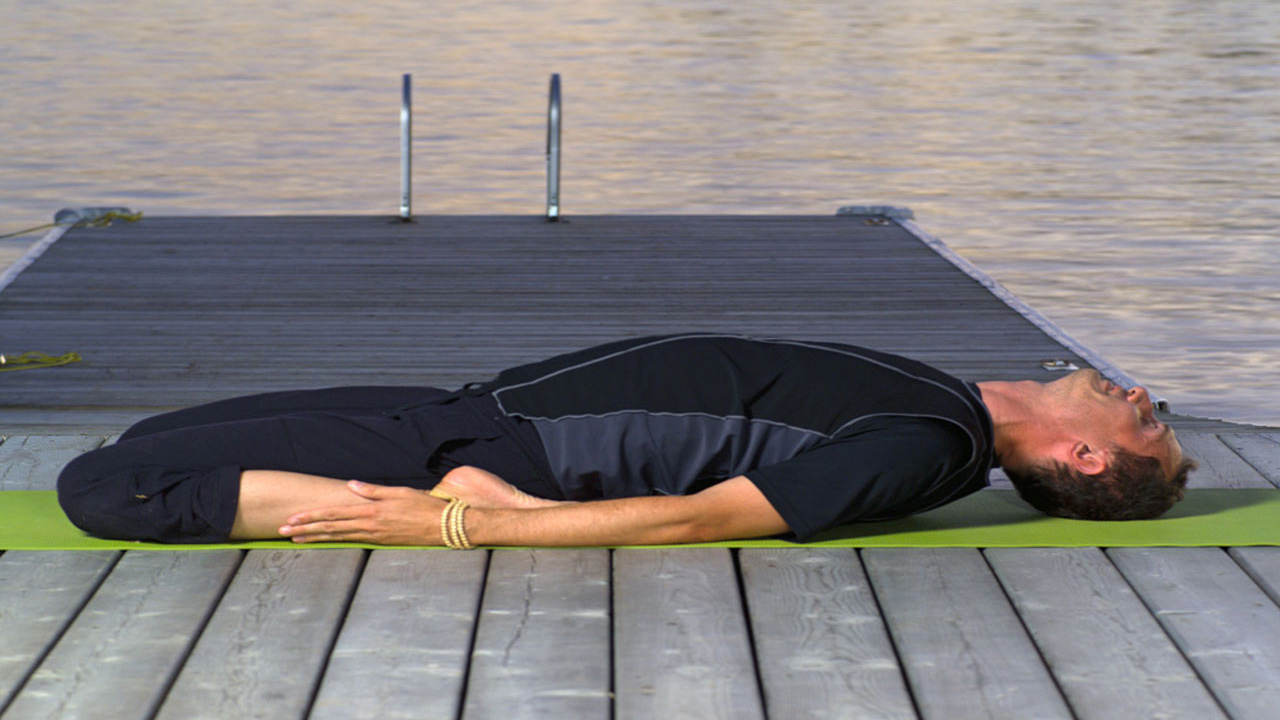
Anger management in menThis isn't a tirade against TV Violence. On the contrary, why blame the movies for spewing out blood, guts and gore, when all they really do is reflect the times we live in. Art imitates life doesn't it? So why blame the rising crime graph and street violence on TV and movies? Why not peep within our own selves and see the sheer ferocity of the anger which we project collectively on box office sell-outs. Examine the angry man within. So well you shrug it off and say "We didn't start the fire, it's been always burning since the world's been turning." You can certainly do your bit to help douse that fire before it turns into a conflagration, spiralling out of control until it consumes you mentally, physically and spiritually. Anger is bad. Period. Inscrutable and mysterious indeed are the ways of anger. It is to do with the pace of one's life in these times which starts it all we suppose. Then comes the classic conflict between nature and nurture further adding 'reddie points' to the anger account which is ticking away somewhere accruing interest. Someday something as silly as a traffic snarl or a bad joke or anything really trivial or big; justifiable or unjustifiable will cause this anger to spew out like molten lava from the fissures of your head. Self control, restraint and tranquillity are then mere concepts which lie in a crumpled heap as the angry young man in you takes over and hits out at everything within sight. Since time immemorial, the male temperament has been programmed to hunt, protect and gather. The caveman in most males has not evolved at all! It now wears a suit and goes hunting gathering in his corporate cave. This is the monster in most of us we have to tame through "Anger Management". We might have taken a dig at the caveman being the corporate type, but he could be anyone with an anger issues - you, me, the petrol pump attendant or even Sean Penn and Charlie Sheen. Celebrities often have the luxury of having anger issues and, as we all know it, many a famous anger tantrum is often overlooked as a creative outburst. For us however it could mean a long term in jail and much worse - our days filled with regret! Anger is an emotion and therefore much as I hate to say it necessary to tell us something is not right. So it is nature's way of helping us perceive through our senses and feel anger as a result of that perception, much like happiness and sadness. However anger has a particular corrosive quality about it which if not expressed or acknowledged can wreck havoc on a man's health. Why do you think men outnumber women right from barroom brawls to health conditions like hypertension, heart attack and migraines? Most men when questioned after socking the living daylights out of someone state that they just had that lightheaded feeling as the serpent raised its ugly hood, the blood pressure shot up and adrenalin coursed through the veins, the ears heard that sickening thud of a pacing heart and then "The other guy was down on the ground and I didn't even feel a thing when I sliced his throat open! Honest! I have issues!" Can you imagine how horrifying it must be to lose our faculties and go berserk? Can you imagine how many innocent people are victims of road rage and unjustified violence? So how do you ditch that anger? First step is to find yourself a relaxation routine and deep breathing exercises can help you be more in control of your temper. Relax your muscles of all that tautness which anger makes it do. Consciously at a regular time do this relaxation routine. Feel your body respond by 'letting go' of old holding patterns. Yoga Postures, especially the 'Shavasana' can help tremendously by relaxing excitable natures and enables them to relax the body at will. Next time you feel angry about something you will find yourself responding appropriately. Remember it is you against anger. Tell yourself that anger is like a serpent it might bite its owner. So find a suitable method of letting out your anger, and know that doesn't include steeping down on the accelerator and running into the back of someone's car. That is anger getting the better of you and that's 'Road Rage' and Murder and suicide. Punch a pillow, get a pair of boxing gloves and wallop the hell out of a punching bag, run a mile, shout your head off in a deserted place if you must, but unclench the jaw and fists and maybe you will start seeing the lighter side of things. There are enough things in this world that truly deserve your anger. Without anger sometimes we cannot enforce change on the negative things in society. Whenever we hear of a rape of a helpless woman on a bus we are bound to feel anger. However letting that anger getting the better of us and going in for instant vigilante justice for perceived crimes is just as wrong. Then what sets us apart from people who rape, loot, plunder or murder? If we all exercise restraint and express anger as and when it registers instead of holding it inside would help a great deal. If you are angry about being given the short end of the stick at work and if for some reason you cannot express it then ensure that you don't implode by keeping it in or explode somewhere it is completely unwarranted. There will be a day when we will hear "TV Violins" instead of watching TV Violence.
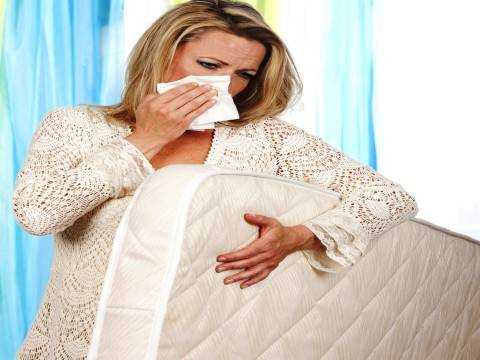
Broad chest, weak lungs - Are men more prone to respiratory diseases?The long-standing, chronic afflictionof the respiratory disease is called as COPD, i.e., Chronic Obstructive Pulmonary Disease. COPD is the obstruction within the lung tissue, causing improper circulation and entrapment of air. This limits the space for air to move in and out, directly affecting the quality of inhalation. A small reminder here may be necessary - breathing is synonymous with life, why? Because that's how we get oxygen, which is vital for the functioning of each and every cell within the body. With COPD, the ability to take in oxygen gets compromised increasingly. Continued cough, sputum, and shortness of breath are the main symptoms. COPD is more common in men. Does it have to do anything with being a male? Not necessarily. No specific link has been established to say that COPD risk is higher for you solely because you are a man. Then, what could it be? A study conducted in 2011 in USA showed that the number of men who smoke is 5% more than the women who do. To understand the reason behind this, let us see the primary causes of this disease. Air pollution, some genetic predispositions, frequent acute infections, exposure to harmful chemicals for a long time (usually occupational) - are some of the main causes, and the number one cause is smoking, owing to almost 80-90% of the cases. Park this thought. Next piece of information is simply revisiting some facts you may already know: #The gender classification ofsmokers - Men are known to smoke more than women all over the world, not only in numbers, but also in quantity. Whether it is a developing country or a developed one, 2011 studies say there are more male smokers everywhere than female smokers. Not only there are more men who smoke, they smoke for longer periods and more number of cigarettes than female smokers. This may vary from country to country, like India has much less women smokers than USA does, but the difference between the two genders holds true everywhere, only the ratios differ. #Occupational exposure to harmful chemicals and gases - These are industries of mining, textile, chemical engineering, welding, etc. The number of men working in such industries is way higher than women. #Air pollution - Men are more exposed to air pollution since they are outdoors more than women. This may not apply to all countries and societies, but is generally true. Now, we can put the pieces together and understand why COPD is more common in men? Yes, they are at a higher risk because of higher exposure to smoking, pollutants and irritants. Cigarette smoking is the leading cause of lung diseases and male smokers outnumber women across the world. You can figure out the math here!
Fitness mantras during pregnancyYou must be wondering how Shilpa Shetty maintained her fitness even after bearing a child. The simple answer is that she never gave up exercising. Exercising during and after pregnancy is the best way to stay in shape and ensure your mental and physical healthiness. It also helps you in preparing for labour pain and delivery, and quick recovery postpartum. However, there are some things you need to keep in mind while exercising during pregnancy: Measure your fitness You need to determine how fit you are. This will help in determining the type and duration of exercising during pregnancy and post pregnancy. Also, before you continue your old exercise routine or begin a new one, you should talk to your doctor about exercising while you're pregnant. Pregnancy is a balancing act After the fourth month of pregnancy, it's likely you will lose balance while you exercise. Though your baby is well protected with amniotic sac, it is better to be safe than sorry. Safe exercises Activities such as swimming, walking, yoga, pilates, and low-impact aerobics are good choices. Pregnancy is not the right time to start any new intensive exercise, but it is safe to continue with most types of exercise if you're used to them. The things you should avoid Avoid exercises where you are likely to lose your balance or could make you fall or slip. Vigorous or extreme activities such as horse riding, skiing, mountain climbing are out of the question. They carry too high a risk of injury to your tummy. Avoid exercises such as: Sit-ups Standing on one leg Separating your legs widely You should also avoid most contact sports, such as football, basketball and so on. Finally, give racket sports a miss if you're not a regular player as they can be tough on your knees and ankles. Check with your doctor Consult the doctor before starting with any new or unusual exercise. Check for any complications or unusual conditions. Also, discuss for any concern such as: Pregnancy-induced high blood pressure Early contractions Vaginal bleeding Premature rupture of your membranes, also known as waters (the fluid in the amniotic sac around the fetus) breaking early The best outfit for exercise Clothes should be comfortable and loose fitting while exercising. Wear a supportive bra which protects the breasts and is also relaxing. If your shoe size has changed because of mild swelling, you may want to buy a new one. Duration of the exercise Exercising three to four times a week is necessary. This reduces stress, fights fatigue, and stabilizes emotions in early pregnancy. Start gradually, may be with only five minutes a day, if you were totally inactive before. Add five minutes each day till you reach 30 minutes. Also keep in mind to avoid exercise on an empty stomach. Eat a snack 30 minutes before exercise. Never over do Listen to your body when it says 'stop'. Over exercising causes overheating. Raising your core temperature too much can affect the baby adversely. Always sip water before, during and after exercising. Listening to your body when something hurts or doesn't feel right - that means stop. Drink a lot of water Try to drink about two glasses of water two hours before you begin exercising. Take a sports bottle of water with you when you exercise and take frequent sips from it. It's important you don't get dehydrated. This may raise your body temperature, which may not be good for you or your baby.  Keeping these points in mind, exercise to stay healthy and fit. We hope you soon give birth to a healthy kid.  
Importance of breastfeedingBreastfeeding is a natural act and that is why it is also one of the most beneficial acts for a baby. Breastfeeding provides essential nourishment and is the best food for the baby's stomach to digest. No matter how many infant formulas enriched with vitamins and minerals you provide to your baby, it can never replicate mother's milk. As for the mother, there is nothing more joyous than providing your baby with the best start that it can get in the long journey of life. The bond that the mother and the baby share through breastfeeding is one of the most special bonds. For the first six months, breastfeeding your baby is recommended for all mothers whether they are working or at home. Most working mothers are given leave, whether paid or unpaid, so they must ensure they provide their babies with regular breast milk. Breast milk protects the child against diarrhea, respiratory infections, pneumonia, ear infections, and helps to reduce chronic constipation and colic that the babies are prone to. Research also points to the fact that breastfed babies are immunized and protected against allergies, asthma, sudden death, diabetes, and obesity. They remain much healthier than those babies who are formula fed. In India, only 41% mothers begin early breastfeeding even though it has so many benefits. Mothers who exclusively breastfeed their babies help them to survive better. They also gift them with better brain development and these babies are likely to perform well intellectually. No matter which economic section of society the mother comes from, she can provide her baby with the best start in life by breastfeeding it and make sure that the child develops to its full potential. Breastfeeding is natural, simple, and cost-effective way to ensure your baby is healthy and continues to develop healthily. Since the breastfeeding campaign began on a large scale, child mortality has decreased. Immediate breastfeeding within one hour of birth has helped to significantly reduce sudden baby deaths. The colostrum, the first thick yellow breast milk is what protects babies from many diseases as it is filled with goodness. Lack of nutrition or malnutrition is another aspect that leads to infant deaths. Breastfeeding can significantly lower infant deaths from malnutrition as the mother's milk is one of the most nutritious foods provided by nature for the baby's healthy growth. A mother has the full ability to provide adequate nutrition for the baby, therefore breastfeeding needs to be encouraged fully. Employers need to create an appropriate space within their premises and should encourage new mothers to breastfeed their child. Breastfeeding also has a number of benefits for the mother. It helps to burn calories and the mother can return to her former pre-pregnancy state. Breastfeeding helps mothers to reduce their risk of breast, uterine, and ovarian cancer;high blood pressure;diabetes; and heart diseases. So for the first six months, mothers must make sure to breastfeed their baby and do not substitute it with baby food products.
Cranky kids in a diner? dealing with them made a bit easy!This has happened to many a parent. They make a reservation at a fine dining restaurant, perhaps with friends and relatives. But their kid screams, and cries,disturbing the entire restaurant, and spoiling the general mood. For this reason, many parents avoid going out altogether, especially to fancy places. But there are ways in which you can handle the toddler when you are at a restaurant. We will show you how. Carry toys Restaurant may be boring at times for toddlers. That's why they turn peevish and may start playing with forks, spoons or knife. So carry some toys, crayons, notebooks, or even a story book, which will keep them busy and you can have a good time. Order something yummy and healthy for the kid A hungry kid is an angry kid. So, order something which is your kid's favorite and also healthy at the same time. Or you can carry something along with you like fruits breads, cherries or other nutritious treats. Keep responding to what kid says The best way to keep childrenwell behavedis to talk to them and respond whenever the child speaks. Don't avoid them or get too engrossed with other people. They get cranky when they don't get a response from you. Take a round with your kid When the kid becomes difficult to handle, just pick him in your arms and take a mini tour of the restaurant or walk outside. This will distract him and relieve his boredom. Don't tolerate any bad behavior If the bad behavior of the kids is intolerable, then firmly tell them that they need to adopt good manners if they want to visit restaurants again. Disturbing other diners is not acceptable. But it doesn't mean that you punish them.You just have to remove them to a place where they don't bother anyone. Make your outing relaxed and enjoyable Above all, don't forget to have fun and make it an enjoyable evening. Don't get too carried away disciplining the kid. You can afford to be a bit silly and enjoy the time with your child.
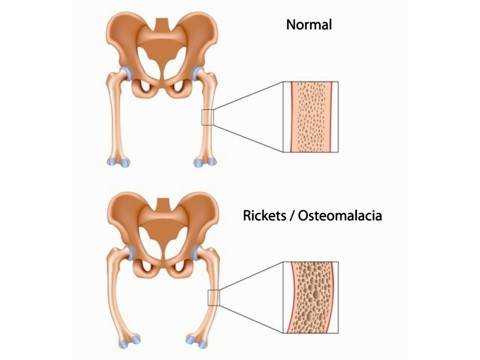
Bow legsCauses: Physiological - As mentioned before, bow legs are normal below 18 months of age. Thereafter as the child continues to grow the bowing begins to improve slowly. By the age of 3 to 4 the deformity usually gets corrected. Blount’s disease - This disease results in bowing of legs due to abnormality of the growth plate of the upper part of shinbone known as tibia. Growth plates are the growing end of the bones. It is diagnosed after the child is 3 to 4 years old. Rickets - Rickets is a group of diseases that occurs due to deficiency of vitamin D. Rickets is characterized by bow legs and other bony deformities. Most commonly rickets occurs in children due to deficient intake of vitamin D. Signs and symptoms: The bony deformity becomes visible when the affected child walks or stands. The uncommon walking pattern of the child is the commonest symptom. Bow legs usually do not cause any pain. However, persistent and severe bow legs cause discomfort to other bony structures like spine and hip. Test and diagnosis: The doctor at first asks questions to the parents regarding the development of the child. This is followed by physical examination of the child. Physical examination often suggests bow legs. If the doctor suspects an underlying disease, necessary laboratory tests are done. The doctor always asks for an x-ray of the affected legs to evaluate the severity and extent of bowing. Treatment: If the bow legs persist after 3 to 4 years or an underlying disease is detected, treatment is undertaken. Medical and non-surgical treatment- In cases of physiological bow legs, no treatment is required. The parents are reassured by the doctor and spontaneous resolution takes place by the age of 2 years. Continuous followup is advised for borderline cases. Children with Blount’s disease need treatment with a brace. Children with rickets need medical management by a specialist doctor. Additionally, they need advice and regular followup by an Orthopedic surgeon. Surgical treatment  - If the bony defects persist in children with bow legs even after medical and nonsurgical treatment, surgery is required to correct the bowing. Two types of surgery is advocated to correct bony deformity of the legs. Guided growth:  Growth of the healthy part of the growth plate is stopped and that of the abnormal part is promoted. This allows straightening of the legs. Tibial osteotomy: The shinbone (tibia) is cut and reshaped to correct the deformity. Then bone is fixed with screws and plate. In both surgeries a cast is applied to promote healing of the bone. Crutches may be required for a few weeks to prevent weight bearing on the limb. Later, physical therapies are advised for complete recovery of range of movements and regular activities. Prevention The parents need to be vigilant about appearance of any bony deformity in legs of their child. The child must be given adequate amount of vitamin D in diet or vitamin D supplementation to prevent development of rickets.
Afraid of the dark? understand your fear and cure it!Scotophobia, more commonly known as Nycotophobia, is a psychological illness, where the patient is afraid of the dark. Children are more prone to this fear, though it does affect quite a few adults as well. The dark often represents insecurity and uncertainty to children, and it symbolizes their entrance into an unknown territory. If the children are alone during their first few encounters with darkness, the absence of parents (who exemplify safety), tends to amplify this crippling fear. While most of us do actually possess this fear in relatively small amounts, as we grow up the fear diminishes. However, there are those of us who might carry this fear of the dark into their adulthood and in such cases, the fear is usually accompanied by quite a few intricate issues. People often tend to externalize a set of conflicting feelings about a certain situation, towards something else. For instance, you might be worried about your children; but your mind may externalize this fear, via your inefficiency at work. This process is called externalization. So, when it comes to the root of your fear of darkness, it is possible that at some point in your past, you experienced something untoward, which through externalization, inculcated this fear of darkness, deep into your psyche. Evolutionary Ties to Darkness: Many scientists have pointed out that this phobia might be linked to the process of evolution. Since predators hunt for their prey at night, we might have inherited this fear of darkness from our ancestors, who believed that darkness was a space where they could be attacked by wild animals. However, recent studies have shown that  Scotophobia begins at approximately the age of two in children, and thus, it cannot be said to be innate to us. In a study done by Ryerson University involving over 90 students, it was found that people who are afraid of the dark, are more likely to be poor sleepers, than those who are not afraid of it. More interestingly, it was discovered that any kind of noise made while the people with this phobia were asleep, frightened them the most.. Symptoms of Scotophobia: The first symptoms of this fear are the resistance to visit dark places and the yearning for company when such situations arise. However, many a times adults who are suffering from this fear, do not reveal it due to the added fear of embarrassment and this, sometimes, results in outbursts of rage when they are forced to go out for an event at night, or to confront the dark under any such circumstances. A person battling this fear may experience panic attacks, sweating and trembling prior to, or while staying in the dark. The blood pressure also rises, accompanied by chest pain and lastly, a difficulty in breathing. Diagnosis of Scotophobia: In children, this fear can be easily verified by their behaviour. However, adults might require further assistance, due to their natural resistance to openly admit to such a fear. Scotophobia can be diagnosed through a comprehensive psychiatric evaluation. Following this, your psychologist would be able to give you an idea of the source of your fear as well. Pursue a course of treatment immediately after the discovery of the phobia, which will ensure a faster and more effective recovery. Treatment of Scotophobia: The process of 'desensitization' is most commonly used to help with such a phobia. In this form of treatment, the patient is slowly exposed to the object of fear, in a situation where she/he will not feel vulnerable. This is done by asking the patient to confront the dark along with another individual who symbolizes safety for him/her. This could be a parent or a friend. Night lights can also be installed to gradually reduce the fear. You may try certain breathing exercises, which will reduce the panic attacks that accompany this fear. Hypnosis has also been said to be very effective in dealing with this phobia. If your psychologist sees fit, you might be also prescribed some medicines; antidepressants are given in some cases. Joining a self-help group is also a good option, in addition to your psychological treatment.  

Balancing marriage and work: The top 5 tricksFor women juggling between home and work is very difficult. Yet, the number of women choosing to go out and work, while managing their homes, has increased over the years. This is because a successful career helps a woman establish her identity in society, gain respect and do justice to her inherent qualities, passions and dreams. So, a successful working woman, is a happy woman and statistics show that such women also keep their kids and spouses happy. More stable marriages During the seventies, when women started entering the workforce in large numbers, there was an instant rise in the divorce rates. However, over the past decade, the divorce rates among working couples have actually declined. Today, men have extensively adjusted to the idea of having a working woman, as a partner. In many countries, men actually share the domestic chores and devote time to childcare, so that their women can successfully handle both, work and home. However, the main responsibility of the home and the kids is still primarily, in the hands of the women. Here are the six keys to manage your work and marriage successfully: Find the right job You can ease out the stress of managing the work and home front, if you make the right decisions. Studies indicate that couples having access to less demanding work, have better sex and better relationships and hence, are less likely to be stressed out. However, in case the working hours are long, the situation can become the opposite. Hence, it is important to find an exciting job, over which you can still have control, especially when you have small kids at home. Adjust the working hours Most women have to leave their careers halfway because their husbands work for long hours and there is no one available to care for the kids. If the wife too is good at work then, the couple should take up jobs that provide an opportunity for both of them to work, since doing this will keep both of them satisfied. There is a possibility that the husband, or the wife, may lose a bit on the income in this adjustment, but ultimately it increases the chances of having a happier marriage. The negative impact of leaving work If a career-oriented woman leaves her job due to family demands, it can shake the very base of the marriage, while also leaving her, depressed. Also taking a break, means you have to catch up very fast when you want to restart your career, which in reality, is quite difficult. In these situations, there is also a huge wage gap, between what you used to get before your break, and what you are getting after, that can lead to depression. Working moms help fortify the relationships between kids and their fathers When the father spends time babysitting the children, a closer bond develops between the kids and the father, which is usually not possible in families where the dad goes to work, full time. Studies show that children raised with equal devotion from both father and mother, have higher goals and aspirations and are even more empathetic. Feel less guilty A working woman usually feels guilty because she cannot spend as much time with her children, compared to the dedicated housewives. However, if the husband shares the duties related to bringing up the children both parents can be happy while playing their parts well for their kids. A woman with a successful career is positive and confident about everything she does, which ultimately makes her family happier.
Fruit diet can be dangerousFruits are healthy and provide lots of nutrition, vitamins, antioxidants, carbohydrates, fibre and bioflavanoids to the body.These things together protect your body from different health conditions and heart disease. However if you only eat fruit, you miss many other essential nutrients such as fats and protein. This can upset your stomach and lead to indigestion. Hence it is very important to take a well-balanced diet to remain healthy. Check out why you should not rely solely on fruits for living. Fruits do not provide protein Protein is highly important for your growth and development. By eating only fruits, you are restricting your intake of proteins that can stop your overall development process. Your body requires calories and energy on a regular basis. Each cell of your body contains protein. To keep your body cells in top working condition it is important that you include protein-rich foods such as lentils, soy products,  nuts and beans in your regular diet. You can also consume low-fat dairy, lean meat, fish and skinless poultry to provide required amount of protein to your body. Fruits do not provide fat Although excess of fat is not good for health, it is essential that your body requires on daily basis to ensure smooth functioning of your immune system and also to help your body absorb various minerals and vitamins provided by other foods like fruit. If you continue being a fruitarian for long duration, the chances of stroke due to brain haemorrhage increases. According to health experts, you should get around 20 to 35 percent of your daily calories from fat. To provide your body with good fats you should include soybean, sunflower, olive or canola oil in your diet. Fish and poultry also provide good amount of healthy fats to the body. Too much of fruits can lead to digestive problems Fruits provide fibres to the body in large amounts. Although your body needs fibre as it is one of the essential nutrients, getting too much of fibre can lead to side effects. Fibre works as broom to clear of your abdomen and aid in the digestion process. However, too much of fibre leads to stomach problems and cause symptoms such as gas, cramps and bloating. Sometimes it may also lead to chronic diarrhoea, dehydration and loose stools. On a regular basis, a woman requires only 22 to 28 gm of fiber per day and a man needs 34 to 38 gm. Apart from fruits, seeds, vegetables and whole grains also provide fibre to the body. Other considerations If you limit your intake to fruits, you may not get enough calories required for producing the required amount of energy. Consuming calories less than 1100 per day can lead to lot of side-effects such as intolerance to cold, gallstones, hair loss and fatigue. So although fruits taste wonderful and are very tempting, being a fruitarian is not the best thing for your health. Your body needs all the nutrients for carrying out its different activities and hence you should include variety of foods in your diet.  
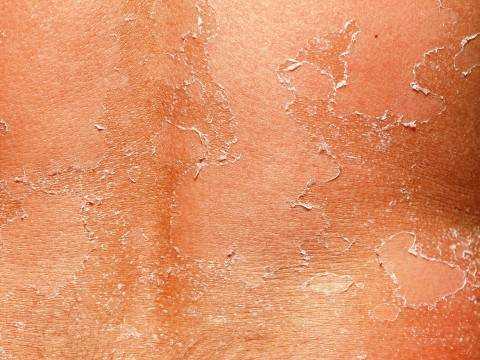
Sunburn: Overview and treatmentSunburns could also be accompanied by allergic responses to medicines, exposure to sun and sunscreen products, sight-related issues like reduced or complete loss of vision, as well as heatstroke. Over a long period of time, frequent cases of sunburn can result in cold sores, cataracts, skin cancer, and lupus.  The factors which will decide the vulnerability to sunburns are: Type of skin - The type of skin determines the vulnerability and intensity of the sunburn. The most vulnerable groups are those with freckled and fair skin as well with blonde or red hair. Regardless of the color of the skin, all skin types are vulnerable to skin cancer and proper sun protection must be used during times of sun exposure. Season - Summer days carry with them a higher probability of burning the skin. UV Index - This refers to the forecast of the strength of UV light on a particular day. This will let you know the cautionary measures you need to take in order to avoid skin damage. This is put forward on a scale of 0 to 11+ with 0 being the lowest exposure. Latitude - As you move to locations closer to the equator, the sunlight directly passes through the atmosphere to a greater extent. Age - Those who are younger than 6 years of age and those over 60 years are at a greater risk of getting sunburns. Altitude - As you climb higher and higher, the chances of sunburn are also greater since the amount of Earth's atmosphere to keep away the sunlight reduces. Every elevation of approximately 1000 feet, the UV exposure is amplified by about 4%. Location - If you are close to reflective surfaces like snow, water, ice, concrete and white sand, rays of the sun which get reflected off these might harm you. Time of the day - The rays of the sun are strongest between 10 in the morning and 4 in the evening. Though, the probability of getting sunburn are lower on cloudy days, it is possible for the UV rays of the sun to pass through the clouds and negatively affect your skin health. Here are the precautionary steps you can take to avoid getting sunburn: Avoid staying in the sun for a long period of time. Make use of sunscreen and choose clothing which cover your skin. In case you are suffering from sunburn, here are ways to treat it: An over-the-counter pain reliever: In order to lower the inflammation and relieve pain, use ibuprofen or aspirin. Anti-inflammatory condiment: Cortisone cream and aloe vera are two primary ways of reducing the inflammation. Cool bath: Take bath for about 10-20 minutes in water of cool temperature (make sure the water is not too cold). This will cut back the pain and irritation in affected area.  Do not use any bath oil, soap or detergent as this might increase the chances of allergic reactions and irritation to the injury. When drying yourself after the bath, do not rub with towel. Cold compressions: Try application of cold and wet compressions on the concerned region for about 20-30 minutes. Adequate hydration: Make sure you drink at least 8-12 glasses of water to help your skin to recover from the sun damage. Moisturizer: Once your skin begins to heal, use a gentle moisturizer without any scent. Blister treatment: In case you have blisters, do not try to pop them. This will lead to infection and marks.However, if you have large blisters which require to be drained, then pop them using a sterilized needle. Follow this by cleaning the area dry with gauze. After applying ointment to the area (Aloe vera or antibiotic ones like bacitracin and polymyxin B), wrap the area loosely using a gauze bandage. Make sure you do not tie it tightly and change the gauze daily to avoid infection. Medical attention: In case you feel nauseous along with fever, rashes and chills, then make a visit to the doctor. The following symptoms also require you to seek medical attention immediately: Pain in eyes with sensitivity to light, dizziness, high thirst without proper urination, painful blisters, and pale/cool skin.
A guide to earwax impactionBiologically, the earwax which builds up over time moves through the ear canal from movement caused by chewing or other jaw motions. It is also extricated through the inside-out motion of the skin of the ear canal - it reaches the outer ear and peels away. The cerumen is produced in the outer regions of the ear and not in the inner recesses. Earwax impaction refers to the condition where the ear wax builds up to such an extent or in such a manner that it causes discomfort to the entire body. In many cases, earwax impaction occurs when patients use cotton swabs or safety pins to clean their ears, only causing the wax to drop deeper into the ears. The main symptoms of earwax impaction include difficulty in hearing, faintness, ache in the ear, foul smell in the ear region, ringing or sound in the ear (also known as tinnitus), a sensation of fullness in the ear, and lastly, discharge from the affected ear. The most vulnerable groups for this condition include those who use hearing aids or ear plugs, elderly people, and those who insert cotton swabs or other items into their ears, as well as those who have an odd ear shape which could negatively affect the discharge of the earwax and those suffering from development incapacities. Did you know that one of the most common methods used by people to clear excessive earwax is ear candling where a candle (in shape of a cone) is placed inside the ear canal and set alight to warm up and remove the wax? This is one of the most dangerous methods causing burns, worsened blocks, and damaged eardrums; this should be clearly avoided. The diagnosis of this condition can be done by an ear specialist using an instrument called otoscope. Earwax impaction is treated in many ways. While at home, you could try to clean the outer region of the ear by wiping with a cloth, the physician could irrigate or syringe the ear to wash out the ear canal with saline. This procedure is generally done once the wax has been softened by the use of cerumenolytic solutions aimed at dissolving the wax like mineral oil, peroxide-based ear drops, and hydrogen peroxide. Physicians also use special instruments to remove the built-up earwax like forceps, cerumen spoon, and suction tool. The best way to prevent cerumen impaction is by not inserting anything into the ears to clean it up. Cotton swabs should only be used in the outer part of the ear. In case you feel that the buildup is regular, then you can fix an annual appointment with your physician for cerumen removal.
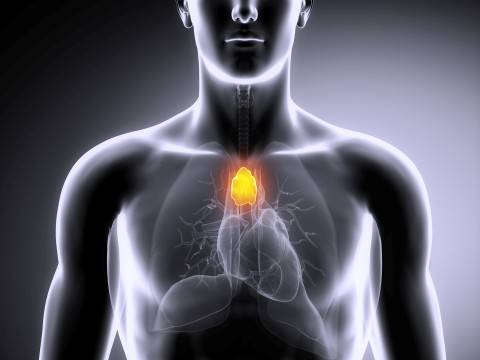
Thyroid may make your heart flutter!Thyroid is a small gland situated in the area of neck. In Greek, thyroid means the shape of a shield. Yes, thyroid gland is vital to a variety of important body functions and does act as a shield. But what happens when the shield is disturbed and goes weak? Thyroid dysfunction is recorded in approximately one to four people out of hundred Thyroid link to heart A research study was conducted in 2009 by Weill Cornell Medical College researchers. It was done to investigate and analyze the genetic link behind rhythm control of heartbeat. They found that the genes that are responsible for synchrony and rhythm in the functioning of heart are also closely connected to the thyroid hormone synthesis and could cause dysfunction of the thyroid. Thyroid activity directly influences the metabolism, blood flow and electrical activity of the heart. When there isn't enough thyroid hormone (low levels), the patients complain of low energy levels, fatigue and reduced heart rate. On the other hand, with increased thyroid hormone levels in the blood, patients report symptoms of hyperactivity of systems. There is diarrhea, palpitations, increased heartbeats and advanced cases show arrhythmias of heart, where normal beating rhythm of heart is disturbed and becomes irregular. Thyroid hyperactivity can be appropriately controlled with regular medication. Understanding arrhythmias When the rhythm of the heart is disturbed, it becomes irregular - this is called cardiac arrhythmia. There are various types of loss of rhythm - heartbeat is too slow (that is, the cycles are taking too long to complete), too fast (the cycles are repeating too quickly), too early (that is, before a cycle is even completed, another starts), too irregular (this is called fibrillation, where no specific pattern may emerge). The patients who have arrhythmia will often come with complaints of dizziness, shortness of breath, suddenly feeling weak or lightheaded, fainting and feeling of a flutter in chest (flutter can be understood as light but quick flapping of wings by a bird). Arrhythmias are usually harmless and most people would continue to live a healthy life for years with arrhythmias. But that does not mean it can be ignored. There is a battery of tests available to diagnose and indicate the seriousness of arrhythmias and let your doctor take a call on the line of treatment. If you have a thyroid dysfunction, get your heart checked immediately. And if you have faced arrhythmias, get your thyroid checked immediately. Both the conditions are controllable and treatable; there is no cause to worry over what could go wrong. Just be vigilant and informed.
The earlier yearsSexual concerns experienced during the drastic body changes and feelings of adolescence are often carried into adulthood. Sexual desires are powerful and frequently go beyond the earlier popular forms of sexual expression - kissing, hugging and petting without being aware of the consequences. Anxiety the commonest case of erectile dysfunction is compounded by the present life style - get-togethers, parties, with alcohol and drugs, visits to sex workers or massage parlours which offer other sexual services leading to unplanned, unprotected sex. Consequently seen are unwanted pregnancy, abortions, drug addiction, sexually transmitted diseases, anxiety and depression leading sometimes to suicide. Males seem to have more concerns then females. A common concern is nocturnal emission (night fall, Swapana Dosh) of semen and length of penis. Nocturnal emission of spermatic fluid is falsely believed to weaken a person. Really all that's happening is that excess of sperms is being thrown out to make place for the new ones. The length of the penis troubles many. Young people fall prey to advertisements that claim to lengthen it. The fact of the matter is that a penis an erection of 2.5 wide (10cms) is enough for a sexual intercourse for a person who knows the art to satisfy a partner. Ignorance about masturbation is widely prevalent among males of all ages leading to guilt, anxiety, depression and at times to suicide. Older men erroneously think their cause of erectile dysfunction or premature ejaculation is masturbation. Masturbation is a highly pleasurable act in males. It does not harm the body or exhaust the sperms. In fact it is a safe way to satisfy. Females also masturbate but the percentage to men is much less. They also seem more comfortable with the activity. Masturbation has gone through years of superstition fear of ill effects, considered as a unhealthy practice and considered sin by some religions. Fifty or more years ago doctors and activities thought it caused harm to the body. It is said that corn flakes, the popular breakfast cereal was specifically formulated by Mr. Keleog to help a person not to masturbate. Today thinking has changed. It is now thought that it is an activity that does not cause any harm to the body. It does not finish all the vital sperms over the years so that it will not hinder having children in future. Its wide misuse is common. Persons use it indiscriminatingly when they cannot sleep, when they are tense for e.g. before an examination, some do it more than four to six times a day, which only indicates their immaturity. When done to satisfy a natural sexual urge it is a healthy activity. It keeps the person safe from infection and is said to teach the person skill for sexual intercourse. Technology has helped in many ways but sometimes it creates problems. A person hooked on to porno sites to arouse his desire is found to cause a loss of self confidence conflict with the partner sexual intimacy and intercourse. Before marriage or a partnership both male and female have concerns. Females if they have a previous partner but are getting married to another worry about the husband finding out of their loss of virginity, others worry about the size of their breasts, excessive hair on body or excessive fear of pain at intercourse. Men worry about whether their penis is long enough whether their long standing masturbation will hinder intercourse or prevent them of being a father. The absent hymen a false notion for virginity can be congenitally absent, split by exercise like swimming, cycling etc. or most commonly by masturbation. The hymen therefore is no proof of virginity. Learning to do with what they have making full use of their points and feeling comfortable and proud of their bodies help a lot to overcome the concern. Adopting a safe sex policy is best achieved by masturbation; avoiding sex with an unknown person and multiple partners; during intercourse with sex workers not using condoms every time and being careful of oral sex. Satisfying each other by caressing, hugging, kissing etc. with clothes on is safe; without clothes extra vaginal sex by mutual masturbation is safe with a trusted partner and finally not so safe is vaginal intercourse unless done with a condom correctly worn.
Psychological impotenceSex is not just physical but just as equally mentally involved. Mental stimulation and response are responsible for arousal and overall enjoyment; and therefore any sort of psychological disturbance or mental issues like stress, tension, or anxiety can lead to psychological impotence. Stress or exhaustion are most possible explanations for psychological impotence. Depression and post-traumatic stress disorder also may result in impotence. A mental trauma of sexual or physical abuse, guilt due to sexual relationship, problems amongst partners contribute too. Confusion over one's sexual identity is also a major cause for impotence. Impotence results from underlying physical disorders, especially if the people choose to stay unaware of it. Absence of knowledge of this disorder leads to anxiety and stress building up over a period of time.  So when determining factors rule out physical causes first and then go for identifying mental causes. Psychological impotence can be sometimes situational or only with a particular partner and the treatment approach differs with the cause. Counseling works wonders in the case of psychological impotence. For example, depression or anxiety may require treatment to improve condition. Post-traumatic stress disorder or abuse needs therapy on coping skills. Sometimes simply explaining underlying cause of physical condition resulting in impotence and comfort and reassurance are sufficient. So don't hold back, share to get your mojo back!!
FAQS
T&C FAQS