Home
Handling post retirement bluesYou have given the best years of your life to your career, and now it's time to say goodbye and get ready for the retired life. It is a phase laden with expectations of all things you were too busy to do while working - spending more time with family, going on that fishing expedition, or going on leisure trips around the world. However, despite the wonderful things to come, retirement can get unusually trying and mentally taxing. After all, how many of us really have the flexibility of mind to take this period as a challenge and be the master of our destinies? Just because you are retired doesn't mean you have to wither away and wait for death to claim you. So, here's what you can do to beat the retirement blues Catching up: This is really a bewildering time, as you have a lot of catching up to do, with a lot of things. Prioritize the things you want to do and proceed confidently. You may want to spend time with children, spouse, friends, etc. Go easy on yourself, as you may not be able to fit in as many things in your schedule all at the same time. Boost your self-esteem: Retirement is particularly trying for those who have occupied important positions in office. Such people are known to throw tantrums, as they feel less wanted than before. So don't ever make the mistake of treating your family like you treated subordinates at work. That was a role that you played then, and without reducing your importance or self-esteem you can now play a different role with your family as a friend, philosopher and guide. In fact, you can use your contacts and keep the old network alive by involving youth in your field of expertise and help them benefit from you. Catch up on exercise: The more physically fit you are the less likely that retirement will be a painful process. Perfect time for you to catch up on the fun times with your spouse to remind you of all the great times you have had all these years. If your spouse is not in the best of health then just being together is such a wonderful experience in the golden years. Financial health: Your peace of mind and self-esteem largely depend on how independent you are financially. You can take up a part time job or think of innovative ways to let your hobbies and interests generate money for you. This should be an enjoyable process by which your self-esteem can really benefit. Support groups: There are informal or formal associations of retired people that do various activities like travelling. Make yourself available to them. Sometimes retired people withdraw into a shell and that only makes things worse. These support groups give a fresh perspective on all things in life.
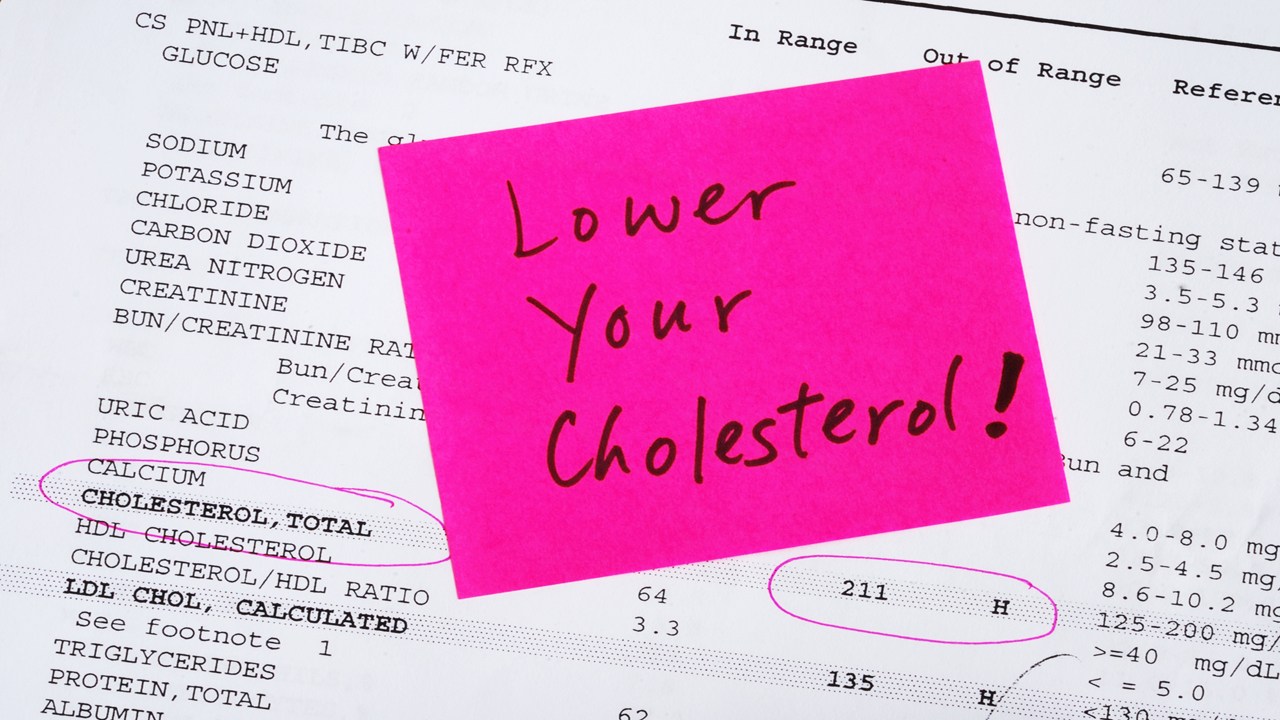
Health check up checklist for men Prostate Cancer - Prostate cancer is the lesser known killer in men. It is a slow growing cancer, but at times, its symptoms can be aggressive as well. Detecting prostate cancer at its onset can help in treating it effectively. Tests include a digital rectal exam and a blood test for Prostate Specific Antigens (PSA). Testicular Cancer - This uncommon cancer can affect any male between the ages 21 to 55. A physical exam during yearly medical checkups is recommended for all men. Men having a higher risk, with family history, should speak to their doctors regarding additional tests for screening. Self-examination through regular gentle palpation of the testicles to notice any change in shape or size, presence of lumps is also suggested by doctors. Colorectal Cancer - This is the second most common cancer in men. Men over 50 and younger, if they have a familial risk, are suggested to get a screening colonoscopy done to detect this cancer. It usually starts as a polyp that grows and invades the nearby areas to develop into a full-blown cancer. The polyps, if detected early, can be removed and cancer prevented. A CT scan or a double barium enema can also help in detecting polyps. High Blood Pressure - With the kind of lifestyle men lead today, almost every other man is bound to have BP issues. Regularly checking the BP is essential as it helps detect high BP which may lead to a variety of other problems including stroke and heart attacks. The sooner the detection, the sooner the measures for control. Cholesterol Levels - Bad eating habits, sedentary lifestyle, and mental stress can all lead to lots of cholesterol roaming around in your arteries. This will eventually clog the arteries and cause diseases like high blood pressure and atherosclerosis which can be life-threatening. Get your total cholesterol, LDL, VLDL, HDL, and triglyceride levels checked regularly and initiate timely interventions to bring them under control. HIV - This is the most commonly spreading STD among men. Due to its chronic nature, HIV is often detected accidentally when it may be too late. Regular tests for HIV detection are essential if one is physically active with multiple partners. Be safe though and use a condom. Glaucoma - It is extremely common and is one of the leading causes of blindness. Glaucoma has no cure, but it can be controlled well with timely detection. Screening tests should be undertaken by men under 40 years at an interval of 2 to 3 years after 35. A yearly test is recommended for older men.
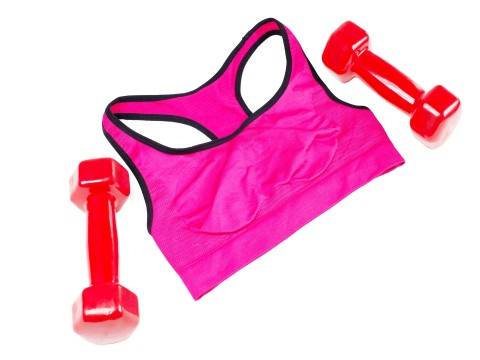
Just how sporty is your sports bra?Very few women in the world really know the right size of their bra and end up using wrong size bra all their life. A study shows that all over the world only 2 women out of 10 wear the right sized bra due to which they can never get the look they want. Since there is lot of difference in sports bra of different brands, you need time and patience to find out the most suitable one for you. You should keep on measuring yourself every year, and especially if you have added weight or lost weight. It is also necessary to check your bra-size after pregnancy.  On an average, the size of sports bra range from A to H and most women find a comfortable fit among either of this size. A good sports bra should always offer three things- support, comfort and breathability to the breasts. Choosing a Bra with a Good Fit Most of the elite bra shops offer good range of different sports bra. But it is important to know which one suits you or is of your size. A well fitting bra gives you the liberty to exercise or move with confidence and comfort. One thing you should keep in mind while purchasing a sports bra is your life style and preferences. Some like it padded, some like it embroidered, while some may like it simple. So apart from correct measurements, your style should be given preference while buying a sports bra. Moreover, you also should take into consideration the dress you are wearing on this bra. Here are some tips that can help you in selecting the right bra when you will go to the lingerie shop. Support   A good bra should offer your breast complete support, irrespective of whether they are small, medium or even big. If you have breasts ranging in between A to C cup, you should choose a compression bra that offers more comfort and support. If you are looking for a bra that also encapsulates and gives proper shape to your breasts then you should choose a bra accordingly. These bras offer more support than the compression bra. For getting both comfort and support, you can choose a compression bra that also encapsulates your breasts properly. Comfort You should feel comfortable when you wear a bra. It should stay in place and should not chafe. If possible, try one of the samples in the changing room and check whether the straps dig into your shoulders or whether the bands provide comfortable support to the breasts. The bra should hold the breasts comfortably without being restrictive. A good bra is one that holds your breasts in place even when you are performing all the jumping, running and swinging acts. Breathability The fabric of the sports bra should be good enough to wick away the sweat from the skin so that it dries quickly and allows the skin to breathe properly. The bra should allow excess heat and perspiration to pass through the fabric keeping you dry and cool during summer &  warm and dry during winter.  
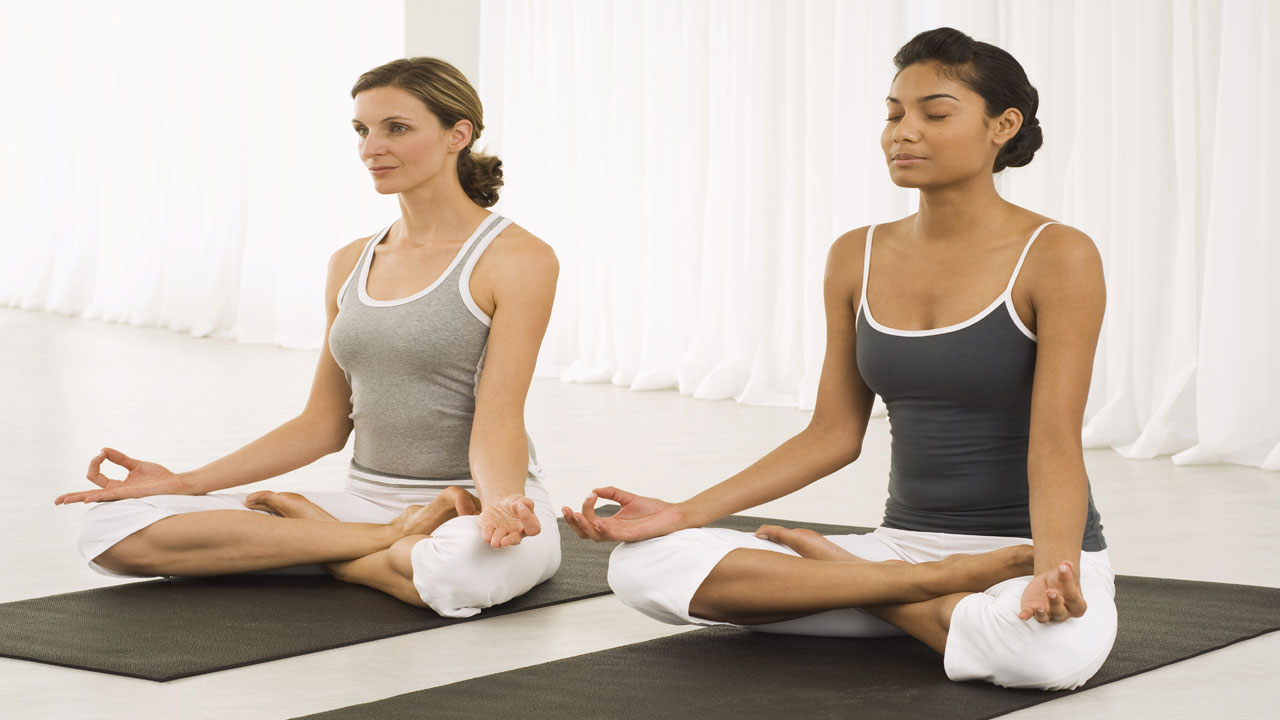
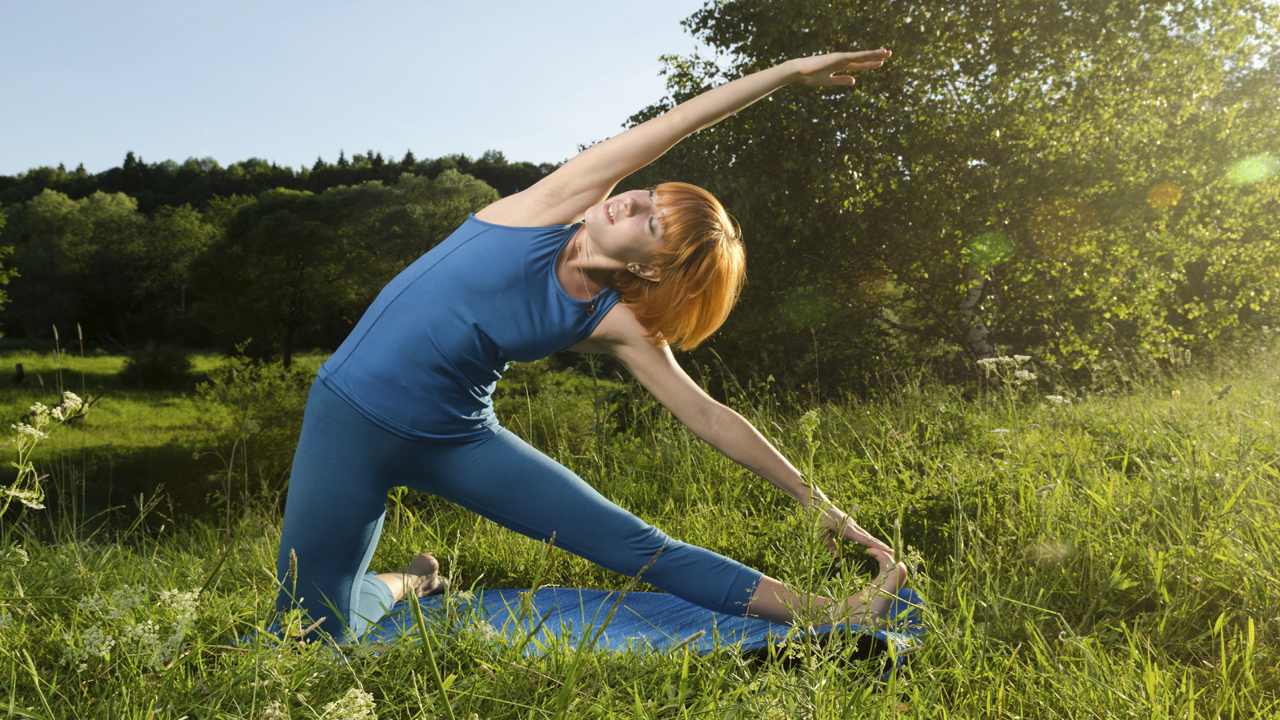
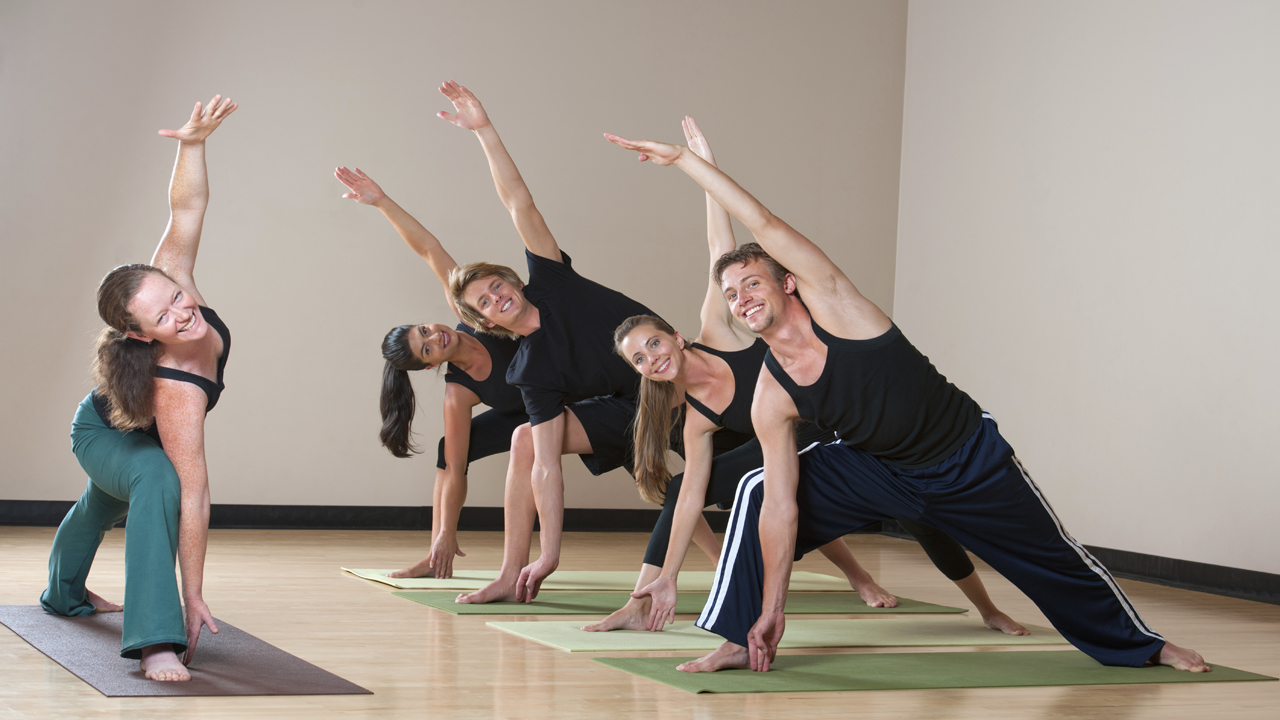
Yoga to strengthen women's lifeEveryone expects from a women for all their necessities. The husband needs to go to office and she has to prepare for this, the son or daughter needs to go to school, tiffin needs to be packed, and the in-laws need her attention for the morning tea and breakfast. Along with this she has to rush to office on time. Then while returning, she has buy vegetables and other things for household, then go home and cook, and sleep late after all the chores are done. For such a multi-tasking working-women, the time available is very less to replenish the energy she uses to do such work. Multitasking leads to stress and tension and causes headaches, stiff neck, tight shoulders, poor posture, shortness of breath, clenched teeth and fatigue. What is the solution for this? The only solution is YOGA.  We all know that yoga has many positive effects on ones well-being; it brings about both physiological and psychological benefits. It is beneficial for body, mind, and spirit. It needs only 10 minutes. Yoga helps to relieve your stress and tension. Yoga in Sanskrit means 'YOG' that is to join or unite. It is the union of mind, body, spirit, and breath with our surroundings and our universe. One should start yoga gradually with a comfortable speed and limits. Breathing exercises are excellent way to reduce stress and tension. It can be done along with asanas. For this you have to sit comfortably with relaxed shoulders and with your chin level at the floor. Inhale through the nose expanding your abdomen, rib cage, then expand your chest, then begin to exhale by contracting your abdomen, ribs and then lastly relax your chest. Now continue to breath in this fashion, this improves the quality and quantity of oxygen that enters our body and helps to relieve the shortness of breath and relieves the tension. The yoga mudra is helpful to relieve the stress, for this sit down crossed legged on the mat and keep the back straight, then take the arms behind your back and hold the left wrist with the right hand. Then by exhaling, bend forward to touch your left knee, while doing this focus on the feeling of surrendering to God, which protects you all the time, then while inhaling come back to the normal position and repeat this on the right side. Then finally, complete this pose by touching the forehead to the ground in front in the centre, while doing this exhale, then when you feel like inhaling come back to the normal position. This posture increases the energy and stimulates your respiration, improves your digestion calms your nerves. But this should be avoided by pregnant women, hernia patients, and patients with retinal disorder. The shavasana also helps you to relax your body before you get to work. In this you have to lie down on your back on the mat. Keep your arms a foot away from your body and your feet separated two feet apart.  Then close your eyes and focus on your breathing and feel free of thoughts and tension. Breathe normally and focus on your body parts, toes, legs, abdomen, head and finally the scalp and try to relax each muscle group. It improves your breathing, concentration, gives inner peace. You should avoid this if you are suffering from low blood pressure.  

Teenage troubles for autistic kidsTeenage brings along with it a lot of physical and psychological problems. Your body undergoes a lot of changes, the way the world looks at you is changing and you are not in the position to accept all this. Teenage is one of the most painful periods in one's life.  For an autistic child teenage can be compared to living a nightmare day in and day out. Here is a look at the problems of teenage from an autistic kid's point of view: Social Interaction The ability to interact socially is absent in autistic kids. They are loners who prefer to be left alone and undisturbed in their own worlds. Such a child is a natural target for bullying and ragging by other kids of his age group. At times even if the autistic child wants to come out and make friends, he is not able to do so due to lack of the required skills. Teenage is a period where you need at least one friend to confide in. It can be an extremely difficult phase when you are all alone. Puberty This is the dramatic time in life dilled with hormones and emotions. Your body undergoes lots of changes and you are confused about so many things. You don't know whom to ask or whom to turn to for guidance. Autistic children do not have the maturity to understand this phase. Special issues for autistic teens and sexuality include: Knowledge of physical changes in body. Knowledge of 'good' and 'bad' touch. Ability to communicate about a 'bad' touch or action. Keeping 'safe' distance from others. Handling menstrual cycles. Avoiding 'self-touch' in public. It can be a phase of emotional turmoil for the parents. They need to work closely with their child's special teachers to chalk out a plan that will be best suited to the child in handling puberty successfully. Self-help skills Simple self-help skills like hygiene can be a challenge for teenagers with autism. Improper motor skills, compliance, and sensory problems may interfere with a teen's progress. The proper training of hygiene and grooming can help to add these elements into the daily routine. The right approach is to simplify each task into simple small steps. The positive reward system is a great source of encouragement, as positive motivation always help the teenagers. Higher Functions Autistic teenagers are socially awkward. They lack the power to comprehend and process complex social cues which includes sarcasm, body language, humor, emotional responses and facial expressions. What complicates the problem is that the autistic child lacks empathy and hence may appear rude. Such kids are likely to be teased a lot in school settings.
16 myths about baby careA new mother experiences a range of emotions. Chief among these is fear, which is a result of the love and attachment that she feels for the baby. In such situations, mothers often tend to believe myths that make no logical or medical sense. Myth 1: If I don't breastfeed my baby immediately after the birth, I won't be able to bond with him adequately. Fact: Although the first few hours of a baby's life are important for both mother and child, sometimes due to unavoidable circumstances, the baby is kept away from the mother. For instance, in cases of cesarean delivery, the new born babies need immediate medical attention, and hence are kept away from the mothers.  However, the love and care you show the child over the years will more than make up for the loss of attachment with the baby during its first few hours. Myth 2: Pinching the baby's nose will make it pointed. Fact: Pinching the nose will only hurt the baby. It will not make the nose pointed. It is possible for a baby to be born with a flat or tilted nose if it gets pressed during delivery. But this is temporary and the nose becomes normal as the nasal bridge develops completely. Myth 3: Mothers should not use yellow clothes and yellow food while breastfeeding as it causes jaundice in the newborn.  Fact: The color of the mother's clothes can't affect the baby's health. There isn't any evidence to show the relationship between yellow food, clothes and jaundice. Myth 4: Umbilical cord stump should be cleaned with alcohol swab every time after changing diaper.  Fact: Alcohol may delay the healing. It is recommended to keep stump clean and dry till it falls off. Myth 5: Some babies can be allergic to mother's milk.  Fact: No. A baby is never allergic to mother's milk. Myth 6: Baby should be wrapped up tightly. This helps to straighten the hands and feet.  Fact: A child's limbs develop faster when they are free to move and not wrapped. Myth 7: Holding the baby all the time will spoil him. Fact: Babies cry to express pain, anger, irritability, hunger, sleep everything. Holding or picking him up to comfort won't make him a spoiled child. Myth 8: Do not take your newborn baby outside. Always keep him in the house.  Fact: Fresh air is good for the baby too. Just avoid heat, crowds and unhygienic places. Myth 9: Vaccines cause autism. Do not vaccinate the baby.  Fact: It is a rumor. Immunization is very important to protect the baby against a number of diseases. Myth 10: Babies do not spit up if they are breastfed.  Fact: It is normal for the babies to burp, spit up, and drool. Do not worry about it if the baby is gaining weight normally. Myth 11: Sleeping on the head causes flat head.  Fact: It is advised medically that all babies should sleep on the back to prevent sudden infant death syndrome. Alternate the head position daily as flat head can be caused only if baby sleeps in same position daily for long time. It is an occasional occurrence.  Myth 12: Putting few drops of oil in baby's ears will keep it clean.  Fact: Do not put oil in the baby's ears. It can hurt the tiny eardrums leading to pain, soreness, and even hearing loss. Oil can cause ear infection too. Myth 13: Use crib bumpers to protect head of your baby. Fact: They are not advisable. The baby's head can get wedged against a bumper causing strangulation or suffocation. Bumpers are dangerous. Myth 14: Stop mother's milk if baby fed only on breast milk has loose motions.  Fact: Passing 5-6 loose motions is normal in a baby. Continue to breastfeed. Do not stop it. Myth 15: Attention span is very short in babies.  Fact: Babies, in fact, have excellent attention spans and have interest in the all things around them. This is why babies learn things so quickly.  Myth 16: Wrap up the baby in blanket if he has fever. Sweating will bring the fever down.  Fact: The fever will rise if you wrap the baby in a blanket. Try to keep the child cool and sponge him with cold/warm water to bring down the fever with the doctor's advice.    
Cleanliness - A clean body, clean mindPhysical Benefits: Killing of Germs: Disinfecting your living area allows negligible scope for breeding and spreading of germs and bacteria. Though not visible to your eyes, many of these can cause severe illnesses. Prevention of Food Contamination: Clean cooking utensils and counter tops allow for low risk for contamination of food. The parts of the utensils which have come in contact with fish, raw meat, or eggs are recommended to be washed with hot water and soap. Make sure you wash your hands to avoid spreading of any bacteria in your house.  Keeps Illnesses and Allergies at Bay: Many allergies could be caused due to dirty mattresses, carpets, sheets, walls, and furniture. In order to keep away mold, dust mites, cobwebs, and mildew, make sure you dust, mop, and vacuum the house on a regular basis. The sheets should be washed at least once a week with hot water and detergent. Floors and walls, wardrobes, and refrigerator should be cleaned using disinfectant sprays up to 2 to 3 times per month. Thoroughly clean your carpet and upholstery at regular intervals. Psychological Benefits: Association of Non-Cleanliness with Moral Lapse: In a review by Current Directions in Psychological Science, it has been found that physical cleanliness does not only physically benefit a being, it also results in weighing the person on a moral radar. When we perceive a physical contamination, we respond in the same way as we would in case of an act of moral disobedience. This response includes repulsion and disgust accompanied by their behavioural components like scowling and frowning. Sense of Accomplishment: Those who clean their house and living space have been found to have a consequent sense of accomplishment that adds to the way one feels about oneself. Clarity and Organization of Thoughts: It has been discovered that those living in a clean and neat environment tend to have a greater capacity to think than those who live in a messy and unclean atmosphere. Proactive Sanitation Teaching for Children: Start with your own home. A child emulates its parents, and if the parents practice cleanliness as part of their lives, children would notice and follow suit. Children tend to connect who they are with their home environment and as they grow up they ensure that such a cleanliness of their world around is maintained.  towards their immediate surroundings, thus ensuring that they do not contribute towards pollution and environmental degradation, at least on an individual level.
Communicate to strengthen the family tiesA family that talks to each other stays together. Sounds easy? But how often does your family sit down together in the week to spend time with each other? How about breakfasts and dinners? Are you all able to match your meal times or are you catching each other by the end of the coats in the fast paced world that has us spinning us on our heels constantly? As the family members run in and out of the house, like in a hotel, engulfed in their daily routines they slowly start drifting away from each other. Somewhere pushed to the depths of the heart are old connections and affections with the family. Ideal conversations during childhood, encouragements received during tough times, sibling squabbles in adolescence and many a wonderful memories tug at the heart keeping the family from disintegrating altogether. On the contrary, improper communication and bottled feelings singe the heart in such circumstances and lead to the tumbling of the family ecosystem. Understanding how to build effective communication within the family is important as it helps build a stronger, inseparable family. Here are some effective practices: Communicate Frequently:With the limited time that you have with your family, make communication a common and frequent activity.  While traveling in the car, during meal times, replace TV time with talking, talk to your young ones at bedtime. Keep designated time for informal family meetings and encourage conversations among the family members. Keep the cell phones and laptops in the other room when the whole family is sitting together. Communicate Clearly and Directly:Develop an environment where the family members feel okay to communicate clearly and directly. Allow them to express their thoughts and feelings without having to mask and filter them. This is important in a parent-child relationship and sibling-sibling relationship. It also helps build confidence, family intimacy and bonding among the family members. On the other hand, veiled, indirect or vague communication is ineffective and harmful as it increases confusion and communication gaps. Active Listening:Open and free communication flows only when it is received well and the other person's perspective is acknowledged and respected. Active listening is the cornerstone of effective communication. Whether listening to your partner or child, it is necessary to pay attention to not just the words but tell-tale signs in the tone of communication and non-verbal messages too. Nodding of the head, or words of acknowledgment like, "I understand" make the other person feel that what they are saying is valued and received. Asking questions and requesting clarifications for the parts of the message you do not understand is a very important part of active listening. Trust and Honesty:Only when the family members feel that they can trust each other, can they communicate honestly. Trust is the key for strong familial relationships. Trust is propagated through openness and honesty. Understanding the Individual:The way each individual of the family feels and communicates is different. The way you communicate with the different family members should vary accordingly. Especially in case of young children, as their maturity levels are different than the young adults and adults in the family. The unspoken messages:Not everything might be said in words. Learning to read non-verbal communication such as expressions and body language are very important in understanding the entire message being conveyed to you or the parts being held back. Stay Positive:Many complications and problems between family members can be avoided or solved by effective communication. When dealing with undesired or negative situations, it is important that the words and tonality of the communication is positive. Avoid engaging in negative communication like criticism, defensiveness or contempt. Such negative communication patterns discourage communication.Communication is essential to successful family functioning. Taking inventory of how well the family is doing and readjusting course and practices will help improve the family environment and build a happy family that shares openly and honestly with each other.
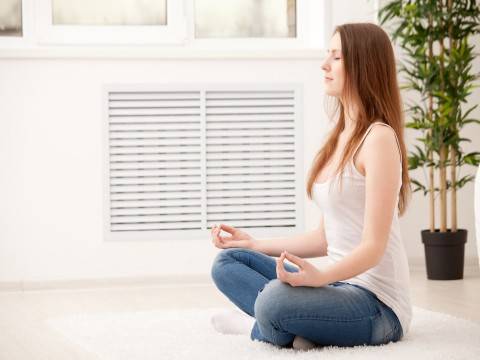
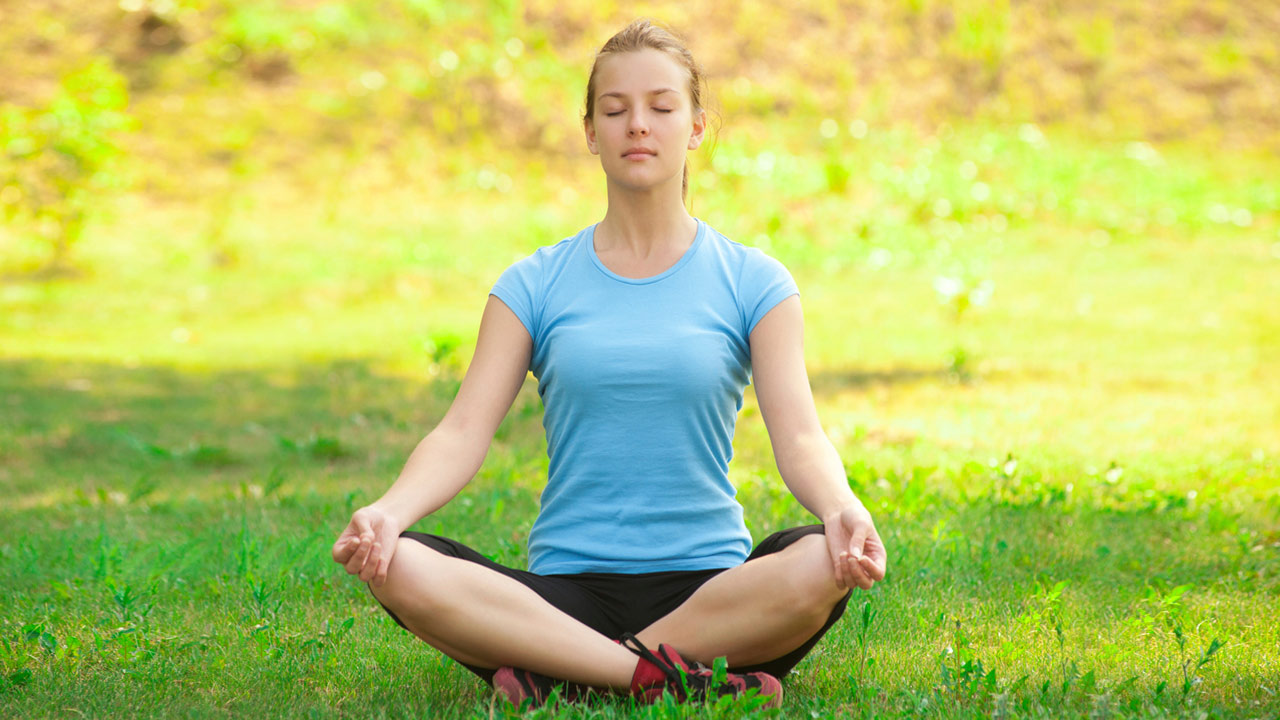
Benefits of meditation: How daily meditation helps you lead a wholesome life Sharper memory: One of the most important cognitive capacities we use daily is our memory. With higher amount of stress on your brain and body due to demands at workplace and home, there is high probability of negative effect on your memory. This can be countered by mindfulness meditation where the focus of attention is a particular physical sensation. This lets you quiet your mind and learn to be attentive solely to the matter at hand, thus allowing your brain to be able to remember more sharply and quickly. Dealing with stress: Stress is the buzzword for anyone who is leading their life in busy cities. Starting from the hurried walk into the office to the pressure of meeting deadlines and reaching home exhausted only to find oneself engrossed in another set of tedious jobs is the condition of daily life for most people. Meditation will allow you to cope with stress in a stronger way by bringing the energies of your body under your control, thus giving you the power to channelize them effectively. Giving up painkillers: Recent medical studies, especially ones conducted in Montreal in 2010, showed how the practice of Zen meditation structures the brain in such a manner that its capacity to sense and deal with pain increases. Primarily practiced by Buddhist monks, Zen is the form of meditation where you focus on your breathing and posture while watching and letting your mind gradually turn quiet. In this way, you can put those pain killers away and increase your innate capacity to deal with pain. Happiness quotient: Prefrontal cortex is the part of brain concerned with positive emotions and feelings. Those who meditate have been seen to have greater activity in this area. Major journals and research institutions focusing on depression and role of meditation in reducing it have found that meditation helps the person to feel in control of their life by subtly changing the working of their brains and thus, resulting in greater capacity to cope with depression and negative feelings. Good for your heart: Two kinds of meditation which are greatly beneficial for smooth working of your heart are Zen and Transcendental meditation. Transcendental meditation, taking after its name, helps you to transcend your worries through attention on chanting. It has been found that meditating daily helps to reduce the chances of stroke and heart attacks by over 40%.
10 bedtime beauty essentials! Here are the beauty essentials you need to take into consideration, before you hit the bed: Baby-soft soles :Before you sleep, apply Vaseline on the sole of your feet. This will adequately moisturize your soles and you can wake up to the great opportunity of wearing those heels you have been dying to try out! Healing the puffy eyes : If you are worried about waking up with puffy and tired eyes (even after 6 to 8 hours of sleep), then put on a little eye cream. You can also keep an extra pillow and make sure you sleep on your back. This will allow the fluids around your eyes to drain easily and reduce the puffiness. Trying out wavy hairstyle : Bedtime is the best time to work on your hairstyle. Before you sleep, shower and fashion your hair into the style you want. Apply a styling cream on your hair gradually, after having air-dried it. Now, decide if you would like to put them up in buns or braids. Stylize them into the pattern and wake up to wavy hair! Let your skin breathe : Those who are suffering from dry skin can apply moisturizer. A humidifier is also a great accessory for help in these cases. You can switch on the humidifier before you go to sleep. This will help your skin to retain its moisture through appropriate hydration. Keep aging at bay :Did you know that sleeping on cotton pillowcases can increase the chances of creases and wrinkles on your skin? Prevent wrinkles by using silk or satin bed clothing. This will also reduce hair breaking. Wake up, miss white smiles: If you want to take off the yellows from your teeth, then brush some baking soda and let them stay for about 8 minutes. Afterwards, thoroughly rinse your mouth. Do not perform this beauty tip more than once a week, it will negatively affect the structure of your enamel. Work on your complexion :During the day, sunlight might disable some face creams from working effectively on your complexion. Make the most use of night and apply a face cream containing retinal and vitamin C. Lengthen your lashes : Eye lashes depth and grace to your eyes. You might feel that working on your lashes will require way too much effort. But, much to your surprise, everything your lashes need is contained in a natural ingredient - castor oil. Consisting of Omega-3 fatty acids, which are highly hydrating, they will avoid your lashes from breaking and also strengthen them. Apply castor oil on your lashes before you sleep and watch them grow thick and healthy within a few weeks! Taking care of your hair : Skim leave-in conditioner through your hair in the evening and let them stay on till the morning. This will let them become soft and shiny. You can also use coconut oil as an alternate conditioner. Readying your nails for polish : Depending on the skin type, the nails of certain people become dry. If you are one of them, it would be best to apply a cuticle cream or oil on them before you sleep to wake up to polish-ready nails.
Some tips to prevent night blindnessHere are some foods and eating tips, which will help improve vision and prevent night blindness: Eat dark green leafy vegetables like spinach and collards. These contain high amount of lutein and zeaxanthin, the nutrients for healthy eyes. Do not smoke. A glass of red wine daily is fine but drinking is not. Stay away from hydrogenated oils, refined carbohydrates and sugars in excess. Always wear sunglasses while going out in bright light to avoid potential sun damage to eyes.  Amber and grey-coloured lenses are effective against ultraviolet rays. See an eye specialist and get prescription glasses for driving at night, if required. Do not ride in dim light at night and see if you can postpone the work until next day. Even good lighting conditions at night even in a big city, can be troublesome to someone with night blindness. Vitamin A rich foods like spinach, carrot, papaya, broccoli, and mangoes should be added to your daily diet. Fish oil is a great source of vitamin A. Cod-liver oil is used as medicine too. Some wild plants are said to be rich in vitamin Abut they are seasonal, available in small quantities and there isn't much known about them. Beans are another fairly common source of vitamin A. These are consumed especially during autumn. Eggs are a good source of vitamin A. Eat eggs daily. People with high cholesterol should, however, limit their egg intake. Hot pepper is contains vitamin A too, but the preservation method, sun-drying, decreases the vitamin A content. Carrots are another good source. They are high in vitamin A and arenot expensive as well.
Adrenaline rush - Feel it inside!Imagine yourself at a great height, either scaling a dangerous cliff-hanger of a rock face or on a bungee jumping platform. Some of us who have had the pleasure of doing high adventure sports like racing or indulging in perilous activities like giving out an acceptance speech for the first time are well aware of that strange feeling in the solar plexus, the clammy hands and intensely thudding heart, and the rush of blood to the head just as you are about to take the plunge! The heart beats faster than ever, breathing goes rampant, the senses seem to become supercharged, and the fear, the joy, and the excitement meddles with the mind. That’s adrenaline rush! So what do you want to do? Fight? Or flight? Either ways, adrenaline does it for you. Speaking medically, the two small adrenal glands on top of the pair of kidneys release a magic chemical that gives the animals way towards the fight-or-flight response to counter certain high-intensity situations, called adrenaline or epinephrine. The chemical entity is a hormone, a neurotransmitter as well as a medicine and is too complex to explain its behavior. However, when it works the heart pumps out the blood to the excited muscles and all the juices surge up inside the body. There is more to this topic than just the physiological mumbo-jumbo. The hormone acts every day in the normal course of life, but not regularly to the extent when it produces side effects such as shakiness, palpitation, high anxiety, and profuse sweating! Thats kept for special situations like physical threat, excitement, bright lights, noise, and really high temperature – in good or bad ways. Let us surf through some of the rewarding and a few of the nasty situations where the jolting juice takes charge of our body! The Good ones: Countering Stress: In extreme stress conditions like accidents or fracture, the body needs to react fast and is at its highest awareness. Adrenaline keeps the muscles up and kicking to help the victim fight with the stress. High Energy Requirement: In majority of sports, more specifically in contact sports like Rugby, Boxing, Mixed Martial Arts, etc., the player needs to be in his full sense and topmost concentration level. The adrenaline rush runs in the background to keep them at their extreme self. The Push Mode: Often the daily chores aren enough to excite us and we tend to search for some adventure. In such pursuit of excitement, there are times when the road is a dead end or there is only one way forward – the impossible or most difficult one! The hormone pumps the brain both ways with fear and with the push to conquer the fear and proceed. Adventure Sports often sounds fun, but at times when running ahead of a raging bull, or hanging off a cliff, or rafting down the rough waters of a cascade – feels like the heart shall come out and scream!! It is the rush of adrenaline that keeps one ahead of the fear and explore the high-energy fun of winning over it. Life Saving Moments: In cases of life-threatening emergencies such as drug overdose, cardiac arrest, or pulmonary failure, where the heart and lungs suddenly cease to function and the body gets into a shock –– the epinephrine shots are considered as a life-saving medication to bring the patients back to life (only to be used judiciously by a qualified medical practitioner). The important medical use of adrenaline is in treatment of acute anaphylaxis and allergies under medical supervision. The Bad Ones: Disorders of the Adrenal: Tumors and cancers of the adrenal gland can cause hyperactivity of this high-performance hormone affecting the normal functioning of the heart and the blood vessels by increasing heart rate and creating anarchy in the body systems. Over-Stressed Adrenaline Rush: The demand-supply mismatch in the present world scenario requires one to perform at his/her epitome of mental and physical strengths. In that constant urge of performance, the brain and the body is stressed out so intensely that the adrenaline surge symptoms are experienced by the individual even in the absence of threatening situations. Sudden sweating of palms, shortness of breath, pounding heartbeats, or chest pains without a justifiable reason can be a result of constant stress.
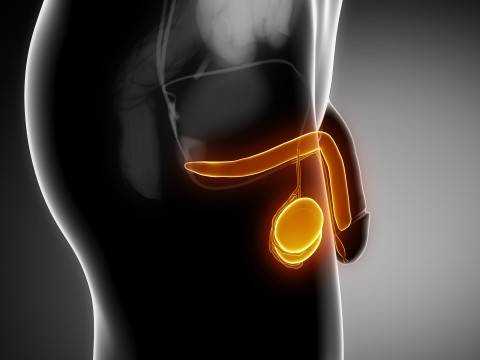
What, how, and why of the sex muscle answeredWhat the Penis is made up of? The penis is made up of several parts. The head: This is also called as the 'glans'. The glans is coated with soft pinkish tissue called the mucosa. The protective covering of the glans is called the foreskin. The foreskin is retractable. In circumcised men, it is the foreskin that is removed. The shaft: The shaft or the body of the penis has two surfaces. The dorsal part i.e. the upper part of an erect penis and the ventral part i.e. the lower part that faces backwards in a flaccid penis. The root: This is the attached part of the penis. Corpus cavernosum: This is the tissue that lines the shaft on two sides on the dorsal side. During sexual excitement, this corpus cavernosum fills with blood that results in the stiff erect penis. Corpus spongiosum: This is the tissue layer running in between the two layers of corpus cavernosum on the ventral side of the shaft. The urethra: This is a narrow tube that runs through the corpus spongiosum. The urethra's main function is to excrete the urine out of the body. How the Penis does what it is supposed to do? Urination: The process of expelling urine is a coordinated act involving the bladder muscles, the central and the somatic nervous systems. The urethra present in the penis serves as a tube for the urine to pass out. Erection: A erect penis is required for the successful insertion into the vagina. During the height of sexual excitement, there occurs dilatation or enlargement of the blood vessels in the corpus cavernosum causing a rush of blood into it. This elongates the penis and makes it hard and stiff. Erection angles: The way a normal penis points when erect is called the erection angle. The penis is either pointing straight to the front or it may be facing up or down to the feet. An upward angle is most common. A study published in 'Journal of Sex and Marital Therapy', shows the erectile angles in standing males from 20 to 69 age groups in the following table In the table, zero degrees is pointing straight up against the abdomen, 90 degrees is horizontal and pointing straight forward, while 180 degrees would be pointing straight down to the feet. Angles from vertically upwards: 0-3 - 5% of male 30-60 - 30% of males 60-85 - 31% of males 85-95 - 10% of males 95-125 - 20% of males 120-180 - 5% of males Ejaculation: Ejaculation is when the semen is pushed out of the penis. During the sexual act, the process of ejaculation forms the culmination with the male achieving an orgasm immediately after. At times, there is ejaculation of semen spontaneously during sleep, called Wet Dreams. Normal Variations- When you have what others don't (and it is completely normal to have them)! Curvatures: While most penises are straight, it is not abnormal to have a curved penis. Curvatures up to 30 degrees are considered normal and no medical attention is advised. Over 45 degrees may need you to get yourself checked for certain diseases, though. Phimosis: This is the inability to retract the fore-skin fully. It is harmless and occurs in about 8% of boys. The British Medical Association suggests that no medical treatment may be required till 19years of age. Pearly Penile Papules: These are small pale bumps that are found around the tip of the penis. They are very common in men aged 20 to 40 years and may be mistaken for warts. Unlike warts though, they are completely harmless and require no treatment. The human penis has one of the most advanced designs through eons of natural selection for high sperm competition. Disorders of the Penis: When you have what others don't (and it is not normal to have them)! Paraphimosis: This is the inability to retract the foreskin. It may be extremely painful when retracted. This condition occurs when there is leftover fluid accumulated n the foreskin due to some previous surgery. Peyronie's Disease: This is a condition where the penis is extremely curved. It is caused due to a scar tissue running through the shaft of the penis. There is an option of surgical correction. Herpetic Eruptions: This can happen when there is unprotected intercourse with an infected partner. It shows as painful ulcers and eruptions on the head and shaft of the penis. Absence of sensations and erection: This is a condition where one is not able to feel any kind of sensation in the penis and a total lack of erection. This occurs secondary to diabetes mellitus and also as an after-effect of past falls on the back or injuries to the groin area. Erectile Dysfunction: This is a condition that happens due to psychological stress, performance anxiety, natural ageing and diabetes mellitus. It is expressed as an inability to get aroused or inability to maintain the erection for a time enough for proper sexual activity. Priapism: This is a serious condition requiring immediate medical attention. Here the erect penis fails to return to its flaccid state and as a result may lead to potentially serious conditions like a thrombosis or gangrenous state. Severe cases may require amputation too. The causative mechanisms are not well-known but involve complex neurological and vascular factors. The condition is associated with drugs like sildenafil, commonly known as Viagra. Pudendal Nerve Entrapment: Too tight pants and underwear, arrow hard bicycle seats, accidents can lead to this condition. The symptoms include loss of sensation and ability to achieve orgasm along with pain in the penis during sitting. Infections: Common infections of the penis include balanitis, urethritis, syphilis and gonorrhea. Theya re characterized by burning, itching and foul discharge. Lasting longer in bed is every man's desire. How do you go about it is very important. Follow the right diet and exercises along with lifestyle changes to achieve the desired effect in bed. Stay away from medications that claim to make you last long. Ref: Sparling J (1997). "Penile erections: shape, angle, and length". Journal of Sex & Marital Therapy 23 (3): 195-207
Are long hours of work bad for your sex life?As researchers in 'Occupational Health' indicate that working more than 8 hours a day could seriously shorten your life span by inviting all sorts of ailments like heart disease, sleep deprivation, chronic fatigue syndrome among others, it could very well mean sounding the death knell on your love life! So how does work affect play? The stress that goes with long work hours could certainly lower sex drive leading to feelings of frustration and inadequacy amongst partners. 'Erectile dysfunction' and lack of sexual desire are now on the increase amongst men with high pressure jobs and fancy designations. This in turn adds more strain on the relationship as partners naturally feel spurned due to the general lack of intimacy and sex. There is also the added danger of extra marital affairs as hours away from home can increase the chances of one night stands or casual sex thereby increasing the risk of STDs and sexual guilt which can only spell doom on the home front. So if you are a busy person this is what you can do to keep your bed from crumbling: Take a break now and again from work to call your spouse or partner. This can indicate that though you are busy he/she is foremost on your mind. Do not sacrifice your weekly offs as this is the time that your body, mind and spirit need all the healing that they could possibly get at the hands of your mate. Try and involve your mate as much as possible on what is happening at the work place. This way your contribution at your work place can be appreciated and can lessen the grouse, somewhat, like you are never available and similar other complaints. Preferably keep time for making love. These moments of intimacy are really what makes life worth living and should be given as much prominence as your promotions and annual appraisal. Do not miss out on your meals and exercise routine that ensure that despite hectic work pressures, you can still summon up enough energy to make love. Try a relationship counsellor to help you fine tune your work schedule to your home life.  
FAQS
T&C FAQS