Home
Too much of these can be detrimental to healthModeration is the mantra for everything in life. There are a lot of things in our daily life that we do. Excess of these can be detrimental for your health. Let's see how: Television, Laptop, Mobile: That screen is torture for your eyes. Looking at the TV/ laptop/ mobile screen for too long can cause dryness of the eyes. It also makes the mind dull and inactive. Even though you have not done anything much, you feel tired. It is also unhealthy for your social and personal life. Gadgets are meant to add convenience to your life, and not alienate you from real people. These also lead to sedentary lifestyle which further triggers obesity, hypertension, diabetes and other chronic ailments. Travelling: Many of us travel for work, for education. Frequent meetings are a part of work life. Some like to holiday a lot. But too much traveling upsets routine for the body. It changes schedules too often, adds new stressors to an ordinary day. Food options also get limited and sleeping patterns are influenced. If your job demands excessive travel, make sure you consciously put an effort to choose a healthy lifestyle when away from home. Worrying: Worry is unavoidable. Think of a day you did not worry about anything, isn't it difficult? Normal stress is a part of life, but if you are worrying too much, you are weakening your immune system in more ways than one. It makes you weak, susceptible to infections, prone to lifestyle diseases, and also affects your social life and relationships. Vitamin supplements: Supplements are not your daily diet. Have them in moderation and with due consultation from a doctor. Some vitamins get stored in the body when taken in excess quantities. This can result in condition called as hypervitaminosis and various health problems. Exercise: Body is not a mechanical machine that can keep functioning at the click of a switch. Even a machine needs oiling and repairs. If you love to exercise, that's great. But don't do it all day. Too much physical exercise is strain on the body. It can lead to muscle exhaustion, weakness, breakdown and may even damage the kidneys. Sleeping: Sleeping is the rest the body needs but too much of rest means rusting. Oversleeping makes you dull and may even trigger your migraines. It annoys the body clock and may create metabolic disturbances Social Networking: This is not good for your mental health. Those two hundred friends who like and comment are not your world; the one whom you call when you want to cry is your friend. Posting images and sharing updates on social media is fine, but it is more important to talk to those who live with you, who are physically around. Many peer pressures and image issues also arise from excessive social networking and people may tend to live in a 'make believe' world.
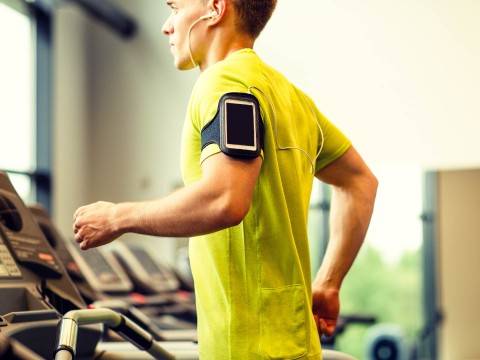
Making the 30 the new 20 - Some healthy tips for men over 3030s for most men is the age of making money, a firm career and preparing a good and luxurious retirement plan. But in this race of minting money, getting a house, buying a new car, don't you feel you lose the verve to be young in body, health and spirit? Result, you are in the lap of one or the other lifestyle diseases. Well guys slow down and ponder a bit.Your age can be on your side when you try to maintain it not when you extract all energy and fill it with monotony and laziness. 30s can turn into new 20s for each one of you but that can't happen by sitting in front of the TV set watching your favourite game and gulping down a beer. So you need to put your mind and heart together and try to work out options to keep your mental and physical health optimized. Let's discuss few such ways which can be the key to your health post your 30s. Be a part of the maddening crowd Post 30s men have a habit of engaging themselves totally into their work, that very little time remains to socialize and meet people. Studies prove that people who are part of a big social group have fewer chances of heart diseases as they are supposed to be happier and stress-free compared to their counterparts who spend their time in their office files and TV. Be healthy, wealthy and always wise with exercise Hitting the gym would be a trend amongst teens and those in twenties, but you need it the most at 30 as this is the age staying fit is essential to keep all diseases away. If you are not a gym fan then you can try any of the other methods of exercise: Morning walks Joggings Yoga Aerobics Options can be innumerable but you need to choose what suits you and your lifestyle best. Avoid the idiot box Do you spend your evenings in front of the television set? Well that is definitely one of the unhealthy habits you are nurturing then. Television sets make you dependent, which mean very few body movements. The only exercise you get is when you reach for the popcorn or when you fiddle with the remote for the mute button in-between commercial breaks. Also it takes up your time which is meant to be spent with family and friends. So next time you get home from office, try and grab a game with your kid or a nice chat with your wife or walk down the road to your friend's house and go out for some fresh air instead. Say NO to the puff A very common habit which catches hold among men especially since their teenage is smoking. Men who have been smoking since their teens don't feel a need to change their ways and it just seems to get worse. Now in your middle-age you don't smoke for effect but rather as a refuge from all tensions and tribulations or sheer force of habit. You are aware that smoking and nicotine dependence whether through smoking to chewing tobacco can put you at risk of lung cancer, hypertension, heart valve blockages and much worse? Being a bit more sober than you were in your 20s is essential here. Stop the smoke and try to look into the clear air around you. Less alcohol, more life Alcohol not only hits your liver and takes you away from the real pleasures of your life but also makes you prone to all the diseases which starts showing its symptoms in the middle-age only. Increase in anxiety, blood pressure, high cholesterol or other cardiovascular diseases come into forefront more with age. Does that mean you should stop this within a day or two? No, you need to limit the number to one or two pegs maximum a day and you will be fit for a healthy life. Go fishing Now this does not mean you need to hunt for your own food or dangle the bait or go hungry. Just make fish a part of your daily diet. Fish or sea food after stepping in your 30s makes you able-bodied and increases immunity to fight diseases. The necessary proteins, vitamins, essential oils, zinc, selenium etc. can be had through just one source-fish! Bone mania Calcium deficiency a common disease in women in their 30s causes joints pain primarily, now this should never be neglected by men as well because with changing lifestyle, men also are falling prey to it. Declining calcium concentration in your bones post 30s makes them prone to more fractures and bone damages. The right balance between physiotherapy and food habits makes you more agile and keeps the joints squeaky clean! More sunshine Research prove that spending 15-20 min in the sun everyday helps one to keep away from diseases like osteoporosis, back pains, arthritis etc. Requirement for Vitamin D is fulfilled and all readily bodily deficiencies get mitigated. Thus step out in the sun for some time and experience the results yourself. Avoid the junk Pot bellies are a common sight among men as they hit their 30s. You don't have to live with it! Obesity is the starting point of most diseases. Thus what you require is just focus on a healthy diet plan. The burgers and pizzas which might be irresistible to you in your teens should be only looked at dispassionately without bringing your mouth a mile near them. Extra cheese and butter are now not to be served on your platter. A bit hard-hitting but to stay healthy needs to be done without any second thought. Thus the above mentioned pointers can be followed by guys at any age but should be followed rigorously when you hit 30! So, live your life healthiest and to the fullest!  
Pregnancy myths bustedChances of getting pregnant each month gets increased by 50% in the women of the age of early 20's: This not right, for a women to get pregnant is not easy. When a woman is below 25 the chances of hitting baby bingo are only 20 to 25 %, while the women above 35 years of age the chances are 15%.   The baby's gender could be understood by the shape and size of the belly. It is believed that woman carrying a girl has high belly: False again. The shape of belly depends on original shape of the abdomen, amount and the distribution of the fat, strength of the abdominal muscles, the number of babies conceived and the position of the baby... but in no way possible can the shape or size of a belly give away the sex of the baby inside.   The best fertility lubricant to be used for conceiving is saliva: This is totally wrong, actually saliva is the sperm killer, most of the lubricants and massage oil are also not good for fertility, so it is better to go without using any lubricant.   Sperm production is impaired by laptops: This is true. Heat is not good for male fertility when laptops are used on laps they may generate heat and affect the fertility. So it is good to use the laptops as desktops.   The conceiving period of most of the couples is 3 months: This is not right, most of the couples take about 6 - 12 months of active efforts to conceive if they are not having any fertility problems.   There are more chances of conceiving, if you do more sex on the fertile days: This is true, the man having normal sperm count to have sex during her partners fertile days is good for conception. Having everyday sex was suggested in earlier days but anything which is done in excess is always more.   The egg can be fertilized within two days after it is released: This not true, an egg has the shelf life of only 12 to 24 hour, and the sperm have to meet with egg within that time, though it has the shelf life of 3 days or more.   Position during conception matters: This is not true, the sperms which are healthy are good swimmers, they can make you pregnant in any condition.   Eating oysters is good for getting pregnant: This is true, oysters are the good source of zinc, which is the most fertile mineral, it is also a good booster for libido, it can be used by both sexes.   Having cough medicine is good for getting pregnant: This is true, cough expectorants loosens up the cervical mucus as it does with the mucus in the chest, and the looser cervical mucus gives the sperm an easier and faster way to get pregnant. But some cough medicines contains an antihistamine that dries up all the mucus, which makes for a difficult swim for the sperms.   The sex of the baby is known by the glow on the face of the mother: This is not true, as the morning sickness of the mother is stopped, she starts eating well, the blood circulation also improves and in general the mother feels good, which gives the glow on the face. There is no relation between the glow on face and delivery of a baby.   The baby having lots of hair causes heartburn to their mother: Completely false, heartburn is the common complaint of the mother during pregnancy, this is due to reflux in oesophagus, in this the food particles come up through the food pipe and due to its acidic nature it causes heart burn. There is no relation between baby having lots of hair and heartburn.   The food intake of the pregnant woman should be doubled, for baby and the mother: This is not true, the pregnant woman, should take a balanced nutritious diets containing ample of proteins, vitamins, and minerals, small meals should eaten for every two hours rather than eating only 3 times the bulky meals.   Labor can be induced having sex during pregnancy: Not true, if the woman is physically fit during pregnancy can have sex as advised by the doctor only the position during sex should be taken care of, it should not cause discomfort to the woman.   Regular breastfeeding is a barrier for getting pregnant: Again a myth, the women can get pregnant even in the lactational ammenorrhea before the first menstrual cycle. You should always use contraception to avoid pregnancy.   Using computer during pregnancy can harm baby: This is not true, there may be backache if you continuously work for a long time on computer, but there is no direct effect of computer on the baby.   Source: What to Expect Before You're Expecting
Exercise to fight off depression in school kidsBefore concluding on the effects of different forms of exercise on children, it is important to note the distinction between fitness and exercise. Fitness encompasses most importantly a healthy lifestyle of which exercise forms a part. For this reason, when researchers examined the impact of fitness on emotional being of a child, most of them covered three main determining factors, namely the body mass index, the child's feeling about fitness, and a shuttle-run test. Depression is characterized by recurrent feelings of despair and hopelessness. The main symptoms of depression include sensations of unworthiness, dysfunctional thinking, lack of concentration, low level of sleep, anger, social isolation, crying, physical grievances like headaches which do not react to treatments, reduced interest in social activities, and thoughts on suicide. It is not necessary that every child will undergo all the symptoms. If most of the symptoms recur continuously, then it is a warning sign. The propensity towards chronic depression is higher in those who suffer from depression during childhood. A healthy lifestyle is accompanied by a range of psychological benefits. When you exercise, your body produces endorphins which stimulate positive sensations about the self. Produced by the brain, they also reduce the sensation of pain. A healthy lifestyle boosts the sleep cycle and helps in coping better with tough situations. A medical study conducted by University of Texas revealed the positive effects of physical activity on middle-school graders. It was found that there is a robust link between depression and fitness in girls. Even though boys show association, it is not explicit.  Conclusively, it was pronounced that exercise helps in reducing the chances of depression in school-going children. The best way to help your child is by introducing activities that she or he finds interesting. Initially, you might face resistance. The most important task is to communicate with your child. In the face of such resistance, you can attempt to find a hybrid therapy to reach out to your child. Apart from scheduling appointment with a child psychologist, you can also meet up with a physical health advisor. Emphasize on activities which will also help your child to meet new people. According to the Center for Disease Control and Prevention, one of the main benefits of physical activity is betterment of academic achievement and conduct in children.
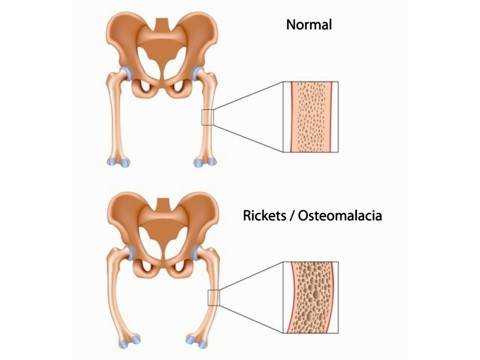
Bow legsCauses: Physiological - As mentioned before, bow legs are normal below 18 months of age. Thereafter as the child continues to grow the bowing begins to improve slowly. By the age of 3 to 4 the deformity usually gets corrected. Blount’s disease - This disease results in bowing of legs due to abnormality of the growth plate of the upper part of shinbone known as tibia. Growth plates are the growing end of the bones. It is diagnosed after the child is 3 to 4 years old. Rickets - Rickets is a group of diseases that occurs due to deficiency of vitamin D. Rickets is characterized by bow legs and other bony deformities. Most commonly rickets occurs in children due to deficient intake of vitamin D. Signs and symptoms: The bony deformity becomes visible when the affected child walks or stands. The uncommon walking pattern of the child is the commonest symptom. Bow legs usually do not cause any pain. However, persistent and severe bow legs cause discomfort to other bony structures like spine and hip. Test and diagnosis: The doctor at first asks questions to the parents regarding the development of the child. This is followed by physical examination of the child. Physical examination often suggests bow legs. If the doctor suspects an underlying disease, necessary laboratory tests are done. The doctor always asks for an x-ray of the affected legs to evaluate the severity and extent of bowing. Treatment: If the bow legs persist after 3 to 4 years or an underlying disease is detected, treatment is undertaken. Medical and non-surgical treatment- In cases of physiological bow legs, no treatment is required. The parents are reassured by the doctor and spontaneous resolution takes place by the age of 2 years. Continuous followup is advised for borderline cases. Children with Blount’s disease need treatment with a brace. Children with rickets need medical management by a specialist doctor. Additionally, they need advice and regular followup by an Orthopedic surgeon. Surgical treatment  - If the bony defects persist in children with bow legs even after medical and nonsurgical treatment, surgery is required to correct the bowing. Two types of surgery is advocated to correct bony deformity of the legs. Guided growth:  Growth of the healthy part of the growth plate is stopped and that of the abnormal part is promoted. This allows straightening of the legs. Tibial osteotomy: The shinbone (tibia) is cut and reshaped to correct the deformity. Then bone is fixed with screws and plate. In both surgeries a cast is applied to promote healing of the bone. Crutches may be required for a few weeks to prevent weight bearing on the limb. Later, physical therapies are advised for complete recovery of range of movements and regular activities. Prevention The parents need to be vigilant about appearance of any bony deformity in legs of their child. The child must be given adequate amount of vitamin D in diet or vitamin D supplementation to prevent development of rickets.
What is megalomania?Bertrand Russell's quote on megalomania perfectly describes the condition:"The megalomaniac differs from the narcissist by the fact that he wishes to be powerful rather than charming, and seeks to be feared rather than loved. To this type belong many lunatics and most of the great men of history." Megalomania is a delusional bipolar disorder. The sufferer believes he is an all-powerful person and that he is superior to all other people. Megalomania comes from the Greek words megalo which means large or great and mania which means madness. It is a psychopathological disorder that has delusional fantasies of power, exaggerated self esteem and a sense of omnipotence. The sufferer may believe he is God or some famous athlete. Although megalomania is a term used for power hungry people, it is clinically described under the mental disorder of narcissism. Narcissism is self-love. Though self-love is a healthy concept, narcissism is a pathological state where one loves oneself to the extent that he starts despising others. Megalomania is caused by certain phobias and mental conditions associated with emotions and personality. In everyday life, megalomania can be a person's mental way of reacting to frustration, abandonment or some serious loss. In the social world, the term megalomaniac is often synonymous with control freaks, power-drunk army generals, executives and politicians. The treatment of megalomania includes medications. The challenge here is that the person may not believe he has anything wrong with him. He, in fact, believes that he is so great that no harm can come to him, so talking him into getting himself treated is very difficult. Adolf Hitler, the German dictator, was a power-hungry control freak. He believed that he was the supreme commander and that his race was the only race suited to inhabit earth. All other races, especially Jews, were inferior and had to be wiped off the face of the earth. Adolf Hitler was megalomaniac.
Fruit diet can be dangerousFruits are healthy and provide lots of nutrition, vitamins, antioxidants, carbohydrates, fibre and bioflavanoids to the body.These things together protect your body from different health conditions and heart disease. However if you only eat fruit, you miss many other essential nutrients such as fats and protein. This can upset your stomach and lead to indigestion. Hence it is very important to take a well-balanced diet to remain healthy. Check out why you should not rely solely on fruits for living. Fruits do not provide protein Protein is highly important for your growth and development. By eating only fruits, you are restricting your intake of proteins that can stop your overall development process. Your body requires calories and energy on a regular basis. Each cell of your body contains protein. To keep your body cells in top working condition it is important that you include protein-rich foods such as lentils, soy products,  nuts and beans in your regular diet. You can also consume low-fat dairy, lean meat, fish and skinless poultry to provide required amount of protein to your body. Fruits do not provide fat Although excess of fat is not good for health, it is essential that your body requires on daily basis to ensure smooth functioning of your immune system and also to help your body absorb various minerals and vitamins provided by other foods like fruit. If you continue being a fruitarian for long duration, the chances of stroke due to brain haemorrhage increases. According to health experts, you should get around 20 to 35 percent of your daily calories from fat. To provide your body with good fats you should include soybean, sunflower, olive or canola oil in your diet. Fish and poultry also provide good amount of healthy fats to the body. Too much of fruits can lead to digestive problems Fruits provide fibres to the body in large amounts. Although your body needs fibre as it is one of the essential nutrients, getting too much of fibre can lead to side effects. Fibre works as broom to clear of your abdomen and aid in the digestion process. However, too much of fibre leads to stomach problems and cause symptoms such as gas, cramps and bloating. Sometimes it may also lead to chronic diarrhoea, dehydration and loose stools. On a regular basis, a woman requires only 22 to 28 gm of fiber per day and a man needs 34 to 38 gm. Apart from fruits, seeds, vegetables and whole grains also provide fibre to the body. Other considerations If you limit your intake to fruits, you may not get enough calories required for producing the required amount of energy. Consuming calories less than 1100 per day can lead to lot of side-effects such as intolerance to cold, gallstones, hair loss and fatigue. So although fruits taste wonderful and are very tempting, being a fruitarian is not the best thing for your health. Your body needs all the nutrients for carrying out its different activities and hence you should include variety of foods in your diet.  
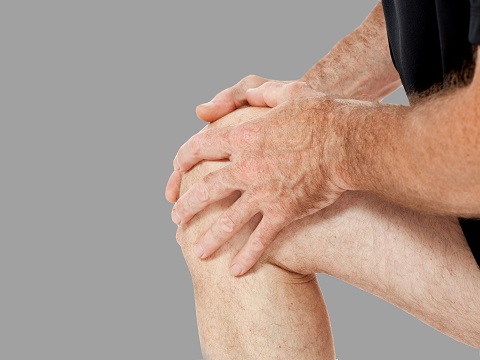
Arthritis friendly workoutsRheumatoid arthritis is more common in women over 60, and is the inflammatory type of arthritis where the synovial fluid functioning is disrupted. The synovial fluid maintains the health of joints, bones, and cartilages. Osteoarthritis is the most commonly occurring type in both men and women, and in this type there is gradual wearing away of the bone cartilages, which, in turn, causes stiffness, and pain in the muscles, joints and tendons. There is a classic catch 22 situation in arthritic patients and that is they avoid exercise or are advised extreme caution while exercising. The pain and soreness which comes from exercising can be extremely discouraging, so some shun exercise altogether. Now, the lack of exercise is going to precipitate the condition further, and could even increase the soreness, and lead to deformity. This is what challenges most arthritic patients. Should someone with arthritis be allowed to exercise? And if yes, then what type of exercise will prove to be most beneficial? Main question is: Are there any arthritis friendly workouts? Doctors now recommend that exercising could actually work wonders for arthritis patients. The right method and type of exercise can help ease the inflammation and soreness of the joints, and build overall health, strength and flexibility of the bones, and joints as well. What would be a good exercise routine? The arthritis foundation recommends routines which exercise the flexibility of the joints, and build muscle mass, for better shock absorption, coupled with physical endurance should be specially designed for arthritics. Regular walking: Walking is a great exercise for arthritics. Walking at a steady pace for about 30 minutes, thrice a week, can help keep the limbs active, and could reduce the swelling at the knees, and hip joints. Warm up is absolutely essential in any work out, and here it is of paramount importance that you go through a warm up routine before you begin your walk. Simple leg raises, hand to toe stretches, and light back bends can be done to warm up the muscles and joints for your walking activity. That will also reduce the possibilities of strain or sprains of the ankles along the way. Choose your exercise route to ensure that you don't walk up a gradient, and put unnecessary pressure on your knees and ligaments. Aquatic Exercises: Exercising in water is perhaps the best possible alternative, as water is absolutely low impact. This is great for arthritic patients to reap the benefits of a swimming pool workout. The easiest for chronic arthritis patients would be to simply walk, or wade in water for about 20-30 minutes. This can help greatly with building strength, and endurance in the extremities. For enhancing co-ordination you can even try walking backwards in water, or simply float and relax the body. Avoid water which is too cold, as that might adversely affect your condition. Stretching and Yoga: All easy stretches for the limbs and joints will be helpful to facilitate ease in movements, and dealing with joint pain. Standing leg raises, shoulder raises, wrist rolls are exercises which can be done quite easily, and can help keep the body supple. Though yoga also enhances flexibility, it goes way beyond just that, and actually aims at harmonizing the life force in the internal and external organs as well. No matter what type of exercise suits you, always remember: Proper warm up exercises are a must for the arthritic patient, as that can help reduce, and eliminate the possibility of injuries while working out. Do not force your body into an exercise regimen, if you are experiencing pain. It is quite ok to take a day off if the joints are sore. Get into an exercise routine slowly as your body might take a little longer to recover from it. Always seek the advice of an expert or a doctor before making any alterations to your regimen.

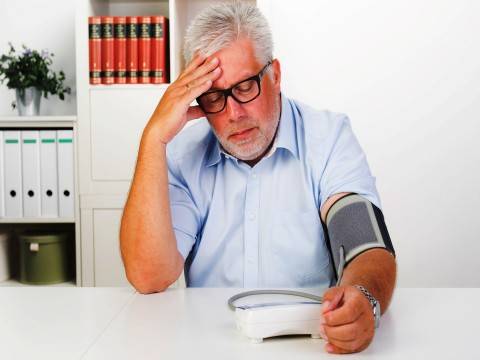
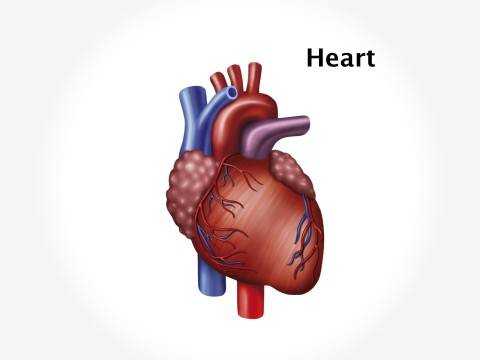
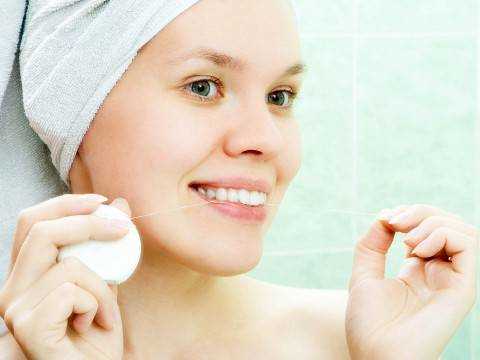
An ounce of prevention is worth a pound of cure!Small mistakes that we keep committing become, over a period of time, serious health problems that are potentially life threatening. Given here is a list of the 10 most common mistakes that we make when it comes to heart health. Ignoring the health check-up: Your last reports said you were fit as a fiddle. So you haven't gone for a check-up since then? Our health becomes the first thing we sideline in today's fast-paced lives. Most of the heart diseases do not show any signs and symptoms in the early stages and when the signs and symptoms come up, too much of damage has already been done. So it becomes very essential to go for regular health check ups. If you are in your twenties it would be advised to get your cholesterol checked every 5 years, blood glucose every 2 years. Beyond 45 years though the frequency of health, check-ups should increase. Body Mass Index is something that you should get checked every time you visit your doctor. Skipping breakfast: Breakfast is the most important part of what you eat the whole day. Most of us tend to skip breakfast due to lack of time, fear of weight gain. But starting your day without breakfast is like driving on reserve fuel. You will start fine, but end up feeling dull and sluggish towards the end of the day. Skipping breakfast has been associated with development of diabetes mellitus and obesity. These two have a strong co-morbidity with cardiovascular diseases. No wonder then it is said, breakfast like a king, lunch like a prince and dinner like a pauper. Too much of sun-blocking: We are people obsessed with fairness and it is understandable that one wouldn't want to get tanned by going out in the sun. Some amount of sunlight exposure is very vital for health. Vitamin D is synthesized by the body from cholesterol with the help of sun rays. Recent studies reveal that people with little or no exposure to sunlight tend to develop arterial plaques that end up in heart attacks, high blood pressure or strokes! Going for the fizz : Aerated drinks are loaded with triglycerides that are a part of the bad cholesterol. They thicken the blood and it becomes difficult for it to flow through the arteries. This leads to several complications. Not watching what you eat: Often we are so caught up in our work that we just grab a quick bite to eat without paying heed to what actually we are eating. Fast foods are extremely unhealthy and wreck havoc onour systems. Missing fruits and fibres: Fibrous food are extremely heart friendly. The fibres help in pushing out the cholesterol out of the body. Beans, oats and barley are all extremely fibre-rich. Fruits are a rich source of vitamins and minerals. They contain potassium that is extremely essential to neutralize the effects of sodium. By doing this they help in regulating the blood pressure. Citrus fruits too have a high amount of potassium in them. Avoiding walking: Walking is the simplest form of exercise the body can get. 10 minutes of brisk walking is extremely helpful for the heart to keep functioning efficiently. Not sleeping well: The body needs 6 to 8 hours of undisturbed sleep for it to reboot and get back its full functioning capacity.  A sound sleep at night reduces the blood pressure and regularizes the heart beats. People compromising on sleep are the ones most prone to suffer from heart attacks and high blood pressure. Not flossing your teeth: Gingivitis is the inflammation of gums. This inflammation hosts large number of germs that leak into the bloodstream and reach the heart causing a number of heart problems. People who floss daily not only have good oral hygiene, they also have a healthy heart. Forgetting the Family: Many heart diseases tend to run in the family. It is very important to know the medical history of your parents and grandparents. The risks of you developing heart diseases are high if someone in your family already has them.
Stress-free sex: Know your safe period!Having sex is a pleasurable thing; and the nicest way to enjoy it, is to give in without being bogged down by the fears of getting pregnant. Not every act of sexual intercourse will result in pregnancy. There are days when your chances of conception are very high, just like there are days when the chances of getting pregnant are almost nil. Identifying these days will help you enjoy a better and a more stressfree sex life! A woman's menstrual cycle starts from the first day of  bleeding and ends about 28 days after that, on an average. Ovulation occurs on the 14 day of the menstrual cycle. The 14th day is the ideal day, theoretically. Since every woman's menstrual cycle differs, the day of the ovulation also differs. Hence doctors calculate the fertile period from the 12th to the 18th day of the menstrual cycle. This is the period when the chances of ovulating and hence getting pregnant, are optimal. The 1st to the 7th day and the 19th day to the start of the next cycle, are the days when the ovulation chances are very low. This means if you make love during these days, there are very little chances of you getting pregnant. This is the case with women who have regular period cycles. In case your cycles are not regular, then you would need to do a bit of math to calculate your safe period. For example, if your shortest cycle is of 26 days and the longest cycle has been of 31 days, then: 26-18= 8 and 31-10=21, which means the 8th to the 21st day of your cycle, are the most fertile days. The 1st to the 7th day and then the 21st day to the start of your next cycle, are the days that are safe for you to enjoy sex, without fear of getting pregnant. Opting to have sex during the 'safe period', isn't always fool-proof though. A lot of women have irregular cycles and the cycle length can vary from woman to woman; which is why the so-called 'safe period', is in truth, not 100% safe. It is always better to use condoms or other contraceptive methods like the oral pill to prevent unwanted pregnancies.
Penis healthHere's a quick one on how to go about doing the good work The function of penis is primarily passing urine and intercourse. So from the hygiene point of view it becomes imperative that the penis, testicles and scrotum should be washed regularly with mild soap and toweled dry to keep out any odor causing bacteria. The foreskin should pull back to expose the glans or it can cause bleeding while having sexual intercourse. The foreskin is that protective sheath around the glans. It appears a simple task to pull the foreskin back about a quarter of an inch. But it is difficult. So for those men whose foreskin isn't exactly the 'spirit of co-operation'. Soap and lubrication can ease the way down. Try it slowly and gently over a few days and then ease down with practice. It is important to slide the foreskin back while bathing to wash off the 'smegma', sticky substance that tends to accumulate there. Don't wear underwear which is too tight or it may restrict the blood flow to the penis. Besides that is not very good from the point of view of the quality of sperm generated by the testicles. 'It's really surprising how many men don't clean underneath their foreskin', says Patrick French, sexual health expert. A penis, for once, isn't a muscle and you could do some serious damage in trying to bend it. Secondly, it is meant to have erections so there is nothing abnormal about that. The penis has no bones in them but don't ever try to apply strength and/or fold your penis away. It is like a tube with blood vessels which fill up and give an erection. If you were to rough handle the penis by twisting it violently it can actually cause the vessels to rupture and cause a swelling which can be painful. Do not ignore any swellings, lacerations or spots on the penis as they could be symptoms of sexual disease or infection. Even circumcised men should wash under the glans regularly.
FAQS
T&C FAQS