Home
What causes male balding?They say there are 3 types of men: the ones that go bald at the top are thinkers, the ones who go bald at the back are lovers, and the ones who grow bald at both places... only think they are lovers. If pregnancy and menstruation are a female's burden, then baldness is a great inconvenience to men. Some men lose their hair in their youth and thus lose their confidence along with their hair. So what is with baldness and men? Men start having a receding hairline by the time they hit 30, though it could begin in their 20s as well. The most common type of baldness is the mid-frontal type resembling a horseshoe. Earlier it was thought that baldness is caused only by genetic factors, but apparently emotions, lifestyle and diseases also contribute largely to hair loss and baldness. This hair loss can be temporary or permanent. Some medications like anticoagulants, antidepressants, antifungal medicines, chemotherapy etc can cause baldness. Certain diseases like thyroid disease, Crohn's disease, lupus can cause hair loss and baldness. Poor nutrition is an important factor in hair loss. Vitamin and mineral deficiencies along with poor nutrition can pave the path sooner than most other things. Then there are some conditions like Alopecia Areata which cause baldness in patches -- on the head or beard. It is temporary and the hair grow back in about 6 months to 1 year. Corticosteroid injections are used to treat the condition. Air and water pollutants, environmental toxins, conventional styling products have the potential to build up on the scalp. These affect hair cuticle, cause dryness, and weaken the hair causing them to easily break off before their natural lifecycle has ended. If you notice your hairline receding more than usual, then check if you are getting enough nutrition. Exercises like the headstand and handstand send the blood rushing to the scalp and can help with hair growth. Massaging the head with warm oil helps to increase blood circulation as well. Use a shampoo that suits your hair along with a conditioner. Oil your hair overnight at least thrice a week. Keep yourself well hydrated and try vitamin C which can help arrest hair fall. Use a clean comb and ensure that you sun your scalp, as vitamin D is an essential tonic for skin, bones, teeth and even hair.    
Preparing for fatherhoodFrom the time you decide to go for a baby, all the attention is concentrated on the mother-to-be. And this is not without reason, since she is the one that's going to bear the child for the next nine months. But that doesn't mean that the man's role is any less important. It is important for the father-to-be to ready himself for the next phase of his life. Following a healthy lifestyle Fertility is a growing problem. As per statistics more than 45% of infertility issues are related to men. Therefore, eating healthy food, exercising and living the healthy way will boost your chances of getting over these problems. Nutrition has an impact on the sperm production. So scrap the junk food for a while and get on to a healthy lifestyle. Men need to get at least 12 to 15 mg of zinc each day. Even short-term zinc deficiencies can reduce semen volume and testosterone levels, much needed for healthy sperms. Good sources of zinc include baked beans (a one-cup serving has 3.55 mg), nuts, cereals, seafood, and chicken meat (2.38 mg per three ounces). Regular intake of vitamins and calcium is a must to improve male fertility and prevent sperm defects. Natural sources of calcium such as fat-free milk and curd can be consumed. Get atleast 90mg of vitamin C daily. This boosts immunity. More will be needed if you smoke. Folic acid is a fuel for healthy sperms. Dads need 400 micrograms of it and green leafy vegetables are good sources of this nutrient. Dads-to-be can take the liberty to grab the extra cup of mocha. Caffeine may help men by stimulating sperm motility. Quit smoking and drinking The party's over for your partner once you start trying for a baby, but what about you? Same goes for men. Now is the time to stop smoking, and to stop any excessive consumption of alcohol. A man who smokes has a lower sperm count and a misshapen sperm, incapable of creating a child. Heavy or binge drinking can seriously affect ability to produce quality sperm. Exercise Add exercise session to your daily routine if you aren't doing them already. Exercise improves general health, stamina, and sperm quality. Start with walking for 15 minutes and increase it gradually if you have never exercised before. If you are trying for a baby, avoid exercising in tight-fitting briefs. It causes damage to sperms. Frequent sessions in a sauna or hot tub, long bicycle rides, or any such activity that could cause the testicles to become overheated can compromise the health of sperm and should be avoided. Medical examinations It is a good idea for the father-to-be to have a complete check-up to assess if there are any issues that need to be addressed before trying for a baby. Some conditions to watch out for include: Varicocele, a condition of varicose veins on the scrotum, the sac of skin that contains the testicles. It can lead to infertility. The condition is entirely treatable, so talk to your doctor about the options. Conditions like erectile dysfunction, diabetes, and prostatitis can cause infertility. Sexually transmitted infections, which may cause male infertility. Your doctor can help you get tested and treated. Your doctor can refer you to urologist or a male fertility specialist if you need additional testing or treatments. Remember to discuss possible hereditary birth defects with your doctor. Share with her the medical history of yours and your wife's family. Get finances organized Plan a baby budget. You surely want to give the best to your child. Start planning now. Consider expenses like baby food, diapers, toys, doctor visits, clothes, and day care. This will help you in the future. And this is the perfect time as you are just in the planning phase of baby making. Take advantage of this time before the baby arrives to get things in order concerning your job, insurance and budget plan. If you and your spouse discuss and agree on expectations, goals and strategies now, you can avoid arguments on money later. After all, you don't want baby to pick up on any tension. Dump your stress Chilling out can increase your potency. So the 'go for a holiday' advice actually works. Practise regular meditation or any exercise that will help bring down your stress levels. Try reading books on fatherhood or parenting and learn tips and advices well in advance. So gear up and start preparing for the change from being the coolest dude to the coolest dad.It is your responsibility to help your partner in all possible ways and make her feel that you are equally excited and keen for having a baby.
Woman, look below your face too!Skin problems are not restricted to the face alone. There are several places where there could be problems. You don't have to grimace and bear it always! Moles: A mole is formed when the skin grows out in a crop or cluster. Moles can be quite harmless. At times, moles are also precursors to serious melanomas. If your mole suddenly grows big or changes colour or starts to bleed, see your dermatologist right away. He will advice a biopsy to rule out anything serious. It is always safe to be in the clear! Rosacea: This is an irritating skin condition that is brought on by specific triggers. It is usually manifested as red spots on the face, flushing or small red eruptions on the face. This condition has multiple triggers, the most common one being the sun. With no cure being available for rosacea, avoiding the triggers like sun, alcohol and extreme temperatures is the only solution. For moderate to severe cases, topical or oral antibiotics are prescribed. Depending on the severity, laser treatments that zap the blood vessels that cause the flushing can also be opted for. Ingrown hair: Too much of waxing and shaving results in the hair growing haphazardly. It results in hair curling up and growing up backwards. It can be a painful condition, especially if it gets infected. Wipe the skin with a cloth dipped in warm water to soften the skin so that it can grow freely. If the pus has already found its place, dab a bit of benzyl peroxide on it. Stretch marks: When your skin stretches with rapid weight gain, as in pregnancy, the result is unsightly stretch marks. Stretch marks, though a proud and happy achievement, can be an embarrassingly reality too! Treatment for them is possible when they are still fresh and pink. Applying a vitamin A or retinoid based cream regularly helps reduce the visibility of the stretch marks by making the skin more pliable. White spots: White spots can be anything from PMLE to Vitiligo. Polymorphous Light Eruptions are the typical whitish spots that come up on the exposed parts when you are out in the sun too much. It occurs due to the damage to the melanocytes by the harsh rays of the sun. In some cases, there are antibodies that the body produces against the melanocytes that go around killing the melanocytes in random places. This causes large white spots at random locations on the body which typically spread. So use a sunblock every time you step out into the sun. If you find the spot growing in size, consult your dermatologist. He may determine whether it is vitiligo. Vitiligo has no cure, there are oral medications available, which along with the sunrays help restoring some color to the skin. Birthmarks: These are pigment cells that are overgrown. Most birthmarks fade over time. However, if yours starts growing and changes to a dark brown color, get yourself checked by a skin specialist. Chances are that it could be a melanoma. Birthmarks are usually harmless and do not require removal except for cosmetic reasons. However certain medical conditions like melanoma also warrant their removal. Varicose veins: When blood in the legs isn't unable to pump up against gravity or if the valves of the leg veins are faulty, the blood starts stagnating in the leg. This causes the legs to swell and the veins to look prominent. This painful condition occurs in obese people, at times in pregnancy and in people with jobs that requires them to stand all day. Resting with the feet above chest level is a solution for mild to moderate cases. In severe cases, the solution is laser treatment. Scars: As a child, you burnt your leg by accidentally placing it on the hot silencer of daddy's bike? You may still have a scar to remind you of that incident! Scars happen after an injury to the skin's collagen and elastin. If scarred, you may have to live with it. However, there is no reason why the new injuries have to have reminders for life. Skin discolorations, keloids or pockmarks from acne attacks, whatever the scar, there are multiple creams and laser options available to treat them. Age spots: Also called Liver spots, they have nothing to with either your age or liver. They are caused when your skin produces extra melanin to cope with your sun exposure. Alternate application of a bleaching cream like hydroquinone and an exfoliating cream like a retinoid based cream can help lighten the spots. Do this under your dermatologist's guidance only. Other options include chemical peels and microdermablasion. Lasers are last option treatments for stubborn old spots. Eczema: This is a long-term skin disease, also known as atopic dermatitis. Most common symptoms include dry and itchy skin, rashes on the face, inside the elbows, behind the knees, and on the hands and feet. Currently, there is no single test to diagnose eczema, so doctors rely on information about you and your family. Treatment options do not include cure, only immediate relief from the inflammation and itching can be obtained. Hives: Hives are the red and sometimes itchy bumps on your skin. They usually appear as an allergic reaction to certain foods or drugs. People who have some form of other allergy are more likely to get hives than people who don't have any allergy at all. Other causes include infections and stress. Hives usually go away on their own, but if you have a serious case, you might need medical help. Skin is the largest organ of our body. It is the protective barrier between our body and the outer harmful world full of bacteria, viruses and other dangerous microbes. Hence, it becomes extremely essential that caring for our skin should find top spot on our health care list.
Pregnancy myths bustedChances of getting pregnant each month gets increased by 50% in the women of the age of early 20's: This not right, for a women to get pregnant is not easy. When a woman is below 25 the chances of hitting baby bingo are only 20 to 25 %, while the women above 35 years of age the chances are 15%.   The baby's gender could be understood by the shape and size of the belly. It is believed that woman carrying a girl has high belly: False again. The shape of belly depends on original shape of the abdomen, amount and the distribution of the fat, strength of the abdominal muscles, the number of babies conceived and the position of the baby... but in no way possible can the shape or size of a belly give away the sex of the baby inside.   The best fertility lubricant to be used for conceiving is saliva: This is totally wrong, actually saliva is the sperm killer, most of the lubricants and massage oil are also not good for fertility, so it is better to go without using any lubricant.   Sperm production is impaired by laptops: This is true. Heat is not good for male fertility when laptops are used on laps they may generate heat and affect the fertility. So it is good to use the laptops as desktops.   The conceiving period of most of the couples is 3 months: This is not right, most of the couples take about 6 - 12 months of active efforts to conceive if they are not having any fertility problems.   There are more chances of conceiving, if you do more sex on the fertile days: This is true, the man having normal sperm count to have sex during her partners fertile days is good for conception. Having everyday sex was suggested in earlier days but anything which is done in excess is always more.   The egg can be fertilized within two days after it is released: This not true, an egg has the shelf life of only 12 to 24 hour, and the sperm have to meet with egg within that time, though it has the shelf life of 3 days or more.   Position during conception matters: This is not true, the sperms which are healthy are good swimmers, they can make you pregnant in any condition.   Eating oysters is good for getting pregnant: This is true, oysters are the good source of zinc, which is the most fertile mineral, it is also a good booster for libido, it can be used by both sexes.   Having cough medicine is good for getting pregnant: This is true, cough expectorants loosens up the cervical mucus as it does with the mucus in the chest, and the looser cervical mucus gives the sperm an easier and faster way to get pregnant. But some cough medicines contains an antihistamine that dries up all the mucus, which makes for a difficult swim for the sperms.   The sex of the baby is known by the glow on the face of the mother: This is not true, as the morning sickness of the mother is stopped, she starts eating well, the blood circulation also improves and in general the mother feels good, which gives the glow on the face. There is no relation between the glow on face and delivery of a baby.   The baby having lots of hair causes heartburn to their mother: Completely false, heartburn is the common complaint of the mother during pregnancy, this is due to reflux in oesophagus, in this the food particles come up through the food pipe and due to its acidic nature it causes heart burn. There is no relation between baby having lots of hair and heartburn.   The food intake of the pregnant woman should be doubled, for baby and the mother: This is not true, the pregnant woman, should take a balanced nutritious diets containing ample of proteins, vitamins, and minerals, small meals should eaten for every two hours rather than eating only 3 times the bulky meals.   Labor can be induced having sex during pregnancy: Not true, if the woman is physically fit during pregnancy can have sex as advised by the doctor only the position during sex should be taken care of, it should not cause discomfort to the woman.   Regular breastfeeding is a barrier for getting pregnant: Again a myth, the women can get pregnant even in the lactational ammenorrhea before the first menstrual cycle. You should always use contraception to avoid pregnancy.   Using computer during pregnancy can harm baby: This is not true, there may be backache if you continuously work for a long time on computer, but there is no direct effect of computer on the baby.   Source: What to Expect Before You're Expecting
Avoiding nappy rash - A few words of adviceNappy rash is a skin condition that takes its name from the nappy in which a baby is wrapped. It is a reddish rash, or tender skin around the buttocks and inner thighs of babies, which occurs due to prolonged wetness from either urine, or stools, or both. Nappy rash may be in the form of an unusually tender bottom on a child, or an inflammation around the genitals, and inner thighs, or folds of the skin. It generally occurs in really small babies, less than a year old. Most times, nappy rash is not a very serious condition, provided care is taken. No matter what type of nappy you use, whether promising complete dryness, or absorbent nappies, your baby is likely to develop 'nappy rash' at least once. The rash can make the baby feel uncomfortable, and cranky as a result. Steps to avoid nappy rash: Always ensure that your baby's bottom remains dry by changing nappies at regular intervals. Use a mild medicated baby soap which will help in keeping the skin around the inner thighs and buttocks soft. Give your baby some nappy free hours. You will be the best judge to know when she is likely to have comparatively dry spells, which can allow the skin and parts below the waist some breathing space. Regular bathing should take care of most rash related problems. Use an emollient, or medicated soap for bathing. Sometimes, nappy rash is a result of a thrush or yeast infection. The baby's resistance at these times is low so that it allows the yeast to thrive in the form of ugly red patches. Always show a medic to rule out the possibility of bacterial infections. Anti-fungal creams should also take care of normal nappy rashes.    
10 unhealthy habits in kidsNowadays, parents are too engrossed with their professional lives, and hence are unable to pay enough attention to their kids. Kids may develop unhealthy habits as a result of this neglect. Parents need to take conscious efforts to inculcate good habits in their children. Here is a list of unhealthy habits in kids, which you need to break immediately. Not drinking enough water It is very important for kids to keep their body hydrated in order to keep their skin supple and cool down the body's temperature when it's hot. Water also allows muscles and joints to work better and helps cleaning out toxins from the body through the kidney. Staying hydrated helps keep the memory sharp and the mood stable. Encourage your child to drink water before he/she even feels thirsty. Snacking on junk food Kids relish junk food. Unfortunately, there are endless options when it comes to junk food. This can cause childhood obesity and lowers the energy levels. Junk food cannot meet up the body's requirement for nutrition and vitamins. Hence, children must be encouraged to snack on healthy and tasty food like fruits, whole grain breads, or fruit breads. Missing breakfast School going kids often skip their breakfast in order to reach school in time. Skipping breakfast increases the risk of being overweight. It also leads to a loss of concentration and making bad food choices later in the day. Parents must wake their kids early, so that they have time for a healthy breakfast. Spending too much time sitting Technology has been a boon in some ways. At the same time, it has made us lazy. Watching TV and playing video games seem far more attractive to kids than outdoor games. Kids become less active which leads to various health problems, such as getting obese, becoming lazy, lacking of stamina, losing concentration and good eyesight. Parents should encourage their kids to participate in sports at their school or play various outdoor games with other kids. Not having proper sleep Falling short of sleep should be a big no to kids. Lack of sleep affects the immune system, and also causes loss of concentration, headaches and heart-related problems. Get your kids to sleep around 7-8 hours every night. Overdosing on sugar Kids have particular preference for sweet foods. But added sugar in various desserts and snacks provides a lot of calories and lacks nutritional values. Limit the sweet intake of your child, but don't force them to completely give up on it. Refusing to eat green vegetables Children generally don't like to eat green vegetables. They prefer to have chapati with jam or cheese. But that doesn't fulfill the body's requirement for vitamins and minerals. Try to cook green vegetables in different forms and make it look and taste yummy. Give them various choices of green vegetables cooked in different styles. Nail biting Though nail biting doesn't cause severe health problems, it could result in milder diseases such as diarrhea, cold, viral infections, pin worms, and food poisoning. Keep the nails of your kid clean and try to control their nail biting by explaining to them the ill-effects of nail biting. Not playing outdoor games Not playing outdoors impairs a child's social skills, as well as hampers the development of healthy body. It also causes deficiency of vitamin D. Try to encourage and accompany the kids for playing outdoor games. Eating without washing hands Kids play outside and touch various objects and surfaces, which may have lots of bacteria and germs. When they eat something with the same dirty hands, the bacteria and germs enters their body and may cause food poisoning, viral infections, and stomach aches. Keep a hand sanitizer or good hand wash at home and encourage your child to wash his/her hands before eating anything.
Crave for non-food substances to put in your mouth? Go ahead take your pica!We all have strong cravings in some form or the other, especially for food. Just thinking of a chocolate cake or ice cream can set the mouth watering and the hand creeping to open the refrigerator. However, some people have an unusual craving and it is to consume non-food items. Everyone knows that children are known to eat chalk, dirt or lick walls but at times, even adults have this unusual craving for non-food items. This condition is termed as 'Pica'. One can understand a child popping something into its mouth as it's discriminatory skills are not developed, but what about fully grown adults who have this habit? Is it a mental ailment? One can't really call it a full blown mental condition as it occurs commonly in pregnant women. The cravings are as strong as any other food craving and sometimes these people go out of the way to satiate their cravings. So, right from paint thinner, to chalk to ink, ice, plaster, paint, linoleum to plastic bits can form the obsession or craving. Pica is a combination of psychological and biochemical processes and is generally a deficiency which sets about these intense cravings.  When pica strikes pregnant women, then it could be a cause for much concern and the doctor should be kept informed. While it is easier to indulge a pregnant woman's ice cream cravings if she also develops a thing for iron fillings on top of her ice cream, then obviously it can be a rather dangerous thing to do. Ice and chalk are comparatively harmless and other than affecting the teeth and the taste, do nothing much else, but what about turpentine and toxic materials? They can definitely interfere with the body's digestive processes and can even spread harmful toxins in the body to cause blood poisoning, intestinal infections, bowel blockages and lead poisoning or arsenic poisoning.  If you have such strong non-food cravings then before you give in to them talk about it to a medical practitioner. It could well be an iron deficiency or perhaps even anemia which is attracting you to chew pencils up or making you pop dirt in your mouth. If you are pregnant then certainly the doctor will need to address the underlying issue and ensure that the pica goes away before you deliver. Wouldn't want you chewing up the baby's soother now would we?
Sweetie, I am addicted to you!Research shows sugar can be more addictive than heroin. What was the last thing you ate or drank before reading this? Bread? Banana? Chocolate? Cake? Fries? Wafers? Doughnut? Biscuits? Soda? Juice? Wine? Vodka? Coffee? Tea? They are all sugars ultimately. Some taste sweet, some don't. The first thing we taste as babies is milk. It is naturally sweet. From that young age, we learn that sugar is what we like and what we want. You may be a sugar addict, if: You need 'something sweet' after every meal. You cannot have tea or coffee without that second pinch of sugar. Dessert is a must every time you eat out. You go hunting to the refrigerator looking for cake leftovers. A little bite of that chocolate bar is all you need to be happy. You are the one who finishes off the last piece of laddu in the house. You want ketchup with everything - fries, noodles, pizza, burger, samosa, kachori. You want all the above listed items because you just read their names. When out in the hot sun, water is not sufficient for you, you want flavored sweetened chilled drinks. A mocktail or a soda drink makes your dinner complete. And many more such things. So, you see, almost all of us are sugar addicts. Studies show every person in countries like, USA, UK and Australia, may be a sugar addict. The reasons behind the sugar addiction are manifold. First, beyond doubt sugar tastes awesome. Taste factor cannot be debated with. But do you know, the taste is conditioned? Cravings are not always and entirely natural. They are a result of what you give the body and teach your taste buds. Second, businesses heavily exploit this weakness for sugar. Wherever you go there is unimaginable variety of sugar products. A café, a restaurant, a general store, a superstore, a street cart - they all have several options for you to indulge in. How much can one resist and how much can on filter the menu! Third, sugar creates instant gratification. That does work for it and that does add to our trouble. A sad day at work and some chocolate perks you up. Feeling dull and bored, let's go out for an ice cream. This happens too often. Why sugar isn't that sweet? We feel what harm can little sweet do, being happy is more important. However, sugar is worse than many other food vices. As an experiment, check the contents of everything in your kitchen and count how many of them have sugar, in any amounts. Try skipping everything that has sugar in it for the next three days. You will be shocked. The options to eat cut down to several degrees if you skip sugar. The problem with sugar is it makes you want more. A bit does not satisfy you. Sugar increases the desire for sugar - immediate and long term, likewise. The moment you have a bite of something sweet, you cannot stop there, you need to eat another bite, and another, and another. In the long run, your taste buds are getting deeply conditioned for sugar cravings. Your body learns that every time the mind is feeling low, it should ask for sugar. That is how it has been taught to feel better. You are entering a vicious cycle when you entertain these cravings. Sugar is often defamed as a white poison. It is not an exaggeration. Sugar has no nutritive value, apart from generating energy in the body. It simply increases the risk of numerous health complications. Sugar is a known culprit for diabetes mellitus, obesity, heart disease, hormonal imbalance, sexual dysfunctions, and others. Sugar addiction is the most common addiction of all. It is difficult to leave sugar completely out, but one can always cut the portions. How to beat that addiction? Time for some action? All this information must be making you want to cut down on your sugar intake. Hold on. Alcohol, smoking, drugs - they are understood and accepted as addictions. So, there are support groups, people around us will motivate and help us to de-addict. Getting rid of our sugar addiction is even tougher. It will require tremendous amount of will power and determination. Are you ready for the challenge? Let us see some simple ways to de-addict from sugars: Drink less Cut down on all the artificially sweetened drinks - colas, orange, iced teas, flavored canned drinks, sodas. They have zero health benefit. The only reason why you have them is because of the taste factor. Remember the taste is momentary. Once inside the body, these drinks are creating havoc for your system. One spoon less - Tea or coffee? What do you need to start your day? Whatever it is, try reducing the sugar portions. If you take two spoons, try one. If you take one spoon, try half. It will be difficult in the beginning but eventually you will get used to it and you will even like it. Have whole fruits instead of juices. Anything drinkable in the cans contains sugar. Say no to cans. Eat less Give the ketchup bottles some rest. Decide your weekly chocolate quota. Don't let the moods overpower your decision. Bakery items are loaded with sugar, forget they exist. Turn a blind eye to that shelf when you go grocery shopping. A fan of breakfast cereal? Check the packets for sugar content. The ones that are flavoured have more sugar. Pick the plain ones. You can add your own choice of fruit and dry fruits for nutrition. Desserts should be a onetime thing, only when the occasion calls for it. You don't need them daily. Let the sweetness be in your words, not on your plate.

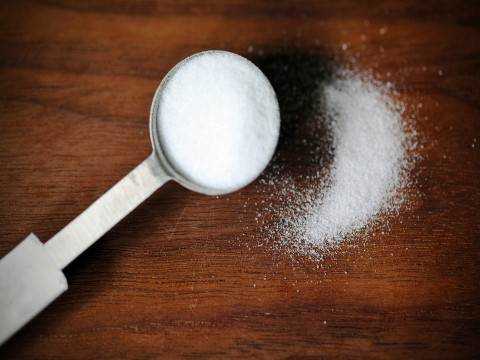
5 tips to reduce your salt intakeSalt is an inevitable part of our food, but added salt has harmful effects on the body. The list of benefits in reducing sodium/salt intake in our diet runs long, ranging from lower blood pressure, in turn leading to reduced risks of heart disease, obesity, and diseases of the kidney. The daily sodium intake of an individual should not exceed 1500-2300 mg per day (a table spoon of salt approximately), and this needs to be maintained in the salt added to our food, including the processed food and drinks we buy. Sodium, an indispensable component of our diet, is consumed in excess by most of us. Follow the tips, as mentioned below, to curb your daily salt intake. Avoid added salt. Do not add salt to already cooked food while eating. Keep a diary and make a list of foods with salt in them that you eat daily. Do not forget to add pickles, spices, papads, salted biscuits, and salted nuts. All of these are highly loaded with salt. Next time you go shopping read the labels. Choose low-salt options-sauces, crackers, khakhra, instead of papad. Make an attempt to eat less canned and processed foods. Choose fresh fruits and vegetables over processed food. Eat less bread. Each bread slice has about 250 mg of sodium. Do not mistake bread to be healthy. Next time, keep this in mind when you go out to eat pizza. Pizza base is like bread. While cooking food, make it a point to add salt only towards the end in the recipe. This way you will need to add lesser salt. Sodium content of some foods Bread (one slice) - 250mg Cheese pizza: 450 - 1200mg Tomato soup: 350 - 1000mg Potato chips: 100 - 150mg
Beating the weight loss plateauThere comes a stage when you stop losing any weight in spite of strict exercise and diet regimen. This is called as weight loss plateau. When calorie intake is reduced along with exercise, the energy required is obtained from stored fat which eventually leads to weight loss. This rate of weight loss slows down and eventually stops once body reaches its set point of metabolism. This set point varies from person to person. So what can you do next? Here are some easy ways to get the weighing scale budging: Modify diet pattern: Metabolism slows down with lowering calorie intake. To reset metabolism, you need to have an adequate amount of calories. This can be done by including fruits and vegetables, whole grains, and proteins in diet. More energy is needed to burn proteins than carbohydrates or fats. Eat within half an hour or hour after exercising. Add proteins and carbohydrates to diet. Sip water: Increase total water intake in a day. Drink water before, during and after exercise and throughout the day. Change the workout: Change the exercises you do daily. Muscles get accustomed to a routine workout. Switching exercises and continually challenging helps burn more fat and build lean tissue. Change the type and time or duration of exercise. Try cycling instead of running if you have been doing it for long. Running, swimming, dancing, and Pilates too are good options. Skipping and brisk walking help in burning calories too and break the plateau. In the gym, change the exercise or number of repetitions. If you have been working on machines for long, try weight training or floor exercises. Take rest: Adequate rest is essential for the body to rejuvenate. Muscles, tendons, and ligaments get slight internal and external injuries which can be healed by rest. Proper rest helps repair and regenerate the tissue and makes them strong. Make these changes and get the needle on that weighing scale to budge.
How to communicate with a patient who has a strokeThe first and the most important thing to communicate with the patient, is to give undivided attention. Give attention to his activities, gestures, his facial expressions through which he may try to communicate so his feelings could be understood. Eye contact is also important but the patient having stroke may look at you square in the eyes but he may not respond to your conversation. While communicating with the patient you should always stand in front and tune out all the other sights and sounds in the room. Maintain full silence around the patient in the room, turn down the volume of the television, radio and ask other people in the room to be silent. You may communicate with the patient by making contact by touching the hand, chin, cheek or areas which are not affected by stroke. As the side which is affected by stroke, does not have any sensations. You may communicate with the patient through his family member by telling the family member to communicate with patient by saying, "Look at my face"; through this we can gain the patient's concentration. You should always speak clearly with the patient in a normal soft volume. Express your ideas in simple terms, form simple sentences, do not use complex words. You may repeat the sentences or an important term again. For example to ask if the patient wants tea, repeat the word 'tea'. More complex thoughts can also be similarly conveyed and repeated. You may also use hand gestures with clarification like doing Hello by waving your hand or through your hand action, you may ask questions like, How are you? Are you ok? What do you want? Through this both caregiver and stroke patient can benefit. You may ask your patient to point out whatever he wants or if he needs anything. And gradually he will develop the habit of pointing the daily items like television, newspaper, remote, eyeglasses radio, drapes an uncomfortable foot, the patient can indicate any pain or headache. Through this communication we can make the patient learn, use mechanical lifts to get in and out of the bed, and with the help of the attendant by demonstrating the patient how to use it. Sometimes when the communication does not work, take a break, give it time and try again, do not get frustrated and reassure the patient that yes, he or she can do it. Good communication with the patient is very important as they cannot speak their basic wants and needs clearly. The patients suffered a stroke also have slurred speech. There is a deviation of the angle of mouth. They are mostly bed ridden and could not carry out the routine activities.
Sex after 40Sexual changes in normal aging after 40: Erection takes longer time Require manual stimulation, particularly by partner Erection may subside during foreplay or coitus Decreased frequency of nocturnal erection Pre-ejaculatory fluid decrease or absent Ejaculation less forceful Seminal fluid volume decreases or absent Frequency of desire for sexual release decreases with age. Aged couples learn to cope with their own sexuality. Some are happy with foreplay and self masturbation, others insist on more usually it is the male. Frequency of sexual intercourse between 20-95 years : Sexual intercourse decreases with age as the study shows. Decreased during 5year interval after 34 years Weekly frequency: 30 - 34 years 2.2%; 60 - 64 years 0.7%; 65  - 74 years 0.4%; 75 - 79 years 0.3% Do we need to change this pattern with Viagra? I would say yes - sex can be  joyful till the last days. Nobody needs to be impotent now. Home devices like rubber bands, ribbons are also used to hold the blood back in the penis when the erection is not adequate. Vacuum pump to draw blood into penis with an application of a ring after erection is also found suitable by some. Active intervention by drugs (both allopathy, ayurvedic and unani) have been successfully developed. They may be applied topically (minidoxil), inhaled (amyl nitrate) inserted into the urethral passage, injected into the corpus cavernosa or taken orally (Sildenafil, Tadalafil, etc.). Finally if all fails silastic rods can be implanted in the penis to give permanent erection. The joy of living lasts a life time.
The link between oral sex and cancerSymptoms of oral cancer: The common symptoms of oral cancer include: Red and white spots on the tongue or the lining of the mouth, inflammation of the mouth which continues well over two weeks, mouth ulcers which take over three weeks to heal, discomfort and pain during swallowing food, and lastly, sensation that something is stuck in the throat. HPV types and their nature: There are over 100 different types of HPV. Out of these, 15 have been found to cause cancer. These 15 types of HPV are called high-risk HPV. The HPV types which are found in the mouth are sexually communicable and the primary means for its transference is considered to be oral sex. It could also be carried through anal and vaginal sex, causing laryngeal cancer, anal cancer, cervical cancer, tonsil cancer, vulval and vaginal cancer, and penile cancer. Some of the HPV types get passed through skin contact. These cause warts, especially in the genital region. These types of HPV which cause the warts are less likely to escalate and cause cancer. Though there is no determinate answer as to how common the HPV mouth infection is. Advanced studies during the 21st century have put forward the role of HPV16 in new types of cancer. This was done using DNA testing. Through a medical study, it was found that the most vulnerable groups are: People in the age group of 30 to 34 and 60 to 64 years old. People who have had over 20 sexual partners in their lifetime, around 20% suffer from HPV oral infection HPV leads to cancer?: HPV does not directly cause cancer. It stimulates modifications in the cells which it has infected, like those in the mouth or cervix and due to the modifications the cell becomes cancerous. In only 10% of the cases where the patient suffers from HPV infection does cancer develop. The infection generally treats itself and is removed naturally within 2 years by the body. The chances of progression of the HPV infection into cancer is increased by smoking and drinking. Smoking injures the immune surveillance cells. Due to this injury, they are not able to fight the virus and the virus continues to persist over 2 years, leading to cancer. Vaccinations: In the United Kingdom, girls (aged 12 and 13 years old) are vaccinated against HPV. This vaccination protects the women against cervical, vulval, and vaginal cancers. Men and boys also take vaccinations against HPV, though it is not pursued as strongly as in the case of women. This leaves men who have sex with other men at a greater risk of getting oral and anal cancer. Even though the link between oral sex and cancer is not completely proven, what we do know is that oral sex causes many other infections like gonorrhea, herpes, syphilis, and chlamydia. Did you know that a very low percentage of people (only 10%) who are infected with HPV virus develop cancer? In 90% of the cases, the infection is naturally cleared by the body within two years. The natural process is, however, obstructed in those who smoke and drink.    
FAQS
T&C FAQS