Home
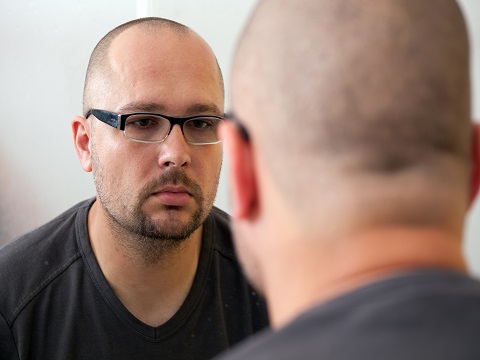
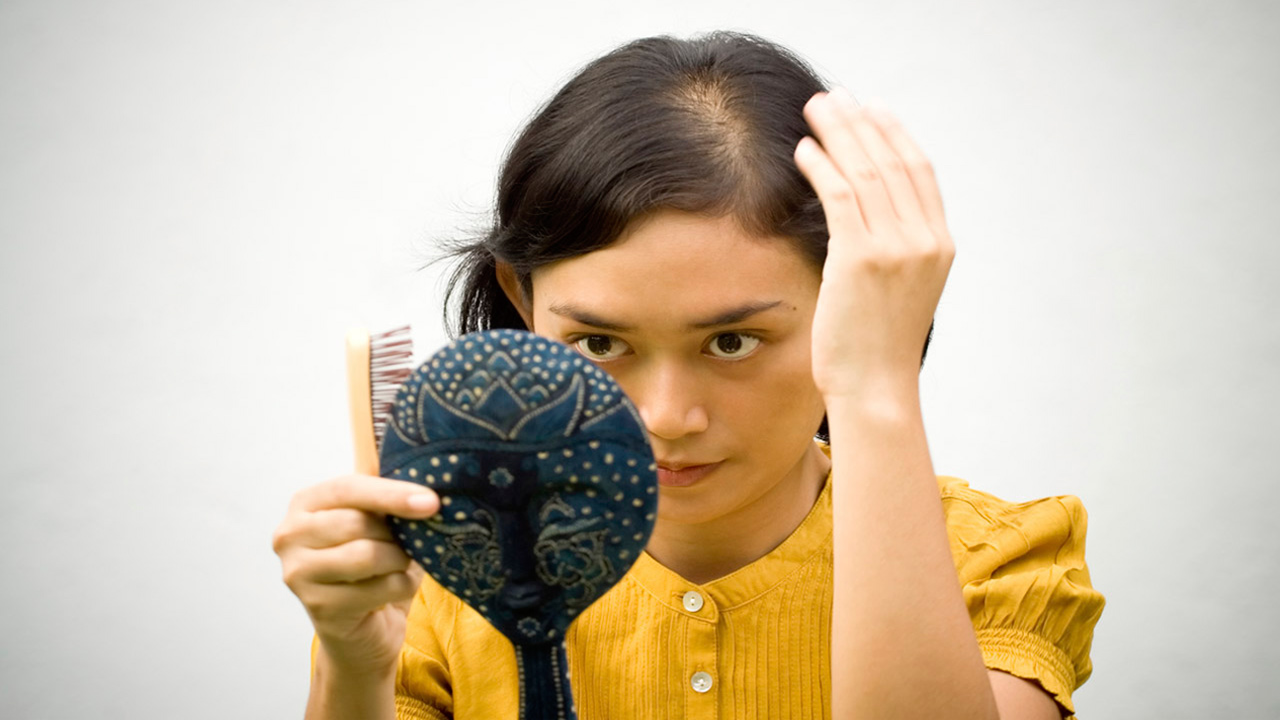
What causes male balding?They say there are 3 types of men: the ones that go bald at the top are thinkers, the ones who go bald at the back are lovers, and the ones who grow bald at both places... only think they are lovers. If pregnancy and menstruation are a female's burden, then baldness is a great inconvenience to men. Some men lose their hair in their youth and thus lose their confidence along with their hair. So what is with baldness and men? Men start having a receding hairline by the time they hit 30, though it could begin in their 20s as well. The most common type of baldness is the mid-frontal type resembling a horseshoe. Earlier it was thought that baldness is caused only by genetic factors, but apparently emotions, lifestyle and diseases also contribute largely to hair loss and baldness. This hair loss can be temporary or permanent. Some medications like anticoagulants, antidepressants, antifungal medicines, chemotherapy etc can cause baldness. Certain diseases like thyroid disease, Crohn's disease, lupus can cause hair loss and baldness. Poor nutrition is an important factor in hair loss. Vitamin and mineral deficiencies along with poor nutrition can pave the path sooner than most other things. Then there are some conditions like Alopecia Areata which cause baldness in patches -- on the head or beard. It is temporary and the hair grow back in about 6 months to 1 year. Corticosteroid injections are used to treat the condition. Air and water pollutants, environmental toxins, conventional styling products have the potential to build up on the scalp. These affect hair cuticle, cause dryness, and weaken the hair causing them to easily break off before their natural lifecycle has ended. If you notice your hairline receding more than usual, then check if you are getting enough nutrition. Exercises like the headstand and handstand send the blood rushing to the scalp and can help with hair growth. Massaging the head with warm oil helps to increase blood circulation as well. Use a shampoo that suits your hair along with a conditioner. Oil your hair overnight at least thrice a week. Keep yourself well hydrated and try vitamin C which can help arrest hair fall. Use a clean comb and ensure that you sun your scalp, as vitamin D is an essential tonic for skin, bones, teeth and even hair.    
Tips to make you feel handsomeYou must have heard that looking good takes a lot of money and hard work. But trust me, it's not true at all. You just need to stay confident, and follow few simple and easy tips to get that perfect look. Let us start off by trying to understand what exactly does handsome mean. Well, a simple definition could be -"being handsome means being confident and having loads of style and poise". It's not dependent on somebody's face, or body specifically. So, what makes a person handsome? Will his attitude count? Do we need a lot of money to get that look?  Let's answer all such questions in the article. Personal care: The first for getting a perfect look is to look after yourself well. This shall include: Hygiene: Personal hygiene is most important. Dental hygiene, managing body odor, cutting your nails on time, removing hair in the underarms, nose, and taking care of overall body hygiene is of utmost importance. Skin care: Like women, men need to take care of their skin as well. Applying moisturizers or lotions is necessary. Hair care: Try and wash and shampoo your hair at least twice in a week. You could use natural or artificial conditioners in the hair to make it soft.  Get a trim every month, or else they can become too long and unmanageable. The suave and debonair look: Along with everything else, one needs to take care of one's facial hair also. Try and avoid the rough and rugged look, and get a good shave for yourself. You can either keep clean shaved look, or maintain a beard which is well trimmed. This will give you an urbane and classy look. Clothes cabana: One needs to understand that there are some clothes which shall look good on them and others not. Try and determine which shades look good on you. After this, you need to choose your formal and casual wears as well. Take risks, as you cannot guess what will look good on you every single time. The must have checklist is given below:  A pair of good dark blue jeans A white shirt A colored T-shirt Jacket and waist coat Dinner jacket or tuxedo (whichever suits you) Pair of black trousers Sweatshirts A Full pastel shade sweater Accessorize your look- You need to pair good clothes with cool embellishments like- Shoes: Get two different pairs-one leather and the other sports- for formal and informal occasions. The shoes should be buffed with shoe wax regularly, and you can wash off the dirt on your sports shoes once a month, at least. Belts and Tie: A good and well fitting tie, and a sober choice in belts always adds to the look of the "complete man". Watches: A good analog watch is a "must have" on every guy's wrist. Work out regimens: Now, work out does not only mean joining a gym, or keeping a personal trainer. You need to just keep your body fit, and that can be done by jogging, yoga, or even daily walks. You can even pick up a sport, for that matter. Eat healthy: Try to follow a diet regimen which, nowhere, means you need to have nightmarish boiled vegetables only. You just need to avoid eating outside . This shall not only help you look good, but will let you remain  young and fit for many years.  Once in a week, though, you can easily dig into your favorite foods. Say no to cigarettes and alcohol: Working out, or eating healthy will never help you get in good shape till you say no to all the bad . Try and quit smoking and drinking, as they affect your health and stamina adversely. Along with that, they also have a very bad effect on your mental health. Million dollar smile: Try to wear a good and sweet smile, as a straight face might end up making you look unapproachable and arrogant. So, remember, smiling always helps to complete your attire, and style. Good stance: Wearing all the best outfits  might go all in vain if you have a bad body posture. Try to walk and sit straight. Having an erect stance always makes you look more confident, attractive, and masculine. Wear your confidence and attitude: Lastly, be comfortable and confident with whatever you wear, and however you look. Being confident makes you win half the battle always. So, what are you waiting for? Start off your preparations, as being handsome does not really require an occasion.

Making babies, the best way!Some couples get pregnant easily. But many couples have to wait months before the baby is conceived. There are several factors that affect conception right from fertility to the position during intercourse. Some believe that positions have nothing to do with conceiving a child. This is not true. Some positions are ideal to help the sperm meet the ovum. Let's see what some of these positions are. Missionary position:The best position for getting pregnant fast is the missionary position.Here the man is lying on top of the woman allowing for the deepest possible penetration, making it possible for the sperm to get deposited closest to the cervix. It is also the most common and comfortable position preferred by couples. Raise your hips high: Your hips have a lot to do in helping you get pregnant. Raise your hips high during sex by placing a pillow below you. This helps to expose the female cervix to as much semen as the male can release. Doggy position: Considered to be the most erotic and pleasurable position,this rear-entry position where the man enters the woman from behind is also recommended for increasing the chances of getting pregnant. In this position too, the sperm is deposited closest to the cervix, thereby increasing the chances of conception. Side-by-side: You can also try having intercourse while lying side by side. This position, likewise, causes the most exposure of the cervix to the male sperm. While these positions certainly improve your chances of getting pregnant, there is no guarantee that you will conceive. The most important thing is to enjoy this special time and have fun with your partner. So keep enjoying and keep trying!
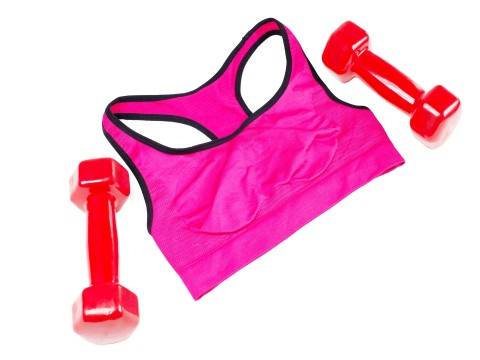
Just how sporty is your sports bra?Very few women in the world really know the right size of their bra and end up using wrong size bra all their life. A study shows that all over the world only 2 women out of 10 wear the right sized bra due to which they can never get the look they want. Since there is lot of difference in sports bra of different brands, you need time and patience to find out the most suitable one for you. You should keep on measuring yourself every year, and especially if you have added weight or lost weight. It is also necessary to check your bra-size after pregnancy.  On an average, the size of sports bra range from A to H and most women find a comfortable fit among either of this size. A good sports bra should always offer three things- support, comfort and breathability to the breasts. Choosing a Bra with a Good Fit Most of the elite bra shops offer good range of different sports bra. But it is important to know which one suits you or is of your size. A well fitting bra gives you the liberty to exercise or move with confidence and comfort. One thing you should keep in mind while purchasing a sports bra is your life style and preferences. Some like it padded, some like it embroidered, while some may like it simple. So apart from correct measurements, your style should be given preference while buying a sports bra. Moreover, you also should take into consideration the dress you are wearing on this bra. Here are some tips that can help you in selecting the right bra when you will go to the lingerie shop. Support   A good bra should offer your breast complete support, irrespective of whether they are small, medium or even big. If you have breasts ranging in between A to C cup, you should choose a compression bra that offers more comfort and support. If you are looking for a bra that also encapsulates and gives proper shape to your breasts then you should choose a bra accordingly. These bras offer more support than the compression bra. For getting both comfort and support, you can choose a compression bra that also encapsulates your breasts properly. Comfort You should feel comfortable when you wear a bra. It should stay in place and should not chafe. If possible, try one of the samples in the changing room and check whether the straps dig into your shoulders or whether the bands provide comfortable support to the breasts. The bra should hold the breasts comfortably without being restrictive. A good bra is one that holds your breasts in place even when you are performing all the jumping, running and swinging acts. Breathability The fabric of the sports bra should be good enough to wick away the sweat from the skin so that it dries quickly and allows the skin to breathe properly. The bra should allow excess heat and perspiration to pass through the fabric keeping you dry and cool during summer &  warm and dry during winter.  
Avoiding nappy rash - A few words of adviceNappy rash is a skin condition that takes its name from the nappy in which a baby is wrapped. It is a reddish rash, or tender skin around the buttocks and inner thighs of babies, which occurs due to prolonged wetness from either urine, or stools, or both. Nappy rash may be in the form of an unusually tender bottom on a child, or an inflammation around the genitals, and inner thighs, or folds of the skin. It generally occurs in really small babies, less than a year old. Most times, nappy rash is not a very serious condition, provided care is taken. No matter what type of nappy you use, whether promising complete dryness, or absorbent nappies, your baby is likely to develop 'nappy rash' at least once. The rash can make the baby feel uncomfortable, and cranky as a result. Steps to avoid nappy rash: Always ensure that your baby's bottom remains dry by changing nappies at regular intervals. Use a mild medicated baby soap which will help in keeping the skin around the inner thighs and buttocks soft. Give your baby some nappy free hours. You will be the best judge to know when she is likely to have comparatively dry spells, which can allow the skin and parts below the waist some breathing space. Regular bathing should take care of most rash related problems. Use an emollient, or medicated soap for bathing. Sometimes, nappy rash is a result of a thrush or yeast infection. The baby's resistance at these times is low so that it allows the yeast to thrive in the form of ugly red patches. Always show a medic to rule out the possibility of bacterial infections. Anti-fungal creams should also take care of normal nappy rashes.    
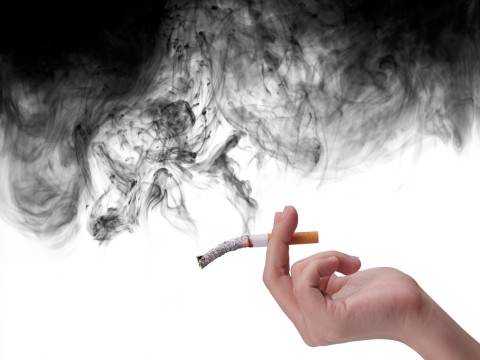
Crossing the smoke screenWhy should someone quit smoking? Smoking is probably the worst sedentary lifestyle habit that we pick up. Quitting smoking changes everything right from the way you feel, taste and smell, your breath smells better and even your cough goes away. Quitting smoking cuts down the risk of cancer, stroke, neuropathy, heart disease and breathing disorders like bronchitis, pneumonia, and emphysema. Not just that, quitting saves money too... just one of the many financial rewards of quitting. Quit Smoking Tips Write down the reasons you want to quit for, and how it will benefit you: for e.g. live longer, feel better, family safety, save money, smell better, find a soul mate easily, etc. You know what's bad about smoking and you know what you'll get by quitting. Read the list daily. Ask for help from your family and friends. Help and support of family and friends without being judgmental helps a lot. You need their support when you become irritable and even irrational while you withdraw from your smoking habit. Set a Deadline. Set a quit date when you will extinguish forever. Prepare a plan. Talk with doctor and take his support and guidance. Exercise. Exercise helps relieve stress and recovers body from damage caused due to cigarettes. Start slow and increase up to 30 to 40 minutes. Begin to breathe. Daily deep breathing for 5-15 minutes will help cleanse the respiratory system and provide more oxygen repairing the damage caused to respiratory system and help cope with withdrawal symptoms. Do not quit abruptly. Cut down on cigarettes gradually. Plan everything about number of cigarettes you will smoke each day till the quit date, reduce the number each day. Buy single cigarette at a time. This helps a great deal to limit smoking. Change brands. This way you won't enjoy smoking as much. Undertake social commitment. Keep your packet of cigarettes with someone else, so that you have to ask for them each time you want to smoke. This way you'll feel guilty about asking and hence smoking; hence lowering the number of times you smoke. Find a mate who is trying to quit. This will boost the morale and keep up the positivity. Try finding a quitting chat room. Learn what triggers desire to smoke - like stress, the end of a meal, arrival at work, entering a bar, etc. Avoid these triggers or if that's impossible, plan alternative ways to deal with the triggers. Now, after you have read this, sit down and write your own list suitable to your personality and way of doing things and create your own plan for quitting.  
Faking illnesses - An illness in itself?In 2008, a 28 years old woman in the US shared some shocking news with her friends. She had been detected with cancer. She posted updates on social networking sites and wrote blogs on her illness. Sympathy poured in from all corners. Some even sent in monetary help to cover her expenses. The saddest part of the incident though was not her cancer; it was the fact that she had faked it! Police investigations revealed her little trick when no evidences or records were found at the hospitals! Apparently, this isn't a unique case;  faking illnesses or malingering is a very common occurrence. All of us have done it at some point in our lives. While we may have done it to escape a school punishment or to take undue advantage of the office 'sick leaves' for personal purposes, it is usually done on a harmless level. But faking illness can be a chronic disorder too and  medical professionals even have a name for it-; Munchausen's Syndrome. People suffering from this syndrome fake illnesses that they don't actually have, to gain sympathy or simply to be the center of attention. Usually gaining sympathy is the main reason why people fake illnesses. It gives them a chance to be in the spotlight. Everyone calls and visits, expresses concern and fusses over them. Lots of love is showered upon them. Another common reason for faking illnesses, is money and at times, the monetary benefits are higher than the emotional ones. No one hesitates to fulfill the last wish of a dying person, however expensive it may be. Often there are mixed motivations and the person faking an illness has many reasons to keep up the pretense of being sick, for as long as possible. Some people really do have a disease — a mental illness known as a factitious disorder. People with this disorder pretend to have an illness, which is usually a terminal one and often go to great lengths to maintain their hoax. Munchausen syndrome by proxy, is another form of faking illness. People with this disorder, fake illnesses of people under their care; and they usually do this, for monetary benefits. Children are the most common victims in this disease. When you tell someone that your child has cancer, you will receive a great amount of sympathy and all the money you want, no questions asked! People with these disorders are extremely cunning. They go to great extents to maintain their lies. They will build grand stories, complain of fake pains and aches, get admitted to hospitals and undergo a battery of tests, numerous times. Interestingly, they never allow and frequently discourage medical professionals, from talking to any of their family members. Since they know they are faking the illness, they will refuse to undergo treatment, for obvious reasons. . If you think a loved one may be exaggerating or faking their health issues, attempt a gentle conversation, voicing your concerns. Avoid anger, judgment or confrontation, while offering support and care and if possible, help them in finding a treatment. Treatment includes empathy, helping in identifying feelings and issues that led to the development of the disorder and finding  alternative healthy ways to deal with those feelings and issues.
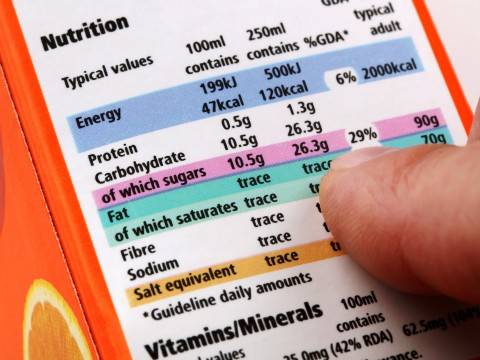
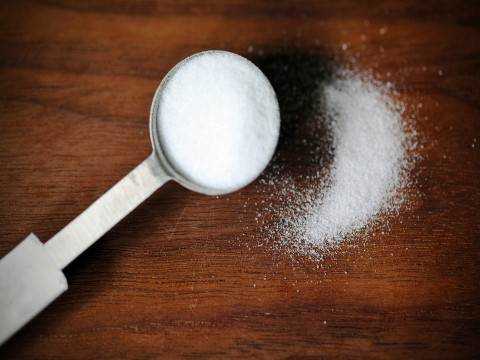
5 tips to reduce your salt intakeSalt is an inevitable part of our food, but added salt has harmful effects on the body. The list of benefits in reducing sodium/salt intake in our diet runs long, ranging from lower blood pressure, in turn leading to reduced risks of heart disease, obesity, and diseases of the kidney. The daily sodium intake of an individual should not exceed 1500-2300 mg per day (a table spoon of salt approximately), and this needs to be maintained in the salt added to our food, including the processed food and drinks we buy. Sodium, an indispensable component of our diet, is consumed in excess by most of us. Follow the tips, as mentioned below, to curb your daily salt intake. Avoid added salt. Do not add salt to already cooked food while eating. Keep a diary and make a list of foods with salt in them that you eat daily. Do not forget to add pickles, spices, papads, salted biscuits, and salted nuts. All of these are highly loaded with salt. Next time you go shopping read the labels. Choose low-salt options-sauces, crackers, khakhra, instead of papad. Make an attempt to eat less canned and processed foods. Choose fresh fruits and vegetables over processed food. Eat less bread. Each bread slice has about 250 mg of sodium. Do not mistake bread to be healthy. Next time, keep this in mind when you go out to eat pizza. Pizza base is like bread. While cooking food, make it a point to add salt only towards the end in the recipe. This way you will need to add lesser salt. Sodium content of some foods Bread (one slice) - 250mg Cheese pizza: 450 - 1200mg Tomato soup: 350 - 1000mg Potato chips: 100 - 150mg
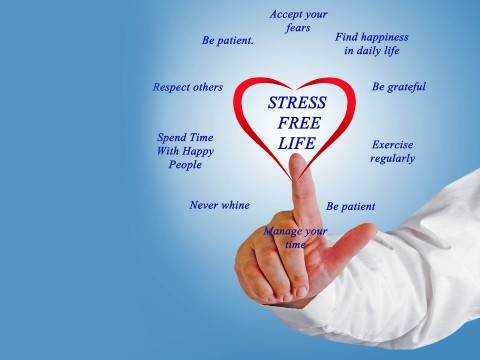
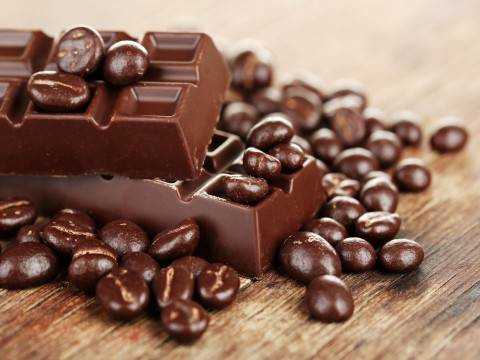
Diet to help manage stressYou cannot avoid stress, as it has now become an integral part of modern lifestyle. Children are worried about their exams and performances in the cultural events, teenagers are stressed out about their looks and body shape, adults take stress owing to competition at work, and so on. One thing is sure that you cannot stay away from stress. So, how can you avoid the side effects caused due to stress? You can include certain foods in your diet that help manage your level of stress. Researchers are already on to it, studying the effects of various foods on the stress levels. It is always better to choose from the organically harvested nuts, veggies, fruits, and fish for better health benefits. Nori Sushi nori is a type of seaweed that is rich in magnesium that contains anxiety-fighting properties. Magnesium is also known for stress reducing abilities. Apart from this, it also carries other essential health nutrients that are necessary for the overall development of health. Vitamin C Foods Cantaloupe is composed of vitamin C that is a renowned stress buster. Another great stress busting food is orange. When you are under stress, adrenal glands in your body start producing cortisol that lowers your immune system's capacity. This leads to breaking down of muscle tissue. Vitamin C in oranges have the ability to return the high blood pressure to normal level. Moreover, when you are stressed there are chances of this vitamin getting used up and hence the need to increase your intake of vitamin C rich foods. Another popular vitamin C enriched food is blueberries that are also packed with lots of antioxidants which relieve stress. Almonds Almond is a treasure trove of essential nutrients such as vitamin E, B2, zinc, and magnesium. Although they are high in fat, they provide your body with all these essential nutrients. You can easily have a handful of almonds every day and still feel less guilty about.  Apart from the fat, energy, and the essential nutrients, almonds give the brain and its memory a shot in the arm. Broccoli Broccoli is rich in vitamin B and folic acid, both proven stress busters that helps in giving you relief from panic, anxiety, stress, and depression. Bananas Bananas contain one of the most important amino acids - tryptophan that gets transformed into serotonin which is a stress-busting hormone that is known to induce a feeling of well being. This makes you happier and gives you relief from stress. Banana is also rich in potassium. Potassium regulates the heart due to which the blood pressure can be kept under control. That is why many health experts recommend inclusion of a potassium-rich diet, as it normalizes your heart rate and help you calm down in stressful situations. This makes banana an essential food addition to your diet. Chocolate The dark chocolates are bitter and give you a feeling of satiation despite the little amount you devour. Due to this feeling, you eat less, but you still enjoy the flavor of the chocolate, much more than the milk chocolate varieties. When you are under stress, most of your body organs are vulnerable to damage. The antioxidants polyphenols that are present in the dark chocolate slow down the damage and also contribute in its repair. Studies have also revealed that 40 grams of dark chocolate per day helps reduce stress-causing hormones such as catecholamine and cortisol. Increasing the intake of stress busting foods in your daily diet can help control diabetes and hypertension.
Adrenaline rush - Feel it inside!Imagine yourself at a great height, either scaling a dangerous cliff-hanger of a rock face or on a bungee jumping platform. Some of us who have had the pleasure of doing high adventure sports like racing or indulging in perilous activities like giving out an acceptance speech for the first time are well aware of that strange feeling in the solar plexus, the clammy hands and intensely thudding heart, and the rush of blood to the head just as you are about to take the plunge! The heart beats faster than ever, breathing goes rampant, the senses seem to become supercharged, and the fear, the joy, and the excitement meddles with the mind. That’s adrenaline rush! So what do you want to do? Fight? Or flight? Either ways, adrenaline does it for you. Speaking medically, the two small adrenal glands on top of the pair of kidneys release a magic chemical that gives the animals way towards the fight-or-flight response to counter certain high-intensity situations, called adrenaline or epinephrine. The chemical entity is a hormone, a neurotransmitter as well as a medicine and is too complex to explain its behavior. However, when it works the heart pumps out the blood to the excited muscles and all the juices surge up inside the body. There is more to this topic than just the physiological mumbo-jumbo. The hormone acts every day in the normal course of life, but not regularly to the extent when it produces side effects such as shakiness, palpitation, high anxiety, and profuse sweating! Thats kept for special situations like physical threat, excitement, bright lights, noise, and really high temperature – in good or bad ways. Let us surf through some of the rewarding and a few of the nasty situations where the jolting juice takes charge of our body! The Good ones: Countering Stress: In extreme stress conditions like accidents or fracture, the body needs to react fast and is at its highest awareness. Adrenaline keeps the muscles up and kicking to help the victim fight with the stress. High Energy Requirement: In majority of sports, more specifically in contact sports like Rugby, Boxing, Mixed Martial Arts, etc., the player needs to be in his full sense and topmost concentration level. The adrenaline rush runs in the background to keep them at their extreme self. The Push Mode: Often the daily chores aren enough to excite us and we tend to search for some adventure. In such pursuit of excitement, there are times when the road is a dead end or there is only one way forward – the impossible or most difficult one! The hormone pumps the brain both ways with fear and with the push to conquer the fear and proceed. Adventure Sports often sounds fun, but at times when running ahead of a raging bull, or hanging off a cliff, or rafting down the rough waters of a cascade – feels like the heart shall come out and scream!! It is the rush of adrenaline that keeps one ahead of the fear and explore the high-energy fun of winning over it. Life Saving Moments: In cases of life-threatening emergencies such as drug overdose, cardiac arrest, or pulmonary failure, where the heart and lungs suddenly cease to function and the body gets into a shock –– the epinephrine shots are considered as a life-saving medication to bring the patients back to life (only to be used judiciously by a qualified medical practitioner). The important medical use of adrenaline is in treatment of acute anaphylaxis and allergies under medical supervision. The Bad Ones: Disorders of the Adrenal: Tumors and cancers of the adrenal gland can cause hyperactivity of this high-performance hormone affecting the normal functioning of the heart and the blood vessels by increasing heart rate and creating anarchy in the body systems. Over-Stressed Adrenaline Rush: The demand-supply mismatch in the present world scenario requires one to perform at his/her epitome of mental and physical strengths. In that constant urge of performance, the brain and the body is stressed out so intensely that the adrenaline surge symptoms are experienced by the individual even in the absence of threatening situations. Sudden sweating of palms, shortness of breath, pounding heartbeats, or chest pains without a justifiable reason can be a result of constant stress.
Dos and don s during heat crampsHeat cramps can affect people who exercise or work in the heat. It could be due to dehydration, so if you are going to be active in the heat then you need to drink a lot of water even if you are not thirsty. Before going out, find out what the temperature is and do not exercise outdoors in the heat. Heat cramps may not be as serious as heat exhaustion or heat stroke, but the condition needs to be treated with the same urgency. People who are on low-sodium diets may be affected more than others. Heat cramps may seem mild, but they can be the first sign of heat exhaustion, so pay attention and stop all activity, and rest. Here is what you can do and what you should avoid if you suffer from heat cramps: Dos : If you have muscle spasms and the muscles are unable to function properly, then immediately stop all activity. Get inside a room or go into the shade and take some rest. Raise the feet to 12 inches above the body. Gently massage and stretch the muscles. Wet a paper towel or handkerchief and drape it around your face, at the back of your neck and underarms. Drink a clear natural juice or a sports drink to get the electrolyte balance back. Do not go out in the sun again even if the spasms have subsided. If the cramps last more than an hour then go to a doctor. If you are on a low-sodium diet then tell the doctor about it. Don s : Don take any painkillers or fever tablets as they could cause harm. Avoid caffeine, alcohol, and sugary soda drinks. Don rub alcohol on the muscles. Don drink ice cold drinks as they can cause stomach cramping. Don take salt tablets unless the doctor has prescribed them. Don do your full quota of exercises if the heat is getting on to you. Don stop drinking water even if you do not feel thirsty. Don resume any strenuous activity for several hours after a heat cramp. Prevention:Prevention is always better, so it’s a good idea to reduce exercise in the summer, especially when it is extremely hot. If people are working outside, like construction workers, then they must take more breaks, keep their heads covered and sip on water after every 10 minutes to prevent heat cramps. Always plan ahead and get acclimatized if you know you have to do a physical activity in the heat that could cause sweating. If you are an athlete, then do take a mix of sports drink, water, and juices to maintain the electrolyte balance. Always carry water with you if you are playing any sport in the heat. All events must be planned at a time when the heat is bearable and not when it is too hot. Keep a close watch on the person if there are signs of vomiting and nausea along with flushed skin. Rush them to the hospital.
Sex at 50 for womenAs you age, your reflexes slow down. The passion to love and to be loved is never dying and just because you have grown in age, you should not stop enjoying sex. The body, especially in case of women also undergoes many changes after the menopausal period. Although it may take you more time to become aroused but the desire to have sex is always there. Moreover, with no children and no worry of getting pregnant you can enjoy sex uninterrupted without any tension. Women who continue to remain sexually active after their menopause retain their ability for enjoying normal orgasms. But this does not mean that there is no difference in the enjoyment factor. Several factors can be detrimental in continuing sex activity. However, there are solutions that can help the couple in their fifties still enjoy sex. Better sex can be possible even during the fifties but for this, you should be ready to take some extra efforts and make your body more comfortable for sex. Using lubrication After the menopause, the body of a woman starts producing less female hormone-estrogen. Lower estrogen level leads to physical changes such as less elasticity of vagina, dryness in vagina and so on. Your vagina may also take more time to swell and lubricate; in turn making intercourse painful or uncomfortable. Instead of getting discouraged by such occurrence, you should try to find out a remedy for it. For overcoming the dryness of vagina, you can use different sexual lubricants that are specifically prepared for the older women. You get them in suppositories or gel forms, which you apply liberally to the vaginal area before having sex. There are certain vaginal moisturizers also available in the market that makes vaginal penetration easier by maintaining elasticity and lubrication. Increase the frequency The more often you have sex, the easier it is for you to maintain elasticity and lubrication. So, go for it more often to enjoy it more now. Hormonal therapy treatment If you are suffering from distressing menopausal symptoms like hot flushes, you can opt for hormonal therapy treatment. This will help to relieve the vaginal dryness. Some doctors also suggest local intra-vaginal therapy to avoid discomfort and dryness during penetration. Application of local estrogen into the vagina enhances the blood flow to this area and ensures more sensation and lubrication. Intra-vaginal estrogen treatment This treatment is carried out in three different ways: A small ring of silastic is inserted high inside the vagina and is kept there for three months. This ring release estrogen in right amount to promote optimum vaginal health. A small tablet of estrogen is inserted inside the vagina twice in a week. Conjugated estrogen cream is applied with small applicator twice in a week. So, there are different methods for increasing responsiveness, vaginal lubrication and elasticity that help you enjoy sex better even in your fifties. Overcome awareness about your body The body of women in fifties is saggy and wrinkled. However, if you have a young heart and passion for sex, you should not let the body image spoil your enjoyment. It is your response towards your partner that matters the most as both of you are going to age slowly and get more wrinkles as the age progresses. Like someone said, it's the imperfections and not the perfections that we fall in love with.
Women and impotence- The facts on sexual dysfunction in womenTraditionally when one hears the word 'impotence', one tends to associate it with the male partner. Female impotence is also a reality. Sexual dysfunction in women might infact be more common in women than in men. Read on to know more The sexual response cycle has four stages- excitement, plateau, orgasm and resolution. A problem arising in any of these phases is called Sexual Dysfunction. It hampers with the pleasures of sexual activity. All in all, a healthy lifestyle is the key to getting rid of several of the causes that may cause sexual dysfunction. Be frank and express your fears to your partner. Talking and establishing a mutual respect and comfort zone helps like nothing else can! Sexual dysfunction affects females as much as it affects men. The causes can be classified as below: Physical causes: Several diseases like diabetes, heart diseases, kidney disorders, liver disorders, neurological disorders, hormonal imbalance, menopause, excessive alcoholism or drug abuse can cause sexual dysfunction. In addition to it, inability to perform or initiate or enjoy sexual activity may happen due to side-effects of certain medications. Past pelvic surgeries are also a cause for sexual dysfunction in women. Psychological causes: The mind has got a definitive effect on the body. Sexual dysfunction is the apt example to explain this. Too much of stress, work pressure, depression are factors that do not allow an individual to perform well in bed. Past sexually traumatic events may also be a cause for sexual dysfunction. Sexual causes: This is the most frequently encountered cause for sexual dysfunction in women. Vaginusmus is the leading cause here. Vaginusmus is a pain that the woman experiences due to the fear of penetration. This causes involuntary contraction of the muscles making it impossible for her to relax. The origins of this fear are due to past painful and traumatic experiences. Dyspareunia is another cause for sexual dysfunction. It is a burning pain that lasts long after the act is over. The severity of the pain is of such a nature that the woman prefers not giving in to the pleasures of sex rather than experiencing pain. Sexual dysfunction is not something to be embarrassed of and certainly not something to be looked upon derogatorily. Sexual dysfunction often leads to frustration and can affect your relations. Speak out and seek help before it is too late. And for the men reading this, be supportive of your partner. She is going through a difficult phase and she needs your love and support along with the right treatment, not your scorn and displeasure. Treatment Options: Sexual dysfunction in women is treatable once the exact cause for the condition is known. Various natural remedies, holistic approaches and psychotherapy have been used with a good measure of success. Additionally, oral medication, hormonal therapy and surgical procedures are also used to treat impotency.
FAQS
T&C FAQS