Home
Absent father, violent kids!When children are growing up, they undergo a lot of hormonal changes and have varying emotional requirements. If these requirements are not fulfilled by the presence of both parents, they can develop into violent adults. Single parenting for a mother, is extremely difficult; it is simply impossible for her to fill the void left behind by an absent father. When a couple cannot live under the same roof due to major differences, they separate or get divorced. However, the requirements of the children remains the same; they still need the care and love of their mother and the support and guidance of their father, to grow up without any complications or insecurities. Children usually look up to their father as a symbol of strength and security and in his absence, they might not receive the same support and may feel inadequate and insecure. If during their childhood kids do not get the support and security that only a father can provide, they might bottle up the feelings inside; and these feelings usually explode when they grow into violent adults. A Father's Absence is Critical Due to whatever reasons, if the father is not present in the family during the most important growing periods of the kids, they have more chances of turning to crime and drugs, than the children who have a father by their side. According to a research conducted by the Research Institute of the McGill University Health Center located in Quebec, a father's absence, especially during the child's prime growing period, can lead to behavioral problems when they grow into adults. The research was carried out on mice raised only by their mothers and showed that the mice that were brought up in the absence of their fathers, were  abnormal and aggressive in their social interactions. Gabriella Gobbi, who is an author and a senior associate professor at the McGill University - Faculty of Medicine, says that even though the experiment was carried out on mice, the findings are highly relevant to the behavior of humans, under similar circumstances. Role of Fathers and Fatherhood Another research carried out by Dr. David Popenoe, a renowned sociologist, throws light on the role of fatherhood and fathers. According to Popenoe, fathers should not be treated as mere second adults in the family. Fathers, who are more involved in their family, have a certain positive impact on the children, which no other person is capable of. Fatherhood is an important responsibility and the presence of fathers in a family, directly influences the well-being of the growing children. In the absence of fathers, mothers may try their level best to provide their children with the right kind of upbringing and education. However, they might fail to give the kids the support and strength that only a father can provide. Due to this, children fail to face the challenges of life head on and are unable to handle their problems with an open mind. When a lot of emotions get bottled up inside, in most cases, they find their release in the form of violence. Sometimes, children also lack the right kind of guidance in their growing years and mothers fail to handle their changing emotional requirements, due to which these kids become increasingly frustrated and violent as they grow up.  
Make no bones about this - Men have osteoporosis tooOsteoporosis is a condition in which the bones of the body lose their strength gradually and become thin and brittle. This is most commonly seen in women who have attained menopause. The reason being the decrease in the hormonal levels, particularly estrogen. Studies reveal that 20% of sufferers are men. Falling levels of testosterone are one of the causes for men developing brittle bones. Men's bodies convert some amount of testosterone into estrogen, which is very essential in maintaining the bone mass. Genetic deficiency of the enzyme that helps the conversion of testosterone to estrogen also is a major factor for men developing osteoporosis. Calcium and vitamin D play an important role in developing the bone mass and in helping the bone grow. Exercising helps too. When you exercise, the muscle gets pulled and the bone responds by growing. Too much of indoors and sedentary work may make men get the less of all three and it eventually leads to weak bones and osteoporosis. Studies reveal that 20% of sufferers of osteoporosis are men. Certain medications like anti-seizure drugs, drugs for prostate cancer and steroids have side-effects that make it impossible for the body to use vitamin D. Using them for a long time reduces the bone mass density and leaves the bones brittle making them easily prone to fractures. Smoking is a vice that has to be quit for more reasons than one. An analysis of several major studies on the effects of smoking shows that smokers have a 55% higher risk of hip fractures and low bone mineral density than non-smokers. Nicotine has also shown to have a direct effect on bone cells. A long list of medical conditions like diabetes, rheumatoid arthritis, and digestive and blood disorders can take a toll on your bones. Long term medications for the same also have side-effects on the bones. How to prevent osteoporosis? Exercise- As young boys, men have usually been exposed to a lot of bone building exercises through sports. This helps in building up on the bone strength and comes in handy in the later years. A brisk walk for 30 minutes 5 times a week and moderate impact exercises help in maintain the bone mass and reduce the thinning of bones. Calcium intake- The daily calcium needs for men is the same as women. Hence, the dietary recommendations remain the same too. 1,000 mg of calcium a day from ages 19 to 50 and 1200 mg of calcium a day if you're over 50.Along with this, make sure you get the required dose of vitamin D too, so that the calcium you eat is absorbed properly. The standard recommended dietary allowance is 400 IU. Some doctors advise to increase the intake to 800 IU. Regular medical checkups will help you to know beforehand about the risk factors and the necessary precautions you will need to take.Osteoporosis in men is as much a reality as in women. However, there are ways to avoid it too. Awareness about the condition and about the ways to prevent it can help keep osteoporosis at bay. Bone mass matters. It could mean the difference between a hip fracture later in life - or keeping an active, high-energy lifestyle.
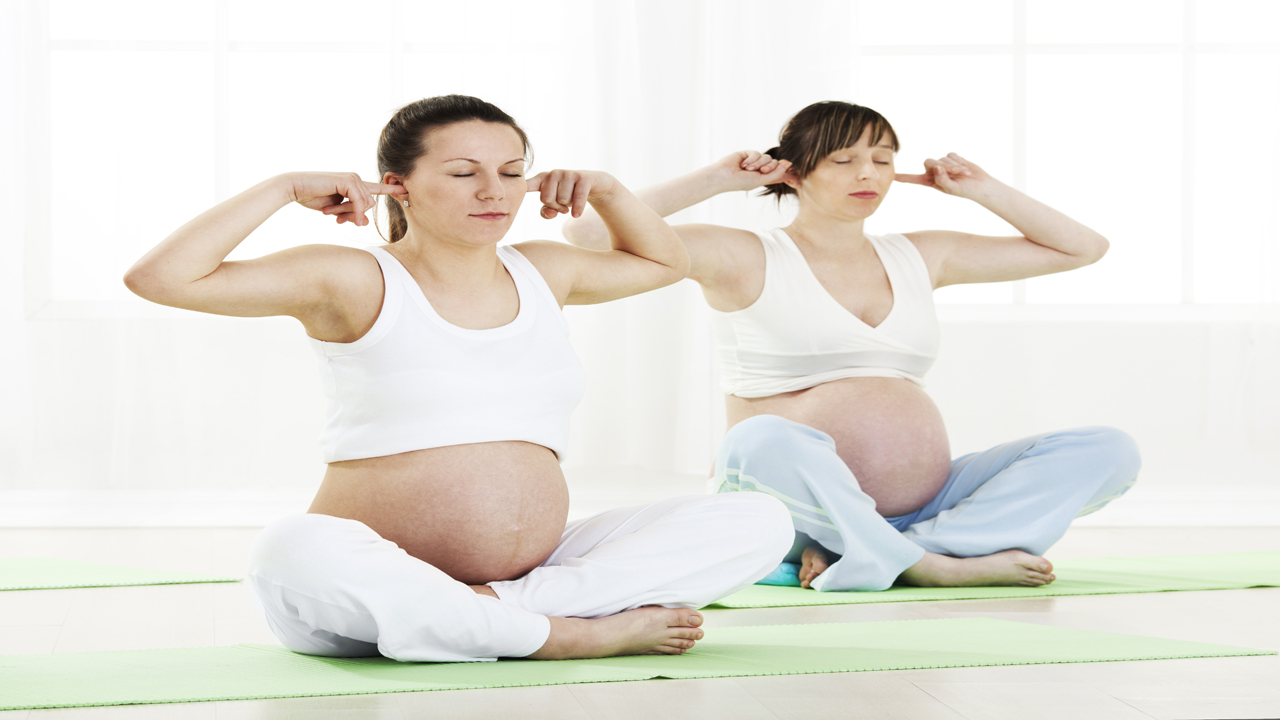
Fitness mantras during pregnancyYou must be wondering how Shilpa Shetty maintained her fitness even after bearing a child. The simple answer is that she never gave up exercising. Exercising during and after pregnancy is the best way to stay in shape and ensure your mental and physical healthiness. It also helps you in preparing for labour pain and delivery, and quick recovery postpartum. However, there are some things you need to keep in mind while exercising during pregnancy: Measure your fitness You need to determine how fit you are. This will help in determining the type and duration of exercising during pregnancy and post pregnancy. Also, before you continue your old exercise routine or begin a new one, you should talk to your doctor about exercising while you're pregnant. Pregnancy is a balancing act After the fourth month of pregnancy, it's likely you will lose balance while you exercise. Though your baby is well protected with amniotic sac, it is better to be safe than sorry. Safe exercises Activities such as swimming, walking, yoga, pilates, and low-impact aerobics are good choices. Pregnancy is not the right time to start any new intensive exercise, but it is safe to continue with most types of exercise if you're used to them. The things you should avoid Avoid exercises where you are likely to lose your balance or could make you fall or slip. Vigorous or extreme activities such as horse riding, skiing, mountain climbing are out of the question. They carry too high a risk of injury to your tummy. Avoid exercises such as: Sit-ups Standing on one leg Separating your legs widely You should also avoid most contact sports, such as football, basketball and so on. Finally, give racket sports a miss if you're not a regular player as they can be tough on your knees and ankles. Check with your doctor Consult the doctor before starting with any new or unusual exercise. Check for any complications or unusual conditions. Also, discuss for any concern such as: Pregnancy-induced high blood pressure Early contractions Vaginal bleeding Premature rupture of your membranes, also known as waters (the fluid in the amniotic sac around the fetus) breaking early The best outfit for exercise Clothes should be comfortable and loose fitting while exercising. Wear a supportive bra which protects the breasts and is also relaxing. If your shoe size has changed because of mild swelling, you may want to buy a new one. Duration of the exercise Exercising three to four times a week is necessary. This reduces stress, fights fatigue, and stabilizes emotions in early pregnancy. Start gradually, may be with only five minutes a day, if you were totally inactive before. Add five minutes each day till you reach 30 minutes. Also keep in mind to avoid exercise on an empty stomach. Eat a snack 30 minutes before exercise. Never over do Listen to your body when it says 'stop'. Over exercising causes overheating. Raising your core temperature too much can affect the baby adversely. Always sip water before, during and after exercising. Listening to your body when something hurts or doesn't feel right - that means stop. Drink a lot of water Try to drink about two glasses of water two hours before you begin exercising. Take a sports bottle of water with you when you exercise and take frequent sips from it. It's important you don't get dehydrated. This may raise your body temperature, which may not be good for you or your baby.  Keeping these points in mind, exercise to stay healthy and fit. We hope you soon give birth to a healthy kid.  
Avoiding nappy rash - A few words of adviceNappy rash is a skin condition that takes its name from the nappy in which a baby is wrapped. It is a reddish rash, or tender skin around the buttocks and inner thighs of babies, which occurs due to prolonged wetness from either urine, or stools, or both. Nappy rash may be in the form of an unusually tender bottom on a child, or an inflammation around the genitals, and inner thighs, or folds of the skin. It generally occurs in really small babies, less than a year old. Most times, nappy rash is not a very serious condition, provided care is taken. No matter what type of nappy you use, whether promising complete dryness, or absorbent nappies, your baby is likely to develop 'nappy rash' at least once. The rash can make the baby feel uncomfortable, and cranky as a result. Steps to avoid nappy rash: Always ensure that your baby's bottom remains dry by changing nappies at regular intervals. Use a mild medicated baby soap which will help in keeping the skin around the inner thighs and buttocks soft. Give your baby some nappy free hours. You will be the best judge to know when she is likely to have comparatively dry spells, which can allow the skin and parts below the waist some breathing space. Regular bathing should take care of most rash related problems. Use an emollient, or medicated soap for bathing. Sometimes, nappy rash is a result of a thrush or yeast infection. The baby's resistance at these times is low so that it allows the yeast to thrive in the form of ugly red patches. Always show a medic to rule out the possibility of bacterial infections. Anti-fungal creams should also take care of normal nappy rashes.    
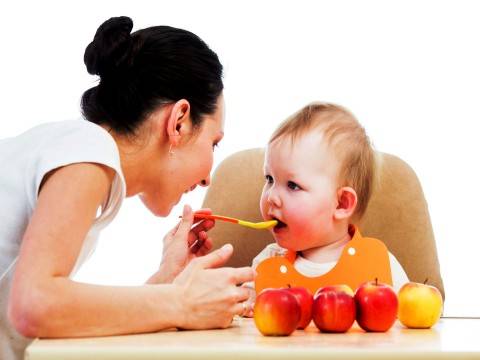
LBW - Babies that don't throw too much weight around!You'll hear this term if your baby weighs less than 2.5 kg (5.5 lb) when born. About six in 100 babies who are born in the UK have a low birth weight. There are a number of reasons for LBW in babies, with premature birth topping the list as far as reasons go. Babies born prematurely could have extremely low birth weight as compared to babies that are born between the natural term of pregnancy, i.e., between 36-40 weeks. So what are the other reasons behind LBW babies? Descent is an important factor that could also determine birth weight. A survey conducted in the UK showed that children born to people from the Indian sub-continent (Indian, Pakistani, or Bangladeshi) or African parents are more likely to be born with LBW as compared to babies born of white Caucasians. In case of twins or triplets, there are chances that one or all offspring might have LBW due to lack of space in the womb. The mother's health would largely determine the healthy weight of the child as well. Emotional problems faced by the mother during pregnancy could have a link with LBW. Same goes for addictions like smoking, alcohol abuse, designer drugs, and at times, health conditions like high blood pressure which cuts off healthy blood supply to the fetus. Even damage to the placenta can cause LBW, as the fetus does not receive vital nutrients, blood, and oxygen which can cause stunted growth or low weight at birth. Any congenital or hereditary conditions can also affect the baby's weight. There is much uncertainty with regard to the future of a baby with low birth weight. There have been instances where LBW babies have developed conditions like obesity, diabetes, or heart disease in later years. It is a common fear that LBW babies develop behavioral or emotional problems in schooling years and they are likely to have low intelligence. Of course, there isn't any concrete evidence. The pivotal factors here would be to find the cause for LBW and what trimester of pregnancy was it detected. Providing a stable family environment and taking special care of a LBW baby can also go a long way in keeping it healthy in subsequent years. Not to forget that the parents' size and genetic predisposition would have a lot to do with the baby's health and even weight. If the parents are small in size or underweight, then the chances are that the baby will be born small or with LBW. Breastfeeding the baby is the best strategy that a mother can adopt to ensure that the baby grows up well. While growing up, the parents will have to ensure that the baby receives a balanced nutritious diet to ensure healthy weight.
Boost your self-esteemSimply believe in yourself. Life need to be made lighter. Pulling yourself down over trivial mistakes and not reaching certain standard definitely does not help.  Your self-esteem affects the way you interpret messages from others. It affects relationships, academic achievement, and living life to the fullest. Thus, recognize your true potential in life and work towards it. Those who have a high self-esteem always have an “I think I can” or “I will” attitude! This makes life much happier for them. Ups and downs in life are inevitable, but this should not bring down your self-esteem. One should work towards maintaining a high self-esteem at all times.  You need to have the power to control your self-esteem. It should not suffer from negative messages from others; in fact, negative messages should be viewed as constructive criticism. There are many ways in which self-esteem can be given a boost. Accept yourself and increase your inner stability so that you will not need validation or attention from other people. Meet new people. Follow examples of successful people. Don’t worry about how others might judge you. Don’t be afraid to try something new. Failures may come your way, but they are the best teachers in life. Make a list of your strengths and weaknesses. Make the most with what you are best at, and strengthen your weaknesses. Focus on the positives and practice positive self-talk for encouragement. Avoid doing things just to “go along with the crowd.” Gather courage to express yourselves and ‘stand out’ from the crowd, as every new encounter is a learning experience. Develop a support system of friends. They will give due emotional back-up. Put into place good healthy habits; ensure the right kind of diet. Controlling the mind is essential for a healthy body. A stress-free mind is healthy and calm, which will incorporate positive thoughts. Give credit where the credit is due. Praise others and accept compliments in good spirit. This builds confidence. Keep criticism to a minimum, as it brings about negativity. Appreciate life. Look your best to feel your best. It is important to be well groomed. Improve your personal living space. Perfect your skills and practice your talents. Reward yourself often. It’s nice to pamper yourself once in a while. Stop comparing yourself to others; this will increase your stress levels unnecessarily. Your self-worth should not be based upon what others think of you, but how you feel about yourself. Communicate with others, colleagues, neighbors, family, and friends. Be social. Do something for someone else – a random act of kindness! They fill up the void and bring about a different level of happiness. It is beneficial to spend some time alone by yourself. Review your mistakes and analyze the experiences in your life. This should be carried out as a self-therapy, and not as a habit. Do not become a loner. Everyone is a unique. No one else is like you in the whole wide world. This makes you special already! Everything starts with you and ends with you. Remember, nobody can insult you without your permission!! A low self-esteem gives rise to health problems like depression, loss of interest in life, and stress. It is not difficult to correct this stage which comes in everyone’s life. Learn to rise above these shortcomings and improve your outlook about yourself. Confidence comes from not always being right, but learning to be wrong. - Peter T. McIntyre.
Top 10 tips for weight maintenanceTIP 1: Stay Calm and PlanDon't worry about your weight excessively. This will only result in stress which can be counter-productive to your pursuit. Remember that you have reached the goal you had to and you are strong enough to sustain it. Take one day at a time. Do not think about how you are going to keep it forever. Just focus on the next day. TIP 2: Health JournalKeep a journal where you note down your eating and exercising patterns. Write down what you eat, plan your meals, drink adequate water, and form an exercise regime. Did you know that you can include an activity within your life as a habit by performing it for 21 days? Do these things not because you have to but because they are good for your health. Slowly, they will become a part of who you are. TIP 3: Being Healthy Is A Lifetime DealOne of the greatest mistakes that people do is to think that once they have lost weight, they can return to their early eating habits. Remember that your health is with you for life. Shift your perspective from 'I have to become thin' to 'I have to be healthy.' Once you do this, you will find it easier to stay healthy for the well-being of your body. TIP 4: Be RealisticWhen you are planning your lifestyle, don't take up unrealistic goals. This is one of the reasons why weight-trainers say that the best way to reduce and sustain right weight is to make it 'your life.' Eat right, sleep well, and drink lots of water. These three, if done properly, can help you to have the right body weight. If you have any rules like 'don't eat cake or pastries ever,' 'quit drinking,' then rethink about them. Are you going to be able to never eat sweets? The primary goal is to make a balance, choose the middle path. TIP 5: Get An Idea Of Your Weight-PatternMany people stop weighing their body once they have reached the ideal weight. They think that the scales are only for the fat ones. A person with such a perspective is only looking for slim bodies and not healthy ones. Remember that your weight is not a judgment of your appearance, but a barometer of your health. So do not stop doing the weekly weight checks. Keep a report of your weight every week and check out the causes for any abnormal changes. TIP 6: Accept Your Limitations And Learn From ThemEveryone has their ups and downs. Don't get discouraged and be angry at yourself if you binged on a donut on a cloudy day. Everyone makes mistakes. It is not the end of your weight maintenance. It is simply a blip. Learn from it. Know what the causes are for it and work on making sure you react to the cause differently next time. TIP 7: Thirst And HungerYour body could confuse your thirst for hunger. So, if you are feeling hungry really soon after your previous meal, then start by drinking a glass of water and check if you feel better. If you do not, then it is time for a light healthy snack. TIP 8: Inspire YourselfWeight maintenance is primarily a psychological task. Till the time you were reaching the ideal weight, you learn everything you had to about being healthy. Now, you have to make sure you don't let obstructions stop you from sustaining this healthy lifestyle. So, join other people who are only in the process of maintaining their weight. Become part of the running blub or catch up with a health conscious friend regularly. TIP 9: Mind Over MatterBalance your eating patterns. If you think that you will be going out for lunch, then have a healthy breakfast and cut down on the dinner. You might be craving for a dessert, so you can have salad for the main course and treat your sweet tooth. Talk to yourself about what you are going to eat. Ask yourself if you really want to eat it because you are hungry or are there any other reasons for it. How would you feel about it after you are done eating? TIP 10: Celebrate Your AchievementsLastly, be proud of your weight maintenance program. Celebrate the fact that you worked hard towards making sure you have a healthy body and invite people who were part of your pursuit. Embrace your body and toast to the next year of a healthy lifestyle.
21 foods for a healthy heartFollowing is a list of heart-healthy food substances: Garlic: Did you ever think that the commonly available garlic in your kitchen can be heart healthy? It may be smelly for some, but for the heart it is a soothing substance. Garlic is known to control blood pressure, serum triglyceride level & cholesterol level. Carrot: Carrots, though taste sweet, have the ability to control blood sugar levels because of high level of antioxidants in them. So include carrots in your diet, especially in salads. Orange: This juicy fruit has cholesterol-lowering ability because of fibre pectin in it and also helps control blood pressure. Almonds: Though all nuts are believed to be nutritious, almonds are considered to be heart healthy. Almonds are rich in vitamin E, calcium, plant sterols, fibre and antioxidants. Almonds help in lowering LDL cholesterol and reducing risk of diabetes. Walnuts: Walnuts are rich in omega 3 fatty acids, monounsaturated fats which help in lowering cholesterol levels.  Oatmeal: Oats are very healthy & help in lowering the bad LDL cholesterol. You can have one bowl of oatmeal mixed in milk along with nuts as breakfast. Flaxseed: This honey coloured shiny seeds contain substances which are heart healthy, such as lignans, ALA and omega 3 fatty acids. It helps in lowering cholesterol level and controlling diabetes. Tofu: It is a type of soybean protein which can be replaced with paneer. Tofu is rich in fibre and polyunsaturated fats which prevent clogging of arteries.  Barley: The fibre in barley is believed to lower cholesterol and blood glucose levels.  Tuna fish: Tuna fish is rich in omega 3 fatty acids which helps in lowering cholesterol levels.  Salmon: It is very good for heart as it is rich in omega 3, EPA and DHA. It lowers and reduces the risk of inflammation in arteries. It is also believed to maintain the ratio of good cholesterol to bad cholesterol. Red wine: Red wine contains catechins and resveratrol, good for heart health.  Black beans: They are a rich source of magnesium which helps in lowering blood pressure. It also contains folate, antioxidants and fibre which is helpful in controlling blood sugar and cholesterol levels. Fresh herbs: If you are hypertensive and want to control your salt intake then try using fresh herbs as a substitute for salt. It also contains antioxidants which are good for heart. Herbs include rosemary, sage, oregano and thyme. Extra virgin olive oil: This is rich in heart-healthy polyphenols & monounsaturated fats. As it's very costly you can use it as a topping for bread or salad. Sweet potatoes: White potatoes are believed to increase glycemic index so you can replace them with sweet potatoes. It is heart healthy as it has low glycemic index and also contains fibre, vitamin A and lycopene. Low fat yoghurt: You can include this in your breakfast safely as it contains calcium & potassium which helps in lowering blood pressure. Dried cherries: They are rich in anthocyanins and antioxidants which help in neutralizing the action of enzymes which cause plaque formation. In winter you should opt for strawberries, blueberries for a healthy heart. Cayenne chili pepper: Your blood sugar normally increases post a meal. By sprinkling cayenne chili pepper over your food can help preventing insulin level spike post meals. Hot cocoa: Coffee helps in patients with type 2 diabetes. Hot cocoa contains antioxidants helpful for heart. Kosher salt:  This is very beneficial for heart patients as it contains half the amount of sodium as compared to table salt and thus helps in controlling high blood pressure.
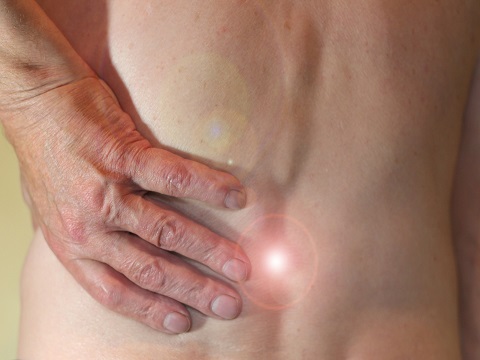
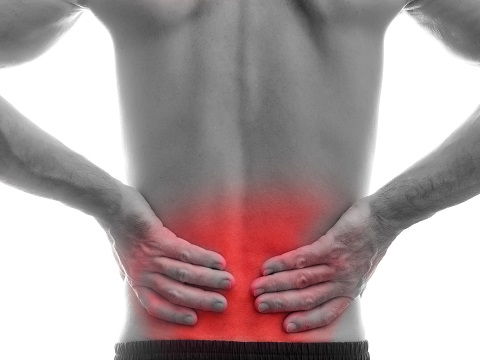
7 Pains you should not ignoreWhen the body cries out in pain, most of the times, you know what is bringing that pain, and you do what will help relieve the pain. For example, a serious workout may cause sore aching muscles, for which you will rest a day or two, or take a painkiller. What does one do to know why a body part is paining? One needs to sit up and take notice! The pain could be anything, from a heart attack, to an aneurysm, and could cost you your life! Pain in the head: Headaches are the most frequent pains that we suffer from. Headache could be due to a migraine, due to staying too long in the sun, due to a cold, or simply due to working too long without a break. However, in case you have a headache, and are not able to pinpoint to an obvious cause, rush to the emergency room. Headaches with no apparent cause may be due to a brain hemorrhage, a tumor in the brain, or an aneurysm in the brain arteries! Get yourself checked as soon as possible, if you keep getting headaches for no apparent reason. Pain in the jaw: This could be due to a caries ridden tooth. But most often it is due to an impending heart attack. The classical left sided chest pain radiating to the left little finger is not always seen in all cases of heart attacks. Pains to the jaw and the back are reported very frequently. Often, people tend to take the pain in the jaw lightly, and brush it off to a tooth problem. This may be potentially life threatening, as you never know the severity of the attack! Tingling, numbness and burning of the feet: Diabetes mellitus is a silent killer. Peripheral neuropathy is often the first complication of diabetes. Tingling numbness, and burning in the feet may be attributed to wearing tight shoes and to keeping your feet suffocated in socks all day long. Dipping your feet in a tub of cold water will give you a good night's sleep. But do not let it go at that. Get your blood sugar levels checked before it is too late! Pain in the calves: Do you get nightly pain in your calves that get better with putting your feet up? This is due to long standing hours at workplace, you may say. True, it is due to that. But, it is not something to be left unattended. Calf pains are due to deep vein thrombosis that occurs when the stagnated blood in the veins starts to form clots. The danger here is that the clot could break off and travel to your lungs causing pulmonary thromboembolism that is fatal! Take a break regularly and put up your feet frequently. Let the blood flow and not stagnate! Pain in the back: Most commonly, back pain is caused due to arthritis, and improper sitting postures. But if you suffer from high blood pressure, and are an alcoholic and smoker too, do not take your back pain lightly. It could be due to a heart attack or an aortic dissection! Pain in the abdomen: You may attribute this pain to gases, over eating or indigestion. While these may be occasional causes, persistent pains need to be checked. It could be anything from a gall stone, to gastric ulcers, to a swollen liver, or maybe even pancreatic cancer! Vague, medically inexplicable pains: When you have a recurrent headache or a stomach ache or a backache and you come out with a 'perfectly healthy' report after visiting all the specialists, it is perhaps time to seek the help of a psychiatrist or a counsellor. Your pains could actually be a symptom of depression. Psychosomatic pains are on the rise. The stresses we face in our lives everyday get pushed to our subconscious, and eventually are pushed up bodily in the form of unexplained aches and pains!

Female circumcision - Health EffectsThe procedure is carried out by either snipping off a piece of the clitoris or removal of all external genitalia for non-medical reasons. The procedure is carried out outside hospitals and the environment may not be effectively clean and could lead to infection. The painful procedure causes a lot of fear and distress. Some countries have begun to use healthcare personnel to cut the genitals, which reduces pain, bleeding and infection but it does not mean that it is acceptable by the United Nations. Even though the United Nation has termed female circumcision as a violation of human rights, there are millions of girls suffer because it is a requirement for girls so that they remain pure. It is supposed to lower female libido so that they do not indulge in any kind of sexual activity before marriage. Immediate complicationsGirls are likely to suffer severe pain besides the fear that accompanies such a procedure. It can cause them more pain when they try to urinate. If there is severe bleeding, it can lead to haemorrhage. The tissues that form the genitals are severely damaged and healing may not take place immediately and sores can form leading to more pain. Girls can retain urine for fear of the pain. There is always a chance of contracting tetanus or other bacterial infections like sepsis which lead to formation of pus. Besides cutting, procedures can include pricking, piercing, incising, scraping, and cauterizing the genital area. Long term health problemsBesides the immediate problems, female circumcision can lead to long term effects including infertility. The girls can be subjected to urinary tract infections and bladder infections that can recur again and again. Sometimes cysts may also form. There are chances that there could be increased risk of problems during childbirth which could in extreme cases result in the death of the newborn baby. According to UN estimates more than 125 million girls and women are living with female circumcision. Women may be subjected to continuous surgeries especially in those cases where the vagina has been stitched to make it narrow as part of the circumcision process. Once the girls are married, the vagina is unstitched to have sexual intercourse. During childbirth, the vagina may need to be cut again to deliver the child and then stitched up again. This is a continuous problem and women should be spared from this pain and trauma.
Challenges faced by homosexual parentsThe major challenge in front of gay parents is to face society and protect their children from social prejudice and discrimination. Gay people can never have their own children, and hence, often opt for adoption. But, how can a couple, who is discriminated against by society, provide a healthy upbringing to a child? However, in some cases, gay parents are known to have capably given their child, all the love and care and the basic amenities that they need, for a wholesome and proper development. Sexual Orientation and Parenting In the American society, same sex parenting is more common than in other parts of the world. Even then, children of gay parents have to face many more challenges than the children with heterosexual parents. The U.S. Census report of 2000 has reported that around 22 percent gay couples and 33 percent lesbian couples have around 18 children living with them. The trend of adoption amongst gay people has been increasing over the years, despite the overwhelming challenges. According to a report published in June 2012 by the American Psychological Association, no scientific evidence has proven that sexual orientation can affect parenting effectiveness. This means that both lesbian as well as gay parents can indeed provide a healthy and supportive environment for raising their children. Major Challenges The major difference lies in the treatment that the children of gay parents get in society. They have to face discrimination and prejudice from schools, their peers and even within their own families. Gay or lesbian parents on the other hand, face the dilemma of how to explain to their children why they have two mothers, or two fathers. Many people in society, even those with strong educational backgrounds, are of the opinion that being gay or lesbian, is an illness due to which, they are incapable of being adequate parents. There is also a misconception that lesbian women tend to be less motherly than heterosexual women. But no scientific basis has been found to support these beliefs. Although the medical community does not consider homosexuality as a psychological disorder, society continues to have a biased outlook towards gay parents. Are Gay Parents Better than Heterosexual Parents? As of today, nothing can prove that gay partners are not as good parents as their heterosexual counterparts. Moreover, it has been found that people of the same sex divide their workload of raising the child, and hence, the childcare process is more smooth and satisfying. Some studies have even noted that lesbian or gay parents have superior parenting skills. But, again no scientific evidence has proven these observations, yet.
FAQS
T&C FAQS