Home
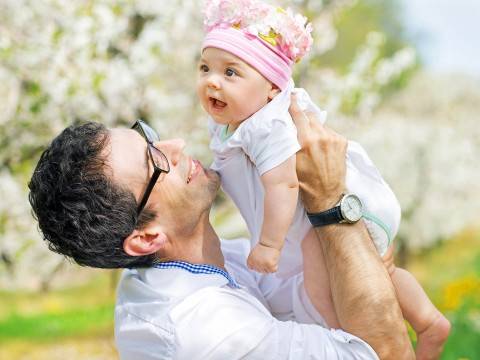
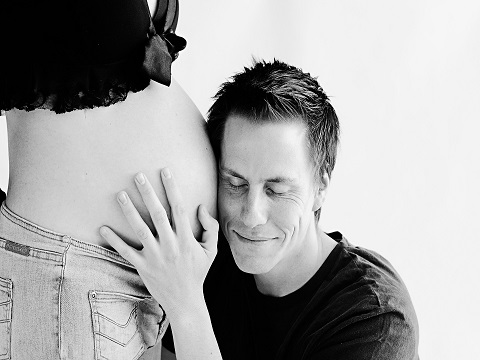
Tips for the new fatherWhen a baby is born, all the attention is on the mother and the baby. And rightfully so, since the two need all the care in the world. However, the role of the father is very important even at this stage. The new dad has lot of responsibilities on his hand - he has to take care of both mom and the baby without getting annoyed or irritated. Here's how to do your best as husband and dad: Playing an active role in your child's life is vital for his emotional, physical, and cognitive development. Hold your baby as often as possible. By directly caring for your infant, you will learn about the baby's needs, how he communicates, and what comforts him best. Be prepared to feel left out at times. Your wife utilizes most of her energy and attention on the new baby. Be extra supportive and patient. Delivering a baby can be traumatic. Hormones ebb and flow. If there is ever a time to understand and care for your wife, this is it. Dads need to be more supportive and helpful. Share tasks like changing diapers, help around in the house by doing some household work like laundry. Talk to other new fathers about your experience and theirs. Most new parents experience a loss of sexual intimacy. Abstinence during pregnancy, pain, perineal tear, and breastfeeding can inhibit a woman's desire to have sex. Men can feel betrayed if rejected physically and mentally. It is important to talk about your feelings. Choose ways like cuddling, kissing, and holding hands to be physically intimate. One of main roles of a father is that of a protector. There are many ways you need to do this. Safety is one: child-proof your home. Dads now need to take care of driving, diet, and risk taking. Your baby needs you for a long time. Being healthy and happy dad is one of the greatest gifts you can give your kid. Dads need to provide financial protection to the new child. So get a life insurance, car insurance, an emergency fund, and a will. Try your best to spend as much time as possible with your new baby. While work may be your passion, it won't be long before children grown and no longer want to spend time with you. Take advantage of these years. Give the tiny tot gentle hugs. Dads shouldn't be afraid to show affection. Babies need physical contact, and not just from their moms. Snuggle with them, hug them, and kiss them. Read a baby-book to your child. Babies do understand. Sing him a gentle song or play a very soft music. Find out what makes your baby happy. Be good to the mom. Dads should be good and loving to mother of their new baby. Give her some time alone and babysit while she goes out, show affection to her, and give her little surprises. Because when the mom is happy, the baby is happy and the dad will be happy too.  
Handling post retirement bluesYou have given the best years of your life to your career, and now it's time to say goodbye and get ready for the retired life. It is a phase laden with expectations of all things you were too busy to do while working - spending more time with family, going on that fishing expedition, or going on leisure trips around the world. However, despite the wonderful things to come, retirement can get unusually trying and mentally taxing. After all, how many of us really have the flexibility of mind to take this period as a challenge and be the master of our destinies? Just because you are retired doesn't mean you have to wither away and wait for death to claim you. So, here's what you can do to beat the retirement blues Catching up: This is really a bewildering time, as you have a lot of catching up to do, with a lot of things. Prioritize the things you want to do and proceed confidently. You may want to spend time with children, spouse, friends, etc. Go easy on yourself, as you may not be able to fit in as many things in your schedule all at the same time. Boost your self-esteem: Retirement is particularly trying for those who have occupied important positions in office. Such people are known to throw tantrums, as they feel less wanted than before. So don't ever make the mistake of treating your family like you treated subordinates at work. That was a role that you played then, and without reducing your importance or self-esteem you can now play a different role with your family as a friend, philosopher and guide. In fact, you can use your contacts and keep the old network alive by involving youth in your field of expertise and help them benefit from you. Catch up on exercise: The more physically fit you are the less likely that retirement will be a painful process. Perfect time for you to catch up on the fun times with your spouse to remind you of all the great times you have had all these years. If your spouse is not in the best of health then just being together is such a wonderful experience in the golden years. Financial health: Your peace of mind and self-esteem largely depend on how independent you are financially. You can take up a part time job or think of innovative ways to let your hobbies and interests generate money for you. This should be an enjoyable process by which your self-esteem can really benefit. Support groups: There are informal or formal associations of retired people that do various activities like travelling. Make yourself available to them. Sometimes retired people withdraw into a shell and that only makes things worse. These support groups give a fresh perspective on all things in life.
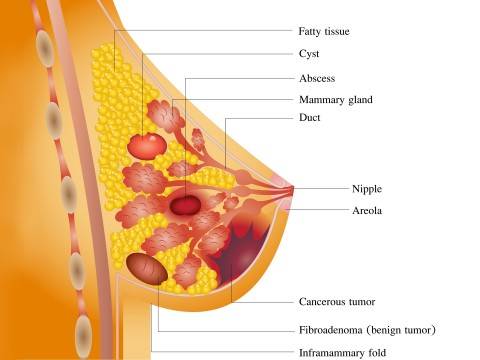
Mammary duct ectasiaSigns and Symptoms In most of the cases, female patients do not have any symptom. In few cases, women may present with nipple discharge, tenderness or inflammation of the surrounding region. In some cases, there may be a lump over the breast or the nipple may get inverted. Causes Exact cause of mammary duct ectasia is unknown. But few possible cause or risk factors have been proposed by the doctors : Increasing age - Probability of developing mammary duct ectasia increases with age. With ageing, the breast changes its nature. Glandular tissue is replaced by fatty tissue. This change may lead to duct ectasia. Smoking- Milk ducts are widened due to smoking. This increases risk of inflammation which may lead to duct Ectasia. Inverted nipple - Inverted nipple obstructs the milk duct. It may lead to inflammation followed by duct ectasia. Complications Complications of duct ectasia may be may be of varying severity. They are usually minor, but sometimes become serious. Localized discomfort- Discomfort occurs due to pain and swelling around the nipple. Nipple discharge - Ectasia is frequently associated with discharge of thick and sticky fluid from nipple. Infection- Bacterial infection may develop due to stagnation of fluid in the milk duct. If it is neglected, it may lead to localized collection of pus known as abscess. Abscess requires surgical treatment. Abscess is drained surgically. Diagnosis The doctor usually diagnoses duct ectasia by clinical examination. However, few investigations may be required. Mammography- X-ray of the breast tissue is known as mammography. It helps the doctor to evaluate the breast tissue. Ultrasound- Ultrasound enables the doctor to evaluate milk ducts beneath the nipple. Treatment Duct ectasia is usually relieved by treatment. Following are the treatment options : Medications: The doctor prescribes antibiotic therapy for 10 to 14 days. It may be accompanied by mild painkillers like ibuprofen, etc. for initial few days till the remission of the disease sets in. Most of the cases are usually relieved by medications. Surgery: If duct ectasia is not controlled with medications then the doctor chooses to remove the duct ectasia surgically. Surgery is required very rarely.  Self care measures Following self-care measures often provides relief to the patients. These remedies can be adopted at home. The patient may wear a breast pad or support bra. The patient may apply warm compression to the affected region. The patient must stop smoking. The patient may be advised to sleep on the opposite side of the affected breast. Female patients should be educated regarding mammary duct ectasia so that they can detect possible symptoms of duct ectasia themselves. This will help to prevent possible complications of mammary duct ectasia and early diagnosis will provide early cure.
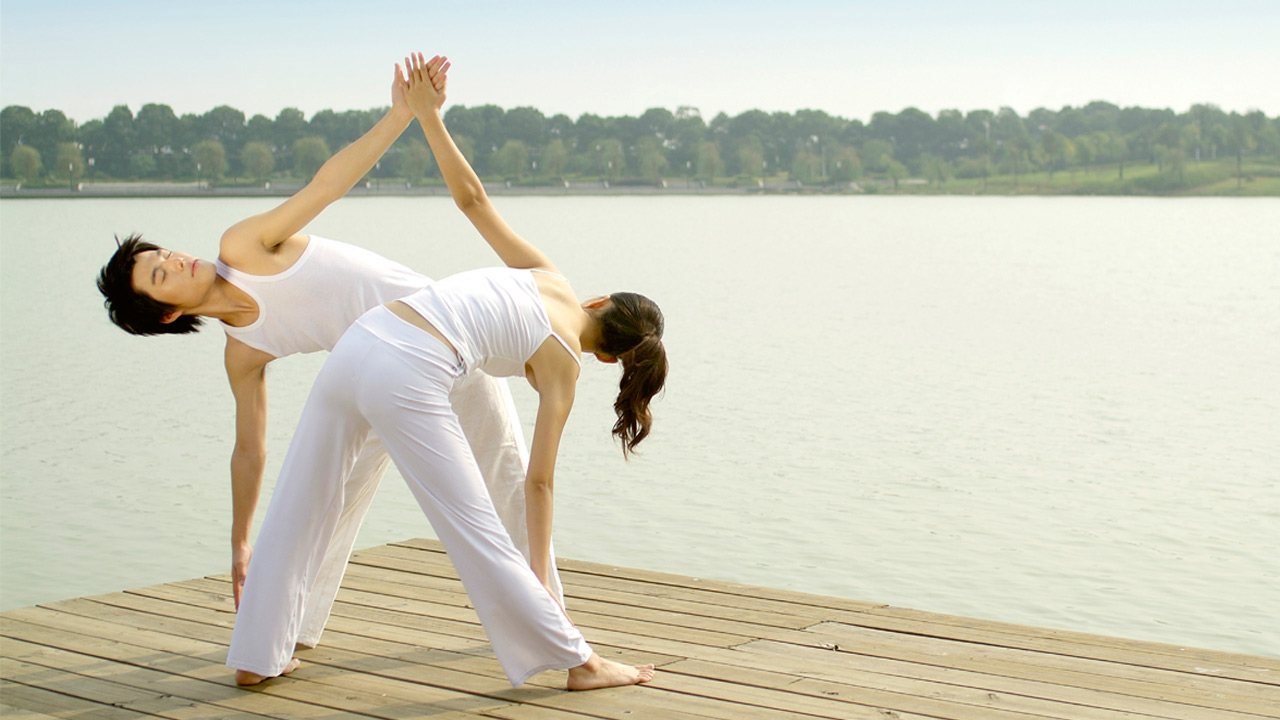
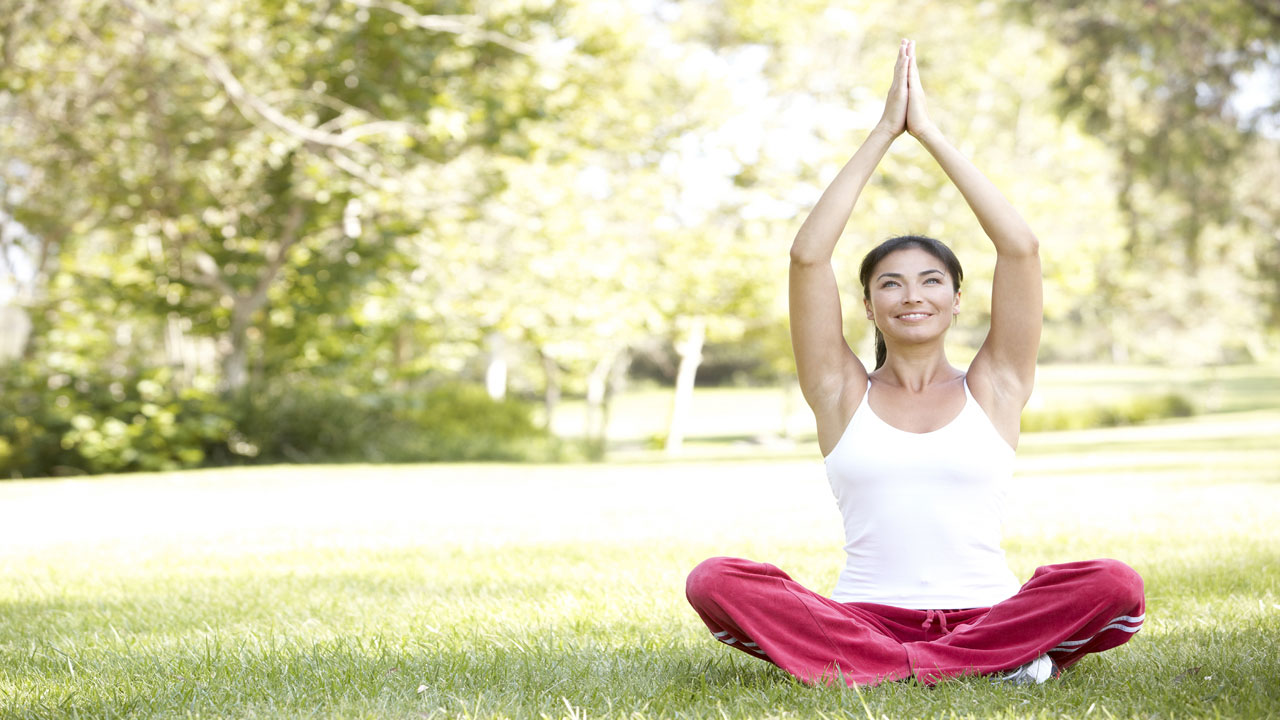
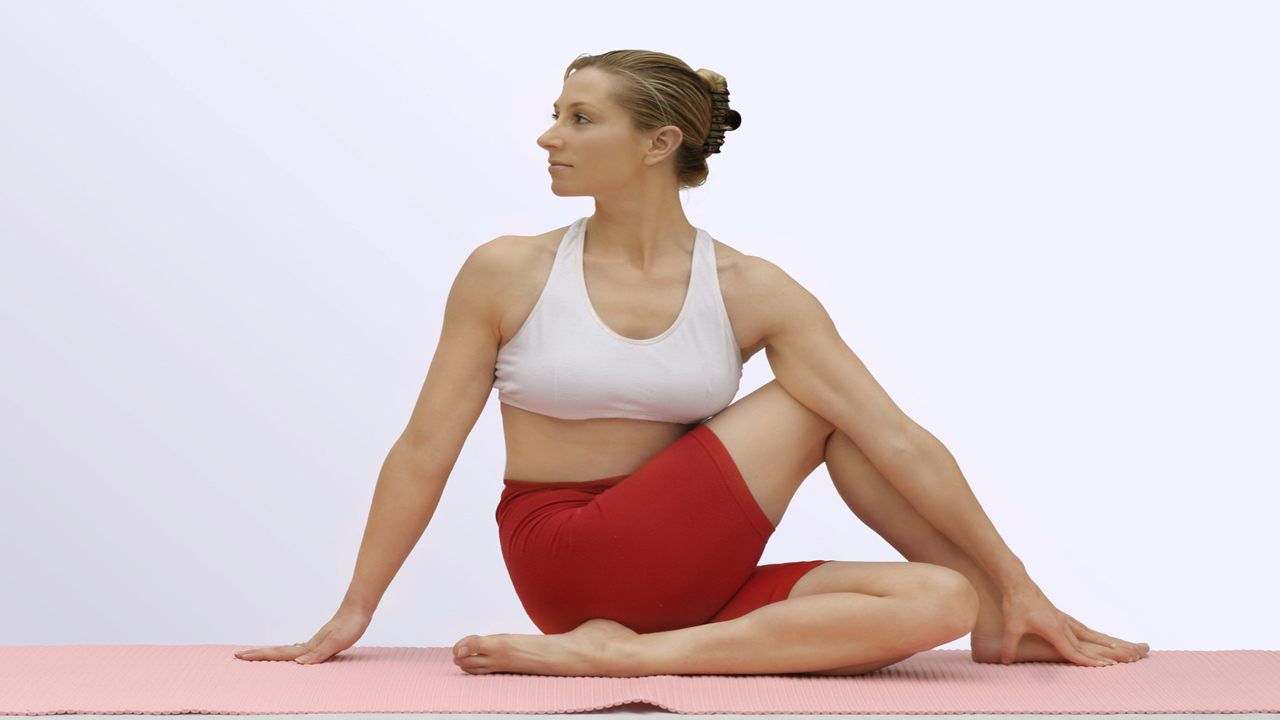
Yoga to strengthen women's lifeEveryone expects from a women for all their necessities. The husband needs to go to office and she has to prepare for this, the son or daughter needs to go to school, tiffin needs to be packed, and the in-laws need her attention for the morning tea and breakfast. Along with this she has to rush to office on time. Then while returning, she has buy vegetables and other things for household, then go home and cook, and sleep late after all the chores are done. For such a multi-tasking working-women, the time available is very less to replenish the energy she uses to do such work. Multitasking leads to stress and tension and causes headaches, stiff neck, tight shoulders, poor posture, shortness of breath, clenched teeth and fatigue. What is the solution for this? The only solution is YOGA.  We all know that yoga has many positive effects on ones well-being; it brings about both physiological and psychological benefits. It is beneficial for body, mind, and spirit. It needs only 10 minutes. Yoga helps to relieve your stress and tension. Yoga in Sanskrit means 'YOG' that is to join or unite. It is the union of mind, body, spirit, and breath with our surroundings and our universe. One should start yoga gradually with a comfortable speed and limits. Breathing exercises are excellent way to reduce stress and tension. It can be done along with asanas. For this you have to sit comfortably with relaxed shoulders and with your chin level at the floor. Inhale through the nose expanding your abdomen, rib cage, then expand your chest, then begin to exhale by contracting your abdomen, ribs and then lastly relax your chest. Now continue to breath in this fashion, this improves the quality and quantity of oxygen that enters our body and helps to relieve the shortness of breath and relieves the tension. The yoga mudra is helpful to relieve the stress, for this sit down crossed legged on the mat and keep the back straight, then take the arms behind your back and hold the left wrist with the right hand. Then by exhaling, bend forward to touch your left knee, while doing this focus on the feeling of surrendering to God, which protects you all the time, then while inhaling come back to the normal position and repeat this on the right side. Then finally, complete this pose by touching the forehead to the ground in front in the centre, while doing this exhale, then when you feel like inhaling come back to the normal position. This posture increases the energy and stimulates your respiration, improves your digestion calms your nerves. But this should be avoided by pregnant women, hernia patients, and patients with retinal disorder. The shavasana also helps you to relax your body before you get to work. In this you have to lie down on your back on the mat. Keep your arms a foot away from your body and your feet separated two feet apart.  Then close your eyes and focus on your breathing and feel free of thoughts and tension. Breathe normally and focus on your body parts, toes, legs, abdomen, head and finally the scalp and try to relax each muscle group. It improves your breathing, concentration, gives inner peace. You should avoid this if you are suffering from low blood pressure.  
Bonding with the babyIt is an immense pleasure to hold a baby in your arms, isn't it? The bonding between amotherand her baby starts within the womb itself. When the baby is born, a few parents bond with the baby within minutes. But for others this may take some time. If the baby is taking time to respond to your affections, don't worry, here are some tips to help you with the bonding. Babies respond to the mother by making sounds, grasping, smiling, or crying. Touching, holding, kissing, cuddling, talking and singing help build a bond with your child. Infants prefer a human face to any other stimuli. So face your child as much as possible. The attention span of a new born baby is quite short. Hang a colorful object on top of the pram, cradle,or cot. Your baby already likes toys of different shapes. Various reflexes develop by the fourth week after birth. These include sucking, grasping, searching for the nipple and blinking. Baby may gaze at you some time. Respond by nodding, smiling, and talking to the baby. Babies are sensitive to their surroundings. They respond to music or the phone ringing by staring at it quietly. They observe toys keenly, spot colours and become happy at times. These are heart warming moments for the parents. Father's care usually builds a protective and secured feeling in a child which he carries for life and prevents building of any unreal fears in him in later life. So dads should care for and make their babies feel secure. You love to touch your bundle of joy, right? Babies love, enjoy, and need it as well. Skin-to-skin touch helps growth and development of the child. Mom's touch soothes the baby when he is irritated. Start reading to your child. It is never too early. It helps the development of reading skills and language. Babies enjoy pictures in the book. Even if baby can't understand words, they love to hear the parents' voices. During the first few months, they understand little of it, but they are thrilled by listening to you. Have a short reading session with your child daily.Dads can try this trick to make the baby sleep. Carry her around while patting her very gently on back.
Get the couch potato out to playKids in the modern day are increasingly getting lazier and unfit. Watching TV, playing games on consoles and smartphones, and spending time on social networks is eating into time which would otherwise be spent playing outdoors.The lack of exercise comes with a host of problems, which can affect kids in childhood or later on in life. Therefore, parents must encourage kids to exercise by being an example. However, do keep in mind that there is nothing that will bore a kid than treadmills or lifting weights. Playing sports is often the better way to go. Give aerobics a try Aerobic exercises can help kids to stay fit and also can be fun at the same time. The common perception is that aerobics involve dancing a set pattern. However, aerobics is any exercise that increases your oxygen intake. Outdoor activities can include basketball, cycling, soccer, swimming, tennis, walking or running Along with aerobics, children should also do stretching exercises, which help in improving flexibility, allowing muscles and joints to bend and move easily through their full range of motion. Getting your kids excited It is important, however, to communicate with your child the need to exercise. You could encourage them to take part in outdoor games at school as well as in the locality where you stay. You should regulate the number of hours your kid can spend in front of the TV or PC. This way she will look for means to play outside the house. You can also play with them yourself. It will be fun for the both of you, as well as helps you bond with your child. Exercising for at least an hour a day is ideal, and it broken down into chunks of 15 minutes at a time.  
Are you a chocoholic? : Dealing with chocolate addictionSerotonin is a hormone that produces relaxed and happy mental state. This hormone is activated when you consume sweet and high-fat foods. Apart from serotonin, chocolate also contains phenylethylamine which produces feelings of enthusiasm and attraction. The obsession with chocolate is marked by intense craving for it, loss of control over its consumption, and continual consumption despite negative repercussions. Is chocoholism a true addiction? Chocolate is a manifestation of desires and there is also a resistance to it. This cultural phenomenon of mysterious romance and excitement increases the attractiveness of chocolate. Apart from these, advertising and grocery shop displays also connect chocolate with an object of desire, thus triggering its need in times of emotional stress. Though the symptoms shown by those who are addicted to chocolate is much like those who are misusing substance, it is generally not considered an addiction in a true sense, as this is an acquired obsession (through culture and media) than due to bodily changes. Foods like broccoli also contain the mood-altering ingredients, even in higher concentrations. The compulsion with chocolate is considered to be owing to its texture, sweetness, and aroma. Here are a few steps to overcome your chocolate addiction: Step 1- Symptom AcknowledgmentWhile it is not considered a true addiction by many psychologists, most agree that the experience of compulsion towards chocolate is much like the ones towards drugs. It is important to diagnose and check your condition. You need to have a chocolate bite everyday. Generally, a particular time is chosen, like after lunch when your mind is a little discharged and you need that small bit of kick to arouse yourself back to normalcy. If you do not have access to chocolate, you feel anxious and find ways to get hold of a chocolate bar. Step 2- Know The ConsequencesIf you recognize that you are suffering from chocolate addiction, then be aware of the problems which it causes. It will lead to a series of bites where there would be no nutritional value and only fat and sugar induced by the chocolate. You would be needy for the chocolate, and thus, your emotions will be ruled by a bar of sweet. You might get headaches after eating chocolate, but you would still eat it anyway. You might hide and consume chocolate, owing to the disapproval of your companions. Your health will gradually deteriorate with constant burden on your pocket to keep a stash of chocolate around. Step 3- Identify The CauseChocolate is a response to a root problem. For this purpose, you have to carefully observe the nature of your chocolate consumption. Note the triggers to your choco-pangs. Do you eat chocolate to lift your mood when you are sad or upset? Have you been on diet for too long, and because of suppressing the cravings, you see the chocolate bar as 'just one time' deal which is indefinitely extended? Maybe you feel excited and urge to eat chocolate just by thinking about chocolate. Lastly, you might be bored and want to while away your time. In the act of busying yourself, you find yourself munching on multiple bars of chocolate. Did you know that the impact of chocolate on the human psyche is greatly shaped by the idea of chocolate being a representative of romance and desire? Majority of young adults believe that chocolate is a symbol of love and the tendency to get addicted to it is strengthened with the hormones it produces. To avoid chocolate addiction, make sure you work on your eating pattern carefully. Step 4- Empathetic Path to RecoveryOnce you have found the root cause of your addiction, work on your problems gradually and with empathy. Don't push yourself to completely give it up unless you have been medically advised to go off it completely. Step 5- The Emotional EaterIf you consume chocolate when sad, find alternatives to feel better. For instance, some people listen to music or love to play with dogs to feel relaxed. Find your non-chocolaty solution to emotional problems. The best way would be to explore the cause of sadness and communicate with your friend or companion about it. This will nullify the possibility to there being any other dependency shift from chocolate. Step 6- The Boredom EaterIf you find yourself nibbling on chocolate when you are bored, then first become conscious of the act. After having eaten chocolate for boredom for months or years, one has to remind oneself about the act. So, look for other ways to spend your time. Pick up a hobby you like and pursue it. If you are really craving chocolate, then talk to someone who knows about your addiction and can divert your attention. Step 7- Dietary ChangesMake sure you shift to a balanced diet full of whole grain, fresh fruits and vegetables as well as water. You may also include nuts and dry fruits in your diet as well. Step 8- Scheduled Chocolate ConsumptionMake a resolution that you would only have chocolate once in three days (initially) and then slowly taper it off to only special occasions. Step 9- Withdrawal SymptomsWhen you are reducing the amount of chocolate you eat daily, you will undergo withdrawal signs. This will include headache, mood swings, depression, and in severe cases, flu. Be strong and do not give in to the symptoms. Busy yourself with other activities and do not concentrate on chocolate. Step 10- Sleeping, Eating and ExercisingThere are three prime components of healthy living: eating a balanced diet, drinking at least 8 to 10 glasses of water daily, getting adequate sleep (7 to 8 hours), and performing moderate exercise daily for 30 to 45 minutes. Focus on healthy living and build a harmonious relationship with any food item that you consume. Chocolate is a manifestation of desires and there is also a resistance to it. This cultural phenomenon of mysterious romance and excitement increases the attractiveness of chocolate. Apart from these, advertising and grocery displays also connect comfort in modern living with chocolate, thus triggering its need in times of emotional stress.

Mood disordersMood disorder is a category of mental health problems, and it includes all types of depression and bipolar disorder. The cause of mood disorder is not well known. Endorphins in brain are responsible for positive moods. The neurotransmitters regulate endorphins. Depression and other mood disorders are caused by a chemical imbalance in the brain. Life events such as unwanted changes in life may also contribute to a depressed mood. Mood disorders are inherited. Children, adolescents, or adults who have a parent with a mood disorder have a greater chance of also having a mood disorder. Symptoms: Prolonged feeling of sadness Helpless feeling Low self-esteem Intense guilt Suicidal thoughts Loss of interest in daily activities Difficulty with relationships Disturbed sleep Change in appetite or weight Low energy Inability in concentrating Inability to make decisions Frequent physical complaints (i.e., headache, stomach ache, fatigue) Threats of running away from home Hypersensitivity to failure or rejection Irritability Aggressive behaviour Hostility In mood disorders, these feelings appear more intense than what a person may normally feel from time to time. Treatment Psychotherapy: It is focused on changing the individual's distorted views of themselves and the environment around them, working through difficult relationships, and identifying stress triggers in their environment and how to avoid them. Family therapy: Families play a vital supportive role in any treatment process. Antidepressant medications: Medications in combination with psychotherapy has shown to be very effective in the treatment of depression.
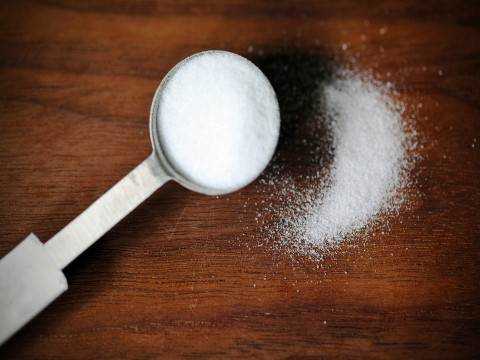
5 tips to reduce your salt intakeSalt is an inevitable part of our food, but added salt has harmful effects on the body. The list of benefits in reducing sodium/salt intake in our diet runs long, ranging from lower blood pressure, in turn leading to reduced risks of heart disease, obesity, and diseases of the kidney. The daily sodium intake of an individual should not exceed 1500-2300 mg per day (a table spoon of salt approximately), and this needs to be maintained in the salt added to our food, including the processed food and drinks we buy. Sodium, an indispensable component of our diet, is consumed in excess by most of us. Follow the tips, as mentioned below, to curb your daily salt intake. Avoid added salt. Do not add salt to already cooked food while eating. Keep a diary and make a list of foods with salt in them that you eat daily. Do not forget to add pickles, spices, papads, salted biscuits, and salted nuts. All of these are highly loaded with salt. Next time you go shopping read the labels. Choose low-salt options-sauces, crackers, khakhra, instead of papad. Make an attempt to eat less canned and processed foods. Choose fresh fruits and vegetables over processed food. Eat less bread. Each bread slice has about 250 mg of sodium. Do not mistake bread to be healthy. Next time, keep this in mind when you go out to eat pizza. Pizza base is like bread. While cooking food, make it a point to add salt only towards the end in the recipe. This way you will need to add lesser salt. Sodium content of some foods Bread (one slice) - 250mg Cheese pizza: 450 - 1200mg Tomato soup: 350 - 1000mg Potato chips: 100 - 150mg
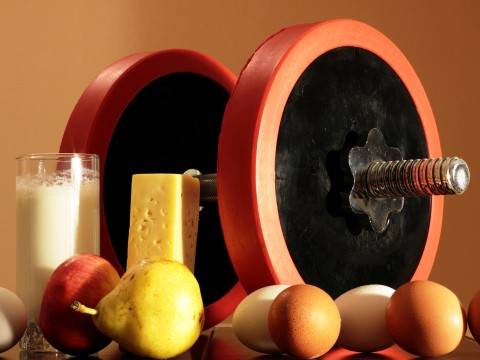
5 Muscle building smoothiesProtein is highly important for muscle building as it repairs the muscles and help in their rapid recovery after a workout. That is why most of the trainers recommend taking protein smoothies after workouts. Generally, banana and peanut butter alternatively, are used to add the protein content to the smoothies. Apart from these, Chocolate is a hot favourite as well. But if these do get boring, here are some smoothie ideas, only for you. Hot Cocoa (bed-time and post workout) Ingredients: 1-cup milk (fat-free), 1 scoop whey protein chocolate, 1 packet Swiss Miss Diet hot Cocoa and ½-cup cottage cheese (low fat). Recipe Heat the milk and just when it gets to the boiling point, blend it in the blender with the protein, cottage cheese and cocoa until smooth. Ensure that the mixture has mixed well. This protein smoothie can be taken just before bedtime as well, because the cottage cheese contains slow digesting proteins that are great for overnight muscle repairing. Each glass of the Hot Cocoa smoothie contains: Calories-275 Protein-44 gms Carbs-20 gms Fat-1 gm Fiber-0gm Root Beer Float (post-workout) Ingredients: 1 scoop vanilla flavored whey protein, ½ cup vanilla yoghurt (fat free(, 1 scoop vanilla casein protein and 1 ½ cup root beer Recipe In a bowl mix all the protein powders into the yogurt slowly and stir well to avoid clumps. Now, pour the root beer in a large beer glass and add this mixture of yoghurt carefully, without stirring. Since the root beer starts carbonation process, the shake becomes quite frothy without having to use a blender for mixing. Each large glass of the Root Beer Float smoothie contains: Calories-443 Protein-48gms Carbs-61 gms Fat-1 gm Fiber-1 gm Post workout or pre-workout smoothies provide the necessary protein to the body that contributes in rapid muscle recovery and growth. Peach Cobbler (pre-workout) Ingredients: 1-cup water, ½ can of sliced peaches with juice, 1 scoop vanilla whey and 1 packet Quakers Instant Oatmeal (lower sugar maple and brown sugar) Recipe Mix all the ingredients in a blender and serve. Use an immersion blender for this one, to get a finely mixed smoothie. Each glass of the Peach Cobbler smoothie contains: Calories-305 Protein-24 gms Carbs-49 gms Fat- 2 gms Fiber-3 gms Orange Creamsicle (pre-workout) Ingredients: 1-cup orange juice, ½ cup fat-free yoghurt (vanilla flavor) and 1 scoop vanilla whey protein Recipe Mix all the ingredients in the blender and enjoy your smoothie. Ensure that you use real orange juice and not the flavored orange drinks for this one to get the desired result. One glass of the Orange Creamsicle smoothie contains: Calories-280 Protein-27gms Carbs-43 gms Fat-1 gm Fiber-2 gms Chocolate Almond Brownie (pre workout or early morning) Ingredients: 1 cup milk (fat-free), ¼ cup almonds (chopped), ½ Clif brownie bar (chocolate flavor-chopped finely) and 1 scoop of chocolate flavored whey protein Recipe Mix the milk and the flavored protein in the blender and serve with almonds and Clif bar topping. Use a spoon as you will be eating as well as drinking the shake, because the almonds and the bar chips can settle to the bottom. One glass of this Chocolate Almond Brownie smoothie contains: Calories -457 Protein-39 gms Carbs-41 gms Fat-17 gms Fiber-8 gms
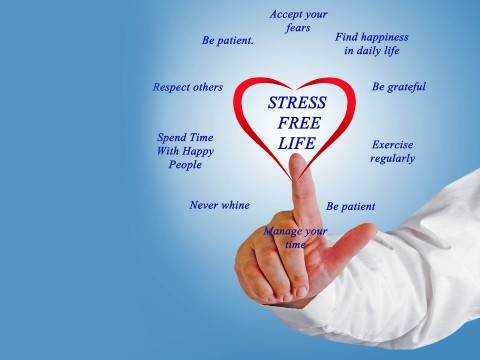
A quick guide to high blood pressureWhat is blood pressure? Blood pressure is the force or pressure exerted by blood on the walls of arteries while flowing through it. What is normal? A blood pressure value of 120/80 mm Hg is ideally said to be the normal. The upper value (systolic) reads the pressure when the heart beats (squeezes to pump the blood). The lower value (diastolic) computes pressure at rest in between the heartbeats when the heart refills with blood. What is hypertension or high blood pressure? The condition in which the pressure of blood in the arteries is persistently high.More the pressure, harder the heart has to work to pump the blood. The prolonged and too high blood pressure (BP) raises the heart's work persistently and can lead to grave damage to the arteries. This eventually leads to uncontrolled high blood pressure raising the risk of heart disease, stroke, and kidney disease in the long run.A blood pressure above 130/90 mm Hg is said to be high. What are the symptoms of hypertension? Hypertension can go unnoticed without any symptoms and thus remain untreated for years altogether. Thus, it is also called as silent killer sometimes. What causes hypertension? The cause of hypertension is unknown in most of the cases. Sometimes, hypertension occurs secondary to kidney disease or adrenal gland disease. Who are at risk of getting high BP? The risk of developing high blood pressure is more in people above the age of 45, those who have close relatives already suffering from hypertension, and who have history of diabetes, Many people consistently have blood pressure above normal, yet not so high to be called as hypertension (130-140 /80-90). These people are at more risk of developing hypertension. Is salt and blood pressure are related? Sodium content of salt causes water retention thus putting more burden on heart and raising blood pressure. So watch the foods you eat for sodium content and stick to a low-sodium diet. Stress and high blood pressure Stress can increase the blood pressure, but no scientific facts to suggest that it causes hypertension. Stress can lead to addictions, poor diet, lack of sleep which can indirectly contribute to high blood pressure and heart disease. Obesity and hypertension Obesity strains heart and raises the risk. Losing every kilo makes a huge difference. Alcohol  Alcohol can surely raise blood pressure and limiting it mandatory. Pregnancy and hypertension High blood pressure during pregnancy is called as gestational hypertension. It can cause serious complications like preeclampsia. It can harm both the mother and baby. It can compromise oxygen flow to the baby. The blood pressure normalizes after child's birth. Medicines and hypertension Some medicines, like pain killers, birth control pills, steroids, flu medicines etc. can cause the blood pressure to rise. Be careful with the medications. Avoid over-the-counter medications and take doctor's advice before consuming any medicine. "White coat" phenomenon Some people show high blood pressure in doctor's clinic due to nervousness. This is called as white coat phenomenon. These people are at risk of developing high blood pressure. Kids and hypertension Kids who are obese and have a family history are more at risk. How to control high blood pressure? Eat healthy: Eat more fresh fruits, vegetables, whole-grain foods, low-fat dairy products, and nuts. Say no to sweets, saturated fats, and excess salt. Exercise: Regular physical activity lowers blood pressure. Atleast 150 minutes of exercise per week is essential. Activities like brisk walking, swimming, cycling or gardening, all count. Reduce stress: Add yoga, meditation, deep breathing. All have proven to lower the blood pressure and keep it normal. Hypertension is usually a chronic life-long condition. It's very essential to take medications, make lifestyle changes and regularly monitor blood pressure. Keeping it under checkwillreducethe potential riskof heart disease, kidney diseases, and stroke.
Sex at 50 for womenAs you age, your reflexes slow down. The passion to love and to be loved is never dying and just because you have grown in age, you should not stop enjoying sex. The body, especially in case of women also undergoes many changes after the menopausal period. Although it may take you more time to become aroused but the desire to have sex is always there. Moreover, with no children and no worry of getting pregnant you can enjoy sex uninterrupted without any tension. Women who continue to remain sexually active after their menopause retain their ability for enjoying normal orgasms. But this does not mean that there is no difference in the enjoyment factor. Several factors can be detrimental in continuing sex activity. However, there are solutions that can help the couple in their fifties still enjoy sex. Better sex can be possible even during the fifties but for this, you should be ready to take some extra efforts and make your body more comfortable for sex. Using lubrication After the menopause, the body of a woman starts producing less female hormone-estrogen. Lower estrogen level leads to physical changes such as less elasticity of vagina, dryness in vagina and so on. Your vagina may also take more time to swell and lubricate; in turn making intercourse painful or uncomfortable. Instead of getting discouraged by such occurrence, you should try to find out a remedy for it. For overcoming the dryness of vagina, you can use different sexual lubricants that are specifically prepared for the older women. You get them in suppositories or gel forms, which you apply liberally to the vaginal area before having sex. There are certain vaginal moisturizers also available in the market that makes vaginal penetration easier by maintaining elasticity and lubrication. Increase the frequency The more often you have sex, the easier it is for you to maintain elasticity and lubrication. So, go for it more often to enjoy it more now. Hormonal therapy treatment If you are suffering from distressing menopausal symptoms like hot flushes, you can opt for hormonal therapy treatment. This will help to relieve the vaginal dryness. Some doctors also suggest local intra-vaginal therapy to avoid discomfort and dryness during penetration. Application of local estrogen into the vagina enhances the blood flow to this area and ensures more sensation and lubrication. Intra-vaginal estrogen treatment This treatment is carried out in three different ways: A small ring of silastic is inserted high inside the vagina and is kept there for three months. This ring release estrogen in right amount to promote optimum vaginal health. A small tablet of estrogen is inserted inside the vagina twice in a week. Conjugated estrogen cream is applied with small applicator twice in a week. So, there are different methods for increasing responsiveness, vaginal lubrication and elasticity that help you enjoy sex better even in your fifties. Overcome awareness about your body The body of women in fifties is saggy and wrinkled. However, if you have a young heart and passion for sex, you should not let the body image spoil your enjoyment. It is your response towards your partner that matters the most as both of you are going to age slowly and get more wrinkles as the age progresses. Like someone said, it's the imperfections and not the perfections that we fall in love with.
Sex during pregnancy? It's possible!One of the questions that arise when a woman gets pregnant is whether it is safe for the couple to have sex. We'll try to answer the most common questions couples tend to ask. Is sex safe during pregnancy? Sex is considered safe if the pregnancy is normal in all stages. However, even if it is safe, it doesn't mean the woman would want to have it. Desire for sex fluctuates during the various stages of pregnancy and sex becomes plain uncomfortable as the body gets larger. What is not safe? Two types of sexual behaviors are not safe during pregnancy. While having oral sex, the man should not blow air into his partners' vagina. It can lead to air blockage of blood vessels by an air bubble, which is called air embolism, and can be lethal for both mother and baby. The pregnant woman should strictly avoid sex with a partner with unknown sexual history or who may have a Sexually Transmitted Diseases (STD). What are the common risk factors? In case of significant complications with pregnancy, abstinence from sexual intercourse is advised. Common risk factors can be: Threat of miscarriage. One can have pre-term labor or signs indicating the risk of pre-term labor (such as premature contractions). Unexplained vaginal bleeding, discharge, or cramping. Leakage of fluid surrounding the baby, called as amniotic fluid. Placenta previa, a condition in which the placenta (the cord connecting mother to the baby and nourishes the baby) is located low down and covers the opening of the uterus. Cervix incompetency, a condition where cervix is weak and dilates before full term, increasing the risk of miscarriage or premature labor and delivery. Can sex during pregnancy harm the baby? The baby is always protected by the amniotic sac (a bag-like structure that holds the fetus and surrounding fluid) and uterine muscles. A thick mucus plug seals the cervix and protects the baby from infection. The penis does not come into contact with the fetus during sex. So, sex can't harm the baby directly. Can orgasm lead to miscarriage or contractions? The contractions felt by pregnant women during and just after orgasm are totally different from the contractions of labor. Therefore, in cases of normal and low-risk pregnancies, orgasm can't cause contractions and miscarriage, but always check with the doctor and make sure that your pregnancy is in the low-risk category. What are the safe positions for sex during pregnancy? The old standby missionary position for intercourse may not work for you now. Instead, try these options: Spooning: Lie side by side with him behind you. This will not put pressure on your belly, and makes for more shallow penetration. Female on top: There's no pressure on the belly, and the female can control the speed and depth of penetration. Side of the bed: The female lies on the back on the edge of the bed with knees bent and feet on the edge. The male stands facing her. It's like classic missionary, but the male won't be resting his body weight on the pregnant female. However, remember 'normal' is a relative term when it comes to sex during pregnancy. You and your partner need to discuss what feels right for both of you and take advice from the doctor.
FAQS
T&C FAQS