Home
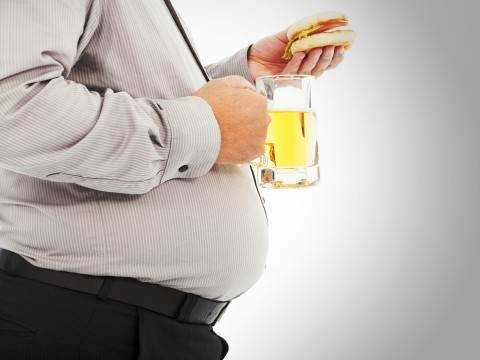
Are you the proud owner of this beer belly?While you must have earned a lot of 'brownie pints', a beer gut is not quite something one can be awfully proud of, as it is positively dangerous for your health. Well for one this condition seems to be a common affliction amongst men more than women (though it isn't entirely unknown for women to guzzle beer). A beer gut is normally found in middle aged men as a token for services rendered to a sedentary lifestyle and hours spent accumulating empty calories. How is a beer belly formed? A protruding mid-section in men is generally formed when they consume more than they burn off. So given a busy lifestyle with very little exercise and discretion one generally can end up consuming lot many calories than one is willing to toss out. According to Dr Michael Jensen MD, endocrine and obesity expert at the Mayo clinic, the liver burns calories earned from alcohol instead of the existing fat. So say, if an average beer is around 150 calories plus all the tiny appetizers one has along with the beer (Pizzas, cuts, chips etc.) one can easily understand how these go about accumulating around the belly area in to a paunch. And because the liver was all too busy burning the calories guzzled from the beer, the rest finds a cozy place to settle around the tummy. This is exactly what gives majority of men and some women the infamous paunch or beer gut! GIVE YOUR PAUNCH A PUNCH IN THE FACE Well for starters be a giver and not a taker. Which means give more time to exercise like running, cycling, swimming, skipping, dancing or aerobics which should take care of visceral fat (which is easiest to shake off, by the way). As one ages their calorie needs go down, but then so do their physical activity levels and this is where the fat creeps in. Stick to light beer if you must but do not miss your exercise regimen for anything in the world.  
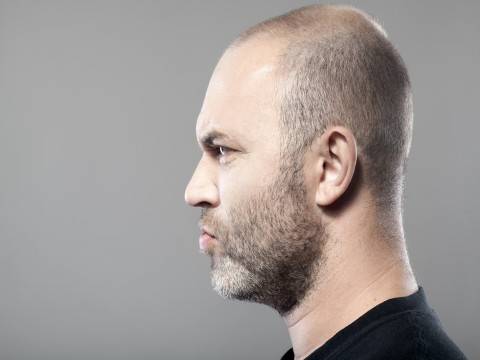
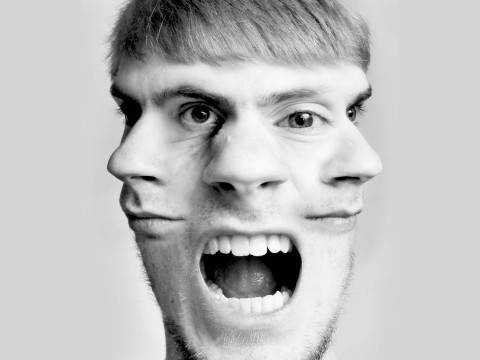
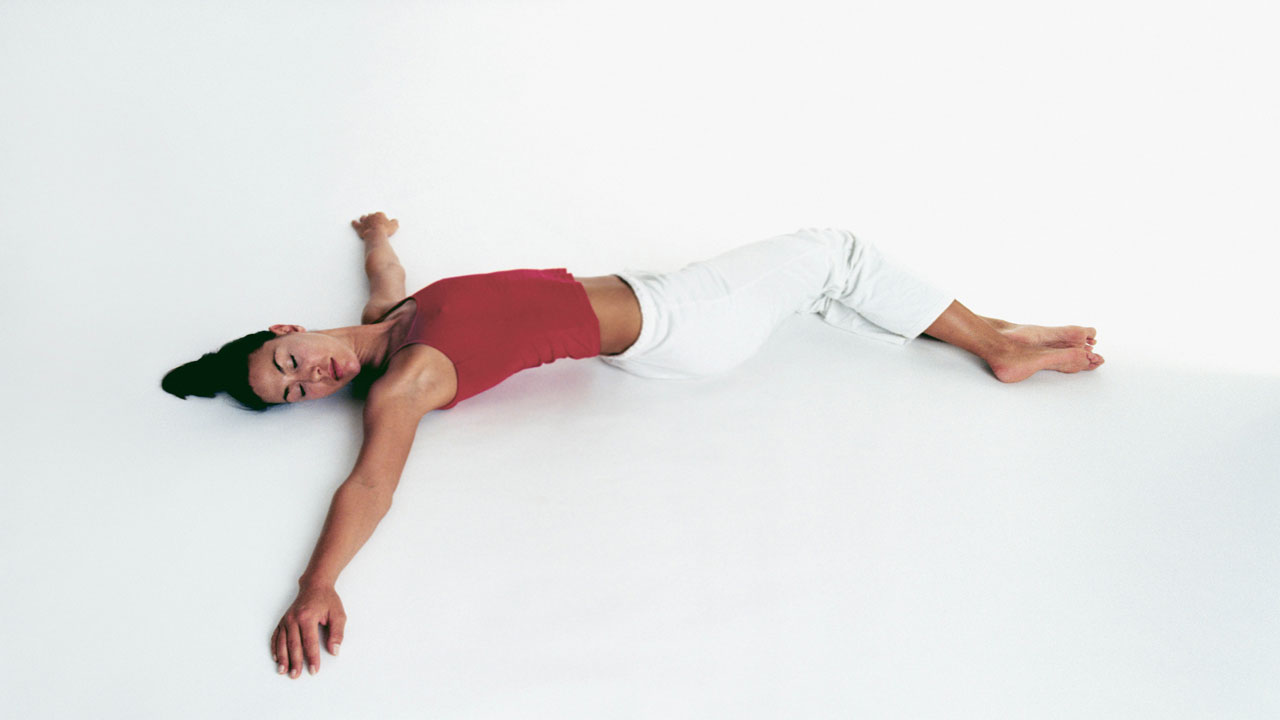
Anger management in menThis isn't a tirade against TV Violence. On the contrary, why blame the movies for spewing out blood, guts and gore, when all they really do is reflect the times we live in. Art imitates life doesn't it? So why blame the rising crime graph and street violence on TV and movies? Why not peep within our own selves and see the sheer ferocity of the anger which we project collectively on box office sell-outs. Examine the angry man within. So well you shrug it off and say "We didn't start the fire, it's been always burning since the world's been turning." You can certainly do your bit to help douse that fire before it turns into a conflagration, spiralling out of control until it consumes you mentally, physically and spiritually. Anger is bad. Period. Inscrutable and mysterious indeed are the ways of anger. It is to do with the pace of one's life in these times which starts it all we suppose. Then comes the classic conflict between nature and nurture further adding 'reddie points' to the anger account which is ticking away somewhere accruing interest. Someday something as silly as a traffic snarl or a bad joke or anything really trivial or big; justifiable or unjustifiable will cause this anger to spew out like molten lava from the fissures of your head. Self control, restraint and tranquillity are then mere concepts which lie in a crumpled heap as the angry young man in you takes over and hits out at everything within sight. Since time immemorial, the male temperament has been programmed to hunt, protect and gather. The caveman in most males has not evolved at all! It now wears a suit and goes hunting gathering in his corporate cave. This is the monster in most of us we have to tame through "Anger Management". We might have taken a dig at the caveman being the corporate type, but he could be anyone with an anger issues - you, me, the petrol pump attendant or even Sean Penn and Charlie Sheen. Celebrities often have the luxury of having anger issues and, as we all know it, many a famous anger tantrum is often overlooked as a creative outburst. For us however it could mean a long term in jail and much worse - our days filled with regret! Anger is an emotion and therefore much as I hate to say it necessary to tell us something is not right. So it is nature's way of helping us perceive through our senses and feel anger as a result of that perception, much like happiness and sadness. However anger has a particular corrosive quality about it which if not expressed or acknowledged can wreck havoc on a man's health. Why do you think men outnumber women right from barroom brawls to health conditions like hypertension, heart attack and migraines? Most men when questioned after socking the living daylights out of someone state that they just had that lightheaded feeling as the serpent raised its ugly hood, the blood pressure shot up and adrenalin coursed through the veins, the ears heard that sickening thud of a pacing heart and then "The other guy was down on the ground and I didn't even feel a thing when I sliced his throat open! Honest! I have issues!" Can you imagine how horrifying it must be to lose our faculties and go berserk? Can you imagine how many innocent people are victims of road rage and unjustified violence? So how do you ditch that anger? First step is to find yourself a relaxation routine and deep breathing exercises can help you be more in control of your temper. Relax your muscles of all that tautness which anger makes it do. Consciously at a regular time do this relaxation routine. Feel your body respond by 'letting go' of old holding patterns. Yoga Postures, especially the 'Shavasana' can help tremendously by relaxing excitable natures and enables them to relax the body at will. Next time you feel angry about something you will find yourself responding appropriately. Remember it is you against anger. Tell yourself that anger is like a serpent it might bite its owner. So find a suitable method of letting out your anger, and know that doesn't include steeping down on the accelerator and running into the back of someone's car. That is anger getting the better of you and that's 'Road Rage' and Murder and suicide. Punch a pillow, get a pair of boxing gloves and wallop the hell out of a punching bag, run a mile, shout your head off in a deserted place if you must, but unclench the jaw and fists and maybe you will start seeing the lighter side of things. There are enough things in this world that truly deserve your anger. Without anger sometimes we cannot enforce change on the negative things in society. Whenever we hear of a rape of a helpless woman on a bus we are bound to feel anger. However letting that anger getting the better of us and going in for instant vigilante justice for perceived crimes is just as wrong. Then what sets us apart from people who rape, loot, plunder or murder? If we all exercise restraint and express anger as and when it registers instead of holding it inside would help a great deal. If you are angry about being given the short end of the stick at work and if for some reason you cannot express it then ensure that you don't implode by keeping it in or explode somewhere it is completely unwarranted. There will be a day when we will hear "TV Violins" instead of watching TV Violence.
Honeymoon cystitisHoneymoon cystitis is a term for urinary tract infections that occur commonly during early marriage. Sexual intercourse is the primary reason for developing this infection. The infection occurs when the E. coli bacteria that are normally present in the bowel are introduced into the urethra. This may happen through sexual intercourse, inserting unclean fingers or objects into the vagina. Women who wash their private parts from the back to front also have an increased chance of developing infection. Symptoms of honeymoon cystitis may include a burning or painful sensation during urination, the urge to urinate frequently, cloudy urine, blood-tinged urine, and/or pain above the pubic bone. Any of these is enough o play a spoilsport and dampen your honeymoon mood! Symptoms of honeymoon cystitis generally emerge within a day or two after bacteria are introduced into the urethra. A physician can confirm the diagnosis of infection through a simple urine test. The treatment usually involves antibiotics and pain-killers. What care should you take to avoid honeymoon cystitis from recurring? Use water based lubricant during sexual intercourse Urinate before and immediately after intercourse to flush out the bacteria from the urethra. Drink plenty of water to keep the urine normal Avoid coffee, tea and aerated drinks See a gynaecologist or a urologist if the problem recurs.  Urinary tract infections are extremely common in women and are the leading cause for visits to the doctor.
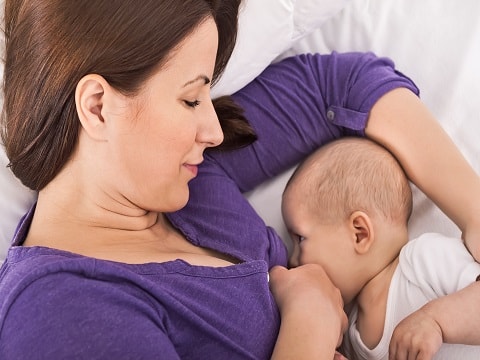
Importance of breastfeedingBreastfeeding is a natural act and that is why it is also one of the most beneficial acts for a baby. Breastfeeding provides essential nourishment and is the best food for the baby's stomach to digest. No matter how many infant formulas enriched with vitamins and minerals you provide to your baby, it can never replicate mother's milk. As for the mother, there is nothing more joyous than providing your baby with the best start that it can get in the long journey of life. The bond that the mother and the baby share through breastfeeding is one of the most special bonds. For the first six months, breastfeeding your baby is recommended for all mothers whether they are working or at home. Most working mothers are given leave, whether paid or unpaid, so they must ensure they provide their babies with regular breast milk. Breast milk protects the child against diarrhea, respiratory infections, pneumonia, ear infections, and helps to reduce chronic constipation and colic that the babies are prone to. Research also points to the fact that breastfed babies are immunized and protected against allergies, asthma, sudden death, diabetes, and obesity. They remain much healthier than those babies who are formula fed. In India, only 41% mothers begin early breastfeeding even though it has so many benefits. Mothers who exclusively breastfeed their babies help them to survive better. They also gift them with better brain development and these babies are likely to perform well intellectually. No matter which economic section of society the mother comes from, she can provide her baby with the best start in life by breastfeeding it and make sure that the child develops to its full potential. Breastfeeding is natural, simple, and cost-effective way to ensure your baby is healthy and continues to develop healthily. Since the breastfeeding campaign began on a large scale, child mortality has decreased. Immediate breastfeeding within one hour of birth has helped to significantly reduce sudden baby deaths. The colostrum, the first thick yellow breast milk is what protects babies from many diseases as it is filled with goodness. Lack of nutrition or malnutrition is another aspect that leads to infant deaths. Breastfeeding can significantly lower infant deaths from malnutrition as the mother's milk is one of the most nutritious foods provided by nature for the baby's healthy growth. A mother has the full ability to provide adequate nutrition for the baby, therefore breastfeeding needs to be encouraged fully. Employers need to create an appropriate space within their premises and should encourage new mothers to breastfeed their child. Breastfeeding also has a number of benefits for the mother. It helps to burn calories and the mother can return to her former pre-pregnancy state. Breastfeeding helps mothers to reduce their risk of breast, uterine, and ovarian cancer;high blood pressure;diabetes; and heart diseases. So for the first six months, mothers must make sure to breastfeed their baby and do not substitute it with baby food products.
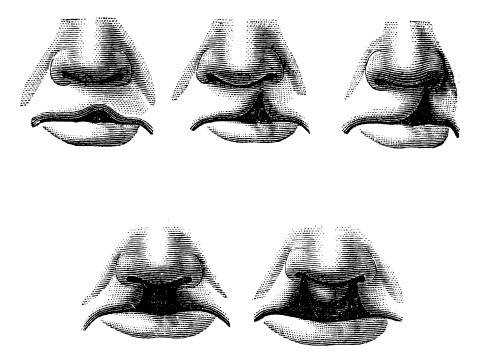
A correctable disfigurement of face: Cleft lip and palateThe Times of India reports that "With an incidence of 7 per 1000 children, cleft lip and palate deformity is one of the most common deformities among Indian children." The number of infants born every year with cleft lip and cleft palate in India is 28,600. This means 78 affected infants are born every day or 3 infants with clefts are born every hour. Cleft lip and palate develop early in pregnancy where lack of adequate amounts of tissues lead to two parts of the face failing to join adequately at the middle. A cleft lip or hare lip (as it is commonly called) refers to separation of the two sides of the upper lip. There appears a narrow opening or gap over the skin of the upper lip. This separation may sometimes extend beyond the base of the nose and may involve the upper gum and/or the bones of the upper jaw. A cleft palate refers to the gap between the two edges of the roof of the mouth, causing it to remain open at birth. The bony front portion of the roof of the mouth or the hard palate may be involved alone, or along with the soft palate or the soft back portion of the roof of the mouth. Since lip and the palate develop separately, it is possible to have a cleft lip without a cleft palate or vice versa. Causes of developing cleft lip and cleft palate: The exact cause of cleft lip and palate is unknown. Some research, however, suggests that these clefts are caused by a combination of genetic and environmental factors. The risk of such clefts thus can be reduced by adopting a healthy lifestyle during pregnancy. This includes avoidance of smoking, alcohol and having a healthy diet to avoid excessive weight gain during pregnancy. Cleft lip and palate can occur alone with no other problems or defects. This is called non-syndromic clefts. They may also occur as part of other birth defects and then may be called part of a syndrome. Cleft lip and palate may occur on one side (unilateral) or may occur on both sides (bilateral). Unilateral cleft lip and palate is more common than bilateral cleft lip and palate. Left-sided cleft lip and palate is twice as common as right-sided cleft lip and palate. The reason for this is unclear. A cleft lip or combined cleft lip and palate are seen more commonly in male babies. Cleft palate alone is more common in female babies. The face of the baby usually develops around 5th and 9th weeks of pregnancy thus this defect may arise early in pregnancy. Treatment of cleft lip and palate: Cleft lip and palate is usually corrected using cosmetic or plastic surgery. Results are usually very good. After treatment, most children have a normal appearance. To prevent and correct associated speech problems and dental problems, treatment is also sought from speech and language therapists, as well as dental surgeons (orthodontic specialists). Excellent results may be seen if the specialists work in tandem.
Mood disordersMood disorder is a category of mental health problems, and it includes all types of depression and bipolar disorder. The cause of mood disorder is not well known. Endorphins in brain are responsible for positive moods. The neurotransmitters regulate endorphins. Depression and other mood disorders are caused by a chemical imbalance in the brain. Life events such as unwanted changes in life may also contribute to a depressed mood. Mood disorders are inherited. Children, adolescents, or adults who have a parent with a mood disorder have a greater chance of also having a mood disorder. Symptoms: Prolonged feeling of sadness Helpless feeling Low self-esteem Intense guilt Suicidal thoughts Loss of interest in daily activities Difficulty with relationships Disturbed sleep Change in appetite or weight Low energy Inability in concentrating Inability to make decisions Frequent physical complaints (i.e., headache, stomach ache, fatigue) Threats of running away from home Hypersensitivity to failure or rejection Irritability Aggressive behaviour Hostility In mood disorders, these feelings appear more intense than what a person may normally feel from time to time. Treatment Psychotherapy: It is focused on changing the individual's distorted views of themselves and the environment around them, working through difficult relationships, and identifying stress triggers in their environment and how to avoid them. Family therapy: Families play a vital supportive role in any treatment process. Antidepressant medications: Medications in combination with psychotherapy has shown to be very effective in the treatment of depression.
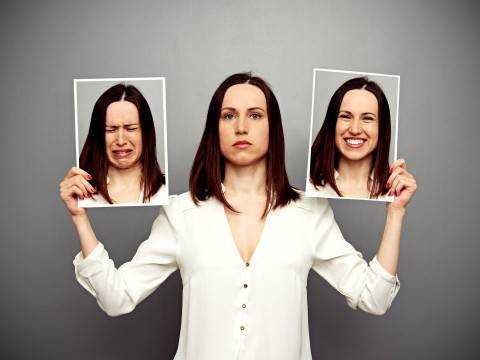
Expression forbidden! - Human emotionsSome people have a perpetual 'bee in their bonnets'! They maintain a demeanor and a mask which is virtually impenetrable. They are generally highly competent and efficient and occupy high positions of authority. They believe in living life set to a routine, and the worst part is that they expect others to adhere to it as well! God help those who have a boss like that, as their immediate liberty is at stake, and unless they are honing to be perfectionists, life is going to be a series of disasters with Captain Ice around! Nothing wrong with perfectionism per se, but when someone is a hard task master then he could well earn himself the epithet of being "a crashing bore," especially if he doesn't allow others to express themselves properly. Take a more intimate scenario - Mr. Bright Harry meets tepid Sally. The sparks fly only on Harry's side with Sally stonewalling his every effort to get to know her mind, body, and soul. A tough ask for poor Harry, as he is yet to touch first base with Sally. Know what? They have been married 5 years and she seems to be fond of him, yet has never as much admitted it to him. Quite frankly, the two could pass off for siblings rather than 'man and wife.' Why are some people such rotten spoilsports, especially where emotions are concerned?  It may well be a natural mindset for some to have an emotional guard up and emote, or have an emotional connect only with certain types of people. Fair enough and good show, we say! After all one can't be wearing one's emotions on a sleeve or you end up been taken advantage of. That's a mask that most 'tough guys with soft centre' wear anyway. Nowadays with the rules being somewhat relaxed with men been given liberty and allowances to display their gentler feminine emotional side, we find men going over the top with the sheer display of emotional expression. One is at sea wondering which one was worse off-the tough, cynical cop look or the "let me weep my heart out for you" kind of contrived emotion. That apart, it is bad enough for us having to contend with a person who has difficulty with expressing himself properly. We don't mean articulation or even well-developed linguistic ability - we mean being able to be spontaneous and congenial and a little forthcoming and nice to be with sort of an emotional person. So, unless someone has a romantic angle towards this guy (there are weirdoes all over the world, who go asking for it!) or girl, he is going to be feared, hated, despised, unloved, and uninvited by everybody. So why do people behave like they are going to be flogged for even attempting a ghost of a smile or a cheerful greeting to a fellow co-worker? Why do some people find it difficult even to open up on a psychiatrist's couch? The Mask The most common reason for Mr. or Ms. Grumpy is that they have probably been emotionally brutalized in their formative years by an authoritative parent and this has caused them to lock themselves up double quick in a shell and throw away the key. Now, that can be tough and extremely painful. It is a prison of their own making through which nobody can see that once bright-n-chirpy personality frozen, much like the curse of the wicked witch in those fairy tales we read. The person is dying to let his emotions out and let people see who he is, but since very little light escapes out due to the tough mask and veneer, that it is an uphill task. Then the sheer anger at not being understood, subconsciously plays havoc and then he gets to be the more demanding boss at work or that sullen wife or lone stranger staring in to nothingness on the park bench. These are the people that have a series of relationship disasters as their defence mechanisms are too solid to be penetrated. Some people may be naturally distant, and for them the finer and higher emotions probably don't register as much as they do in the average person. These guys are cut out for careers ranging from lighthouse keepers to morgue attendants to hangmen, where being emotional has no place. There are still others who swing the other extreme by showing so much of emotion that it is scary for others to take them on. Their emotional side is so overwhelming and demanding that it is actually a clever subterfuge on their part to drive people away as they subconsciously do not want people to get to know their real side. They generally don a mask of humor and good cheer and are great fun to be with. In reality, they are alone and scared and perhaps hurt emotionally. So, they feel safe to display emotions to masses rather than individuals. These people make good evangelists and rock stars as they can safely display and get an emotional discharge without running the risk of a one-on-one emotional exchange where they are afraid they would be hurt. If you encounter such a person who looks askance at you displaying your emotions, then it is better for you to talk things out and maybe put things in perspective. Of course, this all depends on whether you are emotional enough to maybe give someone a chance by understanding what drives them to do the things they do. Let me assure you the ice will thaw if the intention is genuine and well meant.

Beating the weight loss plateauThere comes a stage when you stop losing any weight in spite of strict exercise and diet regimen. This is called as weight loss plateau. When calorie intake is reduced along with exercise, the energy required is obtained from stored fat which eventually leads to weight loss. This rate of weight loss slows down and eventually stops once body reaches its set point of metabolism. This set point varies from person to person. So what can you do next? Here are some easy ways to get the weighing scale budging: Modify diet pattern: Metabolism slows down with lowering calorie intake. To reset metabolism, you need to have an adequate amount of calories. This can be done by including fruits and vegetables, whole grains, and proteins in diet. More energy is needed to burn proteins than carbohydrates or fats. Eat within half an hour or hour after exercising. Add proteins and carbohydrates to diet. Sip water: Increase total water intake in a day. Drink water before, during and after exercise and throughout the day. Change the workout: Change the exercises you do daily. Muscles get accustomed to a routine workout. Switching exercises and continually challenging helps burn more fat and build lean tissue. Change the type and time or duration of exercise. Try cycling instead of running if you have been doing it for long. Running, swimming, dancing, and Pilates too are good options. Skipping and brisk walking help in burning calories too and break the plateau. In the gym, change the exercise or number of repetitions. If you have been working on machines for long, try weight training or floor exercises. Take rest: Adequate rest is essential for the body to rejuvenate. Muscles, tendons, and ligaments get slight internal and external injuries which can be healed by rest. Proper rest helps repair and regenerate the tissue and makes them strong. Make these changes and get the needle on that weighing scale to budge.
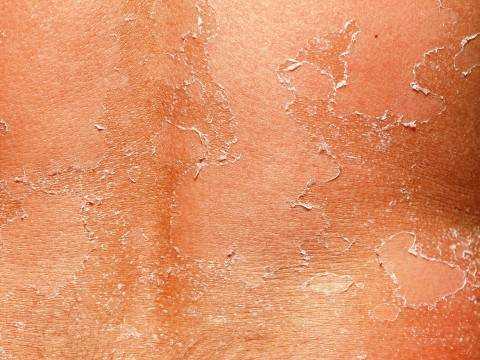
Sunburn: Overview and treatmentSunburns could also be accompanied by allergic responses to medicines, exposure to sun and sunscreen products, sight-related issues like reduced or complete loss of vision, as well as heatstroke. Over a long period of time, frequent cases of sunburn can result in cold sores, cataracts, skin cancer, and lupus.  The factors which will decide the vulnerability to sunburns are: Type of skin - The type of skin determines the vulnerability and intensity of the sunburn. The most vulnerable groups are those with freckled and fair skin as well with blonde or red hair. Regardless of the color of the skin, all skin types are vulnerable to skin cancer and proper sun protection must be used during times of sun exposure. Season - Summer days carry with them a higher probability of burning the skin. UV Index - This refers to the forecast of the strength of UV light on a particular day. This will let you know the cautionary measures you need to take in order to avoid skin damage. This is put forward on a scale of 0 to 11+ with 0 being the lowest exposure. Latitude - As you move to locations closer to the equator, the sunlight directly passes through the atmosphere to a greater extent. Age - Those who are younger than 6 years of age and those over 60 years are at a greater risk of getting sunburns. Altitude - As you climb higher and higher, the chances of sunburn are also greater since the amount of Earth's atmosphere to keep away the sunlight reduces. Every elevation of approximately 1000 feet, the UV exposure is amplified by about 4%. Location - If you are close to reflective surfaces like snow, water, ice, concrete and white sand, rays of the sun which get reflected off these might harm you. Time of the day - The rays of the sun are strongest between 10 in the morning and 4 in the evening. Though, the probability of getting sunburn are lower on cloudy days, it is possible for the UV rays of the sun to pass through the clouds and negatively affect your skin health. Here are the precautionary steps you can take to avoid getting sunburn: Avoid staying in the sun for a long period of time. Make use of sunscreen and choose clothing which cover your skin. In case you are suffering from sunburn, here are ways to treat it: An over-the-counter pain reliever: In order to lower the inflammation and relieve pain, use ibuprofen or aspirin. Anti-inflammatory condiment: Cortisone cream and aloe vera are two primary ways of reducing the inflammation. Cool bath: Take bath for about 10-20 minutes in water of cool temperature (make sure the water is not too cold). This will cut back the pain and irritation in affected area.  Do not use any bath oil, soap or detergent as this might increase the chances of allergic reactions and irritation to the injury. When drying yourself after the bath, do not rub with towel. Cold compressions: Try application of cold and wet compressions on the concerned region for about 20-30 minutes. Adequate hydration: Make sure you drink at least 8-12 glasses of water to help your skin to recover from the sun damage. Moisturizer: Once your skin begins to heal, use a gentle moisturizer without any scent. Blister treatment: In case you have blisters, do not try to pop them. This will lead to infection and marks.However, if you have large blisters which require to be drained, then pop them using a sterilized needle. Follow this by cleaning the area dry with gauze. After applying ointment to the area (Aloe vera or antibiotic ones like bacitracin and polymyxin B), wrap the area loosely using a gauze bandage. Make sure you do not tie it tightly and change the gauze daily to avoid infection. Medical attention: In case you feel nauseous along with fever, rashes and chills, then make a visit to the doctor. The following symptoms also require you to seek medical attention immediately: Pain in eyes with sensitivity to light, dizziness, high thirst without proper urination, painful blisters, and pale/cool skin.
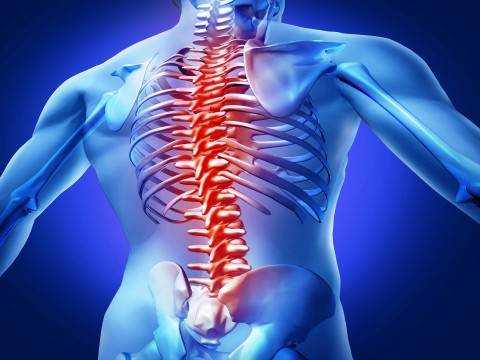
A fine spine - Common disorders of the spineThe spine is made up of small bones called vertebrae that are stacked one upon the other. When viewed from the side, the normal spine has gentle curves to it. Because the spine is a complex structure and happens to be at the center of all our activities, it is subjected to a lot of diseases. A common misconception of low backache is that you should rest. In fact, rest is not recommended at all. Keep up with light non-strenuous activities after the symptoms have subsided. Given here are a few common conditions of the spine: Loss of curvature: The spine, when seen sideways has gentle curves to it. The curves, when lost, can lead to pain and imperfect posture. Kyphosis and Scoliosis are the commonest form of spine curvature abnormalities.Kyphosis is the abnormal and excessive curving of the upper part of the spine. It is commonly called as a hump. It may be present since birth or may develop during the teenage years. The most common symptoms seen are a hump, back pain and muscle stiffness. The pain remains constant and does not worsen over time. If the curvature is too much, then the thoracic cage may get compressed and pressed for space. This may cause cardio-thoracic problems like chest pain, shortness of breath and even death. Compression of spinal nerves may cause loss of bladder and bowel control, loss of sensation and muscle weakness. Kyphosis is treated with physiotherapy, anti-inflammatory drugs and in severe cases, with bracing.Scoliosis is the side-to-side curvature that occurs during growth spurts before puberty. It may also be caused by spinal cord injuries and arthritis. Scoliosis develops gradually. The symptoms seen are usually by people other than the patient, where they may notice a slight slouch while walking. At times it may be seen that clothes that used to fit earlier are now ill-fitting. The pants seem to have shortened on one side. The curvature if mild responds well to physiotherapy. Physiotherapy is also useful as it helps to stretch and strengthen the muscles. This helps in stopping the progression of curvature. Severe cases require bracing and even surgical intervention with rods, hooks, wires and screws to correct the curvature. Sciatica: Sciatica is a condition that arises when the sciatic nerve is pressed upon. This condition arises when a degenerated vertebra presses upon the disc below it, or when there is a disc prolapse.  Abnormally tight piriformis muscle of the buttocks and a tumor in the spine may also cause sciatic pain. The hallmark symptom is the characteristic pain along the leg that starts from the hip and radiates all the way down. The pain is worsened by sitting and tingling numbness also develops. Treatment includes anti-inflammatory medicines and physiotherapy. Spondylolisthesis: When the spine is subjected to the pressures of daily activity, there is a lot of wear and tear that goes on in the vertebrae. This may cause the vertebra to move forward and slide on the vertebra below it. As a result, you may experience a constant backache. Spondylolisthesis can be congenital, it may occur due to trauma to the vertebral column, due to a tumor in the vertebra or due to degenerative changes in the vertebra and cartilage as a result of diseases like arthritis. Low backache is the hallmark of this disease. The pain is typically worse after any exercise that involves the lower back. The motions of low back are restricted and if there is nerve compression then tingling and numbness along the leg may also be seen.Rest and avoiding exertion of back muscles helps reduce the symptoms. Physiotherapy helps in restoring the strength and improving the range of motions. Spinal Stenosis: Degenerative diseases like osteoarthritis cause development of bone spurs in the vertebral column leading to its narrowing. This puts pressure on the nerves and leads to pain and tingling and numbness. Cervical Spondylosis: This condition occurs due to degenerative changes in the vertebrae of the neck region. Commonly seen as neck stiffness with pain that radiates all the way down the arm.  The pain occurs as the nerves get compressed by disc prolapse or bone outgrowths in the vertebra. Treatment includes neck immobilization, cervical traction, medications for pain and physiotherapy. Ways to reduce spine problems and backache are: Quit smoking Adopt a perfect posture Do exercises that will strengthen your core, lower back muscles and abs. Do not ignore or overlook the pains. Consult your doctor at the earliest. Spinal problems are the ones that are frequently overlooked. Ignoring the symptoms may lead to worsening of the problem. See your doctor at the earliest to be safe. The spine is the backbone of our body, in the true sense of the word. It is up to us to keep our spine in good condition as an unhealthy spine will interfere with almost all our body functions.
How to communicate with a patient who has a strokeThe first and the most important thing to communicate with the patient, is to give undivided attention. Give attention to his activities, gestures, his facial expressions through which he may try to communicate so his feelings could be understood. Eye contact is also important but the patient having stroke may look at you square in the eyes but he may not respond to your conversation. While communicating with the patient you should always stand in front and tune out all the other sights and sounds in the room. Maintain full silence around the patient in the room, turn down the volume of the television, radio and ask other people in the room to be silent. You may communicate with the patient by making contact by touching the hand, chin, cheek or areas which are not affected by stroke. As the side which is affected by stroke, does not have any sensations. You may communicate with the patient through his family member by telling the family member to communicate with patient by saying, "Look at my face"; through this we can gain the patient's concentration. You should always speak clearly with the patient in a normal soft volume. Express your ideas in simple terms, form simple sentences, do not use complex words. You may repeat the sentences or an important term again. For example to ask if the patient wants tea, repeat the word 'tea'. More complex thoughts can also be similarly conveyed and repeated. You may also use hand gestures with clarification like doing Hello by waving your hand or through your hand action, you may ask questions like, How are you? Are you ok? What do you want? Through this both caregiver and stroke patient can benefit. You may ask your patient to point out whatever he wants or if he needs anything. And gradually he will develop the habit of pointing the daily items like television, newspaper, remote, eyeglasses radio, drapes an uncomfortable foot, the patient can indicate any pain or headache. Through this communication we can make the patient learn, use mechanical lifts to get in and out of the bed, and with the help of the attendant by demonstrating the patient how to use it. Sometimes when the communication does not work, take a break, give it time and try again, do not get frustrated and reassure the patient that yes, he or she can do it. Good communication with the patient is very important as they cannot speak their basic wants and needs clearly. The patients suffered a stroke also have slurred speech. There is a deviation of the angle of mouth. They are mostly bed ridden and could not carry out the routine activities.
Female circumcision - Health EffectsThe procedure is carried out by either snipping off a piece of the clitoris or removal of all external genitalia for non-medical reasons. The procedure is carried out outside hospitals and the environment may not be effectively clean and could lead to infection. The painful procedure causes a lot of fear and distress. Some countries have begun to use healthcare personnel to cut the genitals, which reduces pain, bleeding and infection but it does not mean that it is acceptable by the United Nations. Even though the United Nation has termed female circumcision as a violation of human rights, there are millions of girls suffer because it is a requirement for girls so that they remain pure. It is supposed to lower female libido so that they do not indulge in any kind of sexual activity before marriage. Immediate complicationsGirls are likely to suffer severe pain besides the fear that accompanies such a procedure. It can cause them more pain when they try to urinate. If there is severe bleeding, it can lead to haemorrhage. The tissues that form the genitals are severely damaged and healing may not take place immediately and sores can form leading to more pain. Girls can retain urine for fear of the pain. There is always a chance of contracting tetanus or other bacterial infections like sepsis which lead to formation of pus. Besides cutting, procedures can include pricking, piercing, incising, scraping, and cauterizing the genital area. Long term health problemsBesides the immediate problems, female circumcision can lead to long term effects including infertility. The girls can be subjected to urinary tract infections and bladder infections that can recur again and again. Sometimes cysts may also form. There are chances that there could be increased risk of problems during childbirth which could in extreme cases result in the death of the newborn baby. According to UN estimates more than 125 million girls and women are living with female circumcision. Women may be subjected to continuous surgeries especially in those cases where the vagina has been stitched to make it narrow as part of the circumcision process. Once the girls are married, the vagina is unstitched to have sexual intercourse. During childbirth, the vagina may need to be cut again to deliver the child and then stitched up again. This is a continuous problem and women should be spared from this pain and trauma.
FAQS
T&C FAQS