Home
The moody man - Mood swings in menMen, such jokes on a woman's monthly mood swings are passe. Recent research proves that men are equally prone to have mood swings. Have you experienced a myriad of emotions? Angry, irritated, feeling helpless, self-pity, an irrational urge to throw things and cry and be depressed all at the same time? These are signs of mood swings. And the point of interest here is that you don't have to be a woman to experience mood swings. Men face their share of mood swings too! Men undergo hormonal influence too. And like women this causes them too to be irritable and cranky. The difference here is that the hormonal fluctuations are not as severe in men as in women. So the mood change lasts for a lesser time compared to a woman. Men's moods are also affected by psychological and physiological stressors. So a man who has to work against time to meet a deadline will be very irritable. A man who is deprived of sleep will end up snapping at you for no apparent reason. The myth that men don't cry, is something that men take to heart. Men are emotional beings and it is okay to show some of the emotions. The male stereotypical image is such that if a man is expressive of his emotional side, he isn't considered macho enough. Hence men tend to internalize their emotions and feelings. Often this leads to chronic depression. Taming the mood swings. Any form of physical exercise helps keep the mood in balance. This helps in keeping the aggressiveness under check. Sex is also a great way to release the stress and feel better, rather than snapping and using profanities. Another helpful way is to ask yourself 'why'. Whenever you feel that you are doing something irrational or out of character, ask yourself why. The answer you get from yourself will help clear the situation and you will end up handling it in a mature fashion. The irritable male syndrome. This is the male equivalent of the female menopause - The Andropause. It covers the symptoms seen in middle-aged men that occur due to the drop in testosterone levels. Like women, men show mood changes, bouts of irritability, grumpiness, hypersensitivity, anxiety and frustration. The recent research on men having mood swings and the society's acceptance of these findings is very encouraging. It helps stress in the fact that men are emotional too. There is nothing anti-macho about a man crying his heart out at times. It only shows he is human, after all.
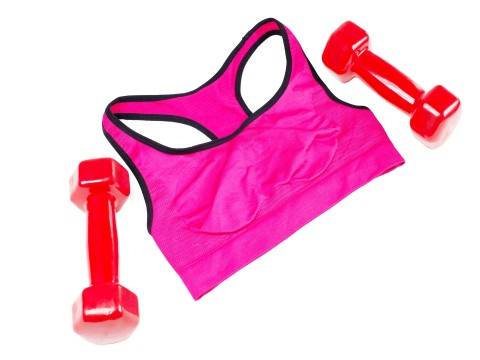
Just how sporty is your sports bra?Very few women in the world really know the right size of their bra and end up using wrong size bra all their life. A study shows that all over the world only 2 women out of 10 wear the right sized bra due to which they can never get the look they want. Since there is lot of difference in sports bra of different brands, you need time and patience to find out the most suitable one for you. You should keep on measuring yourself every year, and especially if you have added weight or lost weight. It is also necessary to check your bra-size after pregnancy.  On an average, the size of sports bra range from A to H and most women find a comfortable fit among either of this size. A good sports bra should always offer three things- support, comfort and breathability to the breasts. Choosing a Bra with a Good Fit Most of the elite bra shops offer good range of different sports bra. But it is important to know which one suits you or is of your size. A well fitting bra gives you the liberty to exercise or move with confidence and comfort. One thing you should keep in mind while purchasing a sports bra is your life style and preferences. Some like it padded, some like it embroidered, while some may like it simple. So apart from correct measurements, your style should be given preference while buying a sports bra. Moreover, you also should take into consideration the dress you are wearing on this bra. Here are some tips that can help you in selecting the right bra when you will go to the lingerie shop. Support   A good bra should offer your breast complete support, irrespective of whether they are small, medium or even big. If you have breasts ranging in between A to C cup, you should choose a compression bra that offers more comfort and support. If you are looking for a bra that also encapsulates and gives proper shape to your breasts then you should choose a bra accordingly. These bras offer more support than the compression bra. For getting both comfort and support, you can choose a compression bra that also encapsulates your breasts properly. Comfort You should feel comfortable when you wear a bra. It should stay in place and should not chafe. If possible, try one of the samples in the changing room and check whether the straps dig into your shoulders or whether the bands provide comfortable support to the breasts. The bra should hold the breasts comfortably without being restrictive. A good bra is one that holds your breasts in place even when you are performing all the jumping, running and swinging acts. Breathability The fabric of the sports bra should be good enough to wick away the sweat from the skin so that it dries quickly and allows the skin to breathe properly. The bra should allow excess heat and perspiration to pass through the fabric keeping you dry and cool during summer &  warm and dry during winter.  
Pamper the newborn without forgetting yourselfIf you are a new mom, chances are you are busy 24/7. The baby's complete dependence on you helps you bond with him/her and makes you aware of the responsibility that is now on you. But, your own health is an equally important responsibility. So, you need to give yourself permission to take care, or even pamper yourself from time to time. Here are simple ways for you to look out for yourself. Eat your favorite breakfast: As your day starts, you need fuel to keep your energy levels high. So, grab your hands on healthy and tasty breakfast options like whole grain cereal, skim milk and sliced strawberries or a banana. The combination of lean protein, whole-grain foods, and nutrient-rich fruit allows the brain to form more feel-good chemicals. Don't let stress come near you: We know that a lot of changes in your life have transpired, due to the entry of a baby in your world. The difficulty to cope with the changes may cause stress and depression. Try to avoid stress by asking for your husband's and relatives' support. Take a walk with your baby: Walking with your baby in nearby parks will give you fresh air and it is an excellent form of exercise. Don't be sleep deprived: Having a baby doesn't mean that you have to always sacrifice your sleep. Never miss an opportunity to sleep or take rest. This will keep your energy levels high for the day. Sleep when your baby sleeps. Delegate baby care: Parenting is not your sole responsibility. Ask your husband to lend a hand in taking care of the baby for some time. Not just the husband, if you live in a joint family, you can ask other relatives for help as well. Don't be a multi-tasking person: We know a woman has so many roles to play. But, it doesn't always have to be that way. Being a new mom, you must focus on one activity at a time. You can prioritize your tasks, if you have a lot of things to do. Exercise regularly: Add exercise to your daily routine. Choose the exercise which you love and enjoy, like walking, cycling, yoga, swimming or aerobic dance. Consult a doctor before starting any exercise program.    
Your bundle of joy comes with bundles of fascinating facts Blue-eyed wonder: Most babies are born blue-eyed. The melanin pigment that decides the color of the eyes is not developed at the time of birth. So the babies are born with blue/light eyes irrespective of the genetic makeup. By the time the baby is 6-7 months old, the pigments start developing and the baby's eye colour changes as per the genetic makeup of the parents. Marked for life: One in every three infant is born with a birthmark! No tears: That is true! New born babies do not shed any tears. The lacrimal duct and the tear glands are well developed but they produce just enough tears for lubrication. Actual tears start appearing after one month of age. Crawling wonders: New research has found that babies can crawl almost as soon as they are born. When left to themselves, they are quite capable of using their limbs and find their way to food i.e. the mother's breast.And we thought that they are tiny helpless creatures! Temperature sensitivity: Babies are much more sensitive to temperature changes and body heat.Though the baby can't throw off the clothes to cool down, it is smart enough to do other things. When the baby is cold, it will move around more and if it is too hot it may just lie still as if sunbathing. Touch therapy: Touch is the most highly developed sensation in babies, even in premature ones. The touch sensation develops from head to toe with the mouth being the most sensitive. No wonder they tend to put everything in their mouths. Short-sighted: Babies are short sighted at birth. Their vision is set to a limit of 8-to-12 inches. They can see people and objects clearly only if they are within this range. Brain size: The brain grows at such a rate in newborns that by the end of the first year,the brain is double the birth size and half its final size! Palmar Grasp: New born babies have a strong grip, as strong as a monkey's. The grip is so strong that if you dangle them on one hand, they can support their own weight. This probably originated from the primitive survival instinct. This strong grasp reduces after a couple of months. Taste buds: Babies have more than 10,000 taste buds situated all over the tongue and even at the roof and sides. As they grow, these extra taste buds disappear.
Are you there for your teenage children?You must be there for your adolescent children so that they know who to turn to when they are confused. Being there does not necessarily mean your physical presence, but even the rules, boundaries, and standards of behavior you might have set should be able to guide them. When the teenager comes under peer pressure, then these rules may help them make the right choices. Teenagers live in fear They are frightened of their teachers, their friends; they are frightened of being mocked at or not being able to cope. They are dealing with a lot of issues, so when they come home, show them you care. They don't need parents screaming and shouting at them about their conduct or studies. The moment they come in, you should greet them with a smile, no matter what your feelings are otherwise. Don't expect your teenage children to be adults because they are still growing. Family is always important Most people think that teenagers no longer need the love, warmth, and support of the family. Your child might be a teenager,not a child to hold hands and show them the way, but they do need your support. A family works like an anchor that can pull back a teenager from being drifted away. Engage them.Speak to them regarding their likes and dislikes, the pressures they feel at studies, among other things. This could help them from the intense emotional turmoil they may be going through. Equation changes As a child you could cuddle your children, scold them, nurture and guide them, but as teenagers the equation might change. You may not cuddle your teenage child, but a warm hug now and then or a pat on the shoulder is enough to let them know that you love them just the same. Listen to them when they share an opinion. They want to prove themselves so follow their advice if it's reasonable so they feel they are an important part of the family and their opinions do matter. Don't treat your teenage children with suspicion.It will drive them away!! Moody If your teenage child is moody and uncommunicative, it does not mean that they don't need their family. It's just that friends might have taken precedence in their lives. Just the feeling that they have your support may encourage them to take their independent decisions. Information It is important to inform your teenage child regarding alcohol, drugs, and sex. However, you must also know they could experiment. So tell them about the dangers, and if they still make a mistake, then be there and do not abandon them. Help them get through the crisis. Teenage behavior Sometimes teenagers can behave erratically. It could be difficult to know if this is teenage moodiness or something more serious. As a parent you need to watch out for this and find out indirectly about what is troubling them. They might not open up immediately, but if you are around when they feel like chatting, they could let you know what is troubling them.
What is megalomania?Bertrand Russell's quote on megalomania perfectly describes the condition:"The megalomaniac differs from the narcissist by the fact that he wishes to be powerful rather than charming, and seeks to be feared rather than loved. To this type belong many lunatics and most of the great men of history." Megalomania is a delusional bipolar disorder. The sufferer believes he is an all-powerful person and that he is superior to all other people. Megalomania comes from the Greek words megalo which means large or great and mania which means madness. It is a psychopathological disorder that has delusional fantasies of power, exaggerated self esteem and a sense of omnipotence. The sufferer may believe he is God or some famous athlete. Although megalomania is a term used for power hungry people, it is clinically described under the mental disorder of narcissism. Narcissism is self-love. Though self-love is a healthy concept, narcissism is a pathological state where one loves oneself to the extent that he starts despising others. Megalomania is caused by certain phobias and mental conditions associated with emotions and personality. In everyday life, megalomania can be a person's mental way of reacting to frustration, abandonment or some serious loss. In the social world, the term megalomaniac is often synonymous with control freaks, power-drunk army generals, executives and politicians. The treatment of megalomania includes medications. The challenge here is that the person may not believe he has anything wrong with him. He, in fact, believes that he is so great that no harm can come to him, so talking him into getting himself treated is very difficult. Adolf Hitler, the German dictator, was a power-hungry control freak. He believed that he was the supreme commander and that his race was the only race suited to inhabit earth. All other races, especially Jews, were inferior and had to be wiped off the face of the earth. Adolf Hitler was megalomaniac.
Crave for non-food substances to put in your mouth? Go ahead take your pica!We all have strong cravings in some form or the other, especially for food. Just thinking of a chocolate cake or ice cream can set the mouth watering and the hand creeping to open the refrigerator. However, some people have an unusual craving and it is to consume non-food items. Everyone knows that children are known to eat chalk, dirt or lick walls but at times, even adults have this unusual craving for non-food items. This condition is termed as 'Pica'. One can understand a child popping something into its mouth as it's discriminatory skills are not developed, but what about fully grown adults who have this habit? Is it a mental ailment? One can't really call it a full blown mental condition as it occurs commonly in pregnant women. The cravings are as strong as any other food craving and sometimes these people go out of the way to satiate their cravings. So, right from paint thinner, to chalk to ink, ice, plaster, paint, linoleum to plastic bits can form the obsession or craving. Pica is a combination of psychological and biochemical processes and is generally a deficiency which sets about these intense cravings.  When pica strikes pregnant women, then it could be a cause for much concern and the doctor should be kept informed. While it is easier to indulge a pregnant woman's ice cream cravings if she also develops a thing for iron fillings on top of her ice cream, then obviously it can be a rather dangerous thing to do. Ice and chalk are comparatively harmless and other than affecting the teeth and the taste, do nothing much else, but what about turpentine and toxic materials? They can definitely interfere with the body's digestive processes and can even spread harmful toxins in the body to cause blood poisoning, intestinal infections, bowel blockages and lead poisoning or arsenic poisoning.  If you have such strong non-food cravings then before you give in to them talk about it to a medical practitioner. It could well be an iron deficiency or perhaps even anemia which is attracting you to chew pencils up or making you pop dirt in your mouth. If you are pregnant then certainly the doctor will need to address the underlying issue and ensure that the pica goes away before you deliver. Wouldn't want you chewing up the baby's soother now would we?
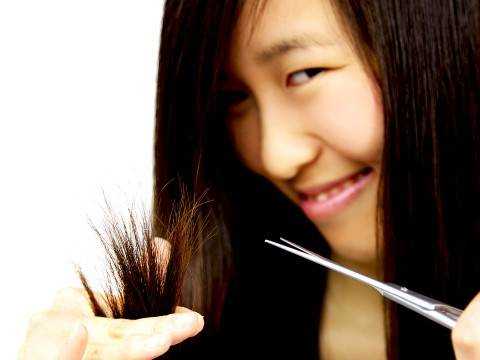
How to say 'Bye' to split ends? Check out these 10 tips!One of the main reasons for split ends is the use of curling irons and other heat-induced styling treatments. When you go for hair products like hair colors or perms, the shield over your hair's shaft that protects it can get stripped off, thus making your hair liable to split ends. You could also be mechanically stressing your hair by pulling them too much while combing or combing repeatedly. Remember that rubbing your hair up towards the direction of the scalp does not lead to split ends. While there is no remedy to treat split ends, there are ways in which you can keep them away. Did you know that a medical research showed that the only way to keep split ends away is to put a stop on the excessive use of chemical on it? Hairdresser, Holly Kensen, says that split ends are the results of pushing out the natural process and pulling in too many chemicals. It is best to stay away from the styling products and embrace your natural hair! TIP 1 : Get hold of a piece of rosemary (fresh ones are the best!) and immerse them in a cup of hot water for 30 minutes. Once the temperature of the water is back to normal, whisk an egg into it. Mix this blend onto your hair. Rinse after 15 minutes using a light shampoo. TIP 2 : Bring home a ripe papaya and cut it into halves. Choose the part which you believe will be sufficient for your hair. Take off the skin and seeds. Mash it until it becomes a paste. Then, drop a cup of yogurt and stir them into a smooth paste. Apply it on your hair and let it hold for about 30 minutes. Use cold water to rinse it off. TIP 3 : Condition your hair with castor oil. Mix equal amounts of castor, almond, and olive oil and apply it on your hair generously. Wrap your hair in a towel and let it stay for 30 minutes. Then, shampoo your hair. TIP 4 : After you have shampooed your hair, apply a mix of cream and milk on them for about 20 minutes. Focus especially on the ends. Rinse your hair with cold water. TIP 5 :If you decide to trim your hair on your own, then don't use the paper scissors! They are called 'paper' scissors for a reason. Get hold of hair shears which will not leave your ends damaged. TIP 6 : Trim your hair every six to eight weeks at least up to ¼ to 1 inch. Due to our environment, it is natural for the hair to get damaged in a few weeks. It is important to remove the split ends and let them grow healthy. TIP 7 : Do not trust products which say that they can 'cure' your split ends. Split ends are not curable. They are preventable. The only thing that these products do is to seal up the splits which only makes your hair unhealthy. TIP 8 : Try to stay away from chemicals as much as you can. Chemicals only tamper with your natural hair and ruin their texture. If you really have to use it then make sure you condition them regularly. TIP 9 : Use coconut oil to fix your split ends. Buy an extra-virgin and organic coconut oil. Before washing your hair, apply about 2 spoons of the oil on your dry hair. Emphasize on the hair ends. If you want, you can steam your hair for some time (about 20 minutes). Then, wash your hair with a light shampoo and condition them. TIP 10 :This is one of the best ways to help your split ends stay away: Get hold of chamomile tea and brew it on a pot. Then pre-rinse your hair with it. After you have rinsed them, wash and condition your hair normally.
Sunburn: Overview and treatmentSunburns could also be accompanied by allergic responses to medicines, exposure to sun and sunscreen products, sight-related issues like reduced or complete loss of vision, as well as heatstroke. Over a long period of time, frequent cases of sunburn can result in cold sores, cataracts, skin cancer, and lupus.  The factors which will decide the vulnerability to sunburns are: Type of skin - The type of skin determines the vulnerability and intensity of the sunburn. The most vulnerable groups are those with freckled and fair skin as well with blonde or red hair. Regardless of the color of the skin, all skin types are vulnerable to skin cancer and proper sun protection must be used during times of sun exposure. Season - Summer days carry with them a higher probability of burning the skin. UV Index - This refers to the forecast of the strength of UV light on a particular day. This will let you know the cautionary measures you need to take in order to avoid skin damage. This is put forward on a scale of 0 to 11+ with 0 being the lowest exposure. Latitude - As you move to locations closer to the equator, the sunlight directly passes through the atmosphere to a greater extent. Age - Those who are younger than 6 years of age and those over 60 years are at a greater risk of getting sunburns. Altitude - As you climb higher and higher, the chances of sunburn are also greater since the amount of Earth's atmosphere to keep away the sunlight reduces. Every elevation of approximately 1000 feet, the UV exposure is amplified by about 4%. Location - If you are close to reflective surfaces like snow, water, ice, concrete and white sand, rays of the sun which get reflected off these might harm you. Time of the day - The rays of the sun are strongest between 10 in the morning and 4 in the evening. Though, the probability of getting sunburn are lower on cloudy days, it is possible for the UV rays of the sun to pass through the clouds and negatively affect your skin health. Here are the precautionary steps you can take to avoid getting sunburn: Avoid staying in the sun for a long period of time. Make use of sunscreen and choose clothing which cover your skin. In case you are suffering from sunburn, here are ways to treat it: An over-the-counter pain reliever: In order to lower the inflammation and relieve pain, use ibuprofen or aspirin. Anti-inflammatory condiment: Cortisone cream and aloe vera are two primary ways of reducing the inflammation. Cool bath: Take bath for about 10-20 minutes in water of cool temperature (make sure the water is not too cold). This will cut back the pain and irritation in affected area.  Do not use any bath oil, soap or detergent as this might increase the chances of allergic reactions and irritation to the injury. When drying yourself after the bath, do not rub with towel. Cold compressions: Try application of cold and wet compressions on the concerned region for about 20-30 minutes. Adequate hydration: Make sure you drink at least 8-12 glasses of water to help your skin to recover from the sun damage. Moisturizer: Once your skin begins to heal, use a gentle moisturizer without any scent. Blister treatment: In case you have blisters, do not try to pop them. This will lead to infection and marks.However, if you have large blisters which require to be drained, then pop them using a sterilized needle. Follow this by cleaning the area dry with gauze. After applying ointment to the area (Aloe vera or antibiotic ones like bacitracin and polymyxin B), wrap the area loosely using a gauze bandage. Make sure you do not tie it tightly and change the gauze daily to avoid infection. Medical attention: In case you feel nauseous along with fever, rashes and chills, then make a visit to the doctor. The following symptoms also require you to seek medical attention immediately: Pain in eyes with sensitivity to light, dizziness, high thirst without proper urination, painful blisters, and pale/cool skin.

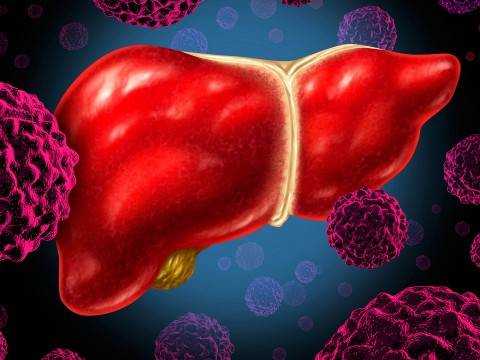
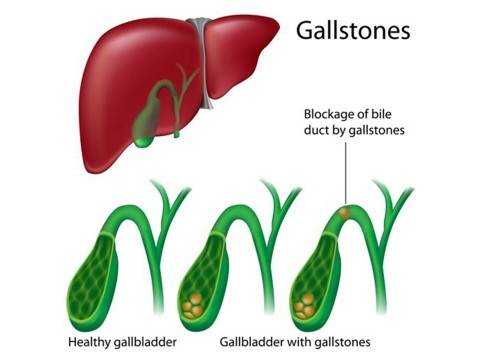
Bile block - Understanding gallbladder problemsRavi was a young intern working the night shifts in a government hospital when he was asked to examine a patient who had just been brought in. The patient was a 45-year-old, a fat man, who was complaining of pain in the right side of the abdomen along with nausea and vomiting. On inquiry it was revealed that he had eaten a very heavy fat-laden dinner. Remembering what his surgery professor had taught him about cholelithiaisis, Ravi immediately guessed what the diagnosis could be. He, however, sent the patient for a blood test and an abdominal scan. The reports confirmed Ravi’s suspicions- cholelithiasis, gallstones. The gallbladder is a tiny pear shaped organ that lies just below the liver. It is responsible for storing the bile that is produced by the liver for digesting food. It ensures the smooth outflow of the bile from the bile ducts. When the bile components aggregate in the gallbladder, they build up to form gallstones, similar to kidney stones. The gallstones are usually small enough to pass on to the intestines and be eliminated without causing too much trouble. At times, these stones may be big enough to block the outflow of the bile and give rise to a variety of symptoms depending on the size of the stone and severity of the block. The symptoms include -  Intermittent colic. A bloated sensation with constant nausea. Inability to tolerate fats. Vomiting.  Fever with chills if the stone becomes infected. Gall stones though found in both sexes, is more common in females. The risk factors for developing gallstones include - Diabetes. Organ transplant. Diseases like hemolytic anemia, sickle cell anemia. Liver cirrhosis. Failure of the gallbladder to empty properly, e.g., during pregnancy. Rapid weight and nutrition loss due to any reason. Gallstones are confirmed by a blood test to check the liver function and by an abdominal scan. Medications to dissolve the stones, and surgery in case of large stones that do not dissolve with medications, are the treatment options.
Winter - When your heart feels the cold too!As per a study in America, 193.6 people of every 10000 people die of a heart disease every year. 53% of the heart attacks occur in the winter months. Heart diseases have a seasonal trend as found by medical research recently. A team of medical researchers recently conducted a survey which saw 10,000 participants between the ages 35 to 80 from around seven European countries. The study was conducted to see if there is any seasonal variation in the presentation of heart diseases. The participants were measured on the parameters of blood pressure, waist circumference, body mass index, blood glucose levels and blood lipid levels. The parameters were later adjusted for sex, age and smoking. The results revealed that the incidence of heart disease shows an upward trend in the winter month [Jan to Feb] as compared to the summer months [June-Aug]. The researchers accept that there is no logical explanation to these findings. A plausible cause being the fact that the eating habits change in winter. One tends to eat more which in turn increases the cholesterol levels leading to heart diseases. Several other theories are being put forth. According to one, during the winter months the body undergoes hormonal imbalance. The day and night variation in the hormone levels, especially that of cortisol varies. This results in a lower threshold for heart attacks. Yet another theory says that the cold temperature tends to constrict the arteries narrowing the blood flow to the heart tissue and this result in a heart attack. On the basis of this study, scientists advise that more attention is to be paid to heart health during the winters.
Psychological impotenceSex is not just physical but just as equally mentally involved. Mental stimulation and response are responsible for arousal and overall enjoyment; and therefore any sort of psychological disturbance or mental issues like stress, tension, or anxiety can lead to psychological impotence. Stress or exhaustion are most possible explanations for psychological impotence. Depression and post-traumatic stress disorder also may result in impotence. A mental trauma of sexual or physical abuse, guilt due to sexual relationship, problems amongst partners contribute too. Confusion over one's sexual identity is also a major cause for impotence. Impotence results from underlying physical disorders, especially if the people choose to stay unaware of it. Absence of knowledge of this disorder leads to anxiety and stress building up over a period of time.  So when determining factors rule out physical causes first and then go for identifying mental causes. Psychological impotence can be sometimes situational or only with a particular partner and the treatment approach differs with the cause. Counseling works wonders in the case of psychological impotence. For example, depression or anxiety may require treatment to improve condition. Post-traumatic stress disorder or abuse needs therapy on coping skills. Sometimes simply explaining underlying cause of physical condition resulting in impotence and comfort and reassurance are sufficient. So don't hold back, share to get your mojo back!!
Stress-free sex: Know your safe period!Having sex is a pleasurable thing; and the nicest way to enjoy it, is to give in without being bogged down by the fears of getting pregnant. Not every act of sexual intercourse will result in pregnancy. There are days when your chances of conception are very high, just like there are days when the chances of getting pregnant are almost nil. Identifying these days will help you enjoy a better and a more stressfree sex life! A woman's menstrual cycle starts from the first day of  bleeding and ends about 28 days after that, on an average. Ovulation occurs on the 14 day of the menstrual cycle. The 14th day is the ideal day, theoretically. Since every woman's menstrual cycle differs, the day of the ovulation also differs. Hence doctors calculate the fertile period from the 12th to the 18th day of the menstrual cycle. This is the period when the chances of ovulating and hence getting pregnant, are optimal. The 1st to the 7th day and the 19th day to the start of the next cycle, are the days when the ovulation chances are very low. This means if you make love during these days, there are very little chances of you getting pregnant. This is the case with women who have regular period cycles. In case your cycles are not regular, then you would need to do a bit of math to calculate your safe period. For example, if your shortest cycle is of 26 days and the longest cycle has been of 31 days, then: 26-18= 8 and 31-10=21, which means the 8th to the 21st day of your cycle, are the most fertile days. The 1st to the 7th day and then the 21st day to the start of your next cycle, are the days that are safe for you to enjoy sex, without fear of getting pregnant. Opting to have sex during the 'safe period', isn't always fool-proof though. A lot of women have irregular cycles and the cycle length can vary from woman to woman; which is why the so-called 'safe period', is in truth, not 100% safe. It is always better to use condoms or other contraceptive methods like the oral pill to prevent unwanted pregnancies.
FAQS
T&C FAQS